
NASA's Artemis II mission to the Moon will now launch in March 2026 at the earliest, having been pushed back as a result of issues that arose during its wet dress rehearsal this week.
The space agency had been targeting 8 February at the earliest for the launch of the mission, but this has now been delayed following culmination of a practice run-through of launch protocols.
More on Artemis II

The four astronauts of the Artemis II crew have also been released from quarantine: a sign that the Artemis II potential launch date has been postponed from a matter of days to a matter of weeks.

Wet dress rehearsal
As of 2 February 2026, NASA engineers and the ground team concluded the Artemis II 'wet dress rehearsal', which is a run-through of launch procedures, including practising loading fuel into the Space Launch System (the rocket) and a simulated countdown.
The wet dress rehearsal was conducted at Kennedy Space Center in Florida without the Artemis II astronauts – Reid Wiseman, Victor Glover, Christina Koch and Jeremy Hansen – on board.
At the time of this first wet dress rehearsal, all four astronauts were undergoing quarantine in Houston, Texas, which is standard procedure that begins as the proposed launch date approaches.
Firstly, NASA says, cold weather at Kennedy Space Center caused a delay in the wet dress rehearsal getting started.
Then, as they were loading fuel into the rocket's tank, engineers noticed a leak in the system.
This led to an automatic halt of the practice countdown with just 5 minutes to go.
Other issues arose during the rehearsal, including the need to readjust a valve that's associated with the pressurisation of the Orion crew module hatch.
The Orion module is the space capsule where the Artemis II astronauts will be enclosed on their journey around the Moon.
NASA says cold weather also caused issues with cameras and other equipment, and there are ongoing communications problems affecting the ground team.
The astronaut crew have been released from their quarantine, and NASA has said Artemis II will now launch in March 2026 at the earliest.

Is the fuel leak a big deal?
A fuel leak on a rocket that's about to take humans further into space than ever before might sound like a huge problem, but just how much of an issue is it?
NASA Administrator Jared Isaacman took to social media channel X to say: "With more than three years between SLS launches, we fully anticipated encountering challenges.
"That is precisely why we conduct a wet dress rehearsal. These tests are designed to surface issues before flight and set up launch day with the highest probability of success."
In other words, if something as serious as a fuel leak is going to happen to the Artemis II rocket, it's better that it happens during practice, rather than causing a countdown abort on launch day itself.
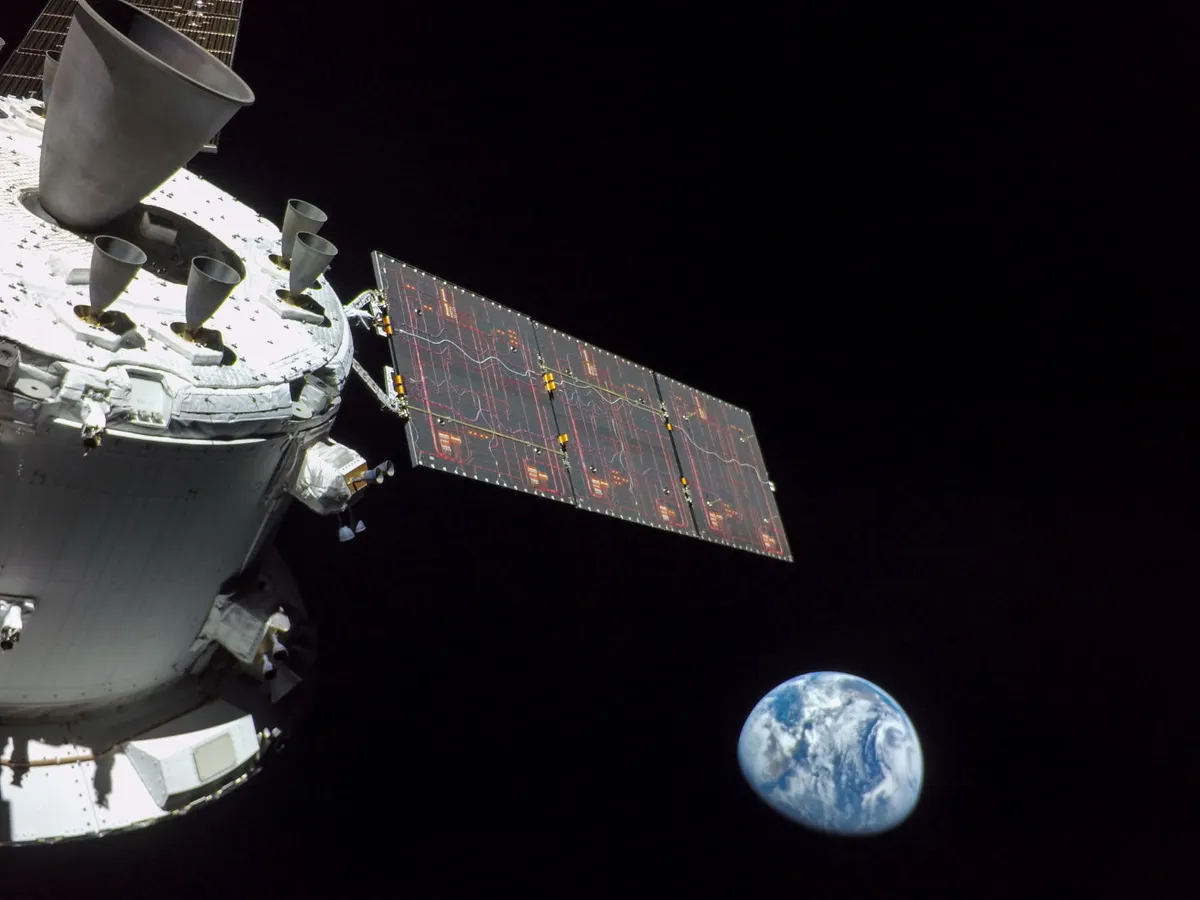
But liquid hydrogen fuel leaks like these are ultimately what plagued the Artemis I mission, which launched in November 2022 and which marked the first flight of the Artemis programme.
And while Artemis I was a success, it was after all an un-crewed test flight.
Now that NASA is preparing to launch Artemis II, the first crewed mission of the programme, the discovery of a fuel leak during the first dress rehearsal is all the more significant.
For a while, it felt like Artemis II was indeed going to launch in early February. With the crew in quarantine and the wet dress rehearsal beginning pretty much as scheduled, many of us were hoping we wouldn't need to wait too long.
But, as NASA will undoubtedly repeatedly point out, this is why wet dress rehearsals are important, and why the launch procedure needs to run smoothly, all creases ironed out.
As Isaacman put it on X: "As always, safety remains our top priority, for our astronauts, our workforce, our systems, and the public.
"We will only launch when we believe we are as ready to undertake this historic mission."
What are your thoughts on the Artemis II mission? Let us know by emailing contactus@skyatnightmagazine.com

