
A US flag that was due to fly on the Apollo 18 mission to the Moon will finally make its journey into space, courtesy of the upcoming Artemis II flight.
The flag is one of a number of 'legacy keepsakes' that NASA is sending with the Artemis II crew on their journey around the Moon and back.
More on Artemis II

The mementos include an American flag that flew with the first Space Shuttle mission, the final Space Shuttle mission and the first crewed test flight of SpaceX's Crew Dragon spaceflight.
The Artemis II crew will also take with them a piece of early aviation history as they make their journey further into space than any human before them.
A journey to the Moon
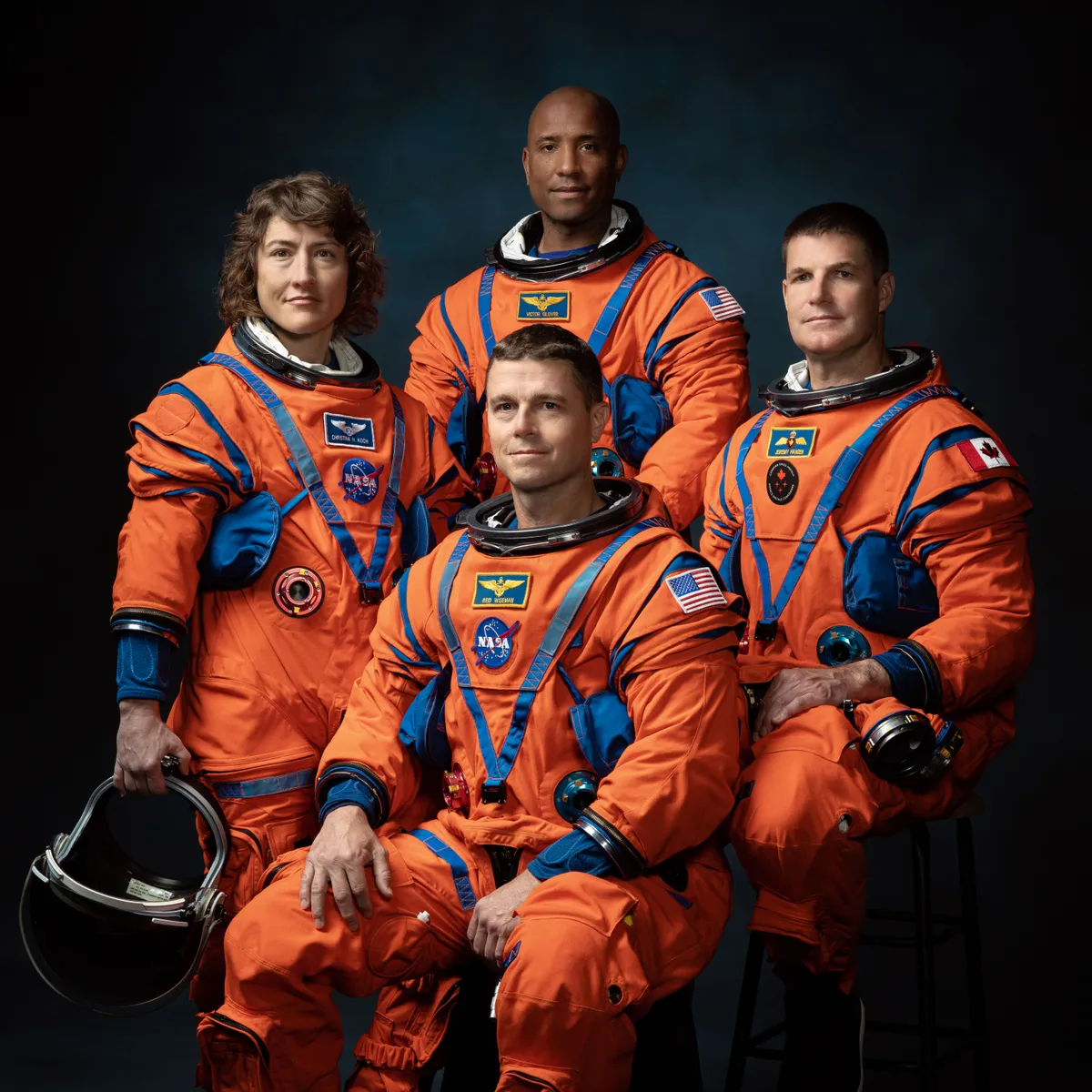
Artemis II will see four astronauts – Reid Wiseman, Victor Glover, Christina Koch and Jeremy Hansen – lift off in an Orion capsule atop a Space Launch System rocket, travel to the Moon, slingshot round the far side of the Moon and return to Earth.
The whole journey is expected to last 10 days and will take the Artemis II crew further from Earth than any crewed mission before them.
The Apollo 18 flag

NASA has identified a number of 'legacy keepsakes' that the astronauts will bring with them on their journey around the Moon and back.
These are items of historical and cultural importance: symbols of past and recent successes in aviation and spaceflight history.
One item is a flag that was set to fly on NASA’s Apollo 18 mission.
Apollo 17, which launched at the end of 1972, was the final mission in the Apollo moonlanding programme.
Further missions were planned, but never launched due to tightening budget constraints.
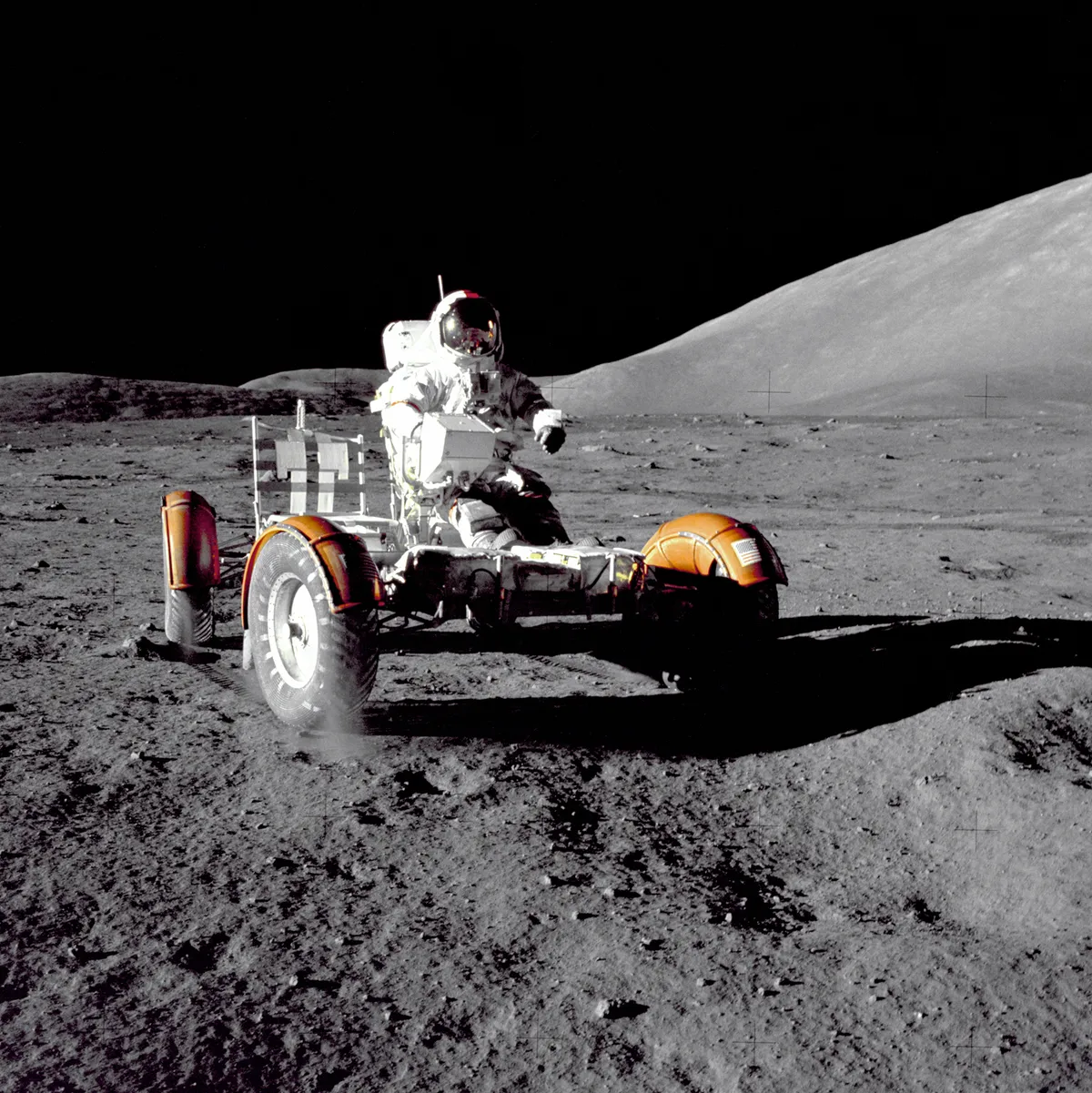
It's thought Apollo 18, 19 and 20 would have resembled the later Apollo missions that did launch, seeing astronauts spend time on the lunar surface, employing the 'Moon buggy' known as the Lunar Roving Vehicle and carrying out experiments.
Apollo 18, like Apollo 19 and 20, never flew, but a US flag that was intended for that mission will make its first flight into space inside the Orion capsule with the Artemis II astronauts.
"The flag serves as a powerful emblem of America’s renewed commitment to human exploration of the Moon, while honouring the legacy of the Apollo pioneers who first blazed the trail," says NASA.
A piece of the Wright Brothers' history

The Artemis II astronauts will also bring a 1-inch by-1-inch piece of muslin fabric from the Wright Flyer, the aircraft the Wright Brothers used to make the first powered flight in 1903.
This has been lent to NASA by the Smithsonian’s National Air and Space Museum.
A smaller piece of the same swatch flew on Space Shuttle Discovery during STS-51D in 1985, so this will be its second journey into space.
NASA says that, after Artemis II, the fabric will join two other 1903 Wright Flyer swatches at the museum.
From Space Shuttle to SpaceX
Also included in the legacy keepsakes onboard the Artemis II flight is a 13-by-8-inch American flag that flew with the first Space Shuttle mission, STS-1, the final Space Shuttle mission, STS-135 and the first crewed test flight of SpaceX’s Crew Dragon spacecraft, SpaceX Demo-2.
America's first mission to the Moon
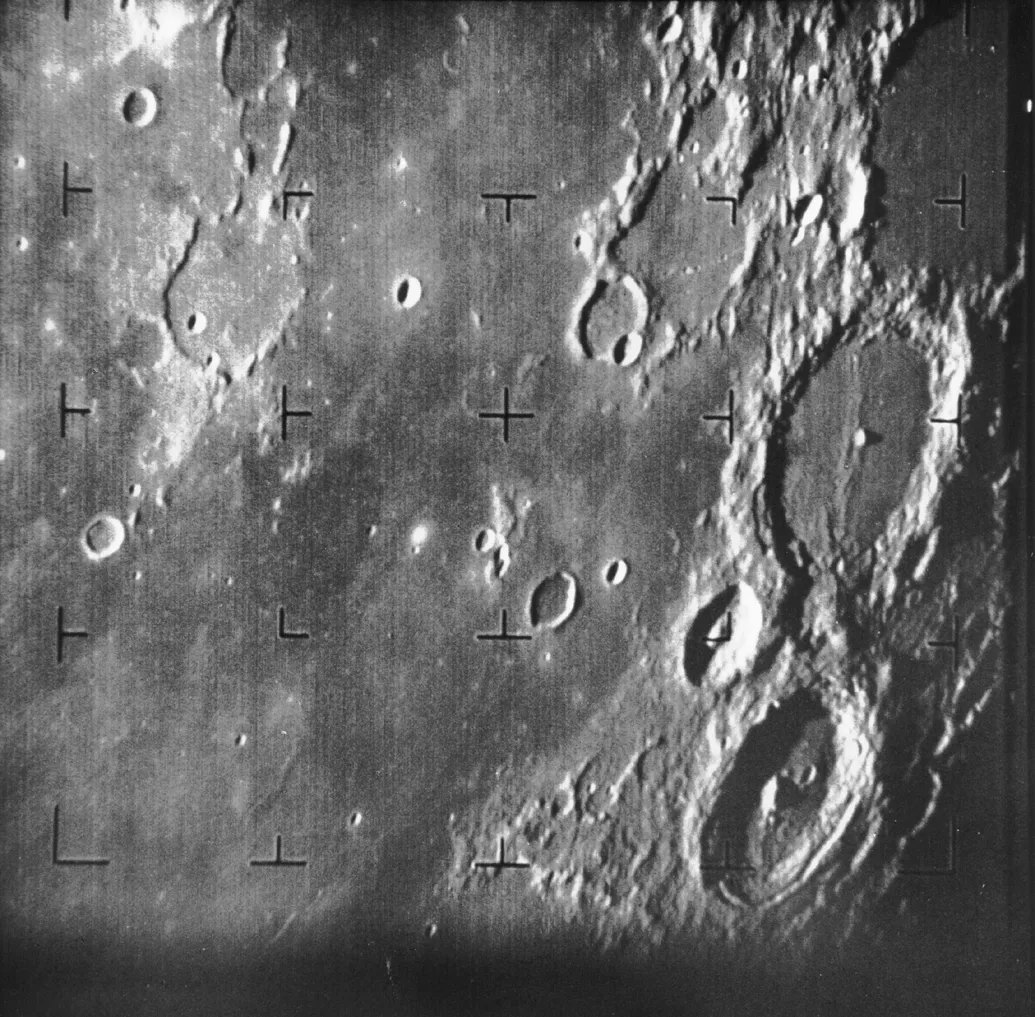
NASA's Ranger 7 mission launched on 28 July 1964 and became the first fully successful US mission to touch the Moon.
This uncrewed mission sent back over 4,300 images of the Moon before purposely crashing into the lunar surface.
Ranger 7 was seen as a turning point in the Cold War Space Race between the US and the then Soviet Union, as both world powers vied for supremacy in space.
In the early days of the Space Race, the US were largely outmatched by the Soviets, but missions like Ranger 7 proved the US were a formidable space-faring nation.
A copy of a 4-by-5-inch negative of a photo from Ranger 7 will be included in the Artemis II Orion capsule.
US soil around the Moon

The Artemis II mission will also carry soil samples gathered from the bases of trees that grew from seeds carried into space during the uncrewed Artemis I test flight in November/December 2022.
A variety of tree seeds flew on Artemis I and were then distributed to educational institutions after the mission.
"Historical artifacts flying aboard Artemis II reflect the long arc of American exploration and the generations of innovators who made this moment possible," says NASA Administrator Jared Isaacman.
"This mission will bring together pieces of our earliest achievements in aviation, defining moments from human spaceflight, and symbols of where we’re headed next.
"During America’s 250th anniversary, Orion will carry astronauts around the Moon while also carrying our history forward into the next chapter beyond Earth."

