
There's little in the world of naked-eye stargazing as satisfying as a weekend full Moon.
From Friday 30 January through to Sunday 1 February, we'll have a beautiful full Moon visible in the sky after sunset, and in the morning before sunrise.
This is the Snow Moon, which is the name given to the full Moon in February.
And if you observe it tonight, Friday 30 January, through to the early hours of Saturday morning, you'll see it close to the brightest planet in the sky.
For weekly stargazing advice and Moon phases delivered straight to your email inbox, sign up to receive the BBC Sky at Night Magazine e-newsletter

Snow Moon explained
'Snow Moon' is the name given to the full Moon visible in February.
Each of the monthly full Moons has acquired a few informal nicknames over the centuries, and these reflect changes in the seasons as observed by our ancestors.
The full Moon names highlight significant natural or cultural events occurring during the month in which the full Moon is visible.
February was traditionally the month in which it was most likely to snow in the Northern Hemisphere, and so February's full Moon is known as the Snow Moon.
It's worth remembering that these full Moon names are just nicknames, and don't actually indicate that the Moon will look any different from other full Moons of the year.
But nevertheless, each full Moon is a spectacle in itself, and the nicknames serve as a reminder of humanity's close relationship with our only natural satellite.
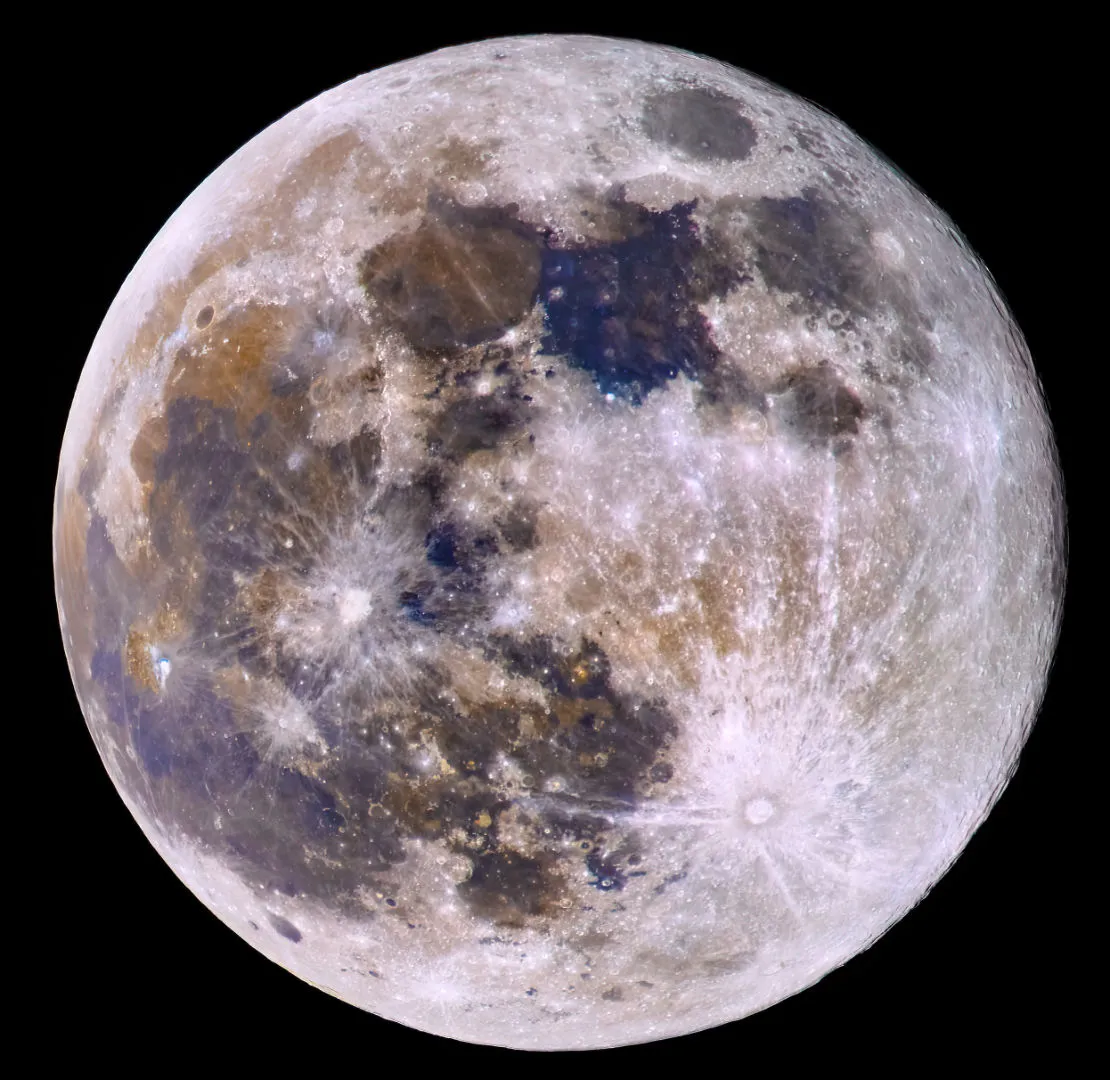
The Snow Moon meets Jupiter
This weekend's full Moon will be close to the planet Jupiter in the sky, and Friday 30 January will be the best time to see the pair together.
We get full Moons when the Sun and the Moon are on opposite sides of the Earth, causing the whole of the Earth-facing side of the Moon to be basked in sunlight.
Remembering that the Sun is opposite the Moon in the sky during full Moon is an easy way of remembering where the full Moon will rise.
As the Sun is setting in the west, the full Moon is rising in the east.
That means if you look to the east just after sunset on Friday 30 January, you'll see the full Moon rising.
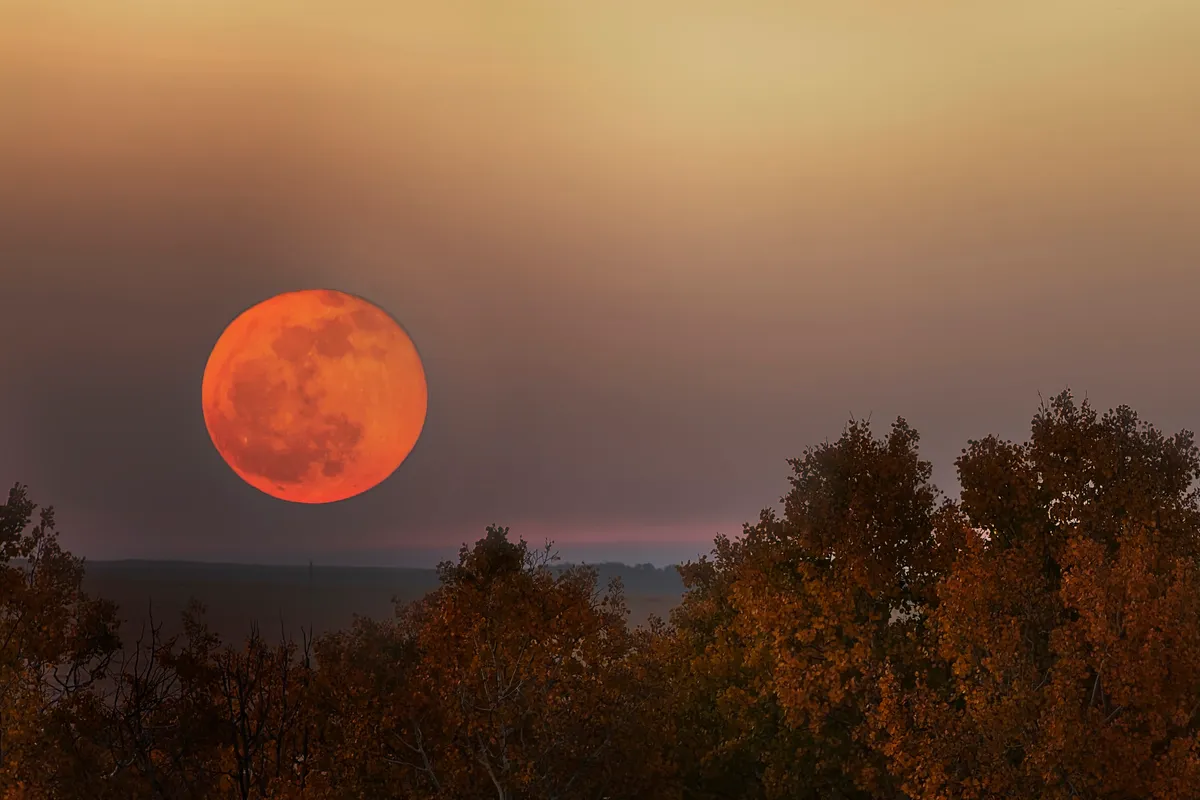
If you have a clear eastern horizon and can spot it low down in the sky, you might even notice it looks bigger than usual. This is an optical effect known as the Moon illusion.
You may also observe it's slightly orange or rust-coloured. Again, this is an optical effect, caused by light from a low-down Moon passing through Earth's thick atmosphere and becoming refracted as it does so.
But the best thing about the Snow Moon tonight, 30 January, is the bright star hanging below it.
That 'star' is actually the planet Jupiter, which is currently the best, brightest planet to see in the night sky.
Follow the pair as they climb higher towards the south as midnight approaches, and you'll see them track across the sky together.
You may also notice the Moon and Jupiter are forming a square-shaped pattern with two other stars to their left. These are Castor and Pollux, the twin stars of Gemini.
If you're an early riser, you'll be able to spot Jupiter and the Moon low on the west-northwest horizon before sunrise on Saturday morning.

The rest of the weekend
The Moon appears to track eastwards across the sky, night after night, while the stars and planets stay pretty much in the same position, from one night to the next.
That means the Moon will get further and further from Jupiter on Saturday and Sunday night.
Look again on Saturday 31 January as the Moon is rising in the east. It's further to the left of Jupiter, and now forming a line with Castor and Pollux, pointing down towards the horizon.
On Sunday 1 February, the Moon is now completely full, and this is the night of the Snow Moon proper.
You may notice it's again close to a bright star. This time it really is a star. It's Regulus, the brightest star in the constellation Leo.

The Moon is to the right of the Sickle asterism, which is a star pattern that looks like a backwards question mark, and Regulus marks the bottom point of this star pattern.
That bright lunar glare will make the star pattern hard to see, but you should be able to spot Regulus below and to the left of the Moon.
On the evening of Monday 2 February through to the early hours of Wednesday 3 February, the Moon will be even closer to Regulus, and from the UK and Europe you'll see the star skim past the top of the Moon.
If you're in North America, you'll see Regulus actually disappear behind the Moon, in an event known as a lunar occultation.
If you're out observing the Moon this weekend, share your images and observations with us by emailing contactus@skyatnightmagazine.com

