NASA has announced more details regarding its upcoming Space Reactor-1 (SR-1) Freedom, which if successful, will be the first nuclear fission-powered spacecraft to travel beyond Earth orbit.
The new details include a shorter boom separating craft and reactor, an upgrade to the craft’s communications systems, and the awarding of a $39.3 million (£29.6m) contract to supply the spacecraft’s heat rejection system.
Before we delve into the details, though, it’s important to clarify exactly what’s so groundbreaking about SR-1… after all, spacecraft have used nuclear fuel sources for decades, haven’t they?
Read more
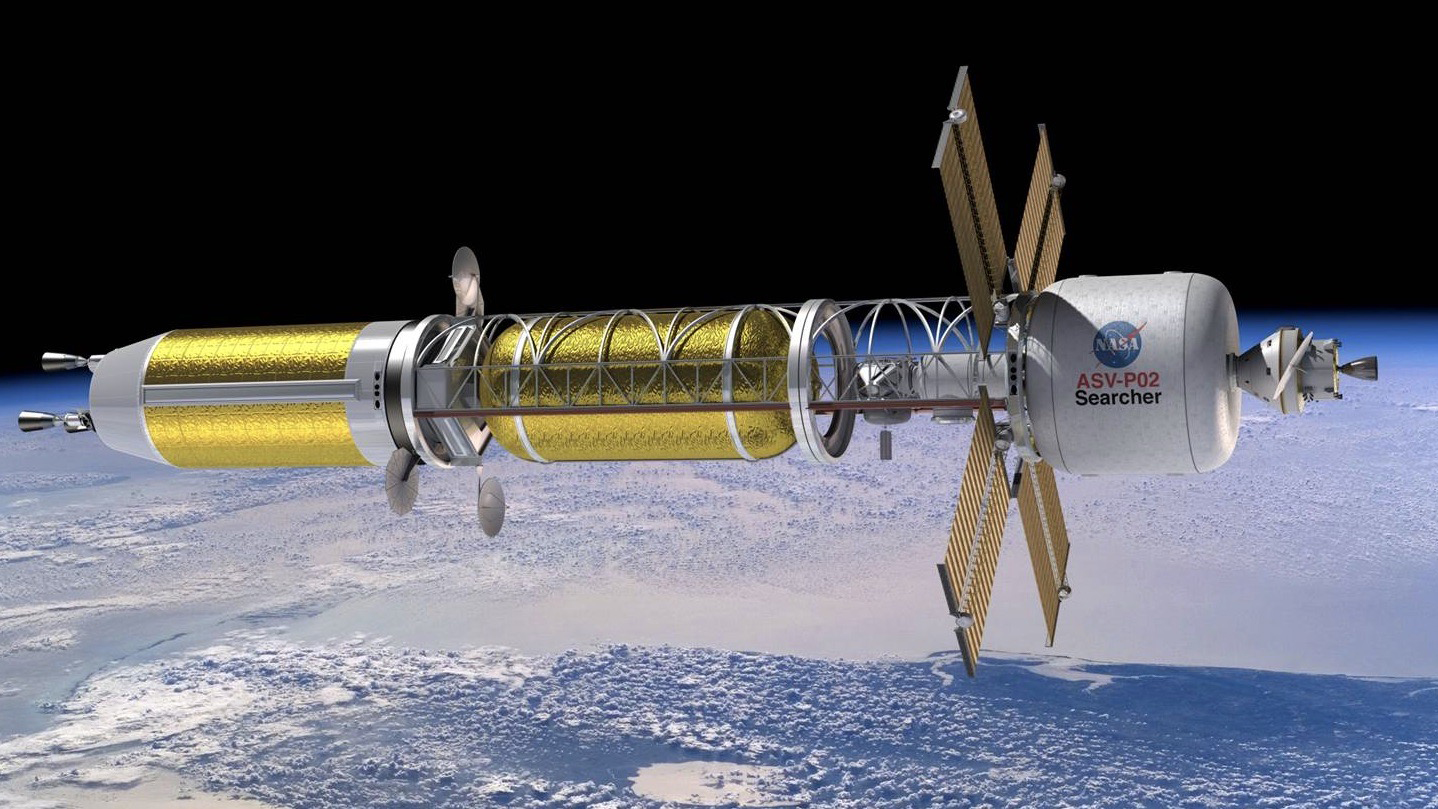
Spacecraft and nuclear fuel
Well, yes… and no. Many spacecraft do indeed have a nuclear power source onboard: they have ever since the US Navy launched its Transit 4A navigation satellite into orbit, way back in 1961.
Three main types of nuclear power source are used on spacecraft.
- RHUs (radioisotope heater units) generate heat from the decay of a radioactive substance, usually Plutonium-238.
- RTGs (radioisotope thermoelectric generators) do the same thing but then convert that heat into electric power via a thermoelectric generator
- Fission reactors produce heat from the fission of enriched Uranium-235 and then convert THAT to electricity.
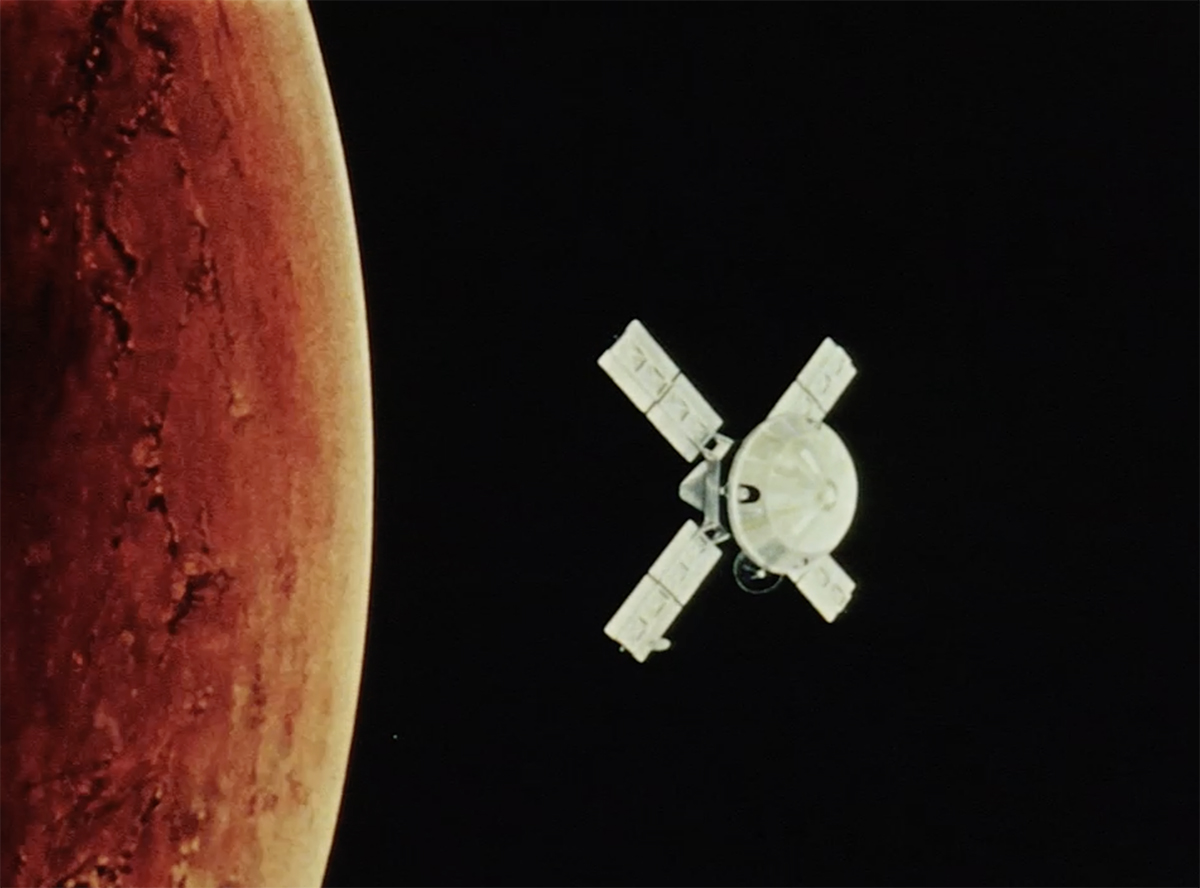
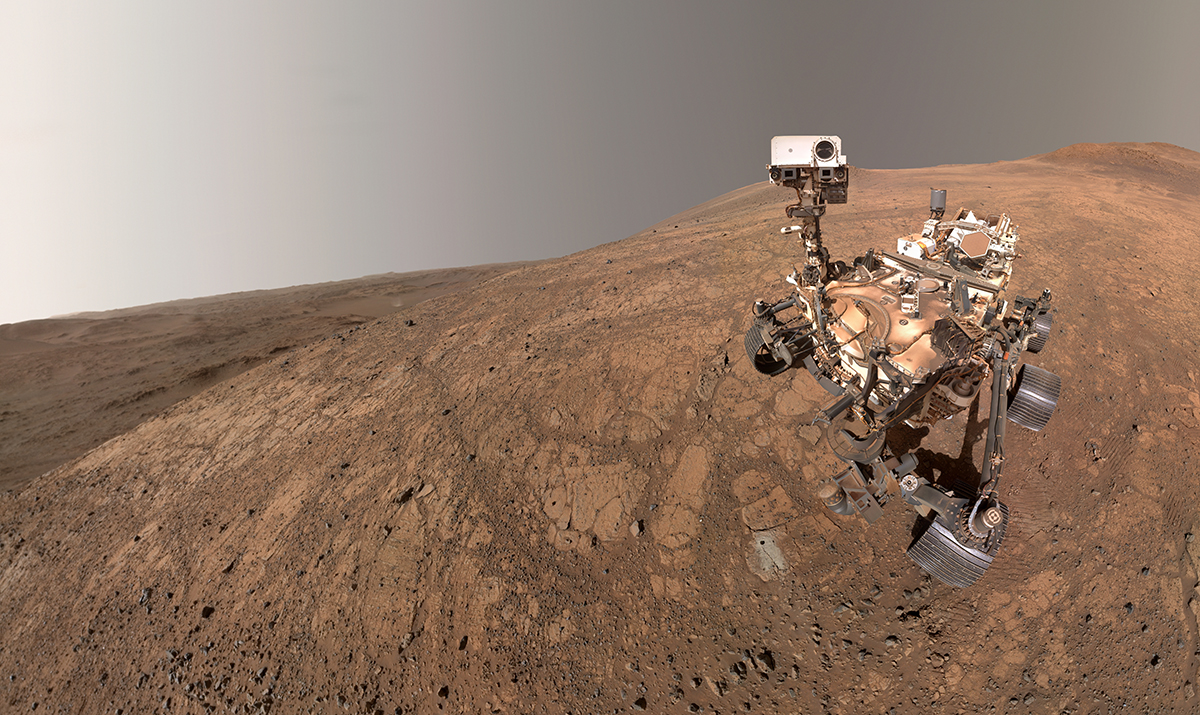
Most of the later Apollo missions had RTGs onboard; so did the Pioneer, Viking and Voyager missions, as do NASA’s various Mars rovers.
Numerous Russian satellites and probes have been fission-powered, while RHUs have powered more recent launches by India and China.
But in all of the above cases, the power generated was used for two things: powering the craft’s electrical and electronic components, and keeping the craft warm enough so the equipment onboard (and the crew, if there was one) didn’t freeze.
Space Reactor-1 Freedom, on the other hand, will be one of the first spacecraft to be propelled by nuclear power.
It won’t be THE first, because the technology has previously been tested on a handful of satellite launches, but it’ll be the first spacecraft to use nuclear propulsion to get it out of Earth orbit… and all the way to Mars.
Exciting stuff, we’re sure you’ll agree!
SR-1 Freedom – what we know so far
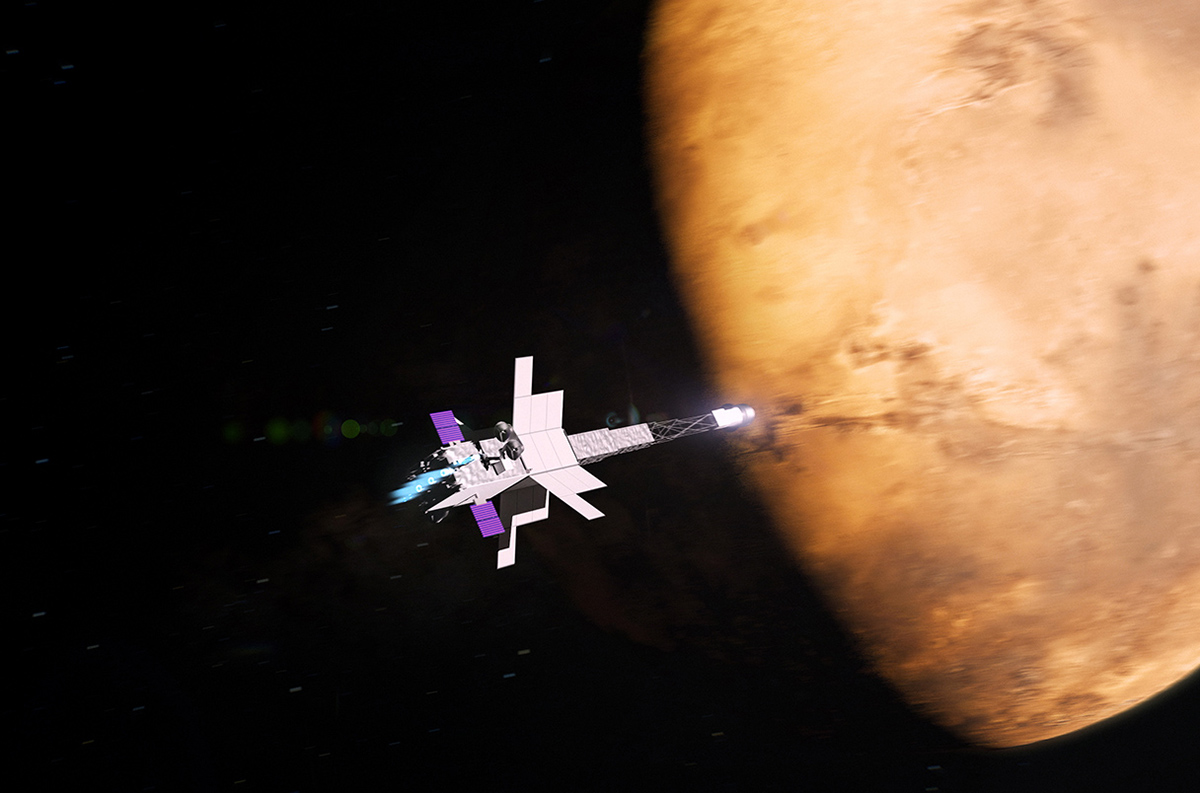
NASA announced the SR-1 mission back in March and is aiming for a 2028 launch date.
Which brings us neatly back to the new developments that have just been announced, so let’s look at those one by one…
A shorter boom
Even the safest nuclear reactor gives off a certain amount of radiation, and radiation is something to which electronic instruments are very sensitive.
Accordingly, NASA’s original plans for SR-1 featured a long boom separating the craft’s nuclear reactor from the rest of the ship, in order to shield the onboard scientific instruments from the radiation coming from the reactor.
Now, however, that boom has been truncated. NASA says this is because it has developed improved shielding for the reactor which will reduce the amount of radiation emanating from it.
With the required physical separation now significantly reduced, that has enabled engineers to come up with a design for the craft that is shorter, lighter, more streamlined and easier to assemble.
Upgraded communications
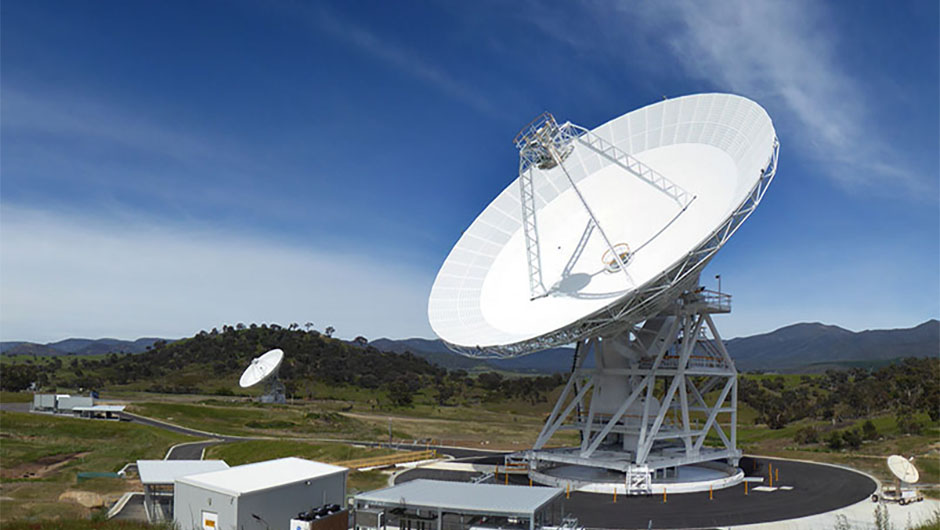
Another significant improvement has been made to SR-2’s Power and Propulsion Element, which will now feature larger X-band antenna dishes.
These will be used to connect to NASA’s Deep Space Network – the array of large antennas that NASA maintains in the US, Spain and Australia, in order to communicate with spacecraft – and so send data gathered by SR-1 back to Earth for analysis.
Heat rejection contract awarded
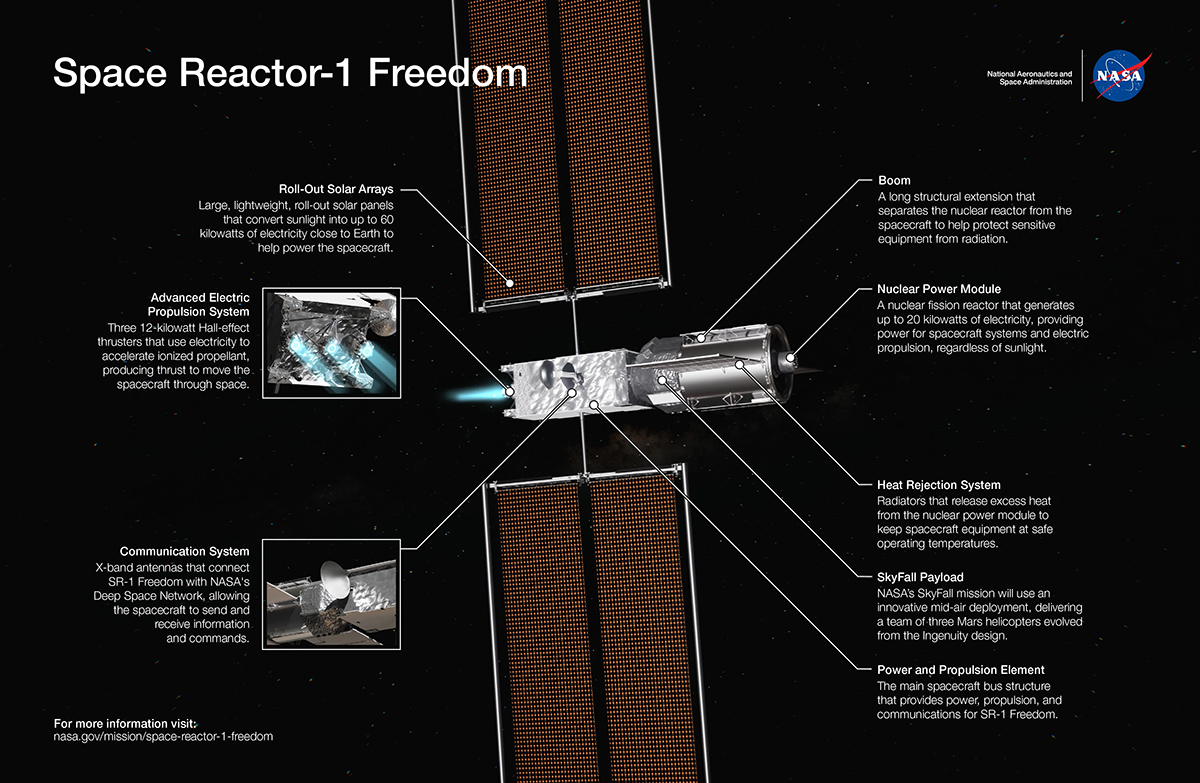
Finally, a $39.3 million (£29.6m) contract has been awarded to Johns Hopkins University’s Applied Physics Laboratory, for the development of SR-1’s heat rejection system.
As well as emitting radiation, fission reactors also generate a lot of heat – which again can be an issue for sensitive electronic instruments, and for electrical components.
So you need a system to reduce that heat, either by emitting it safely into space or by cooling the onboard components to compensate.
And that’s exactly what the Johns Hopkins APL scientists will be working on, alongside commercial company Advanced Cooling Technologies.
What will SR-1 Freedom do?
The new announcements bring SR-1 a step closer to becoming reality, but there are expected to be many more developments before the craft is ready to launch.
Once it does, it will travel to the Red Planet to deploy three Ingenuity-class helicopters that will survey the Martian surface, looking for any indications of subsurface water as well as searching for potential landing sites for putative crewed missions in the future.
But by the time SR-1 reaches Mars, it will already have fulfilled its main purpose, which is to serve as a test-run for nuclear-propelled missions into deep space.
Which means that, in the quietest way possible, this new announcement heralds the dawn of a whole new era for human spaceflight. And that really IS exciting!