
The Strawberry Moon rose on 29 June 2026, marking the first full Moon of summer in the Northern Hemisphere.
Named after the month in which wild strawberries were traditionally ripe for picking, the full Strawberry Moon's appearance in the sky is a sign that the brighter months are finally upon us.
One photographer who captured the Strawberry Moon rising is Aquib Ali Ansari, who witnessed it above the majestic palace of Jal Mahal in Jaipur, Rajasthan, India.
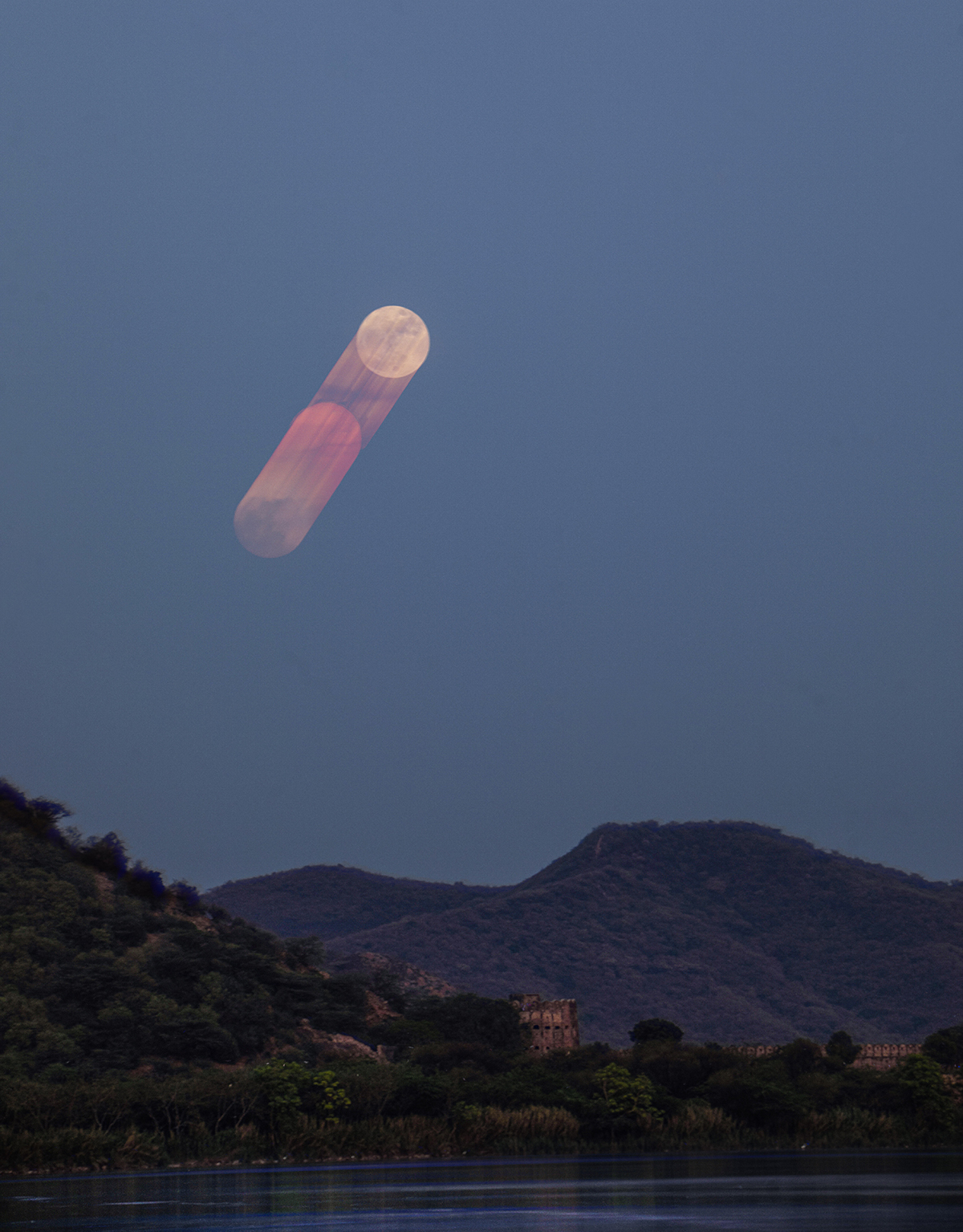
He captured a beautiful image of the Moon rising above Jal Mahal, using a photographic technique known as 'lunar drift'.
More amazing images
Rather than a single exposure, Aquib photographed the Strawberry Moon numerous times and then combined over 190 sequential images to reveal its apparent motion across the twilight sky.
"The final composition illustrates the Moon's graceful journey while preserving surface detail in each position," says Aquib, "creating a visual representation of the passage of time against one of Jaipur's most iconic landmarks."
Here's how he did it.
Capturing the lunar drift
"I had been planning the shoot for several days, watching the weather forecast and moonrise timing, hoping everything would come together on the evening of the full Moon," he says.
"Jal Mahal is one of Jaipur's most iconic landmarks, and I wanted to create an image that combined the beauty of this historic location with the motion of the Moon.
"I set up my Canon EOS 5D Mark IV DSLR camera with a Sigma 150–600mm lens on a tripod overlooking the palace and photographed the Moon continuously as it climbed above the Aravalli Hills.
"The camera remained fixed throughout the session while I captured more than 190 sequential images over several minutes.
"The challenge was working within the short window of twilight. The brightness of the sky changes quickly after moonrise, so exposure had to be carefully balanced to retain detail in both the Moon and the landscape.
"I also wanted the final image to feel natural while clearly conveying the Moon's movement."
Processing the final image
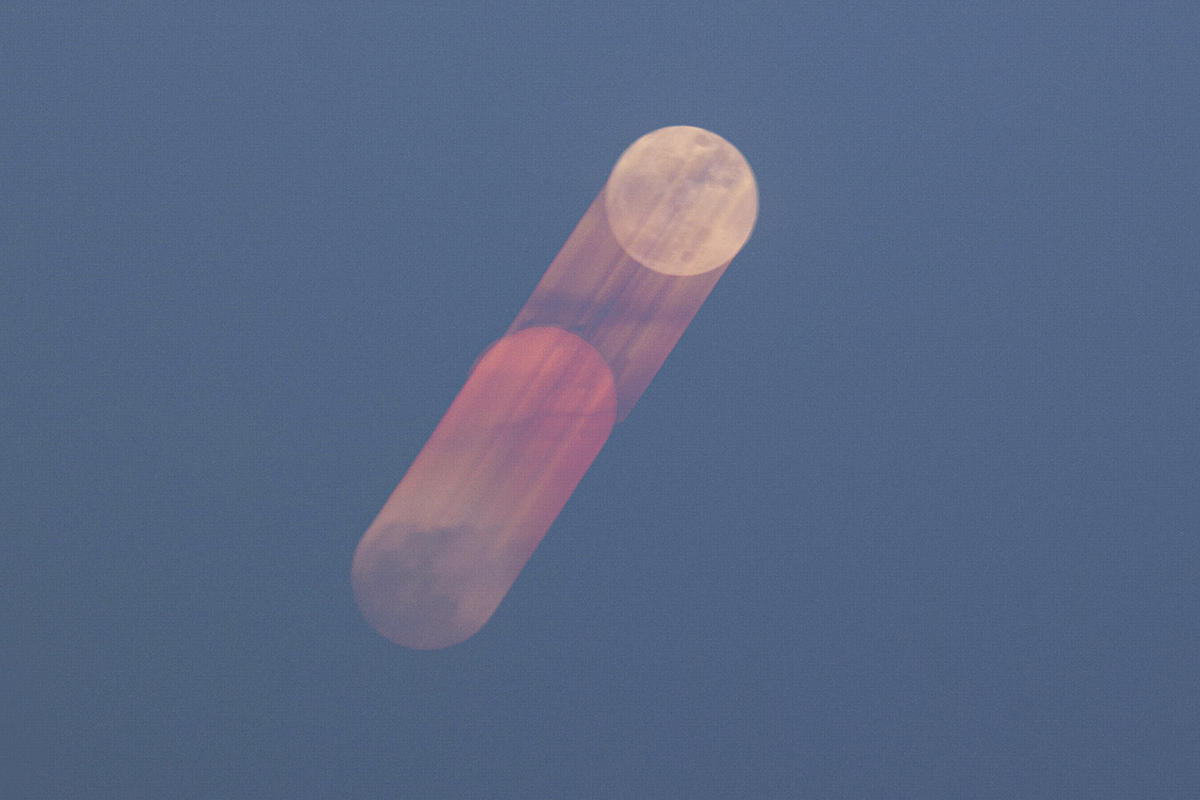
"Back home, I combined the sequence in StarStaX using the Lunar Drift technique, creating a graceful trail that illustrates the Moon's apparent journey across the evening sky.
"I then completed the final processing in Adobe Lightroom, making subtle adjustments to exposure, colour balance, contrast and noise reduction, while preserving the natural atmosphere of the scene.
"What I love most about this image is that it shows something we don't normally perceive.
"The Moon's motion is too slow to notice in real time, but by compressing several minutes into a single frame, the photograph reveals its graceful path while the timeless silhouette of Jal Mahal remains still beneath it.
"It's a creative way of blending astronomy, landscape photography, and the passage of time into one image."
See more of Aquib's work via his Instagram channel @capturedbyaquib
Capture details
- Equipment: Canon EOS 5D Mark IV DSLR camera, Sigma 150–600mm contemporary lens, tripod
- Exposure: ISO 400, f/8, 1/8s, 211mm
- Software: StarStaX (to create the Lunar Drift from over 190 sequential images); Adobe Lightroom (final processing, colour correction, exposure adjustments and finishing)
Are you an astrophotographer? Whether beginner or experienced, send us your images and they could appear in a future issue of BBC Sky at Night Magazine.

