
A team of astronomers, includingThe Sky at Night presenter Dr George Dransfield, have discovered two of the least-dense giant planets ever found.
The rare pair of ‘super-puff’ worlds are so diffuse that they’re less dense than candy floss, despite being roughly the size of the gas giant Jupiter.
The planets, designated TOI-791 b and TOI-791 c, were found by an international team led by the University of Oxford.
The observations are a rare opportunity to investigate how some of the strangest planets in the Galaxy form and evolve.
More strange worlds
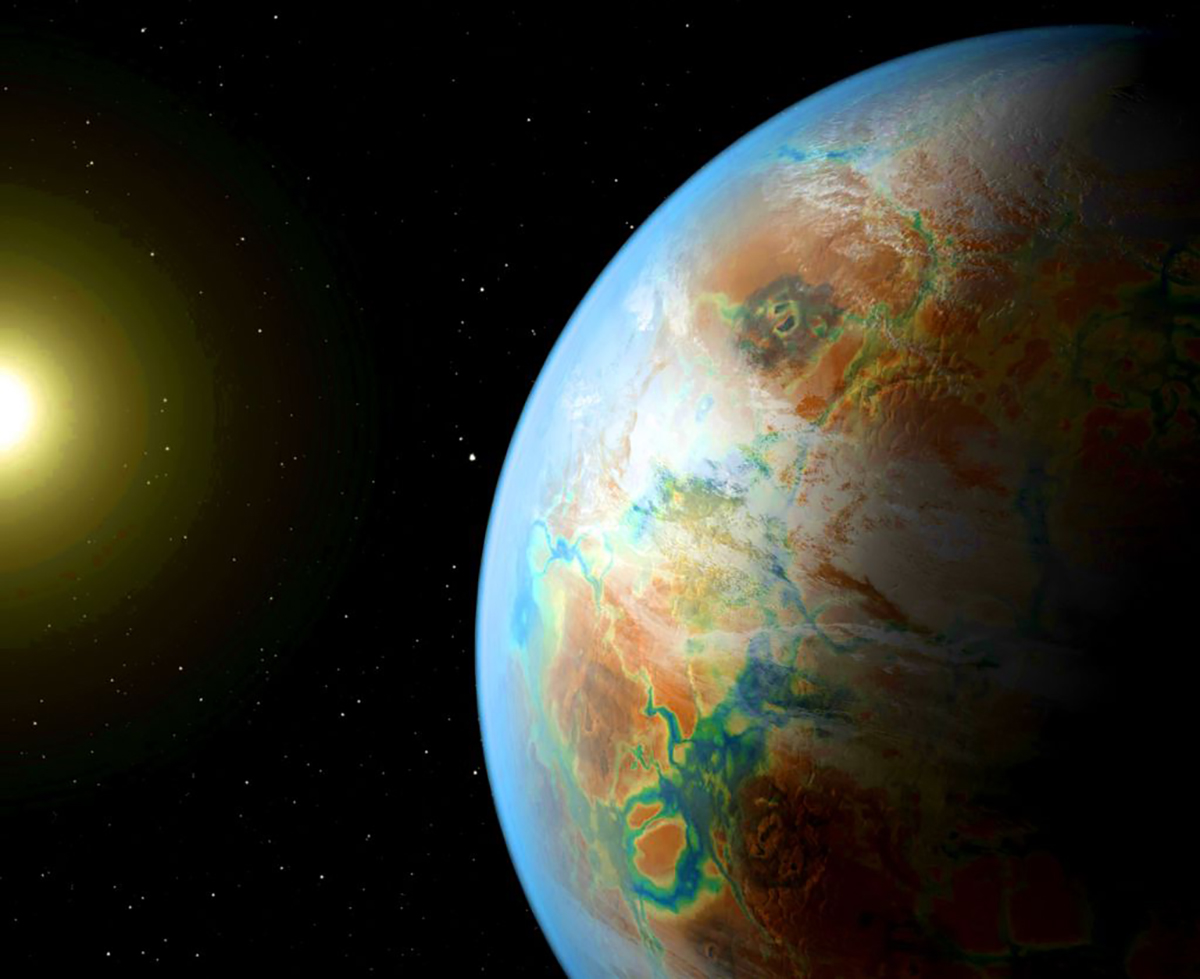
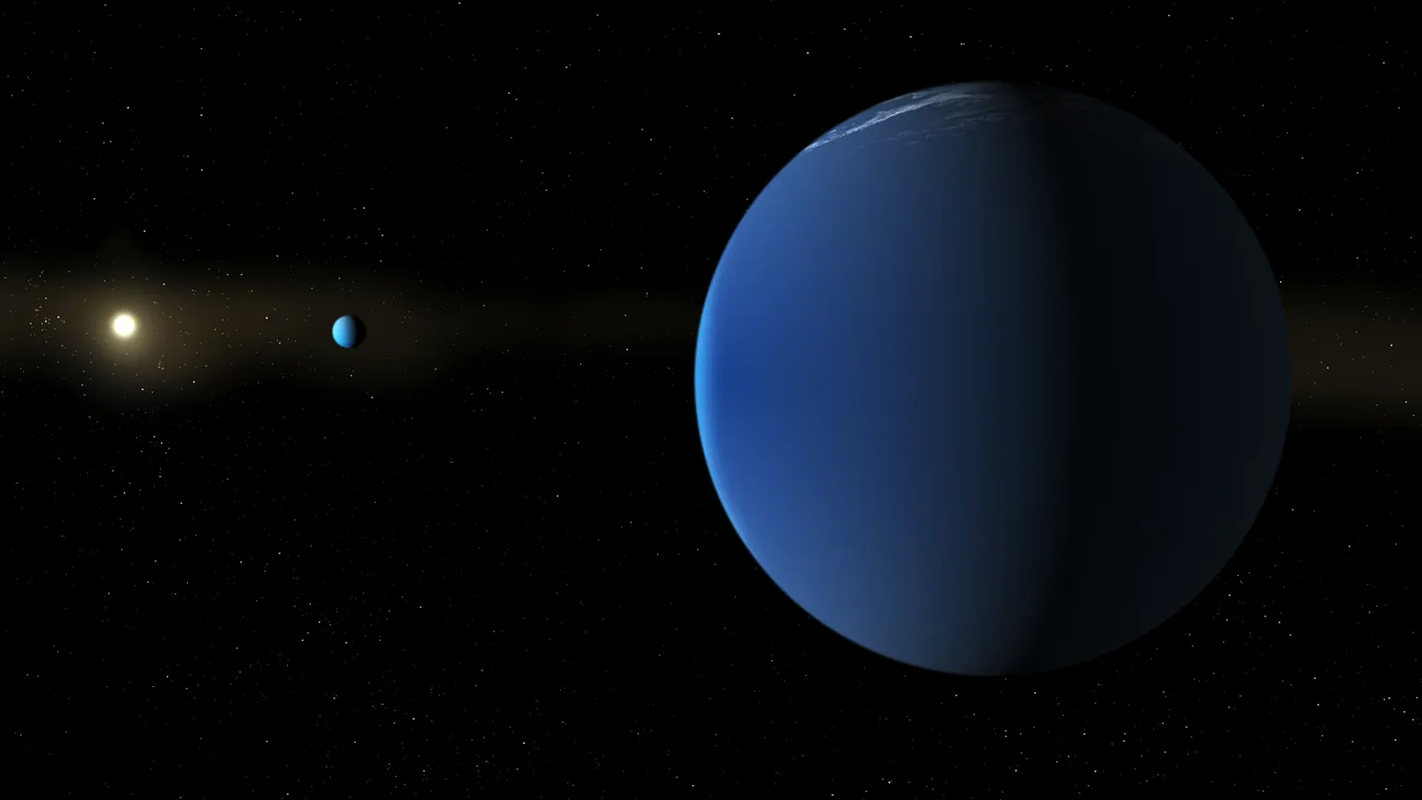
Lead author Dransfield describes the planets as having “densities comparable to a nice blob of shaving foam, fresh from the can,” adding that the system “provides a unique laboratory to test theories of planetary formation and evolution”.
The two worlds orbit an F7-type dwarf star around 1,110 lightyears away within the constellation Volans.
Although comparable in size to Jupiter, TOI-791 b has an average density of just 0.038 grams per cubic centimetre (0.0014lb/in³), while TOI-791 c’s is 0.047 grams per cubic centimetre (0.0017lb/in³).
Candy floss typically has a density of around 0.05 grams per cubic centimetre (0.0018lb/in³), making the planets even fluffier.
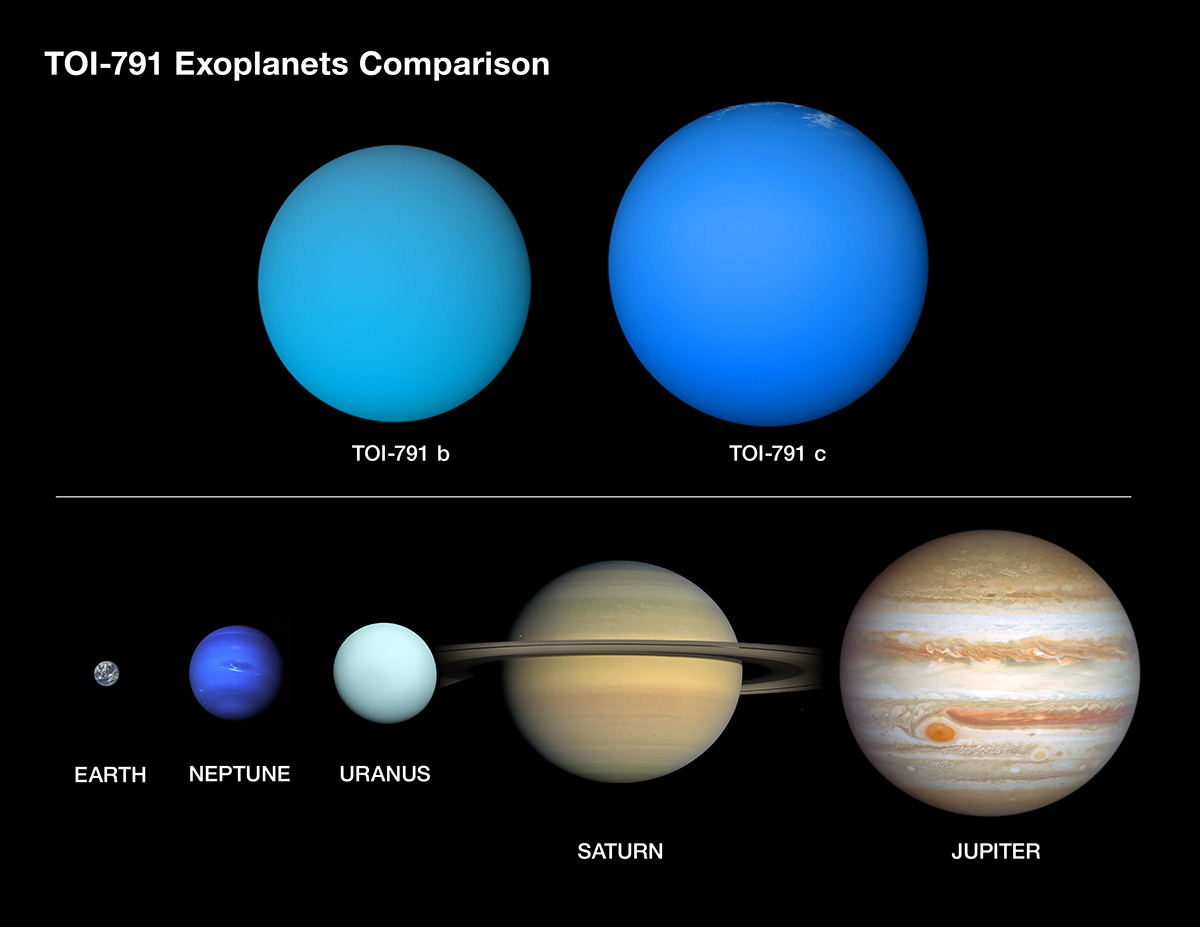
Jupiter’s average density is 1.33 grams per cubic centimetre (0.048lb/in³), around 28–35 times greater.
The planets also occupy a rare 5:3 mean-motion resonance, meaning the inner world completes five orbits for every three completed by the outer planet.
This gravitational relationship causes timing variations in their transits across the star, helping the team probe the system in greater detail.
The researchers hope future observations will determine the planets’ atmospheric composition and help explain how these enormous but featherweight worlds came to exist.

