The Ursid meteor shower is currently at its peak, making for a great night-sky observing event as we approach the Christmas holidays.
This annual winter meteor shower is active from 17–26 December, with peak nights occurring on 21/22 and 22/23 December.
The peak of any annual meteor shower makes for a great opportunity to get the family wrapped up warm and looking up at the night sky.
Read Pete Lawrence's complete guide to the Ursid meteor shower, and read on for our top tips on spotting a meteor.
Find out when the next meteor shower is visible
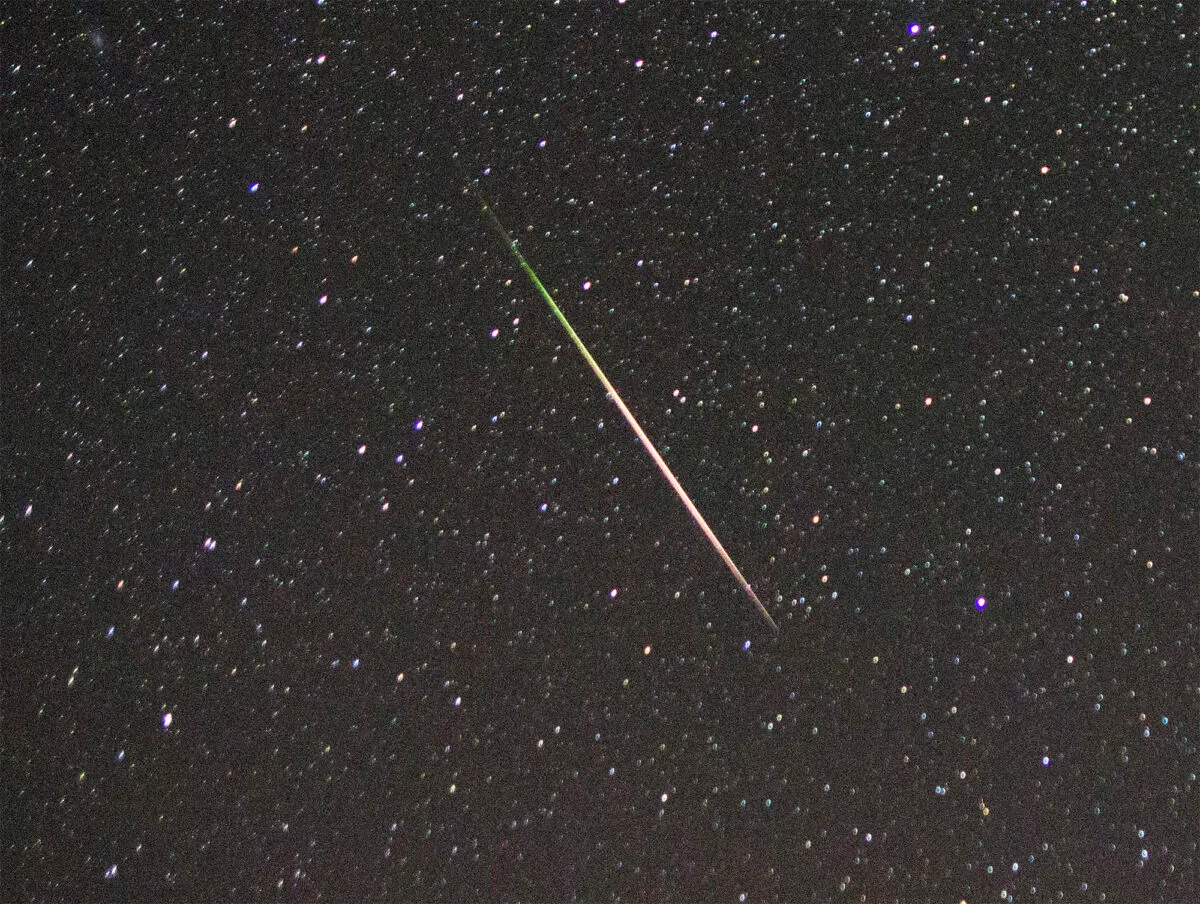
Observing a meteor shower
When describing a meteor shower, astronomers talk about the 'radiant'. This is the region of the sky from which the meteors appear to originate.
The Perseid meteor shower, for example, has its radiant in Perseus, while the Lyrid meteor shower has its radiant in the constellation Lyra.
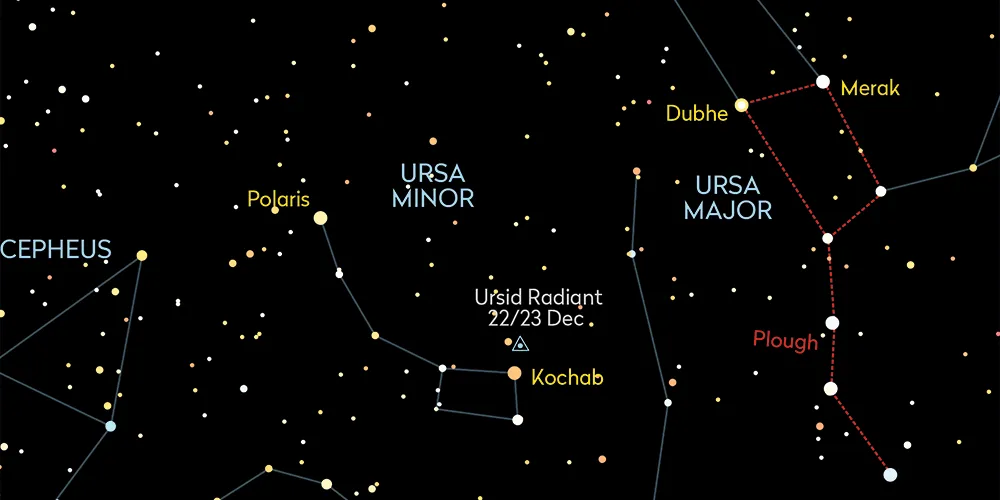
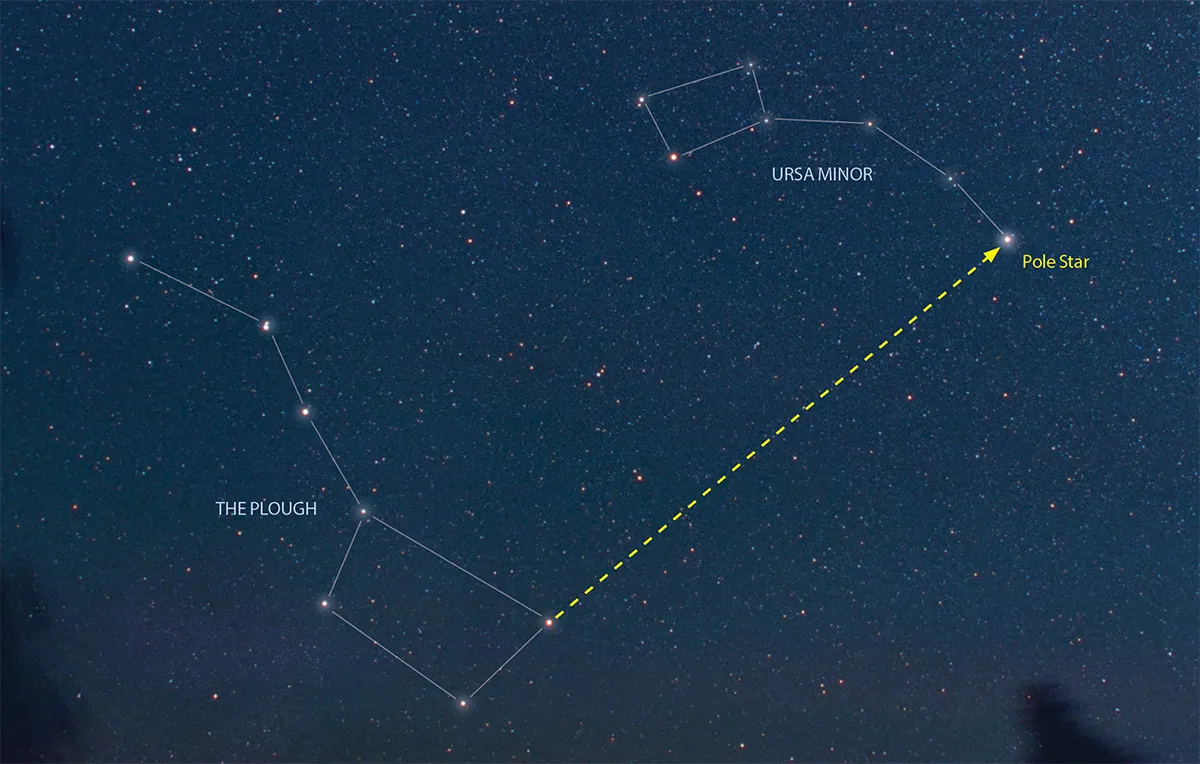
The Ursid meteor shower is so-called because its radiant is in Ursa Minor, which can be found in the sky near the star pattern known as the Plough (part of the Ursa Major constellation).
To be more precise, the Ursid shower has its radiant position close to the star Kochab (Beta (β) Ursae Minoris).
Use a starchart, a planisphere or a smartphone astronomy app to help you locate these radiant constellations throughout the year.
How many Ursid meteors can you expect to see?
The Ursid meteor shower has a typical peak rate of 10 meteors per hour, and it's best to observe around 22:00 UTC on 22 December.
The frequency of a meteor shower is described by a figure known as the zenithal hourly rate (ZHR).
ZHR is a representative figure, though, as it indicates how many meteors you might expect to see during peak activity under perfect conditions.
The actual number of meteors you'll see will likely be lower.
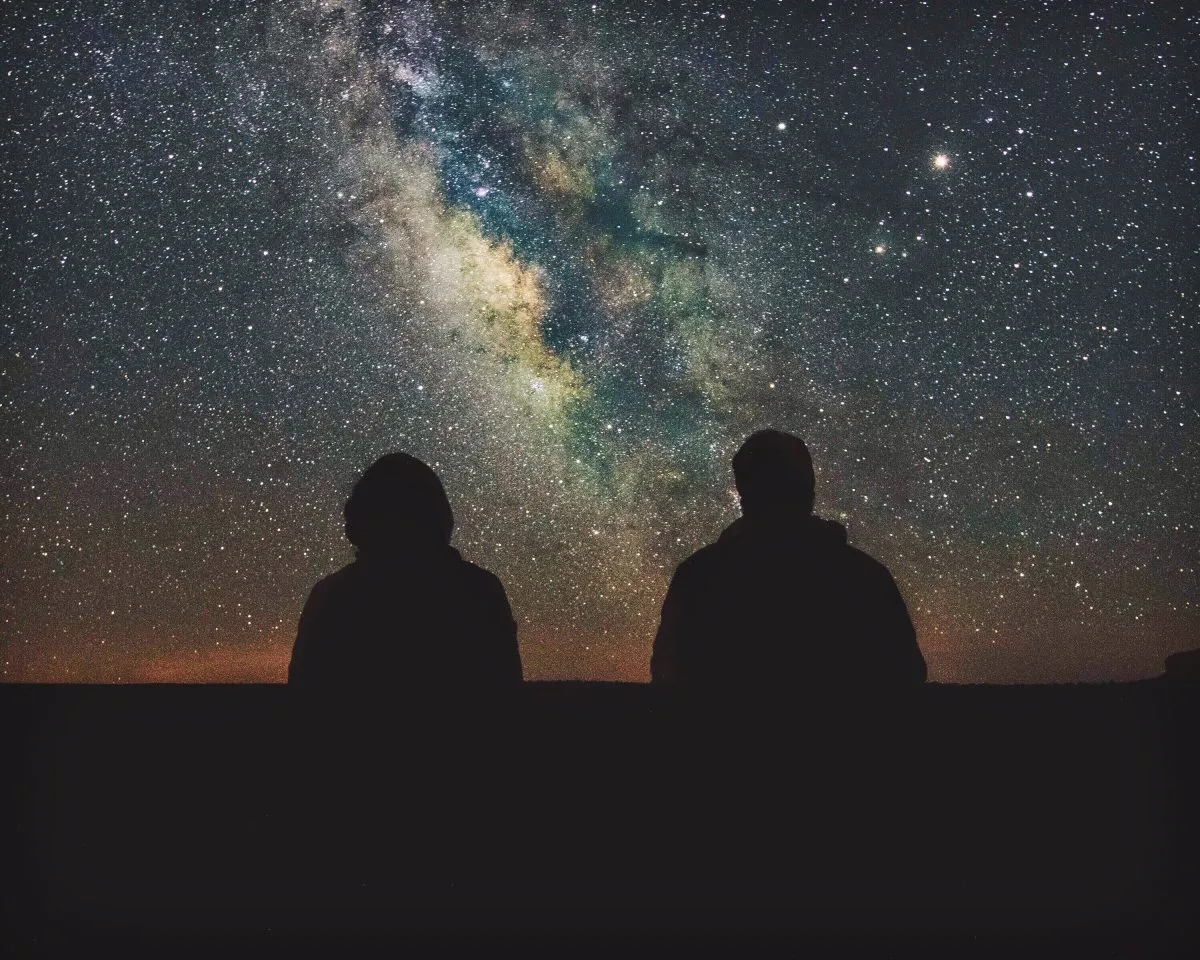
How to see an Ursid meteor
- Find a place that's dark and away from light pollution
- If you have a back garden and live under dark skies, you can observe from the comfort of your own garden.
- You should turn off all artificial lights, if possible, to make sure conditions are truly dark.
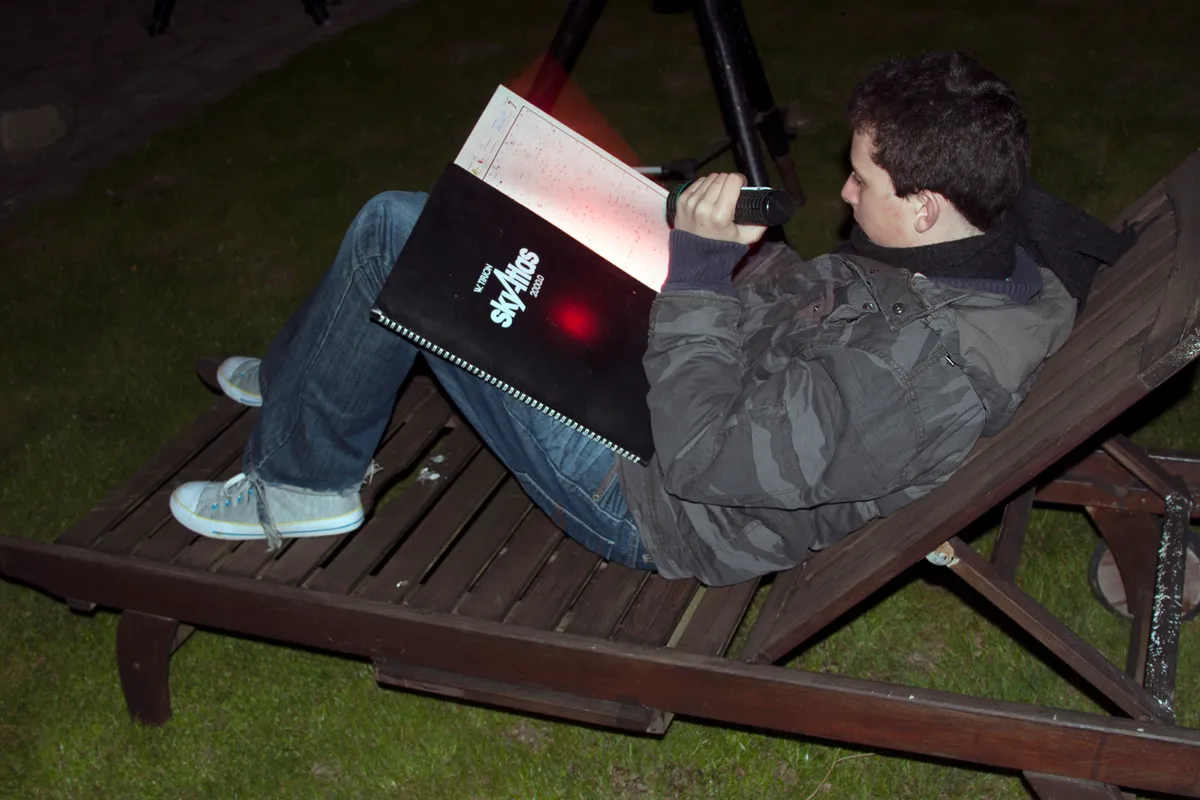
- Avoid light sources like torches and mobile phones, as this will spoil your natural night vision
- Wait 20 minutes for your eyes to dark adapt
- Wrap up warm and make yourself comfortable
- Look about two thirds of the way up the night sky
- If you manage to see a meteor between 17–26 December and appearing to originate from Ursa Minor, chances are you've seen an Ursid.