
A new study of one of the world’s darkest coatings suggests it could dramatically reduce the impact of satellites on astronomy.
Researchers at the University of Surrey found that the ultra-black coating Vantablack 310 could make satellites faint enough to approach the brightness limits recommended by the International Astronomical Union for protecting astronomical observations.
In Monthly Notices of the Royal Astronomical Society, the team report that Vantablack 310 reflects only around two per cent of incoming light and reduces bright flashes by scattering light more diffusely.
Read more

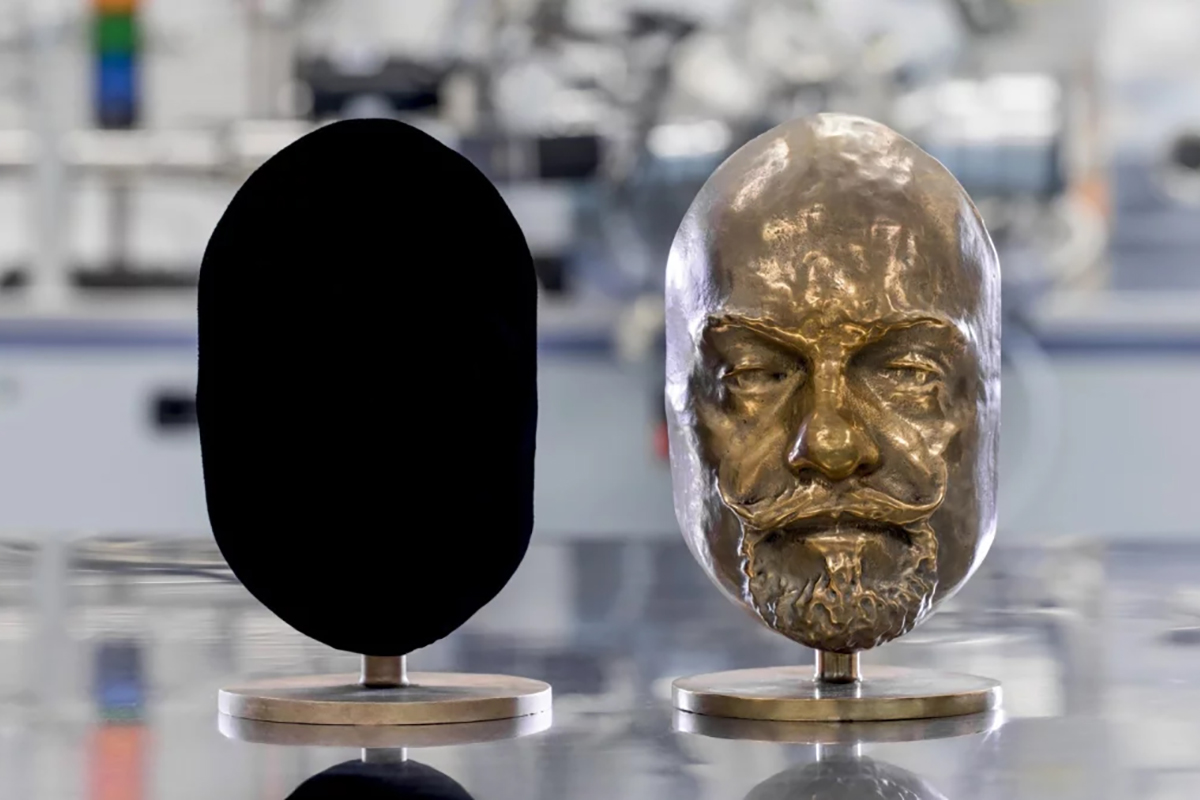
They measured the coating’s reflectivity under a range of illumination and viewing conditions to simulate how satellites painted with it would appear from the ground.
Their simulations suggest the painted satellites could have their apparent brightness significantly reduced to around magnitude +7.0, making them effectively too faint to be seen by most naked-eye observers.
This comes as concern grows over the impact of satellite megaconstellations.
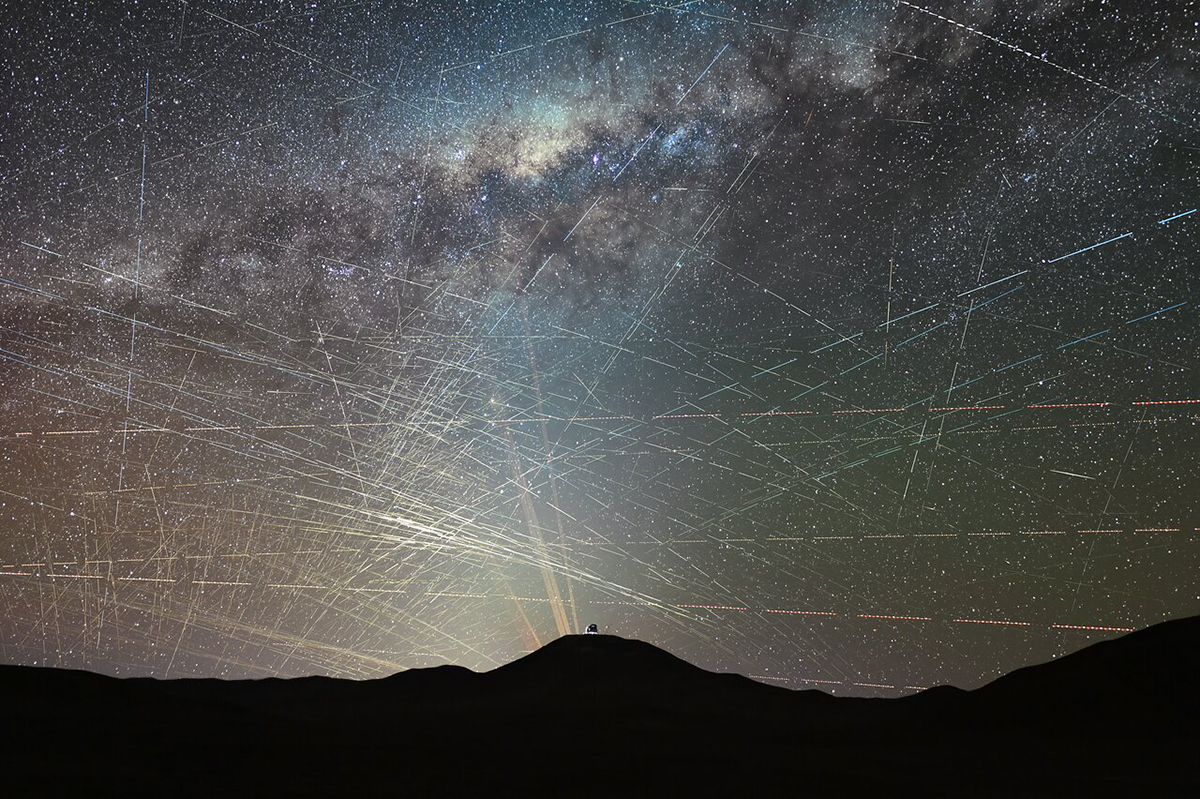
Tens of thousands more are expected to be operating in low Earth orbit by the end of the decade, creating bright streaks and flares that interfere with observations and large-scale surveys of the night sky.
Lead author Astha Chaturvedi says: “Our results show simple material choices could make a meaningful difference to how satellites affect astronomical observations without major changes to mission design.”

