
It's been eight years since the European Space Agency's BepiColombo spacecraft lifted off on its journey to Mercury, the closest planet to the Sun.
Today, 3 September 2026 at 11:45 UTC (13:45 CEST / 07:45 EDT), the mission is scheduled to enter its Mercury Arrival Phase.
Two orbiter spacecraft will separate from BepiColombo's Mercury Transfer Module.
These are ESA's Mercury Planetary Orbiter and the Japan Aerospace Exploration Agency's Mercury Magnetospheric Orbiter (Mio).
The orbiters will then begin their main mission – orbiting Mercury and unlocking the rocky planet's biggest secrets.
More on Mercury
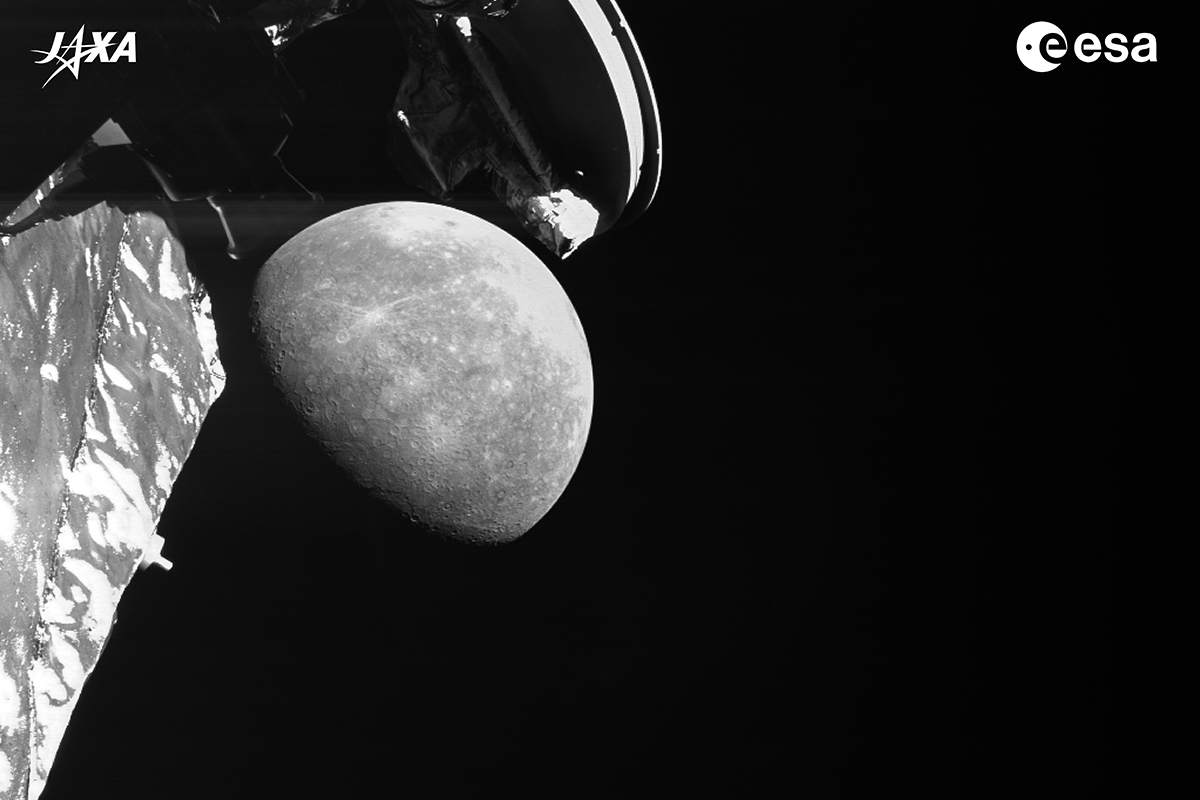
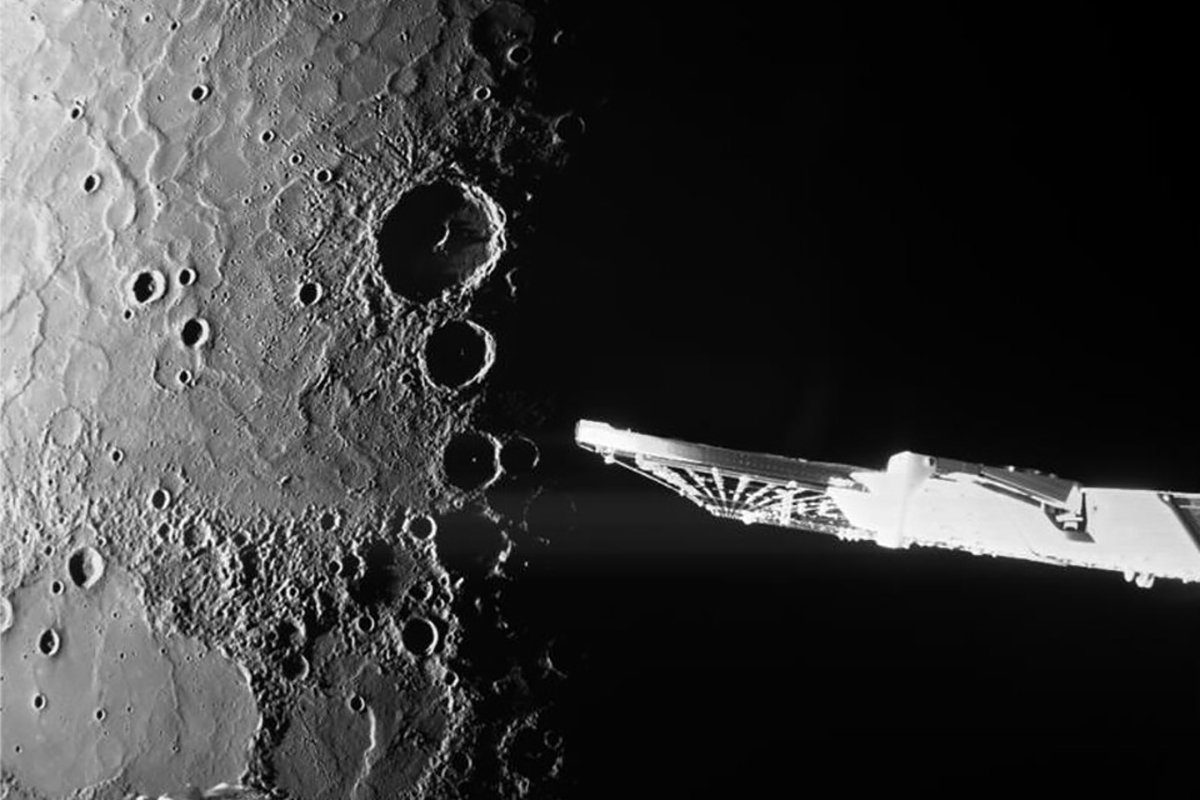
Because Mercury is so close to the Sun, it's very difficult to send spacecraft to. As a result, Mercury is the least-explored planet of the inner Solar System.
But learning more about Mercury will enable planetary scientists to learn more about the whole Solar System, including how it formed and how it evolved over a period of 4.5 billion years.
BepiColombo has a suite of science instruments that will be tasked with a range of mission goals, including why there's ice in the craters of the scorched planet, why Mercury has a magnetic field and what the strange hollows on its surface are.
The European Space Agency is livestreaming the mission, which you can watch via the video embed at the top of this page.
Let us know your thoughts on the BepiColombo mission by emailing contactus@skyatnightmagazine.com

