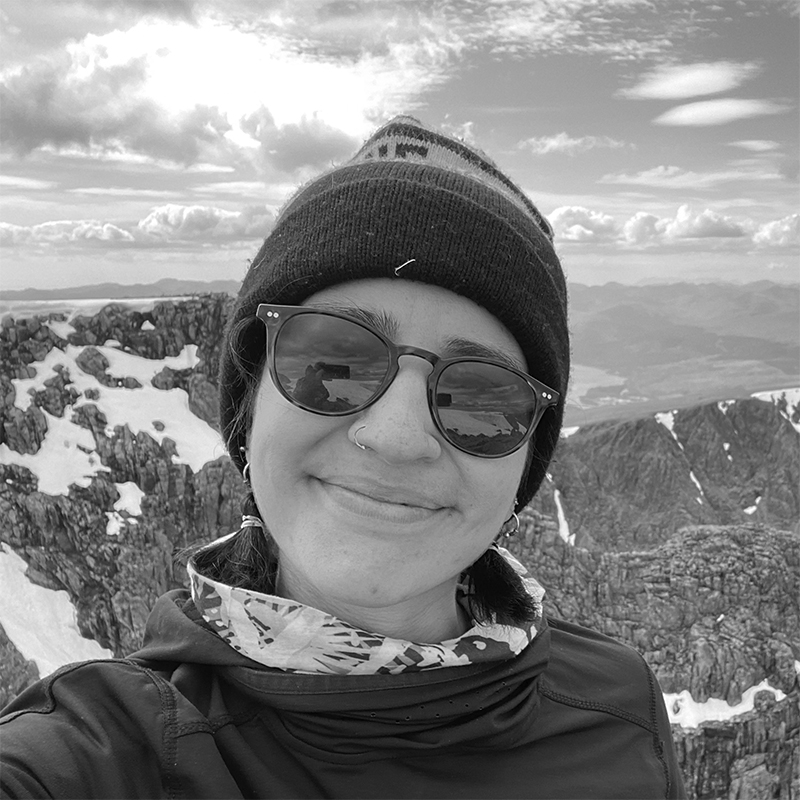
As I write this column, less than a week has passed since I had to say goodbye to Amy, the best dog who ever lived.
She grumbled her last grumble, stretched her last big stretch and gave us a final indignant look before going to sleep forever.
Life now feels a bit emptier. Work is harder too.
I’ve worked mostly from home for several years now and I’m used to having an Akita’s curly tail resting against my office chair wheels at all times (mostly so she could give me one of those indignant looks every time I dared to move).
More on Artemis II

Alas, my chair now rolls back unimpeded by life’s most stubborn creature.
We were faced with a conundrum in the wake of our loss: what do you tell a two-year-old – who has no concept of death – when they keep asking where their giant teddy bear of a dog is?
The answer, at least for us, is that Amy has gone to live on the Moon. You see, my daughter is currently obsessed with the Moon.
She refers to it as her Moon. She wants to cuddle it. She demands that we search for it at every window before bedtime, so she can say “goodnight Moon!”. And now she adds “goodnight, Amy!” too.
Conversations with other parents revealed that this is a common phenomenon: our two-year-olds are all completely fascinated by the Moon and think of it as their own.

Who knew toddlers had such lofty aspirations? Possessive tendencies aside, though, her obsession has renewed my determination to finally acquire a telescope of my own.
It would be a dream to show her and her friends our lovely satellite up close.
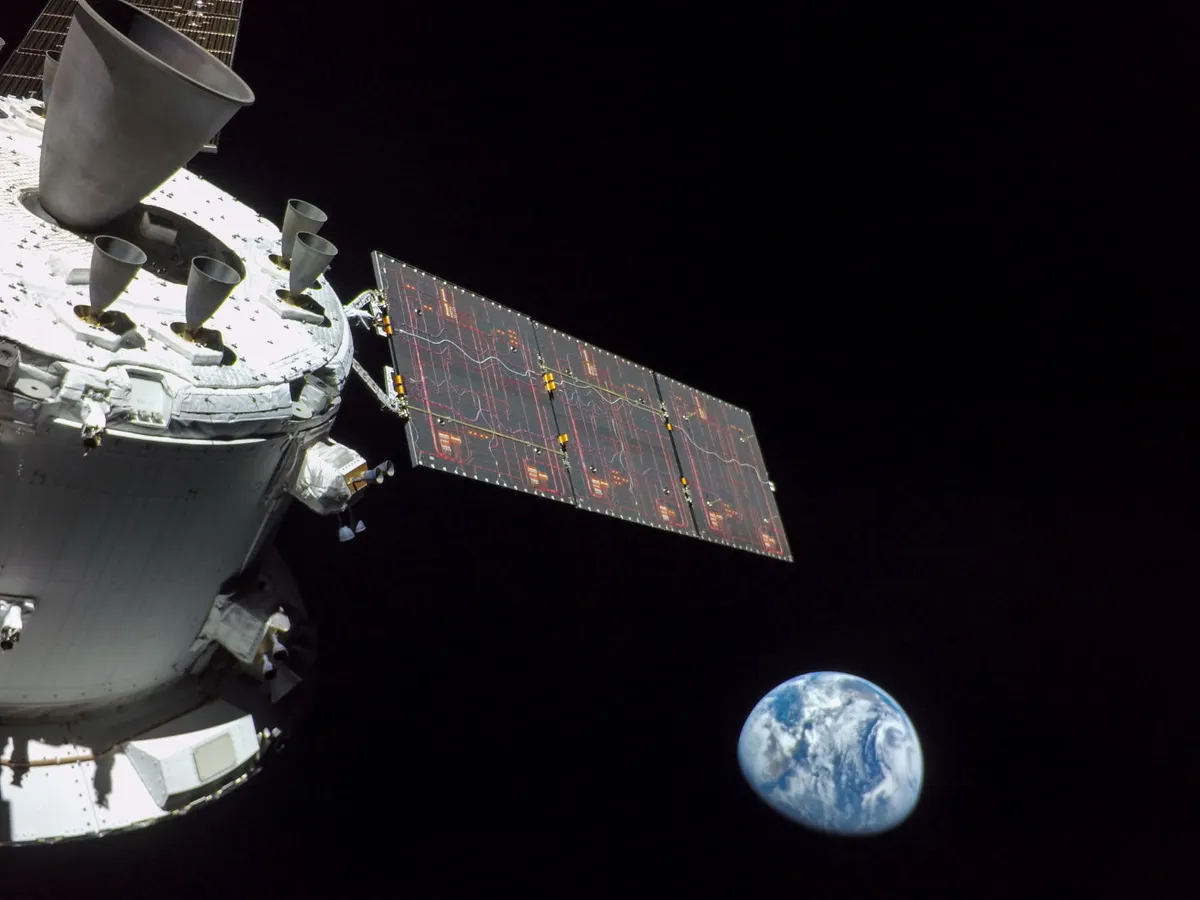
This got me thinking again about NASA’s upcoming in-person return to the Moon.
A couple of months ago, I wrote about my feelings on crewed missions, and those haven’t changed.
From a professional standpoint, I’m still very much opposed.
It’s my firm belief that the science is an Artemis side-quest and the real mission is about profit and flag-waving.
But I’ve recently managed to gain a slightly different perspective.
A learning moment
Soon, teachers around the world will be using the Artemis missions to get students of all ages excited about space.
There will be science projects, awesome art display boards and videos of the launches shown in classrooms.
Teachers will have to brush up on their lunar and rocket knowledge to answer the hundreds of questions curious pupils will throw at them.
A-Level students will want to do their Extended Project Qualifications (EPQs) on the Moon or on the history of space travel.
Kids will request telescopes for their birthdays and get into astrophotography. These are all Very Good Things that will come from crewed space travel, the thing I object to. Hmm.
I recently got to meet Helen Sharman, Britain’s first astronaut.
Hearing her describe the frustration of waiting for launch reminded me of my own experiences of travelling to Antarctica during Covid: the boredom of pre-departure quarantine and the annoyance at frequent changes to our travel plans.

I can also relate to the sense of adventure, the feeling of being an explorer, of going somewhere so few people will ever go – it’s magical.
It made me realise something crucial: astronauts are not the problem. My problem is with science being used to generate astronomical profits.
But the astronauts themselves are what results from two-year-olds who love the Moon and 16-year-olds who nerd out about telescopes and the Solar System. Again, objectively Very Good Things.
To sum up how I’m viewing this right now: sometimes, things happen in the world even when I really don’t want them to.
The rich will get richer. Dogs will die. All I can control is how I use these events to help shape the generations that follow me.
So I will give talks at schools, I’ll show children how to use a telescope and I’ll wave goodnight to the Moon with my daughter.
And I’ll also blow a kiss to Amy, my beloved Moon-dog.