It launched on 5 August 2011 from Cape Canaveral, Florida, USA, then embarked on a five-year, 2.7-billion-km (1.7 billion-mile) journey that included a gravity-assist flyby of Earth in 2013.
The spacecraft arrived at Jupiter on 4 July 2016, whereupon a swift engine burn placed it into orbit around Jupiter.
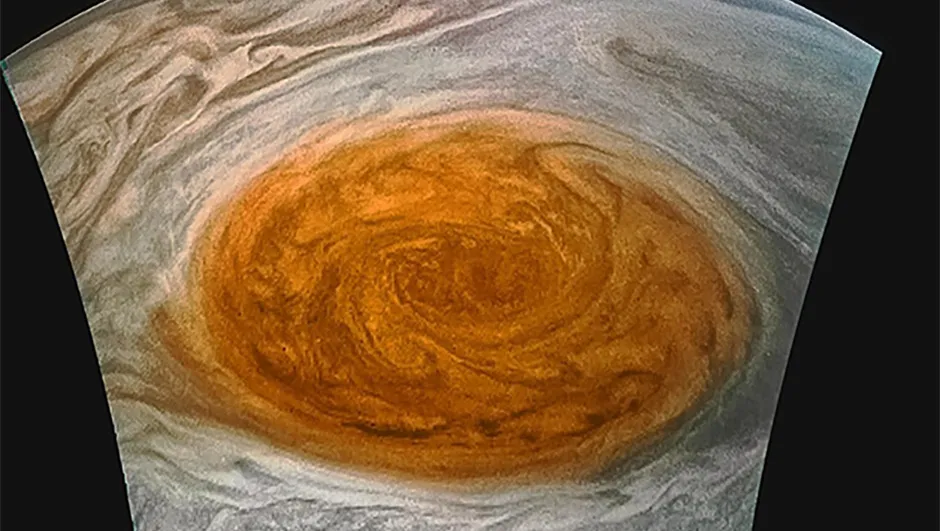
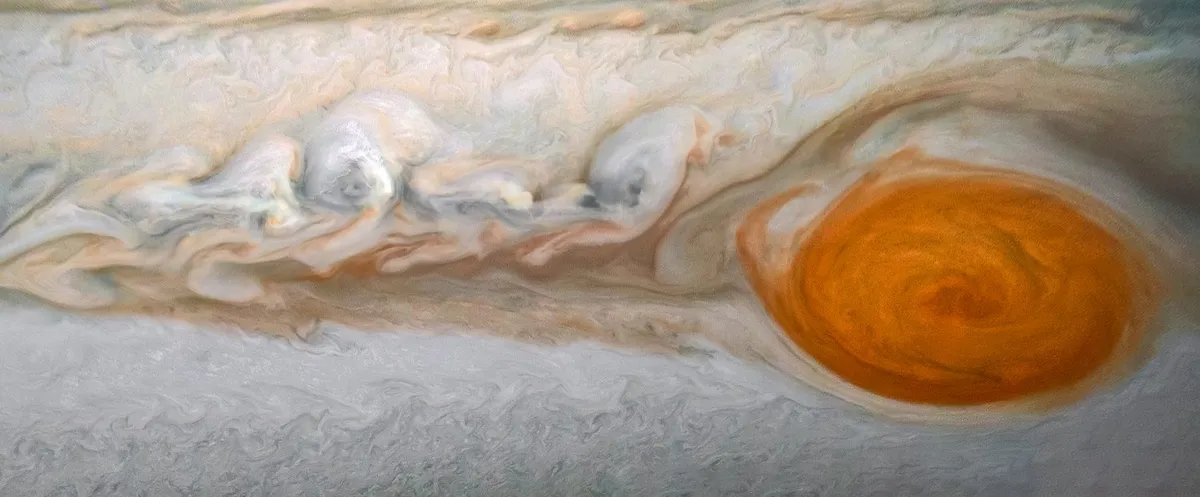
A view of the Great Red Spot and a massive storm called Oval BA in Jupiter's atmosphere, as seen by the Juno spacecraft. Credit: Enhanced Image by Gerald Eichstädt and Sean Doran (CC BY-NC-SA) based on images provided Courtesy of NASA/JPL-Caltech/SwRI/MSSS
Here, we're presenting some of the best images captured by Juno throughout its mission at Jupiter.
Many of the images released as part of the Juno mission have been processed by citizen scientists around the world, because NASA provides Juno's data free for anyone to download and use.
The images here are just a snippet of Juno's many discoveries at Jupiter.
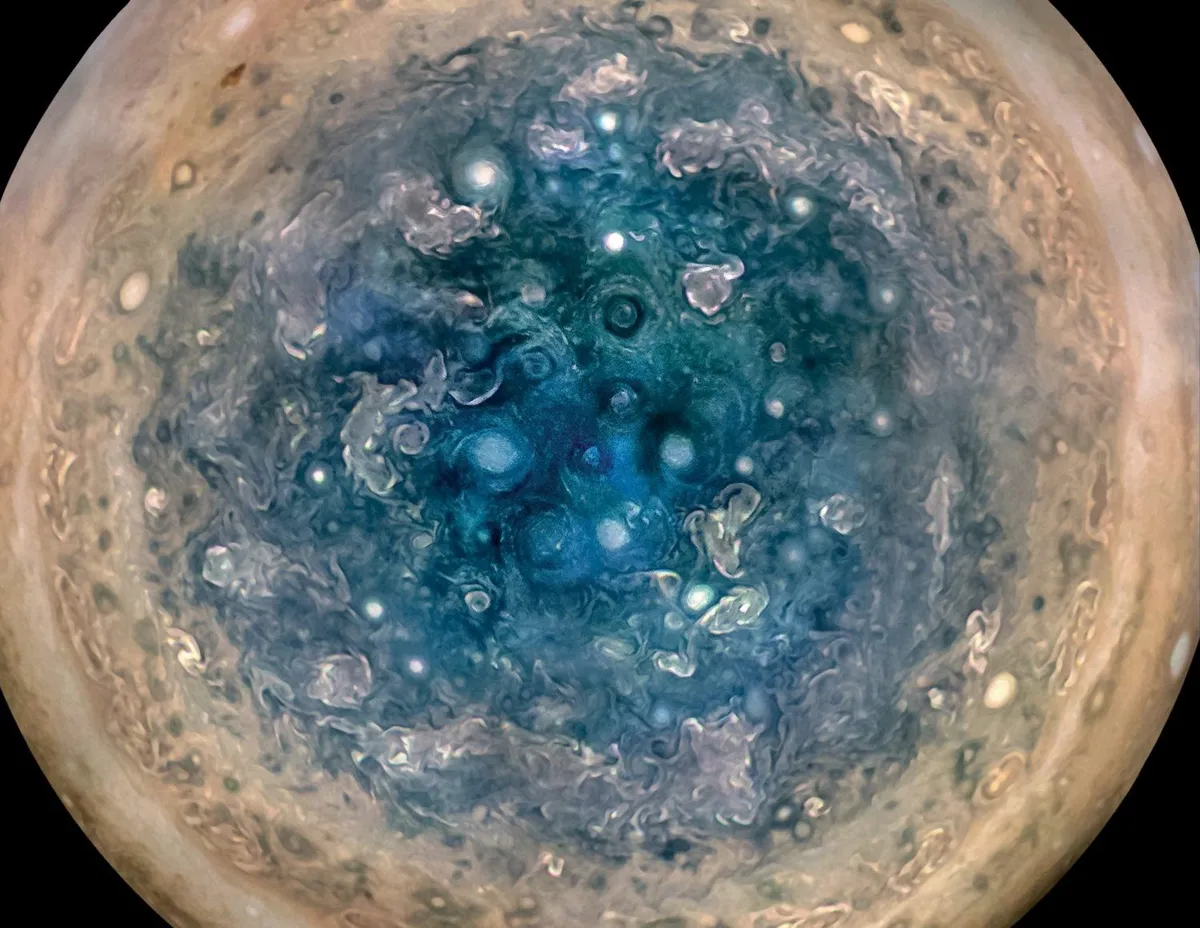
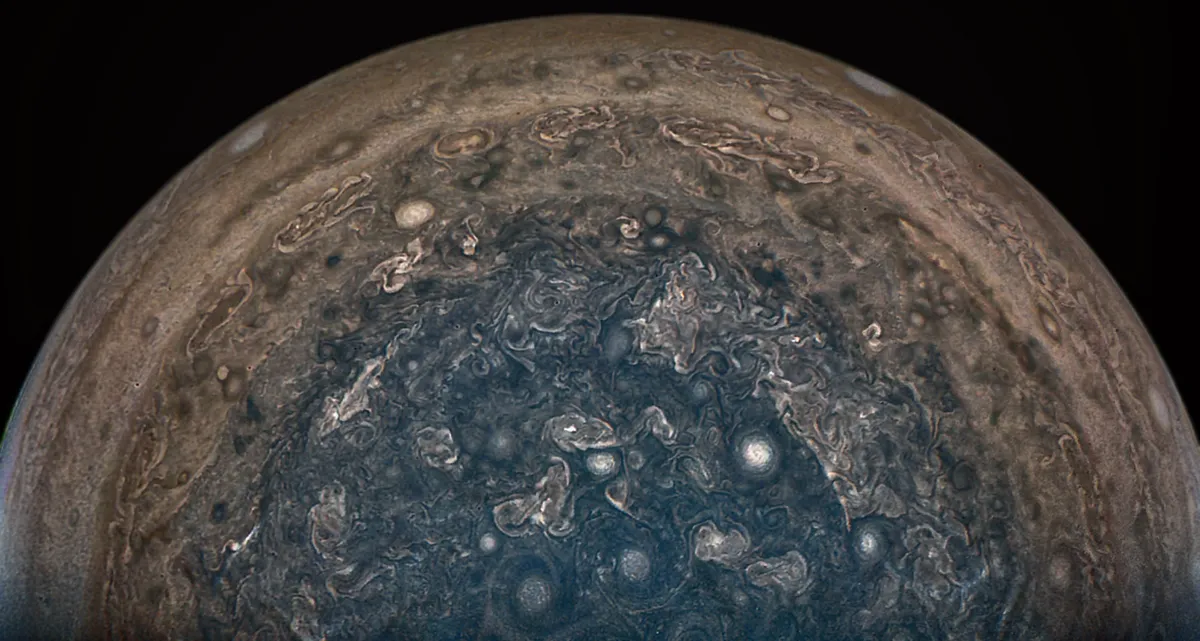
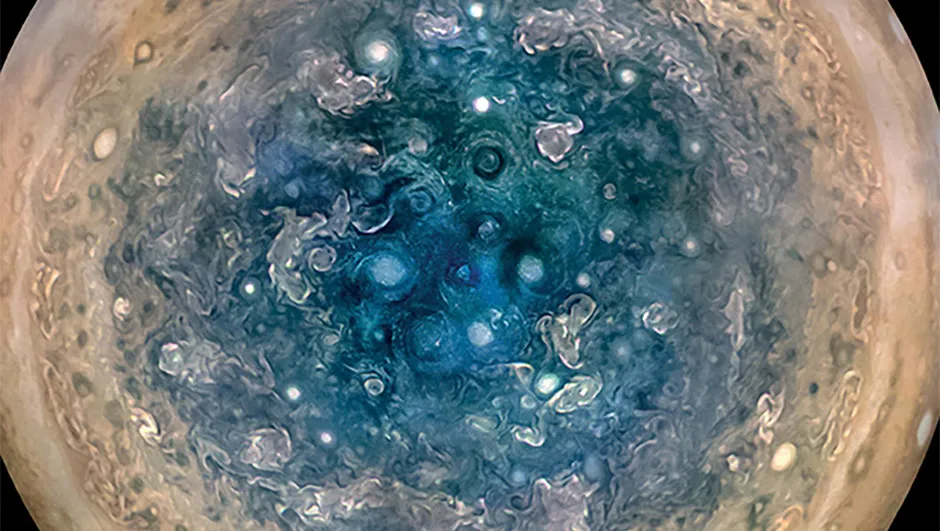
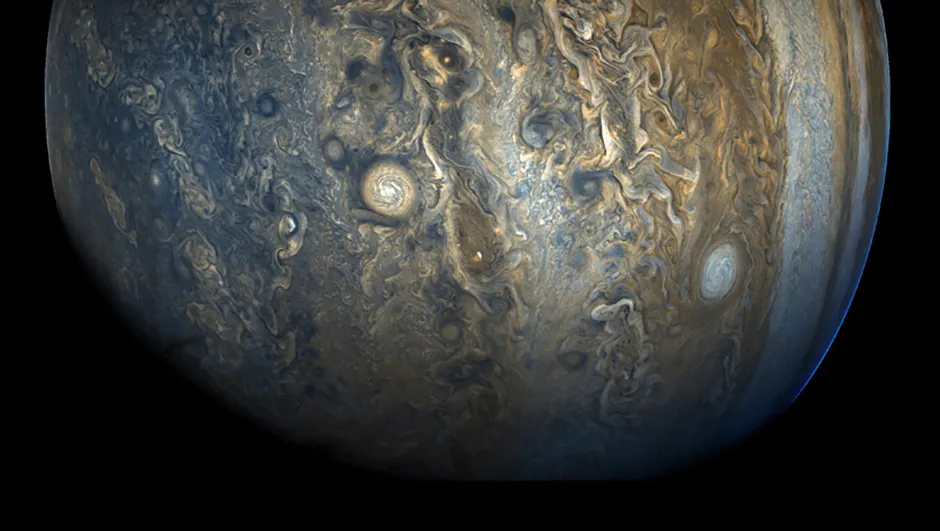
Juno's polar orbit has enabled it to capture images of the gas giant from a unique perspective. This is the planet's stormy south pole, as seen by Juno from an altitude of 52,000km. Credit: NASA/JPL-Caltech/SwRI/MSSS/Betsy Asher Hall/Gervasio Robles
Juno's biggest discoveries
Since its arrival, Juno has peered beneath Jupiter's dense clouds to investigate the planet’s origins and internal structure.
One of its most significant discoveries is that Jupiter’s core is not a solid, compact sphere but a 'dilute' core made of heavy elements mixed with hydrogen.
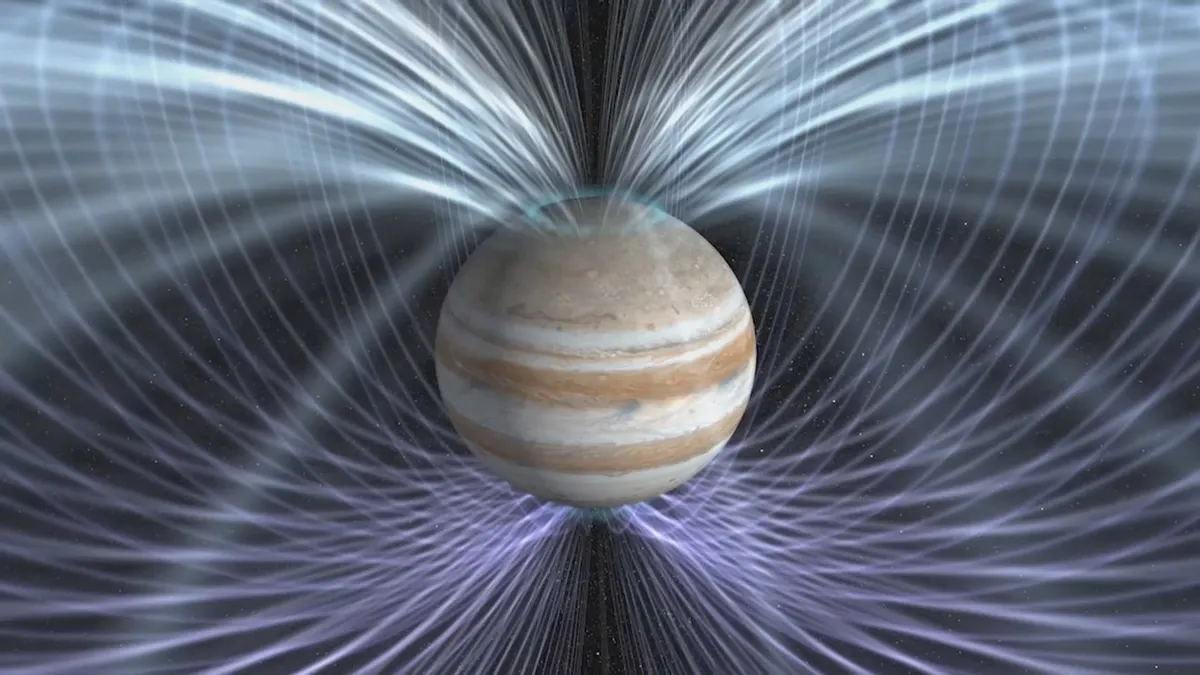
Juno also mapped the planet's powerful magnetic field, revealing it to be much stronger and more irregular than previously modelled.
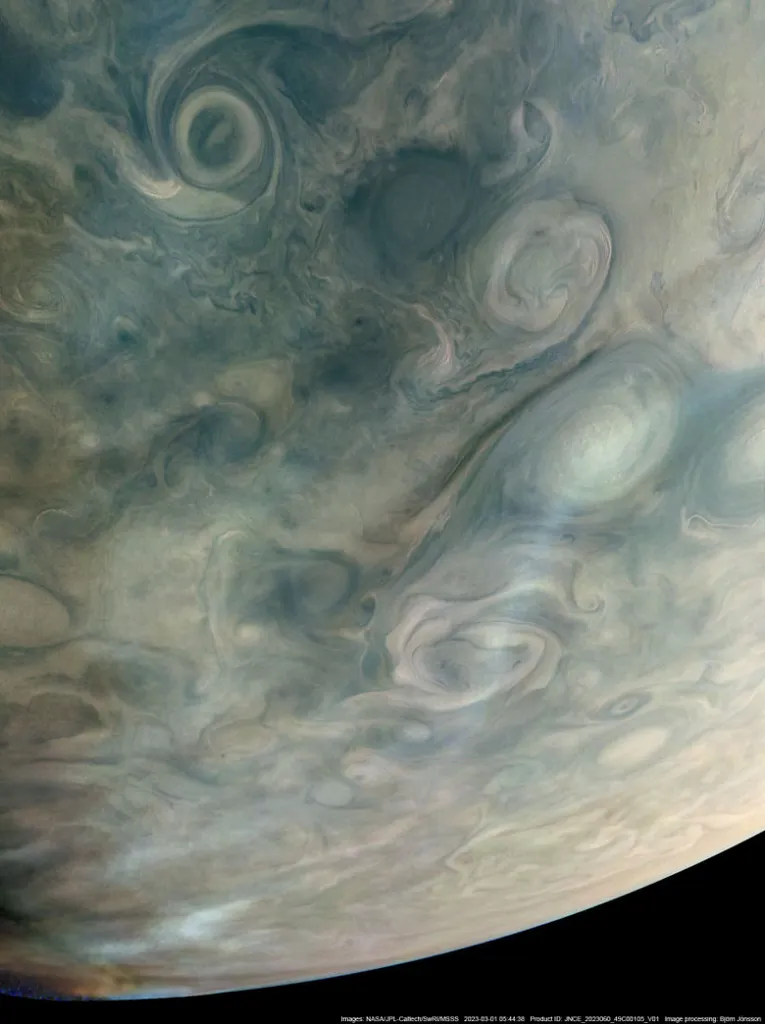
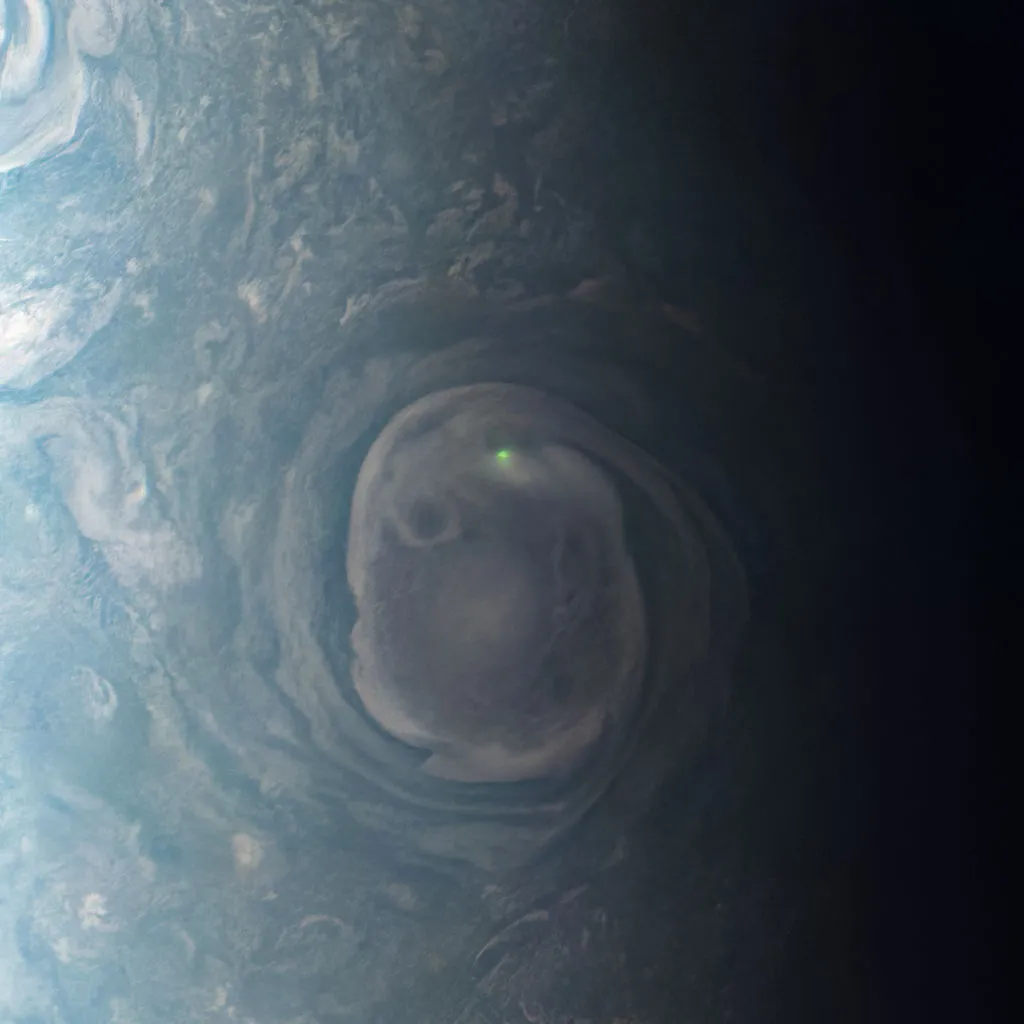
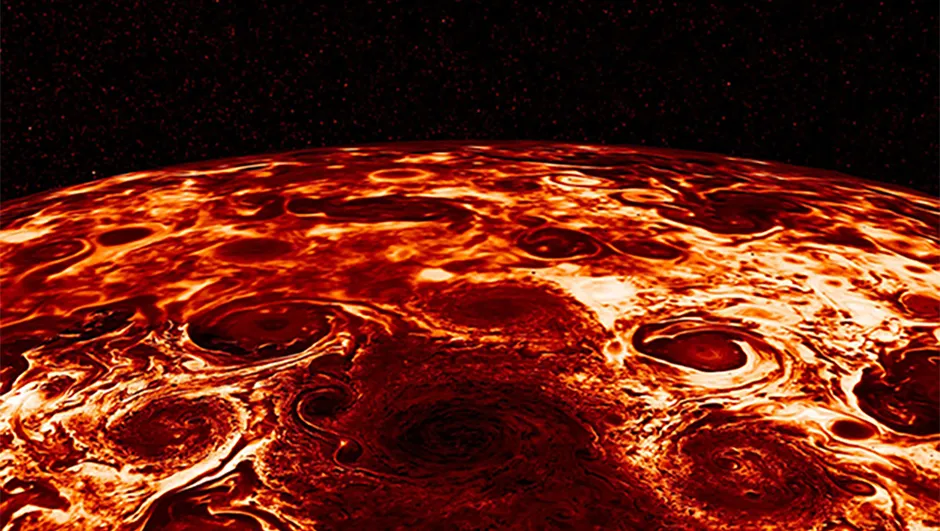
The mission has also revealed a lot about Jupiter's atmosphere, identifying Earth-sized cyclones clustered at the planet's poles and 'shallow lightning' originating from ammonia-water 'mushballs', like hail stones, high in the atmosphere.
In 2021, Juno transitioned into an extended mission, shifting focus toward the Jovian moons and rings.
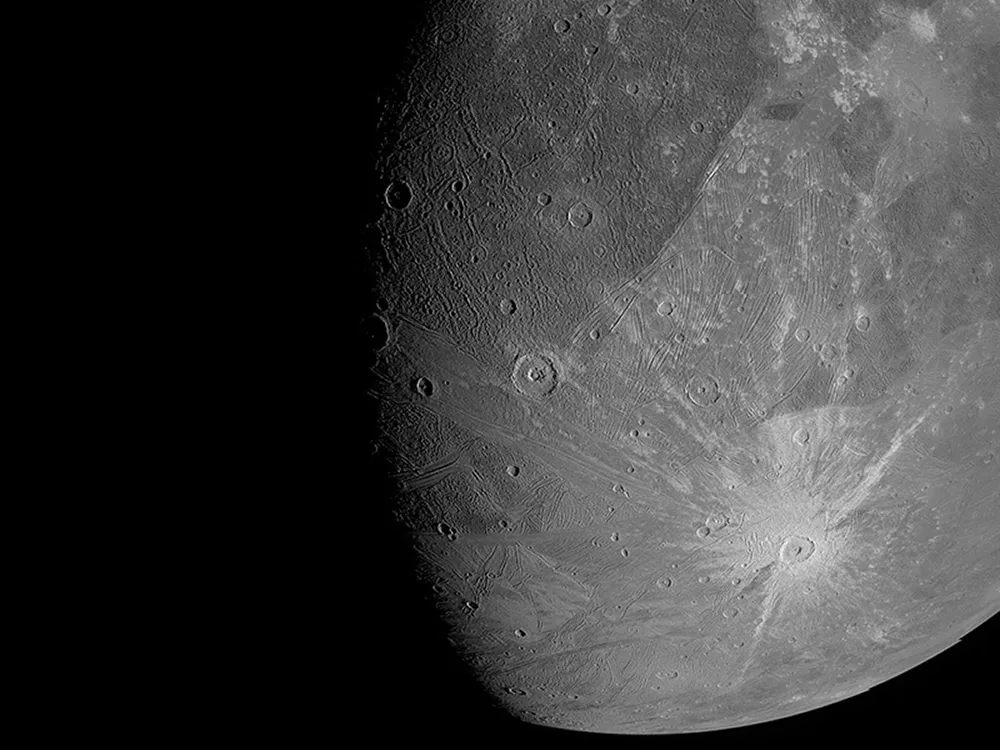
During its 2021 flyby of Ganymede, the spacecraft provided the first close-up images of the solar system’s largest moon in over two decades and detected evidence of magnetic field reconnections between the moon and Jupiter.
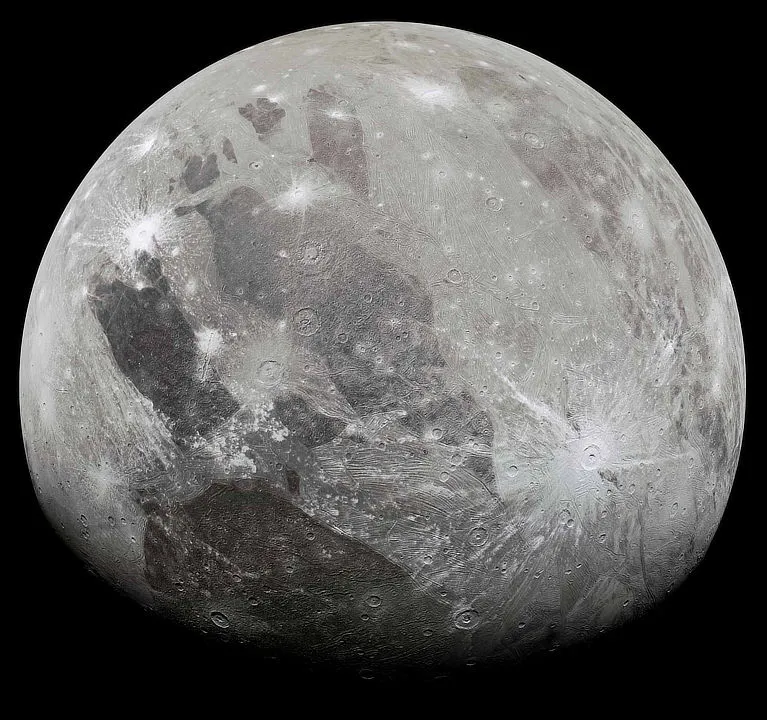
Jupiter’s icy moon Ganymede, as seen by NASA's Juno mission. Credit: NASA/JPL-Caltech/SwRI/MSSS/Kevin M. Gill
In 2022, Juno flew within 360km (220 miles) of Jupiter's icy moon Europa, using its Microwave Radiometer to probe the thickness of the icy shell.
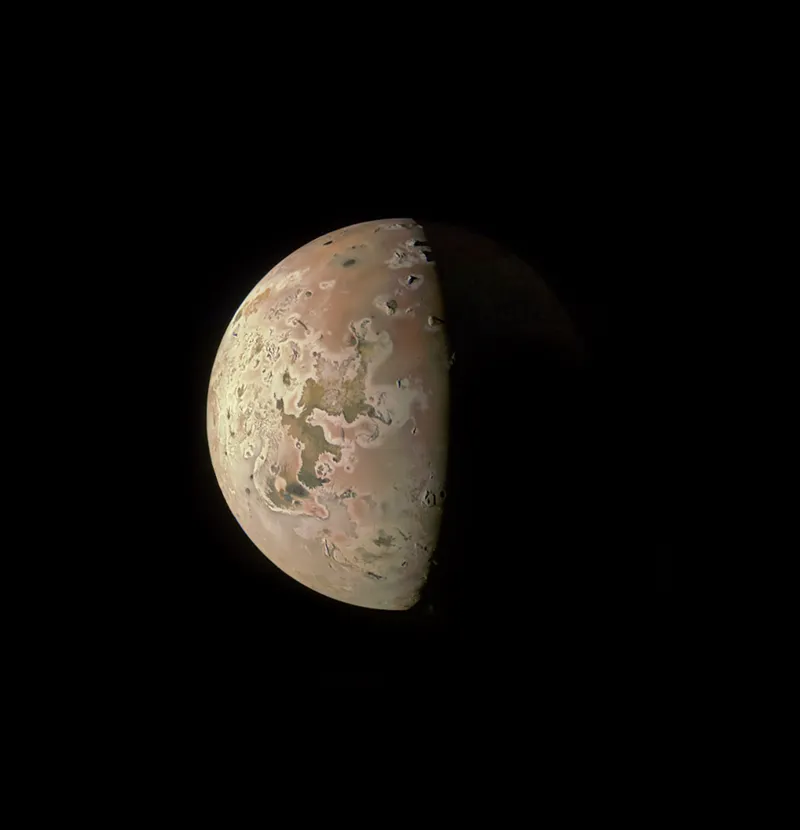
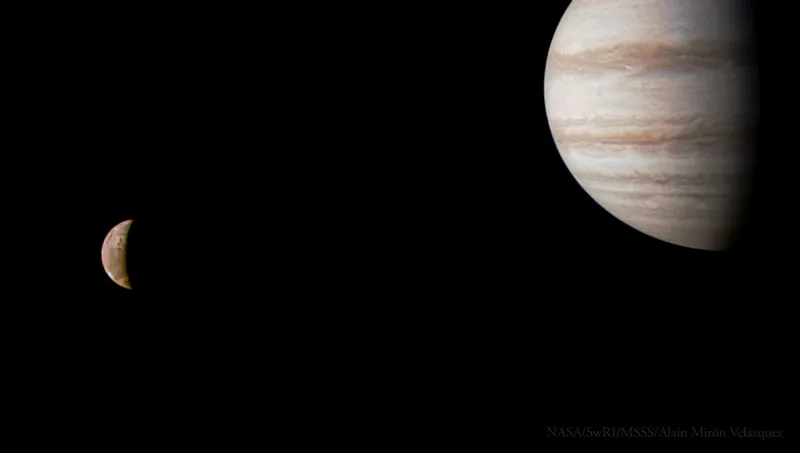
In late 2023 and early 2024, the mission conducted historic close flybys of Jupiter's moon Io, the most volcanic body in the Solar System, capturing high-resolution data on its active lava lakes and volcanic plumes.
These are just some of the many discoveries made at Jupiter, and there are sure to be plenty more to come even after the mission's end, as scientists will be studying its data for decades to come.
Gallery: Juno's best images of Jupiter and its moons
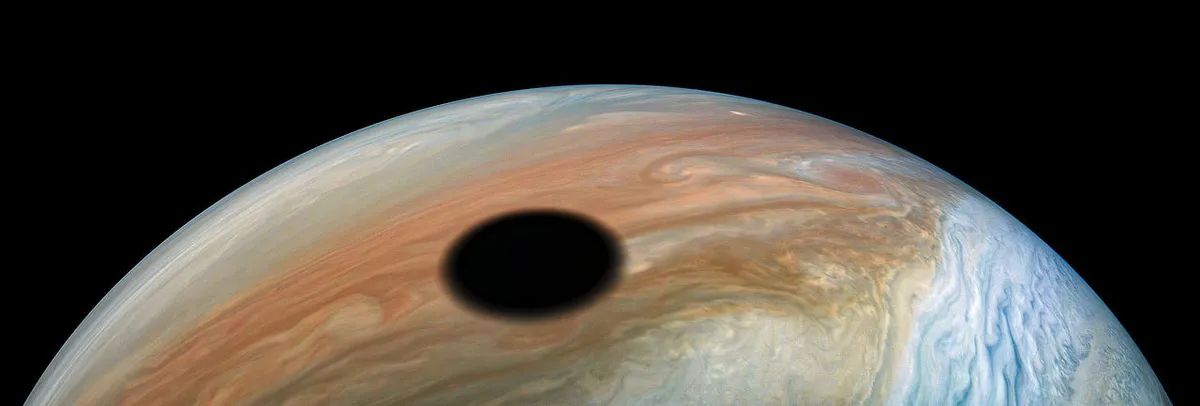
Image of Jupiter's moon Io captured by NASA's Juno spacecraft on 15 October 2023. A plume over volcano Prometheus can be seen standing out from the darkness on the left side of the image. Credit: NASA/JPL-Caltech/SwRI/MSSS
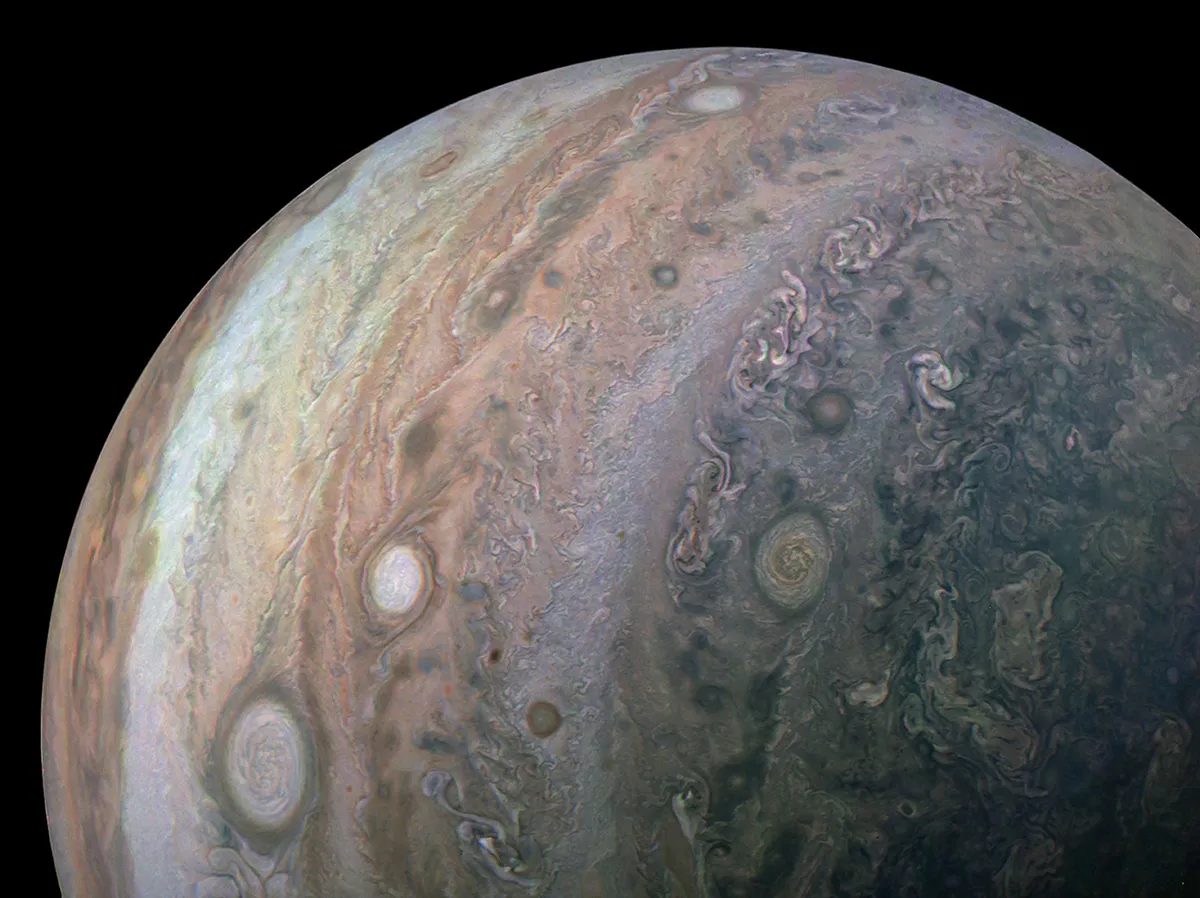
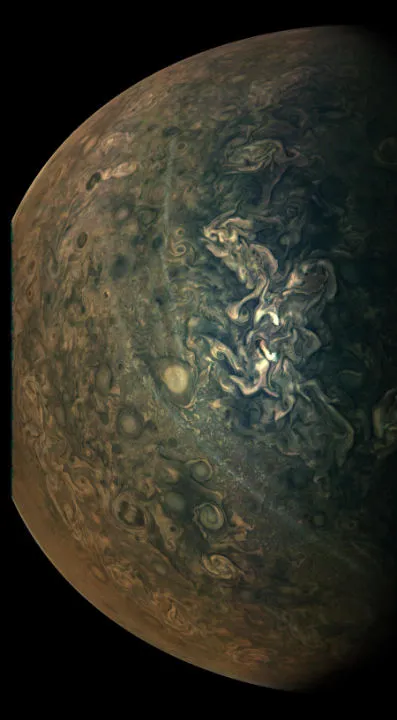
View of Jupiter’s northern high latitudes from an altitude of 36,000 miles (58,000 kilometres) above the planet’s cloud tops, captured by the Juno spacecraft on 28 January 2025. Credit: NASA/JPL-Caltech/SwRI/MSSS Image processing: Jackie Branc (CC BY)
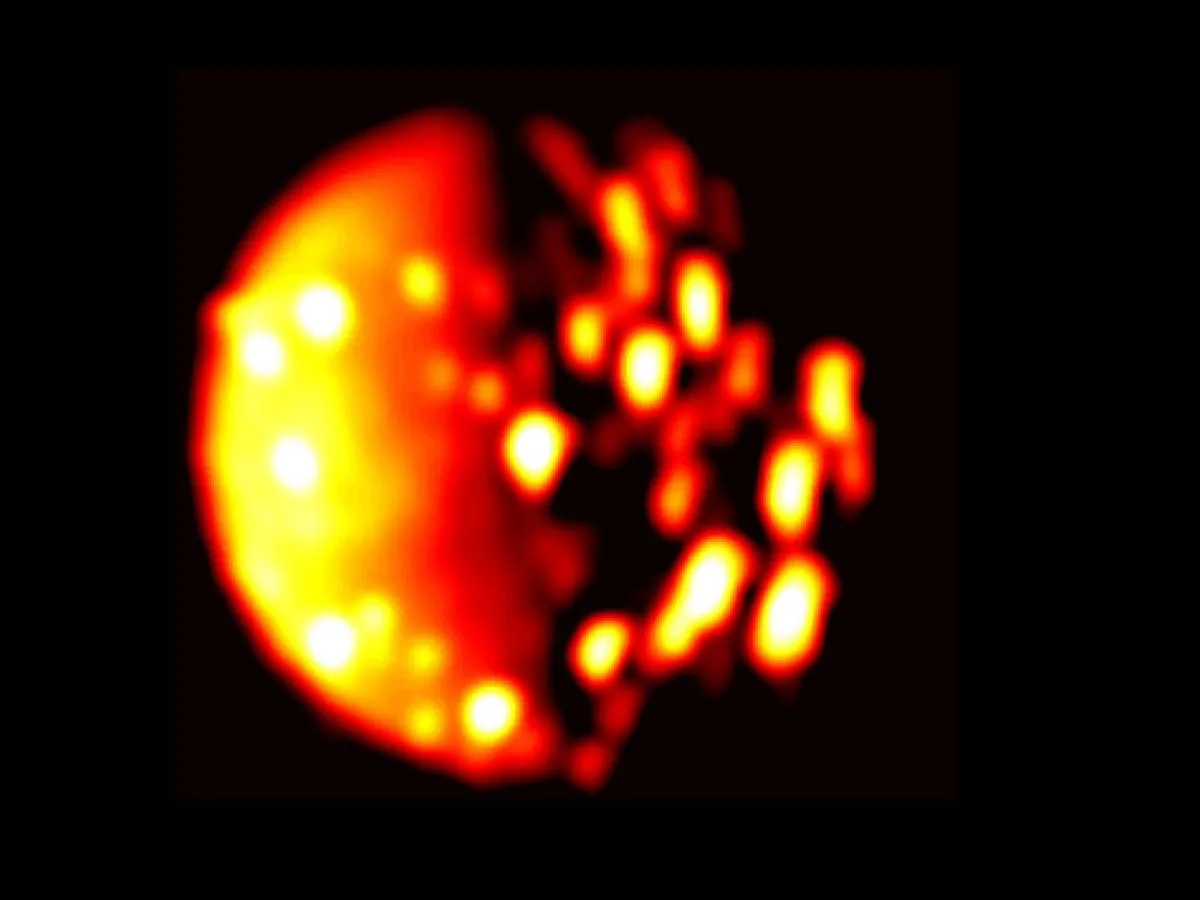
A view of the south polar region of Jupiter's moon Io, captured by the JIRAM instrument on NASA’s Juno spacecraft, 27 December 2024. Bright spots are locations with higher temperatures caused by volcanic activity. Credit: NASA/JPL/SwRI/ASI – JIRAM Team (A.M.)
Hazes on Jupiter, as seen by Juno, 17 February 2020. Credit: NASA/JPL/SwRI/MSSS; image processing by Gerald Eichstädt
Artist's impression of Io flying over Jupiter's Galilean moons. From left: Ganymede, Europa, and Io. Credit: Image data: NASA/JPL-Caltech/SwRI/MSSS. Image processing: Kevin M. Gill (CC BY); Thomas Thomopoulos (CC BY)
Images of Io captured in 2024 by NASA’s Juno spacecraft show surface changes near the moon’s south pole. Changes occurred between the 66th and 68th perijove, or the point during Juno’s orbit when it is closest to Jupiter. Credit: NASA/JPL-Caltech/SwRI/MSSS. Image processing by Jason Perry
Volcano hot spot larger than Lake Superior to the right of Io’s south pole in image captured by NASA’s Juno spacecraft, 27 December 2024. Credit: NASA/JPL-Caltech/SwRI/ASI/INAF/JIRAM
Jupiter's volcanic moon Io, as seen by Juno, 12 December 2024. Image data: NASA/JPL-Caltech/SwRI/MSSS. Processing: Gerald Eichstädt
A wide view of Jupiter's moon Europa, captured by the Juno spacecraft during a flyby on 29 September 2022. Credit: NASA/JPL-Caltech/SWRI/MSSS
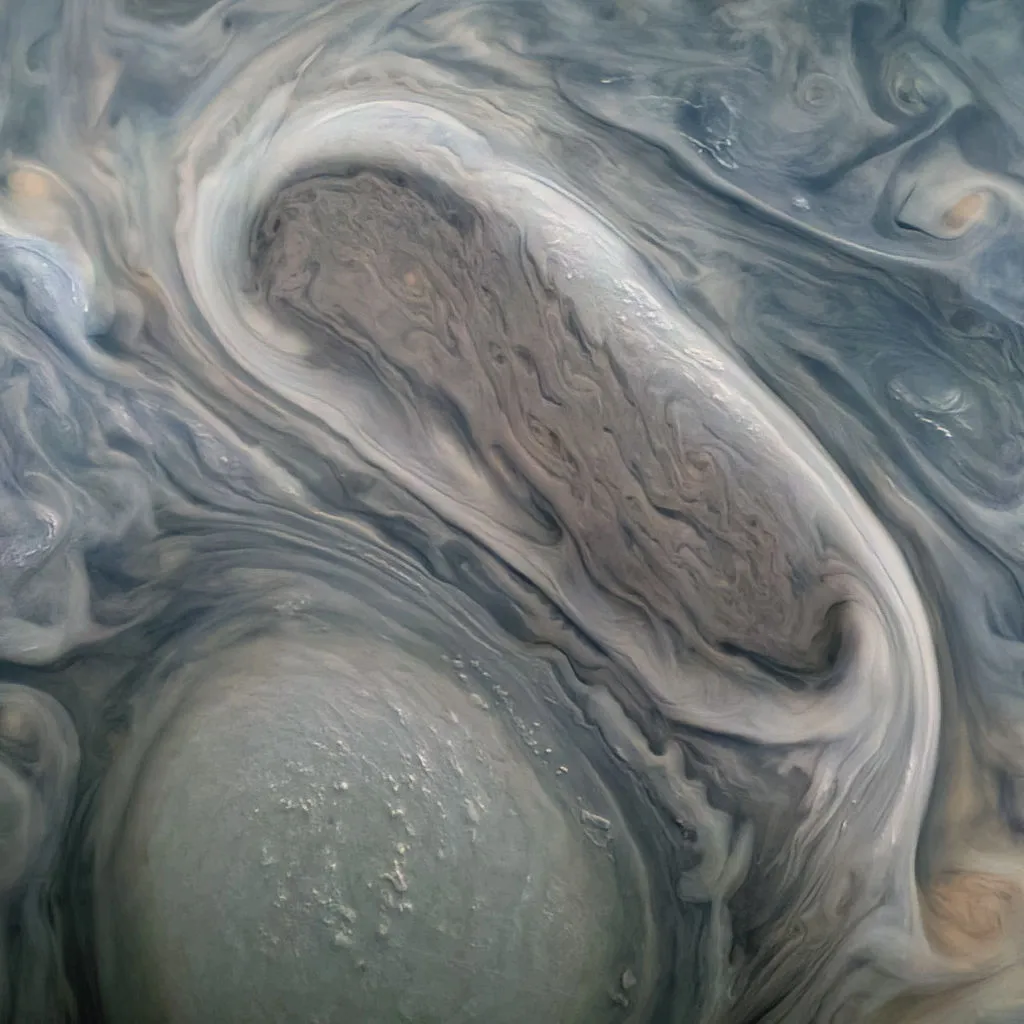
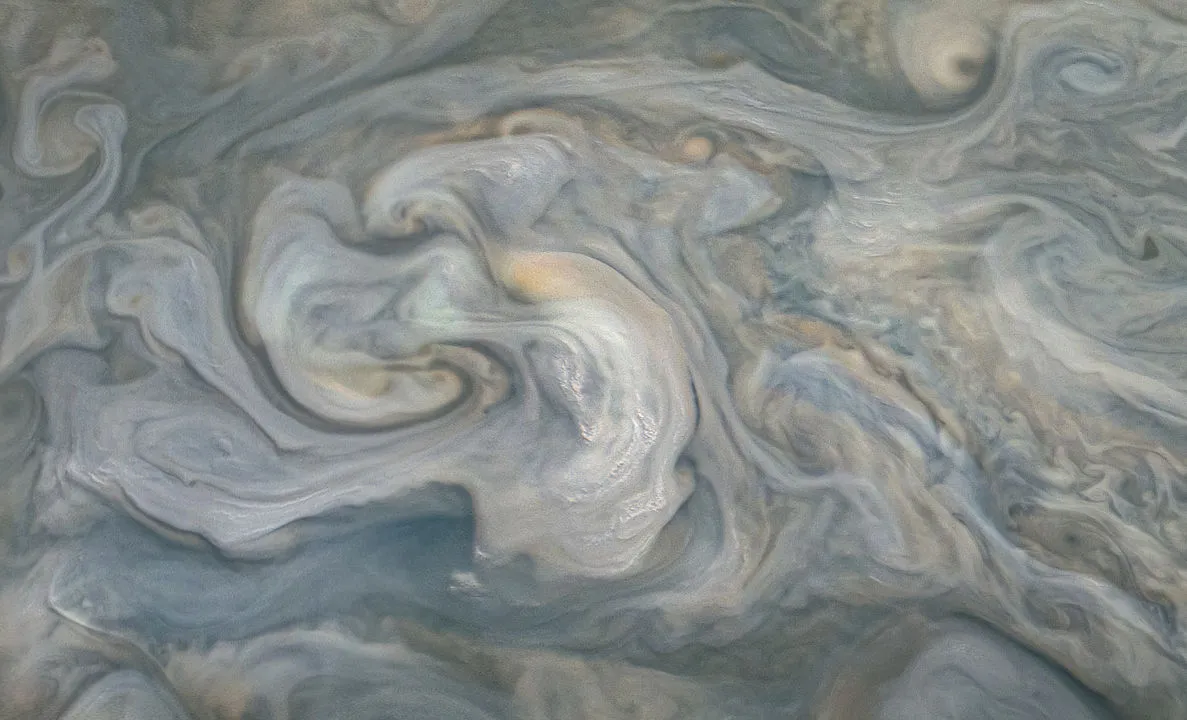
Swirling storms on Jupiter, by NASA's Juno probe, 29 November 2021. IMAGE CREDIT: Image data: NASA/JPL-Caltech/SwRI/MSSSImage processing: Kevin M. Gill CC BY
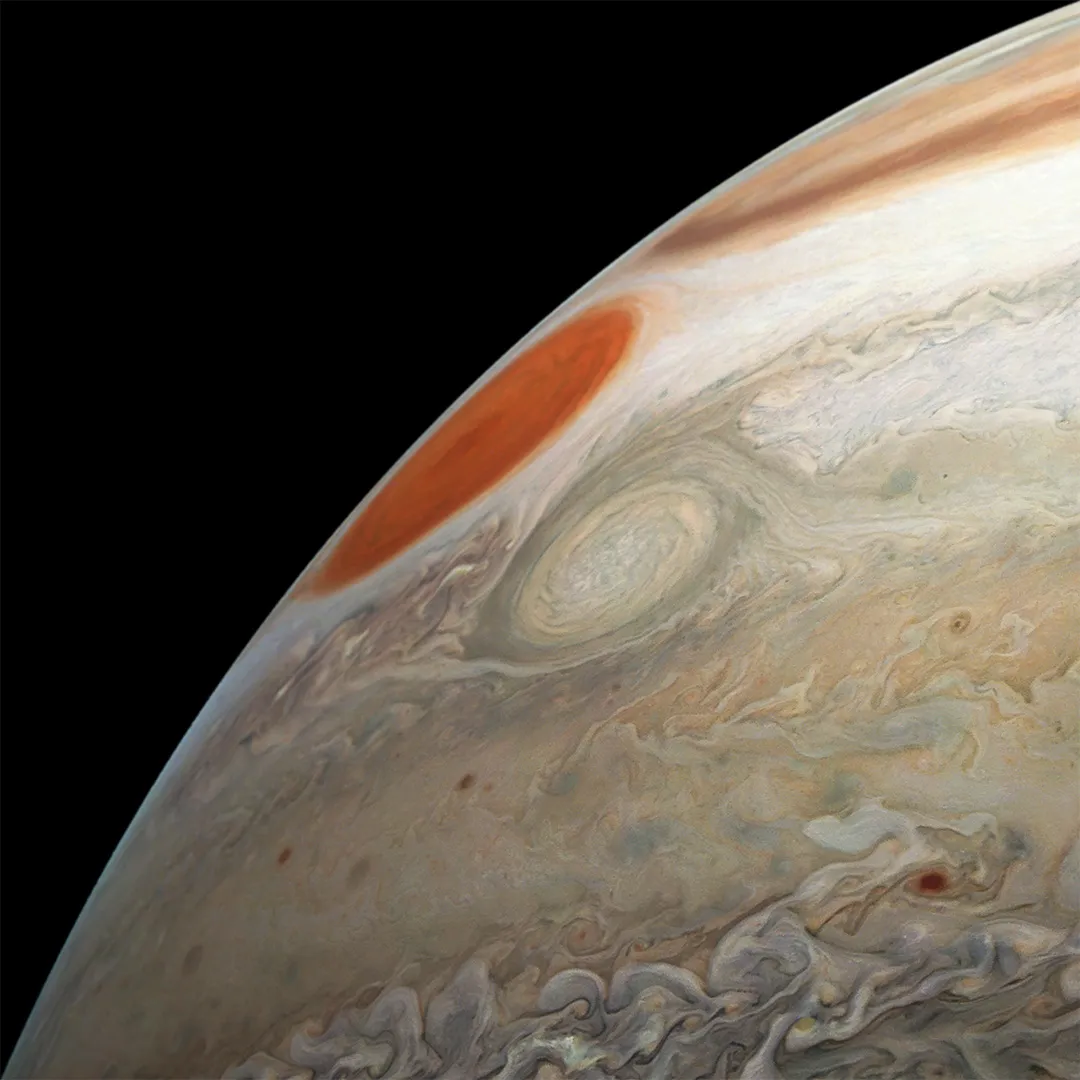
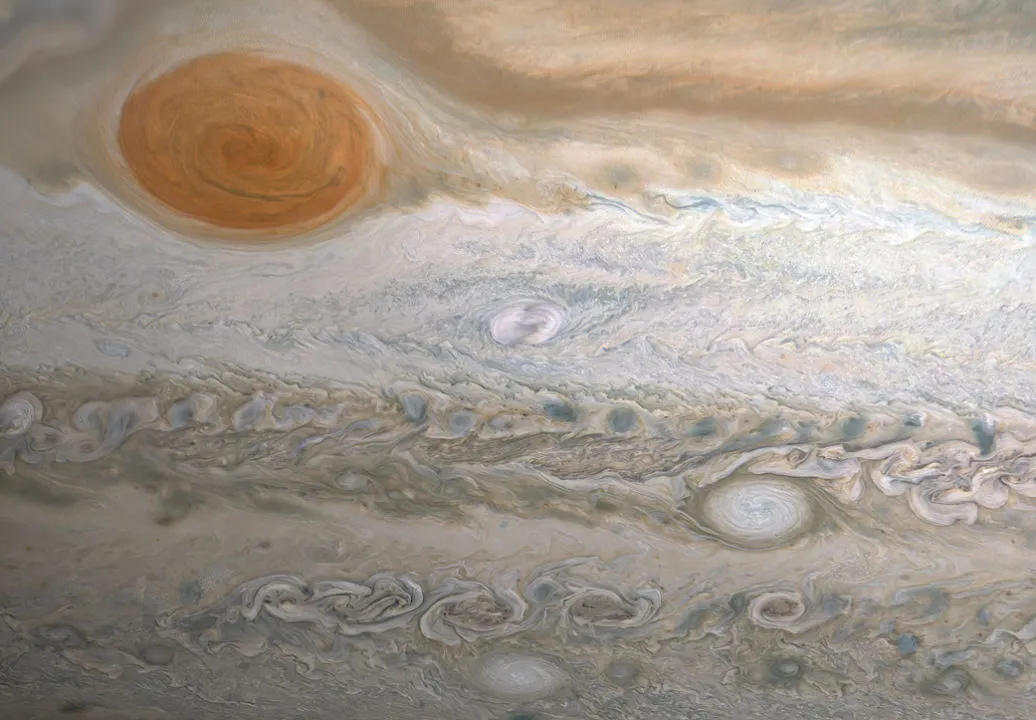
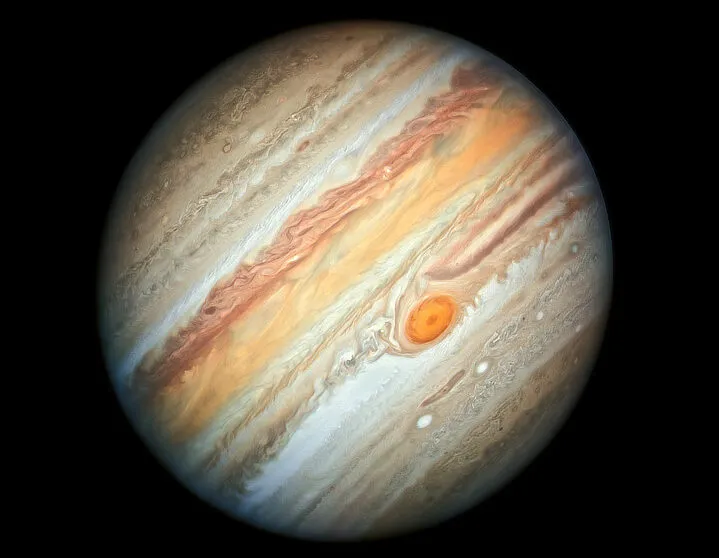
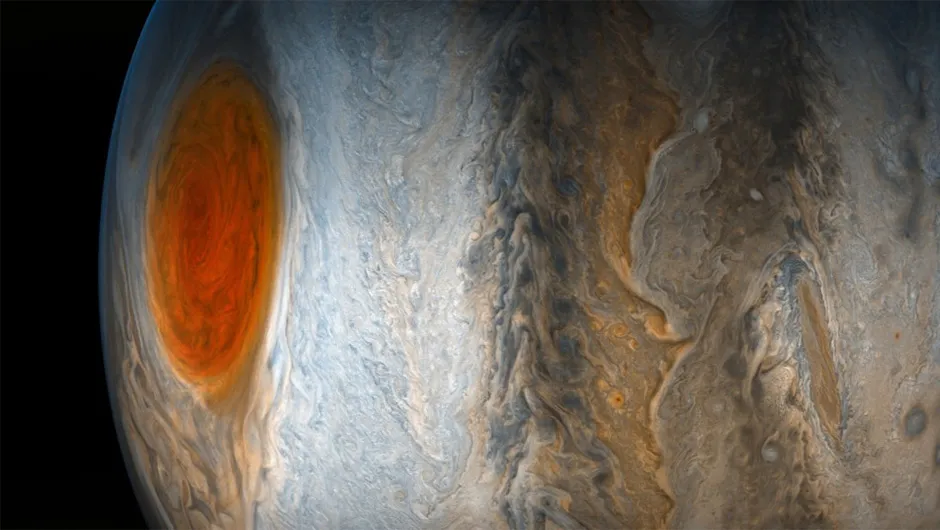
A view of the South Equatorial belt and the white Southern Tropical Zone on Jupiter. Right in the image is the famous Great Red Spot. This image was captured by the Juno spacecraft on 21 July 2019. Image data: NASA/JPL-Caltech/SwRI/MSSS / Image processing by Kevin M. Gill, licensed under CC by 3.0
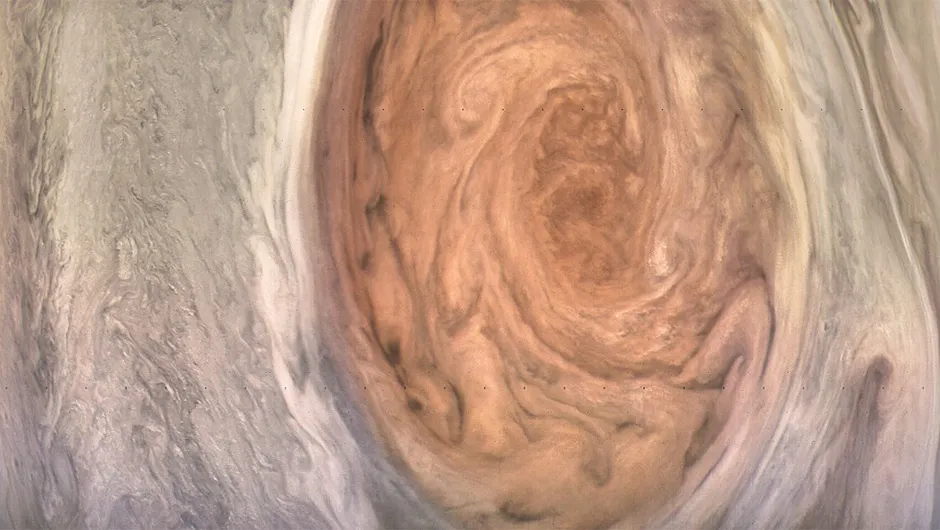
A view of the Great Red Spot and a massive storm called Oval BA in Jupiter's atmosphere, as seen by the Juno spacecraft. Credit: Enhanced Image by Gerald Eichstädt and Sean Doran (CC BY-NC-SA) based on images provided Courtesy of NASA/JPL-Caltech/SwRI/MSSS
Juno is revealing more about how Jupiter's magnetic field is generated. Credit: NASA Goddard Space Flight Center
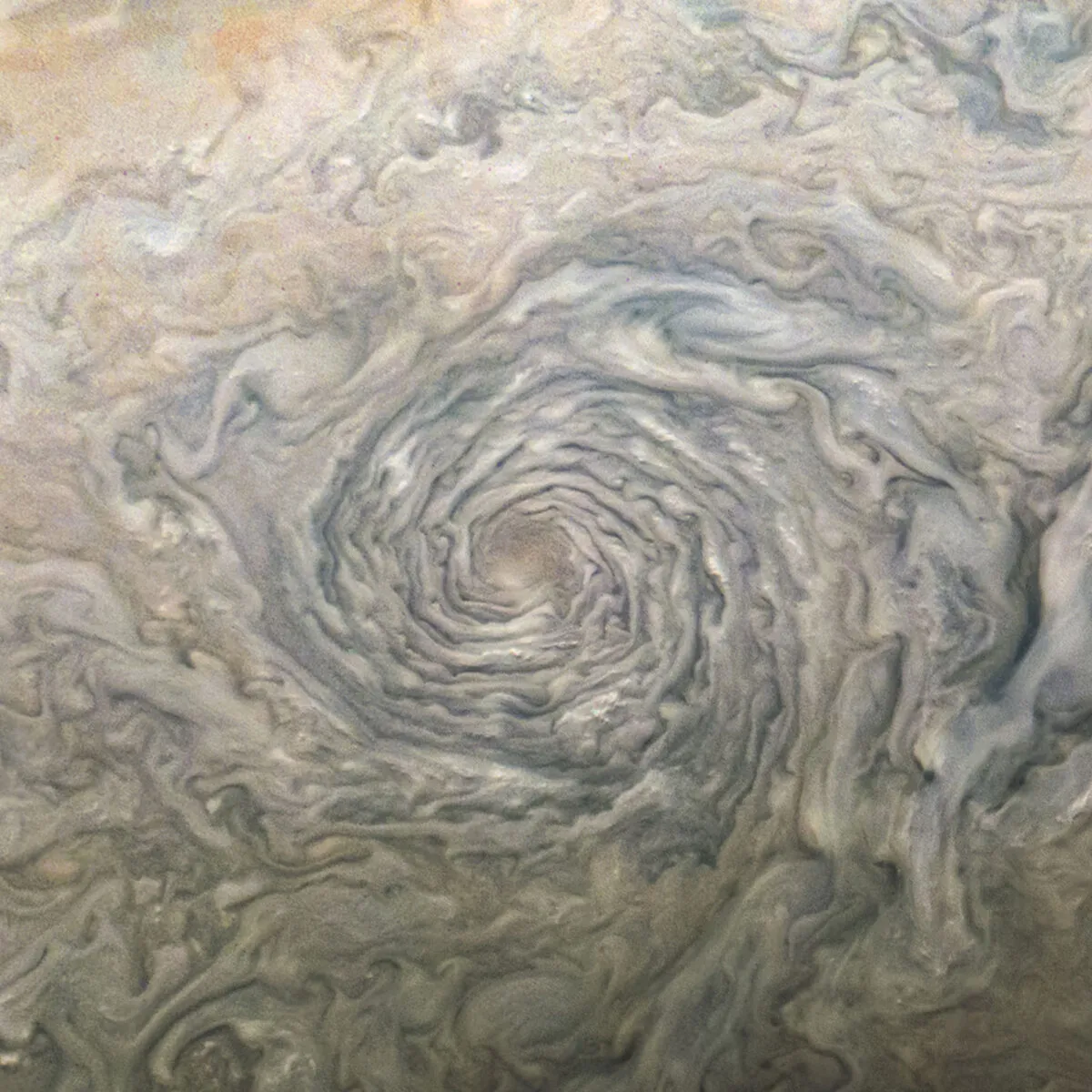
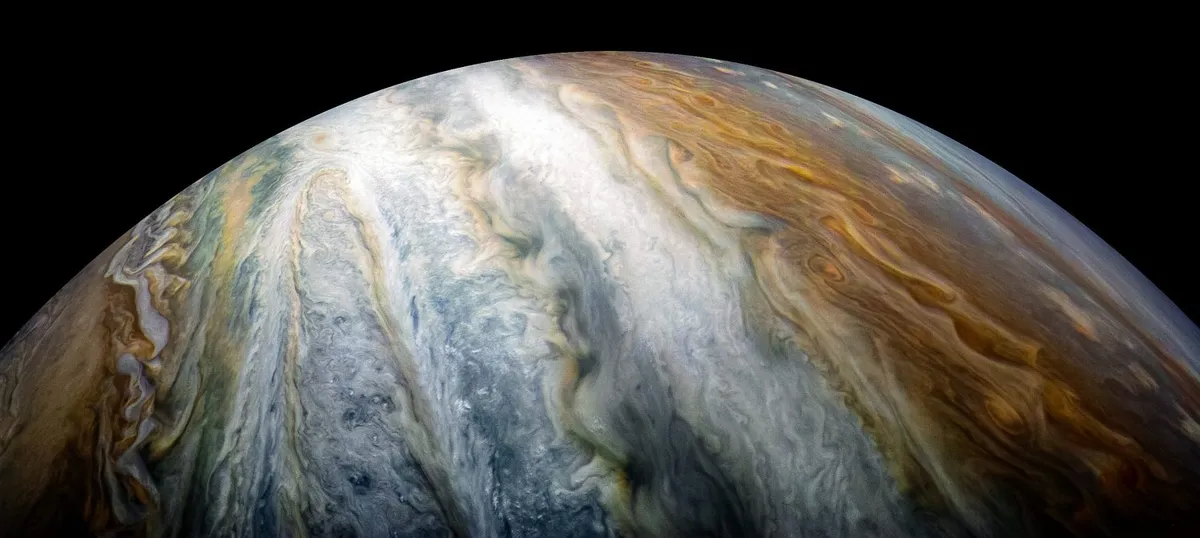
Jupiter's stripes transition into giant polar cyclones. This image was captured by Juno on 10 April 2020 and processed by citizen scientist David Marriott. Credit: NASA/JPL-Caltech/SwRI/MSSS/David Marriott
Jupiter’s icy moon Ganymede, as seen by NASA's Juno mission. Credit: NASA/JPL-Caltech/SwRI/MSSS/Kevin M. Gill
A view of Ganymede captured by NASA's Juno spacecraft during its flyby on 7 June 2021. Credit: NASA/JPL-Caltech/SwRI
An infrared image of the Southern Hemisphere of Jupiter’s moon Io, as seen by NASA’s Juno spacecraft on 16 December 2017. Credit: NASA/JPL-Caltech/SwRI/ASI/INAF/JIRAM
Hazes on Jupiter Juno, 17 February 2020. Credit: NASA/JPL/SwRI/MSSS; image processing by Gerald Eichstädt
The Great Red Spot, as seen by NASA's Juno spacecraft, 27 June 2019. Credit: NASA, ESA, A Simon (Goddard Space Flight Center) and MH Wong (University of California, Berkeley)
This Juno image shows a huge chunk of material peeling away from left of the Great Red Spot. Credit: NASA/JPL-Caltech/SWRI/MSSS/Kevin M. Gill CC BY
Juno's polar orbit has enabled it to capture images of the gas giant from a unique perspective. This is the planet's stormy south pole, as seen by Juno from an altitude of 52,000km. Credit: NASA/JPL-Caltech/SwRI/MSSS/Betsy Asher Hall/Gervasio Robles
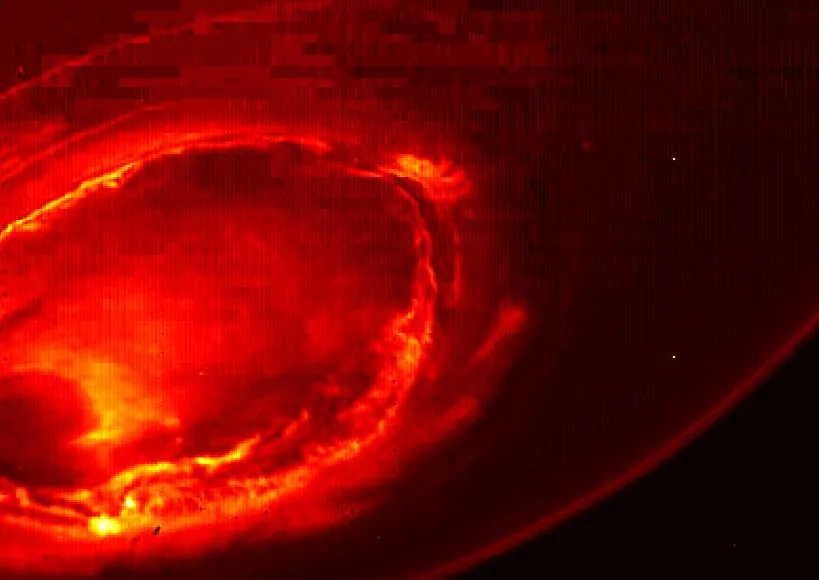
Earth isn't the only planet with aurora! Juno captured this image of Jupiter's southern aurora on 27 August 2016. Credit: NASA/JPL-Caltech/SwRI/ASI/INAF/JIRAM
Juno has revealed the chaotic beauty of Jupiter's stormy cloud tops. But this is just the tip of the iceberg.
Credits: NASA/JPL-Caltech/SwRI/MSSS/Kevin M. Gill
The Juno spacecraft has revealed images of Jupiter's poles, completely different from previous views of its stripy bands and Great Red Spot.
Credit: NASA/JPL-Caltech/SwRI/MSSS/John Landino
Oval cyclones up to 1,000km in diameter can be seen at Jupiter’s south pole in this image captured by the Juno spacecraft. Credit: NASA/JPL-Caltech/SwRI/MSSS/Betsy Asher Hall/Gervasio Robles
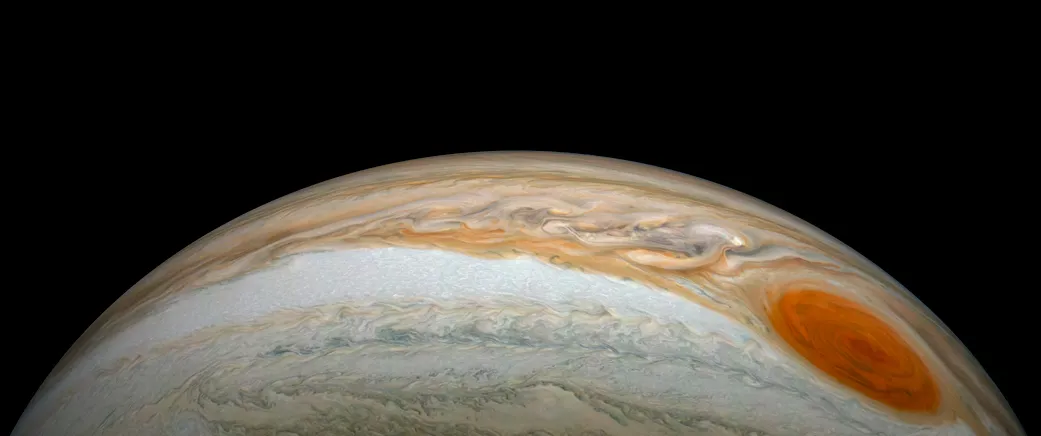
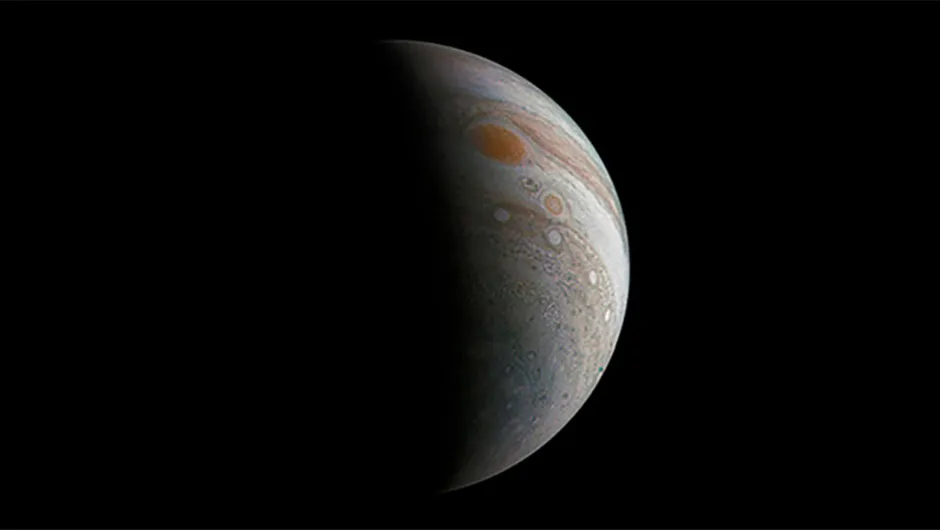
Roman Tkachenko processed this image of crescent Jupiter and its Great Red Spot using raw data captured by the Juno spacecraft. Credit: NASA/JPL-Caltech/SwRI/MSSS/Roman Tkachenko
Jupiter's Great Red Spot, as seen by NASA's Juno spacecraft. Credit: NASA/JPL-Caltech/SwRI/MSSS/Kevin Gill
An enhanced-colour image of Jupiter's Great Red Spot processed by citizen scientist Jason Major using data captured by the Juno spacecraft's JunoCam. Credit: NASA/JPL-Caltech/SwRI/MSSS/Jason Major
A reconstructed view of Jupiter's northern lights through the filters of the Juno Ultraviolet Imaging Spectrograph instrument on Dec. 11, 2016
Credit: NASA/JPL-Caltech/Bertrand Bonfond
Juno has given us a new view of Jupiter, including this look at the planet's rarely seen southern pole, imaged here in the infrared. Credit: NASA/JPL-Caltech/SwRI/ASI/INAF/JIRAM
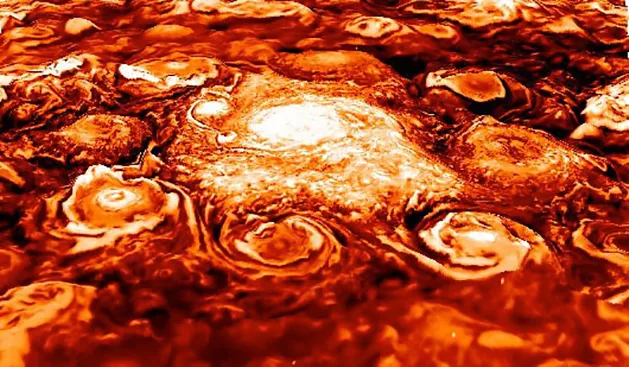
The Juno spacecraft saw a central cyclone at Jupiter’s north pole and eight cyclones surrounding it. Credit: NASA/JPL-Caltech/SwRI/ASI/INAF/JIRAM
Jupiter's Great Red Spot storm, as seen by NASA's Juno spacecraft.
Credits: NASA/JPL-Caltech/SwRI/MSSS/Kevin Gill
Jupiter’s cloud belts, as seen by NASA’s Juno spacecraft.
Credit: NASA/JPL-Caltech/SwRI/MSSS/Kevin M. Gill
Iain Todd is BBC Sky at Night Magazine's Content Editor who has been writing about astronomy and space science for over a decade. He has covered major stargazing events, space launches and the latest news in cosmology, astrophysics, planetary and space science.
This website is owned and published by Our Media Ltd. www.ourmedia.co.uk