Aurorae are one of the natural world’s most stunning phenomena.
Seeing the sky come alive with shimmering green, red and purple lights that dance around and change shape is an experience that has fascinated humanity since the dawn of time.
Aurorae are seen when charged particles from the Sun (the solar wind) crash into Earth’s magnetosphere.
This mostly happens towards the poles, with aurorae seen at high northern latitudes called ‘aurora borealis’ or ‘the Northern Lights’ and aurorae seen at low latitudes called ‘aurora australis’ or ‘the Southern Lights’.
Aurorae can sometimes be seen at lower latitudes if there's an especially strong solar storm hitting Earth.
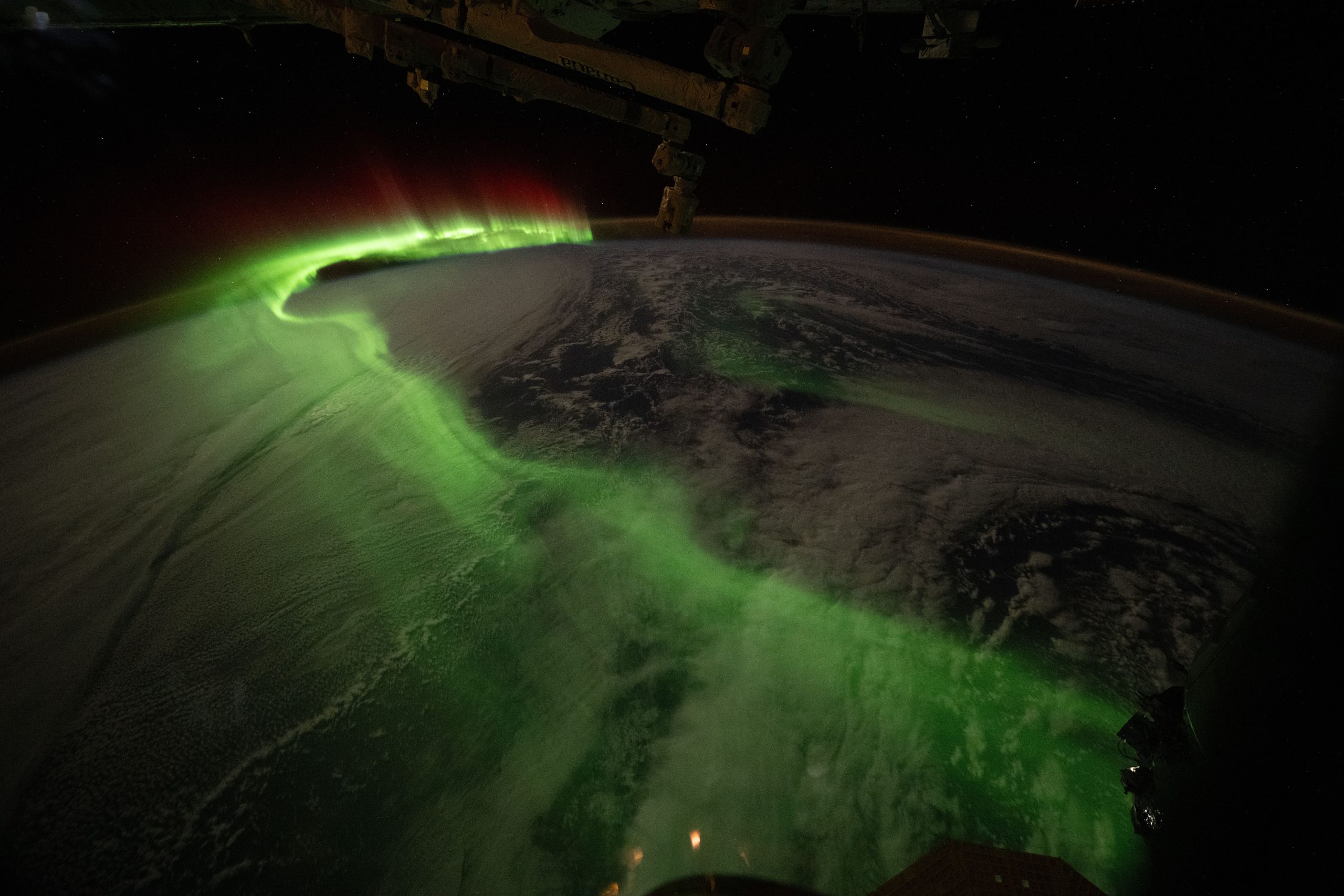
Aurora borealis as seen from the International Space Station, captured by astronaut Don Pettit, 11 October 2024. Equipment: Nikon Z9 camera, Nikon 24mm f1.4 lens, 1/5 second, f/1.4, ISO 3200, adjusted in Photoshop.
More commonly, people will spend thousands of pounds on trips to places like Norway, Iceland or Alaska, where the aurora can generally be relied on to put in an appearance.
Some folks make a habit of this, for others it will be a ‘once in a lifetime’ experience, but either way, aurorae are big business for tour operators.
There is another way to make sure you get to see auroras regularly, though – all you have to do is train as an astronaut and get yourself a place on the ISS!
As the ISS orbits Earth at approximately the same altitude as that at which aurorae occur, ISS crew members sometimes get to see aurorae from above, sometimes get to see them from below – and sometimes find themselves right in the middle of a display.
Which, naturally, presents some great photo opportunities. Here are some of the best aurora images from space captured by astronauts on the ISS over the years.
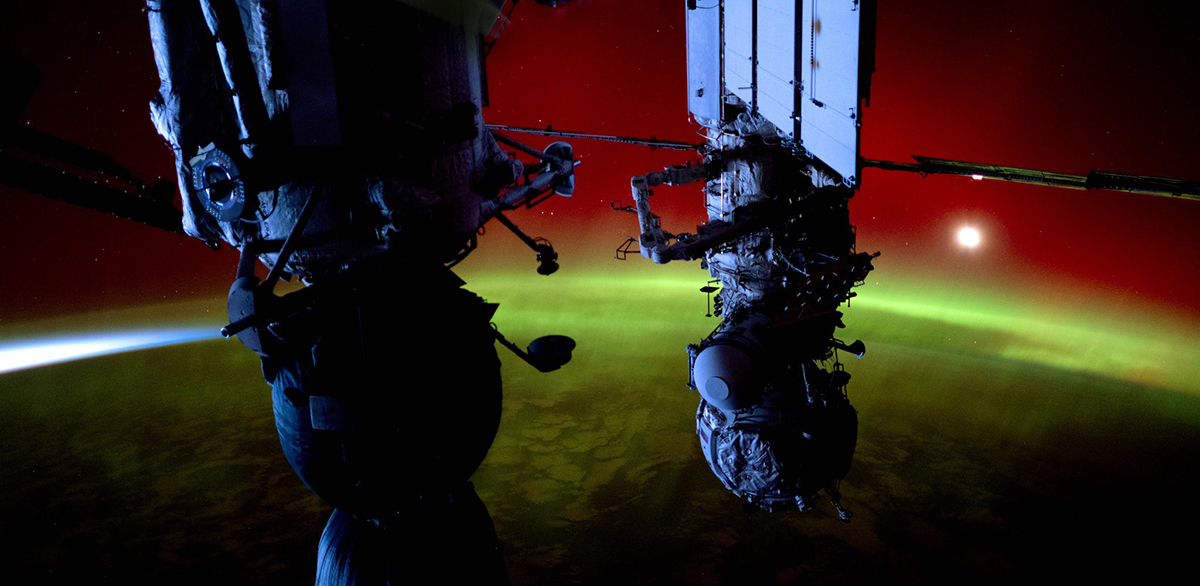
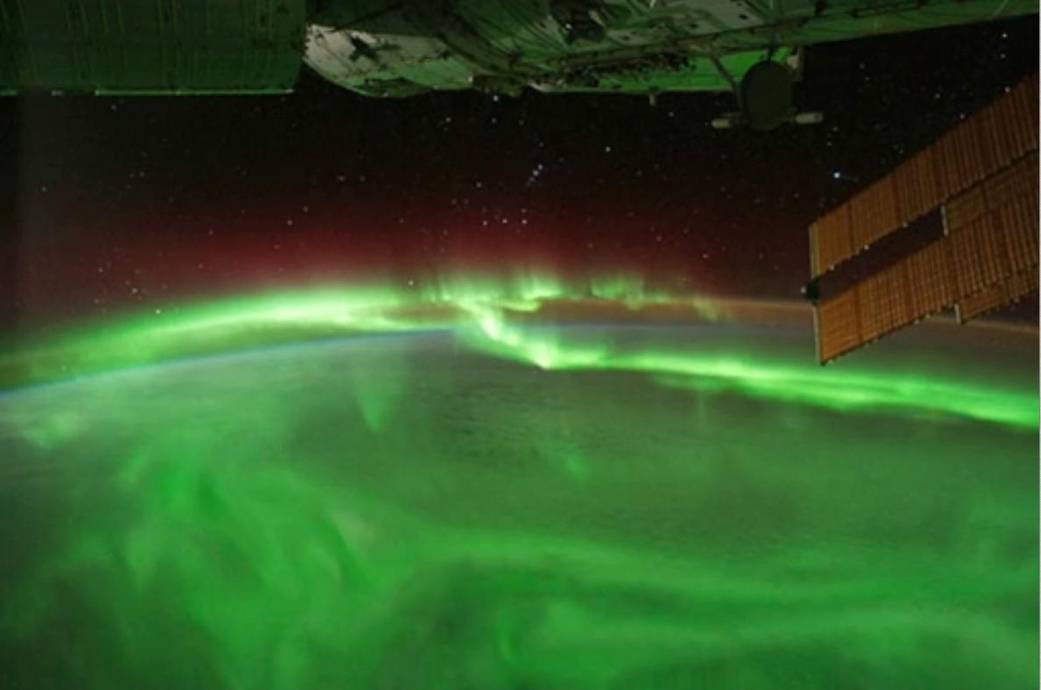
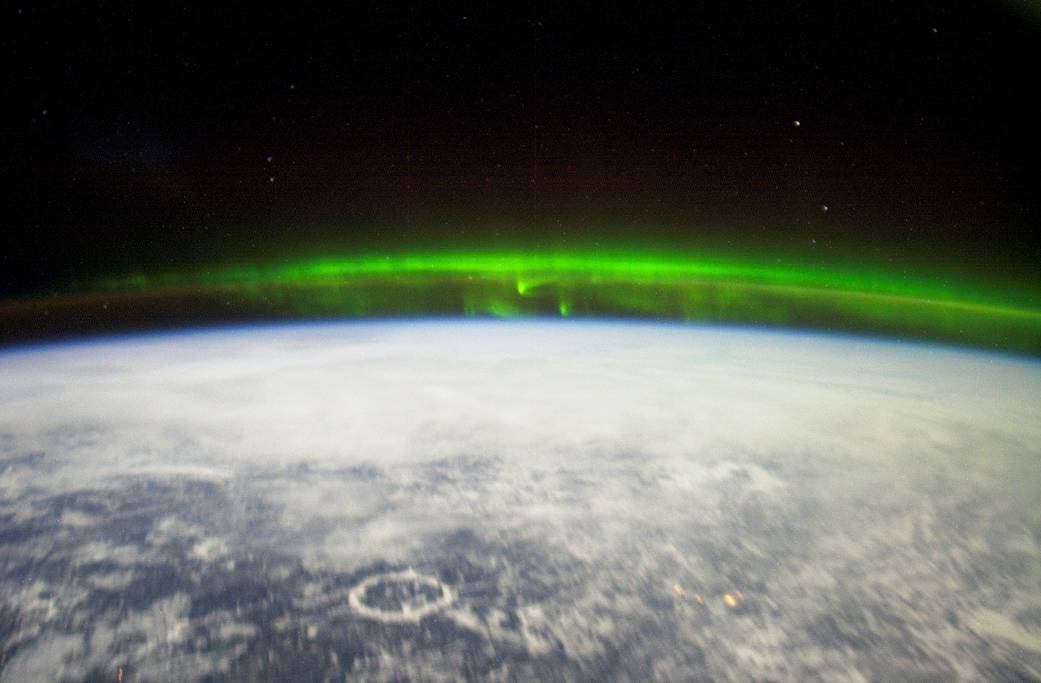
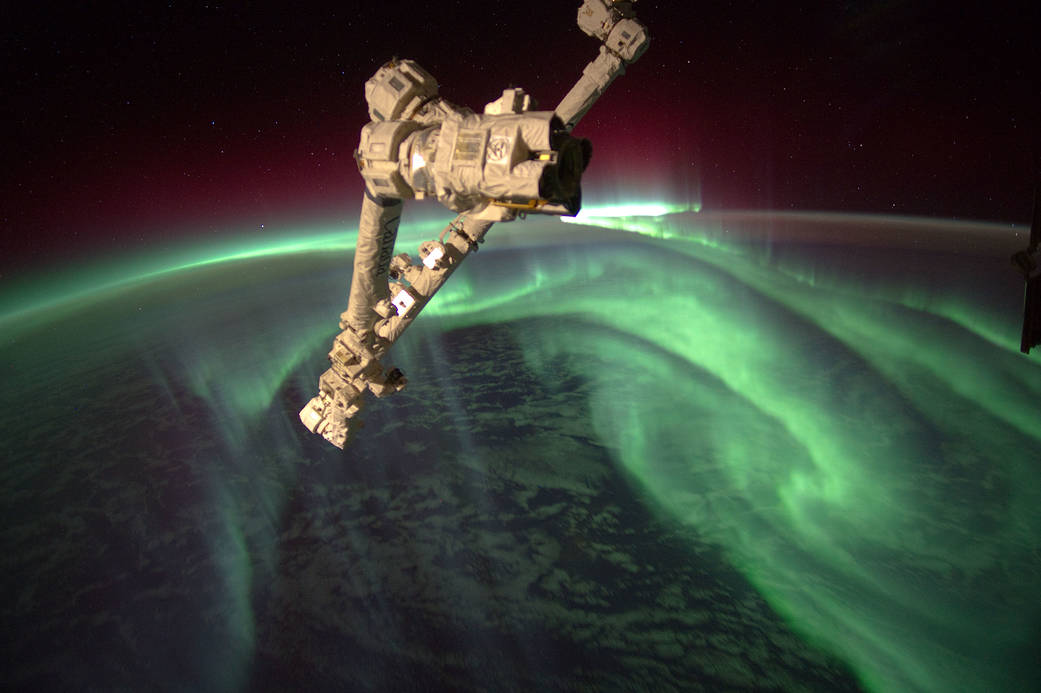
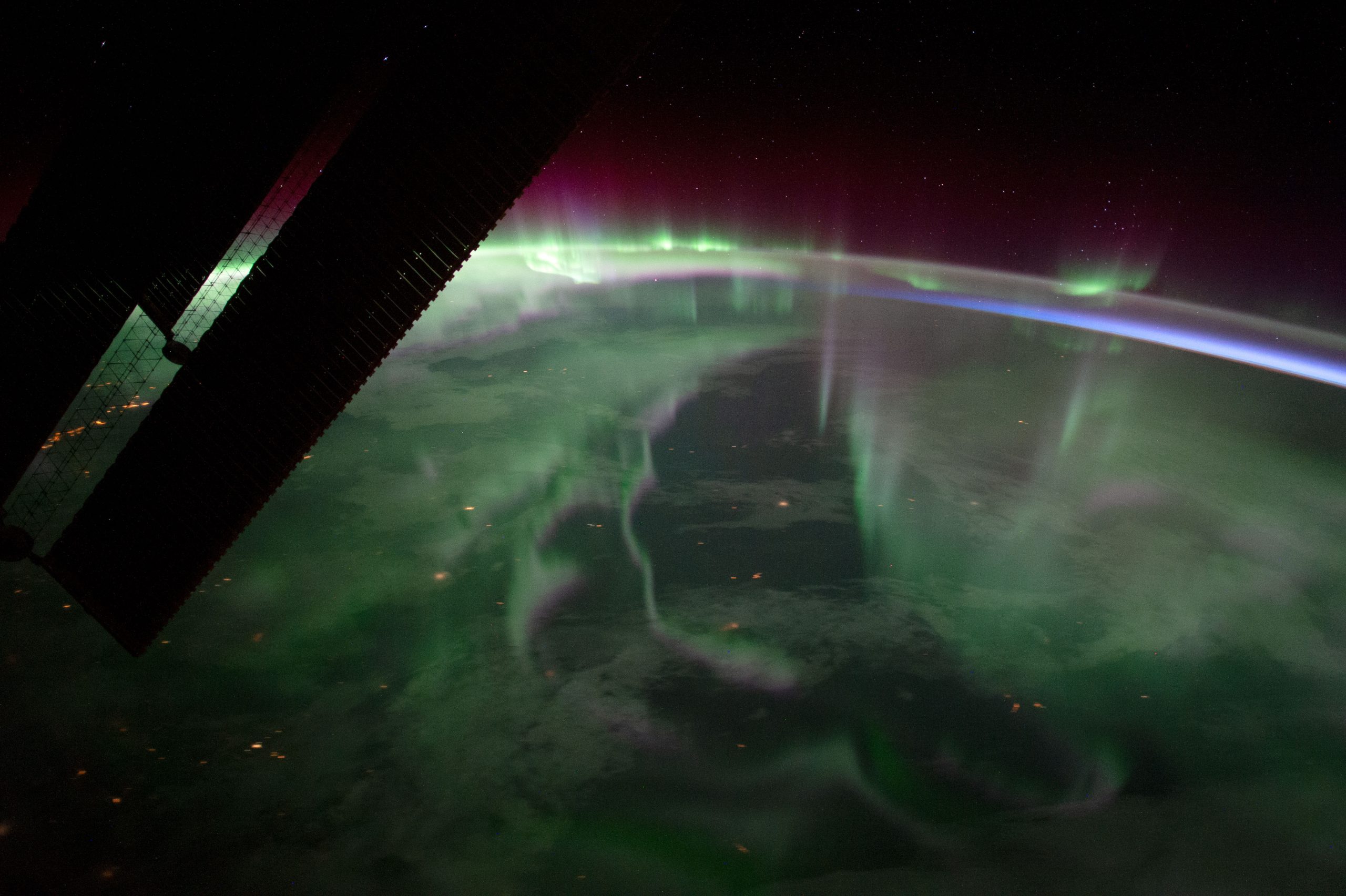
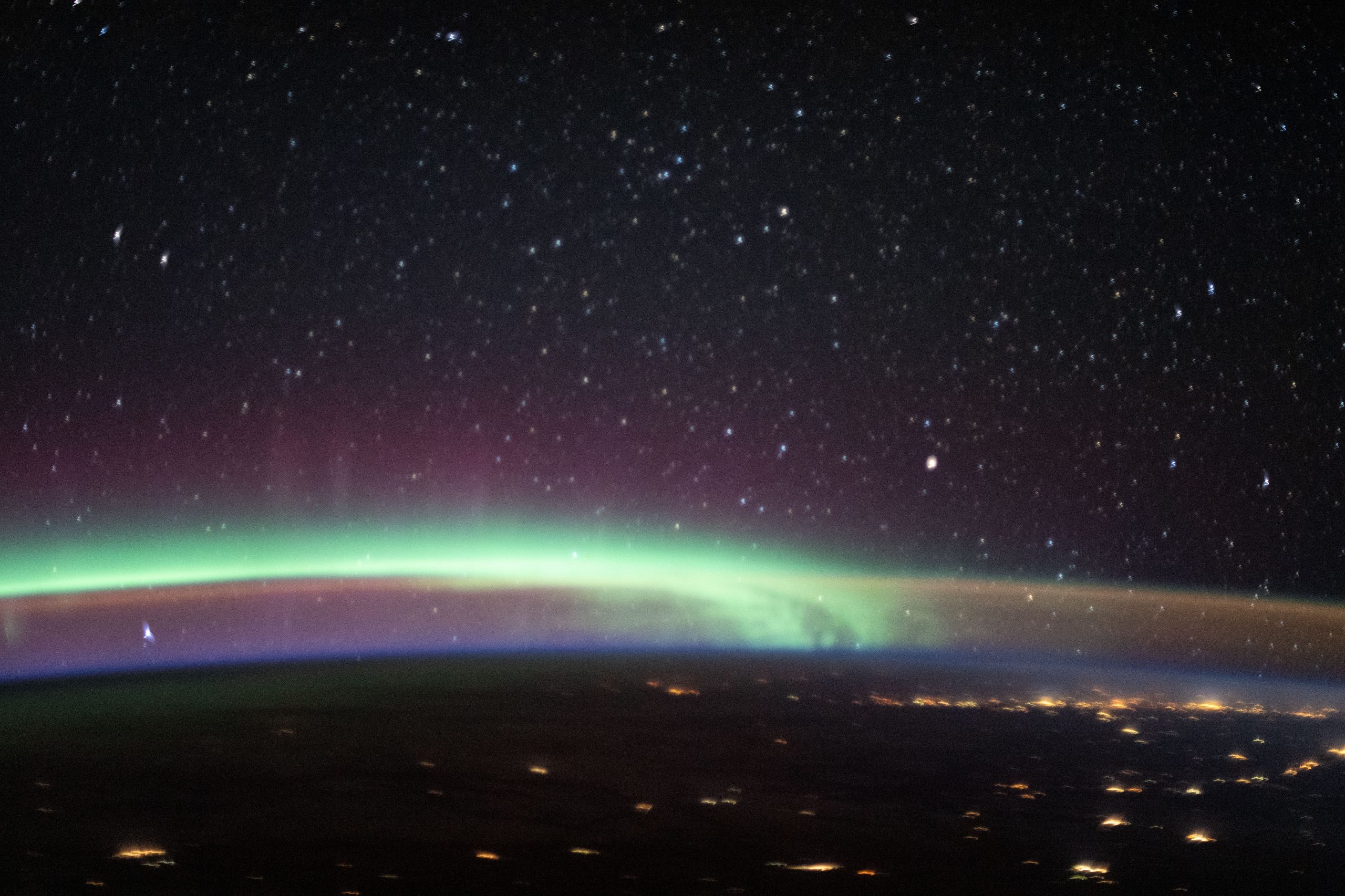
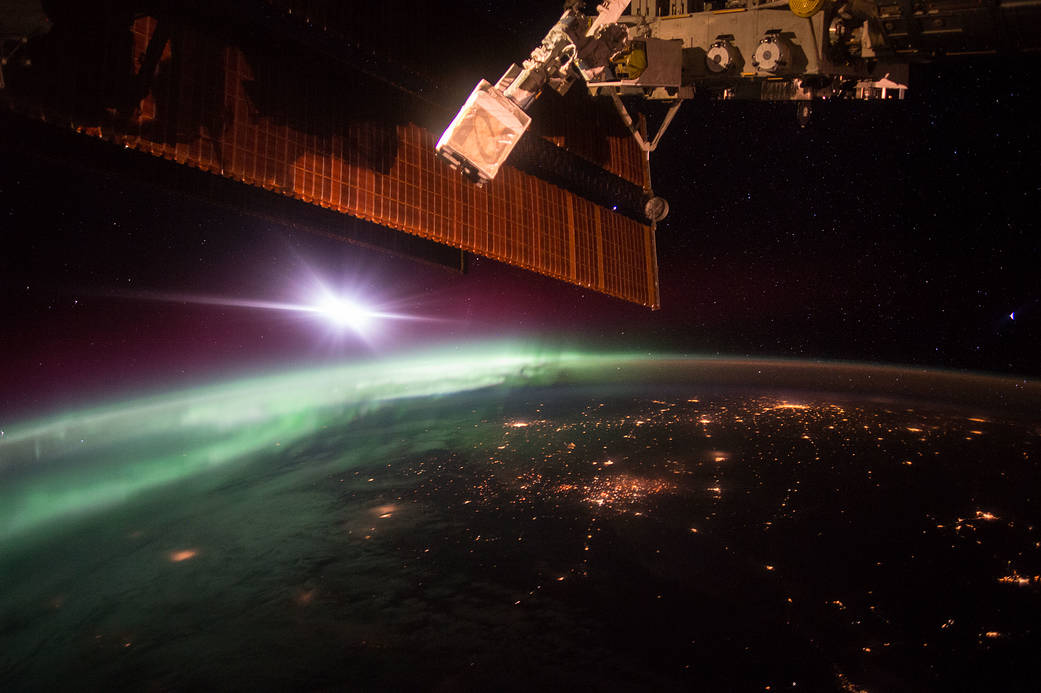
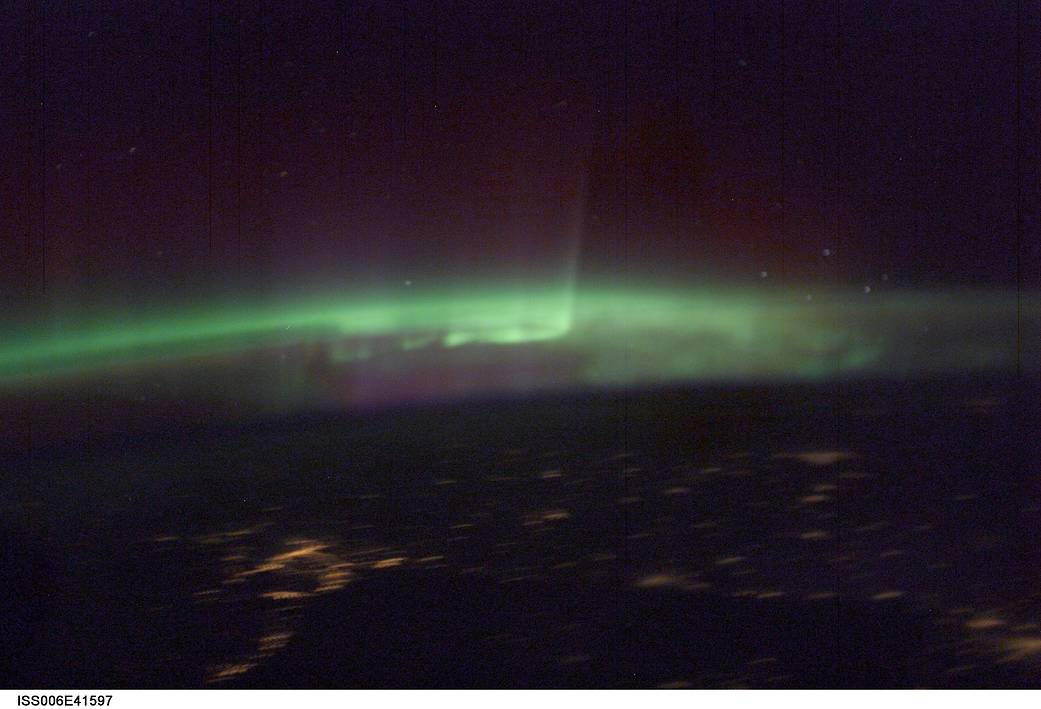
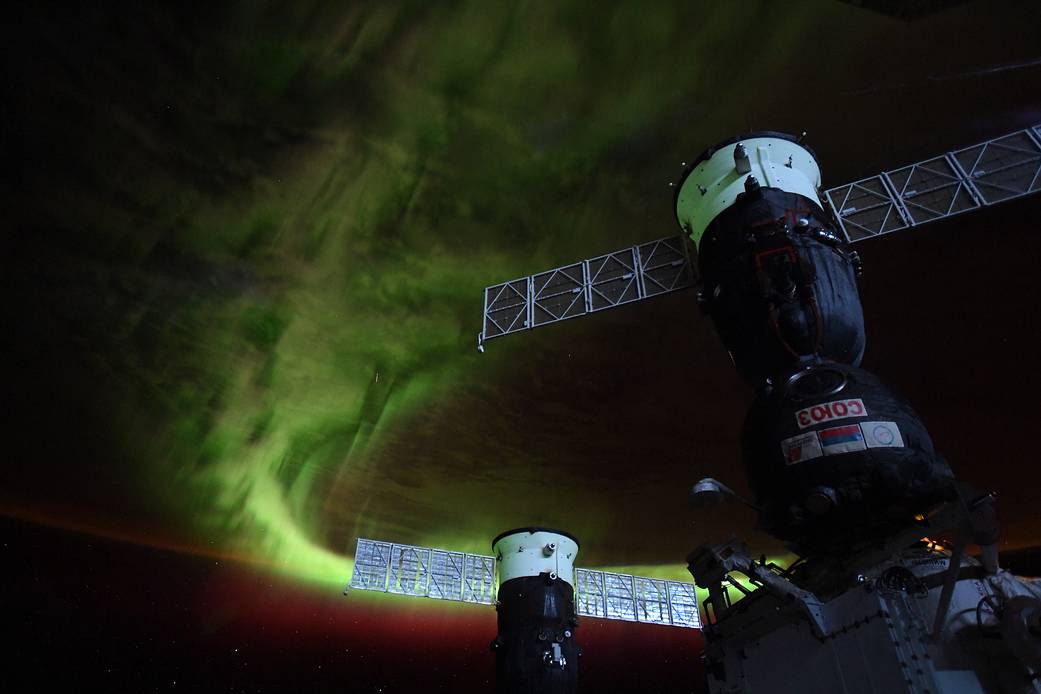
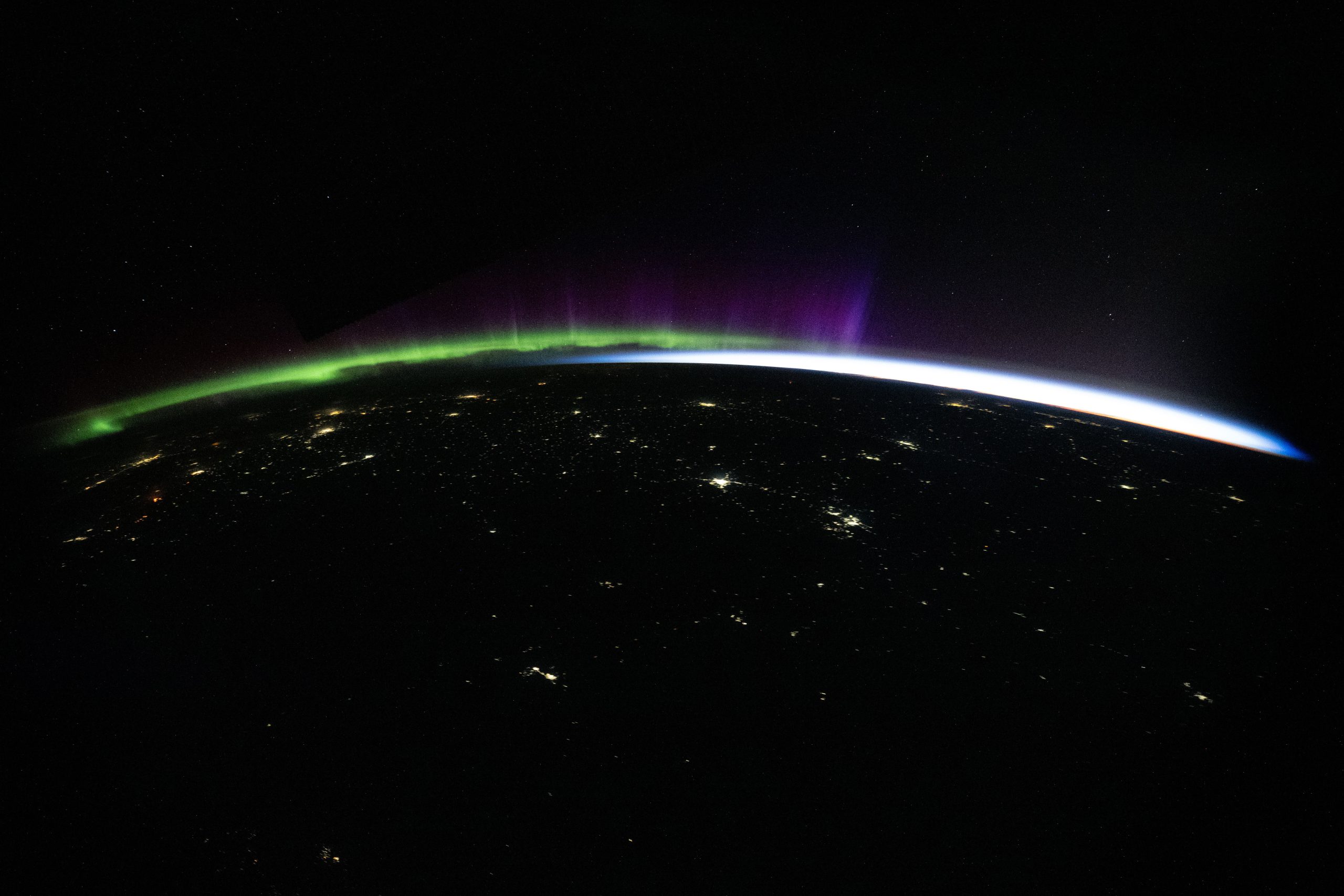
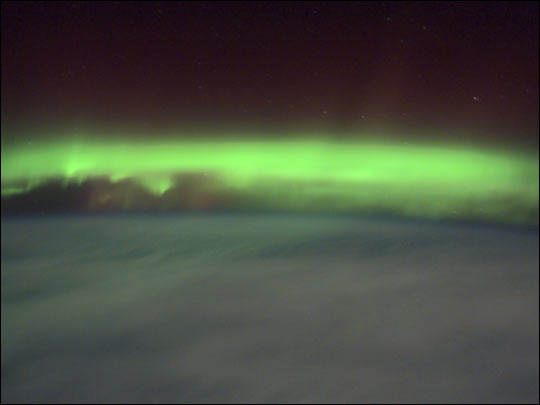
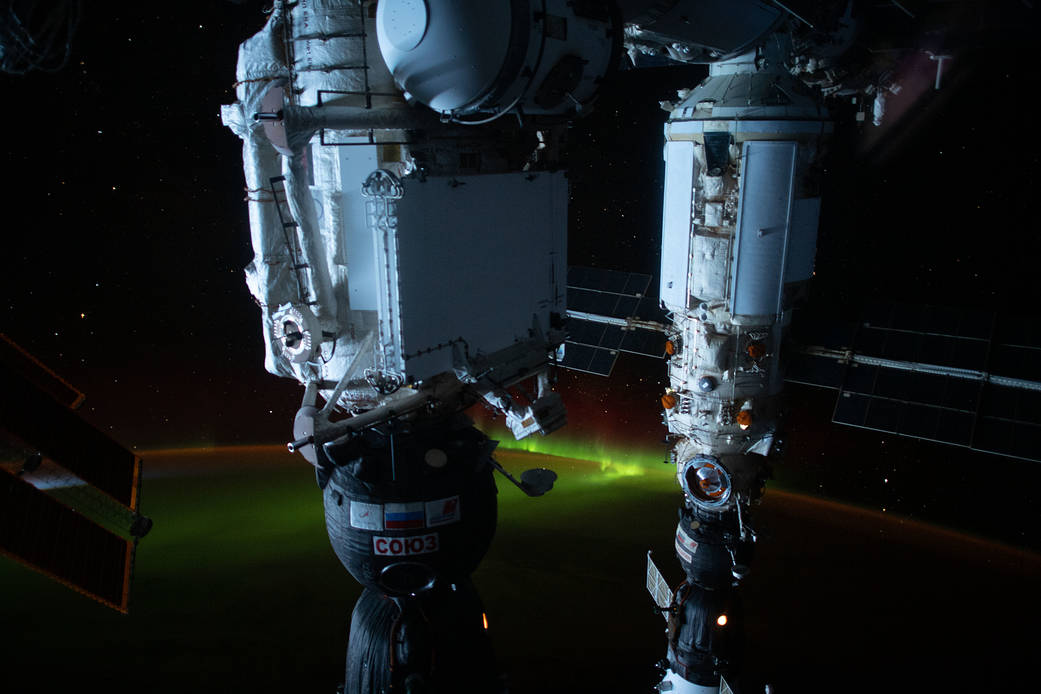
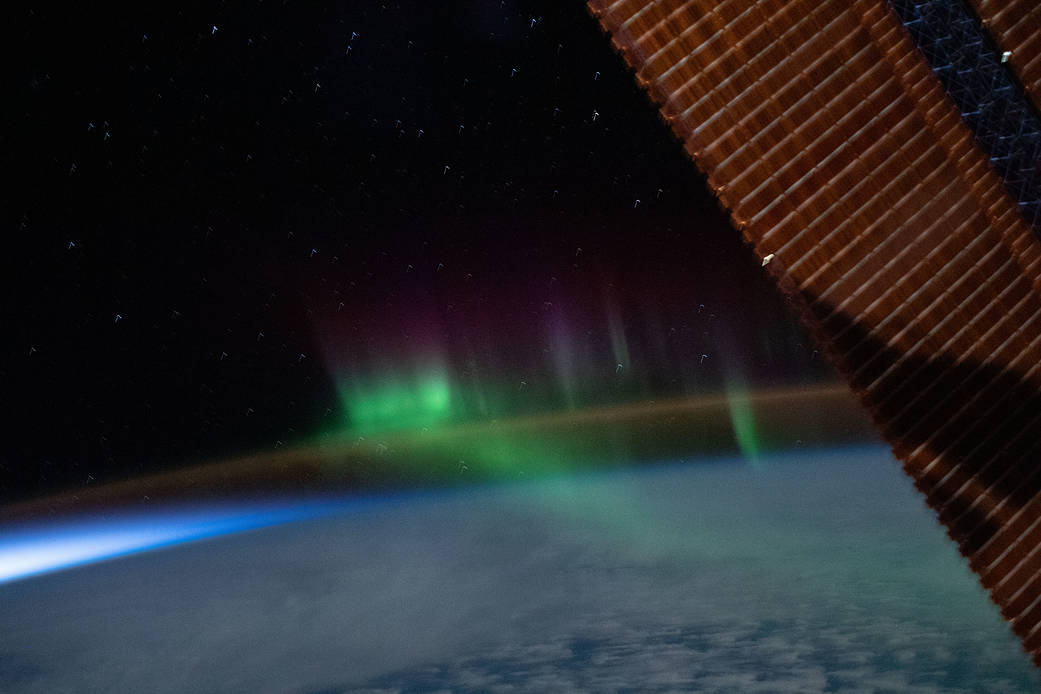
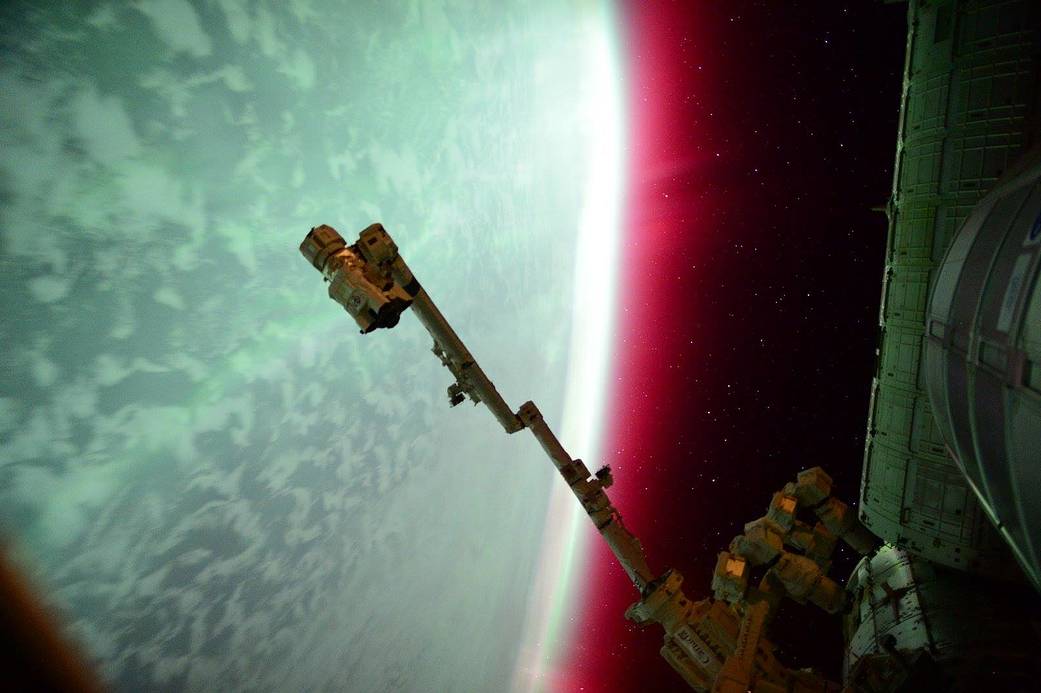
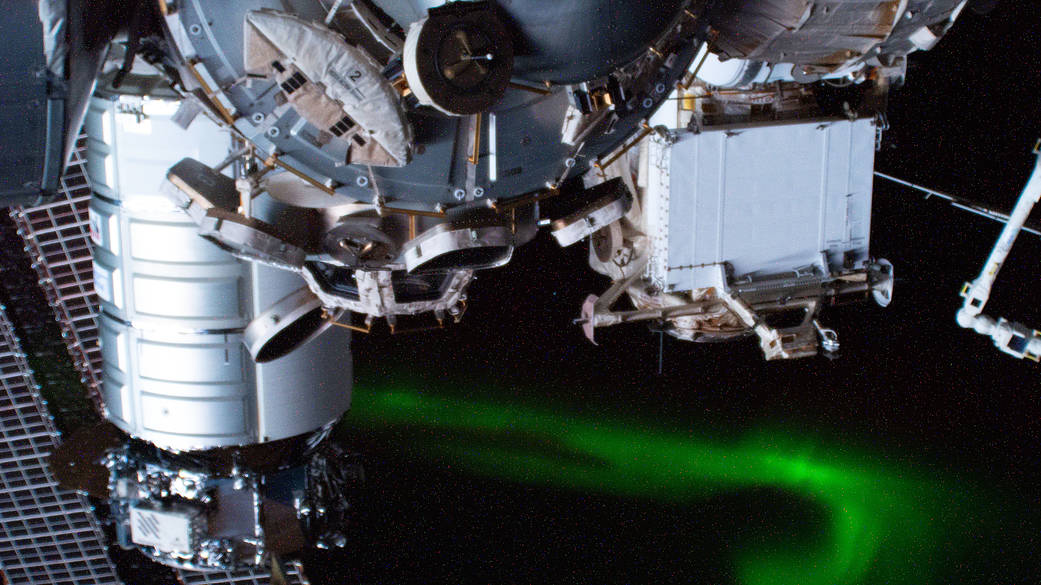
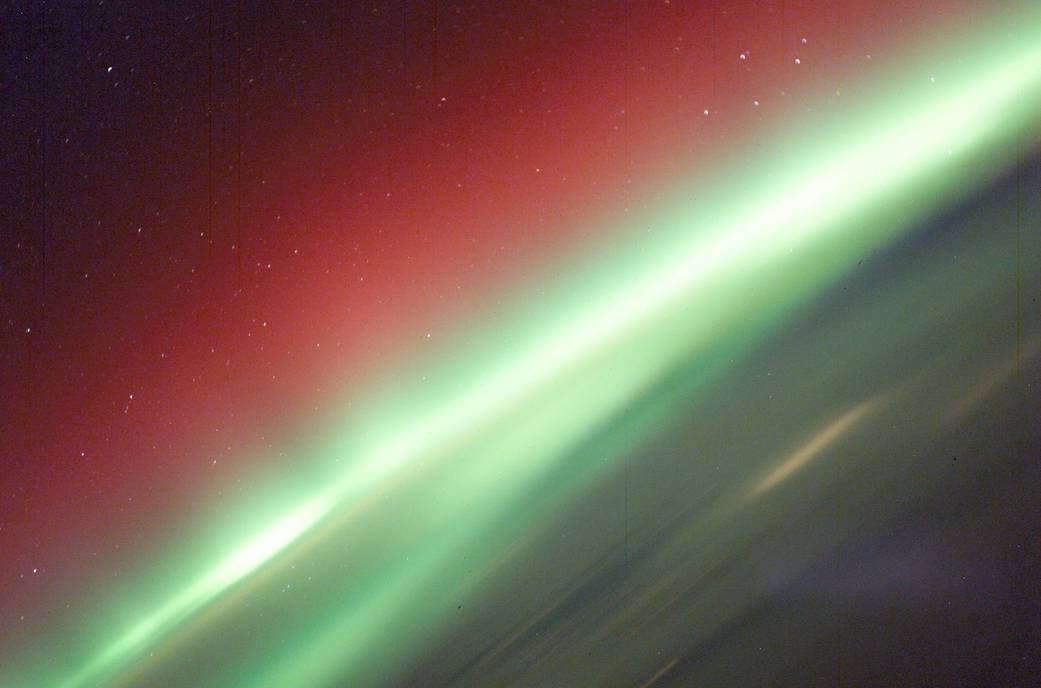
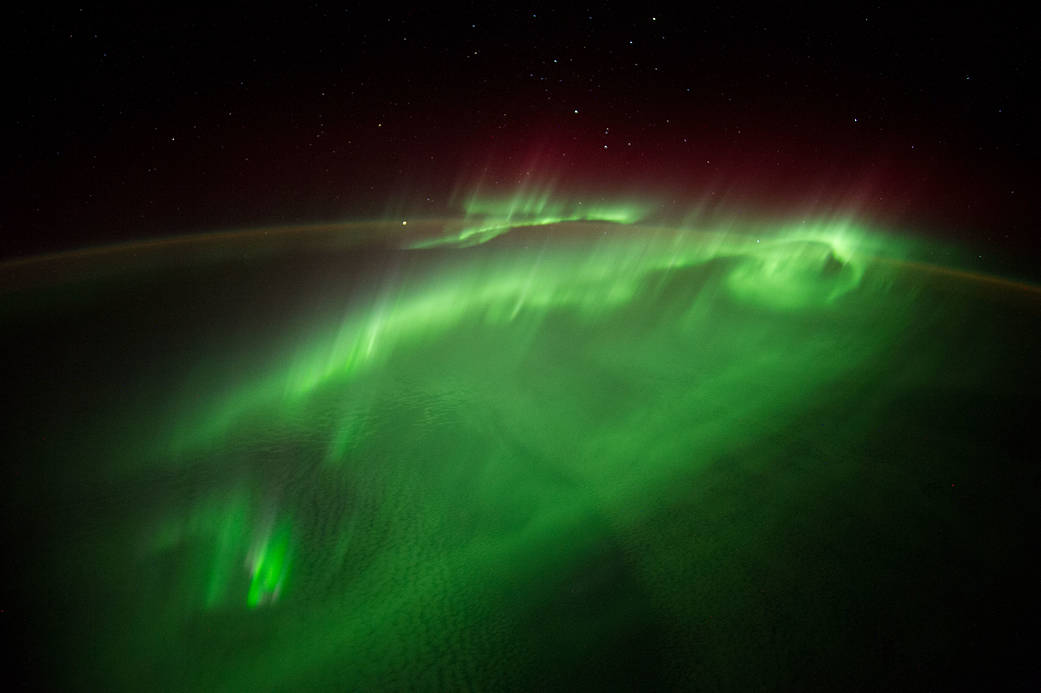
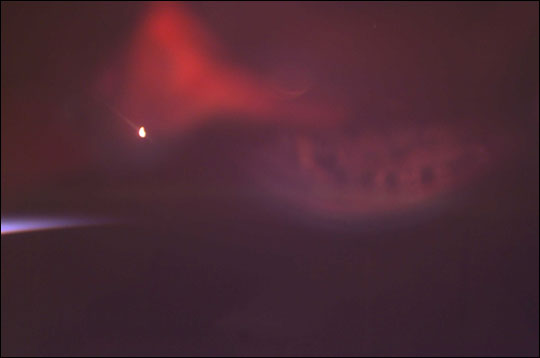
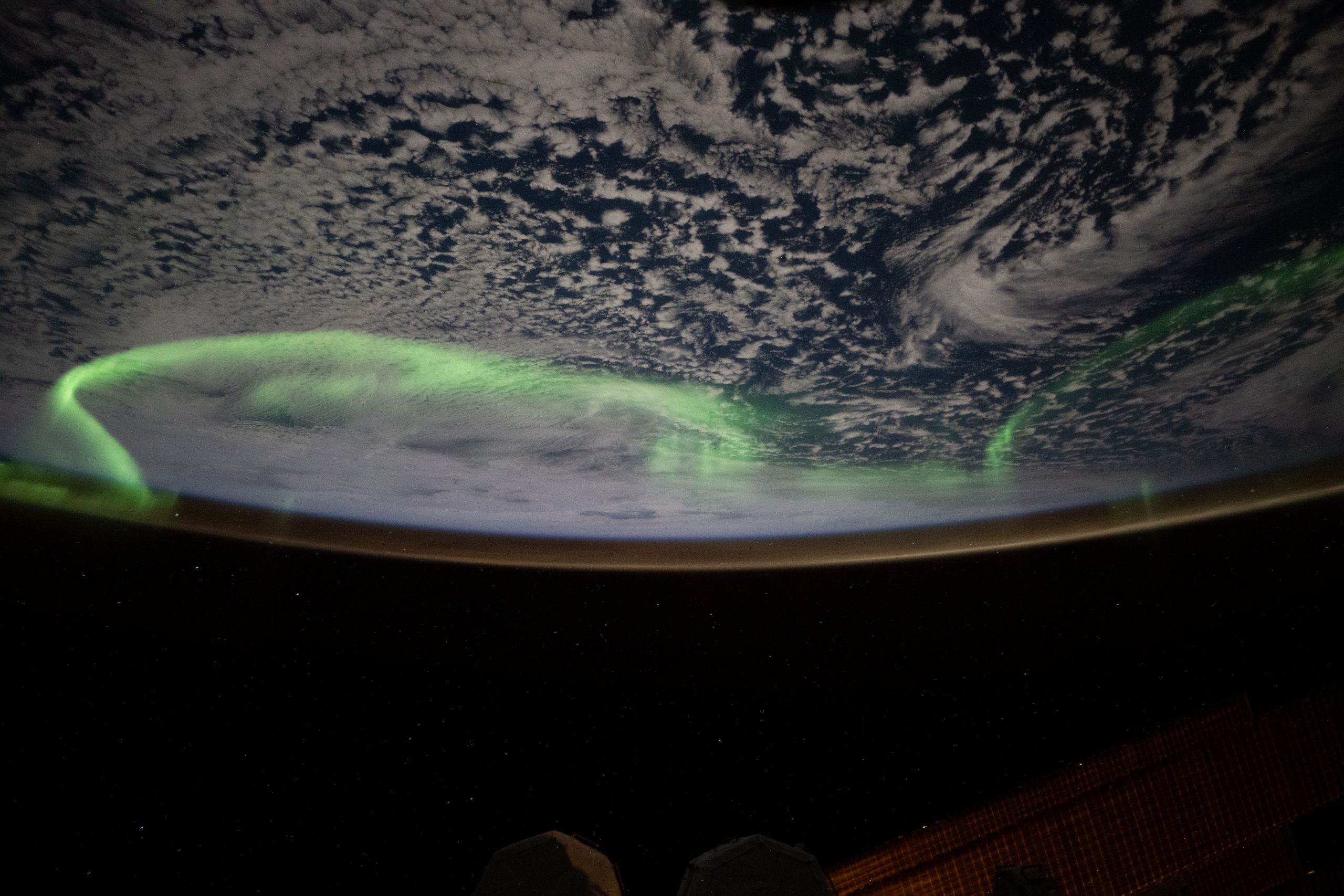
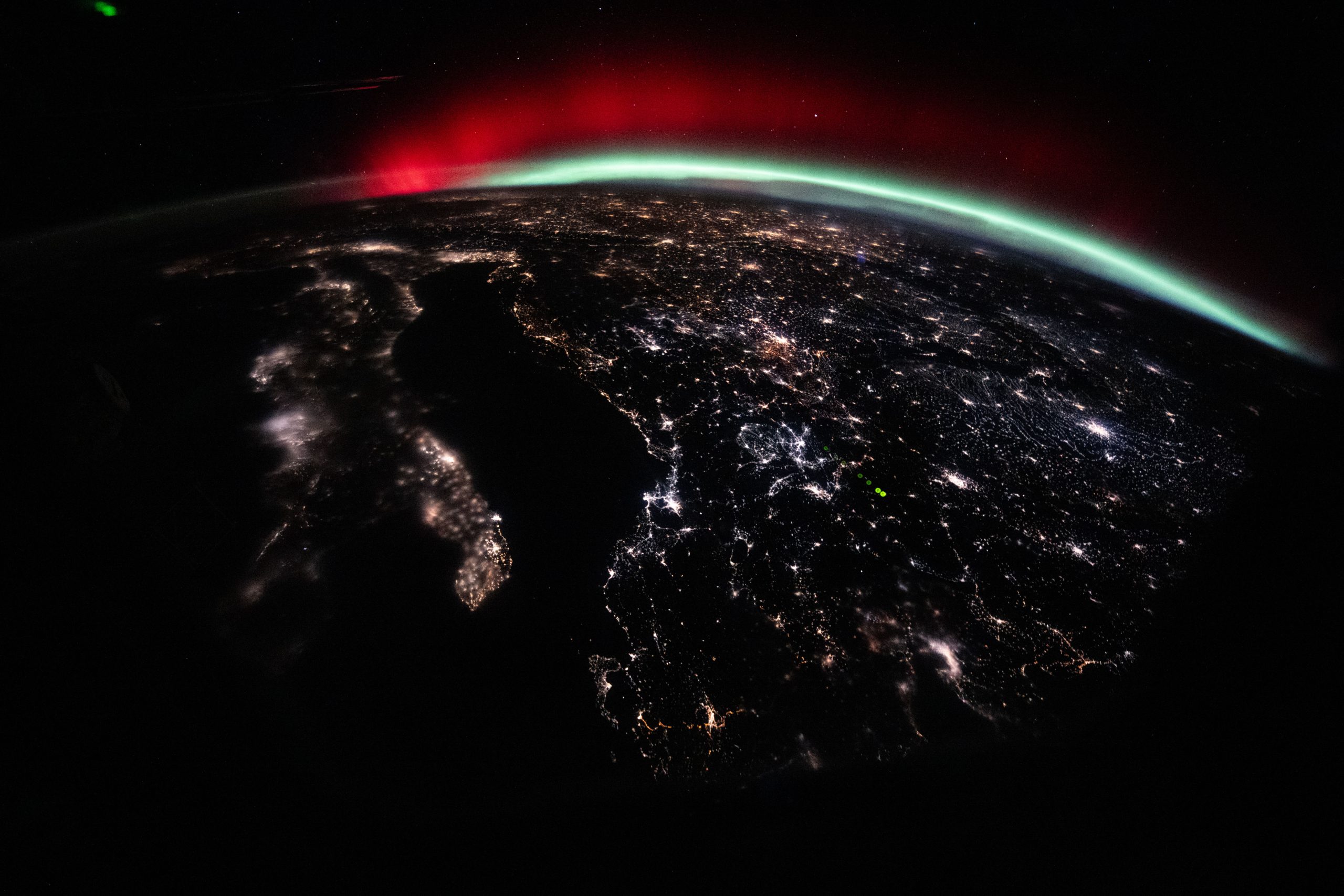
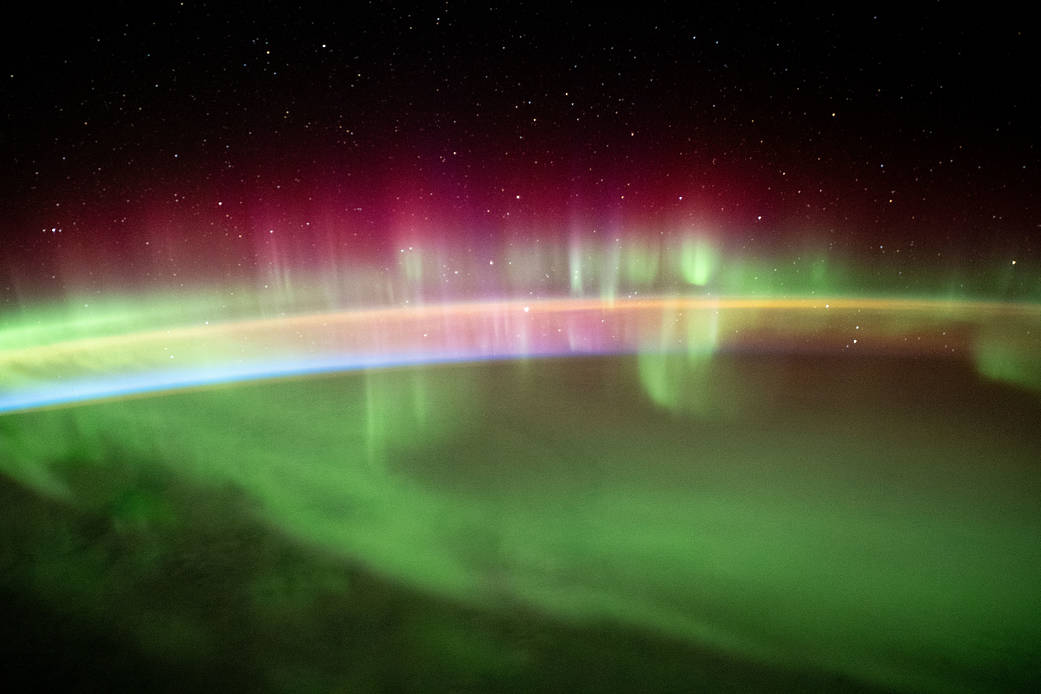
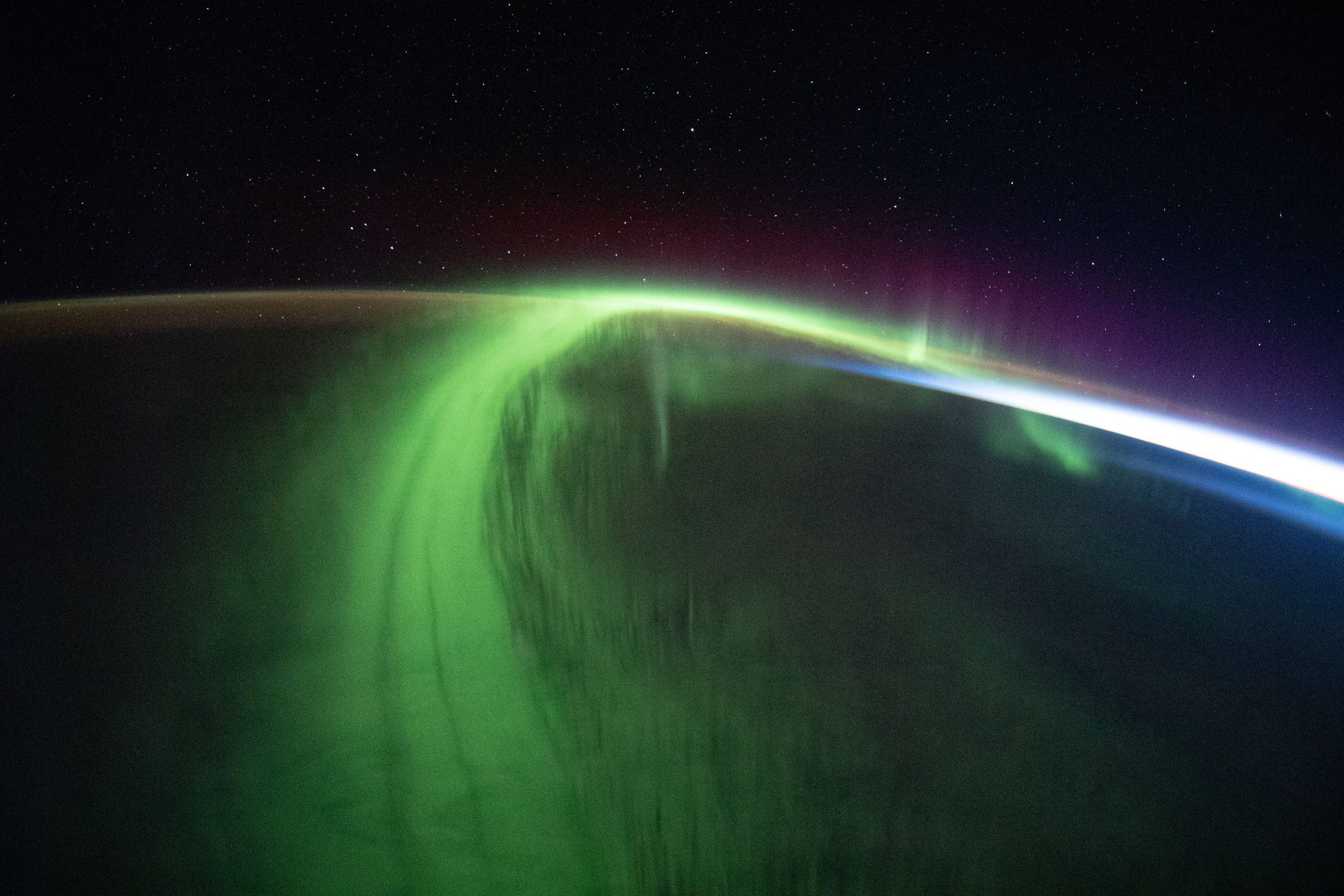
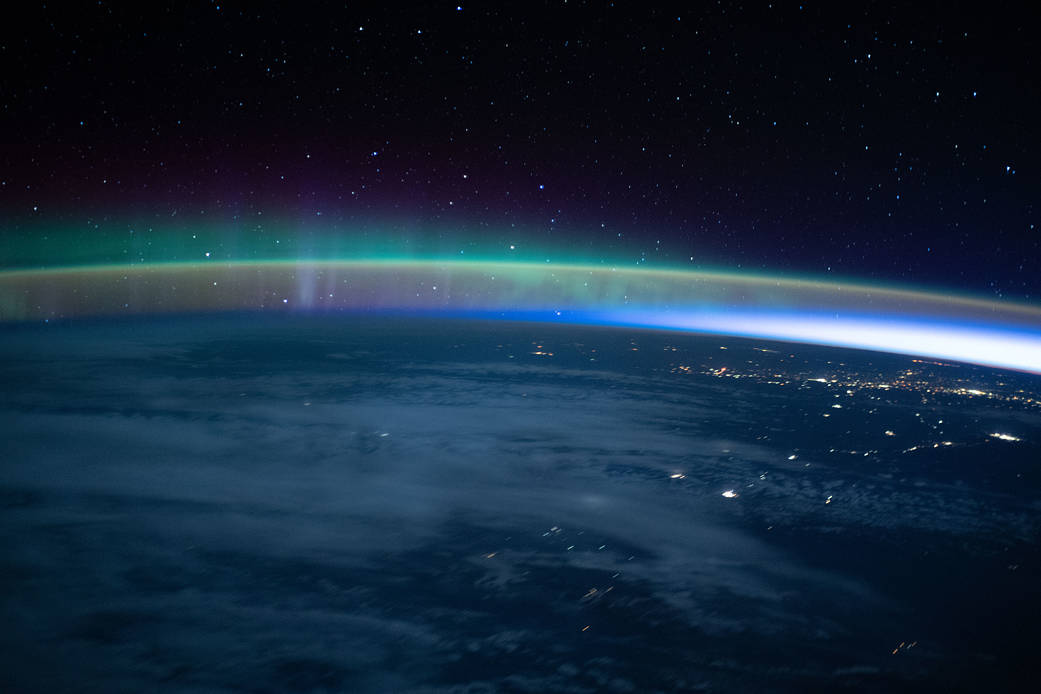
This stunning shot of the aurora australis was captured by ISS astronaut Jessica Meir on 5 June 2026. The ISS was 436km (271 miles) above the Indian Ocean at the time this picture was taken. Credit: NASA/Jessica MeirAurora captured from above the Indian Ocean, this one taken by an unnamed astronaut on 17 September 2011. Credit: NASAISS science officer – well-known for his stunning images from space – Don Pettit captured this view of the aurora in March 2008. Credit: NASA/Don PettitThis picture of aurora from space was taken from the ISS’s Tranquility node by flight engineer Joe Acaba on 15 July 2012. The space station’s Canadarm2 robot arm is visible in the foreground. Credit: NASAISS astronaut Randy Bresnik took this photograph on 15 September 2017, as the Space Station passed above Ontario, Canada. Note the hints of blue and purple: these colours appear at lower altitudes, where the atmosphere is nitrogen-rich and oxygen-poor. Credit: NASA/Randy BresnikIn this picture captured on 16 March 2020, aurora borealis (green) can be seen interacting with Earth’s ‘airglow’ (orange/yellow). The latter is a form of chemiluminescence, caused by the energy emitted by particles of oxygen, nitrogen and other molecules reacting with one another in the upper reaches of the atmosphere. Credit: NASAThe ISS, the aurora and our own dear planet Earth – as captured by astronaut Scott Kelly on the morning of 7 October 2015. Credit: NASAA shot of the aurora from space captured by science office Don Pettit, this one taken over Scandinavia on 29 March 2003. Credit: NASAThis shot taken by ISS astronaut Christina Koch in June 2019 shows a good chunk of the ISS itself as well as the red and green swirls of the aurora. Credit: NASAJessica Meir captured Earth’s curvature as well as the aurora in this shot from 7 September 2026. “It makes me want to kiss the sky,” she wrote when she posted it online, referencing the Jimi Hendrix classic ‘Purple Haze’ for fairly obvious reasons… Credit: NASA/Jessica MeirThis image of the aurora was taken from onboard the ISS on 4 October 2001. If nothing else, it shows much digital camera technology has improved over the quarter-century since then! Credit: NASAIn this picture, captured above Auckland, New Zealand in October 2021, you can see two Soviet crew ships, Soyuz MS-19 (left) and MS-18 (right), which at the time were docked to the ISS’s Rassvet and Nauka modules, respectively. Credit: NASAA view of the aurora and Earth’s airglow, captured above the Indian Ocean, halfway from Australia to Antarctica, in June 2020. Credit: NASAThis shot captured by Scott Kelly on 23 June 2015 is a great example of a red auroral display. These occur at higher altitudes: typically 200-300km (120 to 200 miles), whereas pink and purple displays occur at much lower altitudes of 100km (60 miles) or less. Credit: NASADo you like astronautical hardware? Do you like aurorae? Then you’ll love this picture taken above the Indian Ocean in May 2022! The ISS’s cupola and Rassvet module can be seen on the right, while on the left is a docked Northrop Grumman Cygnus space freighter – an uncrewed, robotic craft that is regularly used to send equipment and supplies to the ISS. Credit: NASAThe stratification of the aurora – reds up high, greens below – can clearly be seen in this photograph, which was taken by a member of the Expedition 6 crew on 30 March 2003. Credit: NASA“Words can't describe how it feels flying through an aurora. I wouldn't even know where to begin,” wrote ESA astronaut Alexander Gerst when he posted this image taken on 29 August 2014. Credit: NASA/ESA/Alexander GerstA beautifully red aurora image, this picture was captured by an unnamed crew member in September 2021. The blue-ish arc on the left is Earth’s atmospheric limb, but don’t get excited by the white blob above it: that’s neither a star nor a planet, but merely one of the ISS’s internal lights reflected off its window! Credit: NASAA great shot of the aurora australis from above the Indian Ocean – this one taken by Nichole Ayers on 12 June 2025. Credit: NASA/Nichole AyersThe ISS was 421km (262 miles) above the Mediterranean when a NASA astronaut took this picture on 19 January 2026. You’re looking northwards, across Italy and towards Switzerland and Germany. Credit: NASA/Chris WilliamsAurora australis imaged from high above the Indian Ocean on 13 August 2021. Credit: NASANASA astronaut Shane Kimbrough took this photo of aurora australis on 3 September 2024. Credit: NASA/Shane KimbroughTaken somewhere off the Pacific Coast of Canada, this image from November 2021 shows both green and blue auroral bands, as well as the curvature of Earth and a fair degree of airglow. Credit: NASA
Russell Deeks is a freelance journalist specialising in science and technology. He has been an occasional contributor to BBC Sky at Night Magazine since 2006.
This website is owned and published by Our Media Ltd. www.ourmedia.co.uk