
Mars is seen by many as humanity’s first step in becoming a multiplanetary civilisation.
For centuries, it has occupied a unique place in our imagination, close enough to study in detail yet distant enough to remain mysterious.
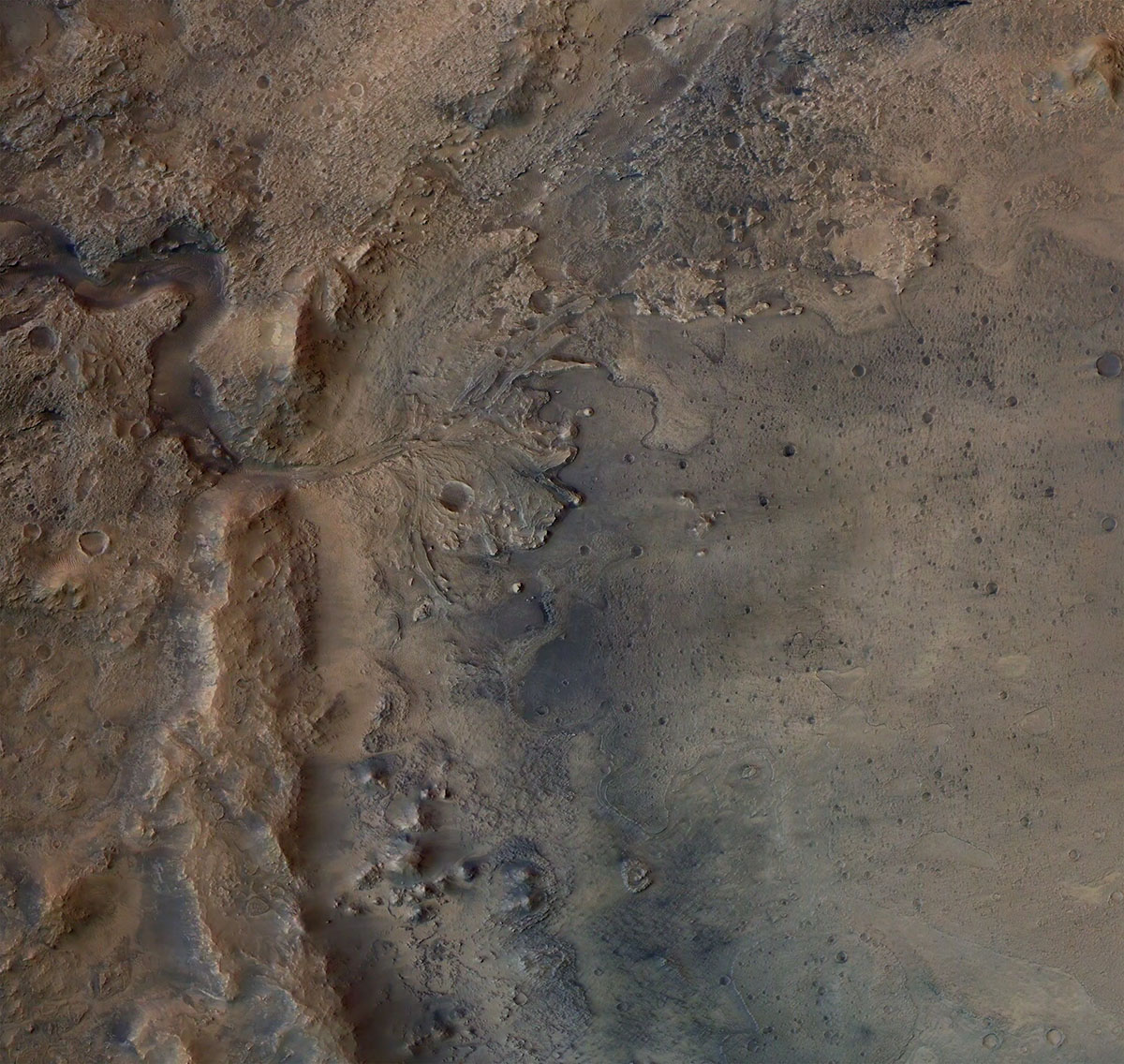
Robotic explorers have revealed a world carved by ancient rivers and scattered with towering volcanoes and vast canyons, hinting at a past that may once have been warmer and wetter.
Those discoveries have transformed Mars from a simple point of light into a tangible destination for settlement.
More on the dangers of space
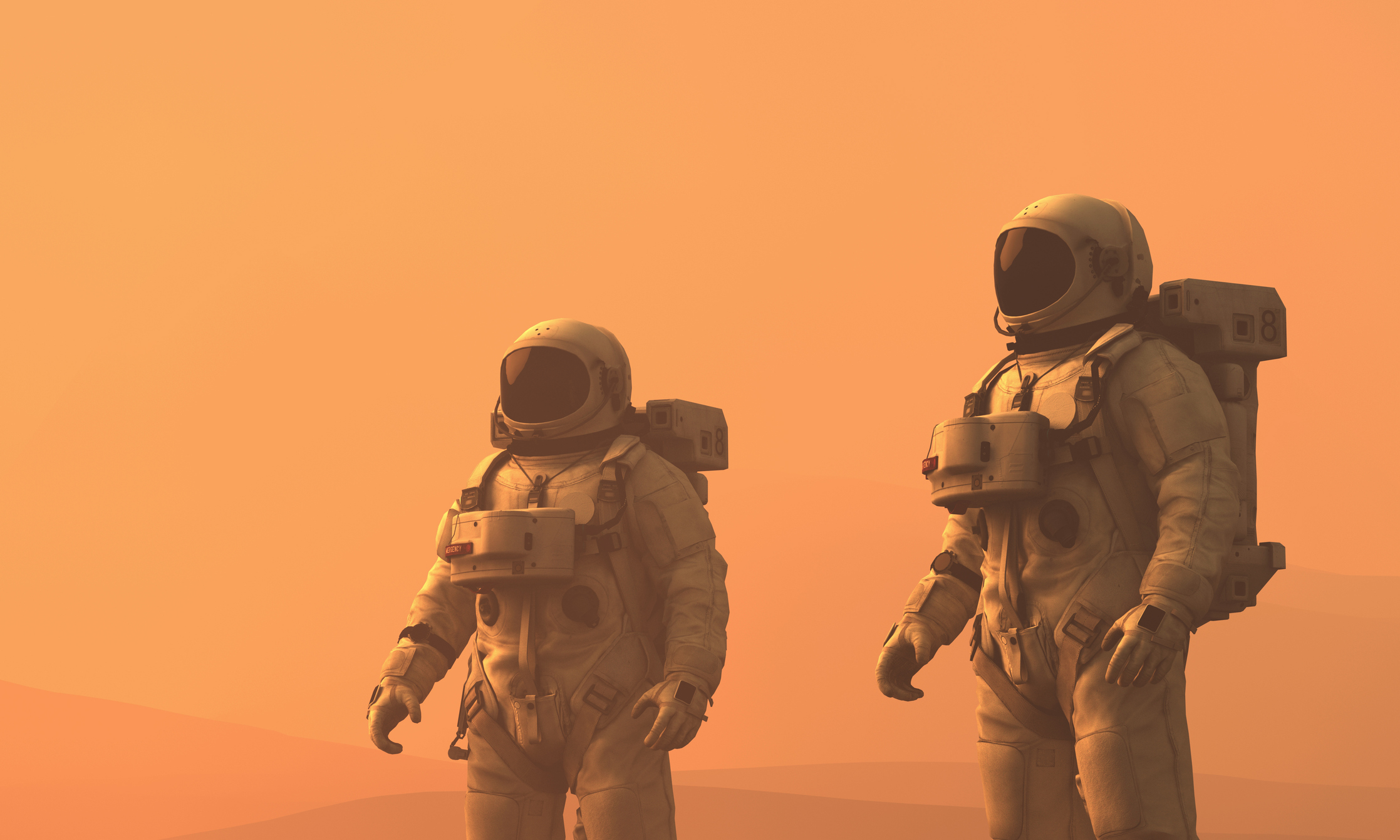
But romance must give way to realism. The Martian atmosphere is more than 100 times thinner than Earth’s, offering little protection from radiation.
Liquid water cannot persist for long on the surface, and the soil itself contains chemicals that are harmful to human life.
Between plummeting temperatures, toxic air and electrified dust storms, danger lurks around every corner.
If we’re ever to explore and eventually colonise our neighbour, we need to figure out how to survive on a planet that’s trying its best to kill us at every turn.
Survival will demand more than bravery; it will require innovation on a scale never before attempted.
Lack of atmosphere
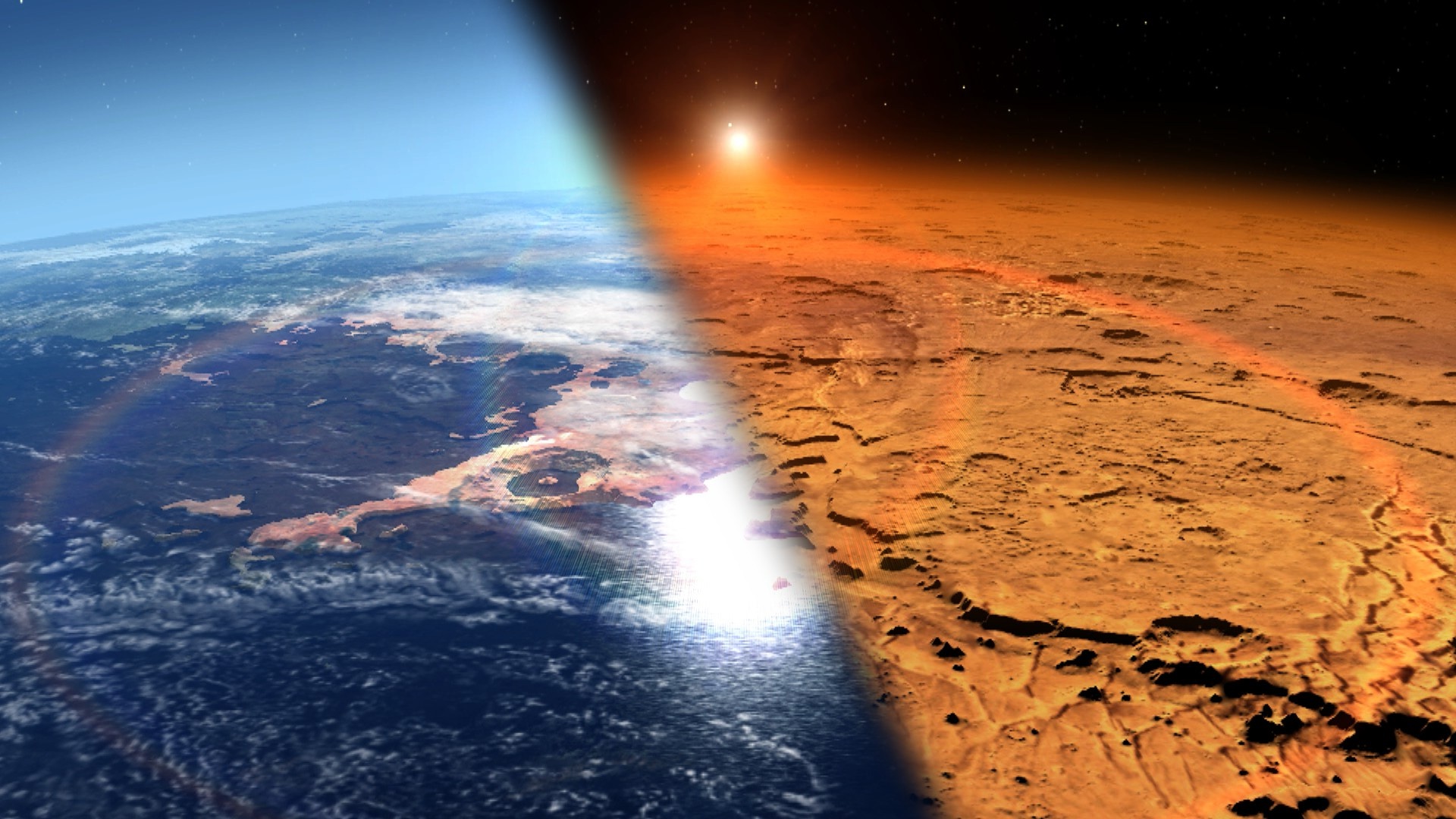
Billions of years ago, Mars’s atmosphere was a thick as Earth’s is today.
But now the Red Planet’s atmosphere is so thin that the average surface pressure is less than 1% of the pressure at sea-level on Earth – only around 600 Pascals.
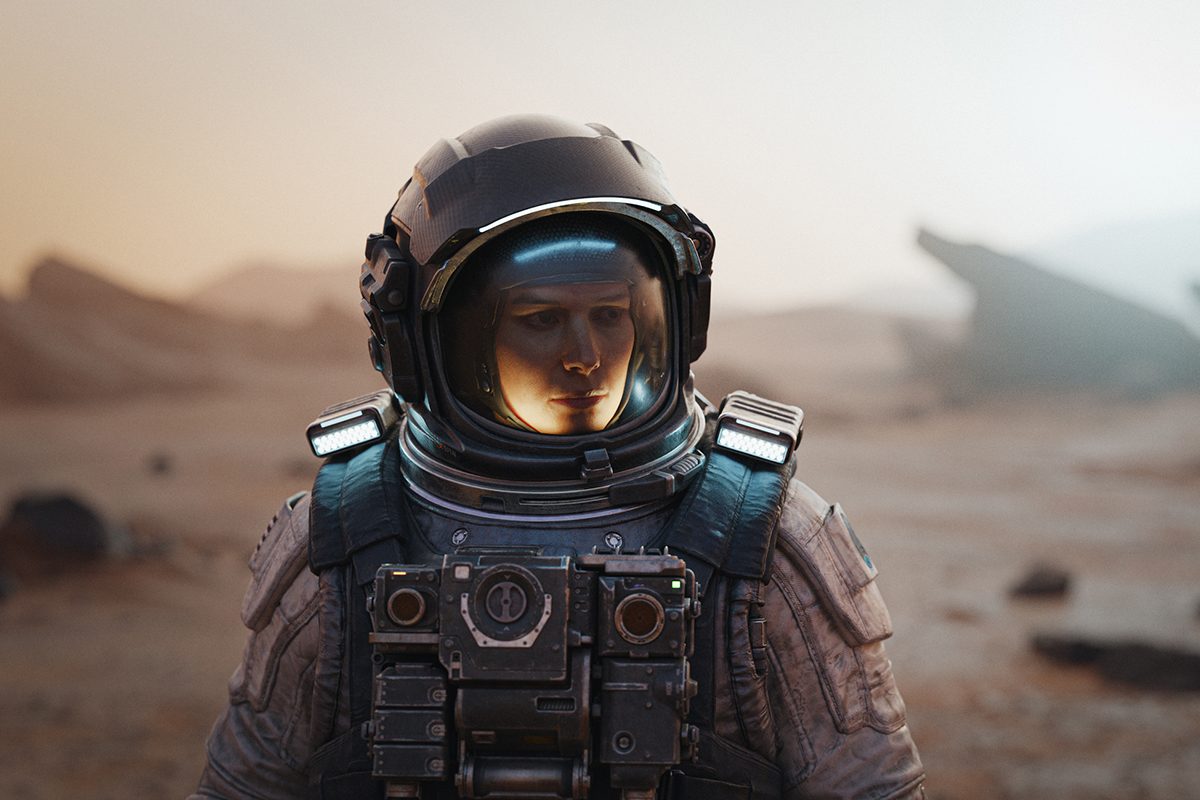
For an unprotected human, the effects are essentially the same as stepping into a vacuum.
Contrary to what you may have seen in cartoons, the human body doesn’t simply explode in these conditions.
Instead, water inside the body will rapidly boil, starting with the skin, eyes and tongue, before eventually all the water inside soft tissues begins to vaporise.
Expanding gases cause the body to swell, but human skin is surprisingly elastic and can swell to twice its size without bursting.
Loss of consciousness occurs in about 15 seconds, so though you may not have much time to save yourself, at least you won’t have to experience it all.
As gruesome as this fate sounds, a human can survive 1-2 minutes in a vacuum so long as they are returned to a safely pressurised environment.
A toxic atmosphere
The atmosphere on Mars is composed of 95% carbon dioxide, compared to just 0.04% on Earth.
Even if the atmosphere were thick enough to be breathable, it would be highly toxic to human life and utterly incapable of sustaining unprotected explorers.
At just a 1% concentration of CO2, symptoms of hypercapnia (too much carbon dioxide in the blood) begin to set in: drowsiness, headaches, an accelerated heart rate, shortness of breath and impaired concentration.
Breathing air with a carbon dioxide concentration of just 4% can be fatal, leading to confusion, unconsciousness, and eventually death if exposure continues.
In addition, the concentration of oxygen in Mars’s air is negligible, hovering around a mere 0.13%.
That’s far below the roughly 21% found in Earth’s atmosphere which our bodies depend on every second.
If you were to somehow breathe the air on Mars, not only would you poison yourself, but you would also suffocate from lack of oxygen.
Extreme cold
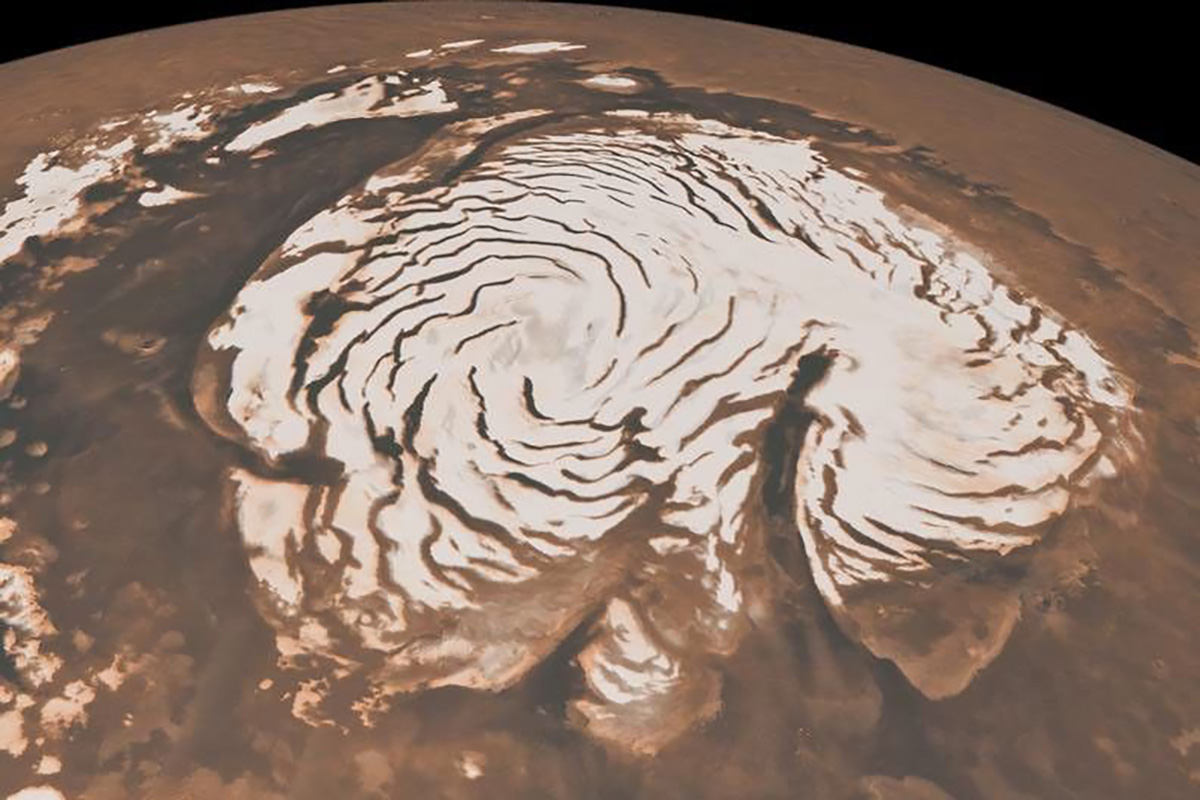
With an average temperature of –63º C (–145ºF), and winter lows of around –125º C (–257ºF), the Martian climate is far colder than any on Earth.
Because of its very thin atmosphere, heat from the Sun dissipates very quickly, causing wild fluctuations between day and night.
Without heating, an astronaut on Mars would develop severe hypothermia in minutes.
Core body temperature would drop, leading to confusion, loss of consciousness and total organ failure. Freezing temperatures can also affect human technology and life-support systems.
Batteries are less efficient in extreme cold, materials can become brittle and mechanical systems may fail if not properly insulated or heated.
Solar radiation
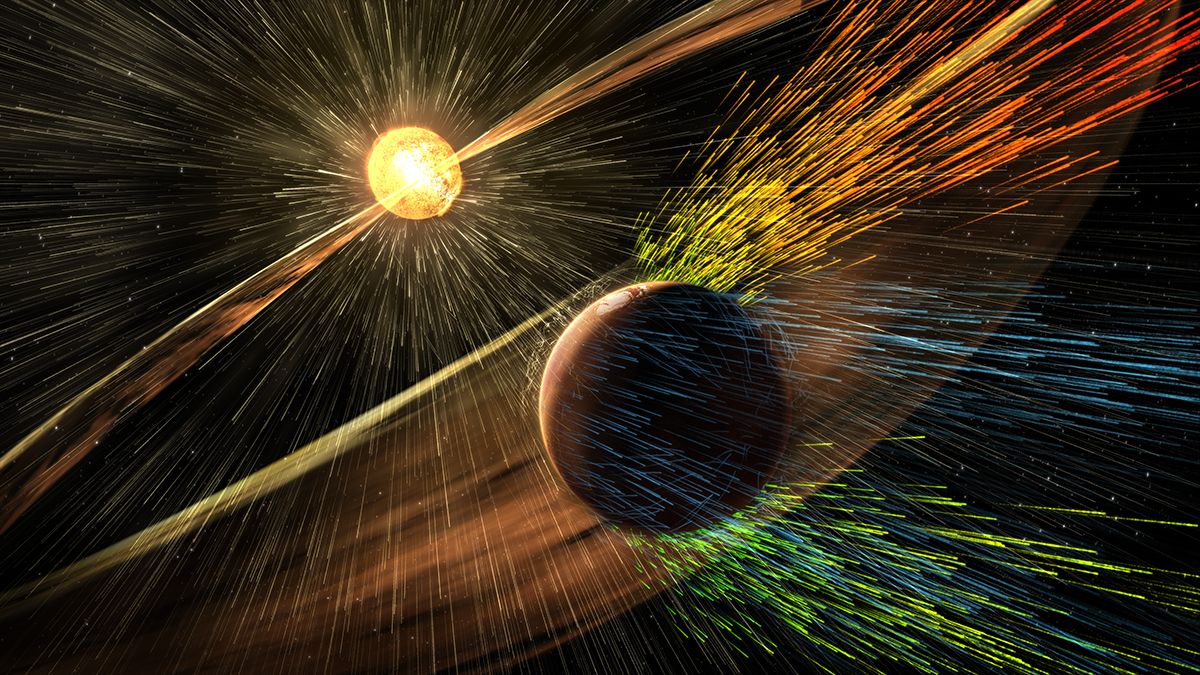
Unlike Earth, Mars isn’t protected by a thick atmosphere or a global magnetic field.
Without a shield, the planet is constantly bombarded by intense solar and cosmic radiation, with typical radiation levels around 40-50 times what you’d experience on Earth. During a major solar flare, these numbers spike dramatically.
The 2001 Mars Odyssey probe detected peak levels of radiation during solar events at levels of 2 rads (a unit of absorbed radiation) per day. That’s almost 100 times higher than the normal level.
To put this into context, the average person in a developed nation is subject to approximately 0.62 rads in an entire year.
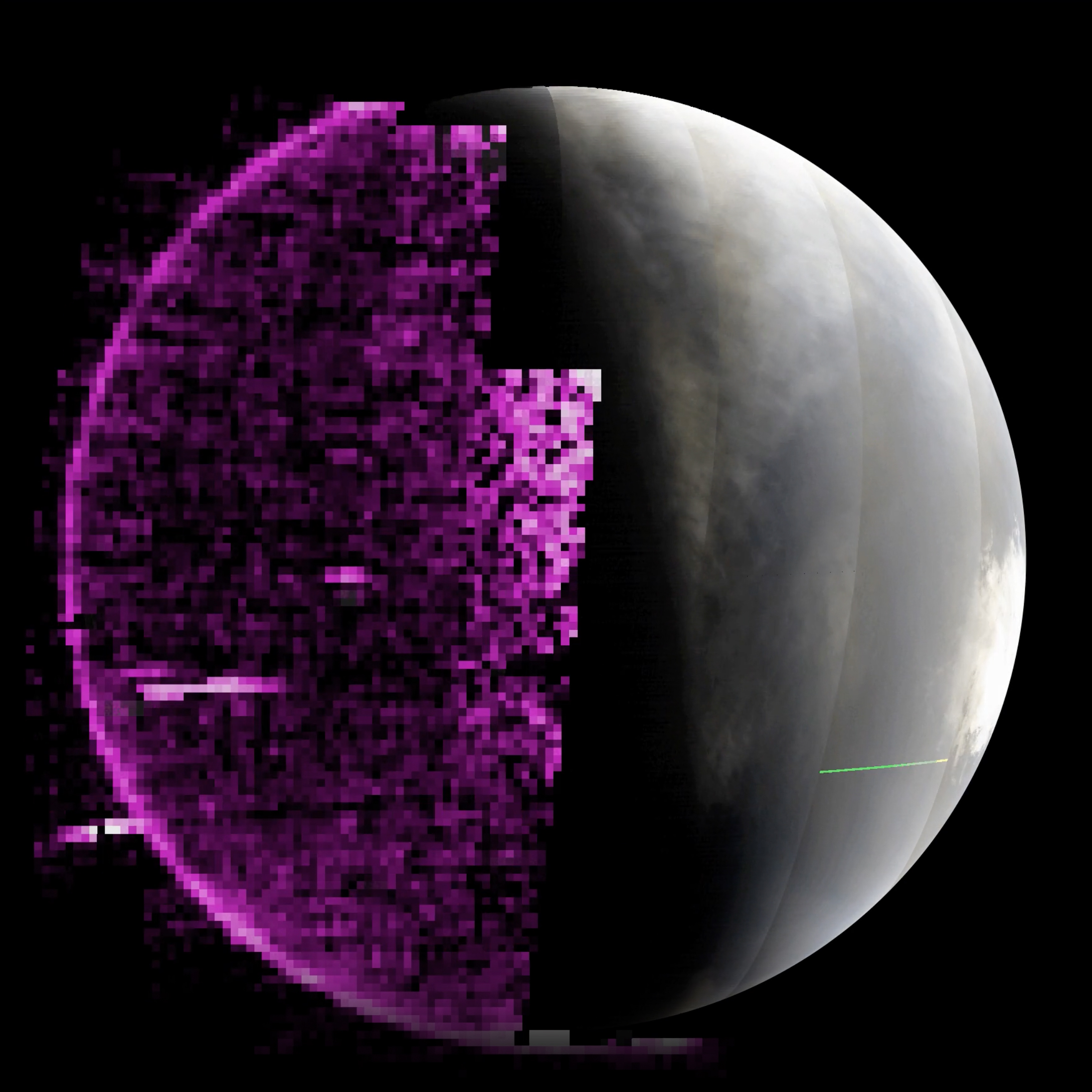
The long-term effects of radiation exposure are well-documented: cancer, fibrosis, necrosis, intestinal damage and heart problems.
However, if a coronal mass ejection – a massive, sudden release of plasma and magnetic fields from the Sun’s corona – hit an unshielded astronaut, on Mars they could receive a dose of radiation equivalent to 300,000 chest X-rays – way above the level to be fatal.
As well as appropriate shielding on suits, crafts and habitats, the ability to forecast solar events is crucial to survive on Mars.
The ground can explode
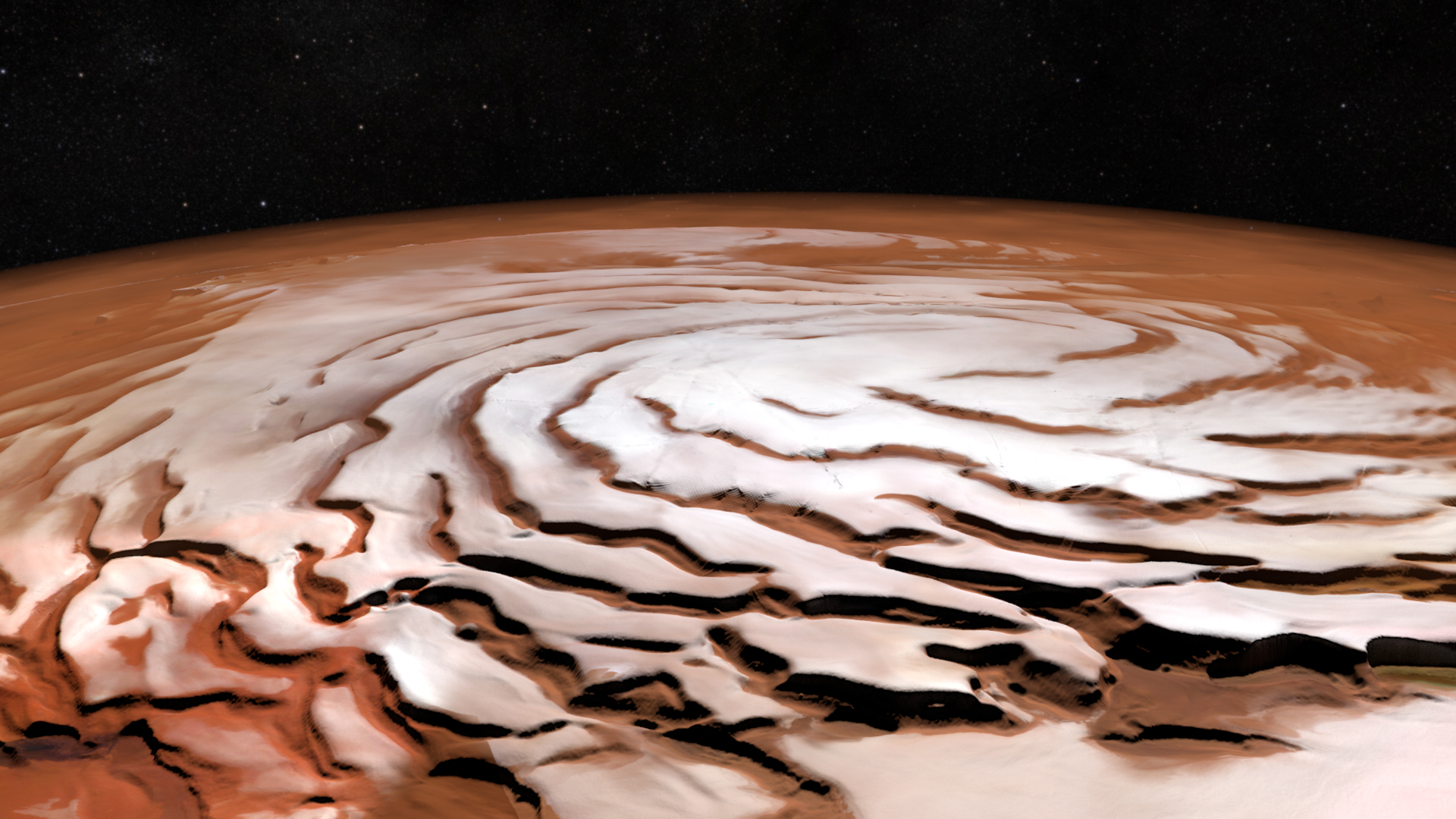
So maybe you can survive Mars’s toxic air, freezing cold and the impact solar flares, but you’d still better watch where you step.
During the extreme winter temperatures at the Martian poles, carbon dioxide from the atmosphere freezes to form seasonal polar caps.
With the return of sunlight in spring, the solid carbon dioxide absorbs solar energy and sublimates, transforming directly from a solid to a gas. This reaction can be quite dramatic.
When light penetrates the translucent ice layers, the ground beneath it warms, causing the carbon dioxide at the base of the ice layer to sublimate.
Gas pressure builds and builds underneath the layer, until it eventually breaks through in the form of explosive gas jets and geysers.
So any journeys across the surface of the Red Planet will want to steer clear of the poles, where the ground could quite literally explode beneath your feet at any moment.
Electrical storms
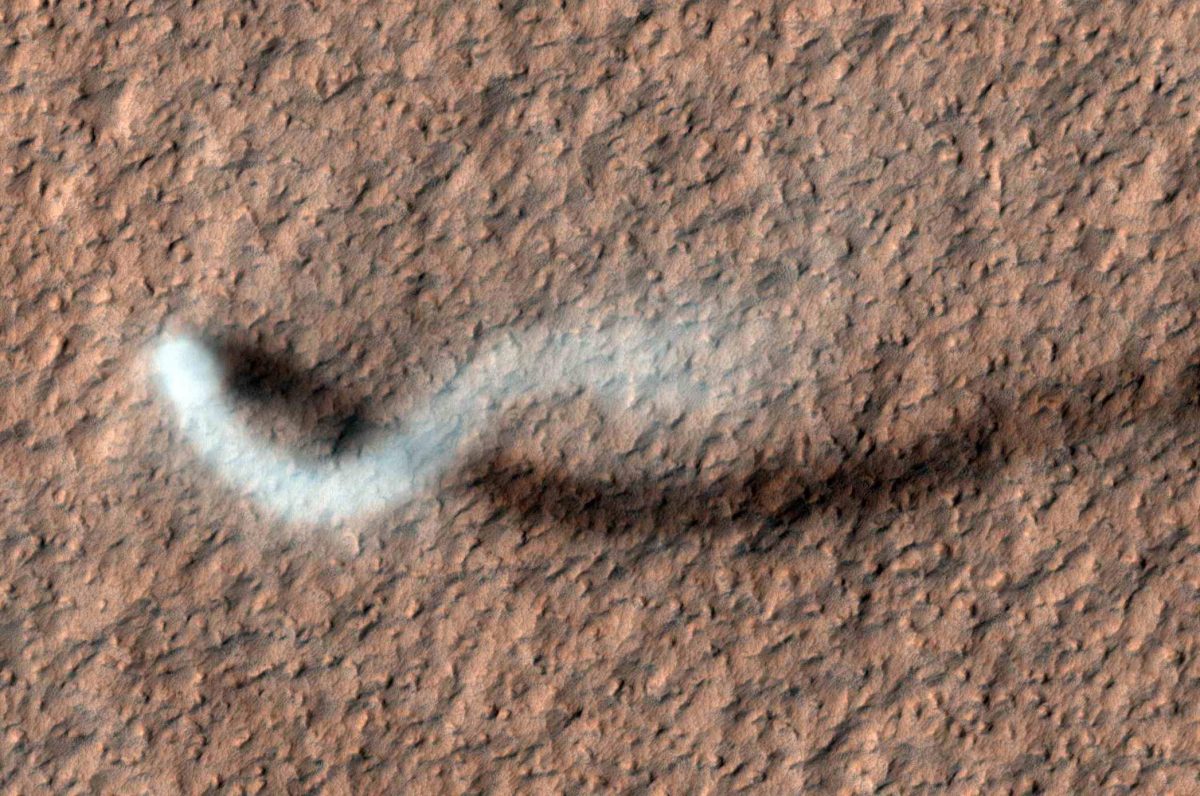
Recently published observations by NASA’s Perseverance rover have confirmed the existence of electric charge generated in dust devils on Mars.
These dust devils form when rising and spinning air currents kick up dust from the surface, forming a tornado.
These storms are a frequent occurrence on Mars, with researchers recording dust devils at speeds of up to 158 km/h (98 mph).
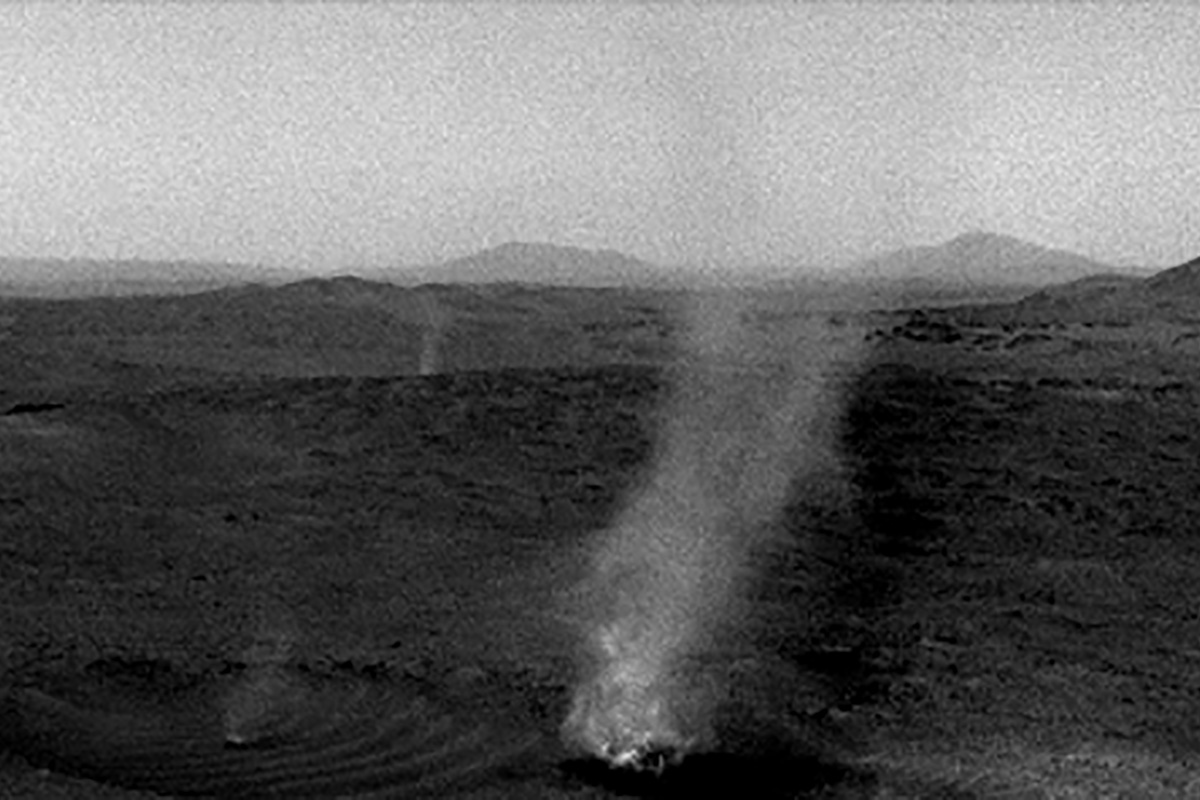
In the thin Martian air, however, a human would barely even notice winds at this speed.
However, the friction of particles colliding in the storm produces an electrostatic charge, similar to the one you might experience by rubbing a balloon against your hair.
This might not sound like much, but these discharges have the potential not only to shock an unshielded human, but to interfere with essential life-maintaining electronic equipment.
Dust… and perchlorates
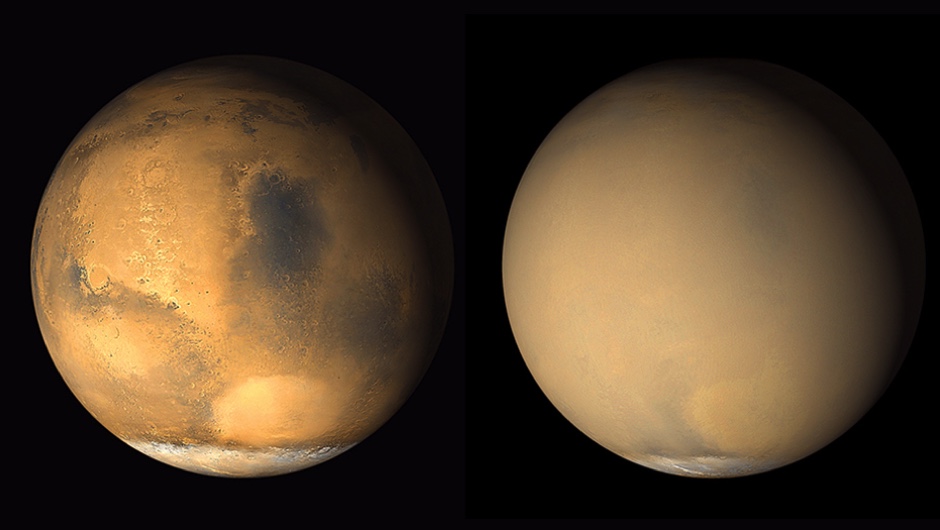
Speaking of dust, the planet is rich with it. While rain on Earth causes dust to settle into the ground, Mars has no such luxury.
Dust there stays where it settles, and it accumulates.
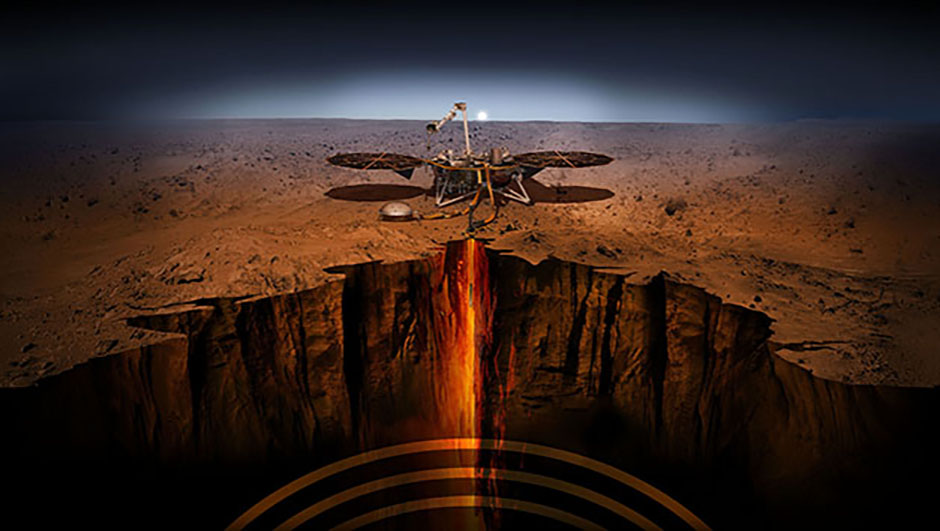
Indeed, the mission of NASA’s InSight lander was brought to an end by Martian dust that had settled of ins solar panels and prevented it from recharging.
On a similarly dust-laden environment, the Moon, Apollo astronauts suffered from exposure to lunar dust that had clung to their spacesuits and seeped into their landers.
Studies have shown that prolonged exposure would have led to serious chronic health problems.
Fine particles of substances such as gypsum and silica can penetrate deep into the respiratory system and bloodstream.
The Mars surface also has a relatively high concentration of perchlorates, which disrupts the ability of the thyroid to take up iodine.
Inhaling even a small amount can cause hyperthyroidism and cardiovascular conditions to develop.
Tracking any amount into a craft or habitat could be deadly. While the dust won’t kill you as quickly as suffocation or a decompression, it remains a major concern for future settlers.

