No one has ever claimed lunar exploration would be easy.
With future missions such as Artemis now poised to pick up where Apollo left off, there are many dangers to consider for the crew who will be tasked with setting up a permanent presence on the Moon for the first time in history.
From electric shock to meteorite bombardment, can anything be done to mitigate the biggest dangers on the Moon?
More on spaceflight
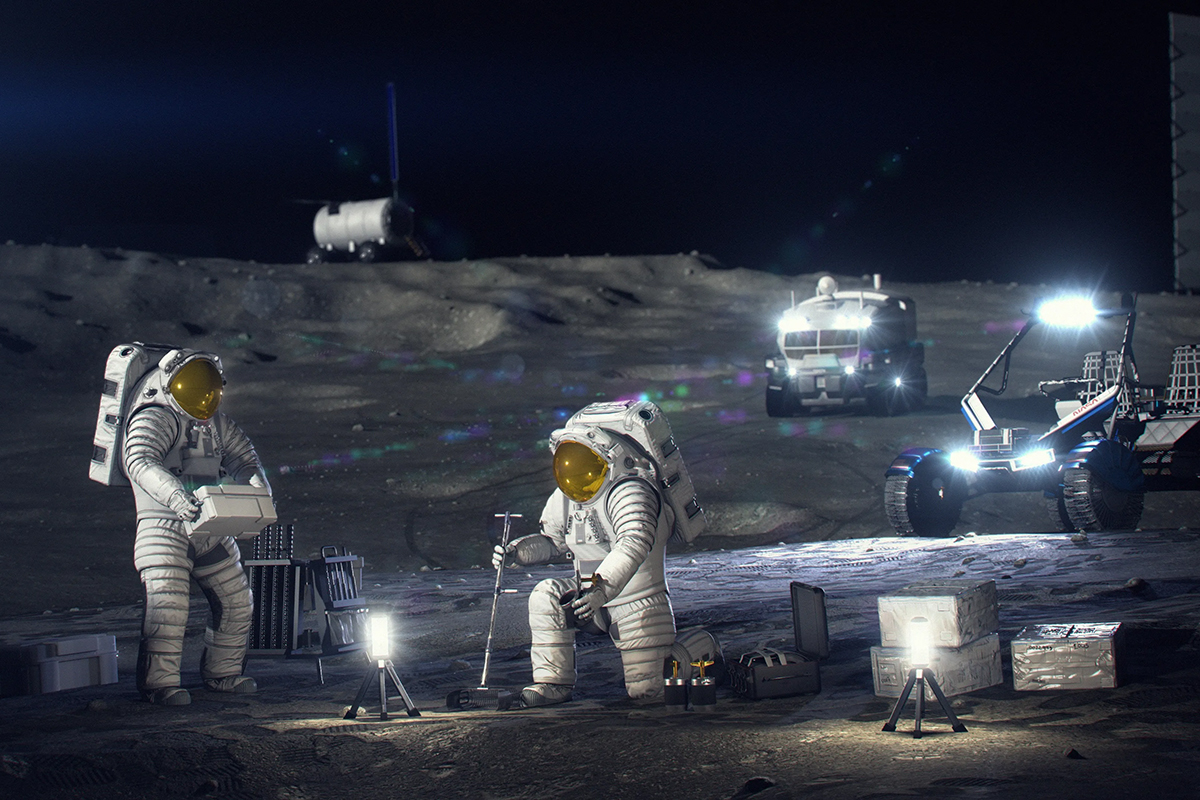
Freezing cold, dark pockets
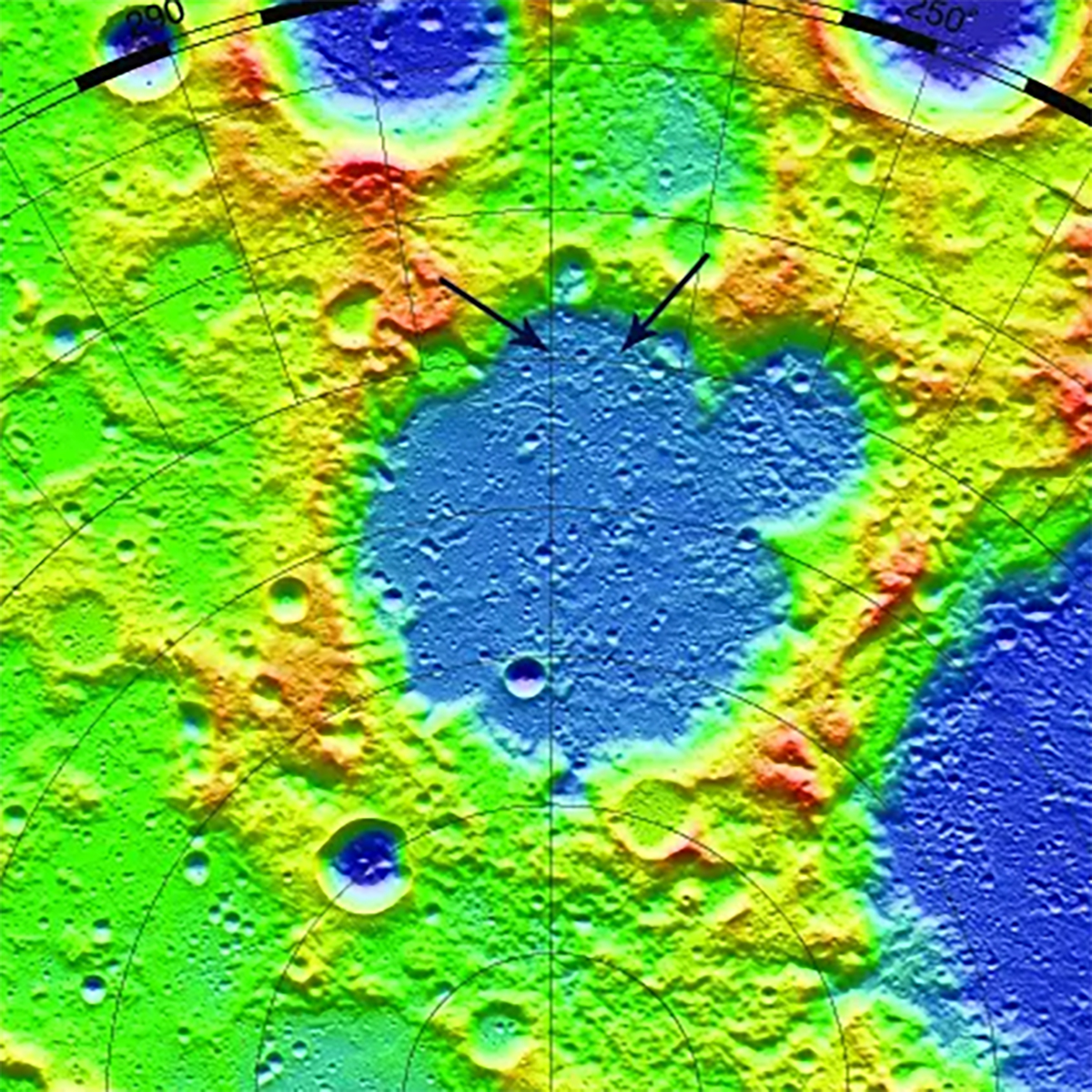
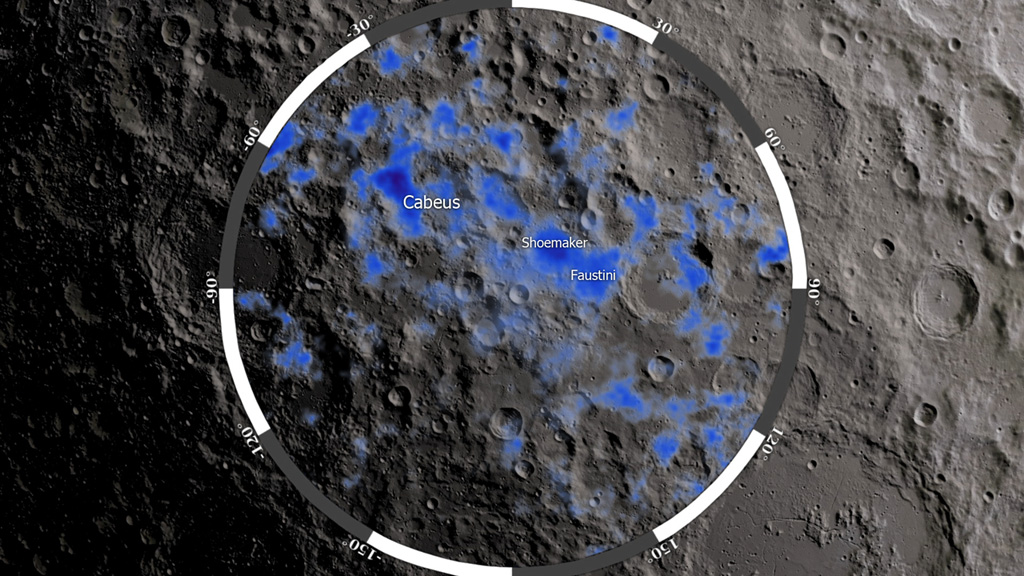
Perhaps the most tantalising and technically dangerous areas on the Moon are those near the poles.
Here, extreme lunar latitude literally creates features that never see the light of day.
As the Moon rotates once on its axis every 27.3 days, the rims of polar craters create permanently shadowed regions – or PSRs – that never receive light from the Sun.
Inside a PSR, the temperature typically hovers between –253ºC and –203ºC (–497ºF and –397ºF).
The 110km (70-mile) wide crater Hermite near the Moon’s north pole has PSRs which have given us the coldest naturally occurring temperatures ever recorded: –247ºC (–477ºF), approximately 20ºC (68ºF) colder than Pluto’s surface.
Yet water is a valuable commodity on the Moon, and the hundreds of millions of tons of water ice in these PSRs will attract lunar settlers keen to extract it.
Electric shock
Permanently shadowed regions have another nasty trick up their sleeves.
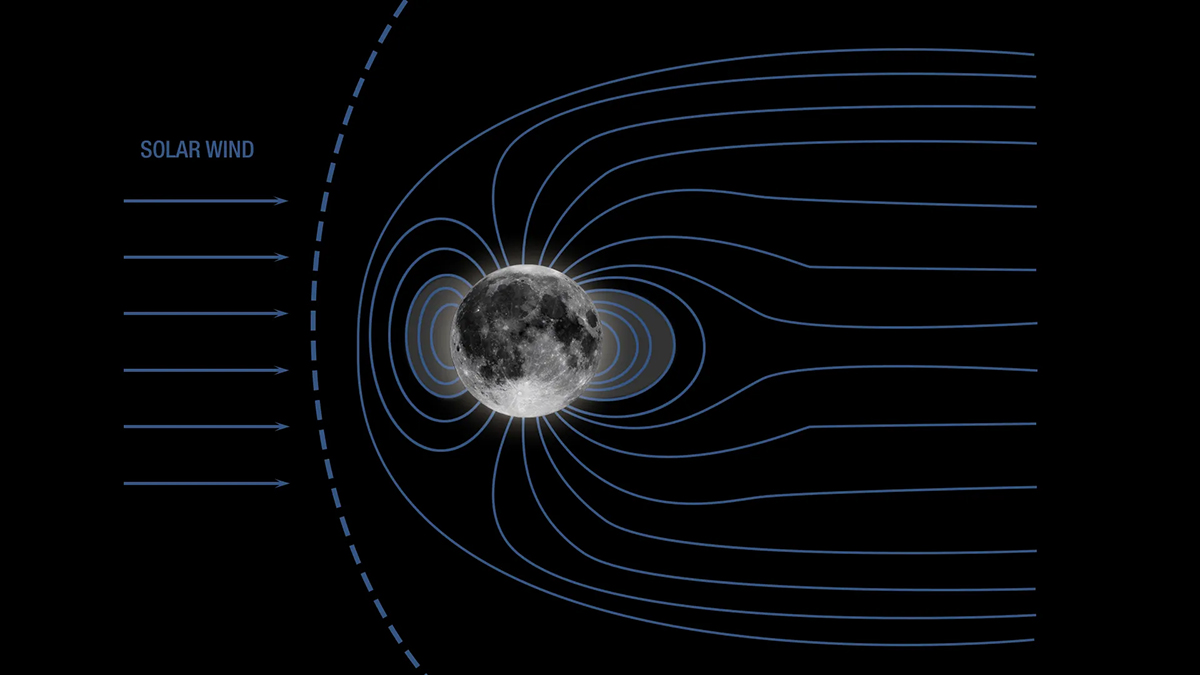
The lack of a protective lunar magnetic field is one of the biggest dangers on the Moon, as it allows electrons in the solar wind to enter PSRs, building a significant negative charge.
The Moon’s normal day-night cycle naturally cleanses this electrostatic build-up every couple of weeks, when the lunar surface is bathed in ultraviolet solar radiation.
However, within the perpetually dark PSRs the charge remains, and any astronaut or piece of kit sent inside such areas unaware is likely to get a nasty electric shock.
That ice will prove tricky to reach.
Disorienting shadows
With water ice at the Moon’s poles, these regions are definitely going to be the areas lunar crews will be attempting to access.
Doing so will greatly improve the chances of setting up a permanent lunar base.
A less obvious problem for attempting landings here will be the extreme position of the Sun in the lunar ‘sky’.
Because the Sun will be constantly low to the lunar horizon it will cause huge, exaggerated shadows near the poles all the time, and this will make navigation more hazardous, adding yet another hurdle to reaching those valuable water reserves.
Boulders and other surface hazards
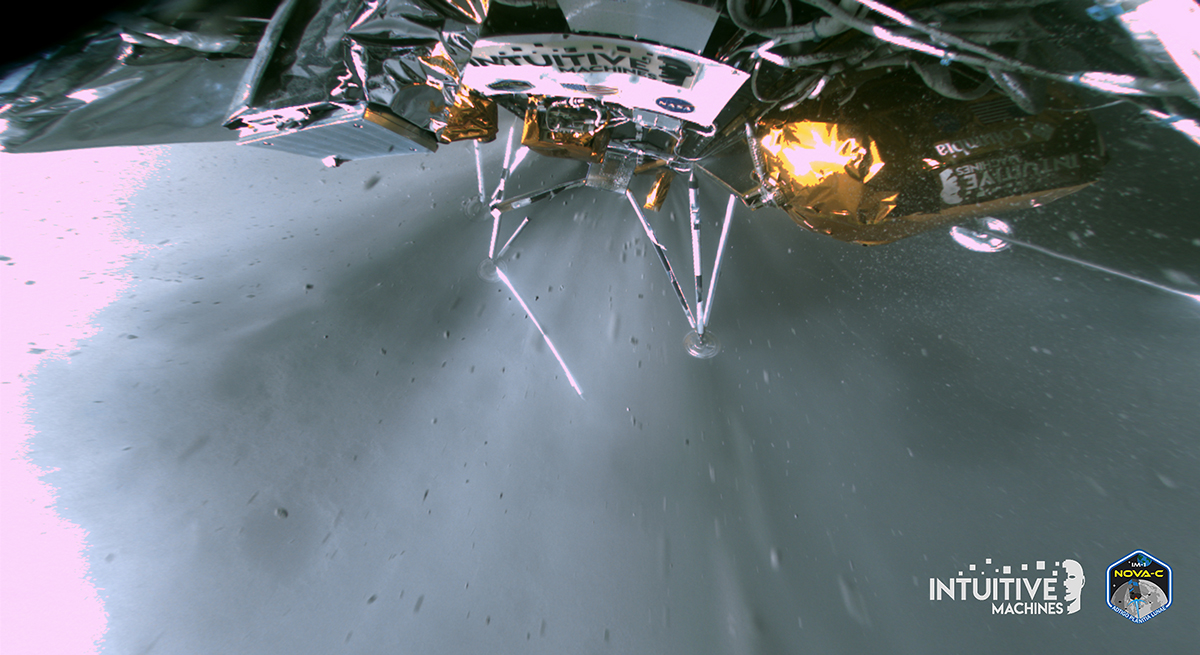
Landing on the lunar surface is a perilous activity at any time.
Neil Armstrong famously took manual control Apollo 11’s Eagle lander during the first landing descent.
If he hadn’t, there’s a good chance the lander would have tipped over, thanks to a boulder field they were headed for.
As recently as 22 February 22 2024 and 6 March 2025, the Odysseus (IM-1) and Athena (IM-2) commercial landers both tipped on landing.
Many Apollo landings took place in regions which were assumed to be relatively flat; typically on the lava plains of lunar seas.
Apollo 15’s location close to the edge of Mare Imbrium was near a snaking, collapsed lava tube known as Hadley Rille.
The supposedly flat landing site had lumps and bumps that were too small to be seen until the lander got close to the surface on its approach.
Apollo 15 astronaut James Irwin subsequently described the landing as one of the hardest he’d ever executed, with genuine fears the lander would tip over, forcing a mission abort.
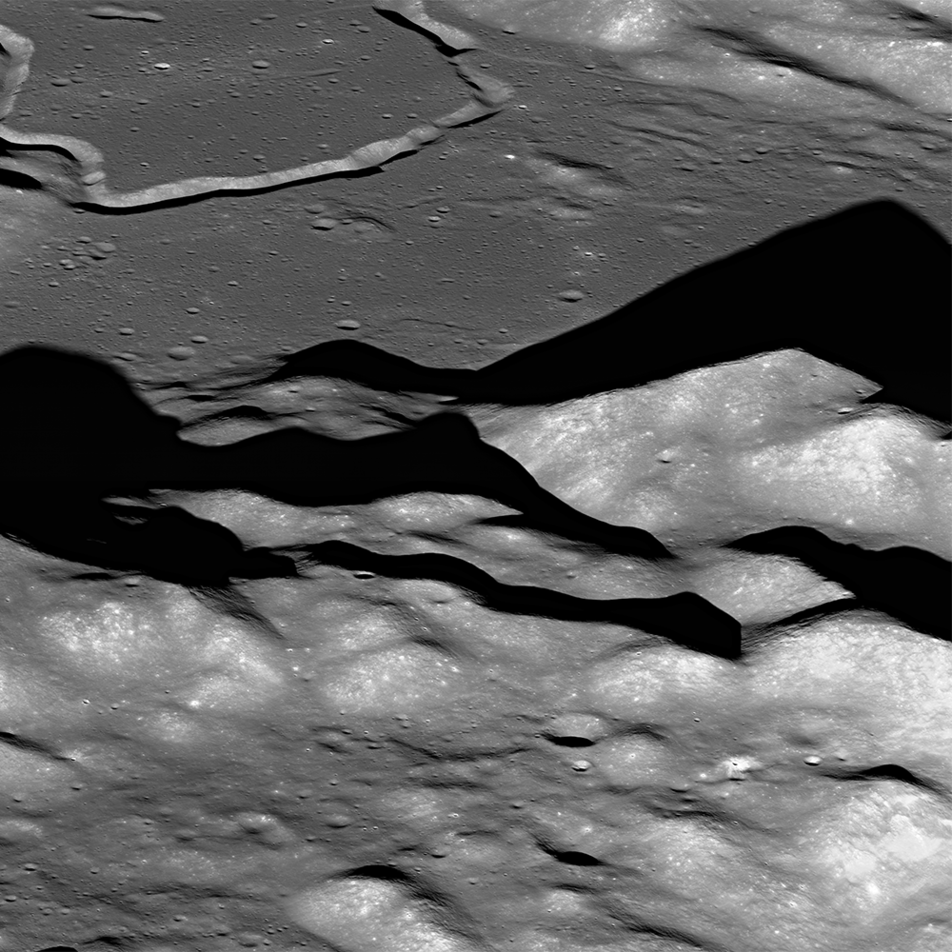
Sites in lunar highlands carry more risk than the flat lava plains of the lunar seas, and great care needs to be taken to select exploratory landing sites.
But missions like the Lunar Reconnaissance Orbiter (LRO) have been mapping the Moon in high definition for years, allowing mission planners to significantly reduce the risks experienced by previous missions.
Orbiting the Moon since June 2009, the LRO has imaged 98.2% of the lunar surface to resolutions between 100m and 50cm.
However, as the Odysseus and Athena commercial landers proved, the hazards are still a real and present danger.
The far side of the Moon
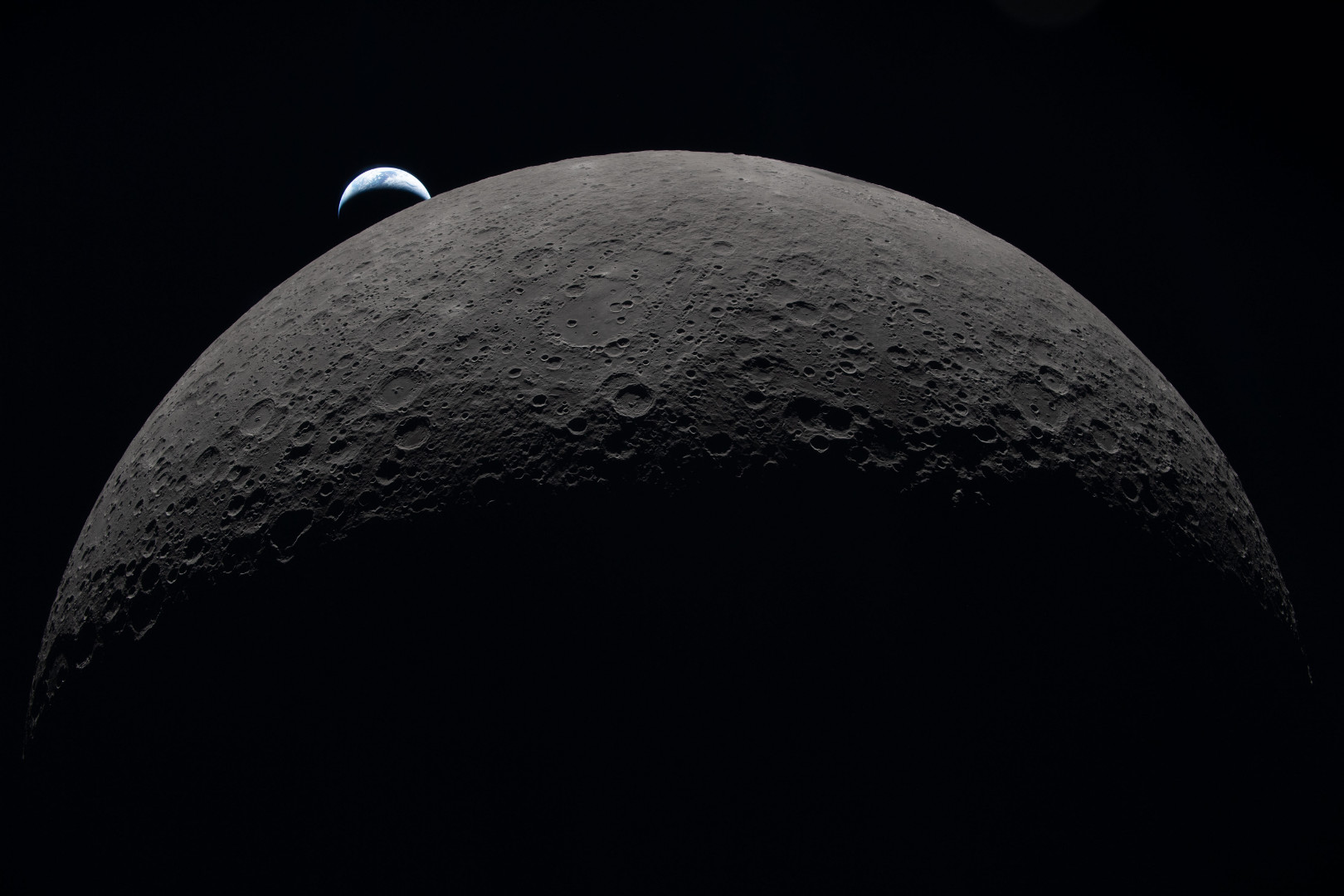
The Moon is tidally locked to Earth and the light and dark face we see from our planet doesn’t appear to change.
Any astronauts planning to land on the part we can’t see from Earth, the far side of the Moon, won’t have a direct line of sight to our planet and would have to rely on lunar relay satellites for communication.
This isn’t an insurmountable hurdle, but it does make exploring and ultimately colonising the lunar far side more complicated.
What’s more, those relatively smooth, flat lava plains we see from Earth as the lunar seas are totally absent on the far side, so that hemisphere will also be a lot rougher.
Communication and navigation on any part of the Moon will also be made harder because of the Moon’s reduced size compared to Earth.
This means that on a flat part of the lunar surface, the farthest you’d be able to see until your view was cut off by the horizon would be just 2.4km (1.5 miles), compared to 4.8km (3 miles) at sea level on Earth.
Freezing temperatures
The Moon doesn’t have a tangible atmosphere like Earth and terrestrial weather won’t be something lunar explorers need worry about.
But the absence of an atmospheric insulating layer means temperatures on the Moon will swing between +120ºC (+248ºF) during lunar day and –130ºC (-202ºF) at night.
Astronauts on previous missions have dealt with these extremes through advanced suit design, something which will need to extend into base engineering.
Solar storms
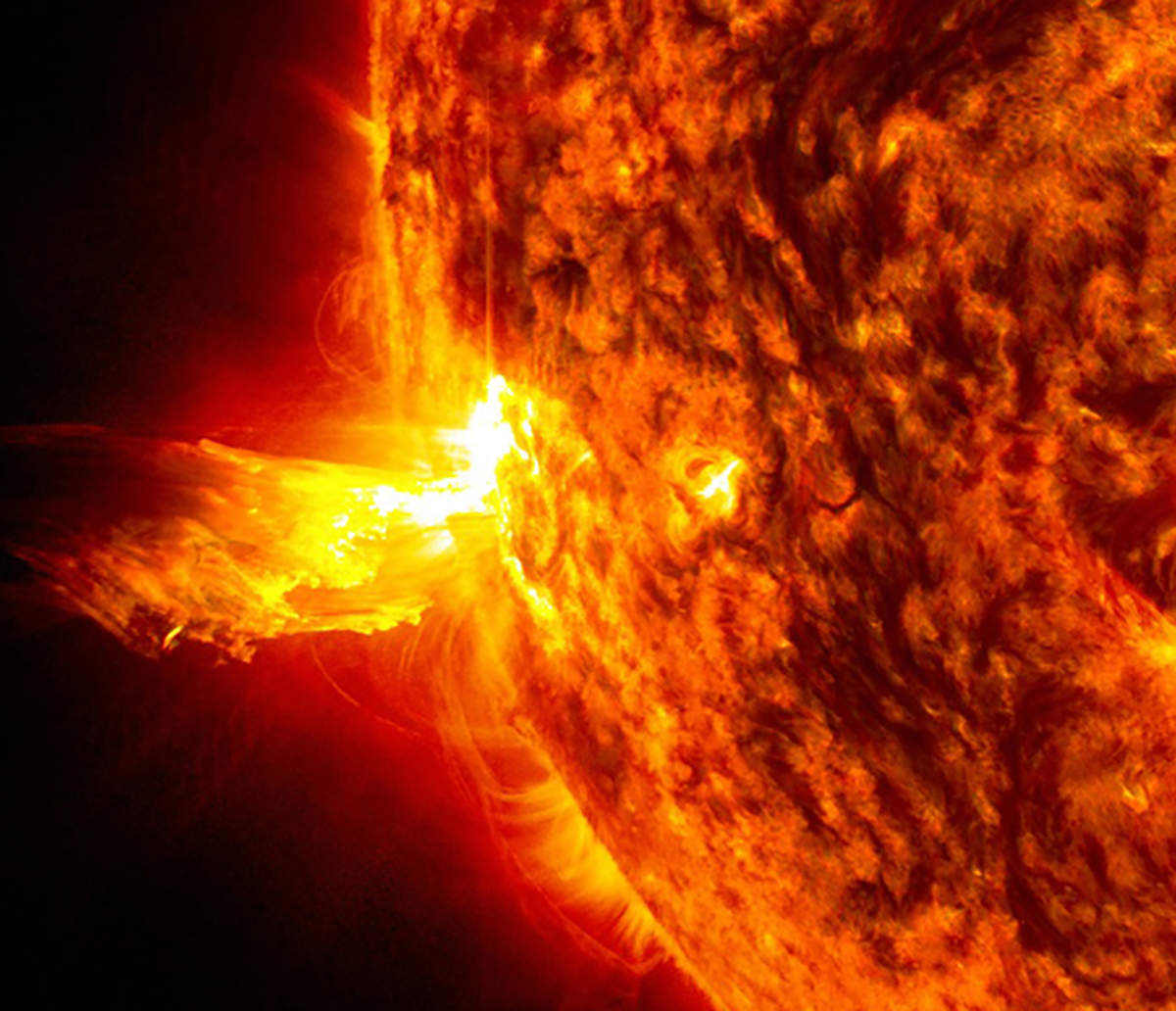
Lunar astronauts will also need to be aware of space weather, the term describing the state of the solar wind, a stream of highly charged particles spreading from the Sun throughout the Solar System.
Solar activity drives changes in the solar wind, but on Earth we are protected from all but the most severe solar storms by our planet’s magnetic field, produced by its molten iron core: outbursts in the solar wind don’t reach the ground, instead they produce majestic aurora displays.
This is not the case on the Moon, where there are significant risks posed by highly energetic particles in the solar wind entering the body’s cells and causing DNA damage.
Cosmic rays

Another constant risk comes from galactic cosmic rays, even higher energy particles from exploding stars which constantly bombard the Moon’s surface.
Storm shelters, natural formations such as lava tubes and caves, or simply restricting surface activity during high solar activity, can mitigate some of these risks, while advanced suit materials and pharmacological efforts can further reduce the risk to tolerable levels.
Meteorites
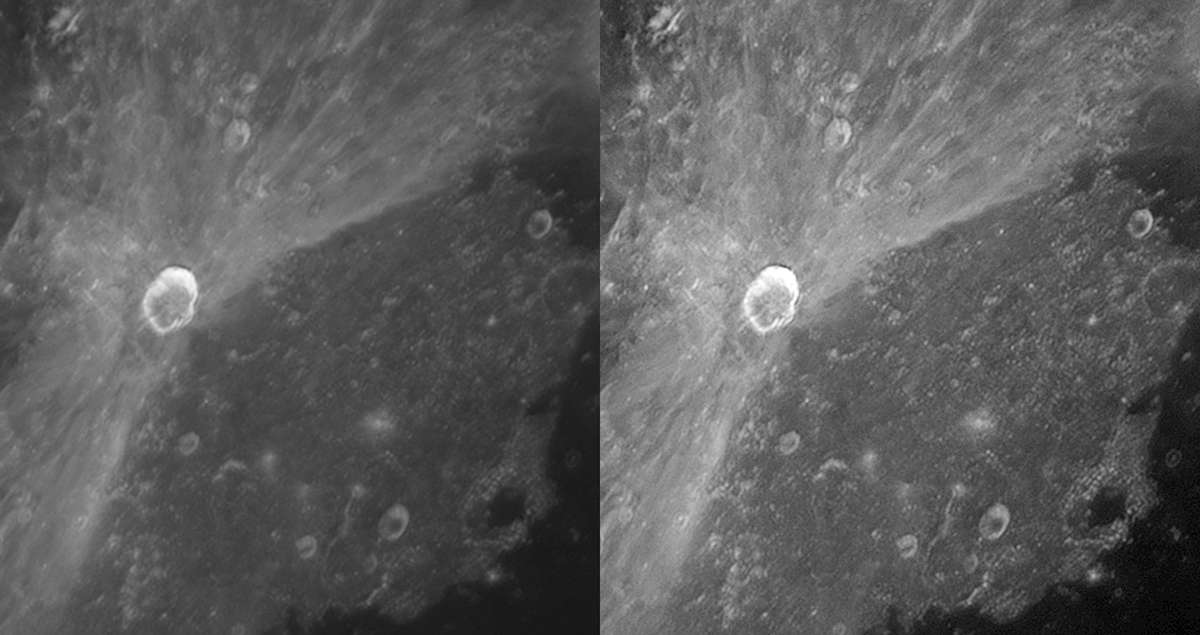
Micrometeorite impacts on the Moon are another source of concern.
Analysis using NASA’s Meteoroid Engineering Model suggests that a lunar base similar in size to the International Space Station would encounter between 15,000-23,000 impacts each year from particles ranging in size from millionths of a gram up to ten grams.
Physical protection can be added with multi-layered ‘space armour’ known as Whipple Shields, which break up incoming particles and distribute energy in a way that regular base walls are likely to be resistant to.
Away from base, specialised materials such as Kevlar in spacesuits can provide personal protection to astronauts.
The dust menace
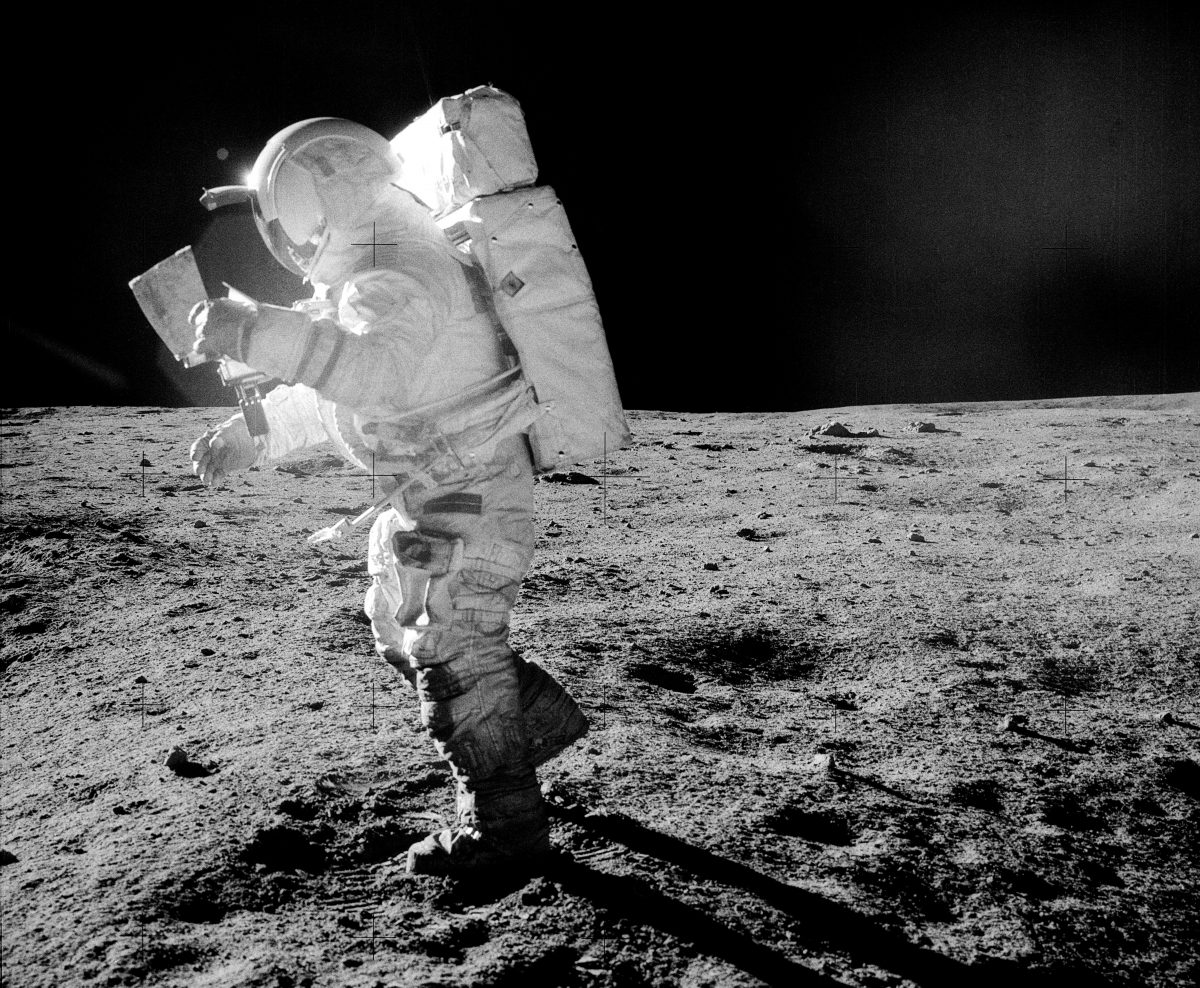
The Moon’s surface is covered in regolith, and this is one of the biggest dangers on the Moon that humans have first-hand experience with.
Composed of lunar soil and fine abrasive dust, it’s formed by mechanical weathering from the solar wind and meteoric bombardment.
Solar radiation produces electrostatic charges in the dust, causing it to elevate on the dayside to form a tenuous dust atmosphere.
The tiny dust particles are particularly hazardous because they include silicates which are sharp and spiky.
Apollo missions found the dust was prone to removing layers from clothing and capable of destroying the vacuum seals on sample containers.
During the Apollo missions, crews on the surface managed to partially remove lunar dust from their spacesuits by brushing and vacuuming them.
However, electrostatic charges made the dust clingy and low gravity meant any particles in the air stayed there for a long time, posing threats to respiratory health.
Dust management will be a serious issue for future missions.
Home cover
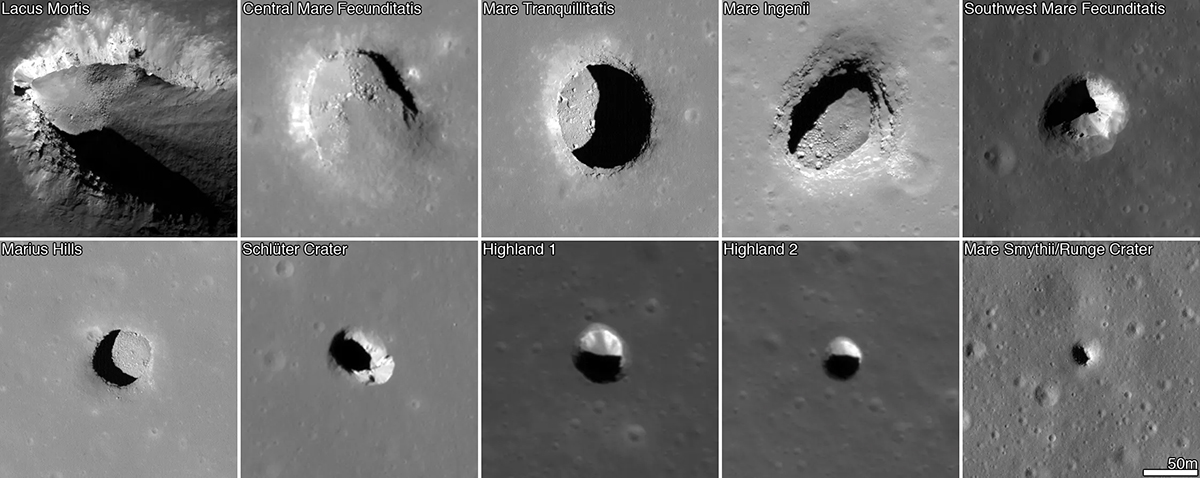
It's not all bad news for future crews that step foot on the Moon, however. There are locations where the Moon’s natural landscape already offers shelter, at least partially.
Dotted across the near side of the Moon we know of many caves and ancient lava tubes, thanks to the LRO’s hi-resolution images, and several prime candidates for human settlement have already been identified.
And the copious lunar dust means there’s also plenty of material to make into bricks for the construction of lunar shelters and bases.
Just spare a thought for the brave explorers who will be the first to leave their bootprints in the lunar dust and pave the way.
Have we missed something? What do you think are the biggest dangers facing astronauts on the Moon? Let us know by emailing contactus@skyatnightmagazine.com