Professor David Peck Todd is one of the most remarkable astronomers you’ve never heard of.
A distinguished professor of astronomy at Amherst College during the late 19th and early 20th centuries, Todd’s scientific pronouncements often garnered front-page headlines both in the United States and abroad.
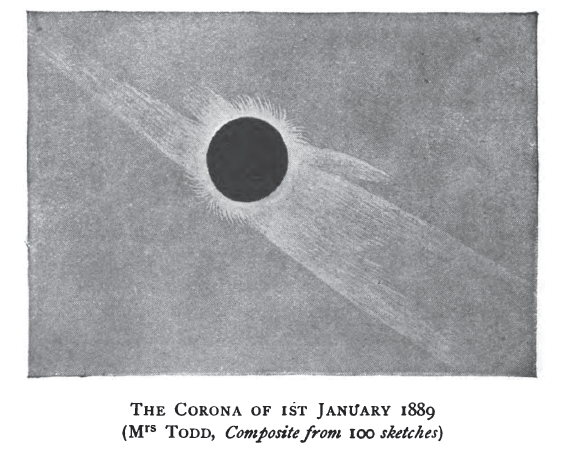
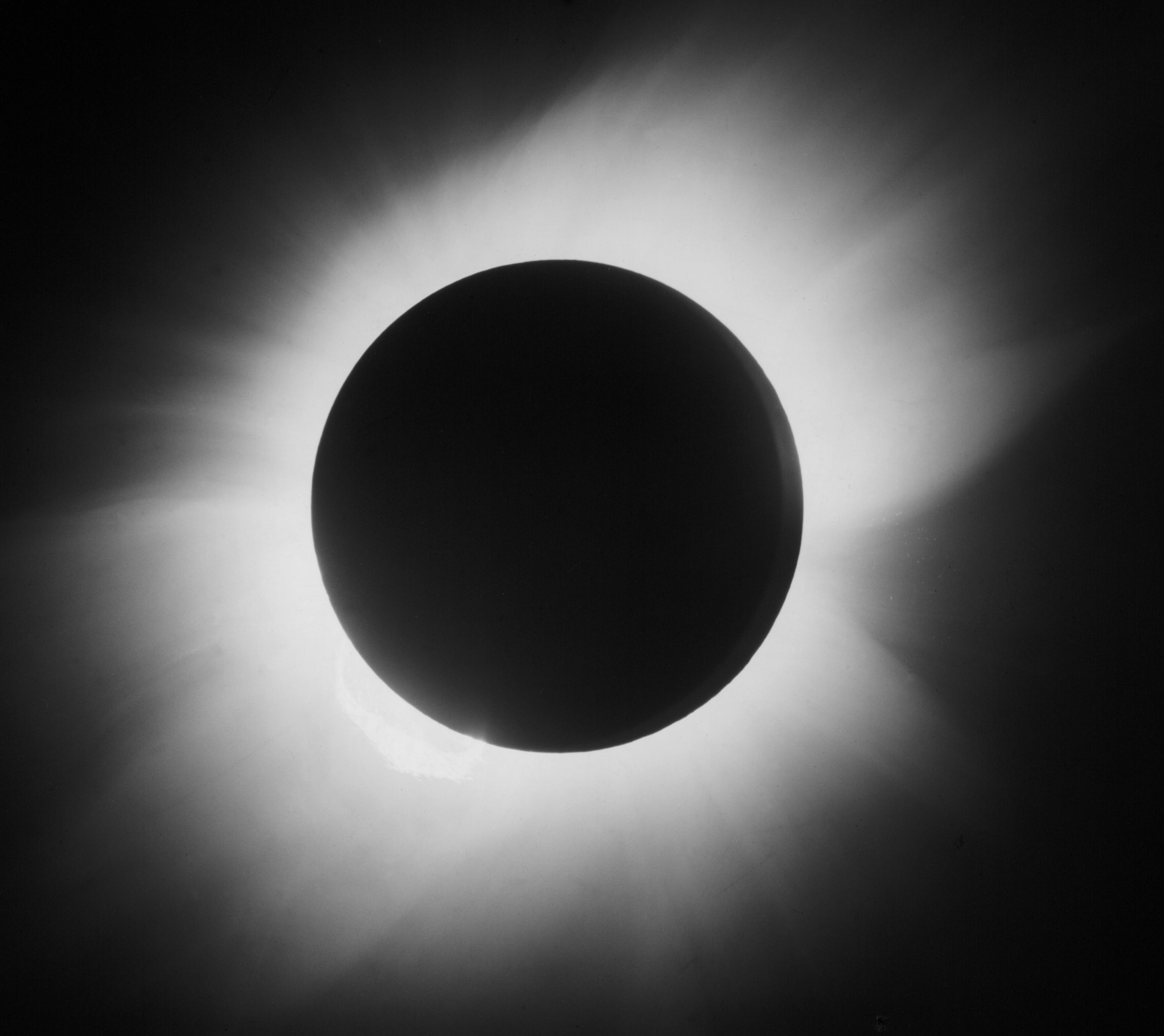
Todd had a number of firsts to his name. A leader in studying the Sun’s atmosphere, he made 12 expeditions to remote locations to observe solar eclipses, at a time when travelling was an arduous undertaking at best.
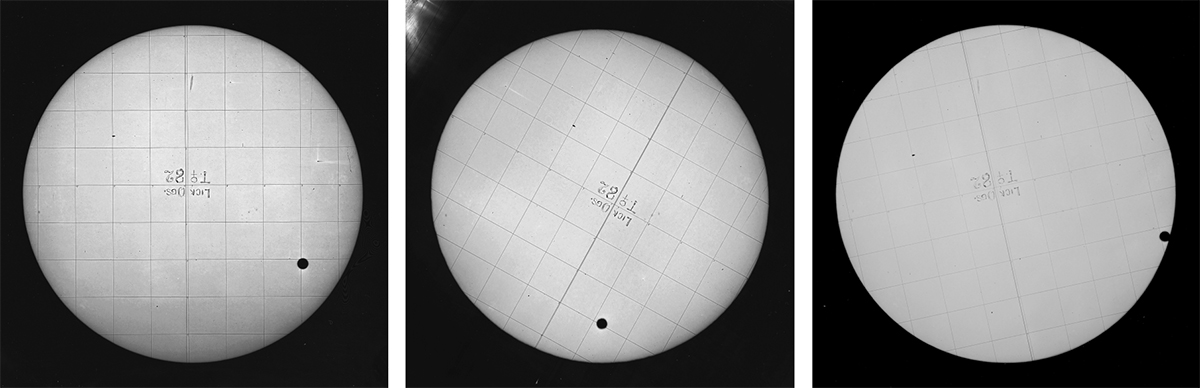
The first to photograph the transit of Venus in 1882, Todd also invented a photographic device that allowed for the taking of multiple pictures in rapid succession, a method that is still used today.
But what Todd is mostly remembered for today is trying to prove that intelligent life existed on Mars.
More astronomy history
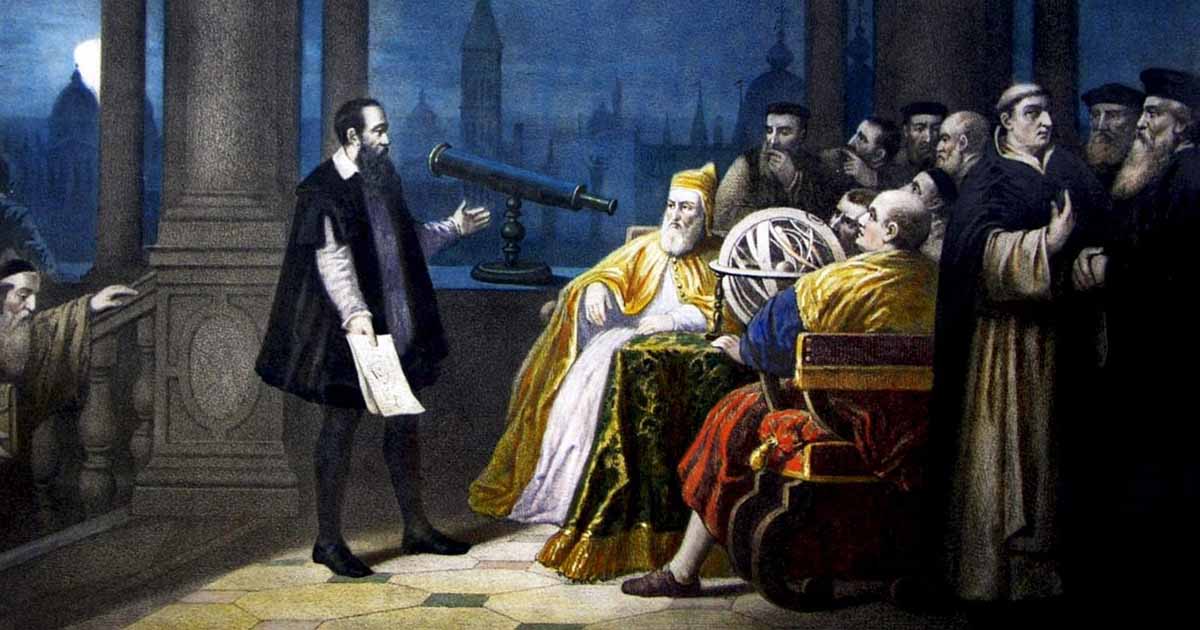
Early achievements
Born in 1855 to a farming family in upstate New York, Todd enrolled at Amherst College, Massachusetts in 1873.
He graduated Phi Beta Kappa in 1875, but since he was also a gifted organist, he stayed on to earn his Master of Arts in 1878.
After graduation, he accepted a position at the US Naval Observatory in Washington DC, from where he was sent to observe the solar eclipse from Texas.
While in Washington, Todd also met and married Mabel Todd, the daughter of a noted astronomer, who would become almost as famous as her husband.
Amherst College lured Todd back in 1881, first as an Instructor in Astronomy and eventually as Director of its Lawrence Observatory.
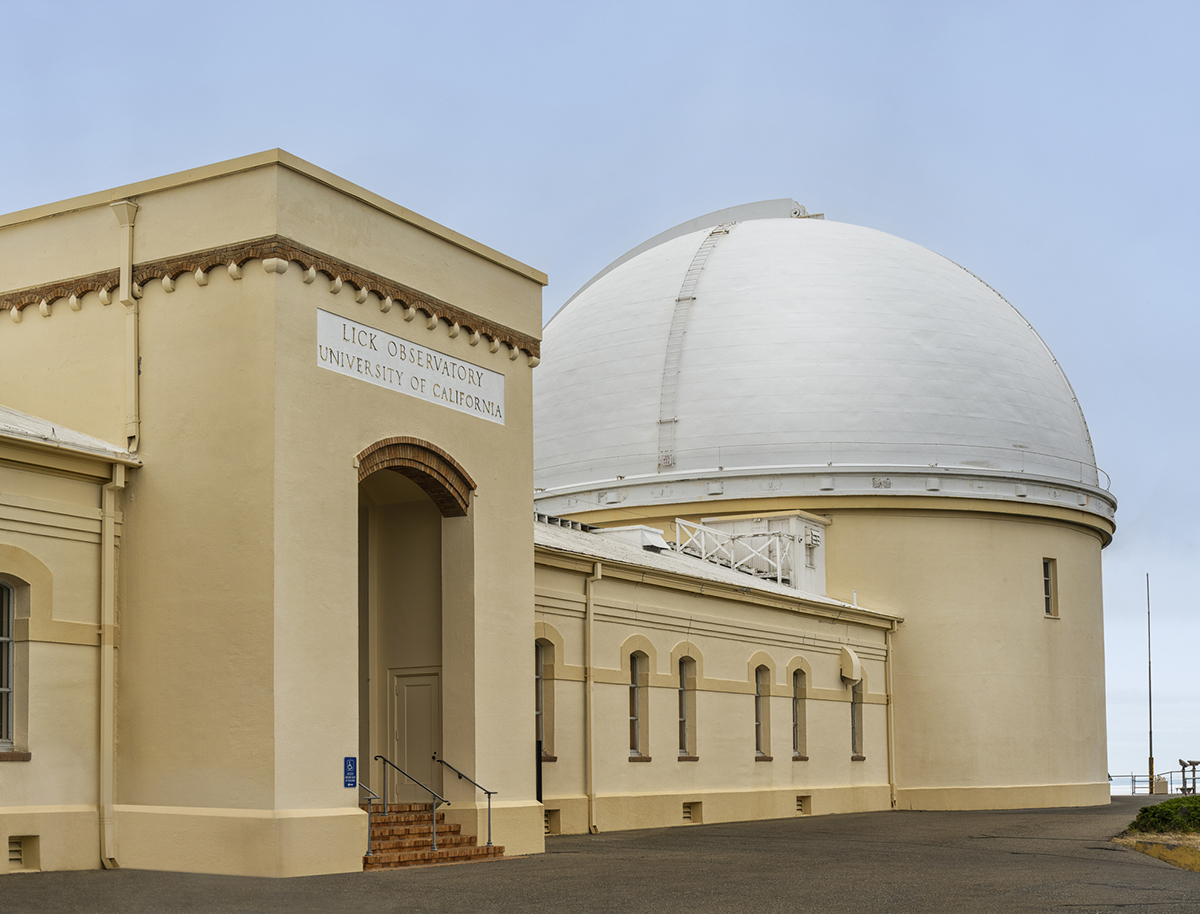
The next year proved memorable, as Todd was selected by the Lick Observatory, the nation’s leading observatory, to head up observations of the transit of Venus.
There, he worked alongside Percival Lowell, a wealthy amateur astronomer who would have a powerful influence on Todd’s career.
He also assembled a flipbook of the photos he took, marking the first time the transit was animated.
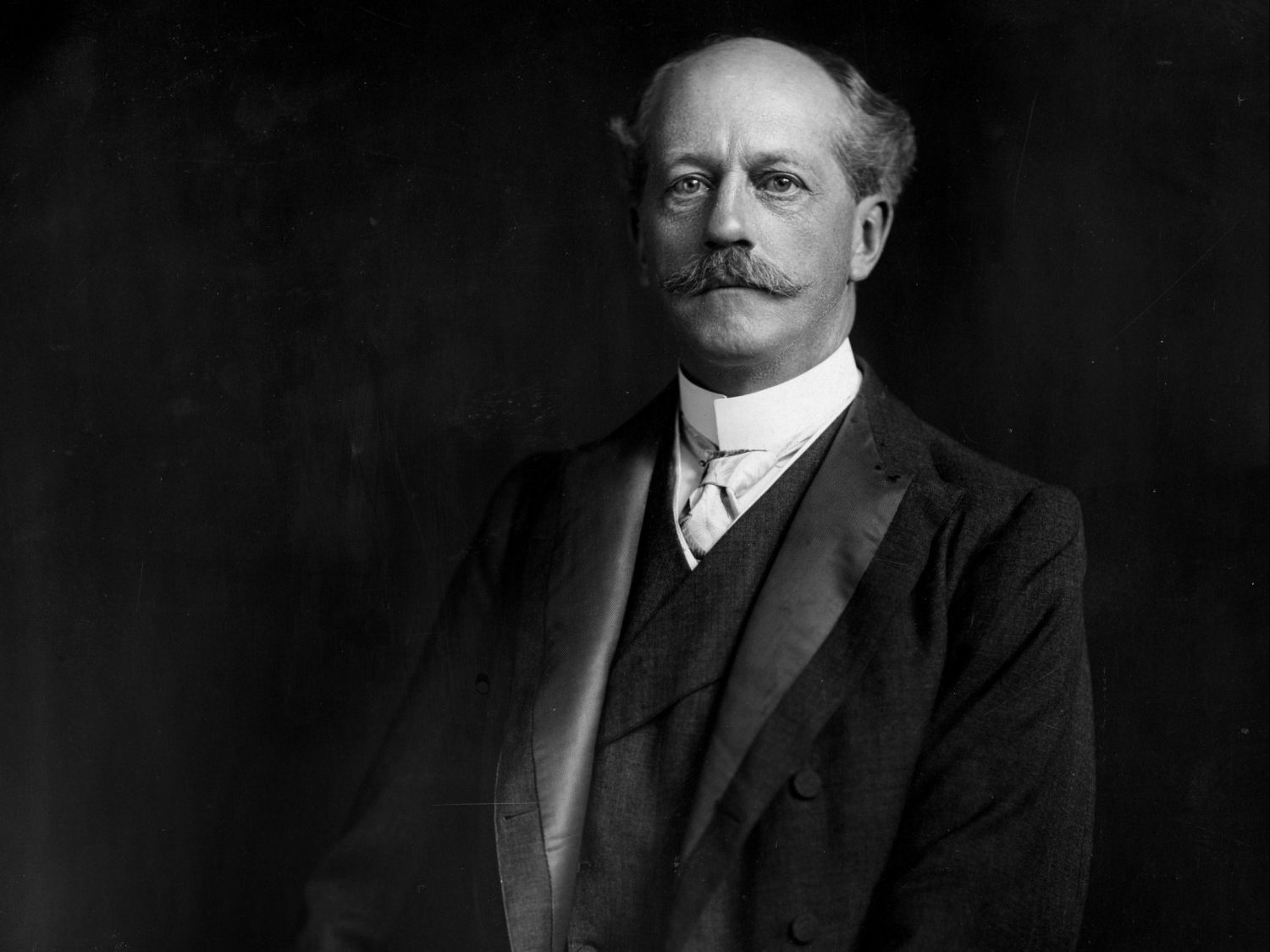
Todd looked every bit the archetype of a 19th century scientist. Wearing pince-nez glasses and a Van Dyke beard, he was active by nature and thrived on only four hours’ sleep a night.
Todd was also a prolific writer and engaging lecturer, contributing to The Encyclopedia Britannica and authoring one of the definitive textbooks on the subject, which went through 25 editions.
Additionally, Todd was a proficient fundraiser. After being named a full professor in 1892, he raised money for a new observatory at Amherst, including an 18-inch Clark refractor telescope, one of the finest in the nation.
Todd was equally adept at persuading rich men to fund his solar eclipse expeditions. Over the course of 41 years, Todd led a dozen such efforts, travelling to five continents and 30 countries.
Todd’s expeditions included trips to view solar eclipses in Japan, West Africa, Tripoli and the Dutch East Indies (now Indonesia).
During the Amherst Expedition of 1896, the Emperor of Japan awarded him the Imperial Sake Cup for his contributions to Japanese science and education.
Photos of solar eclipses were rare at the time: early cameras had a slow shutter speed which couldn’t capture the progression toward totality.
But Todd perfected an automatic device that could take rapid pictures of an eclipse. He even exchanged ideas for perfecting his invention with Thomas Edison.
Todd’s career almost came to an abrupt end in Russia the summer of 1914, when World War I broke out.
Todd and his wife Mabel, who were in St Petersburg to photograph the solar eclipse at the time, were urged to flee Europe by any means possible.
They made their escape across Europe, but their progress was so slow that newspapers feared they’d been lost.
Even the US Secretary of State was even persuaded to help look for them.
An obsession begins
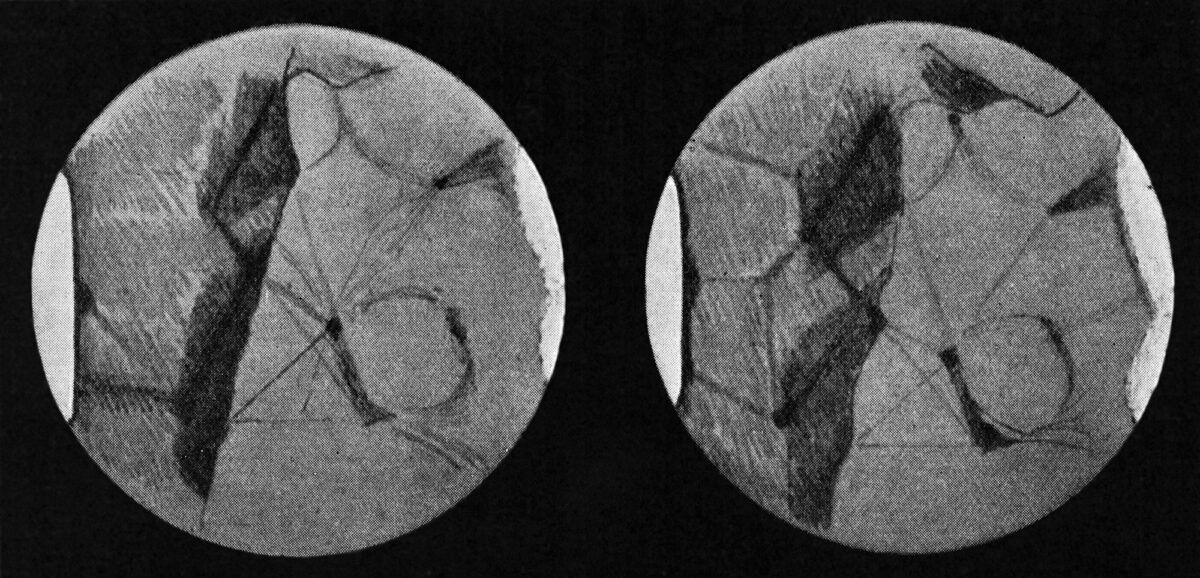
But Todd wasn’t only interested in solar eclipses. He was also obsessed with Mars.
Todd owed his interest to Percival Lowell, whose wealth had enabled him to build his own observatory near Flagstaff, Arizona.
Lowell was convinced that Mars was inhabited by intelligent beings who built canals to supplant their diminishing water supply.
His books on the subject, including Mars and Its Canals and Mars As An Abode Of Life, captured the popular imagination.
Todd devoted several pages in his astronomy text book to Lowell’s theories. Since Lowell was a controversial figure in the scientific community, he appreciated Todd going out on a limb for him.
At one point, Lowell even moved to Amherst to be closer to Todd.
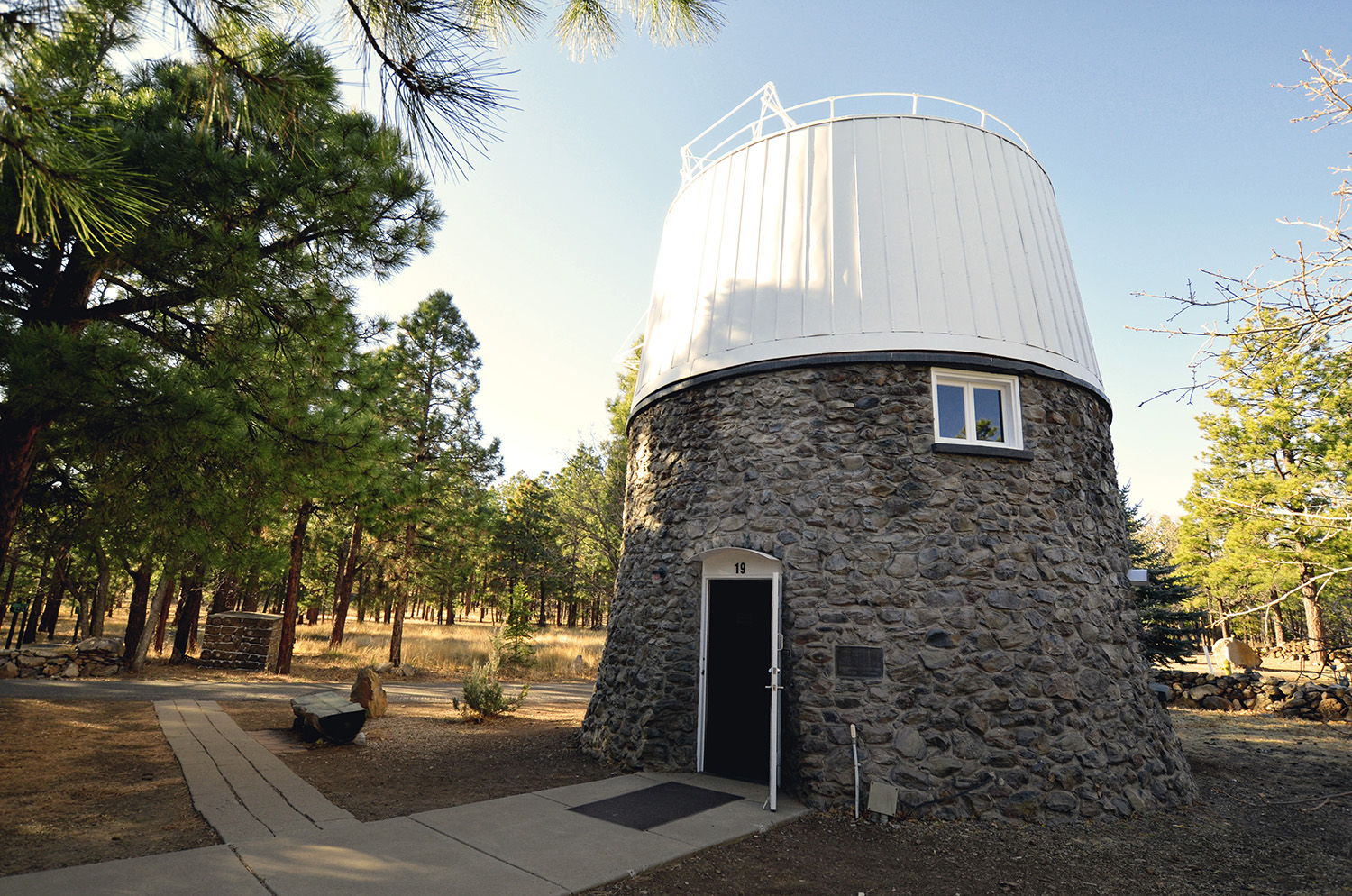
In 1907, Todd proposed that Lowell fund Amherst’s next expedition to Chile to view the Mars opposition, the point in its orbit when it’s closest to Earth and so larger in the sky.
Lowell agreed to fund the expedition in exchange for it being named after him, and an honorary degree from Amherst.
And so, Todd lugged the college’s seven-ton, 25-foot-long (8 metre) telescope some 8,000km (5,000 miles) to the Andes mountains where it was reassembled.
Taking thousands of photographs, Todd hoped to capture the Martian canals that he was confident spanned the Red Planet.
In fact, he was so enthusiastic about his findings that he told Hearst newspapers, “I have proved that Mars has canals that could only be the work of intelligent beings living there.”
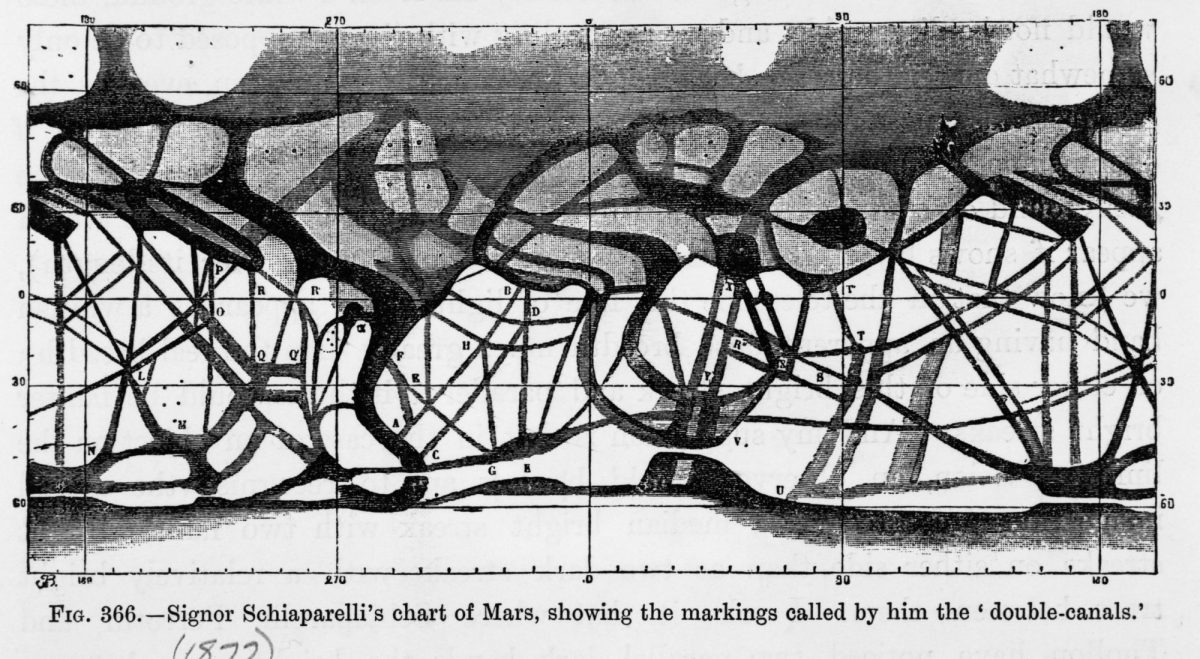
Todd’s belief that Mars was inhabited was not uncommon in his day. Wireless pioneer Guglielmo Marconi and scientist-inventor Nikola Tesla were also convinced that Martians were signalling Earth.
Many astronomers derided the canal theory, causing Lowell to fume: "The difficulty in establishing the fact that Mars is inhabited lies not in the lack of intelligence on Mars, but rather in the lack of it here."
The public, however, ate it up.
In 1909, Professor Todd proposed a 10-mile trip above Earth in a hydrogen-filled balloon to see if he could communicate with Mars.
That same year, he wrote an article for London’s The Sphere, titled ‘Is Mars Inhabited?’. In it, he claimed, the "crucial difficulties in the ‘habitability’ theory have been removed".
But the increasing criticism also made Todd grow defensive. That same year he penned an article titled, ‘What if People DO Ridicule You!’, in which he said, “I have perhaps suffered more than my share from the world’s skepticism and mirth,” for wanting to communicate with Mars.
Mabel Todd, wife and lover
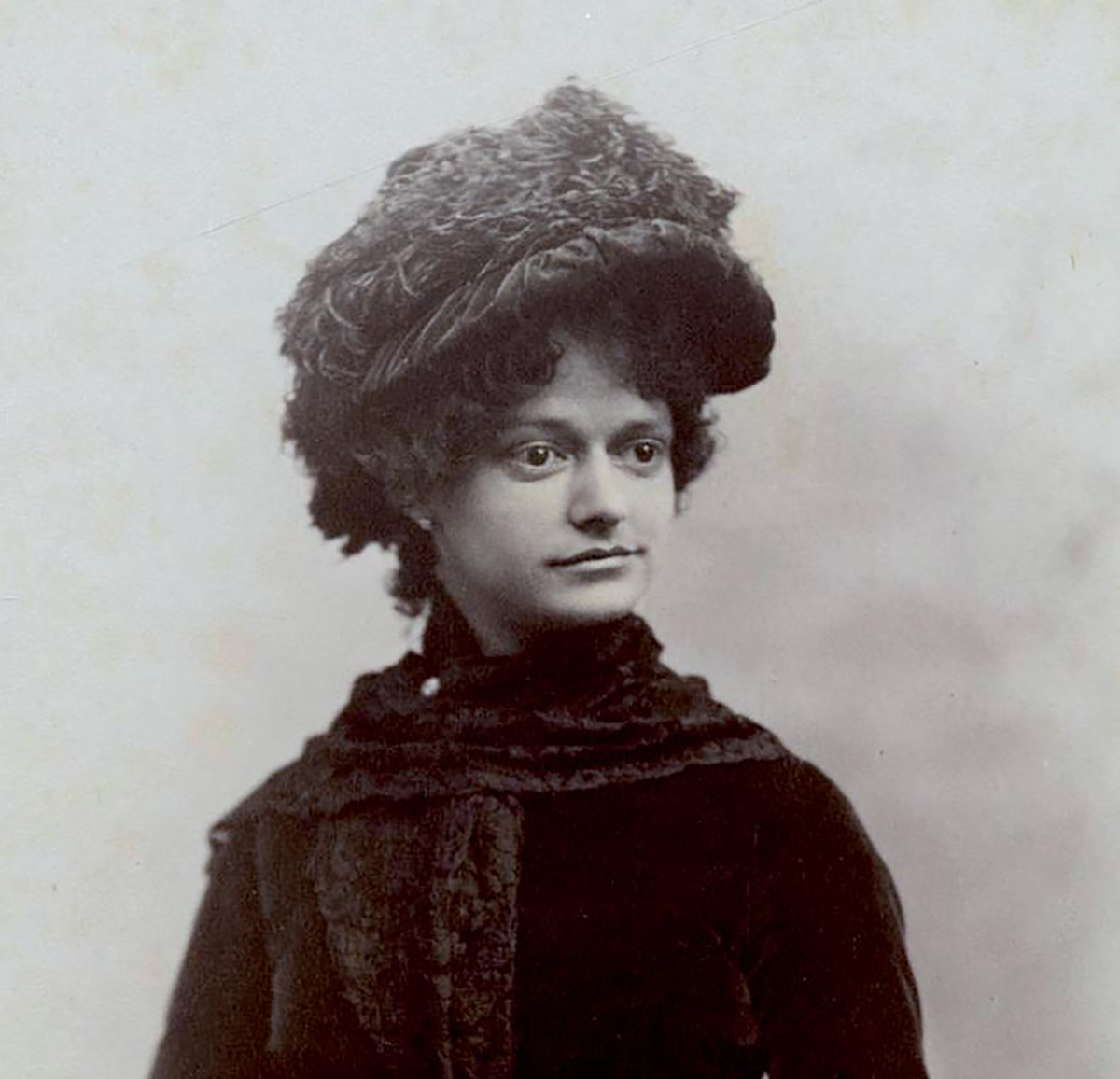
By now it should be clear Todd was a remarkable and noteworthy character. But so was his wife, Mabel.
Theirs was an unusual partnership. Mabel helped plan and raise money for her husband’s expeditions. She also accompanied him on several, writing about the experience for leading magazines and authoring two books.
But Mabel is most famous for her 13-year-long love affair with Austin Dickinson, the older brother of poet Emily Dickinson.
Mabel was close to the Dickinson family, who lived in Amherst. She visited their home, played Bach on their piano and regularly corresponded with the reclusive Emily.
Occasionally, she conversed with the poet through the wall of their home. After Emily’s death, Mabel edited and published Emily’s first volume of poetry.
Still, the only time Mabel ever saw Emily face-to-face was in her coffin.
Mabel’s relationship with Austin Dickinson scandalised the local townspeople, but Todd seemed not to care.
He even encouraged his wife to keep a 'sex diary'. The fact that Austin Dickinson was treasurer of Amherst College may have made the relationship inviolate.
A forced retirement
Professor Todd taught at Amherst for 36 years. But by 1917, he was skipping classes, sleeping at odd times and asking his daughter, Millicent, to fetch things from people who didn’t exist.
Given Todd’s increasingly erratic behavior, the college pressed him into a leave of absence.
As Amherst’s president, Alexander Meiklejohn, informed Todd in a letter: "The work in astronomy has […] been pretty thoroughly out of harmony with the general scheme of instruction."
Todd left Amherst that summer, moving to Coconut Grove, Florida. But that didn’t keep him out of the spotlight.
In 1919, he again announced a series of balloon flights to establish communication with Mars using an apparatus of his own invention.
"We will be talking to the people of Mars before the 15th of September," his balloon builder told the press. Unsurprisingly, Mabel joined her husband on at least one of the test flights.
Todd’s last expedition to observe a solar eclipse was to Brazil in 1919, but his mental state continued to decline.
In 1921, he told The New York Times he wanted to build a colossal telescope in a mine shaft near the equator that would magnify Mars 25 million times.
He claimed such a telescope would enable him to see "Mars, where the creations of intelligent beings are believed to exist on a much grander scale than on Earth."
The only problem was that Mars’s rotation, magnified to that extreme, would make any object on the planet’s surface a giant blur.
As Todd’s mental state deteriorated, he vanished for days at a time. He was also convinced the Sun would break in two, and that he’d cracked Captain Kidd’s secret code that would lead to his buried treasure.
After doctors pronounced Todd was suffering from "circular insanity," Mabel had him institutionalised in 1922.
Todd was in and out of asylums for the next two decades.
"Why do you keep me locked up in a Bug-House against my will?" he wrote Mabel, who confided in her diary that she was "heartbroken" by her husband’s confinement.
Todd may have been bipolar, which would explain his manic episodes, periods of depression and grandiose claims about Mars. But he also had periods of lucidity.
After being released from the hospital in 1924, Todd travelled to Washington, DC to persuade the US military and the Radio Corporation of America to cease their radio broadcasts for 24 hours, so he could listen in for signals from Mars.
Despite the national security risk, he partially succeeded in getting them to comply.
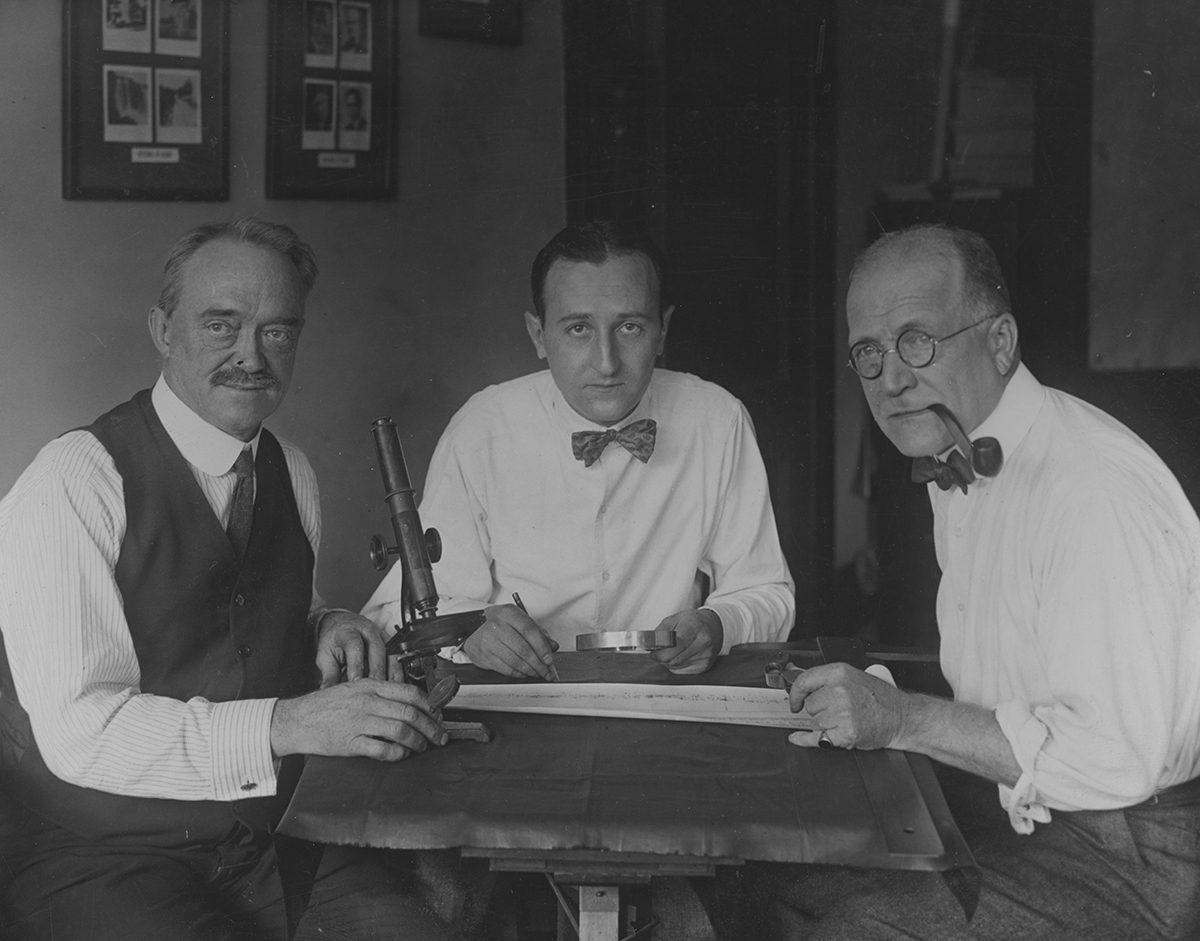
Todd used a device invented by C Francis Jenkins that recorded radio signals.
When the event known as ‘The Great Listen’ ended, Jenkins’ device showed a fairly regular pattern of dots and dashes allegedly from Mars.
The big surprise, though, appeared on the film’s other side, which showed a repeated pattern resembling a crudely drawn face.
Was this the face of a Martian? Jenkins wasn’t sure, saying: "It’s a freak that we can’t explain."
Todd died of a sudden heart attack in 1939, just one year after Orson Welles’ radio broadcast of War of the Worlds, aged 84 years old.
Funeral services were held at Amherst College, after which he was buried in Wildwood Cemetery, not far from where Emily Dickinson lies. His headstone depicts an eclipse.
In its obituary of Todd, The New York Times called him "one of the outstanding astronomers of his time."
His personal papers are held at Yale University Library, his photographs by the Library of Congress.
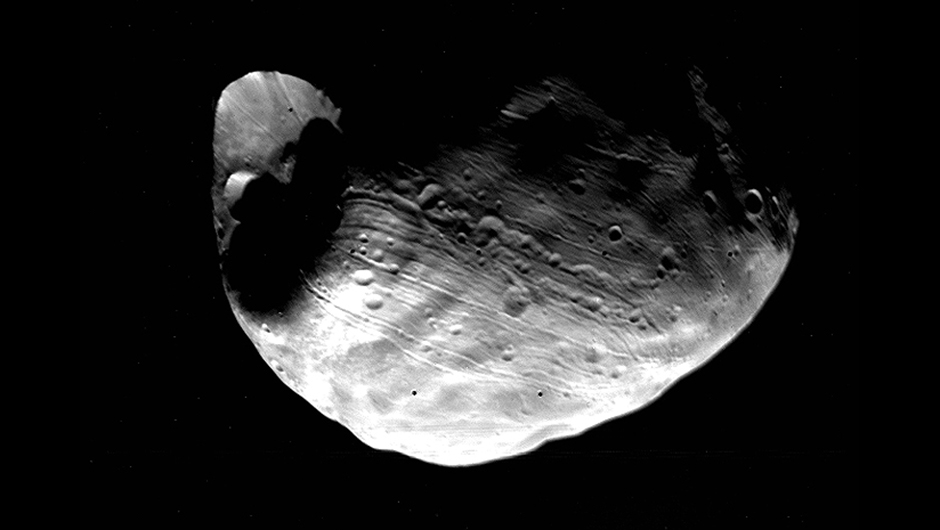
And though few people may remember Todd today, a crater on Phobos, one of Mars’s moons, bears his name, as does an asteroid.
Todd’s legacy may feel like a mixed bag in retrospect, but perhaps he wasn’t so crazy – after all, we continue to search for life on Mars today.