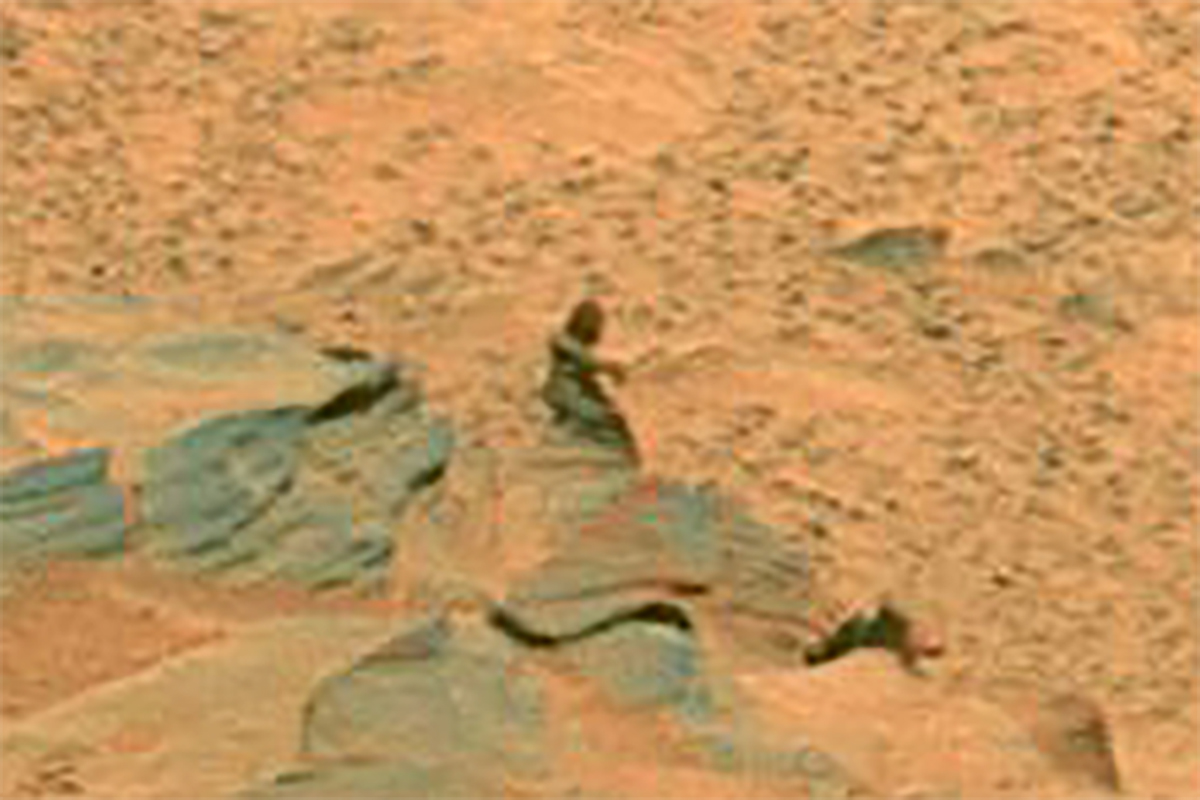
Of all the strange, creepy visions captured throughout humanity's exploration of the Universe, one of the most hair-raising has to be the strange formation on Mars that looks like a robed figure stretching their hand outwards across the Martian terrain.
Appearing like some sort of eerie harbinger in a classic Victorian ghost story, it appears as though the robed figure is attempting to draw our attention to something significant on the Martian surface.
It's a fantastically stirring image – and one that certainly set online forums ablaze when the image was first released.
But what is the formation exactly and why do our brains think it looks like a creepy figure on Mars?
More Mars weirdness

The story behind the creepy Mars statue
This 'statue', sometimes referred to as a 'robed female figure', is a famous optical illusion seen in a panorama captured by NASA's Spirit rover on Mars in late 2007.
Spirit captured the view over West Valley on a plateau called Home Plate, having just spent months near the base of the plateau.
The rover climbed onto the eastern edge of the plateau, located in Gusev Crater on Mars, and captured the panorama.

The image spans southwest to northeast, with the western edge of Home Plate visible in the foregrond.
And if you click on the panorama and zoom in, you can see the object that caused such a stir when it was originally released.
Eagle-eyed observers spotted the formation in the bottom-left region of the panorama., which looks admittedly like a hooded figure pointing outwards across the Martian surface.
We keep seeing weird stuff on Mars
For nearly 30 years now, rover vehicles have been exploring the surface of Mars and sending images back to Earth.
Which means that for nearly 30 years ago, people have been spotting ‘mysterious objects’ in those images.
Some of the things people claim to have identified in Martian images over the years include:
- a teddy bear’s face
- a floating spoon
- frozen flowers
- a doorway
- the Star Fleet logo from Star Trek
And perhaps most famously, the ‘female figure’ seen above, which was ‘spotted’ in a picture captured by NASA’s Spirit rover in 2007.
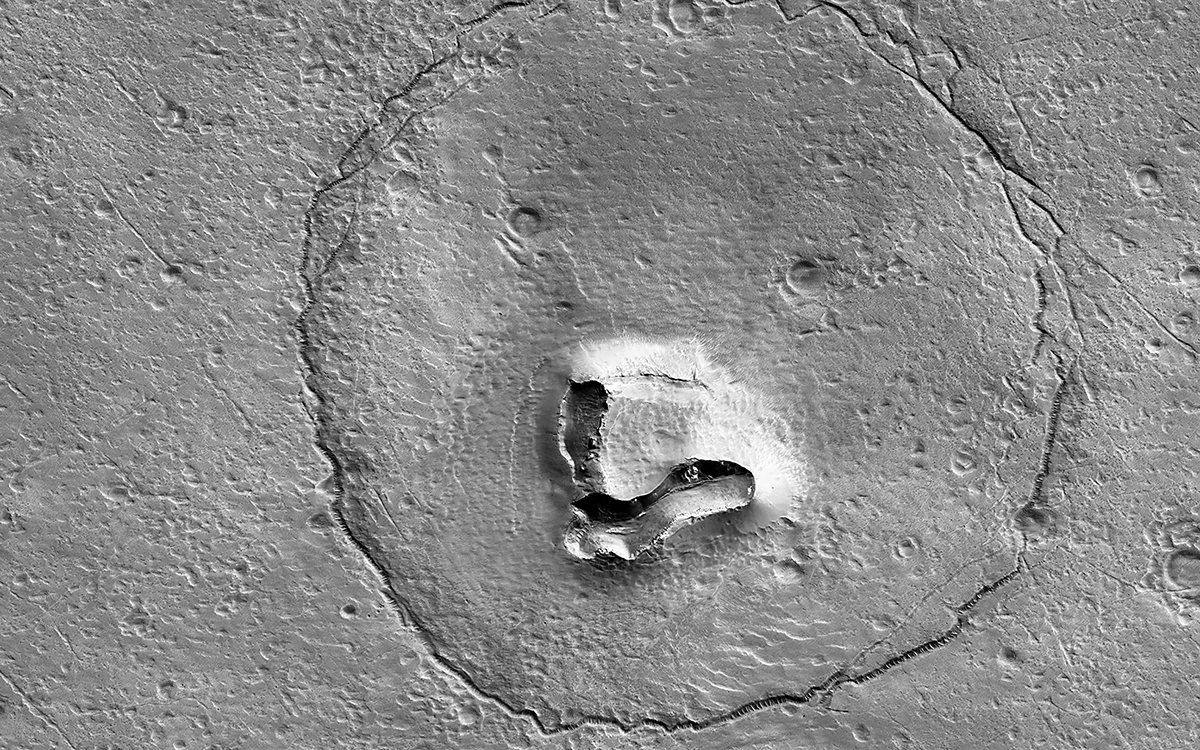
That’s a pretty diverse array of objects: what they all have in common though is that – in a nutshell – none of them is actually there.
Such images cause a flurry of media excitement and social media speculation whenever they’re issued, but they’re inevitably shown very soon to be the result of an optical illusion, an unusual viewing angle or a chance alignment of shadows.
This is not, it should be stressed, a new phenomenon.
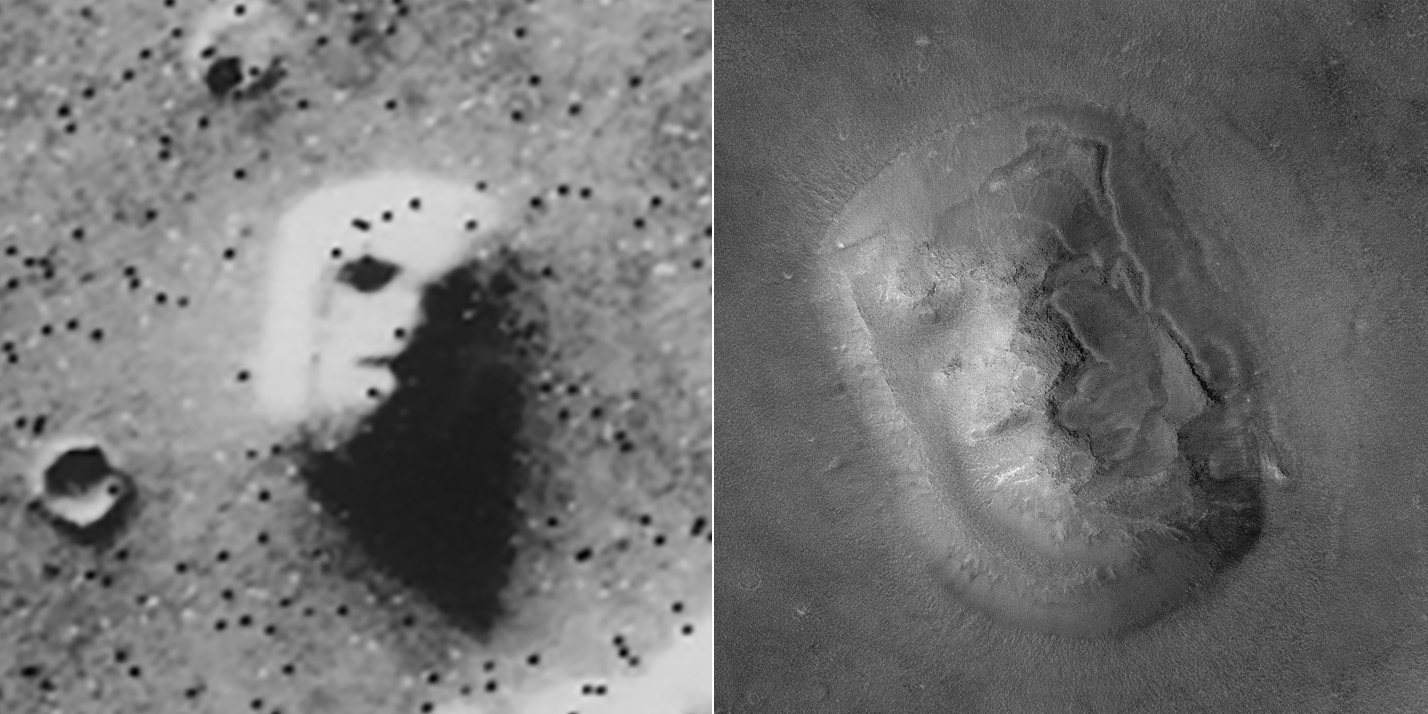
Images sent back to Earth from NASA’s Viking 1 satellite in 1976 were also said to show a human face – that was, until follow-up observations from different angles proved that no such face was actually present.
All we were looking at was a lump of rock that – from certain angles, in a certain light – LOOKED a bit like a human face.
Not the giant sculpture of one – presumably constructed by some putative humanoid population – that some people had been claiming it to be.
The scientific explanation
But the 1976 ‘face on Mars’ is a good place to start because it’s a textbook example of ‘pareidolia’.
This is the phenomenon that leads people to see objects or patterns, particularly human faces, that aren’t there.
Pareidolia is a well-documented psychological phenomenon. We are ALL pareidoliacs to a greater or lesser degree.
That’s because anatomically modern humans – Homo sapiens like you and I – have been around for at least 300,000 years and, according to some more recent estimates, possibly as long as a million years.
Evidence for human civilisation, on the other hand, can only be found as far back as 12,000 years.
That leaves at least 288,000 years, and possibly much longer, when to be human meant living in small, family-based groups in the middle of the desert/jungle/savannah/wherever, surrounded by hostile predators.
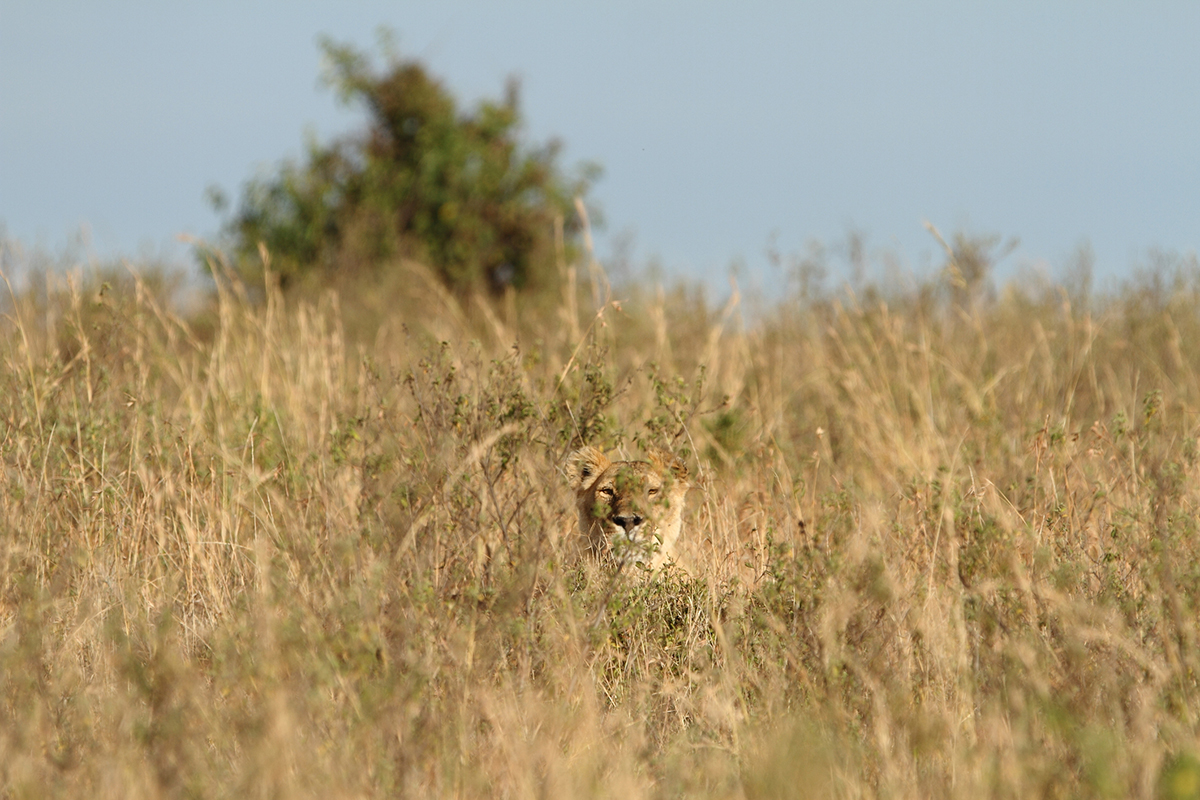
In such conditions, spotting the face of a tiger peering through the leaves of a bush, or the shape of a snake under an overhanging rock, could mean the difference between life and death.
As a result, our brains evolved to be good at pattern and shape recognition – particularly when it comes to saying, “Ooh look – two eyes, a nose, a mouth, I’ll wager that’s a face”.
And that, in a nutshell, is why people ‘see’ objects in Martian images that aren’t actually there.
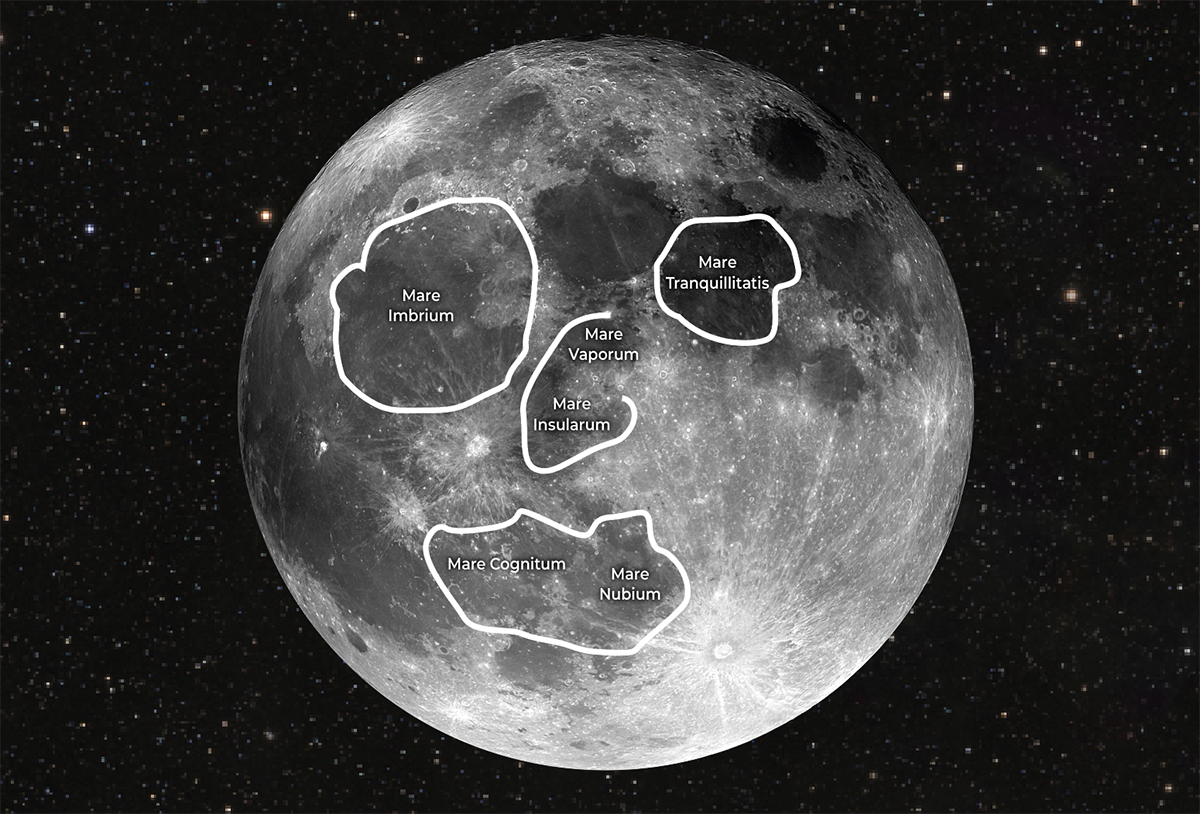
It’s the same phenomenon that makes us see ‘the Man in the Moon’, and the same phenomenon that lies behind all those ‘face of Jesus found in baked potato’-type stories we often see in news items.
The facts about the creepy statue on Mars
The case of the ‘female figure’ that appears in the panorama captured by Spirit in 2007 was admittedly slightly different, in that instead of some kind of giant sculpture (like the 1976 ‘face on Mars’) the image was claimed by some to show an actual living creature.
This theory was soon disproven because follow-up images showed that the purported ‘creature’ hadn’t moved at all.
It also turned out to be just a few inches tall, which kind of kiboshed its value as proof of humanoid lifeforms’ ubiquity!
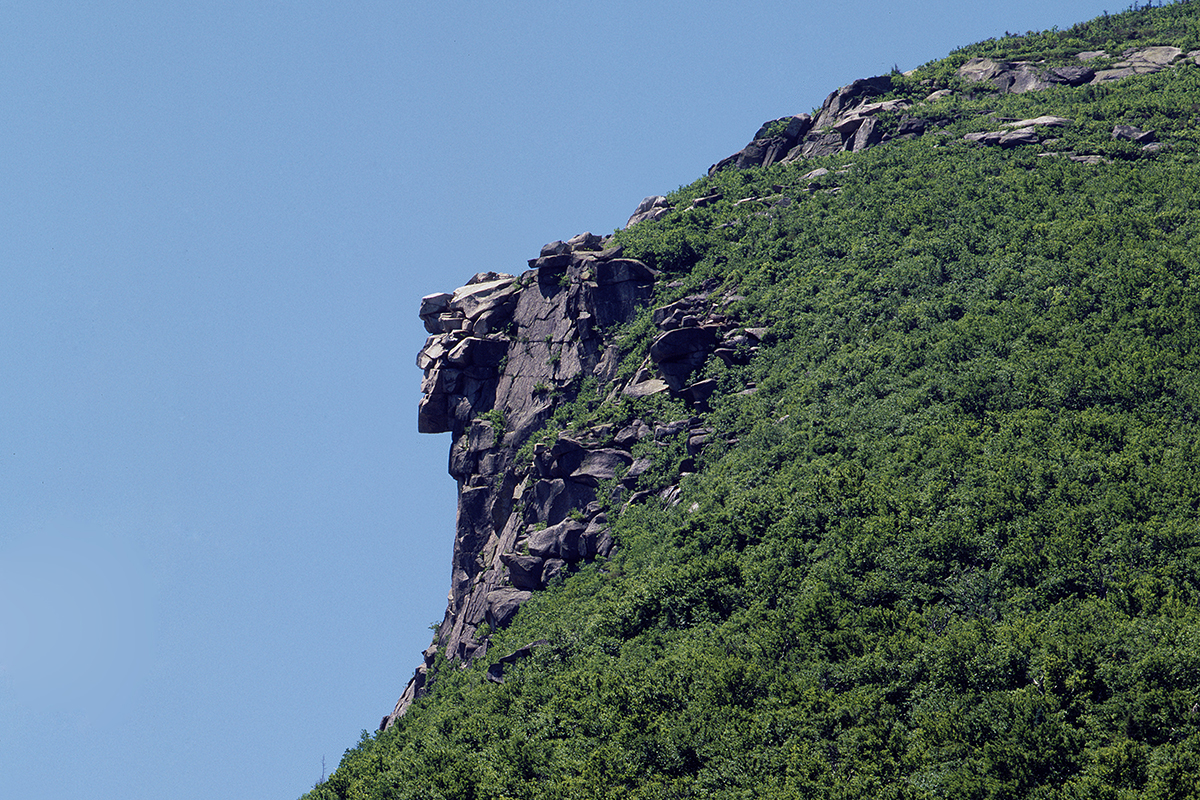
Instead, the female figure on Mars joined the ranks of other famous anthropomorphic (purportedly human-like) rocks, such as New Hampshire’s ‘Old Man of the Mountain’ (a rocky outcrop that resembled a human profile but collapsed in 2003) or ‘The Sleeping Knight’, AKA Mount Giewont in Poland’s Tatra Mountains.
Yes, they look like a bit like people. But they are not people, nor do they denote an intelligent civilisation leaving us signs of their existence (like some kind of prehistoric Martian equivalent of Mount Rushmore).
They’re just unusually shaped rocks.
The real search for life on Mars
It is, admittedly, kind of fun to spot such quirky little anomalies and oddities. But we shouldn’t pay them too much heed, because they arguably get in the way of real science.
Because that is, after all, what the Martian rovers are there for.
Looking for evidence of ancient life having once existed on Mars is a major part of the rovers’ remit, the reason why they’re there in the first place.
And those rovers are out there doing real science every day.
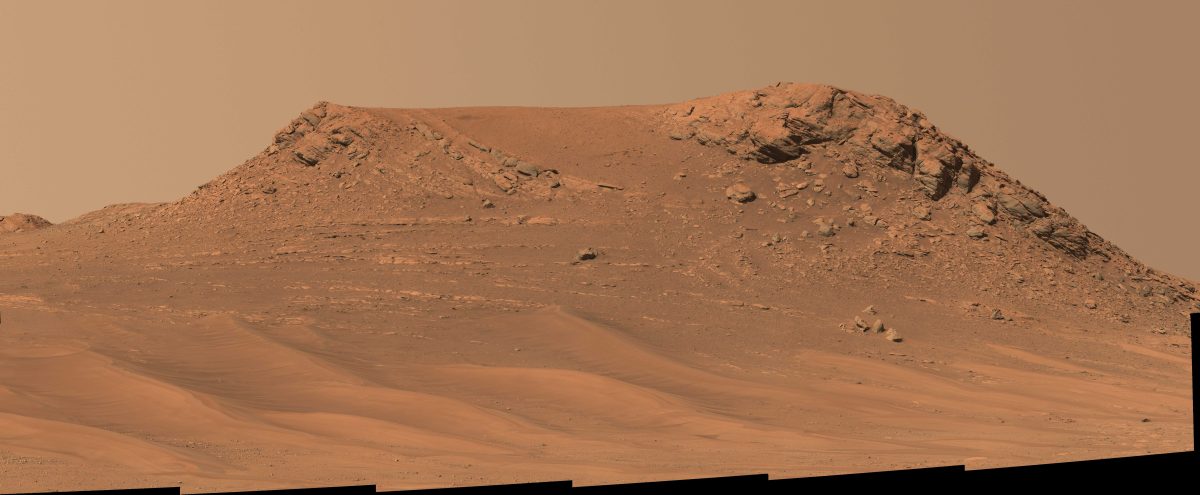
They’re taking samples from the Martian regolith (soil) and Martian rocks, analysing them for organic compounds.
Every day, they’re exploring new regions of the Martian surface and looking for the formations that would suggest there was once a river or a lake there.
Every day, they’re analysing the thin Martian atmosphere for the biosignatures of life.

It may not be very glamorous work, but every day, they’re engaged in real, slow-grind scientific research, with their high-tech instruments and sensors operating in an extremely hostile environment, and then reliably sending data back to Earth over 200 million kilometres (140 million miles) away.
And for our money, that’s far more interesting than spotting ‘mystery ladies’ that turn out to be little more than a funny-shaped pebble!
What are your favourite 'strange things seen on Mars'? Let us know by emailing contactus@skyatnightmagazine.com