If you want to know what planets are visible in the night sky tonight, this guide is for you.
Here we'll reveal what the planets are doing in the night sky throughout 2026, month by month, and which planets are not visible.
If you want to get out and see the planets tonight, you may be wondering where to start.
Finding and observing the planets of the Solar System in the night sky isn't as tricky as you think. You just need to know where to look.
Quick links – jump to
- Planet-spotting tips
- January
- February
- March
- April
- May
- June
- July
- August
- September
- October
- November
- December
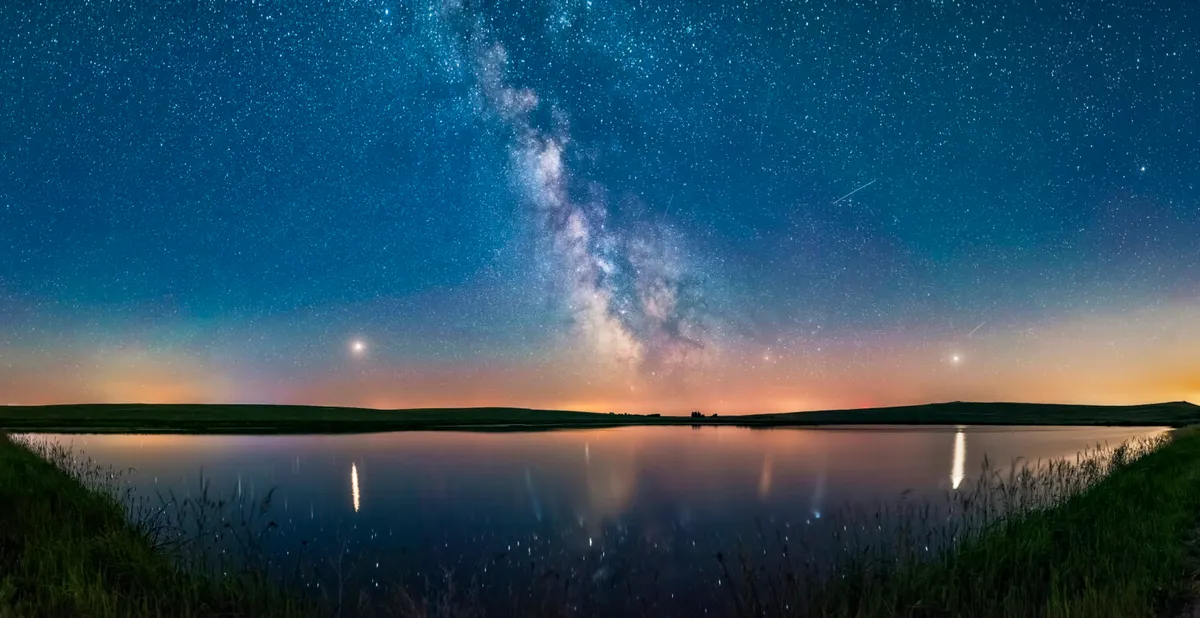
Tips for spotting planets in the night sky tonight
When a planet is in a favourable position in the evening or morning sky, it will look like a bright 'star', the most obvious point of light visible to the naked eye.
Any visible planets tonight can be found along the ecliptic, which is the line the Sun appears to traverse in the sky over the course of a day.
Since the major planets of the Solar System orbit the Sun in roughly the same plane, the ecliptic marks the path of the planets.
Is it bright, but on the wrong side of thesky to the ecliptic? Then it's not a planet.
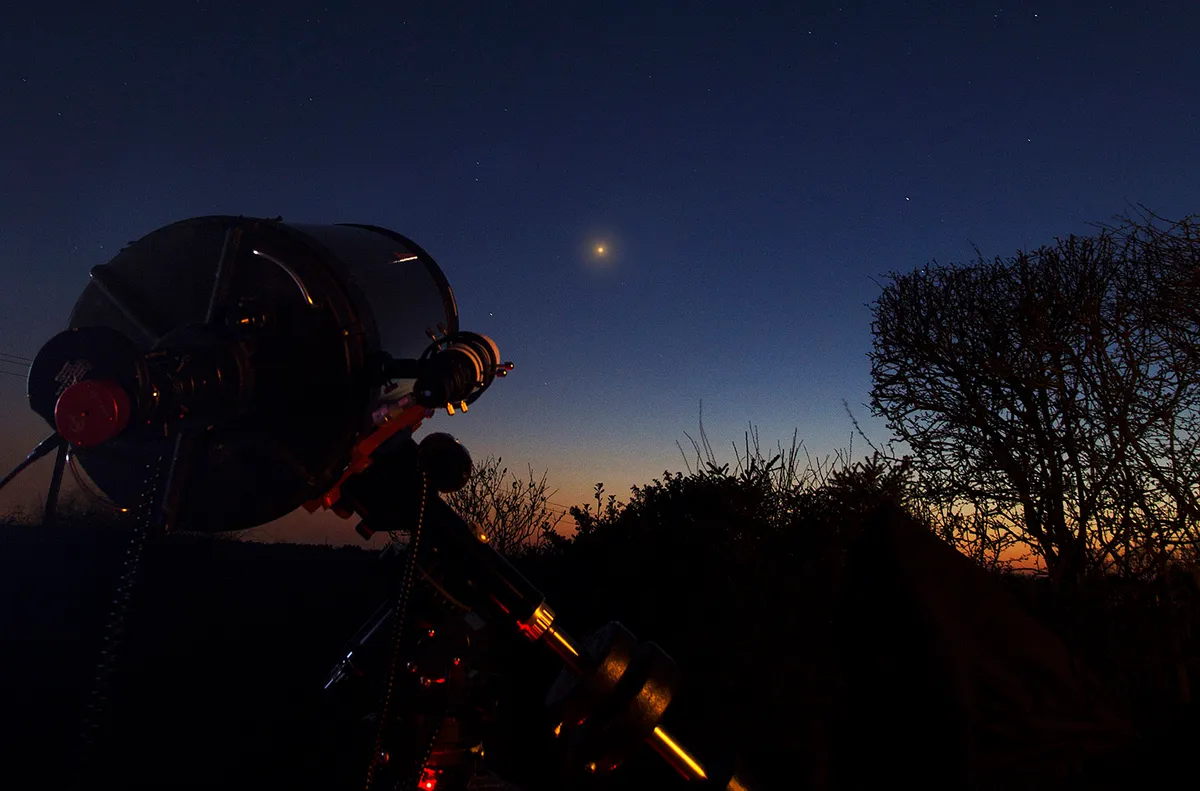
Another thing to consider is what planets are at or are near opposition, which is the best time to see a planet in the night sky.
If there's a planet near opposition tonight, that's the one to look for, as long as it's nice and high in the sky too
For more advice, read our guide on how to find planets in the night sky.
And download an astronomy and stargazing app to help you locate any planets visible in the night sky.
If you're out spotting visible planets tonight, don't forget to let your eyes adapt to the dark first.
Wait 20-30 minutes without looking at any artificial light (streetlights, your smartphone etc.) and you'll see so much more.
Once you've got to grips with this, all you need to know is what planets will be visible in the night each month, so you know what to look out for, and what dates they will be best placed.
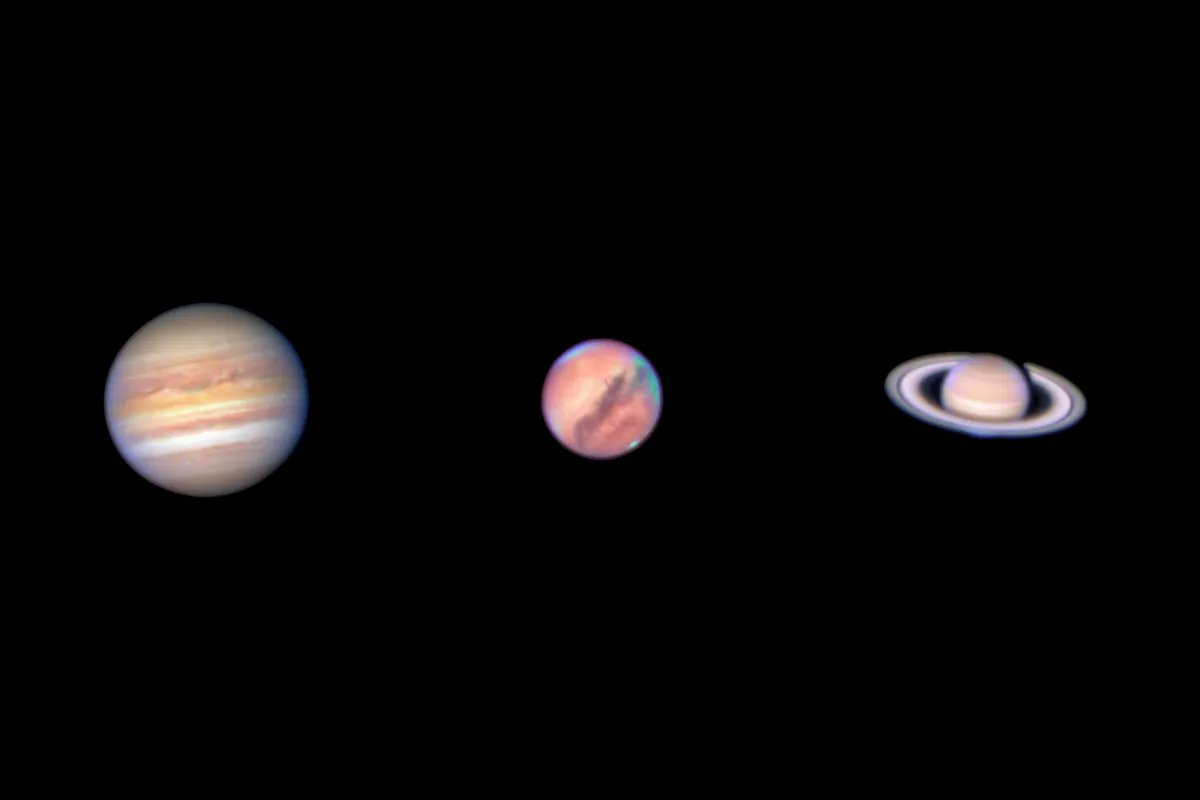
This is where our guide below comes in.
Use it throughout the coming 12 months to find out which planets are visible in the night sky in 2026, which are at opposition, and to keep track of any interesting upcoming conjunctions.

January 2026
- 7 January: Io and its shadow virtually touch while in transit
- 10 January: Jupiter reaches opposition, and a rare Callisto transit
- 20 January: Comet 24P/Schaumasse passes south of Arcturus
- 26/27 January: Callisto and its shadow transit the face of Jupiter
- 27 January: The waxing gibbous Moon occults the northern Pleiades
Mercury
Too close to the Sun to be seen properly, superior conjunction on 21 Jan.
Venus
Superior conjunction on 6 Jan, then an evening planet. Sets 30 minutes after sunset on 31 Jan, appearing 99% illuminated.
Mars
Too close to the Sun to be seen this month, solar conjunction on 9 Jan.

Jupiter
Opposition on 10 Jan. Well-placed with excellent moon events. Bright gibbous Moon nearby on
3 and 31 Jan.
Saturn
Evening planet, 33° altitude in darkness at 17:15 UT on 1 Jan, but 19° by month end.
Uranus
Evening planet, just south of the Pleiades.
Neptune
Evening planet near Saturn.
February 2026
- 3 February: An early morning gibbous Moon narrowly misses Regulus
- 11 February: Lunar occultation of Tau (τ) Scorpii
- 18 February: A thin waxing crescent Moon lies between Venus and Mercury
- 19 February: Mercury is at greatest eastern elongation (evening)
- 26 February: The Jewelled Handle clair-obscur effect is visible on the Moon
Mercury
Evening planet reaching greatest eastern elongation (18.1°) on 19 Feb. Conjunction with Venus on 28 Feb.
Venus
Evening planet setting 30 minutes after sunset on 1 Feb, 70 minutes after by the end of the month.
Mars
Too close to Sun to be seen.

Jupiter
Evening planet, 60° altitude from the UK when due south. Waxing gibbous Moon nearby on 26 and 27 Feb.
Saturn
Evening planet yielding to expanding twilight late Feb. On 19 Feb, thin waxing Moon nearby, and separated from Neptune by 51 arcminutes.
Uranus
Well-placed evening planet, 5° south of the Pleiades.
Neptune
Evening planet in Pisces.
March 2026
- 7 March: Venus, Saturn and Neptune lie within a 1.5° circle (evening, low altitude)
- 19 March: A thin Moon-spotting opportunity at moonset, 1 hour after sunset
- 20 March: A 3%-lit waxing crescent Moon lies near Venus (evening)
- 25 March: The Lunar X and V are visible this evening
- 28 March: A 4%-lit waxing gibbous Moon partially occults the Beehive Cluster
Mercury
Dim evening planet at start of month. 7 March inferior conjunction, poorly placed morning object after that.
Venus
Evening planet setting 70 minutes after sunset on 1 March. 3%-lit waxing crescent Moon close on 20th.
Mars
Morning planet, too close to Sun to be seen.

Jupiter
Bright evening planet, 60° up under darkness until 11 March, then dropping in altitude. 61%-lit waxing gibbous Moon nearby on evening of 26 March.
Saturn
Evening planet in Pisces, too close to Sun to view. Solar conjunction 25 March.
Uranus
Evening planet, losing altitude through the month.
Neptune
Too close to Sun to be seen.
April 2026
- 18 April: A thin waxing crescent Moon lies near Venus
- 20 April: See Ganymede and Callisto transit events on Jupiter
- 20/21 April: A Callisto shadow transit
- 22 April: Peak of the Lyrid meteor shower
- 25 April: The Plato’s Hook effect is visible on the Moon
Mercury
Badly positioned morning planet, unlikely to be seen.
Venus
Improving evening planet. Mag. -3.8. Sets 2 hours after sunset on 1 April, 2h45m after on 30 April. Thin Moon near on 18 April. Near Uranus on 23 April.
Mars
Morning planet, not well-placed, unlikely to be seen.

Jupiter
Losing ground to the evening twilight, currently mag. -1.9. 37%-lit waxing crescent Moon nearby on 22 April. Near Wasat (Delta (δ) Geminorum).
Saturn
Morning planet but difficult to see.
Uranus
Observing window closes on mag. +5.8 Uranus this month. Venus close on 23 April.
Neptune
Unlikely to be seen.
May 2026
- 1 May: A Ganymede shadow transit on Jupiter
- 14 May: See a tricky morning Moon near Saturn and Mars
- 19 May: A waxing crescent Moon lies between bright Venus and Jupiter
- 23 May: The Lunar X and V clair-obscur effects are visible
- 31 May: A low-altitude ‘Blue Moon'
Mercury
Superior conjunction 14 May, strong in evening sky second half of May. Sets 1h50m after sunset on 31 May.
Venus
Evening planet, sets 3h after sunset. 6%-lit waxing Moon nearby on 18 May. close to M35 on 20 May.
Mars
Morning planet not well placed in the dawn twilight.

Jupiter
Best in early May. 23%-lit waxing Moon nearby on 20 May. Venus close on 31 May.
Saturn
Morning planet, poorly placed. Waning crescent Moon close on 13 and 14 May.
Uranus
Too close to Sun to see well.
Neptune
Not visible this month.
June 2026
- All month: Noctilucent cloud season
- 9 June: Venus lies 1.6° north of Jupiter
- 15 June: Mercury is at greatest eastern elongation (evening)
- 17 June: Bright Venus lies 0.7° north of the waxing crescent Moon
- 29 June: Tonight's low full Moon is a micromoon
Mercury
Good evening position. Greatest eastern elongation (24.5°) on 15 June. 4%-lit waxing crescent Moon close 16 June, lost after 20 June.
Venus
Evening planet, best at the start of June, setting nearly three hours after sunset. Venus is near Jupiter on 9 June and 10%-lit waxing crescent Moon on 17 June.
Mars
Morning planet, poorly placed.

Jupiter
Struggling with the evening twilight. Mid-way between Venus and Mercury on 16 & 17 June, thin waxing crescent Moon nearby.
Saturn
Poor morning planet at start of June, improving slightly throughout the month.
Uranus & Neptune
Not visible this month.
July 2026
- All month: Noctilucent cloud season
- 9 July: Venus lies close to Regulus (evening)
- 11 July: A Thin waning Moon lies close to the Pleiades at moonrise (01:30 BST (00:30 UT))
- 17 July: A 15%-lit waxing crescent Moon lies near Venus (evening)
- 21 July: The Lunar X and V are visible around sunset
Mercury
Inferior conjunction 13 July. Rises 1h30m before sunrise on 31 July at mag. +0.6.
Venus
Deteriorating evening planet. Sets 2h06m after sunset on 1 July, 1h14m after on 31 July. 58-arcmintes north of Regulus on 9 July in twilight.
Mars
Improving morning planet. 9.6-arcminutes from Uranus on 4 July. Mag. +1.3 Mars 5.3° north of Aldebaran (Alpha (α) Tauri) on 13 July.

Jupiter
Too close to the Sun to observe, solar conjunction occurring on 29 July.
Saturn
Morning planet in Pisces. 30° altitude, under dark skies end July. Moon near on 7/8 July.
Uranus
Best at end month, when 17° altitude in relative darkness.
Neptune
Morning planet in Pisces.
August 2026
- 2 August: Mercury reaches greatest western elongation (morning)
- 12 August: See a significant partial solar eclipse (evening)
- 12/13 August: A favourable Perseid meteor shower peak
- 15 August: The Waxing crescent Moon lies near Venus (evening)
- 28 August: See a significant partial lunar eclipse (early morning)
Mercury
Best at start of month. Greatest western elongation (19.5°) on 2 Aug. 15 Aug, 43-arcminutes from Jupiter.
Venus
Greatest eastern elongation (45.9°) on 15 Aug. Sets 49 mins after sunset on 31 Aug. Moon close, evening 16 Aug.
Mars
Morning planet. Moon nearby on 9 Aug. 0.6° south of M35 on 15 Aug.

Jupiter
Morning planet. Close to Mercury on 15 Aug.
Saturn
Improving morning planet, peak altitude about 40° under darkness from 20 Aug.
Uranus
Improving morning planet, 48° altitude in darkness by 31 Aug. Mag. +5.7, in between Pleiades and Hyades.
Neptune
Improving morning planet.
September 2026
- 8 September: The Moon occults the Beehive Cluster from 04:00 BST (03:00 UT) until dawn
- 14 September: See a tricky lunar occultation reappearance of Venus (11:30 BST (10:30 UT))
- 23 September: The Northern Hemisphere’s autumn equinox
- 26 September: Neptune reaches opposition
- 26 September: 2026's Harvest Moon is tonight
Mercury & Venus
Unlikely to be seen.
Mars
Morning planet rising around midnight on 1 Sept. Moon near on 6 & 7 Sept. Mag. +1.1 at the end of month.

Jupiter
Morning planet in Cancer. Thin waning crescent Moon near on mornings of 8 & 9 Sept. Crosses into Leo on 24 Sept. Currently mag. -1.9.
Saturn
Morning planet in Pisces. Increases from mag. +0.5 to +0.3 throughout month. Crosses into Cetus on 6 Sept. Full Moon close on 27 Sept.
Uranus
Mag. +5.7, reaches peak altitude of 58° under darkness from 25 Sept. Near Omega (ω) Tauri.
Neptune
Opposition on 26 Sept, visible all night. Peak altitude of 37° when due south. Full Moon nearby on 27 Sept.
October 2026
- 4 October: Saturn reaches opposition
- 5 October: The Moon pays Mars a close visit at dawn
- 10-12 October: Mars crosses the Beehive Cluster
- 13 October: Vesta reaches opposition
- 28 October: A Lunar occultation of the Pleiades
Mercury
Not visible after sunset.
Venus
Not visible for most of Oct. Inferior conjunction on 24 Oct. Rises 46 minutes before sunrise on 31 Oct.
Mars
Morning planet, rising before midnight. Close to Moon on 5 Oct. Crosses Beehive Cluster 10-12 Oct.

Jupiter
Morning planet in Leo. Midway between Mars and Regulus at month end.
Saturn
Opposition on 4 Oct. Mag. +0.1 in Cetus. 94%-lit waxing gibbous Moon near 24 Oct.
Uranus
Reaches peak altitude in darkness all month. Mag. +5.6 in Taurus.
Neptune
Shines at mag. +7.8 in Pisces near the Circlet asterism.
November 2026
- 2 November: See an impressive line-up in the morning sky, with Regulus, Jupiter, Mars, the waning crescent Moon and the Beehive Cluster
- 7 November: Venus and Spica lie near the Moon in daylight
- 24 November: Tonight's full Moon is a supermoon
- 25 November: Uranus reaches opposition
Mercury
Inferior conjunction 4 Nov. Rises 2h10m before sunrise 15 Nov, 1h42m before on 30 Nov.
Venus
Morning planet, rapidly improving. Rises 56 mins before sunrise on 1 Nov, and four hours before on 30 Nov when it reaches mag. -4.5.
Mars
Morning planet, dancing with Jupiter, Regulus and the Moon. Reaches 51° altitude under darkness from 24 Nov.

Jupiter
Improving morning planet in Leo. Dances with the Moon, Mars and Regulus. From 21 Nov, 50° altitude in darkness.
Saturn
Evening planet in Cetus, peak altitude of 38° in darkness.
Uranus
Well placed. Mag. +5.6 in Taurus. Opposition 25 Nov.
Neptune
Visible at peak altitude in darkness. Mag. +7.8 in Pisces.
December 2026
- 1 December: The Moon, Regulus, Mars and Jupiter continue their morning show
- 14 December: A favourable Geminid meteor shower peak
- 24 December: Tonight's full Moon is a supermoon
- 21 December: The Northern Hemisphere’s winter solstice
- 31 December: An extreme lunar libration pushes crater Grimaldi to the edge
Mercury
Morning planet rising 1h38m pre-sunrise 1 Dec. Moon near on 7 Dec. Lost mid-month.
Venus
Mag. -4.5 morning planet. Moon close on 5 Dec.
Mars
Morning planet near Jupiter, Regulus and Moon on 1 Dec. Moon near again on 28 Dec.

Jupiter
Bright morning planet. Near Mars, Regulus and Moon on 28 Dec.
Saturn
Well-placed in Cetus. Reaches peak altitude of 38° in darkness all month.
Uranus
Visible under darkness at peak altitude all month, southeast of the Pleiades.
Neptune
Just visible under darkness at peak altitude of 36° all month.
Are you a planetary observer or imager? Share your observations and images with us by emailing contactus@skyatnightmagazine.com