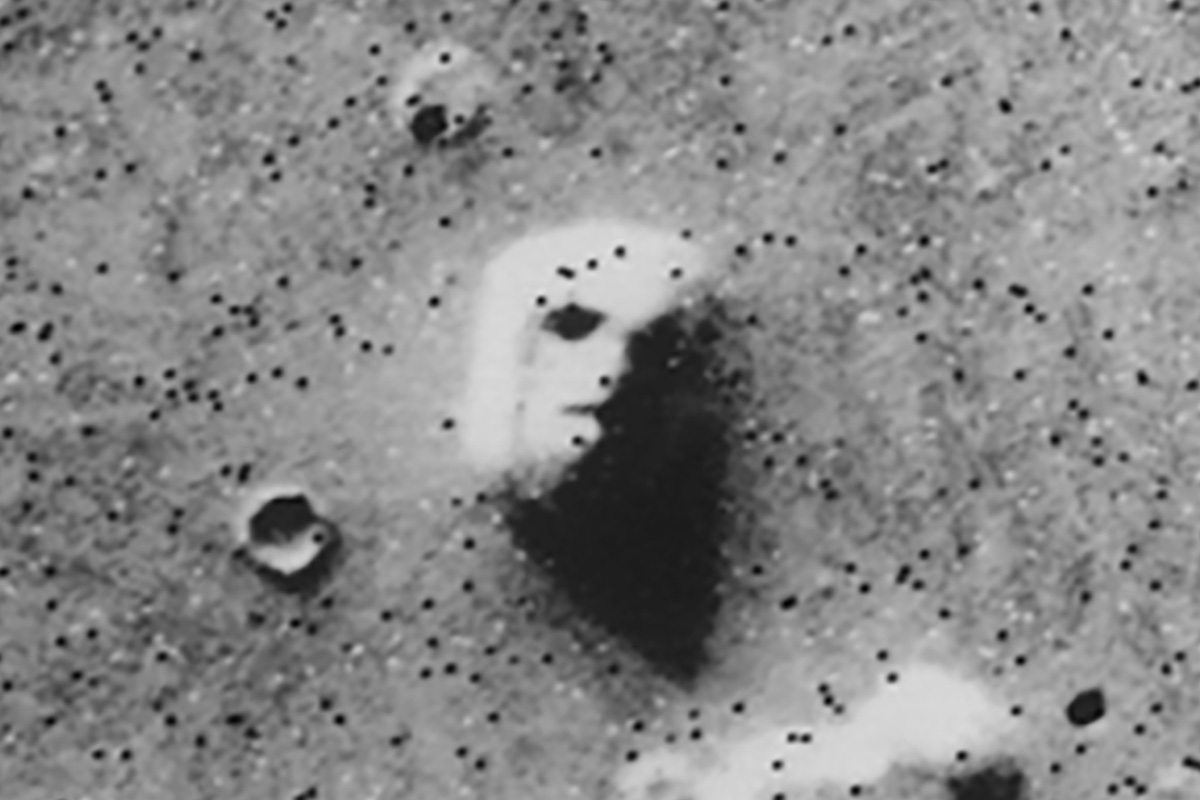
We see patterns everywhere. Faces in clouds, messages in noise, purpose in chaos.
Believe it or not, it’s quite a handy survival trait – even if it doesn’t feel like it when you scare yourself silly thinking the coat rack is an intruder at 3am.
Astronomy, for all its rigour, is not immune to this ‘pattern trap’. Point a radio telescope to the sky, pick up a few anomalies, and you start thinking the Universe is trying to say hello.
The search for extraterrestrial intelligence has produced a small but memorable catalogue of signals that looked, briefly, like alien contact before turning out to be something slightly more explicable.
More space oddities
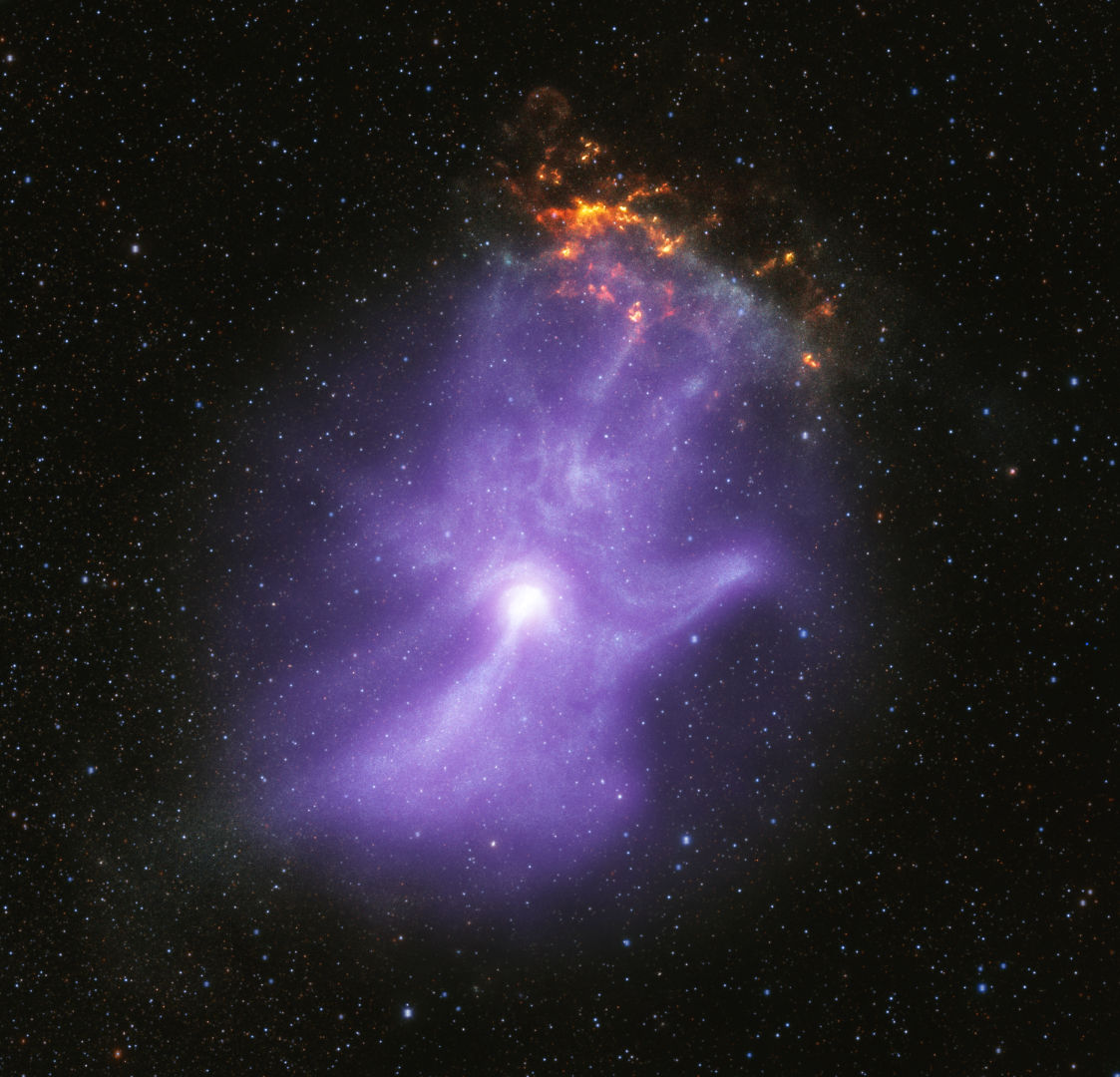
There are, though, a few signals out there that remain a mystery. They’re not proof of anything, but they’re just strange enough to keep us listening.
Not every signal we’ve picked up has remained an exciting mystery. In ways both important and mundane, some have been well explained.
But here are a few that got us all excited for a moment there.
The perytons of Parkes (2010-2015)
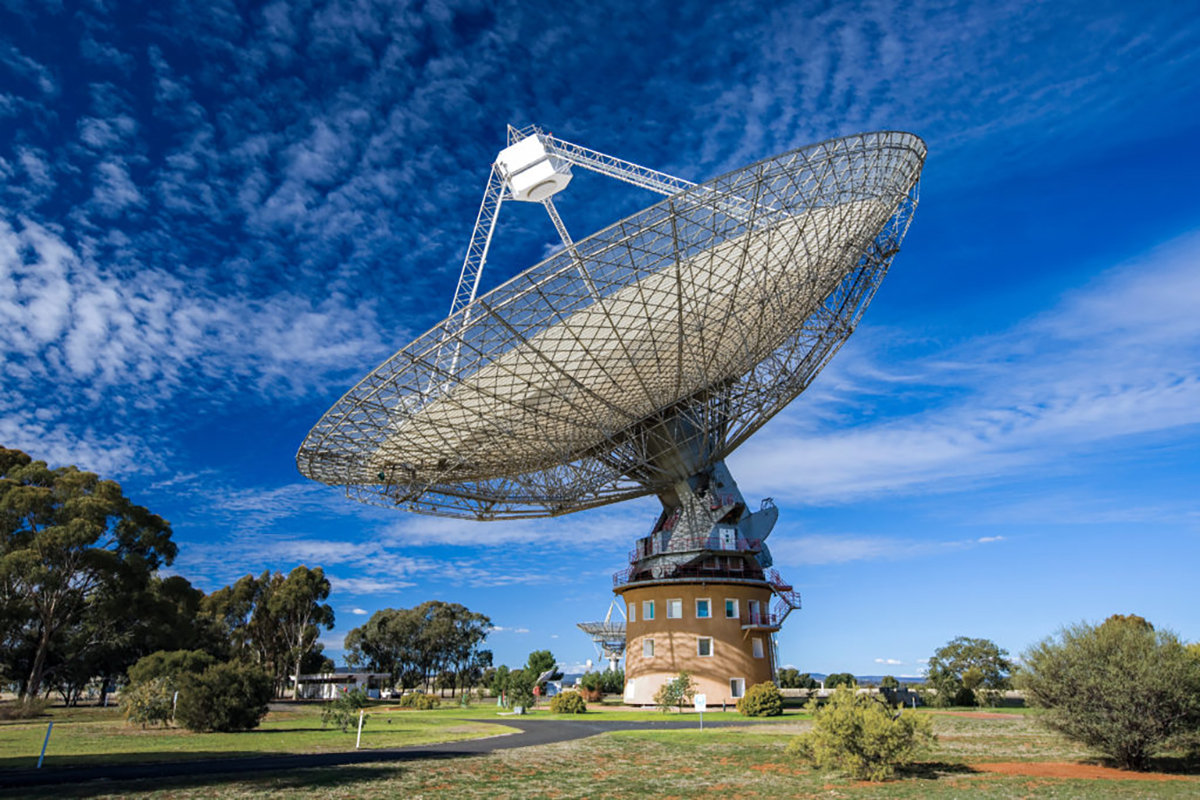
The perytons were, for a time, quite confusing. Detected at the Parkes observatory in Australia, these milliseconds-long radio bursts bore an uncanny resemblance to Fast Radio Bursts – powerful flashes from distant galaxies.
They had the right duration, the right dispersion and the right air of cosmic intrigue.
The weird thing, though, was that they seemed to appear everywhere at once, which is generally frowned upon by astrophysics.
Theories were rife and ranged from exotic atmospheric phenomena to entirely new classes of astrophysical events – while a few more imaginative corners entertained the possibility of artificial origins. Aliens!
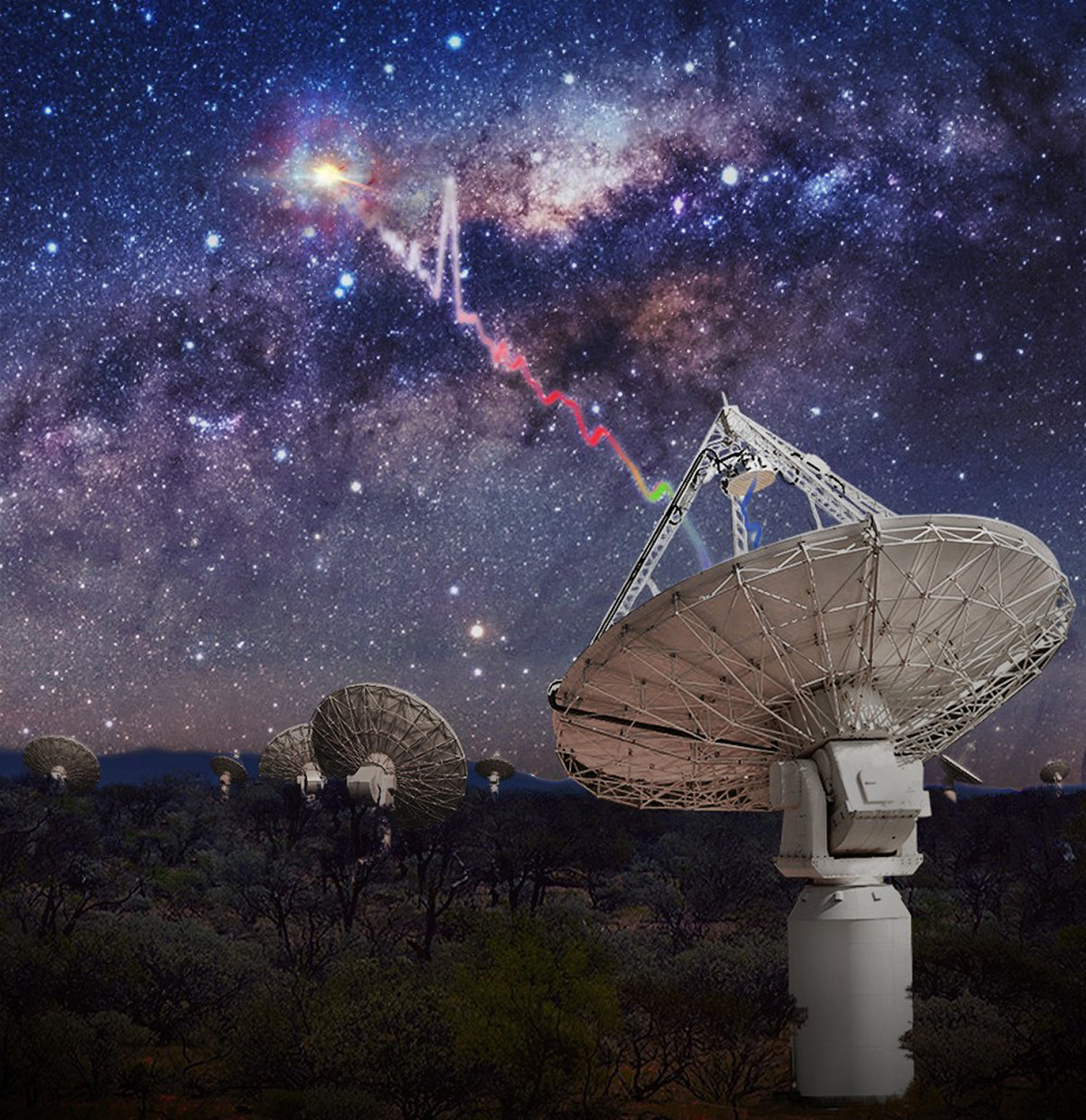
No. Not aliens. In fact, the mysterious signals had a lot more to do with eating than ET.
They were caused by hungry (and impatient) observatory staff opening their 27-year-old microwave ovens before the cooking cycle had finished.
As the magnetron powered down, it emitted a brief burst of radio interference – just enough to masquerade as a signal from deep space.
The little green men: LGM-1 (1967)
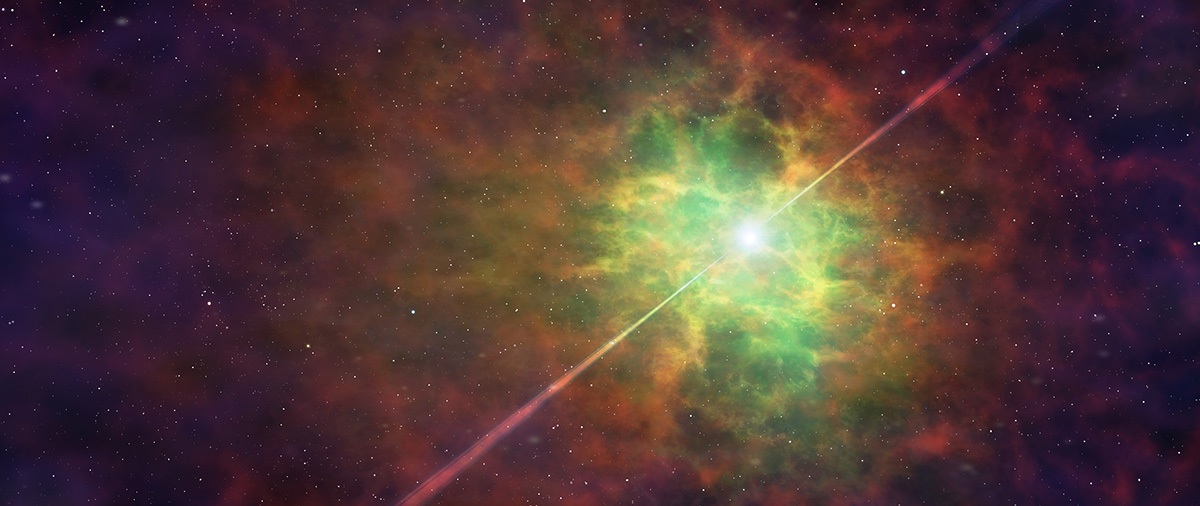
Almost 60 years ago, British astronomer Jocelyn Bell Burnell detected a signal that seemed, for a moment, almost too precise to be natural.
It pulsed unwaveringly, every 1.33 seconds, like a metronome in the sky.
At the time, no known astrophysical process could explain such perfect timing.
It was jokingly dubbed LGM-1, short for little green men, though the joke carried more than a hint of genuine curiosity.
If not aliens, then what could produce such precision?
The answer came quickly and changed our understanding of the Universe forever. Pulsars.
These rapidly rotating neutron stars emit beams of radiation that sweep across space.
With every rotation, there’s a pulse, and because neutron stars are very stable, the timing can be incredibly accurate.
What seemed like a deliberate beacon turned out to be a natural consequence of extreme physics. The Universe, as it transpires, can keep time better than we can.
The Proxima Centauri whisper: BLC1 (2020)
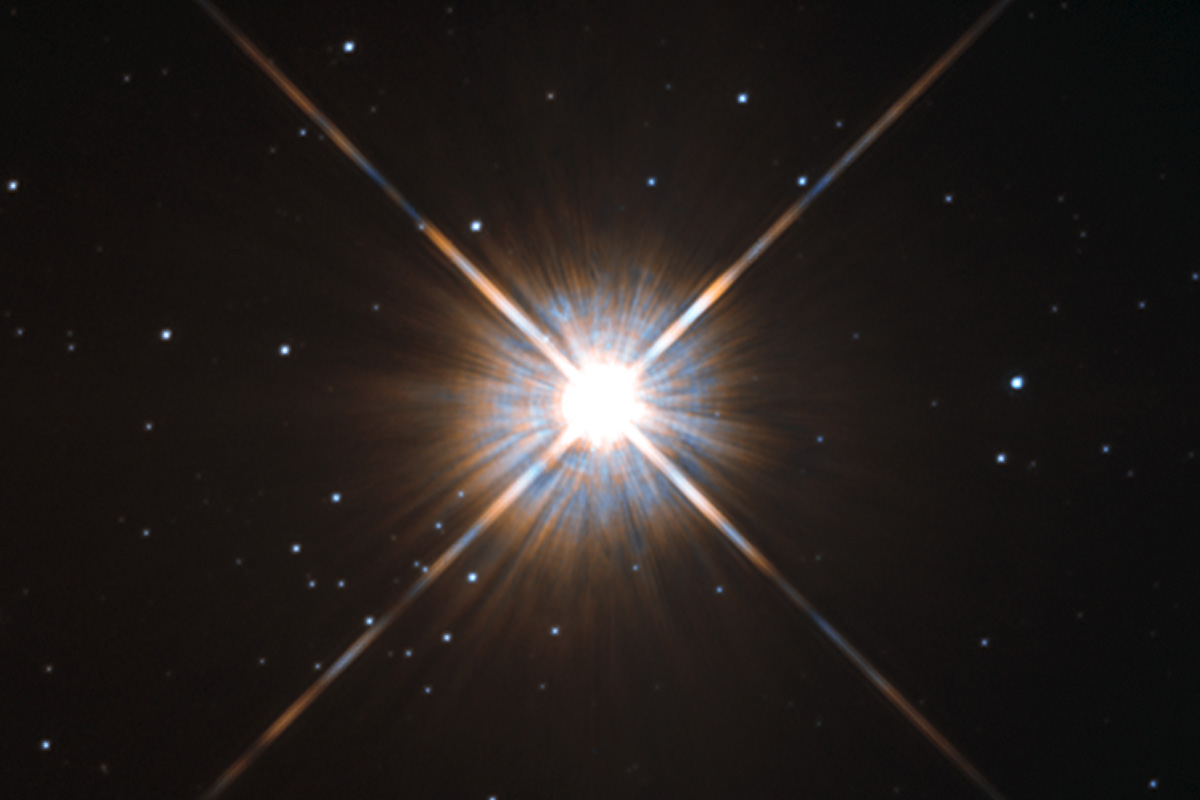
Breakthrough Listen is an astronomy project that searches for intelligent extraterrestrial communications, and in 2020, they thought they’d found something.
BLC1 (Breakthough Listen Candidate 1) was an anomalous radio signal that seemed to originate from Proxima Centauri, the closest star to our own at a distance of 4.2 lightyears from Earth.
The 982Mhz narrowband signal looked exactly like the sort of thing one might expect to come from an artificial source, and it didn’t immediately match any known sources of interference. It looked promising.
But science, being what it is, refused to get carried away.
With the odds of intelligent life cropping up in the Solar System’s closest stellar neighbour being astronomical, what followed was months of detailed analysis.
By 2021 the signal had been traced back to Earth, with a malfunctioning oscillator in nearby equipment blamed for producing the illusion of a distant transmission.
Oh well.
Unresolved: the signals that still might be aliens
Now this is why you’re really here. There are a few potential messages that cannot be quite so neatly explained or resolved.
They aren’t confirmation of anything, but they are certainly invitations to speculate.
The Wow! signal (1977-present)
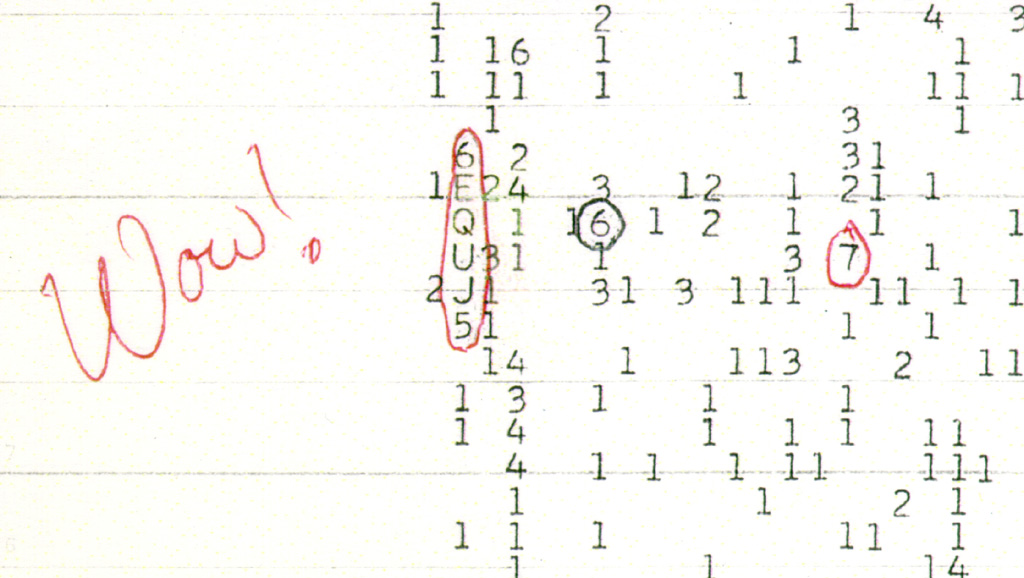
When studying data from the Big Ear radio telescope in Delaware, Ohio, one anomaly stuck out to astronomer Jerry R Ehman.
So much so that he scribbled 'Wow!' in the margin. It has since become known as the Wow! signal.
The eponymous signal appeared to come from the direction of Sagittarius and bore all the hallmarks of an intentional transmission.
Its frequency lay close to the 1420MHz line, and its intensity rose and fell in a way that was consistent with a fixed point in the sky.
It remains the ‘gold standard’ for what a deliberate beacon should look like.
The Wow! signal lasted just 72 seconds and then vanished, and despite decades of searching the since the August 1977 detection, it has not been observed again.
Recent theories have suggested a more natural explanation: radiation from a background source passing through clouds of neutral hydrogen, exciting the hydrogen gas and making it glow intensely for several minutes.
Sceptics, however, maintain that natural models struggle to explain the signal’s specific intensity and apparent one-off nature.
Tabby’s Star: KIC 8462852 (2015)
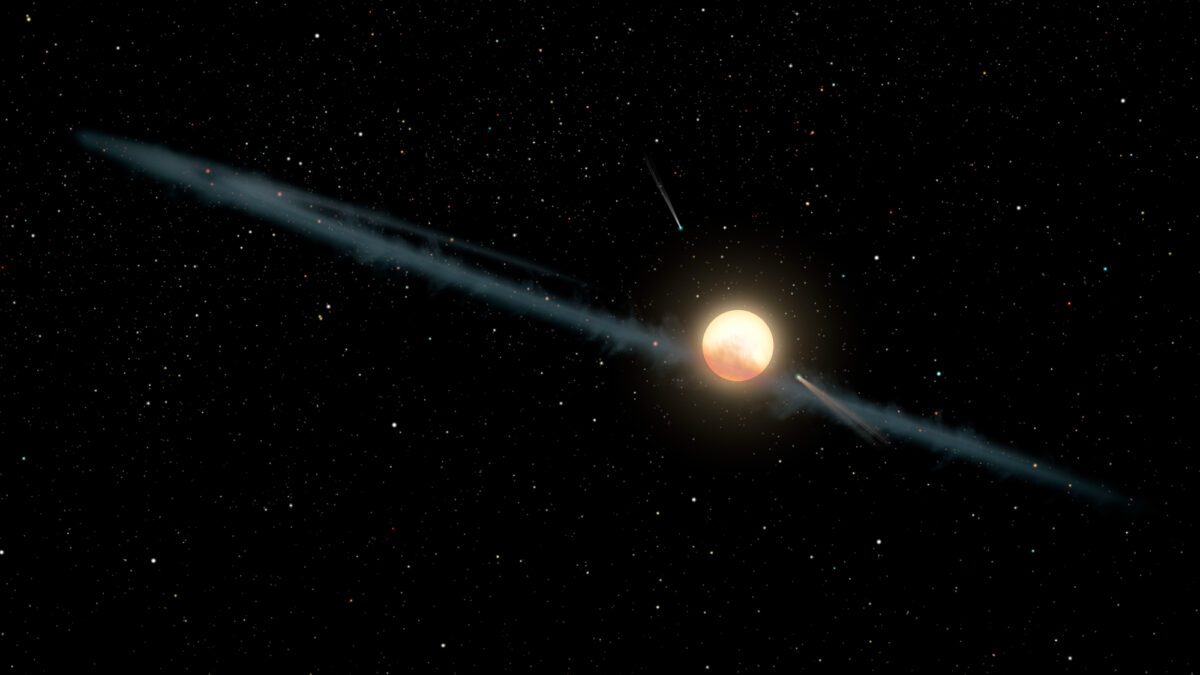
Tabby’s Star is unlike the other items on this list. This potential signal doesn’t involve radio waves, but light.
Stars generally either get brighter and brighter until they go supernova, or burn up all their fuel and become much dimmer white dwarfs.
This star, however, exhibits dramatic and irregular dips in brightness, like flashes – getting up to 22% dimmer with no clear pattern as to why and, more importantly, far more than one would expect from the usual suspects, such as a passing exoplanet.
A year after the discovery, analysis of the full-field images came to the conclusion that "No known or proposed stellar phenomena can fully explain all aspects of the observed light curve."
Proposed explanations included swarms of comets and the leading theory of dust clouds, but recent evidence from James Webb Space Telescope data taken in 2024-25 suggests the dust is strangely cold and too localised to make a definitive argument.
This leaves the door open to more speculative ideas – such as, for example, a large alien megastructure.
That hypothesis sits somewhere towards the edge of scientific respectability, sure, but it has not been conclusively ruled out.
And we’re still on the lookout for similar 'weirdo' stars. Nothing yet.
The real work of listening
All this – microwaves, glitches and natural phenomena – might feel slightly deflating, but it really shouldn’t.
The fact that every false alarm teaches us something and deepens our understanding should instead be a cause for celebration, while we can still hold out hope for those as-yet unexplained mysteries.
Somewhere in the vastness of the cosmos, there may well be a genuine technosignature, a deliberate signal just waiting for us to notice it.
Finding such a signal will require discipline, scepticism and a willingness to question our most exciting discoveries.
We just mustn’t fall into the ‘pattern trap’ because, as it turns out, the Universe is quite good at looking intentional – even when it isn’t.