
After nearly eight years navigating the inner Solar System, the BepiColombo mission has released incredible footage showing the spacecraft's voyage through the inner Solar System.
The video shows the BepiColombo probe zooming past planets Venus and Mercury, completing gravity-assist manoeuvres on its way to enter orbit around Mercury.
More on Mercury
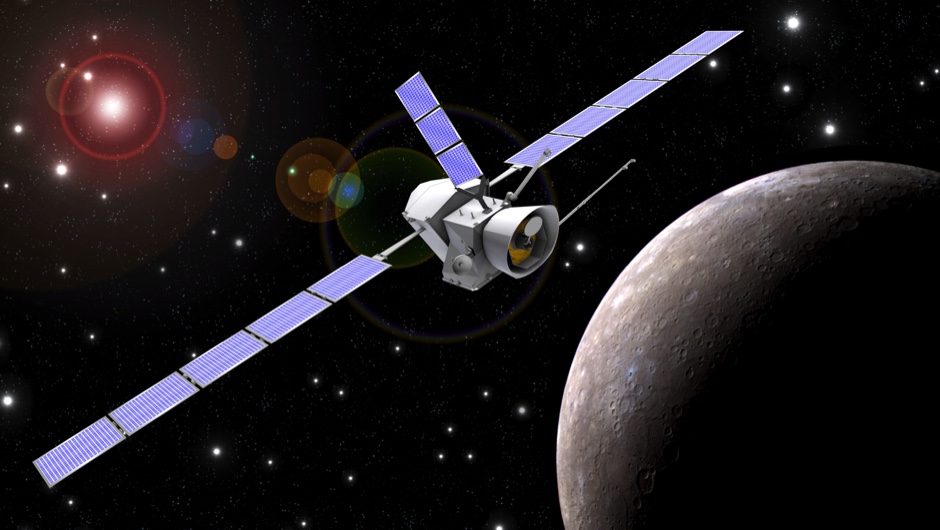
Credit: ESA/ATG medialab; Mercury: NASA/JPL
It's been compiled by European Space Agency and Japan Aerospace Exploration Agency scientists to chronicle the spacecraft’s voyage toward the innermost planet of our Solar System.
Since its launch on October 20, 2018, BepiColombo has covered 9.9 billion km (6 billion miles) across the Solar System, completing nine separate gravity assists that have taken it past Earth once, Venus twice and Mercury six times.
These manoeuvres are used to reposition and slow down the spacecraft to place it into orbit around Mercury.
A selfie view of the Solar System
While individual photos and clips captured by BepiColombo the spacecraft have been released before – including its final glimpse of Earth in 2020 – this marks the first time ESA and JAXA have stitched the complete voyage together into one video.
The footage comes from three monitoring cameras (M-CAMs) mounted on the Mercury Transfer Module (MTM), which is the spacecraft responsible for carrying two science orbiters across the Solar System.
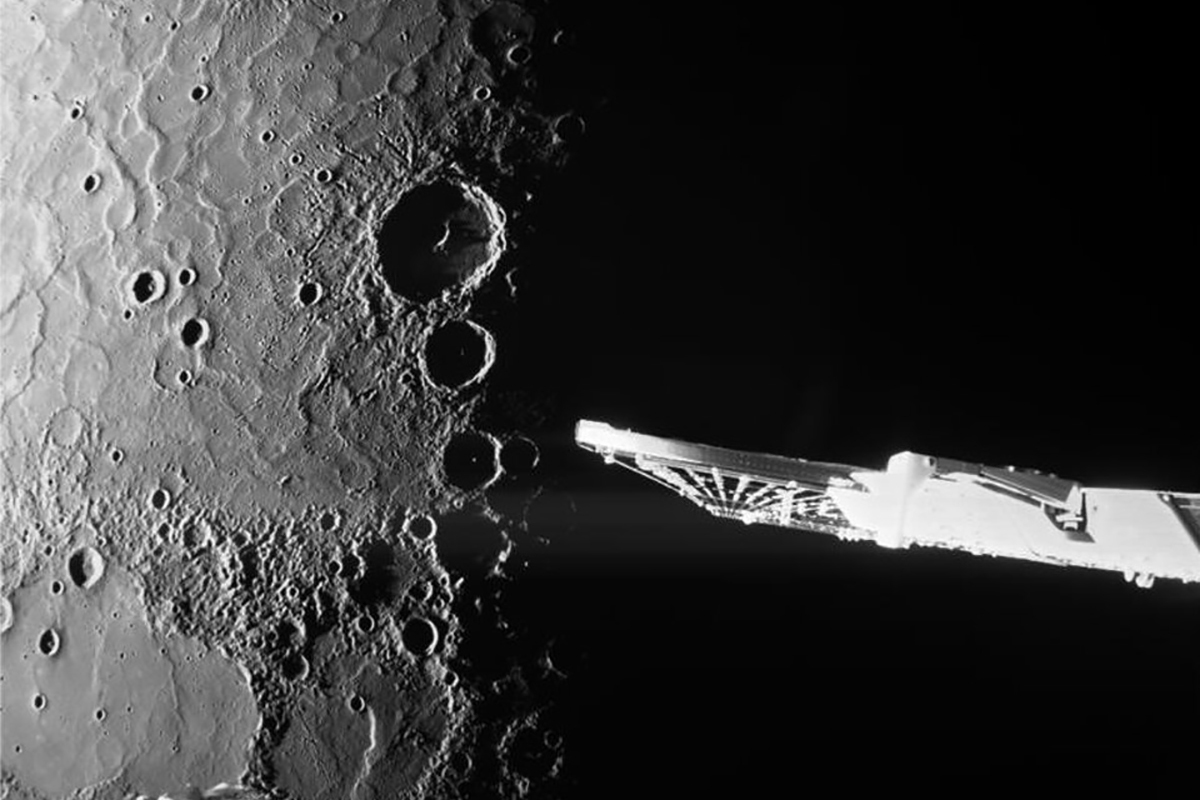
ESA says that, because these engineering cameras lack a traditional shutter mechanism, original frames captured by BepiColombo showed vertical streak artefacts caused by light hitting the detectors.
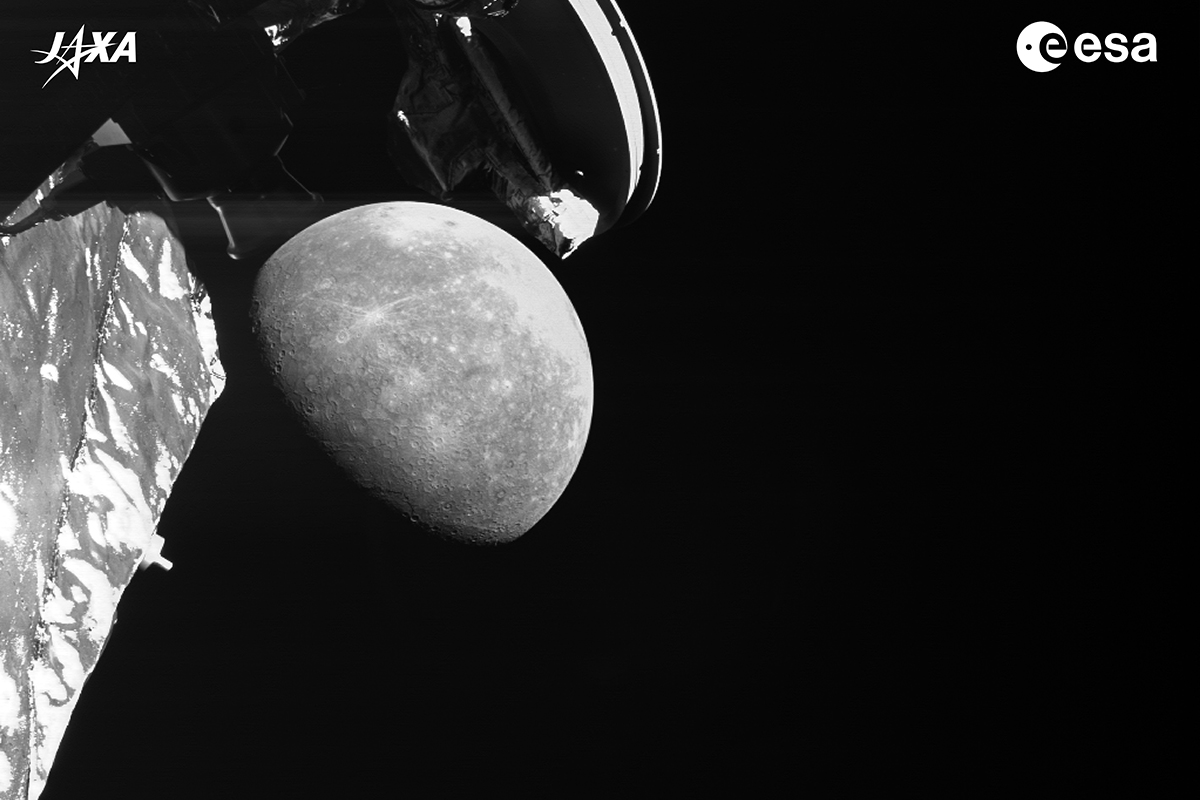
Image processing teams have cleaned up the artefacts to show views of the planets drifting past in the background.
The final insertion begins
On September 3, 2026, BepiColombo began its final arrival sequence around Mercury as the Mercury Transfer Module officially separated from the two science probes.
The transfer module will drift past Mercury at a distance of roughly 130,000 km (81,000 miles) in late October 2026 before entering a permanent orbit around the Sun.
ESA’s Mercury Planetary Orbiter (MPO) and JAXA’s Mercury Magnetospheric Orbiter (Mio) remain stacked together as they prepare to enter Mercury’s orbit in November 2026.
On December 9–10, 2026, the two craft will decouple from one another, marking the first time in history that two independent spacecraft will orbit Mercury at the same time, mapping the planet's surface, composition and magnetic environment.

