
Microorganisms aboard the International Space Station (ISS) have successfully extracted valuable metals from meteorites.
Scientists say the technique could offer a new way to support space missions without relying on Earth-based supplies.
The experiment was led by researchers from Cornell University and the University of Edinburgh.
More on space exploration
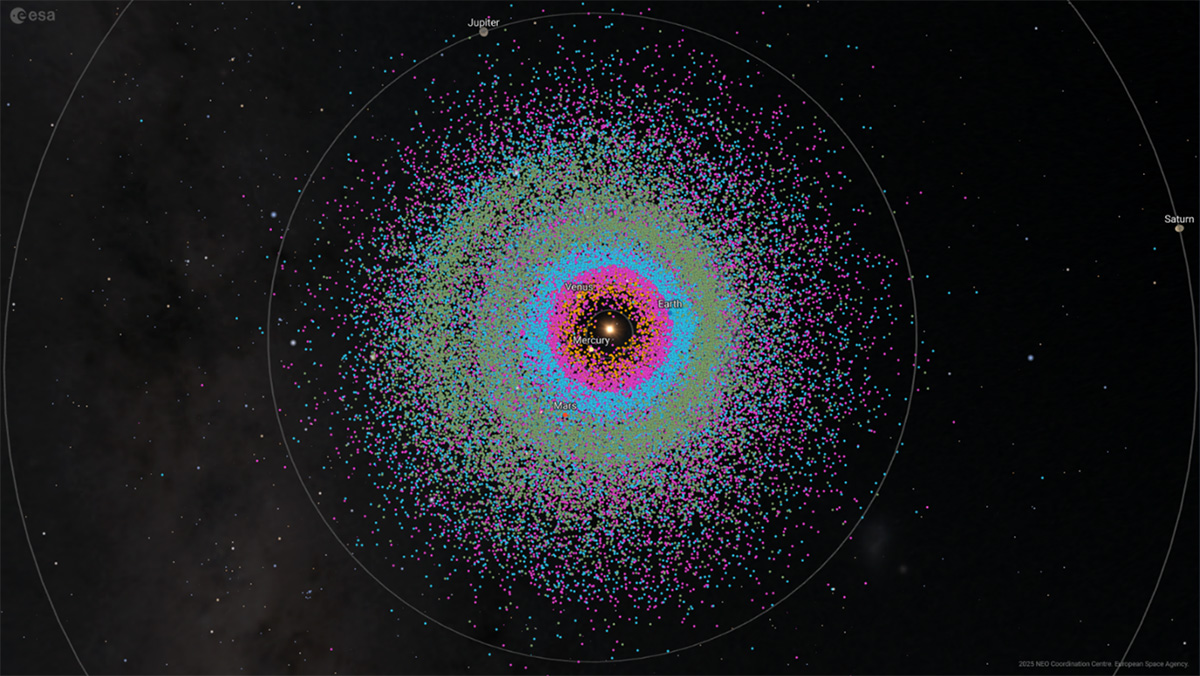
It has demonstrated, the science team say, that bacteria and fungi can ‘biomine’ platinum-group elements from asteroid material in microgravity – evidence that living systems could help astronauts harvest resources directly in space.
Conducted as part of the BioAsteroid project, the trial used two microorganisms – the bacterium Sphingomonas desiccabilis and the fungus Penicillium simplicissimum – to extract metals from L-chondrite asteroidal material.
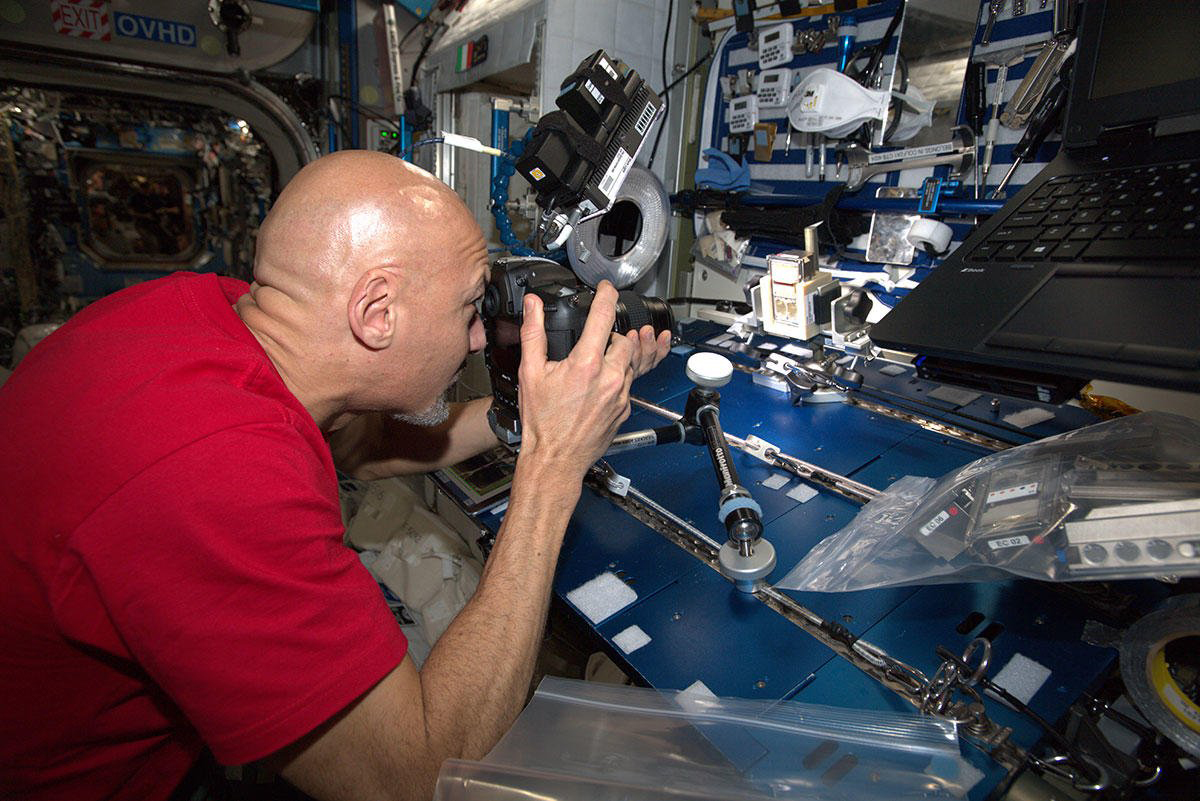
"This is probably the first experiment of its kind on the ISS, on a meteorite," says Rosa Santomartino, lead author of the study. One of the aims was to understand how different microbes behave in space.
"These are two completely different species, and they will extract different things."
The microbes release metals by producing carboxylic acids, compounds that bind to minerals and dissolve them into solution.
Scientists observed that microgravity altered the microbes’ metabolism, increasing the production of these acids and boosting metal extraction compared with Earth‑gravity controls.
The implications for space exploration are significant. Transporting materials from Earth is costly and impractical for deep-space missions.
Microbial biomining could enable astronauts to obtain essential resources – such as metals for construction or electronics – directly from asteroids or planetary surfaces.

