
On December 24, 2026, a supermoon will rise over the winter night sky, making for a beautiful Christmas Eve spectacle to see in the festive holiday.
This Christmas Eve Supermoon is sure to be one of the most-observed full Moons of the year.
Here we'll go through what makes the 2026 Christmas Eve full Moon so special, why it's 'super' and top tips for observing it.
More on the Moon
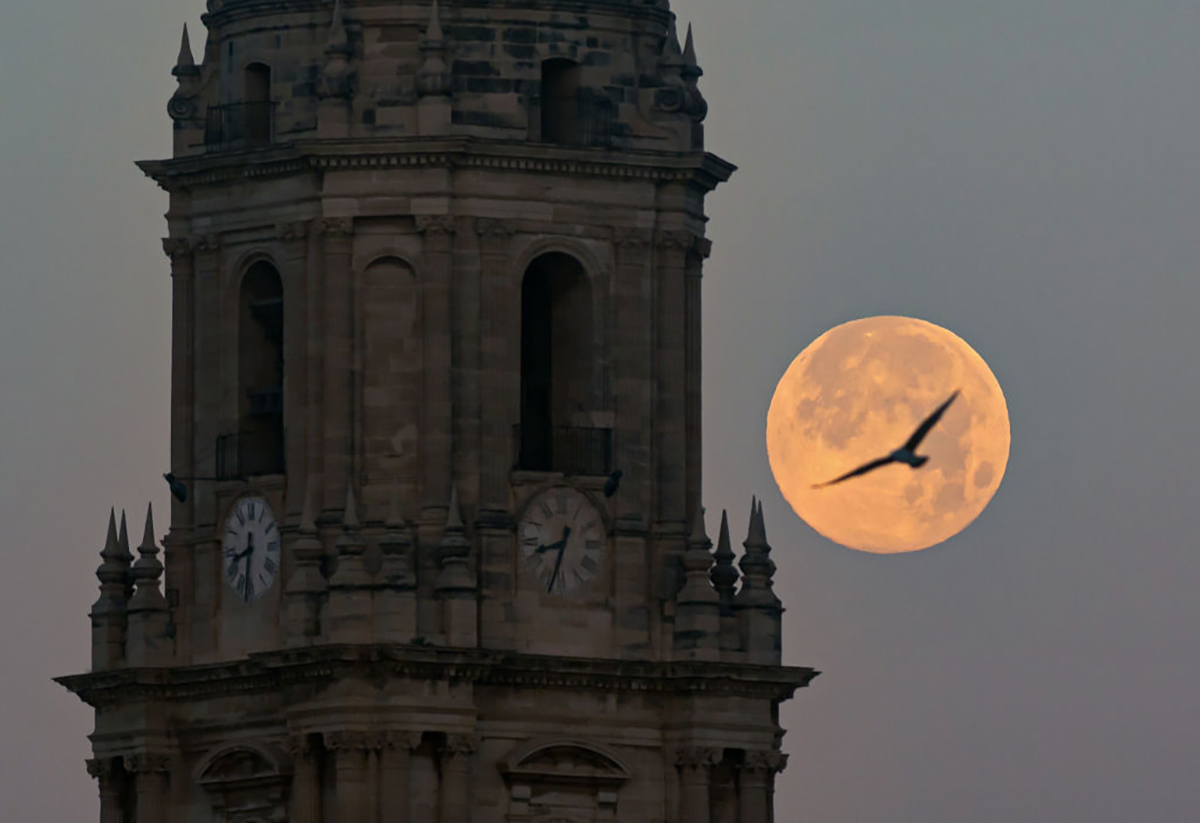
A supermoon for Christmas
While full Moons occur roughly every 29.5 days, a full Moon landing precisely on Christmas Eve is a bit of an astronomical treat.
And this particular full Moon coincides with lunar perigee, which is the moment the Moon reaches its closest orbital distance to Earth.
This happens because the Moon doesn't trace a perfect circle in its orbit around Earth.
Instead, it forms an elliptical (oval-shaped) orbit, meaning sometimes it's closer to Earth than at other times.
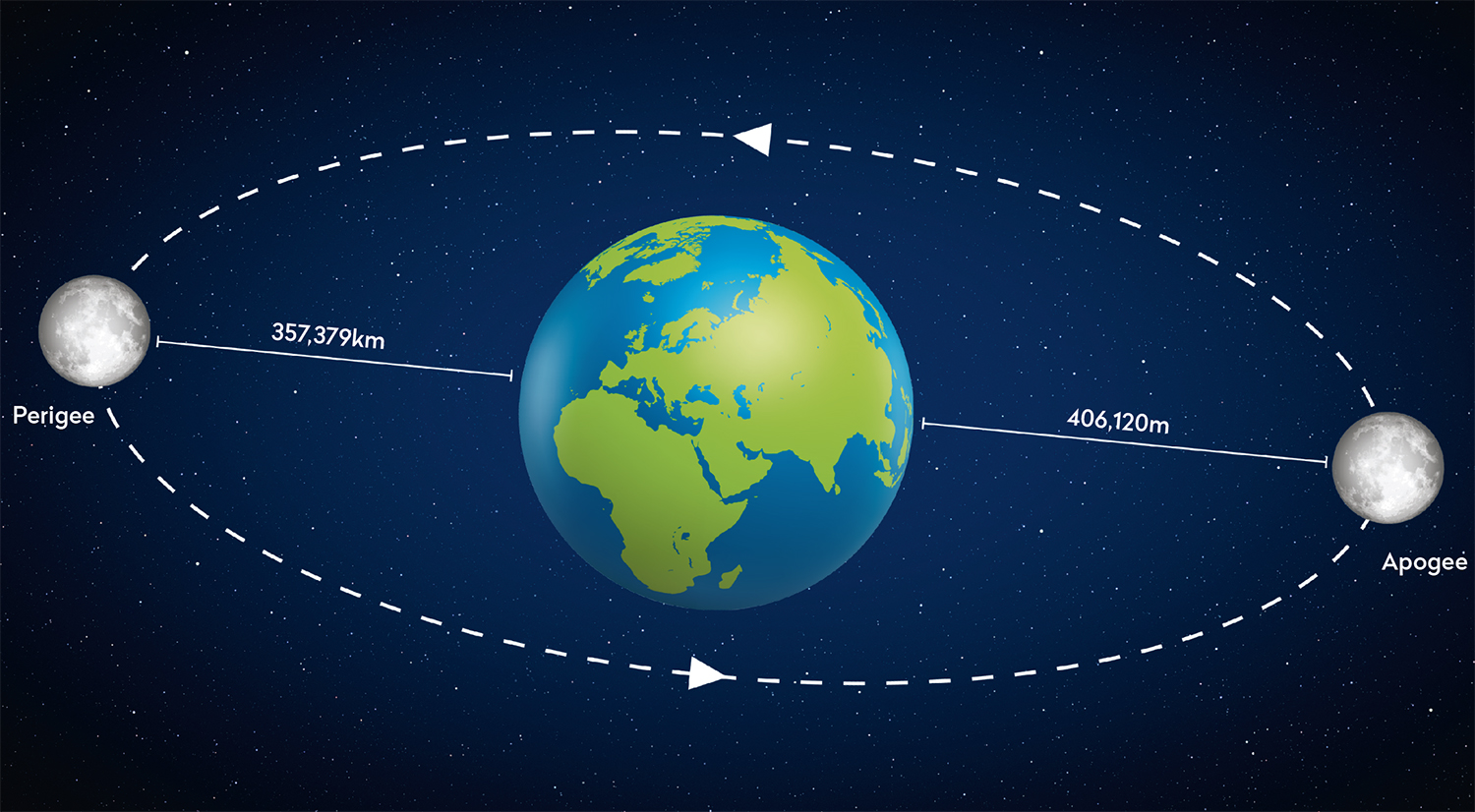
As you might expect, there are astronomical terms for these key moments in the Moon's orbit.
- Apogee: the point in the Moon’s orbit farthest from Earth
- Perigee: the point in the Moon’s orbit closest to Earth
When a full Moon phase falls within 90% of its closest approach to Earth, astronomers refer to it as a perigee full Moon, popularly known as a supermoon.
In December 2026, the full Moon reaches peak illumination on the morning of December 24 at 01:28 UTC (December 23 at 20:28 EST).
And according to astronomer Fred Espenak's supermoon stats table, the December 2026 full Moon will reach its closest point to Earth at 08:30 UTC (04:30 EST) on the morning of December, 24.
That means when the full Moon rises on Christmas Eve, it will be one of the biggest, brightest full Moons of the year – known as a supermoon.
If you happen to be out walking on Christmas Eve, the lunar light from the big, bright full Moon will illuminate the landscape, making for a beautifully festive scene.
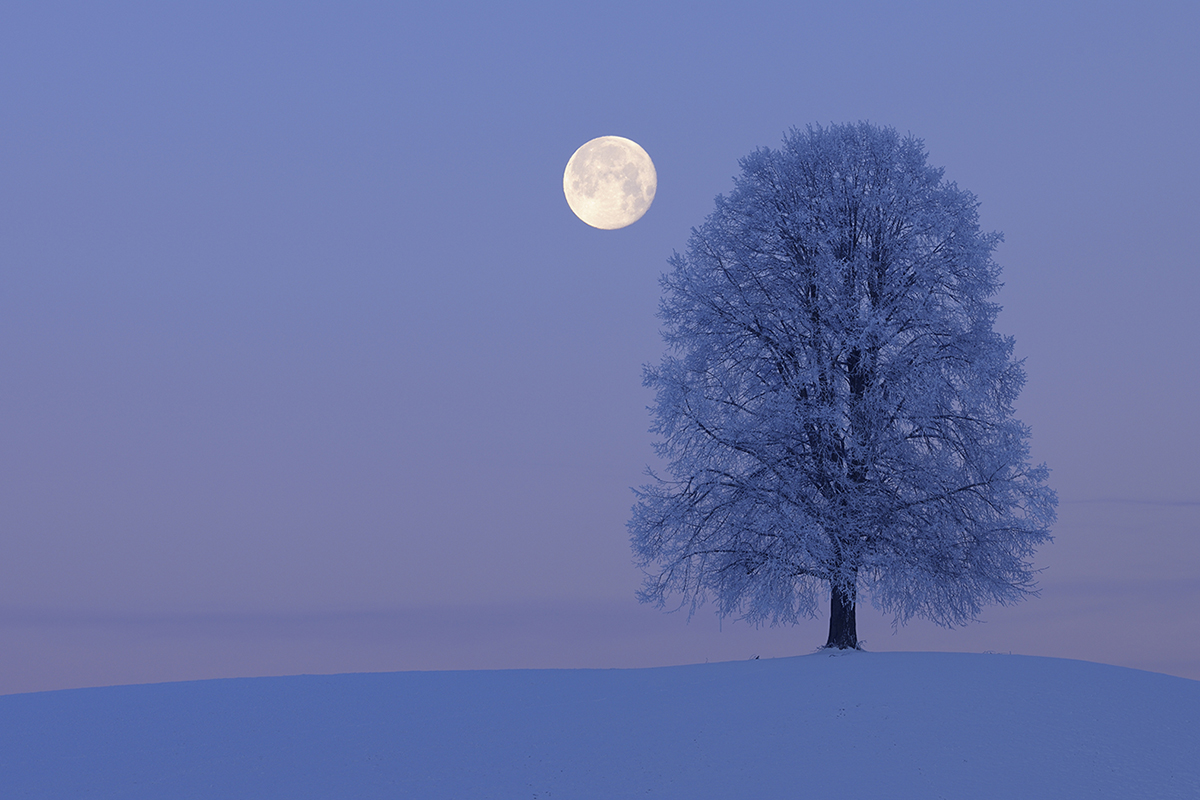
Bigger, brighter – and higher
The December 2026 supermoon won't just be bigger and brighter: it will also climb higher into the night sky than most other full Moons of the year.
This is down to the orbital mechanics of the Earth-Moon-Sun system.
A full Moon occurs when the Moon sits directly opposite the Sun in relation to Earth.
That means the full Moon’s path across the night sky mirrors the Sun's path across our daytime sky six months later.
During the Northern Hemisphere’s winter solstice in late December, Earth is tilted away from the Sun, causing the Sun to trace its lowest daytime path of the entire year.
And because the full Moon is positioned opposite the Sun, it does the opposite of what the Sun is doing.
So while the winter Sun hangs low during the shorter days, the winter full Moon tracks high across the sky during the longer nights.
If you've been frustrated by the low-lying summer full Moons, rest assured that this Christmas Eve 2026 supermoon will rise much higher in the sky.
The Moon illusion
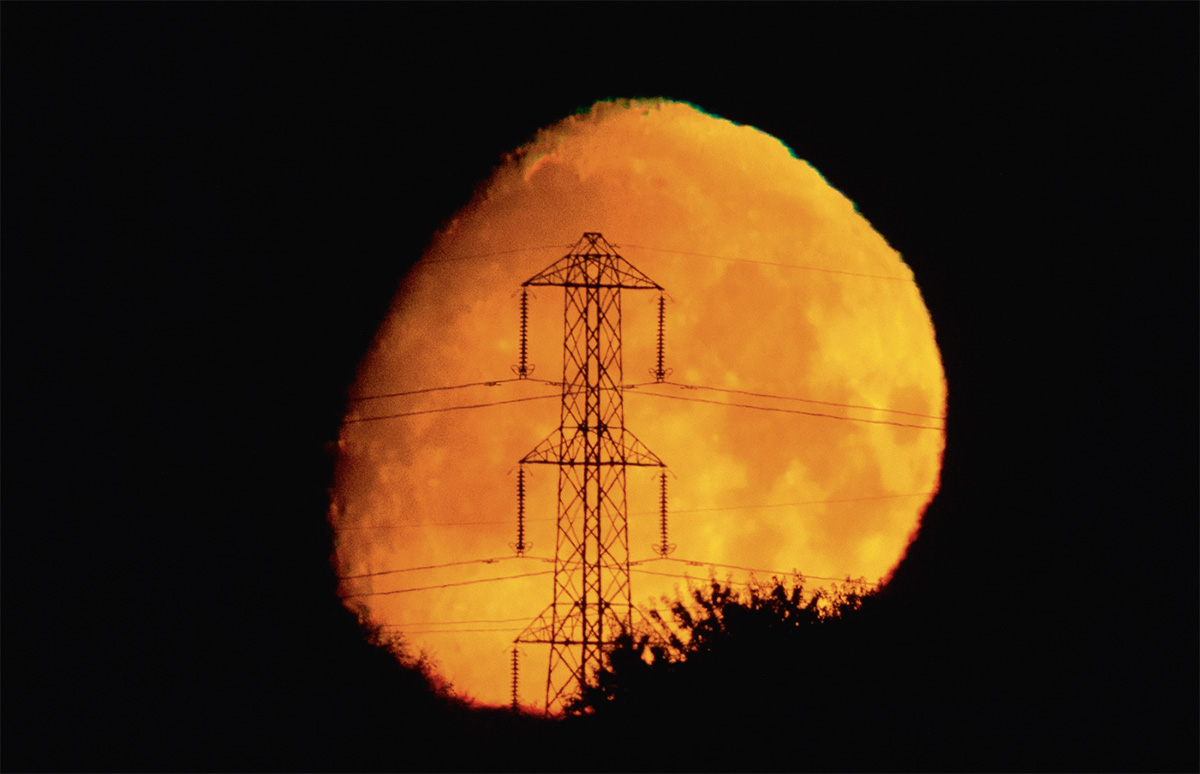
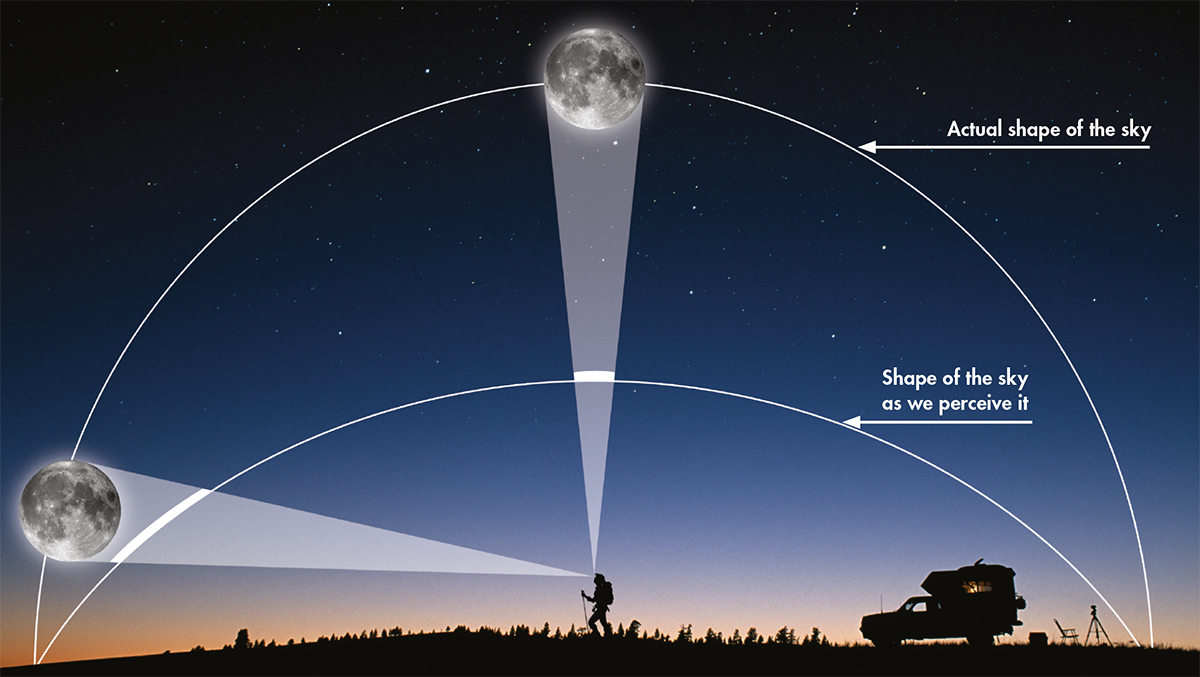
While the supermoon really is physically closer and brighter, there's a well-known optical illusion that could make it appear even bigger.
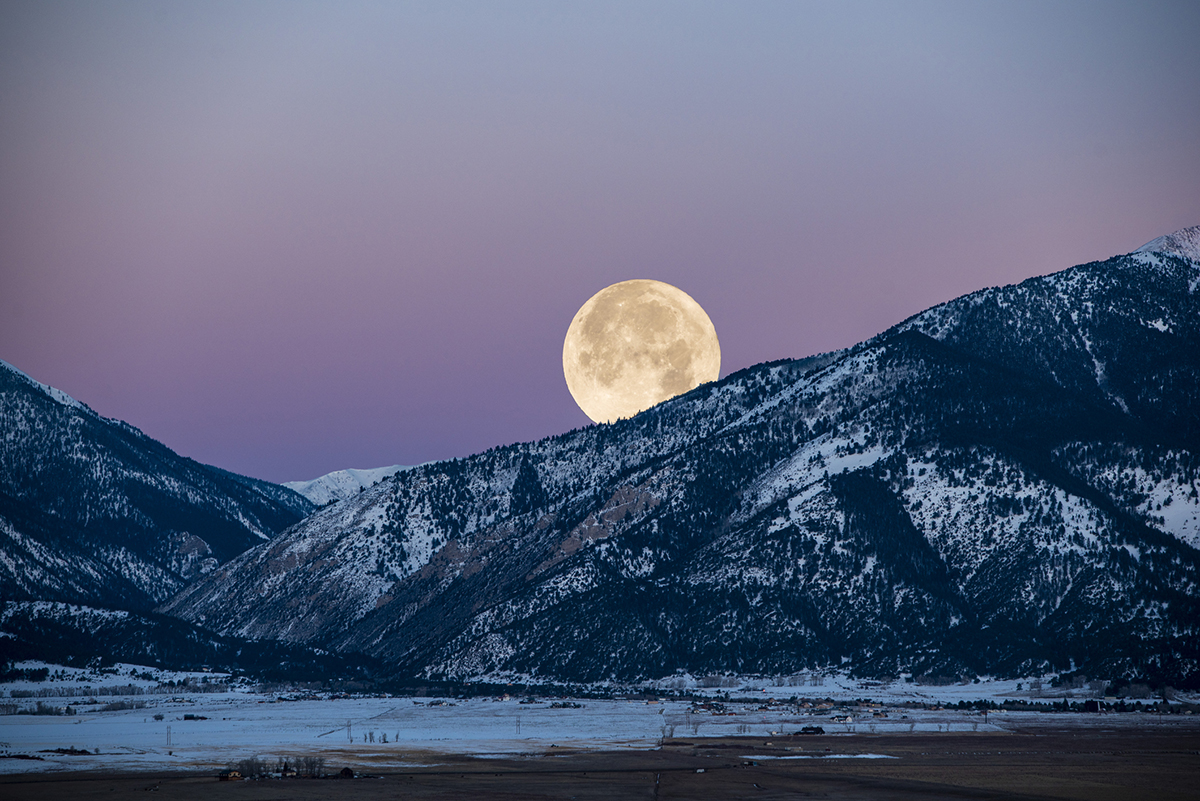
Catch the Moon just as it rises above the horizon and you'll notice it looks enormous.
This is known as the Moon illusion and it's thought it occurs because our brains compare the low-lying full Moon to foreground objects like trees and tall buildings.
This optical illusion makes the rising supermoon look huge to the human eye.
Christmas Eve's Cold Moon
In traditional folklore, every month’s full Moon carries a few informal nicknames that reference key moments or events in nature during the month in question.
December's full Moon is known as the Cold Moon as a reference to the arrival of winter across the Northern Hemisphere.
Other informal names for the December full Moon include the Moon Before Yule, the Oak Moon or the Long Night Moon, the last one referring to December 21 being the longest night of the year in the Northern Hemisphere.
How to see the Christmas Eve Cold Supermoon
A full Moon is a great stargazing sight for beginners and children and, because the Sun sets so early on 24 December, that means the Moon will rise early too.
So while the kids are getting excited for the arrival of Santa, this could be a good way of tiring them out – a Christmas Eve walk to catch the Cold Supermoon rising in the night sky.
You don't need expensive equipment. Full Moons are best seen with the naked eye, but even a modest pair of binoculars will give you a closer view.
Kids will be amazed how much of the Moon's surface you can see through a pair of binoculars.

One key thing to remember is that the full Moon always mirrors the Sun. So while the Sun is setting in the west, the Christmas Eve full Moon will be rising in the east.
It will then rise high and track across the southern portion of the sky before setting in the west around sunrise.
Indeed, if you happen to be woken up much too early on Christmas morning, catching the full Moon setting in the west could be a beautiful sight to enjoy over the first cup of coffee of the day.
Our key tips for making the most of the 2026 Christmas Eve supermoon are:
Step outside roughly 20 to 30 minutes after sunset on December 24.
Look toward the eastern horizon. Seeing a full Moon rise is an beautiful experience.
While the bright glare of the full Moon will make surrounding stars harder to see, you should be able to see two bright stars beside the Moon. These are Castor and Pollux, the twin stars of Gemini.
You'll also be able to see the familiar sight of the constellation Orion rising in the southeast.
If you do take a closer look at the full Moon, look for dark grey patches on the lunar surface (although they may be tricky to see while the face of the Moon is fully illuminated).
These are maria (Latin for 'seas'), which are plains of solidified basaltic lava formed by volcanic eruptions on the Moon billions of years ago.
If you have binoculars, see if you can spot bright craters Tycho and Copernicus, as well as the bright ray systems spreading out from impact sites across the surface of the Moon.
Share your stories and photos of the 2026 Christmas Eve supermoon by emailing contactus@skyatnightmagazine.com

