
The scientists who helped find one of the most intriguing features of Jupiter’s moon Europa – giant plumes of water vapour erupting from its surface – are now less convinced of their 2014 discovery.
Researchers at the Southwest Research Institute in San Antonio, Texas, reviewed 14 years of observations and concluded that many detections of Europa’s plumes can be explained by other phenomena.
Europa has long fascinated scientists because of the global ocean believed to exist beneath its frozen crust.
Since 2012, several studies using the Hubble Space Telescope have reported possible water vapour rising hundreds of kilometres above the surface.
Read more
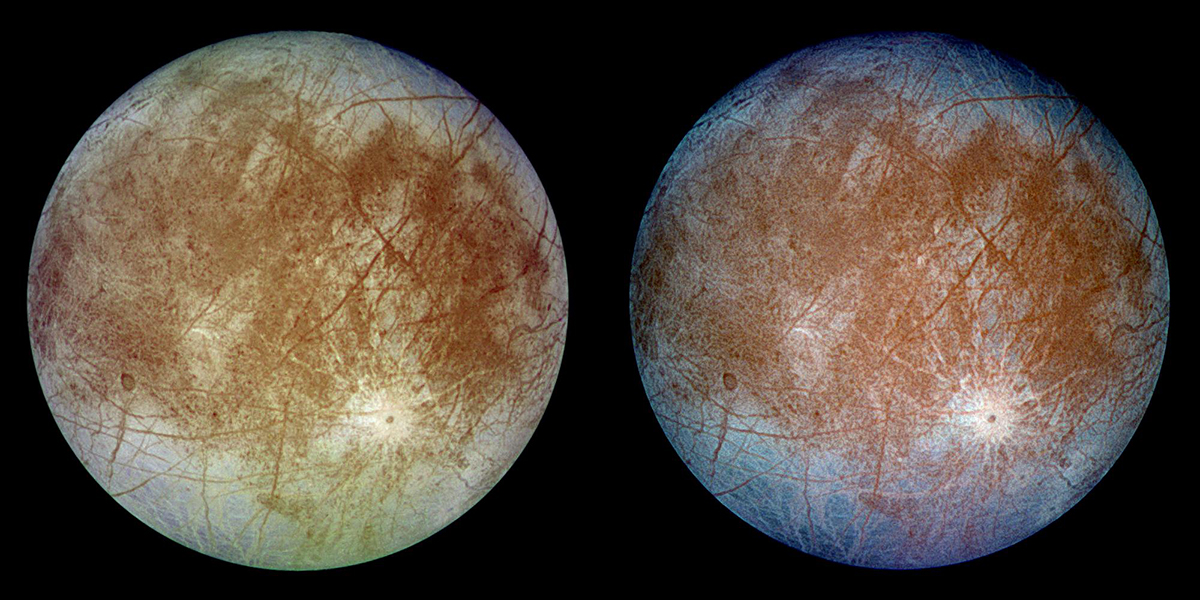
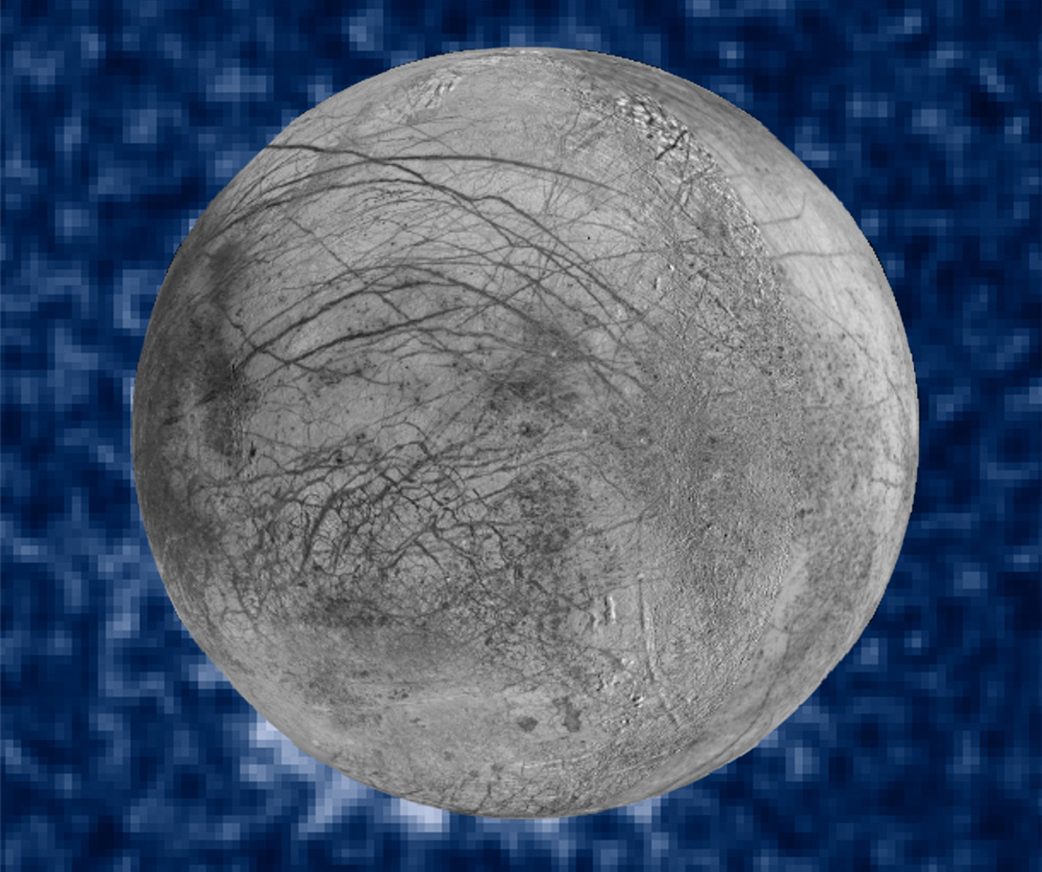
It was thought such plumes could provide a direct window into the moon’s subsurface ocean.
Similar plumes at Saturn's moon Enceladus were investigated by NASA's Cassini spacecraft during its mission, revealing organic molecules – the key ingredients of life – were present in Enceladus's subsurface ocean.
It's hoped that similar explorations by spacecraft at Europa could prove just as fruitful.
However, this new study found that many of the observations of Europa's suspected plumes are difficult to reproduce and often rely on indirect measurements.
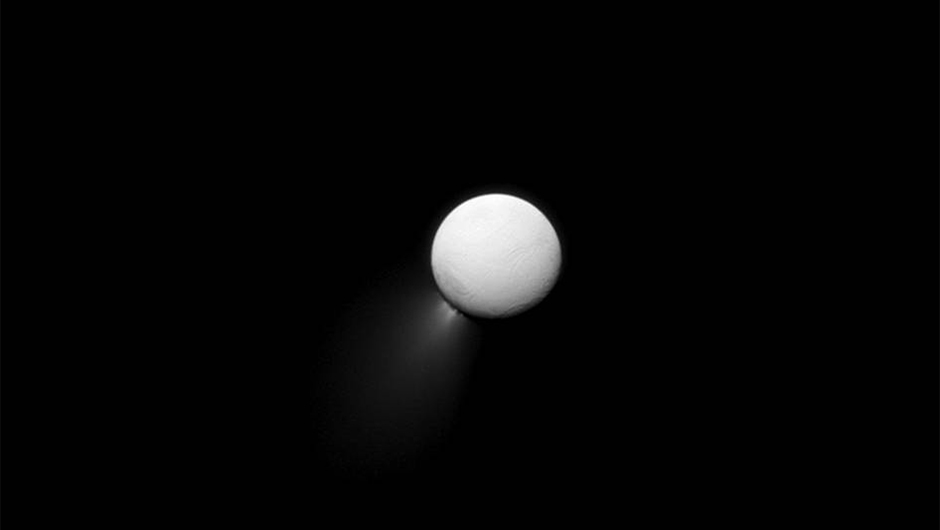
The researchers argue alternative explanations such as charged-particle interactions, observational limitations and data-processing effects may account for several plume detections.
The study does not rule out the possibility that plumes exist. Instead, it suggests that they may be less frequent, smaller or more difficult to detect than previously assumed.
NASA’s Europa Clipper, which launched in 2024, could provide the definitive test when it arrives in the Jovian system in 2030 to make the most detailed examination yet of whether water from Europa’s hidden ocean is escaping into space.

