The Harvest Moon is a sure sign that autumn is here, ushering in the darker nights and a new season of stargazing.
Autumn means we get to see celestial objects in the earlier in the evening and later in the morning.
If you're a casual stargazer, it's probably the time when you're most looking up at the night sky.
In 2026, the Harvest Moon rises on 26 September and will be joined by Saturn. Here we'll reveal what it is and how to see it.
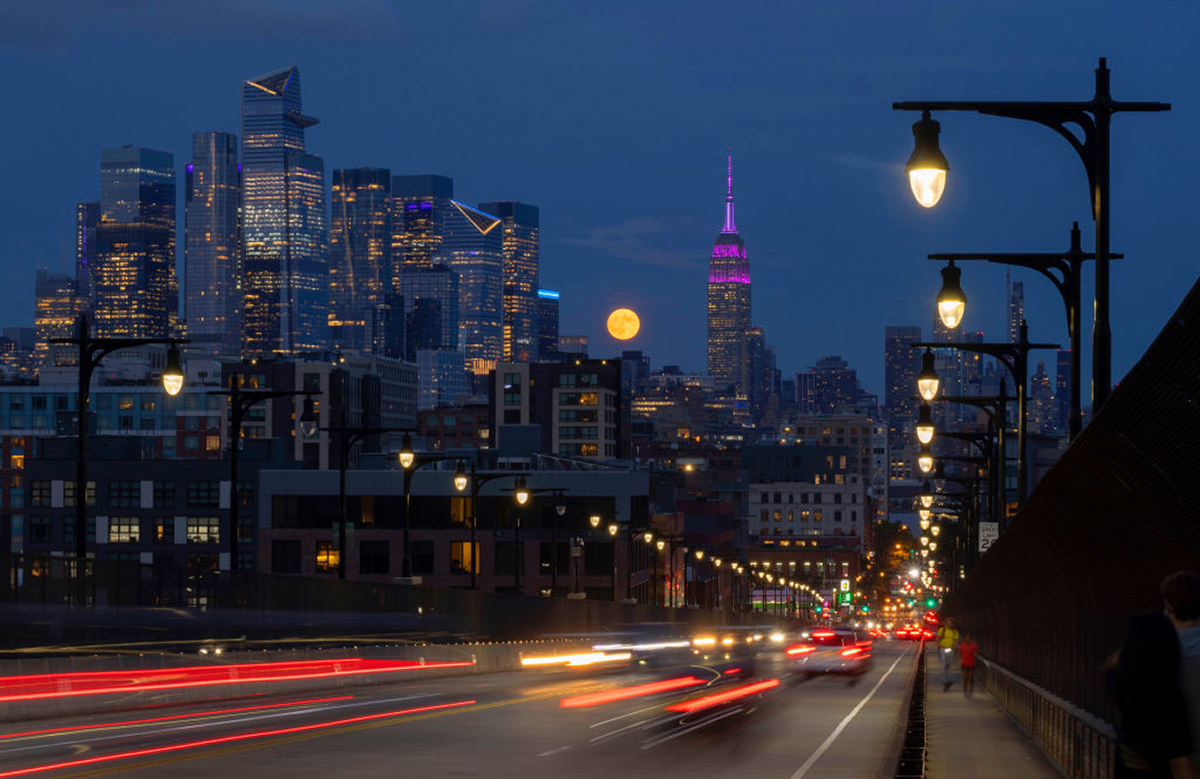
At a glance
The Harvest Moon is simply a full Moon, but it's the name given to the one that's closest in date to the first day of autumn, known as the autumn equinox.
In 2026, the Harvest Moon will rise on 26 September around sunset. The last one occurred on 7 October 2025.
The 2024 Harvest Moon occurred on 18 September 2024, and it was also a supermoon and partial lunar eclipse. You can see images of the Super Harvest Moon eclipse here.
It was also the second of 4 supermoons in a row at the end of 2024.
The 2023 Harvest Moon occurred on 29 September 2023.
In this guide we'll explore how to see the Harvest Moon, heralding the return of autumn.
If you want to capture the event, read our guide on how to photograph the Harvest Moon.
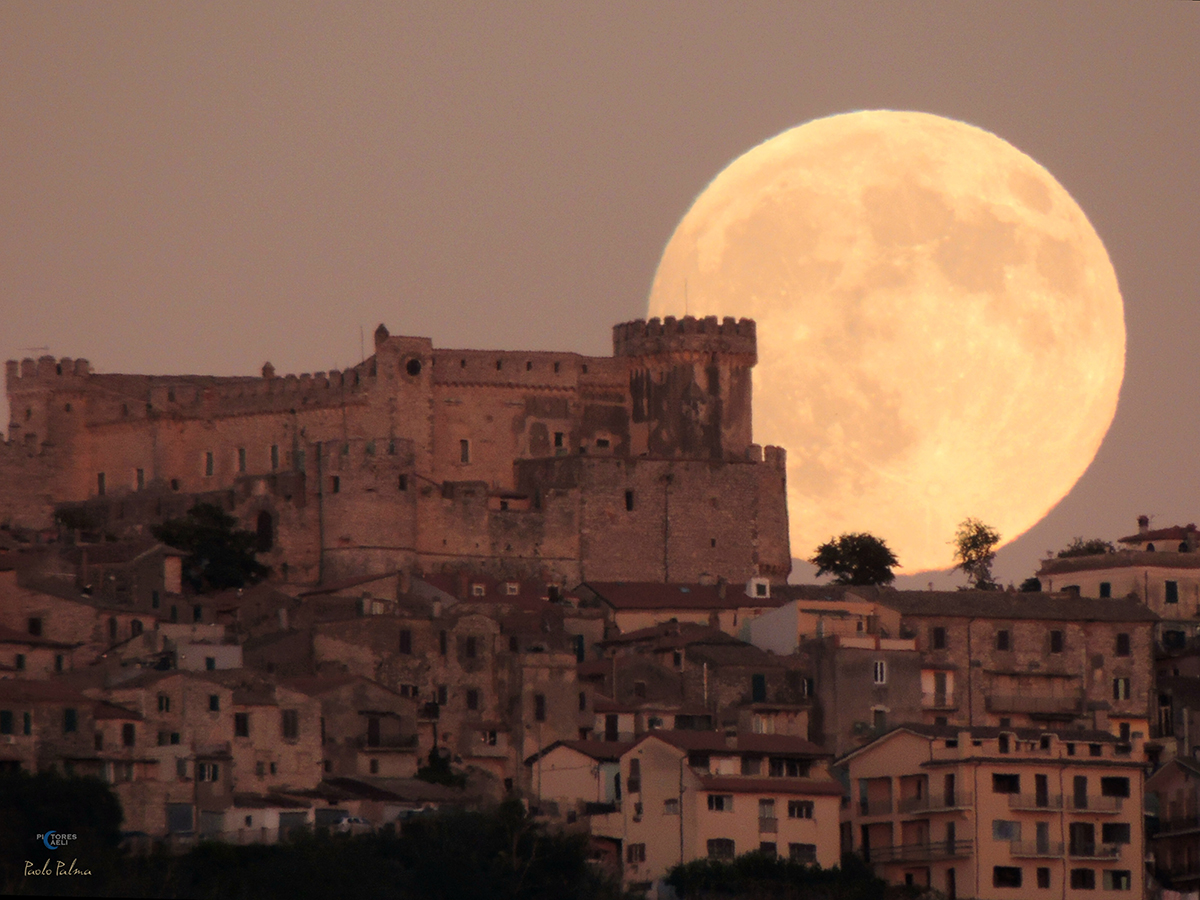
Origins of the name
A Harvest Moon’s proximity to the September equinox means that the moonrise times for the evenings around the full phase are virtually the same.
As a result, the difference in rise times of the full Moon from one evening to the next around the date of Harvest Moon is the smallest for the year.
This means the bright, fuller lunar phases appear at approximately similar times. Traditionally, that meant a reliable night-time light to help bring in the harvest.
Indeed, it was the abundance of bright early-evening moonlight on those consecutive days that traditionally lit the fields for collecting the crops.
The Harvest Moon meets Saturn
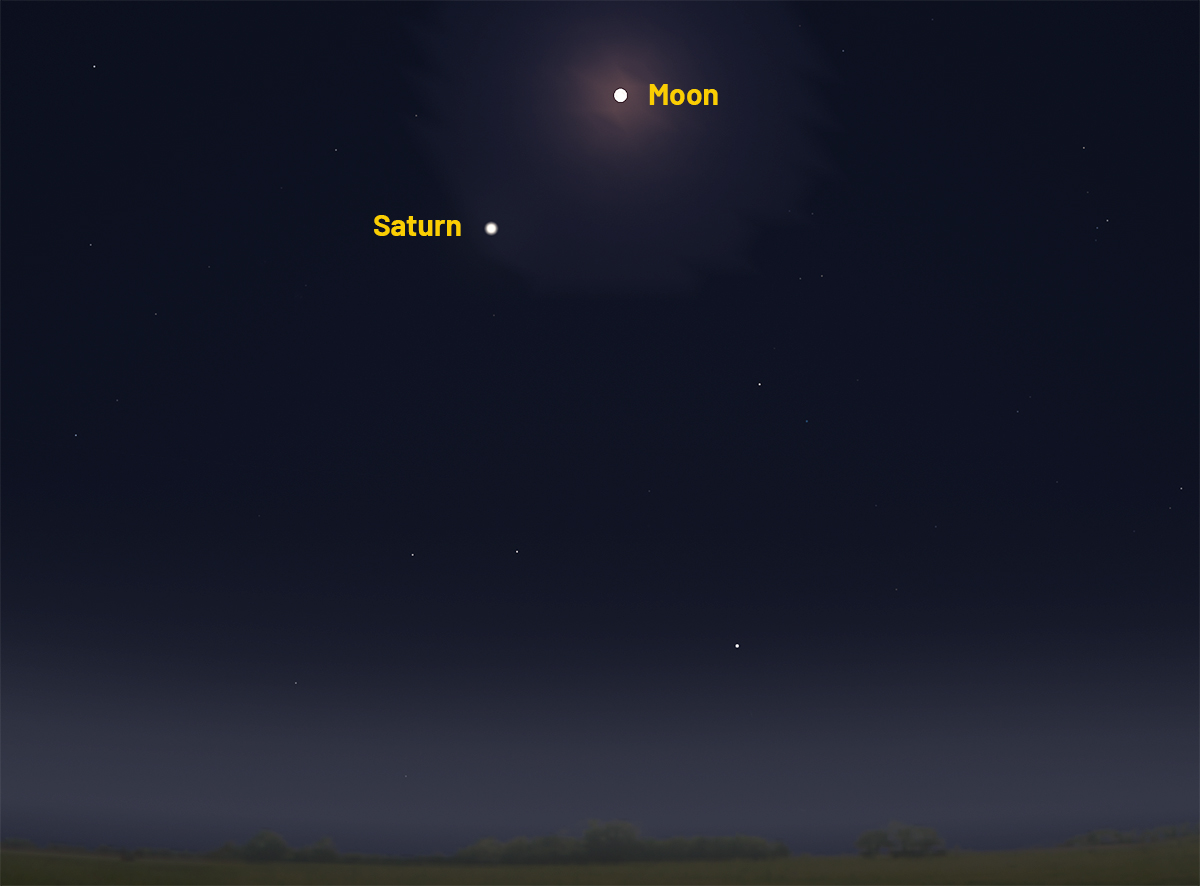
The Harvest Moon of 2026 will be joined by Saturn in the evening sky.
On 26 September, look to the east around sunset and you'll see the Harvest Moon rising above the horizon.
Roughly an hour or so later, the planet Saturn will appear like a bright 'star' below and to the left of the Moon.
The pair will then journey together across the southern portion of the sky, setting in the west around sunrise the following morning.
On 27 September, look again to the east and you'll see the Harvest Moon and Saturn rising together around sunset.
This time, however, the Moon is now to the left of Saturn. Again, the pair will accompany each other across the southern portion of the sky, setting in the west around sunrise the following morning.
Measure the Harvest Moon
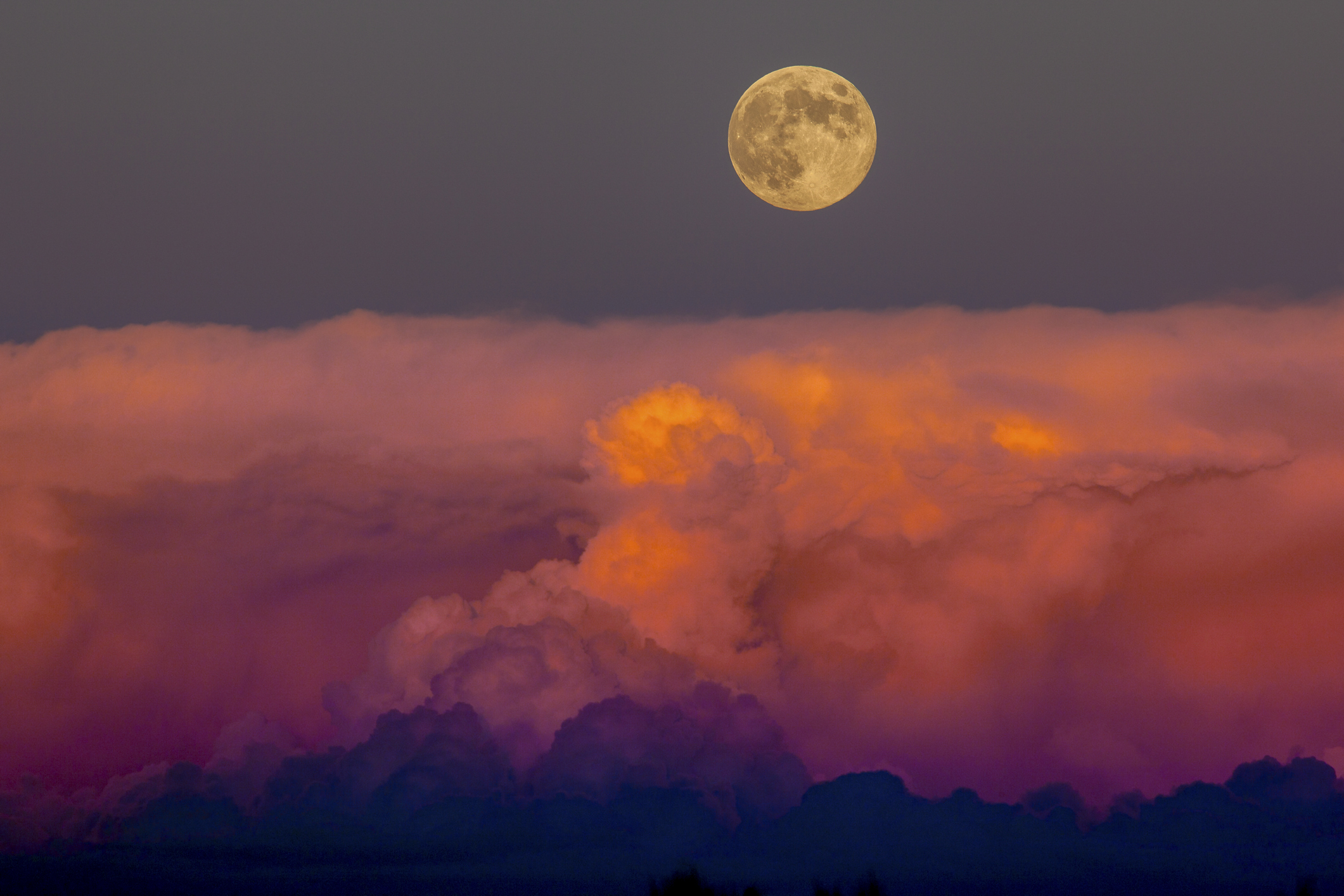
Waiting for the fuller phases of the Moon to rise is a great way to experience the visual effect of the Moon illusion.
This well-known optical effect makes these phases appear enormous when close to the horizon.
You can also observe the next full Moon after the Harvest Moon and you should see a similar pattern in rise times for its fuller phases.
The period close to the March equinox represents the opposite situation, with the difference between successive moonrises for the fuller phases of the Moon being the largest of the year.
A good experiment is to make a note of the rise times from the date of the full Moon onwards and calculate the difference.
Try to remember to do this next March too, when the difference is greatest.
Is it bigger?
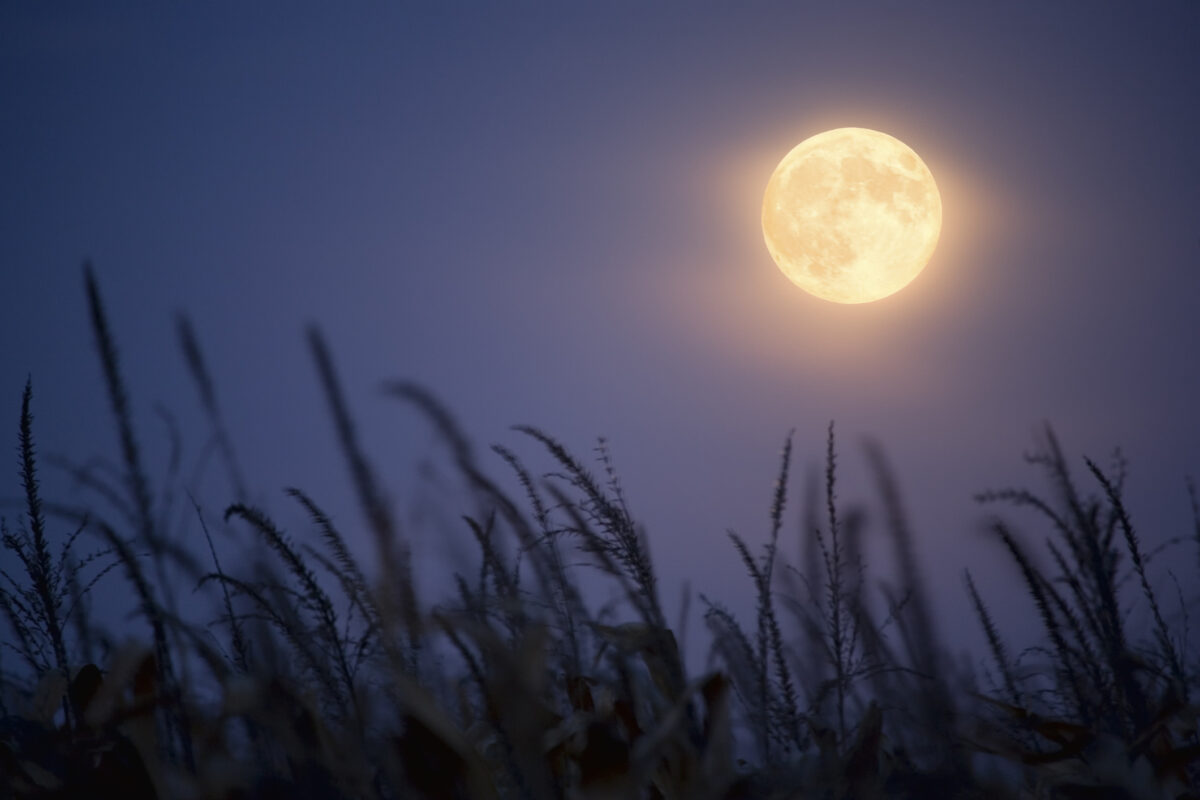
Some believe the Harvest Moon is much bigger or brighter than other full Moons in the year. This isn’t true.
This belief may have come about due to a complex optical illusion that makes the Moon look bigger when it’s lower down near the horizon.
It may appear bigger during a 'supermoon', which is when our natural satellite is closest to Earth in it's orbit, but not every Harvest Moon is a supermoon.
What makes the Harvest Moon special
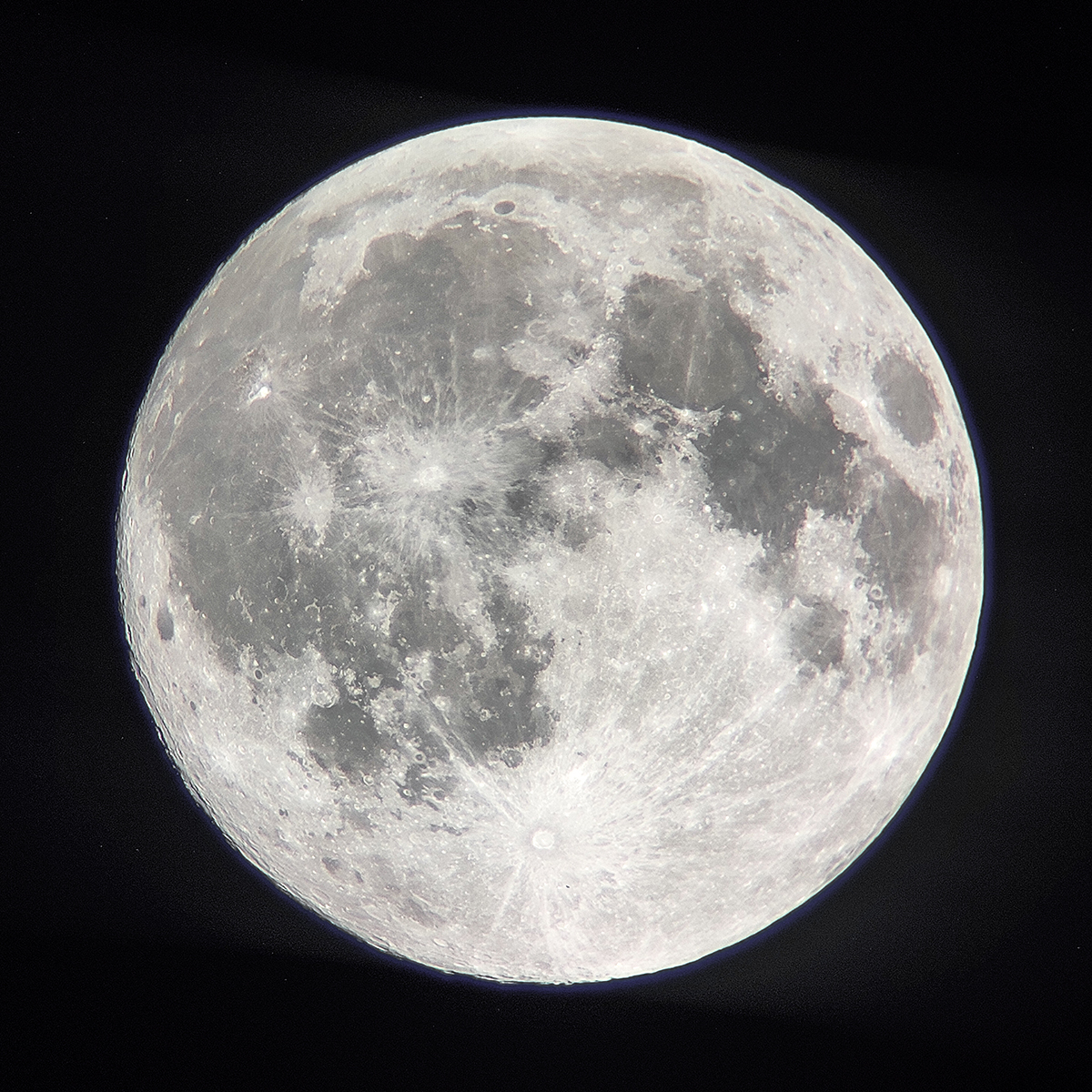
One of the reasons the Harvest Moon is so unique is because the Moon rises at virtually the same time every night during the evenings around the full Moon.
The average rise time difference of Moons throughout the year is 50 minutes.
Around the period of the Harvest Moon, this difference from one night to the next can be as little as 10 minutes.
True to its name, these bright Moons rise at roughly the same time over the course of several evenings, making them perfect for bringing in the crops.
Observing tips
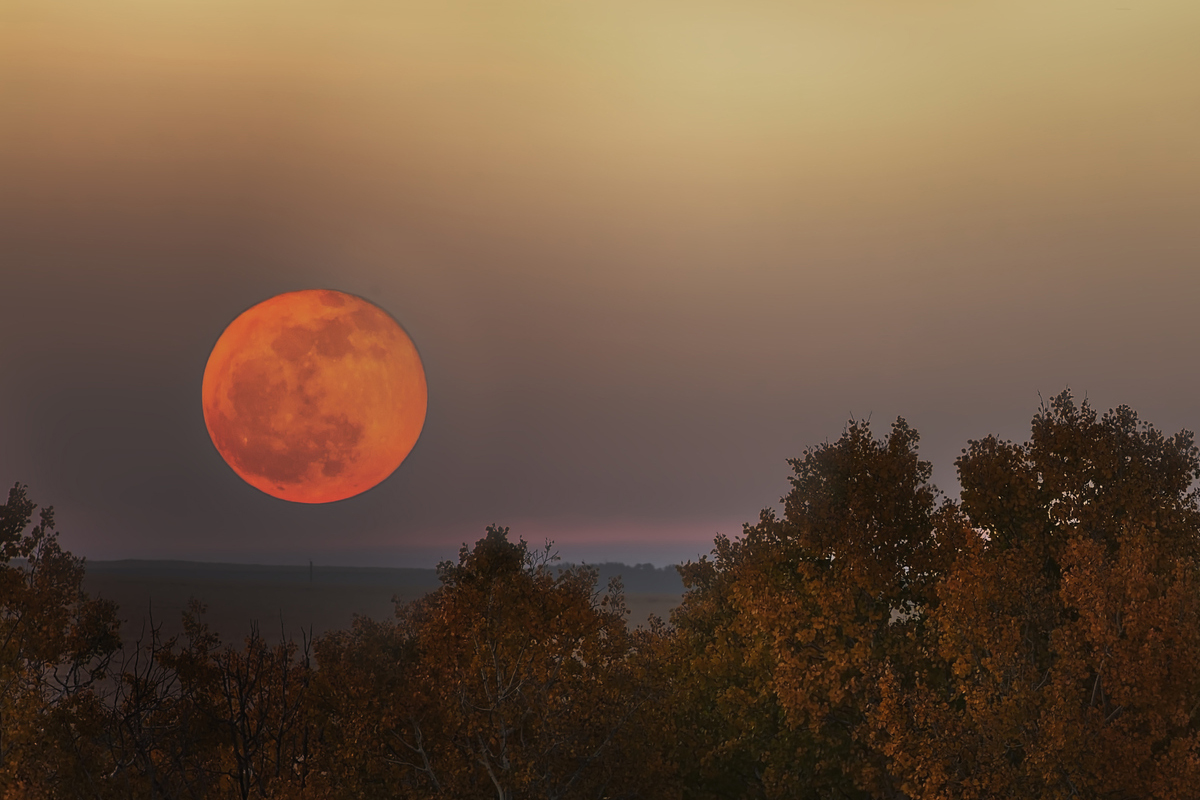
Around the time of year that the Harvest Moon appears, the Sun goes down almost due west, so the full Moon will be rising near to due east.
As it rises, see if it has a wonderful ochre red colour, especially when it’s low on the horizon.
This is an effect of the lunar light being filtered, as it travels through more of the Earth’s atmosphere than when it’s overhead.
Since red light is scattered least by the Earth’s atmosphere, the Moon takes on this lovely red colour.
You may have heard news of a study that found the Moon is rusting, but this isn't why it appears orange.
Find out more about this in our guide on why the Moon sometimes looks orange.
The lower and less built-up your horizon, the better your chance of seeing the Harvest Moon rising in all of its glory.
It's a fantastic sight that heralds the start of autumn and is a reminder that colder, darker – and, more stargazing-friendly evenings – are upon us.
If you manage to capture an amazing image of the Moon, don't forget to send us your images or share them with us via Facebook, Twitter and Instagram.