
The Hunter's Moon rises this weekend!
Well, technically the Hunter's Moon doesn't rise until Sunday evening, 25 October, but by Saturday night the Moon will look full, giving us the chance to enjoy a weekend full Moon just as the evenings are really beginning to draw in.
Here, we'll reveal top tips for how to see the Hunter's Moon rise, track across the sky and set below the horizon.
Then we'll reveal some of the best reasons to get out and look up at the Hunter's Moon this weekend – including seeing it close to Saturn in the evening sky.
More on the full Moon
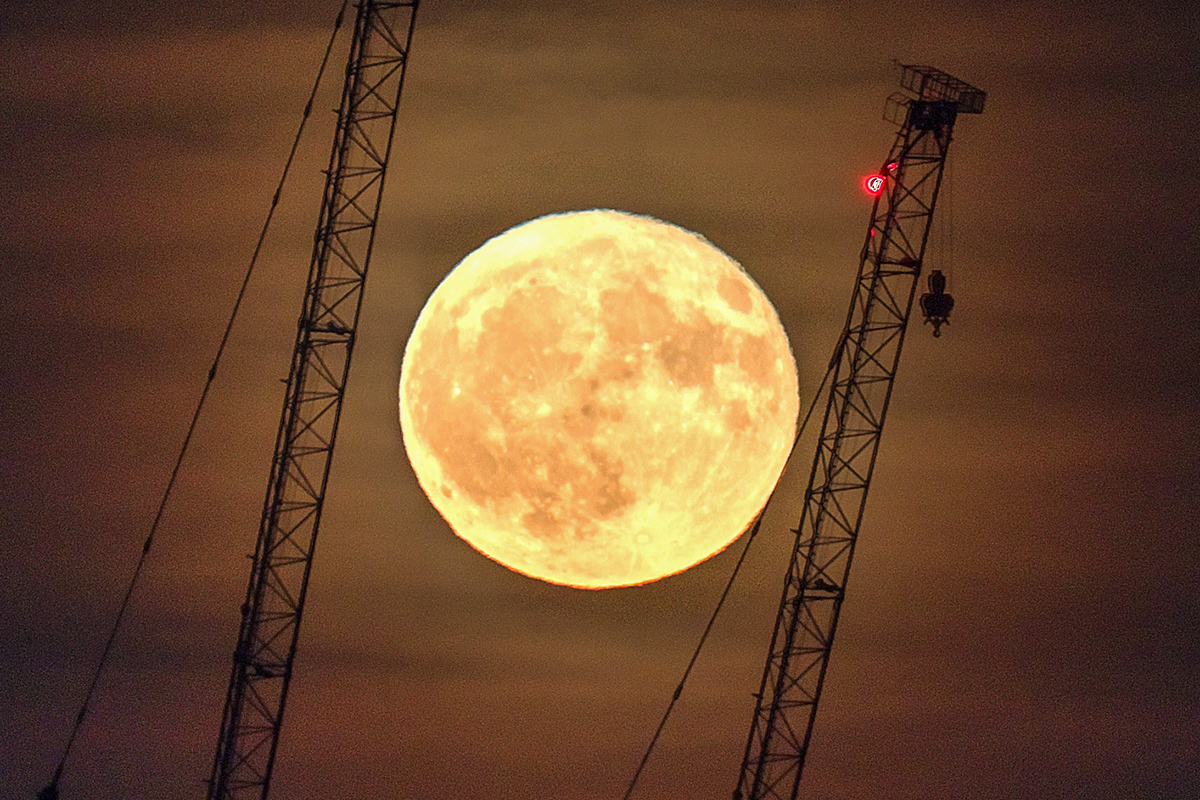
How to see the Hunter's Moon 2026
Just want to know where to look and when? Here's our quick guide for beginners:
- Sunset: Look to the east or southeast, depending on where you're viewing from. A clear horizon will enable you to see it rise
- Late evening/midnight: Look to the south if you're in the Northern Hemisphere. If you're in the Southern Hemisphere, look north
- Sunrise: Look to the west before dawn to see the setting full Moon low on the horizon
You'll need cloudless skies, but won't need to worry about light pollution too much.
A full Moon is more than bright enough to be seen from a big city. However, observing from a built-up location may mean you won't get to see it rise or set.
It's a weekend Moon

As stated above, the Hunter's Moon doesn't technically rise until Sunday evening, 25 October, as that's the date when the Moon is actually full.
But just 24 hours before on Saturday, the Moon will still effectively look full, meaning before dawn on Saturday morning and after sunset on Saturday evening, we'll be able to see a big, bright Moon in the evening sky.
That means if you're lucky enough to have the weekend off work – or want to let the kids stay up a bit later on Saturday night – there are multiple opportunities to see the Hunter's Moon and bask in its glory.
It's close to Saturn on Saturday night
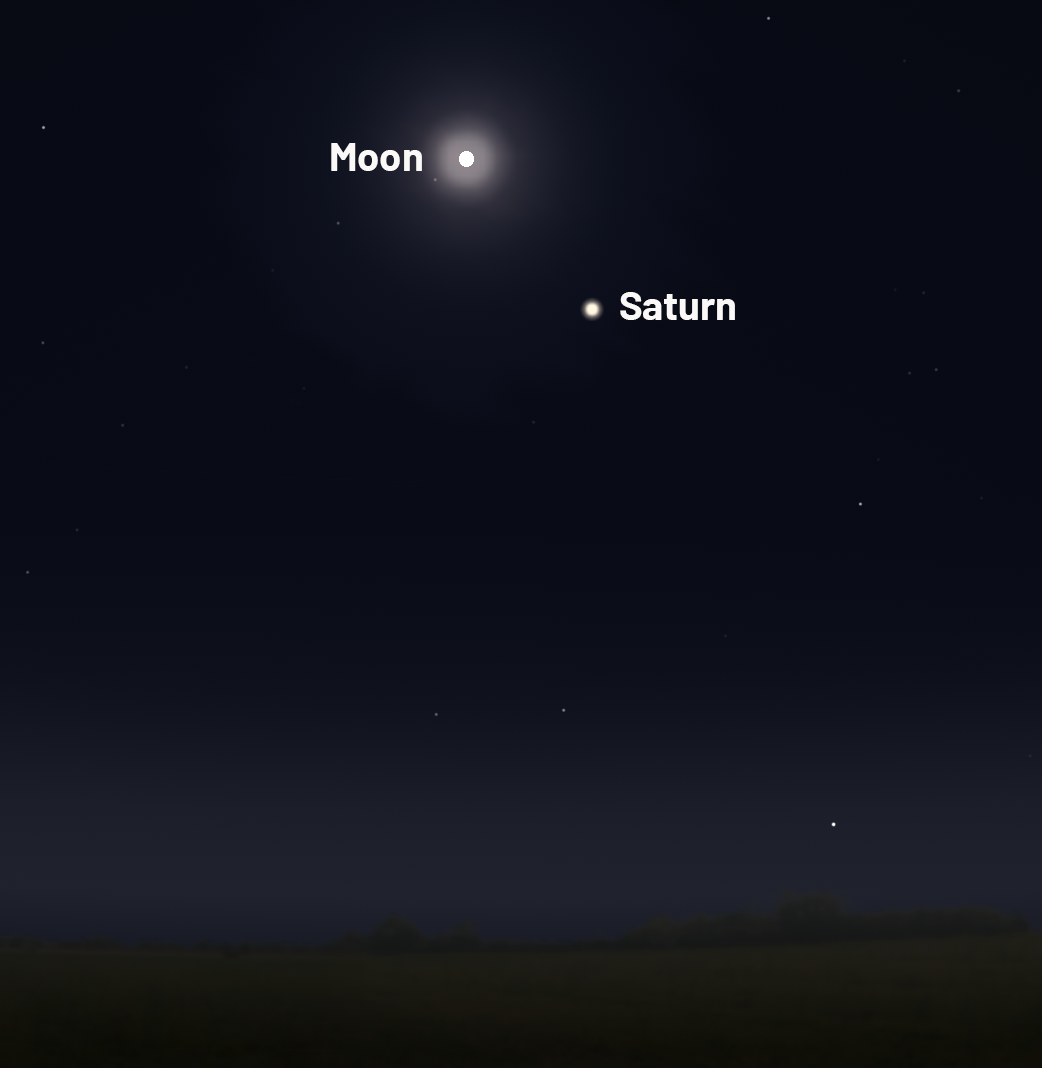
If you do catch a glimpse of the full Moon on Saturday night, you'll notice a bright star to the Moon's right and slightly below, depending on when you look and where you're viewing from.
That 'star' is Saturn, and it's close to the full Moon because Saturn has just recently been at opposition.
Opposition refers to when a planet is on the opposite side of Earth from the Sun and, because a full Moon is also opposite the Sun in the sky, the Hunter's Moon and Saturn share the same patch of sky after sunset.
The high-rising autumn Moons are back!
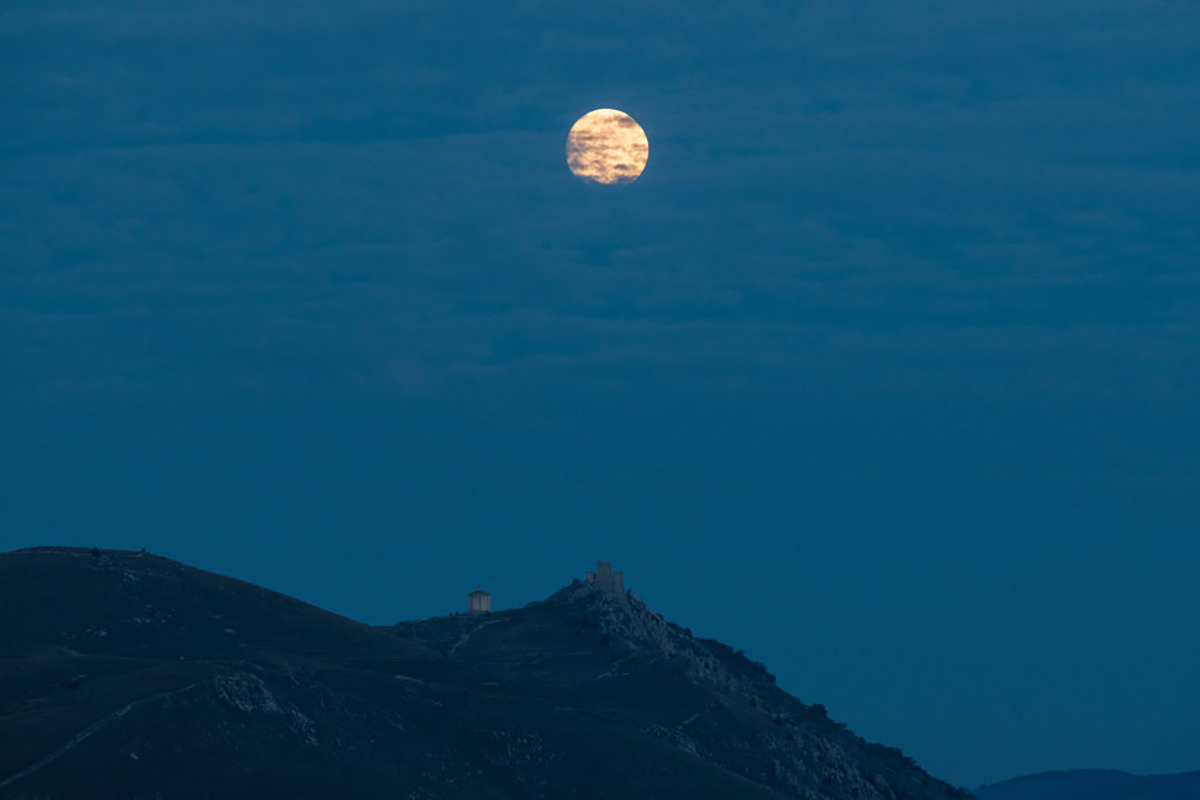
Because the full Moon is opposite the Sun, it mirrors the apparent path the Sun takes across the sky.
That means that, in summer, when the Sun rises high in the sky throughout the day, the full Moon stays relatively low throughout the night.
Conversely, in the darker months like during autumn when the Sun remains lower during the day, the full Moon rises higher throughout the night.
By late October, we're well into autumn and so we're starting to see the return of high-rising full Moons to our night sky.
That makes them easier to see – especially for those of us who live in built-up cities – and means we can enjoy them for longer.
You can see the Hunter's Moon in the morning
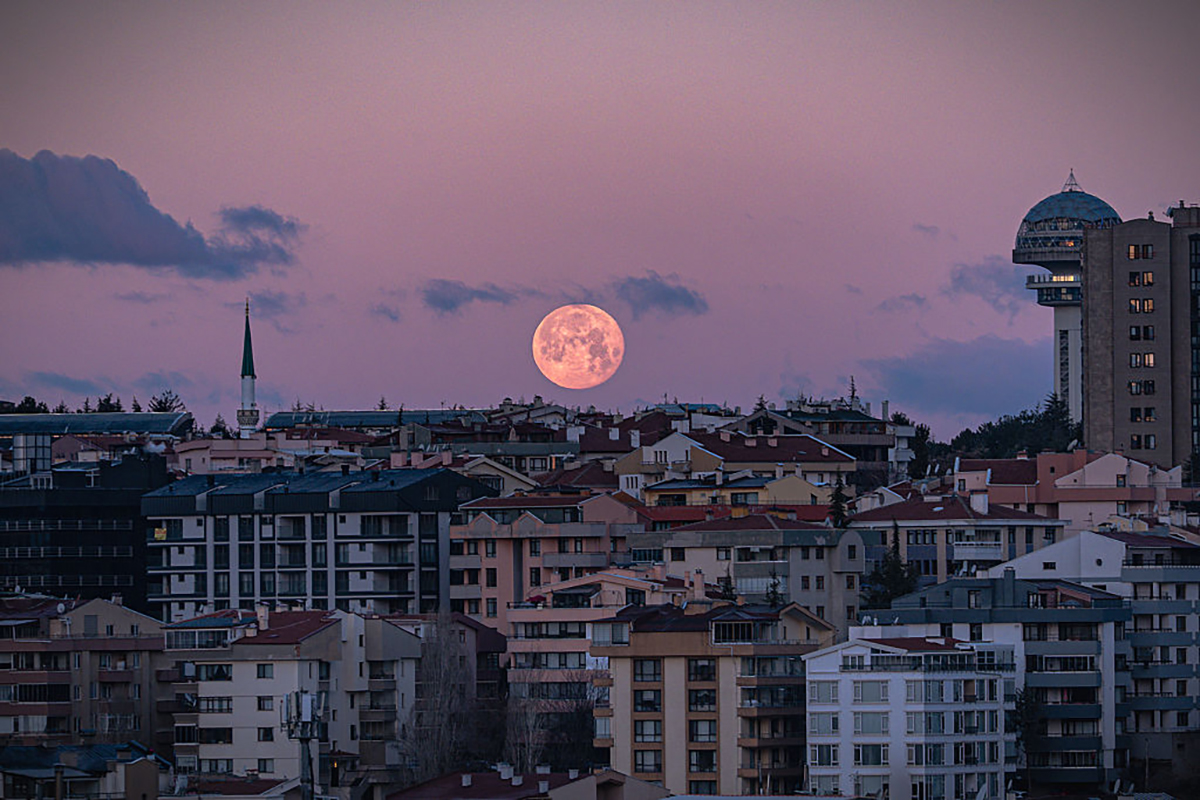
Autumn full Moons benefit from the fact that the Sun sets much earlier at night and rises much later in the morning.
That's because they rise in the east at sunset and set in the west around sunrise.
And because sunrise is much later than it was at the peak of summer, you don't have to get up too early to see the full Moon set in the morning.
This weekend, find yourself a clear western view and make a plan to get there before sunrise with a flask of something hot, then watch the Hunter's Moon sink below the horizon.
It's a good chance to see a strange illusion

If you do manage to see the Hunter's Moon rise in the east or set in the west, you may notice that it looks much bigger than normal at the point when it's low down, just above the horizon.
This is a well-known phenomenon called the Moon illusion, which occurs when a full Moon is low in the sky.
That's all the more reason to make the effort to see the full Moon rise or set this weekend.
The Hunter's Moon is the last full Moon before the supermoons

The Moon orbits Earth in an elliptical – slightly oval-shaped – orbit, which means sometimes it's closer to Earth than other times.
We are currently approaching the time when the Moon is closest to Earth, and as a result of this, in November, December and January we're going to get 'perigee' full Moons, perigee referring to the point when the Moon is closest to Earth in its orbit.
Perigee full Moons are often known as supermoons because, technically, they appear bigger and brighter than full Moons that occur when the Moon is furthest from Earth in its orbit (known as apogee).
The Hunter's Moon is not technically a supermoon, even though it's closer to Earth than most other full Moons this year, but a series of supermoons is on its way.
We're particularly excited about the Christmas Eve supermoon in 2026, which will be a beautiful sight to see in the festive season.
Share your observations and images of the Hunter's Moon 2026 by emailing contactus@skyatnightmagazine.com

