
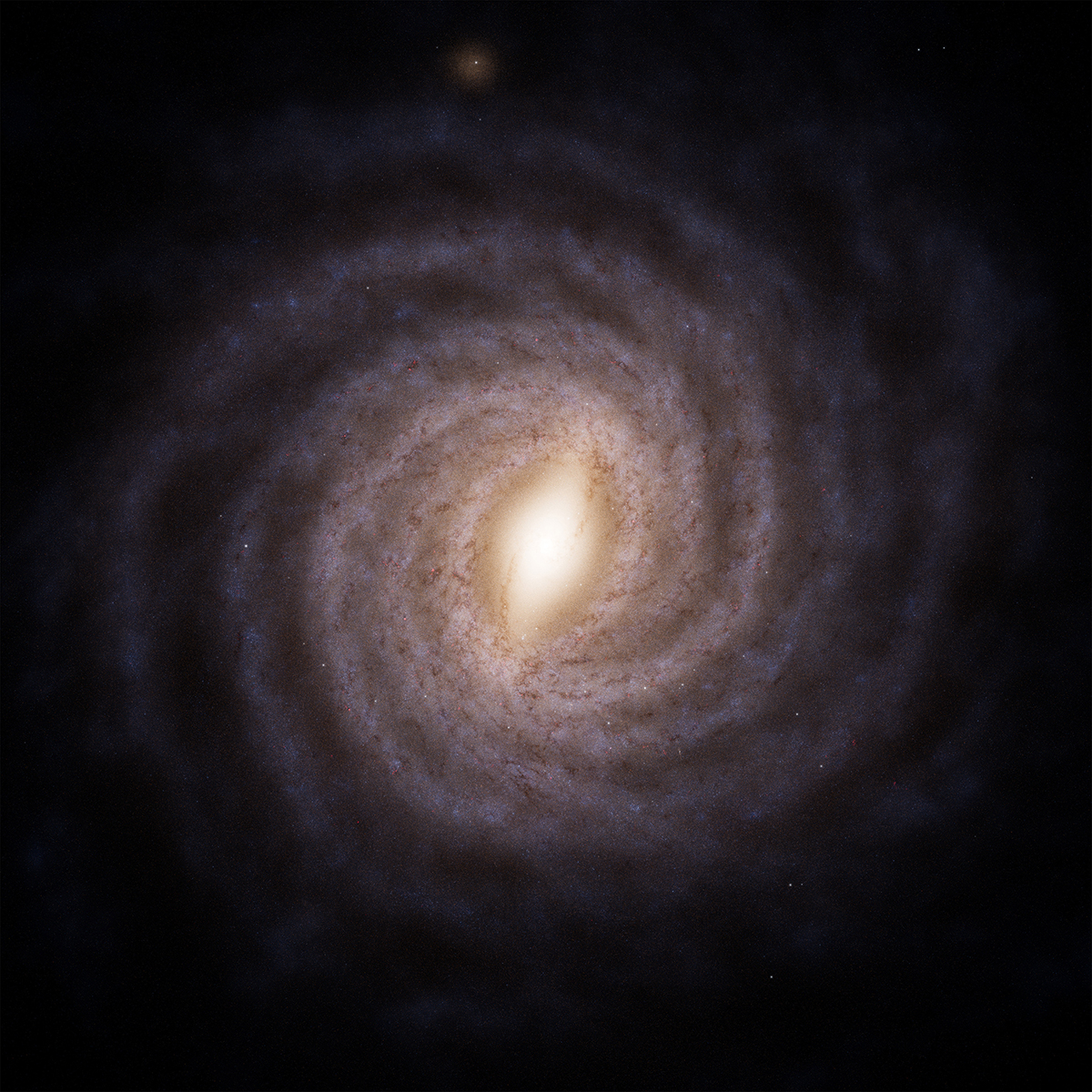
Our home Galaxy the Milky Way wasn't always been a majestic spiral galaxy containing of hundreds of billions of stars and dark matter.
Instead, it grew over time into the cosmic giant we know today through a bouts of galactic cannibalism lasting billions of years.
Yes, our Galaxy has spent most of its existence swallowing smaller neighbouring dwarf galaxies and adding their stars, gas and dark matter to its own collection.
Now, a new study using the Hubble Space Telescope has found proof of a previously unknown galactic merger that occurred just after the Big Bang, early in the history of the Universe.
Read more
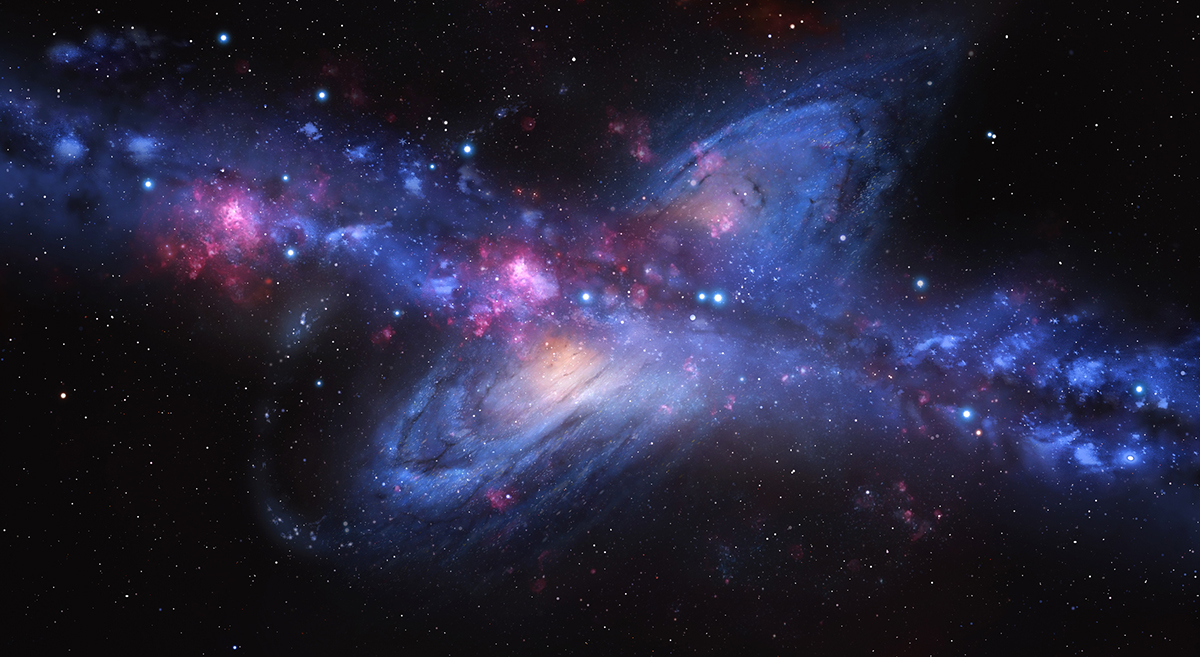
Meet the Low-energy-Kraken-Heracles merger
The newly-discovered, early victim of the Milky Way's wrath is a dwarf galaxy named Low-energy-Kraken-Heracles, or LKH for short.
The merger amount to our Milky Way swallowing stars equivalent to a mass 500 million times that of our own Sun.
This occurred about 11.8 billion years ago, just 2 billion years after the Big Bang.
And because the young Milky Way was so much smaller than it is today, absorbing LKH contributed a massive chunk of our galaxy's total weight at the time.
Not our first galactic meal
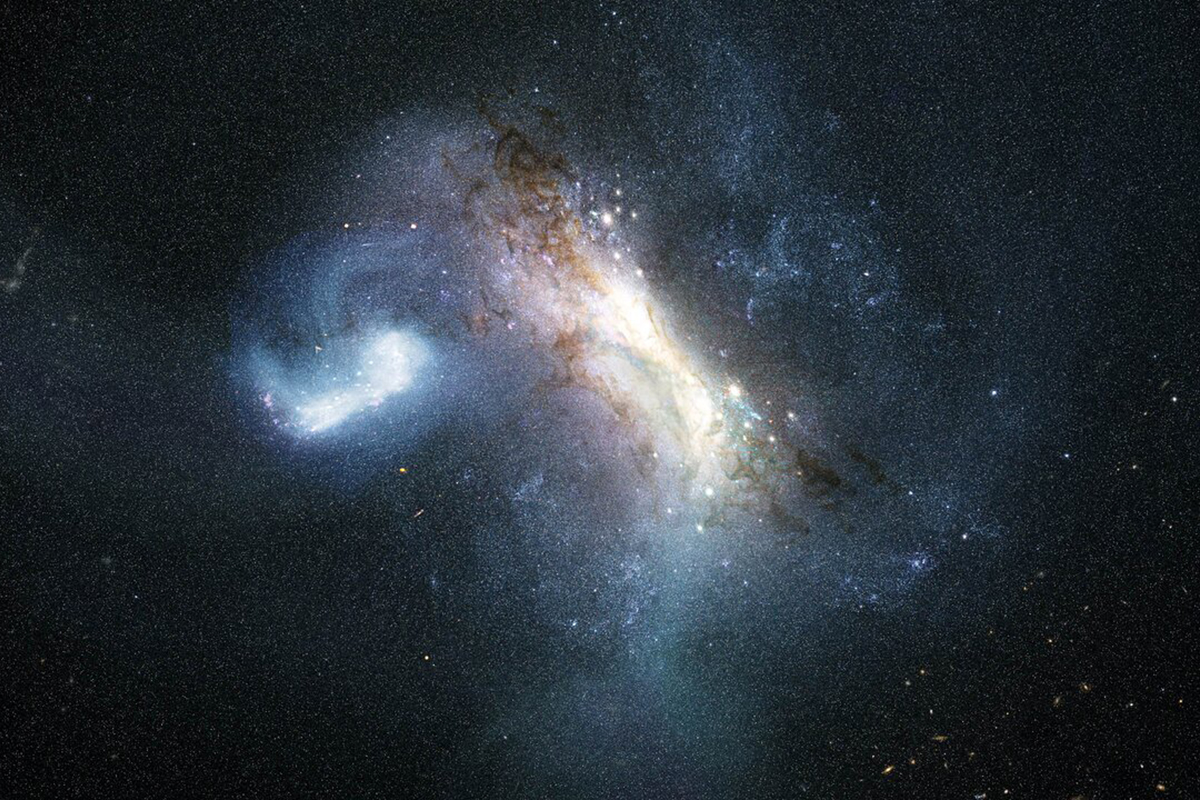
The consumption of the Low-energy-Kraken-Heracles dwarf galaxy is not the only galactic meal our Milky Way has enjoyed throughout its 13.6-billion-year-old history.
Astronomers already know about the most recent merger, when the Milky Way swallowed the Sagittarius dwarf galaxy about 6 billion years ago. That merger is still ongoing today.
10 billion years ago, the Milky Way galaxy consumed another dwarf galaxy called Gaia-Sausage-Enceladus.
Astronomers say that ancient merger significantly affected the structure of our galaxy’s disk of stars.
Other smaller mergers are known to have occurred between those two.
| Milky Way merger | Time period |
|---|---|
| Low-energy-Kraken-Heracles | 11.8 bn years ago |
| Gaia-Sausage-Enceladus | 10 bn years ago |
| Sagittarius dwarf galaxy | 6 bn years ago |
How they made the discovery
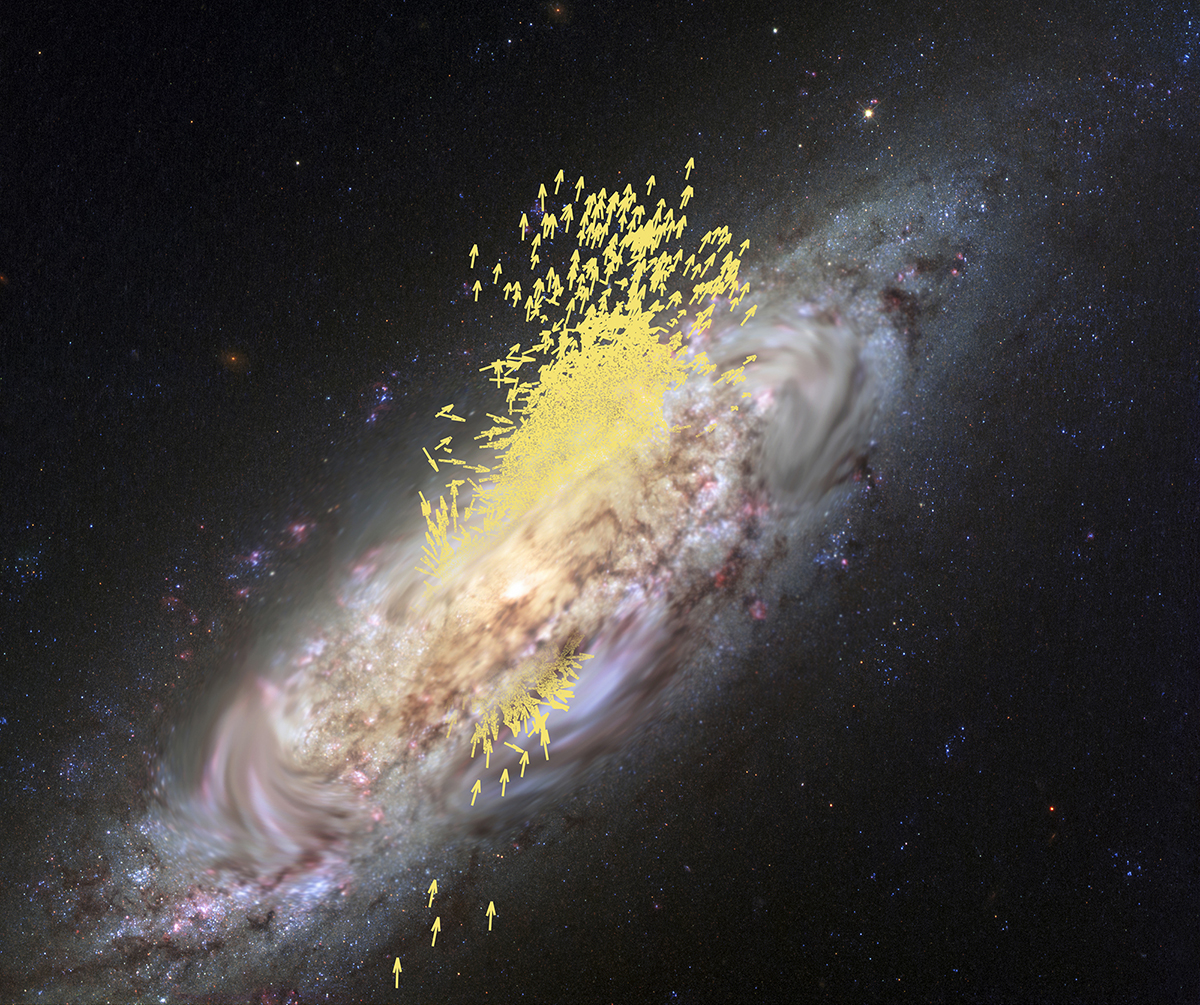
If our Galaxy has been evolving for 13.6 billion years, how is it possible to know that it swallowed a small galaxy 11.8 billion years ago?
Over billions of years our Galaxy's stellar motions have become perturbed, erasing the obvious shapes of devoured galaxies. So making the discovery required a lot of cosmic detective work.
The study's lead author Davide Massari, of the Astrophysics and Space Science Observatory of Bologna, Italy, and his team used the Hubble Space Telescope to effectively look back in time.
The team used Hubble data to study 39 different globular clusters. These are densely packed clusters of up to millions of ancient stars, all held together by gravity.
Globular clusters are among the oldest objects in the Universe.
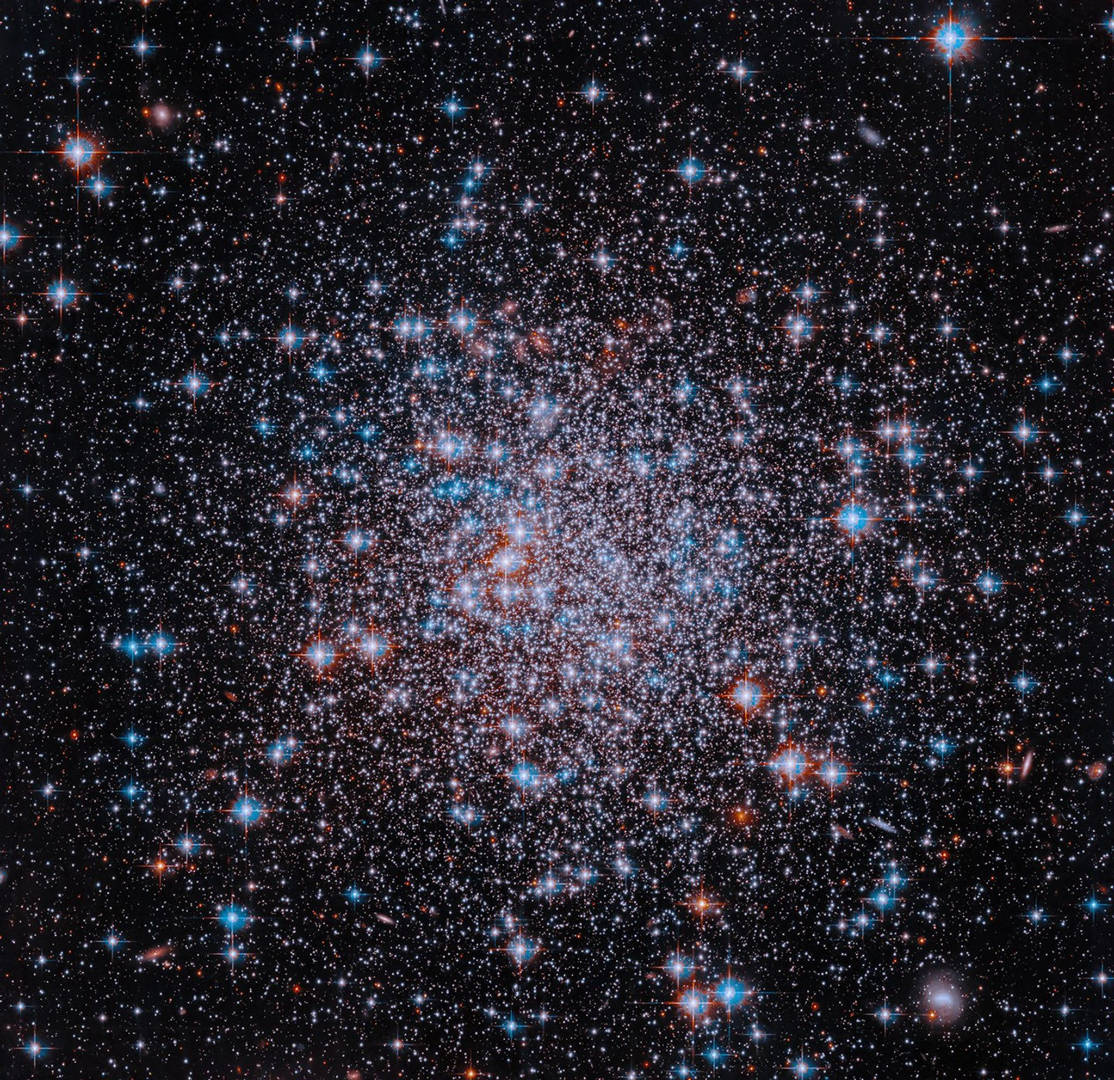
By measuring the precise age and metallicity – chemical fingerprints – of these clusters, researchers sorted the sample into distinct groups:
- Native clusters born inside the young Milky Way
- The 10-billion-year old group of clusters absorbed when the Milky Way consumed the Gaia-Sausage-Enceladus dwarf galaxy
- A newly-identified, third population of clusters
This third group of clusters are older than those from Gaia-Sausage-Enceladus, but younger than the Milky Way's native clusters.
That, say the team, proves they came from a separate, earlier galactic merger.
Why this changes the story of the Milky Way
For a long time, astronomers debated whether the infant Milky Way was a quiet, self-contained galaxy where stars only formed from internal gas clouds, or whether external forces like galaxy mergers played an active role.
The discovery of the Low-energy-Kraken-Heracles shows our Galaxy was consuming smaller galaxies from the beginning – and that external galactic building blocks were essential to laying the foundation of our cosmic home.
"Our home is the Milky Way galaxy, but we do not know how our house was built," says Massari.
"In this paper we discover where the first significant batch of bricks came from: a dwarf galaxy that we call LKH."
Read the full paper via Nature Astronomy

