We now know more about the history of Mars than we did just six months ago, after two separate teams of NASA scientists analysed a pinkish meteorite found on a salt plain in Mali back in 2022.
The rose-coloured, 800g lump of rock is called Teghaza 001, and was originally believed to be a ‘shergottite’ – the most common form of Martian meteorite.
Upon closer inspection, however, the scientists realised that Teghaza 001 is in fact one of the oldest Martian meteorites ever discovered.
It dates back some 4.1 billion years, making it roughly the same age as the previous record-holder, ALH84001 – and two billion years older than the next-oldest contender, Black Beauty.
More on meteorites
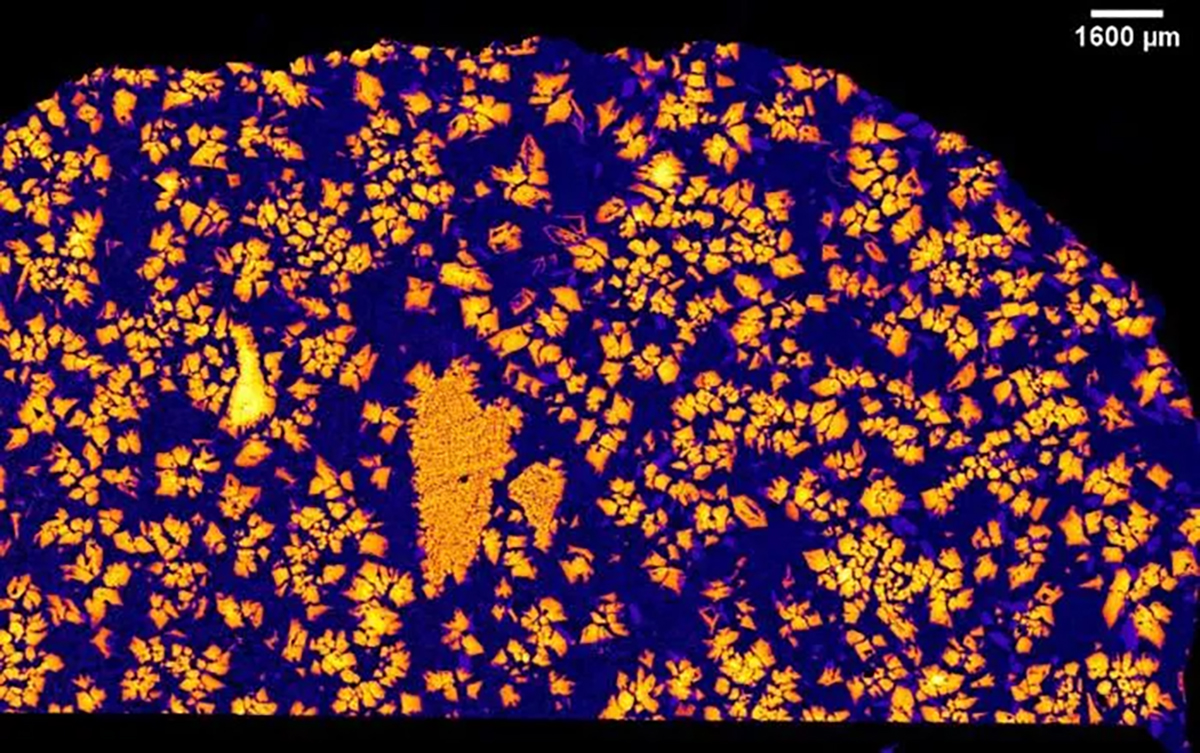
A time capsule that tells the story of Mars
However, ALH84001 is composed of a single mineral, whereas Teghaza 001 features a variety of igneous materials.
This enabled the scientists to determine roughly whereabouts on Mars it originated.
Its balance of different minerals (zircon in particular) closely matches that found on the planet’s southern highlands, and so the team were able to pinpoint its origins to one of 11 very specific locations.
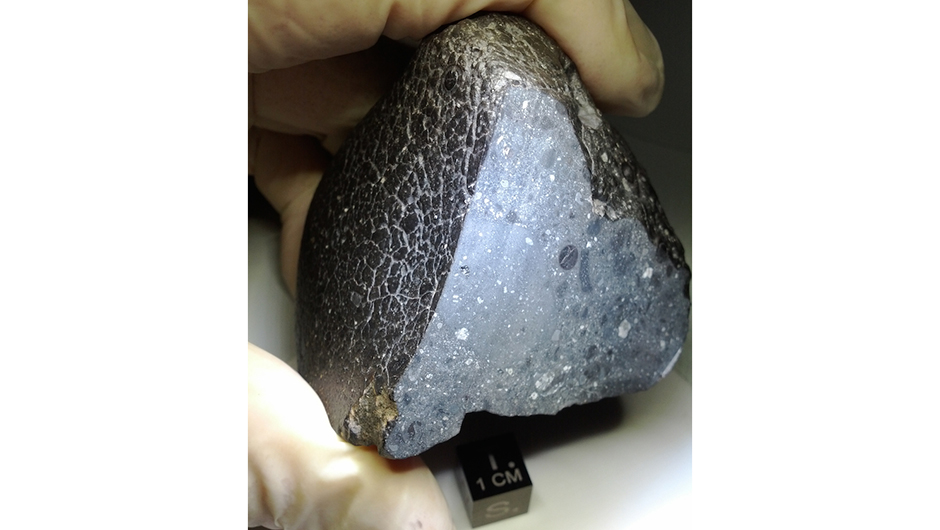
Furthermore, the scientists said, Teghaza 001 "tells a story about how the planet’s crust formed from cooling magma before it was eventually altered by subsurface water."
One of the NASA teams looked solely at the meteorite’s water content, and published their findings in the journal Science Advances in June 2026.
But the second team, led by NASA-JPL’s Yang Liu and Lee Saper from NASA’s Ames Research Center, only published their results on 29 October, in the journal Science.
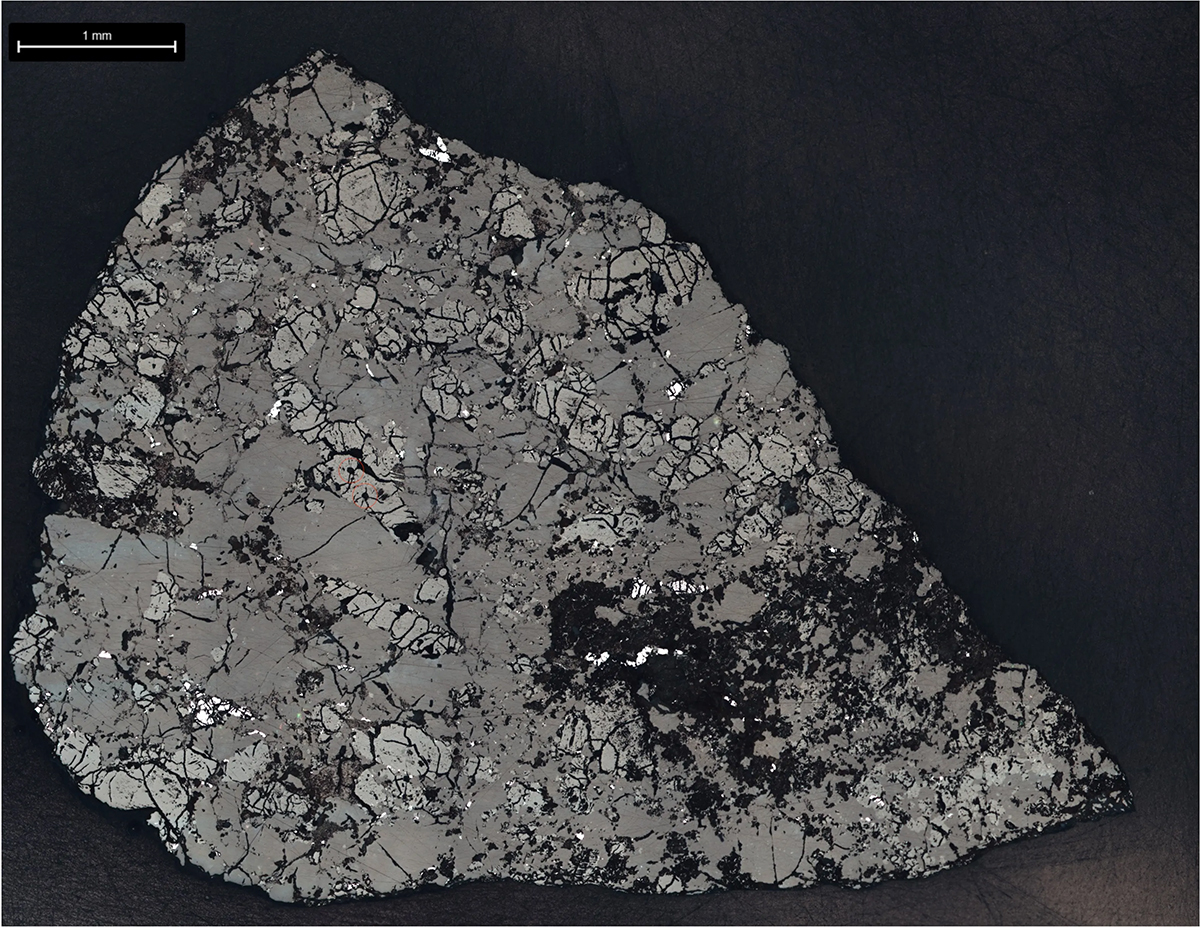
Their paper reveals not just the meteorite’s extreme age, but also the pioneering technique they used to date the meteorite.
Rather than dissolving and analysing the entire sample, Caltech’s Francois Tissot deployed a technique called ‘in-situ rubidium-strontium dating’.
This involved analysing just a tiny sliver of the rock – which means that the bulk of the meteorite is left untouched, for the benefit of future researchers.
"Right now, we are one of very few labs in the world able to perform this kind of age-dating, and the first to date such an ancient Martian meteorite," says Tissot.
"Our hope is to pave the way for dating even more Martian meteorites, or samples returned from other planets, their moons and asteroids."