With a mean diameter of 4,879km (3,032 miles), Mercury has always been the smallest planet in the Solar System.
It’s also shrinking – and new research suggests that it’s doing so at a faster rate than was previously supposed.
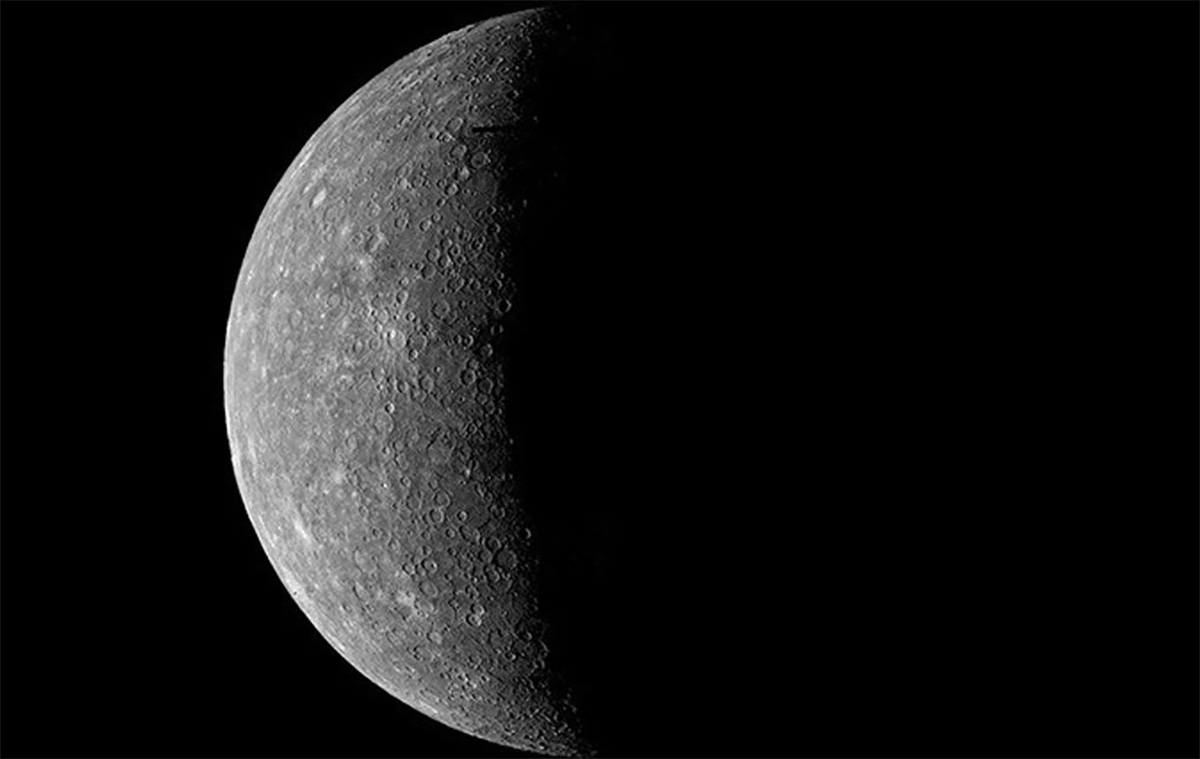
This ongoing shrinkage was first discovered in 1974-75, when NASA’s Mariner 10 probe conducted several fly-bys and sent back our first high-resolution images of the planet.
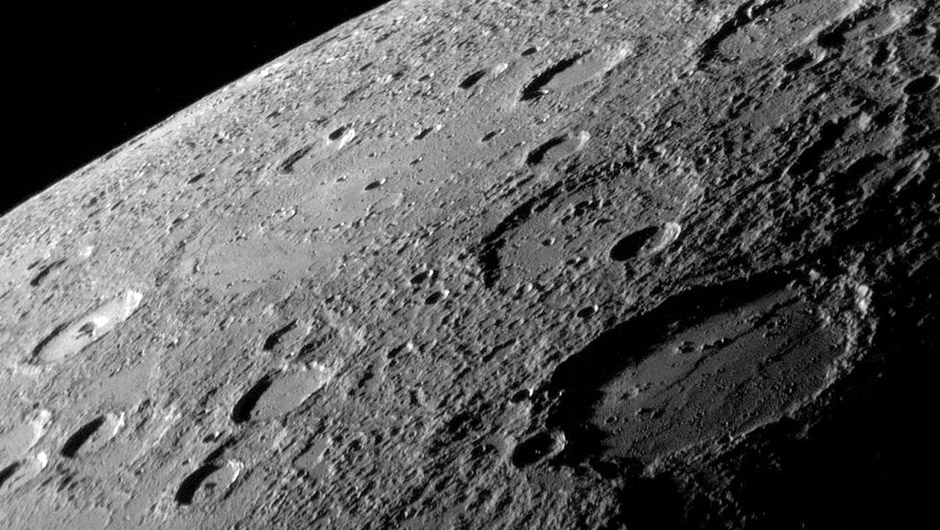
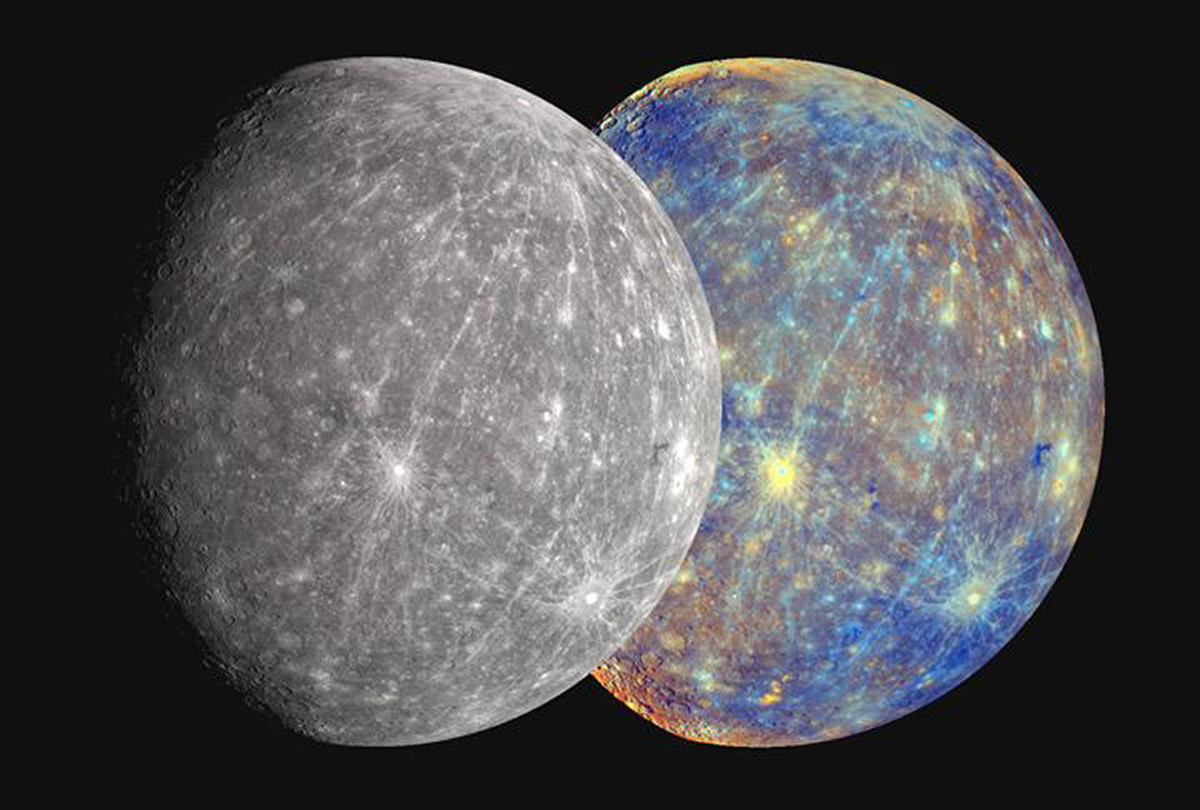
These revealed Mercury's surface to be covered in ‘wrinkles’ – in reality, vast stretches of cliffs – that scientists concluded were the result of the planet having shrunk since it was formed.
More on Mercury
Why is Mercury shrinking?
Mercury's shrinkage has occurred over billions of years, as a result of the planet cooling.
Its original formation (from huge clumps of rock bashing into one another), along with its close proximity to the Sun, would have meant the early Mercury held a huge amount of internal heat.
And it has been radiating that heat into space ever since.
As we all know, heating things up causes them to expand, while cooling them down causes them to shrink.
Mariner 10 mission scientists therefore concluded that the ‘wrinkles’ seen on Mercury’s surface were the result of such a cooling process, estimating that the planet had lost between 1km and 3km (0.6 and 1.9 miles) in diameter since it formed.
Such remained our understanding until 2011, when NASA sent another probe to the innermost Solar System planet.
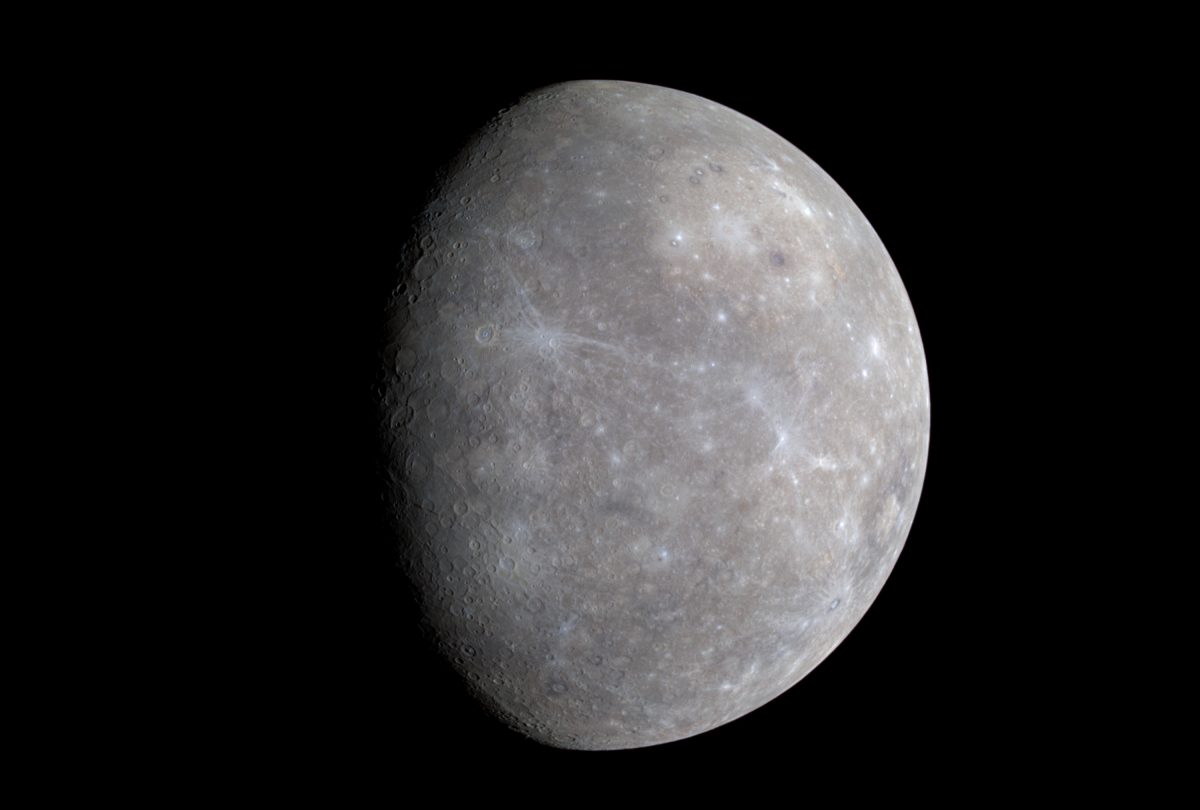
The Messenger spacecraft sent back higher-resolution images of the entire surface, leading scientists to conclude that the planet’s decrease in diameter since its formation was as much as 7km (4.35 miles).
An underestimate
Research published in the journal Geophysical Research Letters suggests that even that 7km figure may be an underestimate and that the planet’s true degree of shrinkage over the past 4.5 billion years is probably closer to 23km (14 miles).
The team, led by Gaku Nishiyama at the German Aerospace Center Institute of Space Research, used Messenger data to create a new detailed, 3D surface map of Mercury, and noticed that there were fewer ‘wrinkles’ in areas that showed more evidence of impact craters.
This led them to conclude that debris from these impacts has covered up ‘wrinkles’ that would otherwise be visible – thus causing us to believe there are fewer wrinkles than is actually the case, and so underestimate the degree of shrinkage that the planet has previously undergone.
What Mercury's shrinkage really means
If the team’s hypothesis is correct, it would have implications for our understanding of Mercury’s internal structure.
If there has indeed been more shrinkage than was previously believed, then Mercury’s metallic core is probably larger than we thought.
Alternatively, it may simply have fewer light elements like silicon mixed into it – or the planet may just have been hotter, when it first formed, than we realised.
But before we can work out which of those is the case, we first need to know if the team’s assumptions about all those missing wrinkles are correct – and thankfully, it might not be too long before we have an answer.
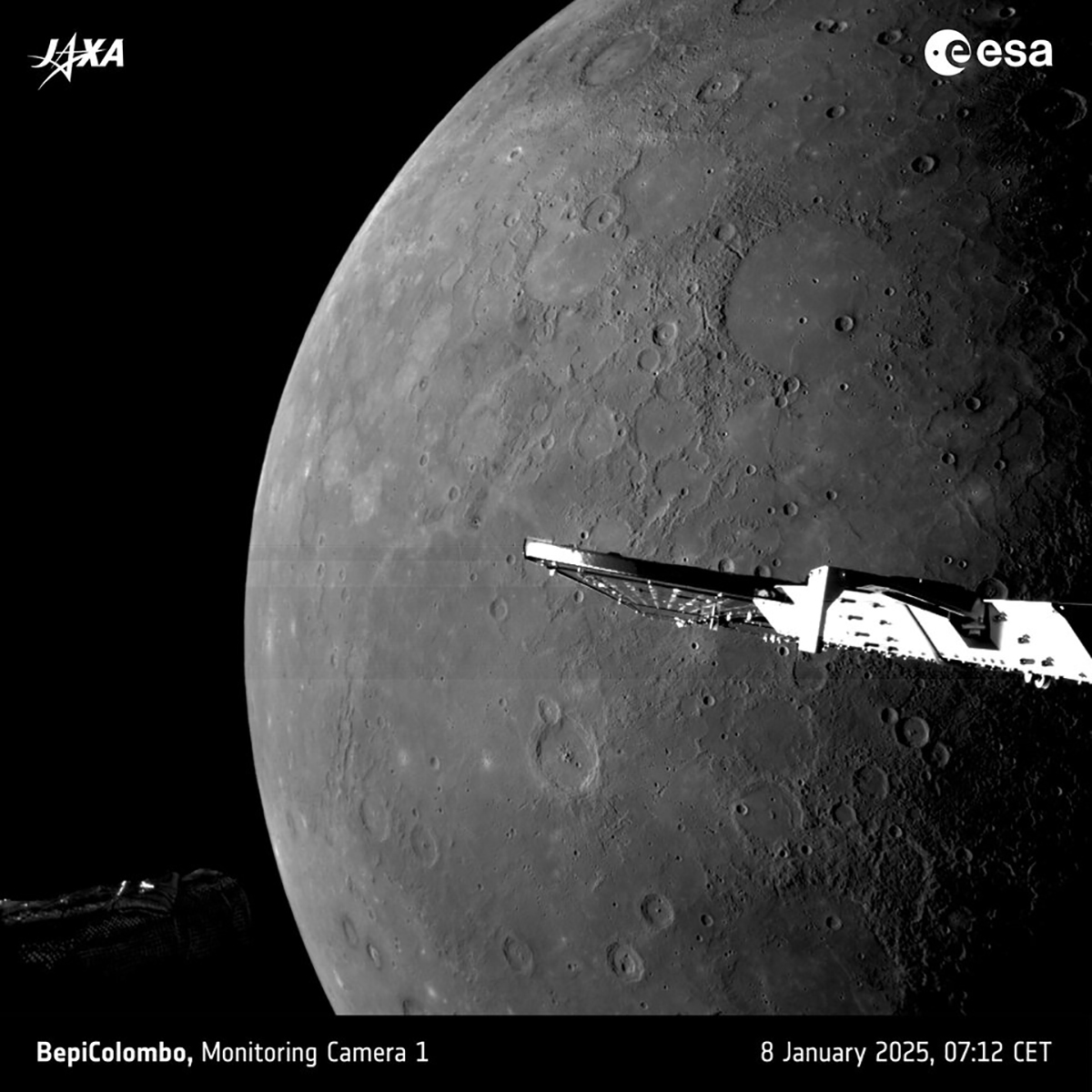
The joint European-Japanese mission BepiColombo, which launched in 2018, is due to arrive at Mercury in just a few weeks’ time.
By April 2027, we should have our first new data and images – at which point the team’s hypothesis may be either proved or disproved.