
Astronomers have pointed a powerful X-ray-observing space telescope at a nearby galaxy and spotted signals of exploded stars acting strangely
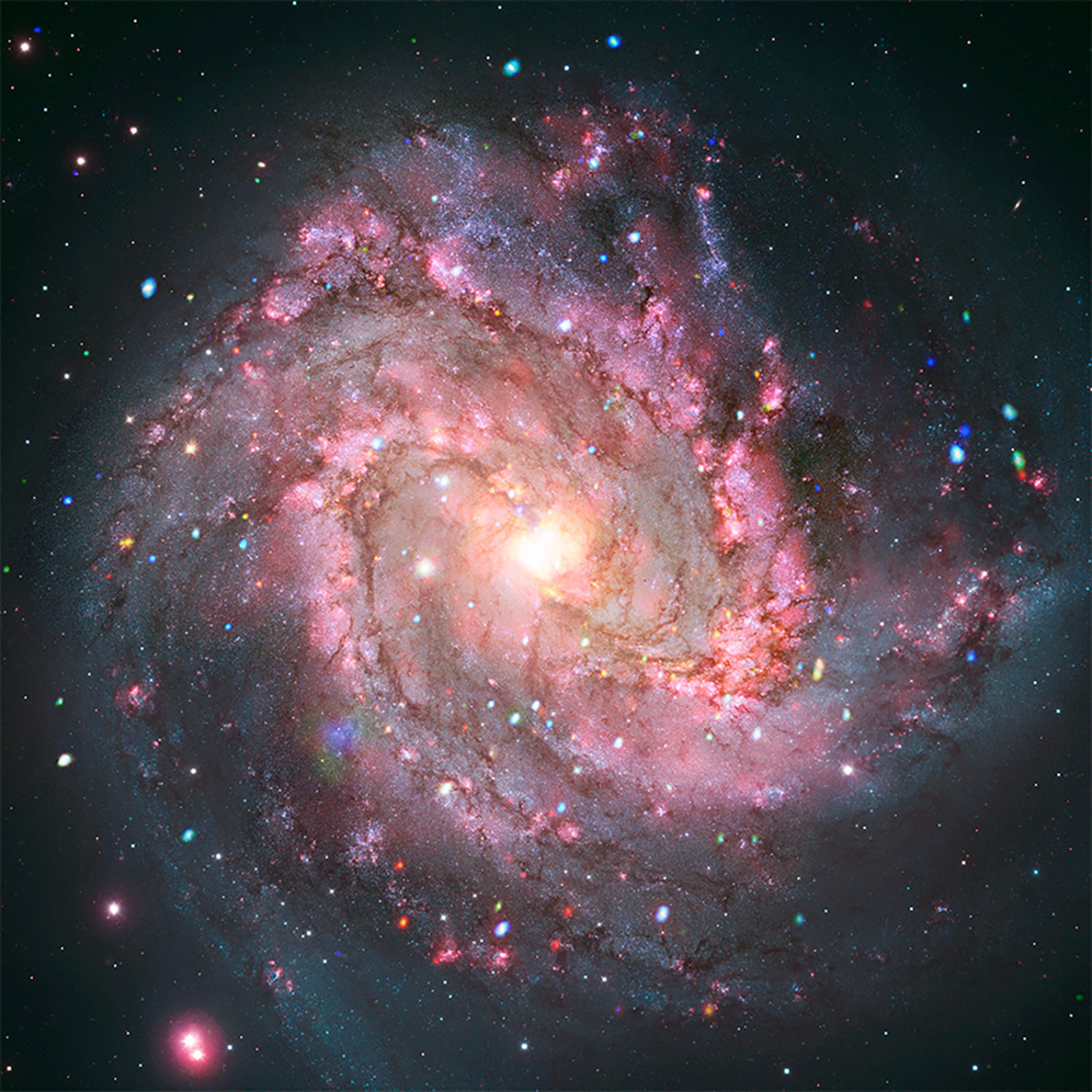
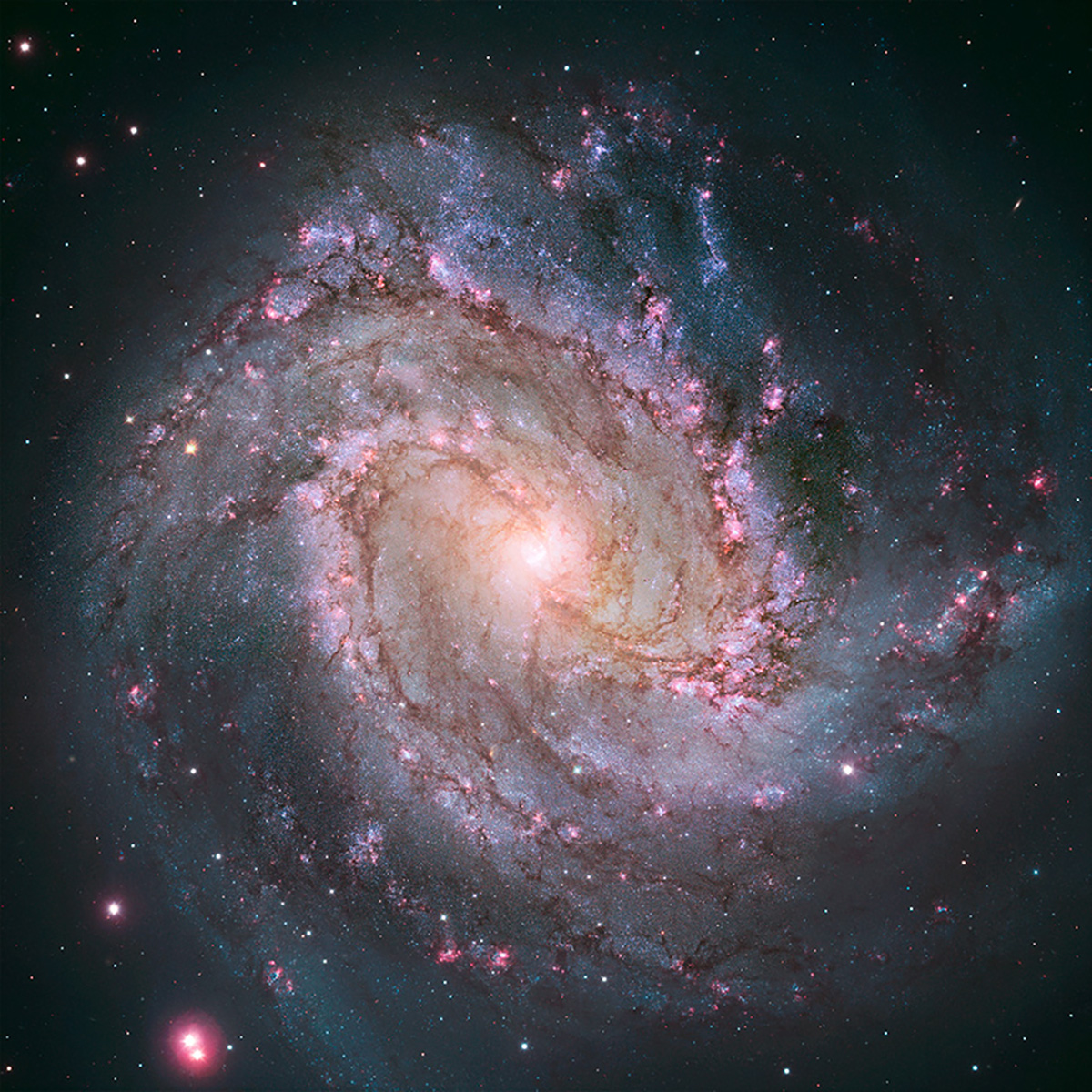
The galaxy in question is Messier 83, located just 15 million lightyears from Earth, and observations using the Chandra X-Ray Observatory have revealed the remnants of stellar explosions that are changing in brightness over time.
M83 is forming stars at a high rate and astronomers used 14 years of observations by Chandra to make the discovery.
More Chandra discoveries
Exploded stars – and what remains
Once a star runs out of fuel, strange things begin to happen.
If a star is really big – say at least 8 times the mass of our Sun – it may end its life in a huge explosion known as a supernova.
This occurs because, as the star runs out of fuel, it no longer has enough energy to prevent itself collapsing under its on weight.
Gravity wins – and the resultant explosion is the supernova.
And while it may be tricky to observe a supernova occurring in real time, astronomers are able to study a type of object known as a supernova remnant, which is what's left over after the stellar explosion.
Remnants flickering in brightness
Supernova remnants are normally slowly-fading clouds of hot gas.
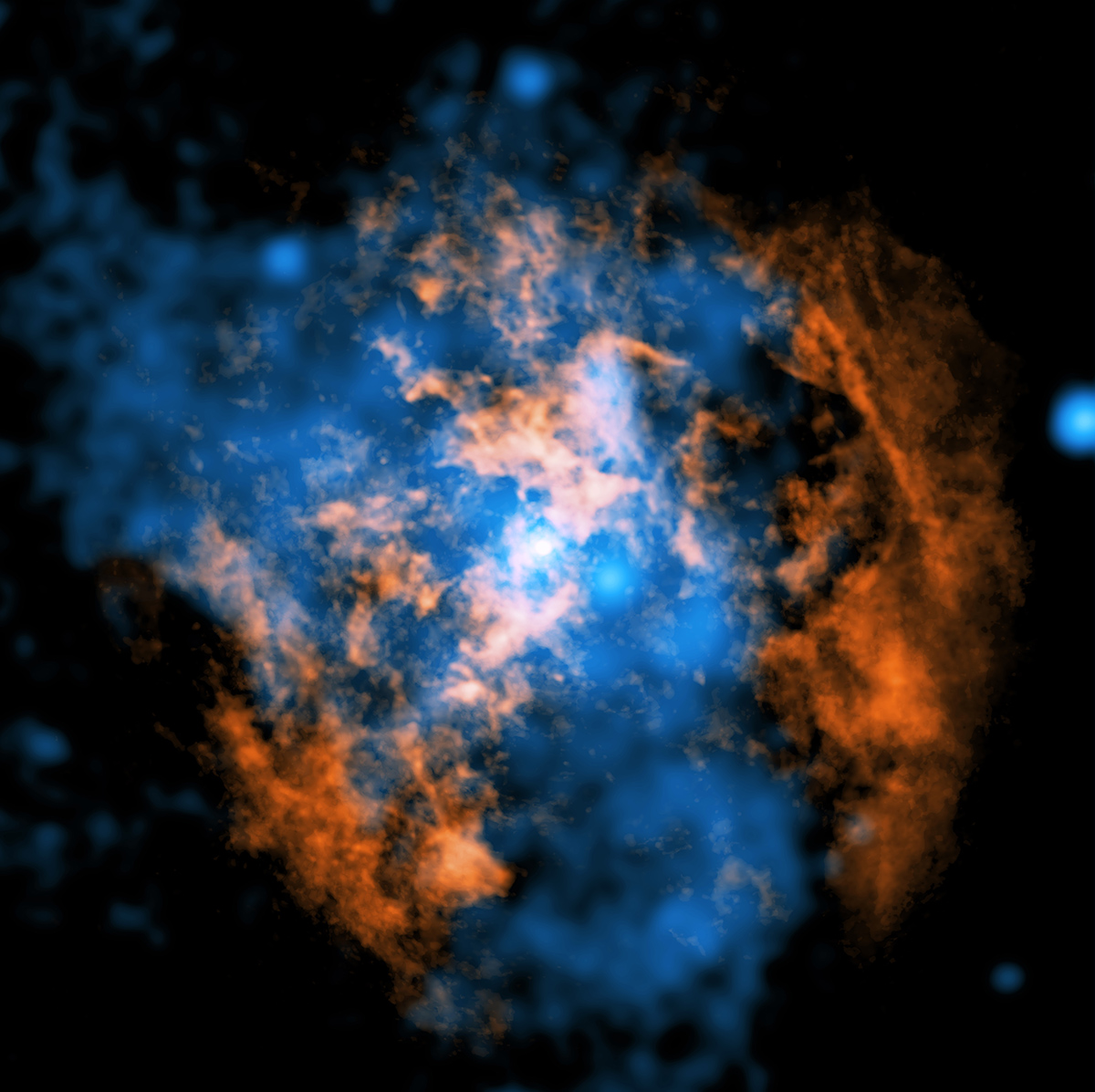
But when astronomers pointed NASA's Chandra X-ray Observatory at galaxy Messier 83, also known as the Southern Pinwheel Galaxy, they were surprised to find a population of supernova remnants exhibiting dramatic changes in brightness.
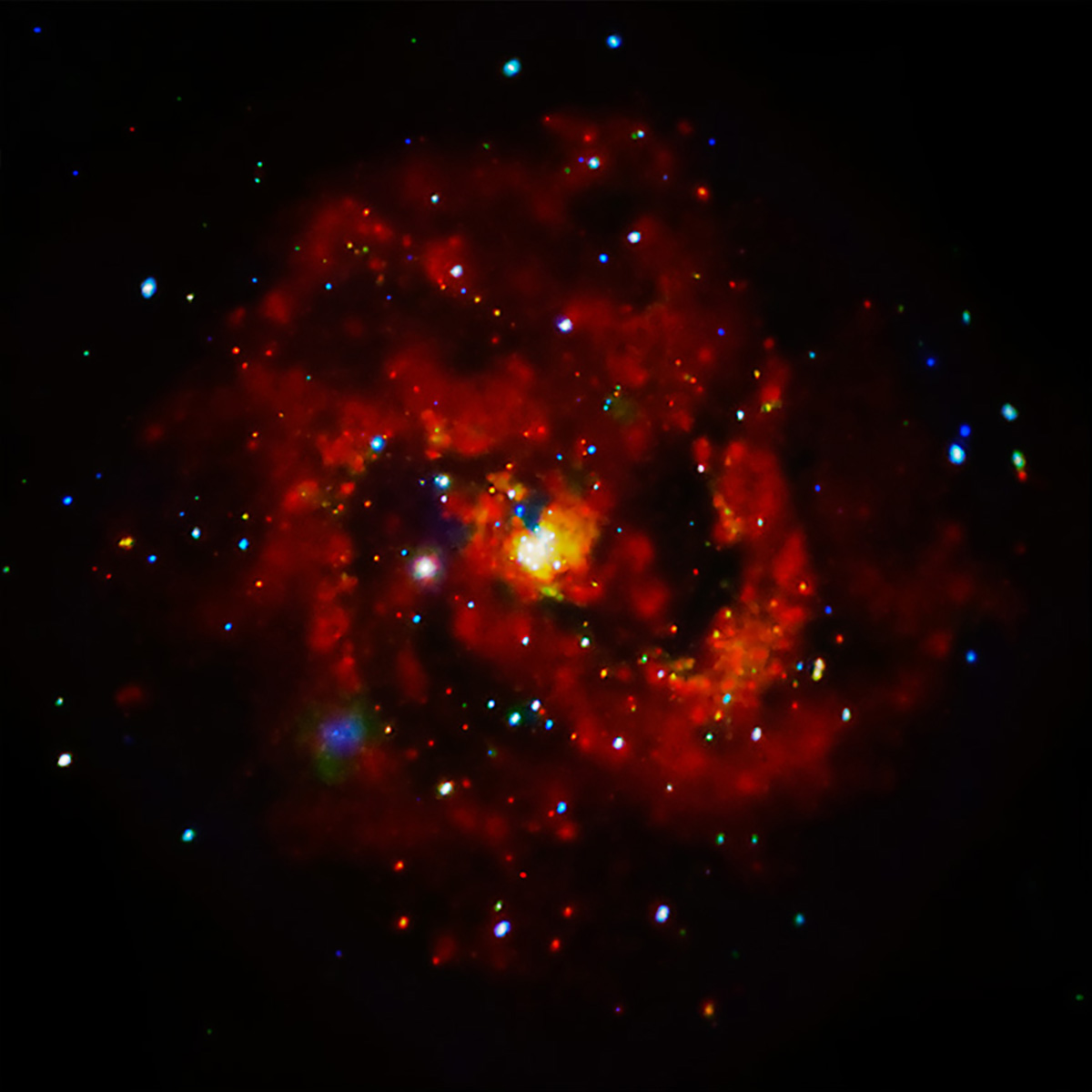
Using Chandra data spanning 2000 to 2014, the team found surprising variations in the X-ray brightness of supernova remnant sources.
The team say they would expect supernova remnants older than a century to fade gradually in X-ray light, not change dramatically in brightness.
About half of the X-ray sources from supernova remnants showed changes in X-ray brightness over the 14-year span of observations.
"We knew that individual X-ray sources could vary dramatically," says Andrea Prestwich of the Catholic University of America, who led the study.
"But finding that so many supernova remnants were behaving this way was a real surprise. Something unusual is going on in these objects. Pinpointing the cause remains a challenge, as M83's distance limits the detail we can observe."
So what's going on?
The team say that one of the 22 variable supernova remnants could be simply explained.
SN 1957D is all that remains from a supernova discovered nearly 70 years ago. It's smashing into material around the explosion site and producing X-ray flares.
But, say the team, there's no evidence to suggest that all 22 supernova remnants formed within the last century. That must mean something else is driving the variability.
They say they might have found a population of stars that survived their neighbours' destruction in a supernova explosion.
This explanation would mean that each of the X-ray sources that are changing over time lived their lives as a pair of stars – a binary star system.
In this scenario, the more massive star collapsed and exploded, leaving behind a black hole or neutron star. Its companion, however, survived.
"It may be that this galaxy contains a collection of supernova remnants where one massive star survives the supernova and becomes locked into an orbit with a black hole or neutron star," says co-author Michael McCollough of the Center for Astrophysics | Harvard & Smithsonian (CfA).
"The neutron star or black hole can then start pulling material from the massive star’s surface."
Introducing high-mass X-ray binaries
As this happens, the material falling on to the neutron star or black hole is heated to extreme temperatures by the gravity and friction involved.
That produces the X-rays detected by Chandra. These types of systems are known as high-mass X-ray binaries (HMXBs) and astronomers say they're among the most variable X-ray sources in the Universe.
They could be behind the brightness variations seen in the supernova remnants in M83.
Previously, only a small amount of supernova remnants associated with HMXBs had been identified.
The team say no-one has ever discovered over 20 candidates in one galaxy.
And the astronomers also found the variable supernova remnants are in regions with higher concentrations of massive stars than in other parts of the galaxy.
That, they say, increases the chances of a link between the remnants and HMXBs.
But there is another possible explanation, they say. Perhaps the black hole or neutron star is capturing bits of the material blasted outwards by the explosion.
"This could be an example of cosmic recycling, where debris from the explosion falls back onto the very object the supernova created," says co-author Roy Kilgard of Wesleyan University.
"And it's quite possible that both explanations are at play – different sources in our sample may have different origins."
Read the full paper in the Astrophysical Journal

