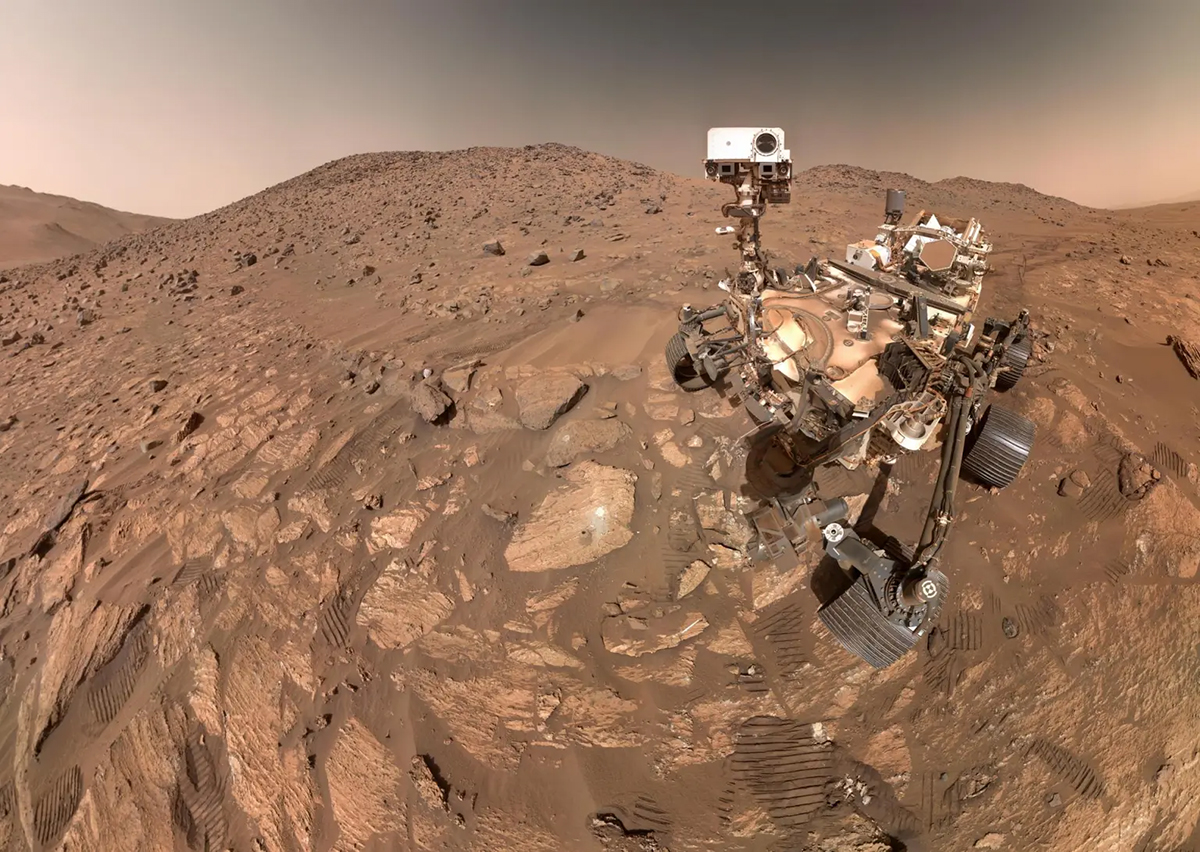
NASA’s Perseverance rover, which has been exploring the surface of Mars since 2020, has now travelled further than any other off-world vehicle, beating the previous record set by the now-defunct Opportunity rover by 40 metres (131 feet).
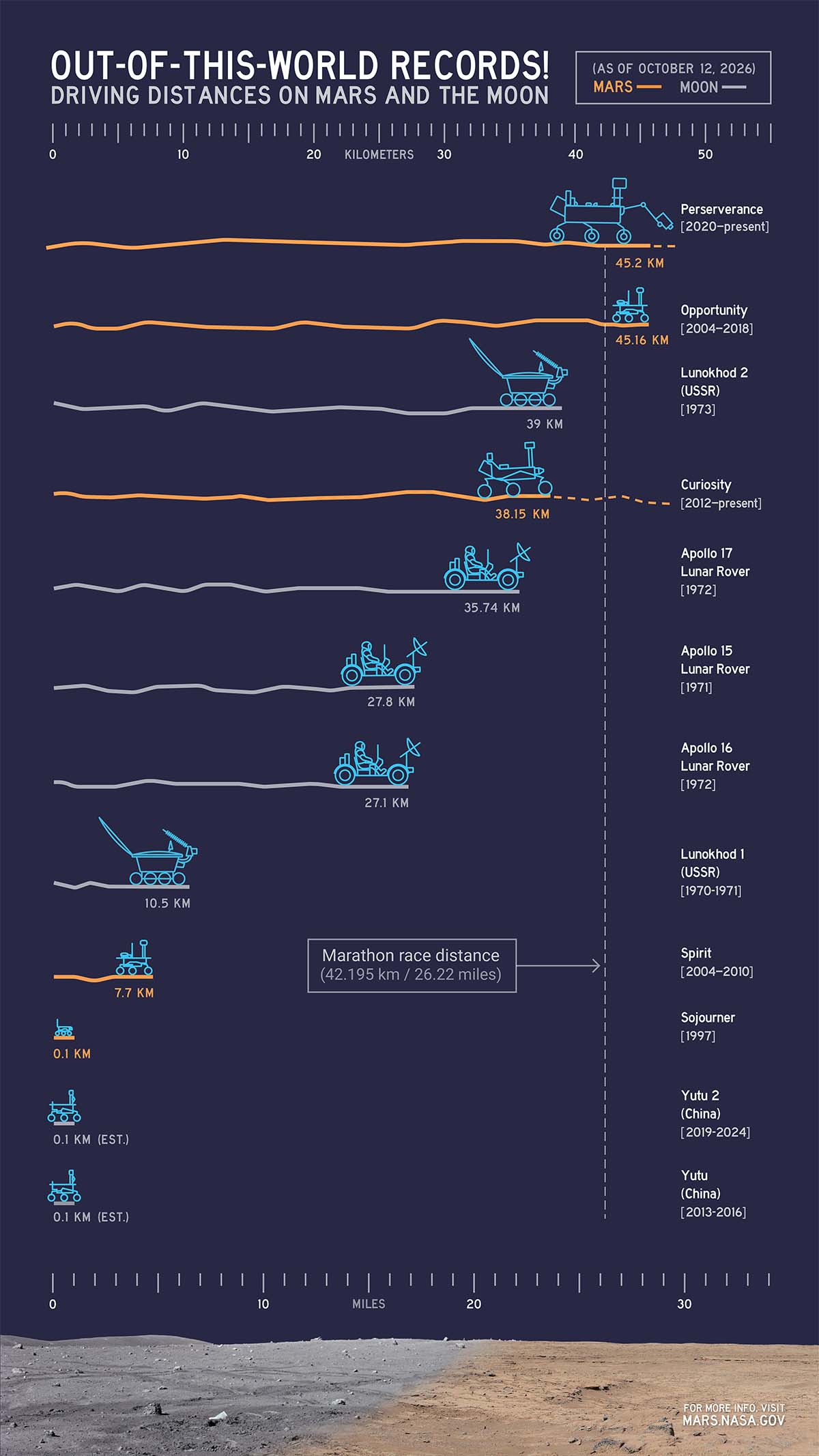
Opportunity racked up a total of 45.16km (28.06 miles) in the years 2004 to 2018.
Perseverance, in contrast, has only been on the Martian surface for six years, and continues to explore.
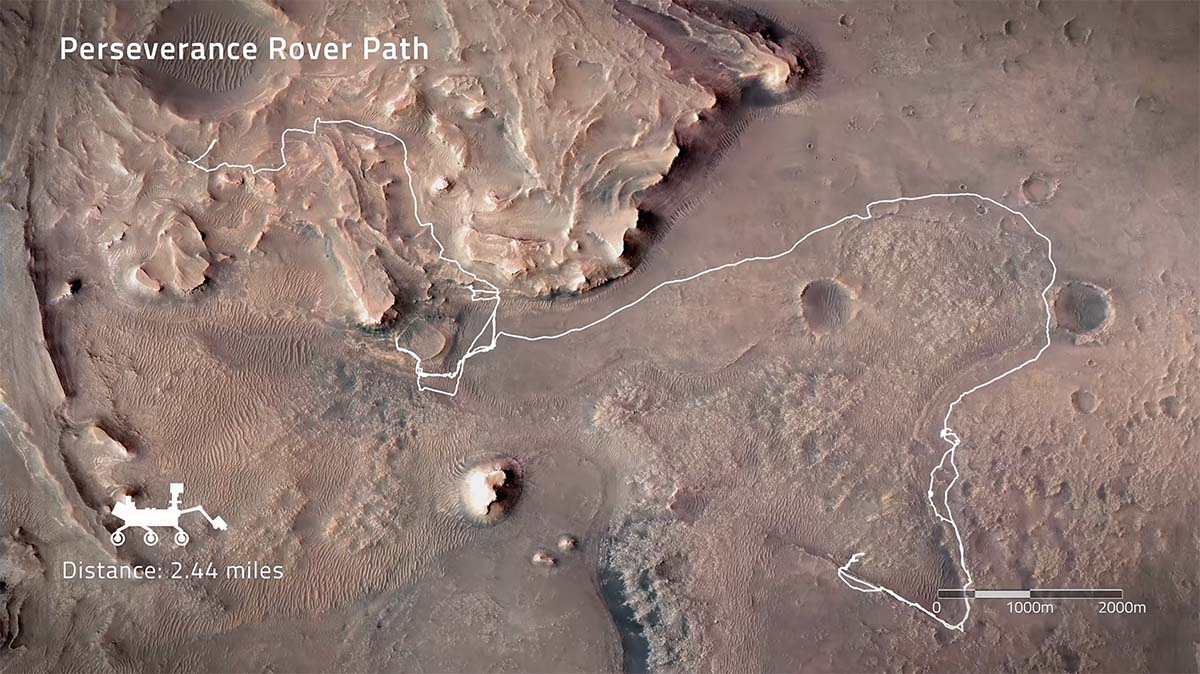
That means the new distance record of 45.2km (28.09 miles), which it set while travelling through a region of the Jezero Crater called Lac De Charmes on the 2,006th Martian day of its mission, is unlikely to be bettered for some time to come.
This marked improvement in rover performance can largely be attributed to Perseverance’s advanced autonomous navigation system, known imaginatively as AutoNav.
This system creates a 3D map of the Martian surface as it drives, and can identify any hazards and calculate its own best route from point A to point B as it goes along.
Map showing the Perseverance rover's record-breaking distance. Credit: NASA/JPL-Caltech
Opportunity, similarly, had an earlier version of AutoNav on-board, but that system was used to navigate just 5% of the total distance travelled.
The rover was otherwise dependent on human instructions sent from Earth. Perseverance, on the other hand, has used AutoNav for 90% of its journeys.
Steven Lee of NASA’s Jet Propulsion Laboratory, who is project manager for both the Perseverance and Curiosity rovers, says: "The original mission called for no more than 12.4 miles of driving.
"We’ve blown well past that, and with all mobility systems fully operational and favorable extended-ground-life test results, we expect Perseverance to keep adding to this record for many years to come."
Mark Maimon, Perseverance’s deputy team leader for robotic operations, adds that the team are currently working to improve the rover’s navigation software, which is dependent on camera images.
Infographic showing the distances driven by various rovers on the surface of Earth’s Moon and Mars. Credit: NASA/JPL-Caltech
No rest for the wicked
If they can eliminate the problem of glare from sunlight, rovers would no longer need to cease operations by mid-afternoon, as they currently do when travelling towards the Sun.
This would mean rovers would have a longer effective working day, be able to travel even further, and so would be able to gather more geological data.
The third most-travelled Mars rover is Curiosity, which has driven 38.15km (23.7 miles) since landing on the Red Planet in 2012 and is still up there doing its thing.
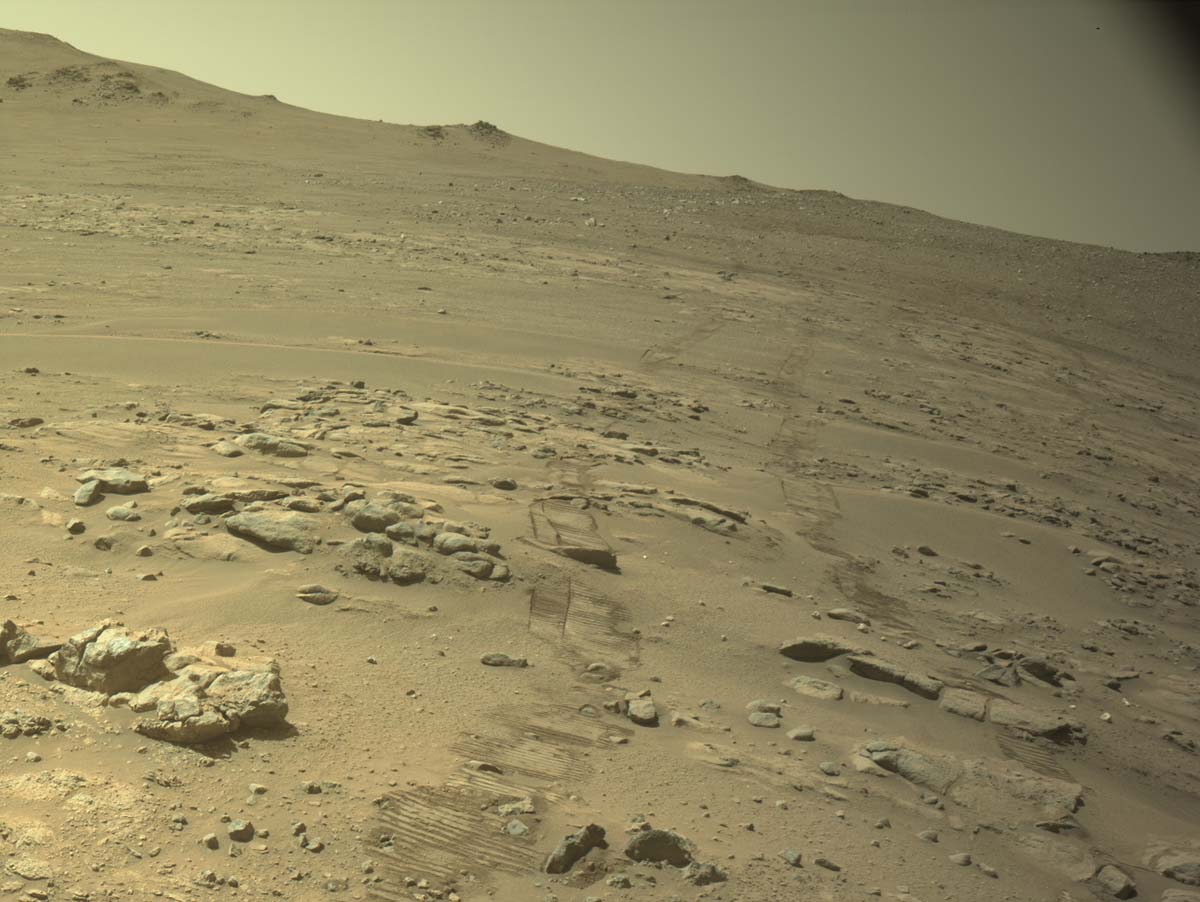
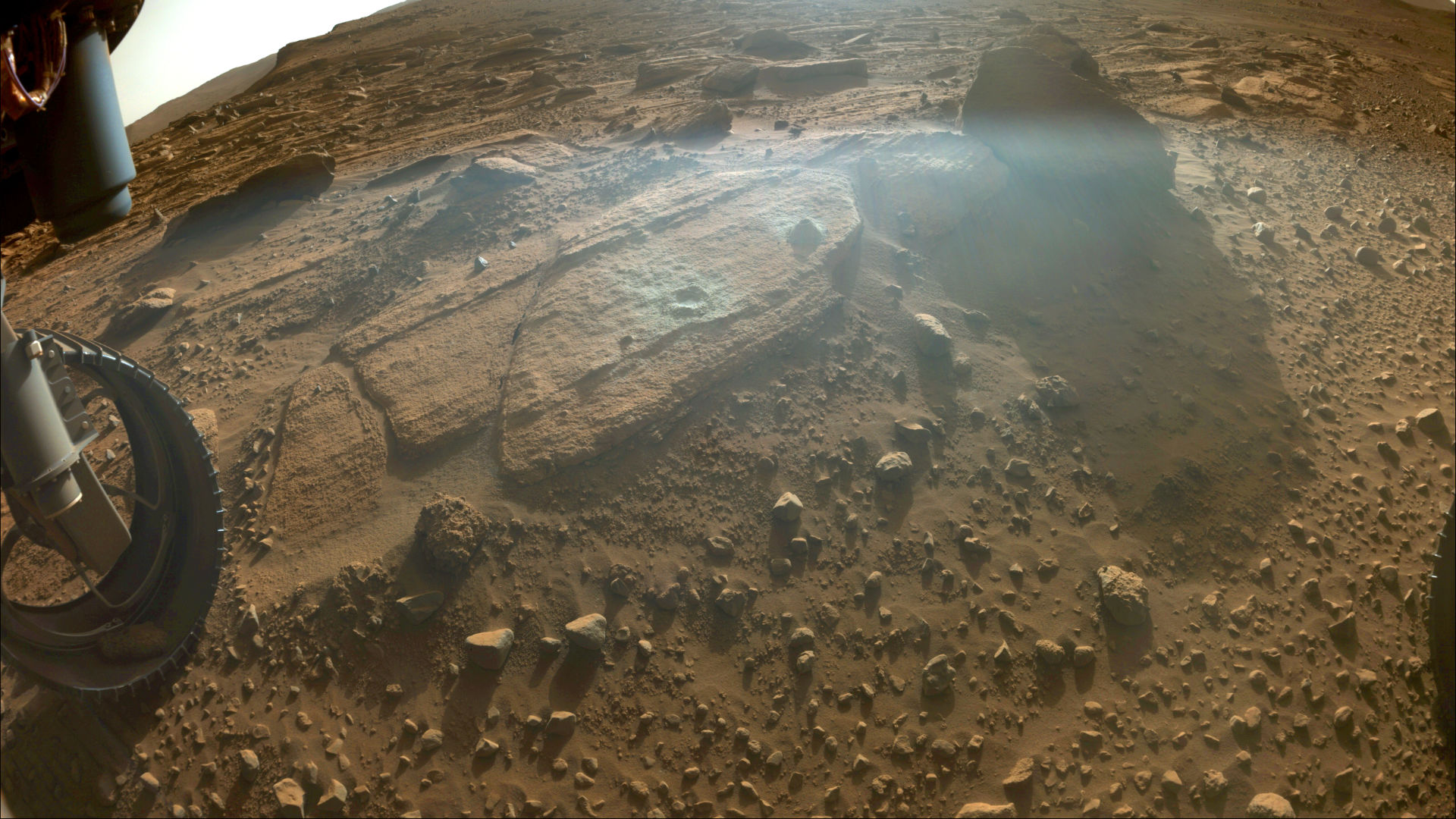
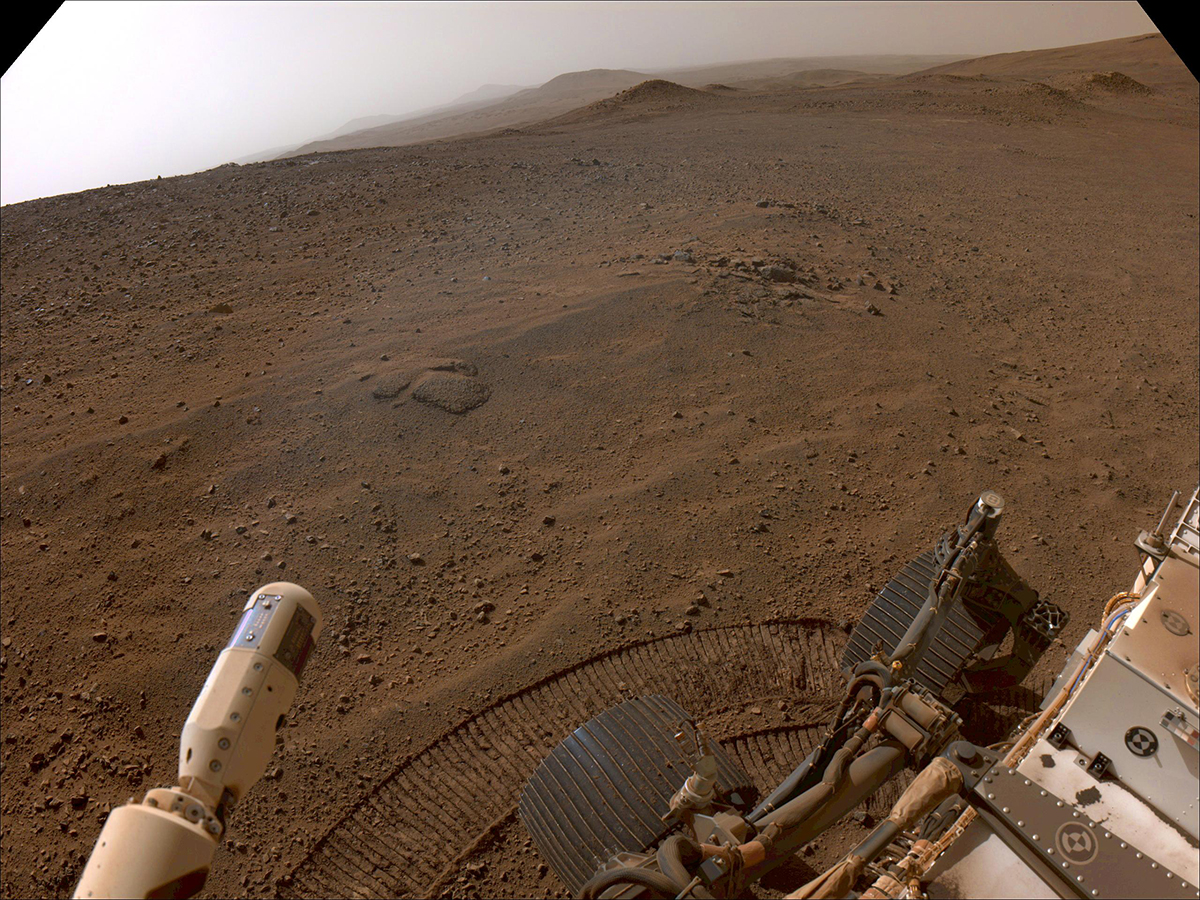
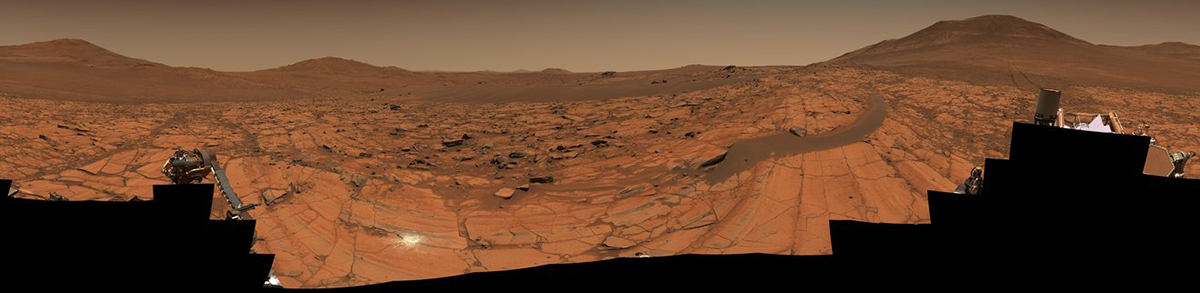
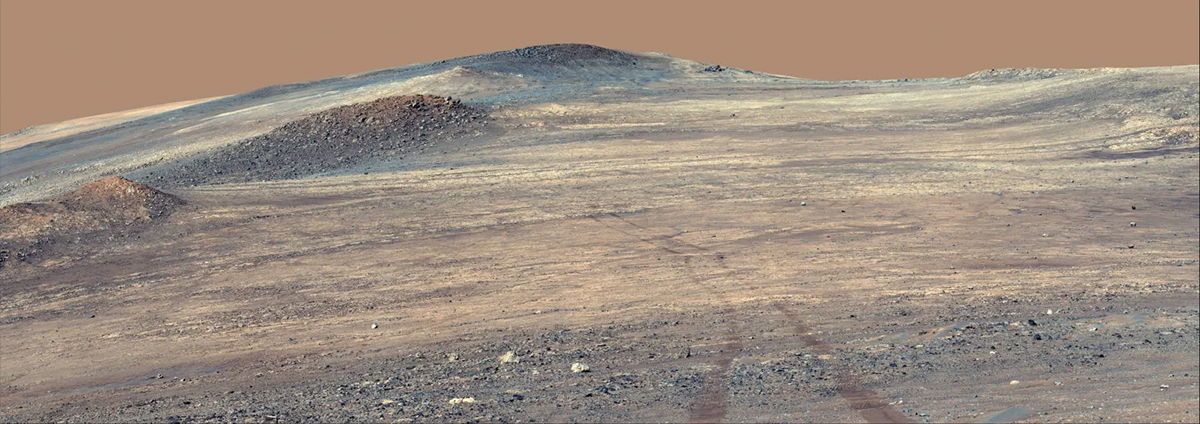
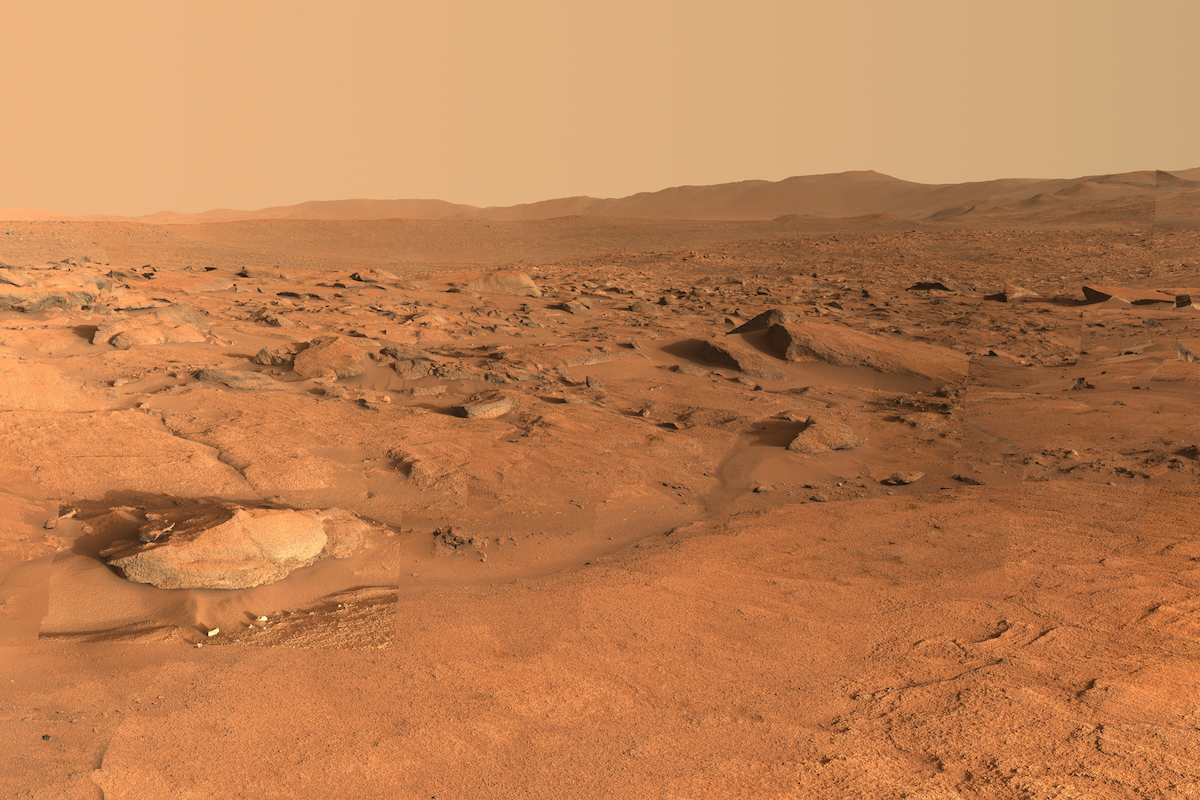
A view of Mars captured by Perseverance on 11 October 2026, the day the rover beat the off-world record. Credit: NASA/JPL-Caltech
But for now, the bronze medal in the off-world distance Olympics still goes to Russian lunar rover Lunokhod 2, which traversed 39km (24.23 miles) of the Moon’s surface way back in 1973.
Lunokhod 2 didn’t just travel further than any of NASA’s three lunar rovers (those associated with the Apollo 17, Apollo 15 and Apollo 16 missions), and further than its own predecessor Lunokhod 1 – it also covered more distance than NASA’s Mars rovers Spirit and Sojourner.
But it surely can’t be long before Curiosity steals its third place crown.
In the meantime, congratulations – and perhaps a glass of bubbly or two? – are in order for all those involved in the Perseverance mission.
NASA Perseverance rover's best images of Mars
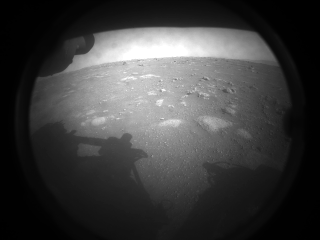
The first image of Mars captured by NASA’s Perseverance rover. Credit: NASA/JPL-Caltech
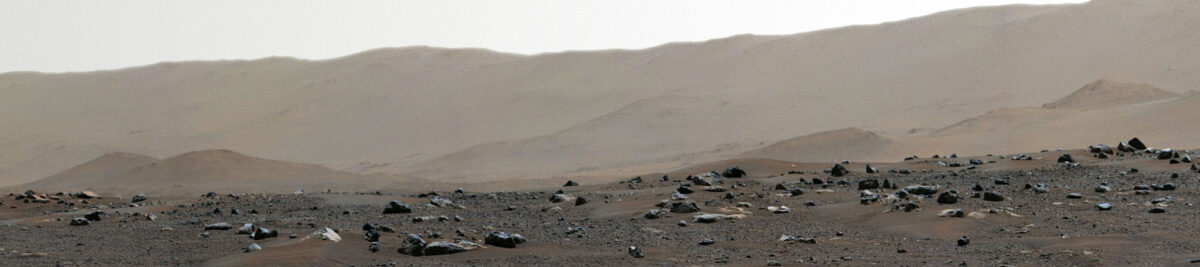
The rim of Jezero Crater - Perseverance's landing place and area of study - captured in a 360° panorama by the Mastcam-Z instrument onboard the rover. This image is a section of the whole panorama, which can be seen on the NASA Mars website. Credit: NASA/JPL-Caltech/MSSS/ASU
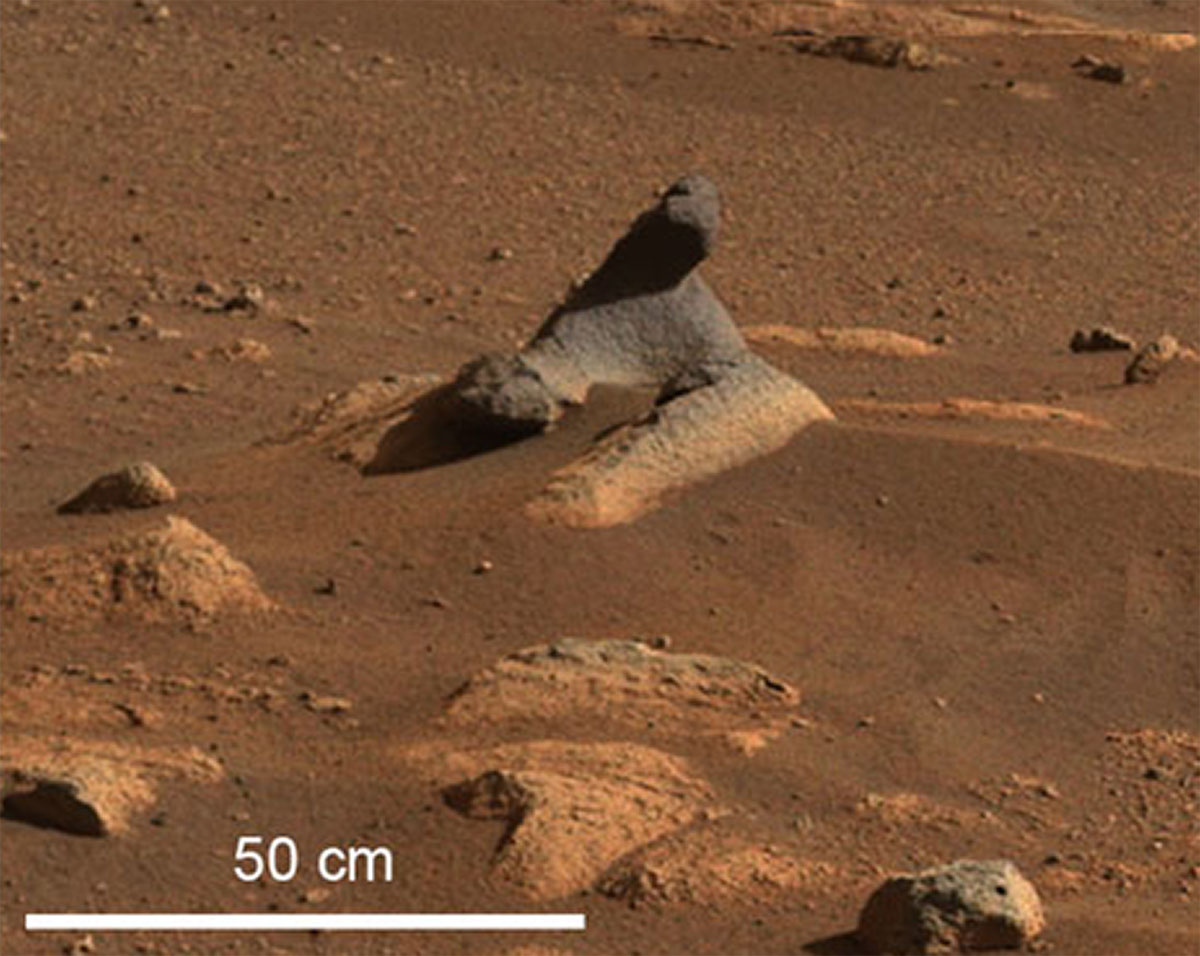
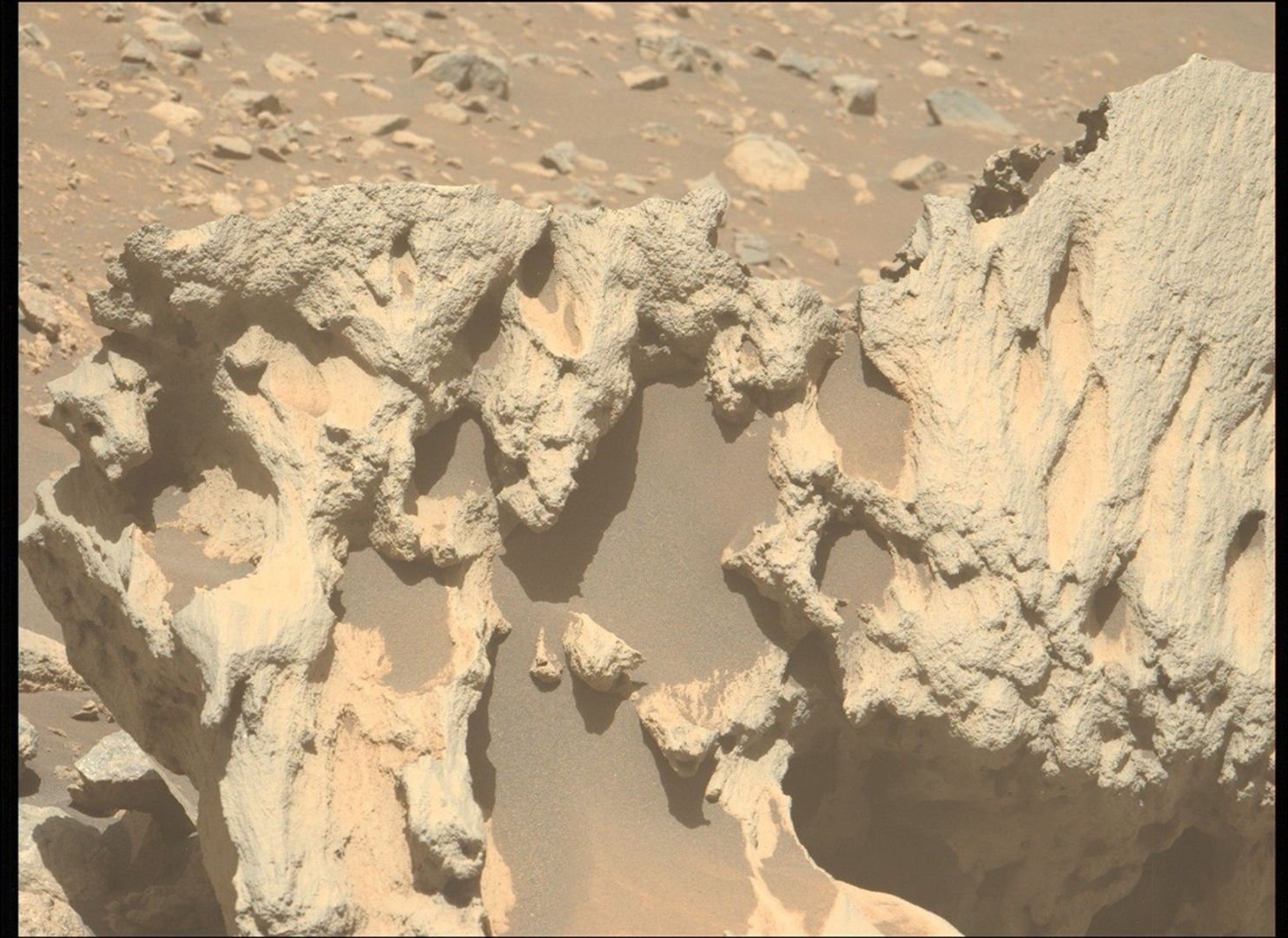
A wind-carved rock on the Martian surface, captured by the Mastcam-Z instrument as part of its first panorama of the planet. Credit: NASA/JPLE-Caltech
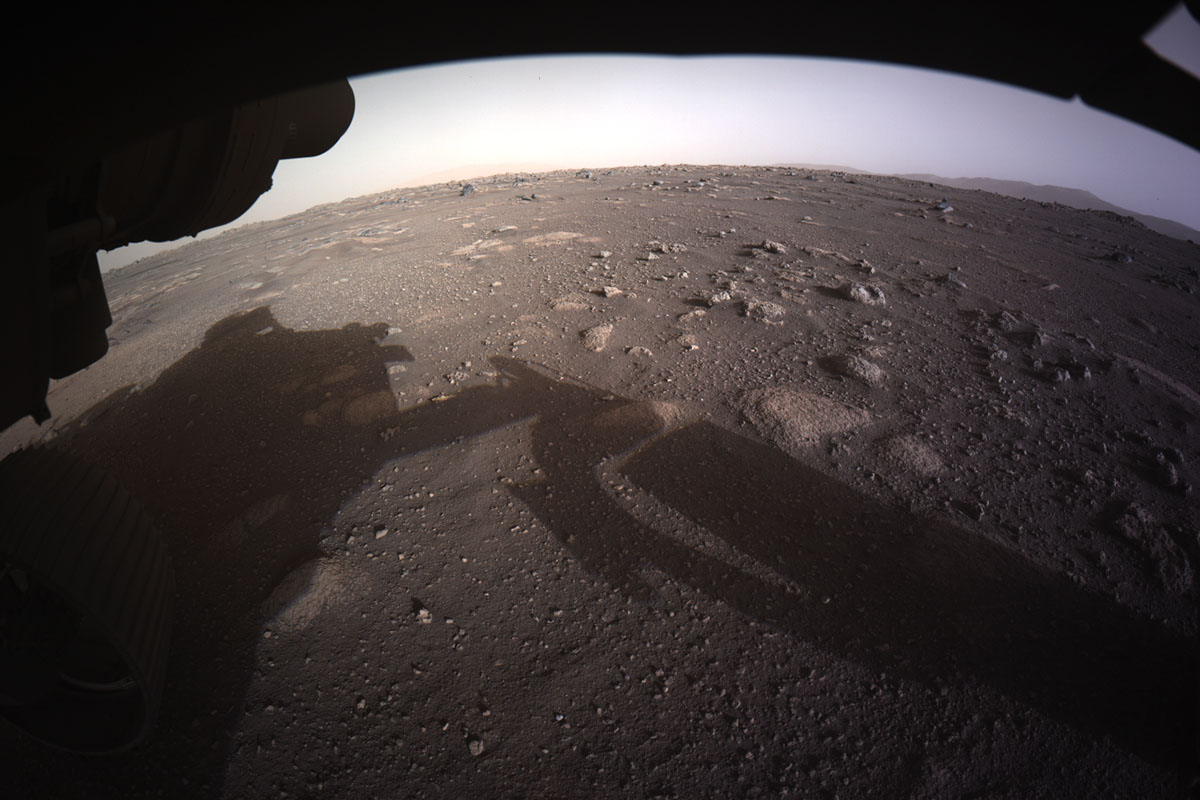
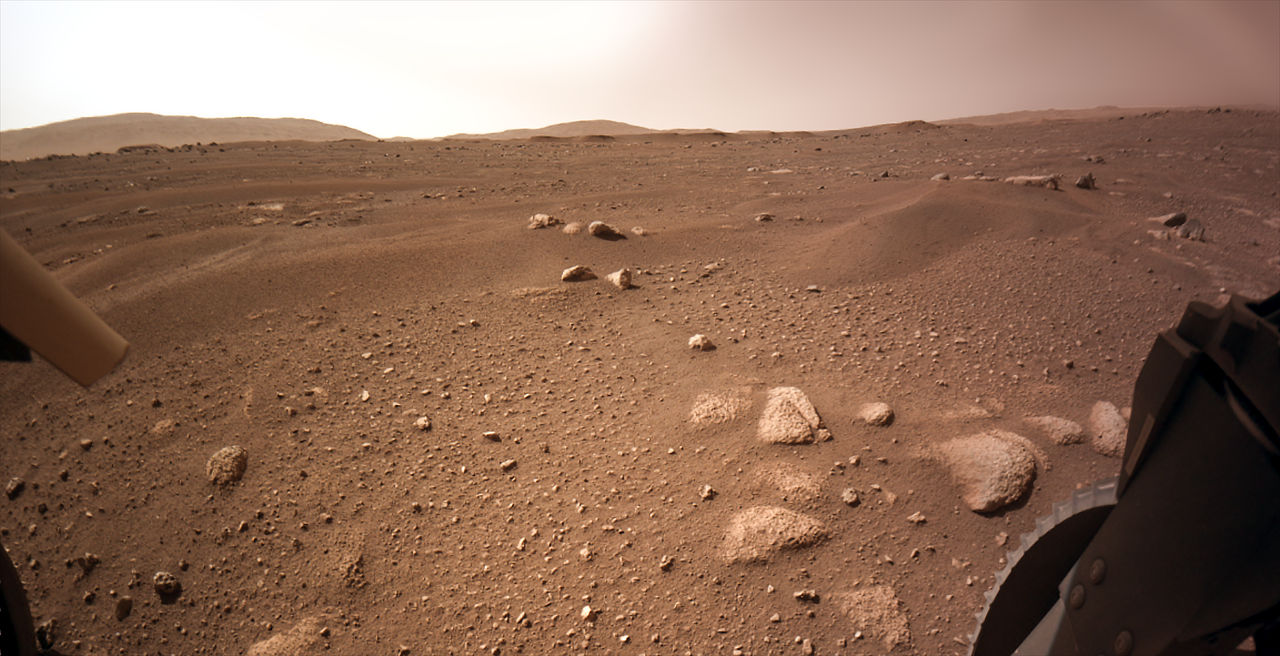
The first hi-res colour image of the surface of Mars sent back by the Hazard Camera after Perseverance's landing on 18 February 2021. Credit: NASA/JPL-Caltech
The Martian landscape, Sol 2 MARS PERSEVERANCE, 21 FEBRUARY 2021. IMAGE CREDIT: NASA/JPL-Caltech/Will Gater
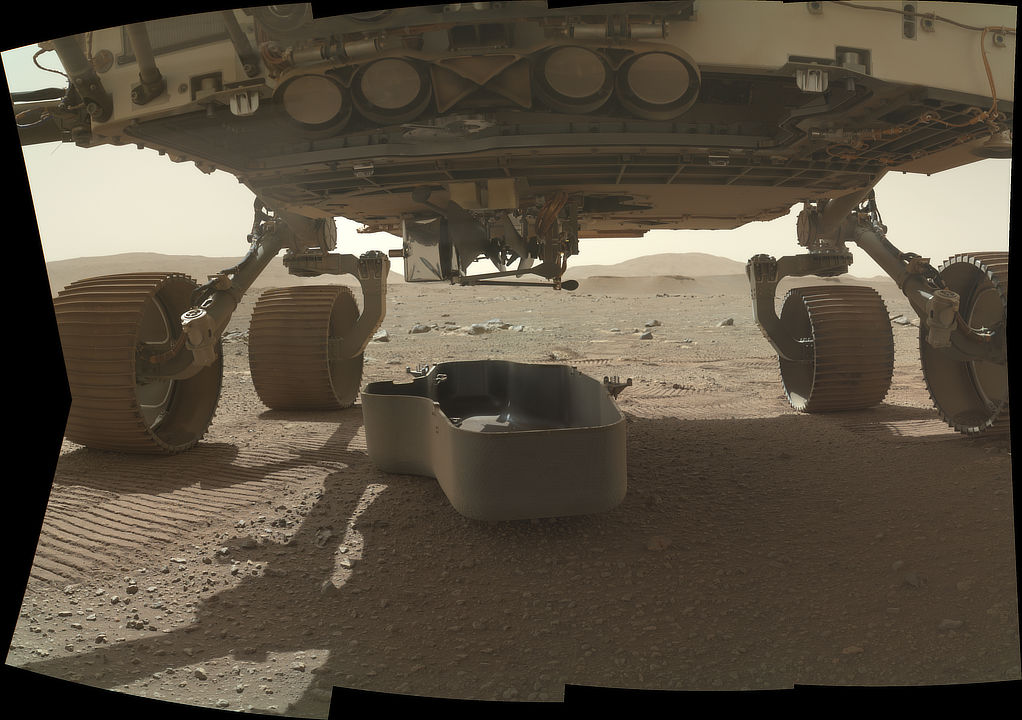
Perseverance drops its debris shield prior to releasing the Ingenuity helicopter
PERSEVERANCE, 23 MARCH 2021
CREDIT: NASA/JPL-Caltech/MSSS
Mars Helicopter, Ingenuity, makes its first flight. MARS PERSEVERANCE, 19 APRIL 2021. IMAGE CREDIT: NASA/JPL-Caltech/ASU
Ingenuity helicopter spots Perseverance from the air
Perseverance Mars rover, 4 August 2021
IMAGE CREDIT: NASA/JPL-Caltech
Selfie after successfully drilling two rock core samples
PERSEVERANCE MARS ROVER, 20 SEPTEMBER 2021
IMAGE CREDIT: NASA/JPL-Caltech
Rock before sample drilling in Mars's Jezero Crater
PERSEVERANCE MARS ROVER, 15 DECEMBER 2021
IMAGE CREDIT: NASA/JPL-Caltech/MSSS
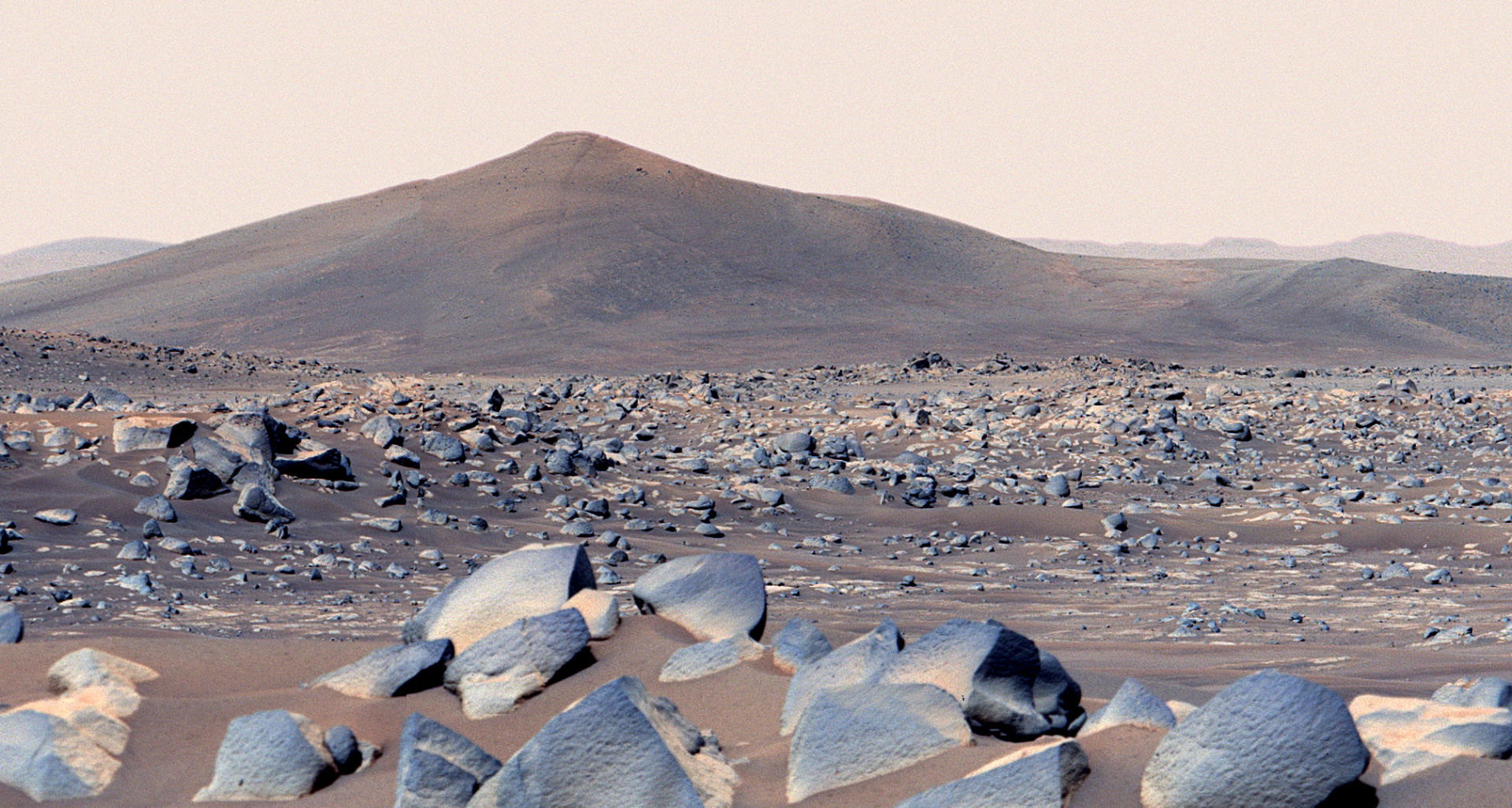
‘Santa Cruz’, a hill in Mars’s Jezero Crater
PERSEVERANCE, February 18, 2022
IMAGE CREDIT: NASA/JPL-Caltech/ASU/MSSS
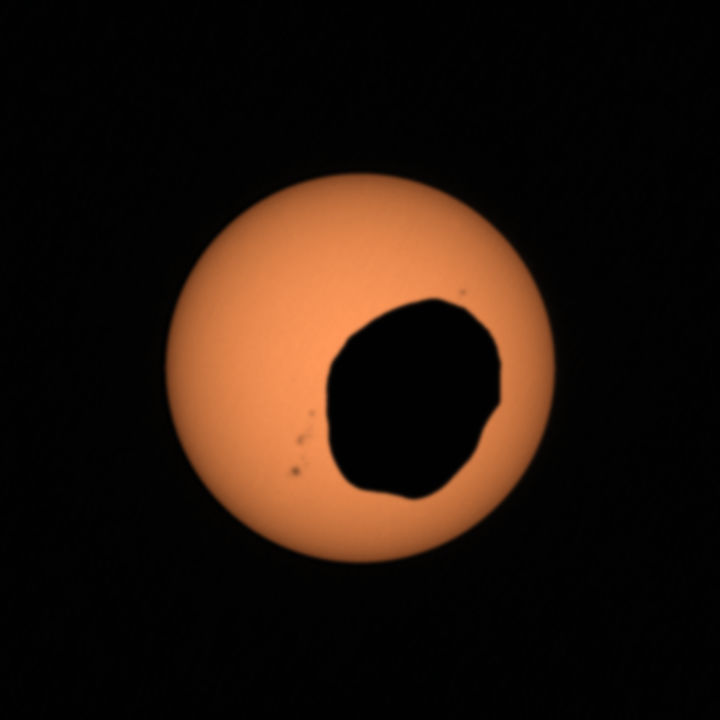
Mars’s moon Phobos crossing the Sun
PERSEVERANCE, 2 APRIL 2022
IMAGE CREDIT: NASA/JPL-Caltech/ASU/MSSS/SSI
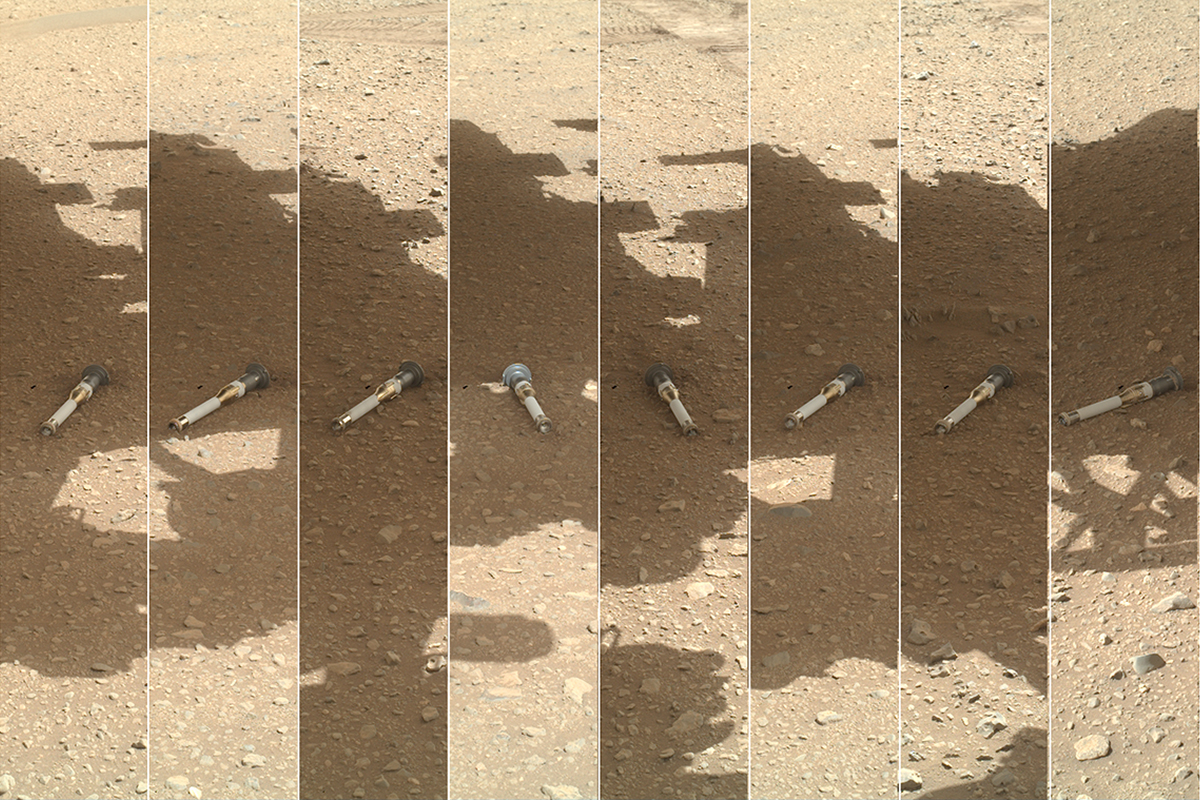
Composite image showing some of the sample tubes deposited by the Perseverance rover at 'Three Forks,” a location within Mars’s Jezero Crater. Credit: NASA JPL-Caltech
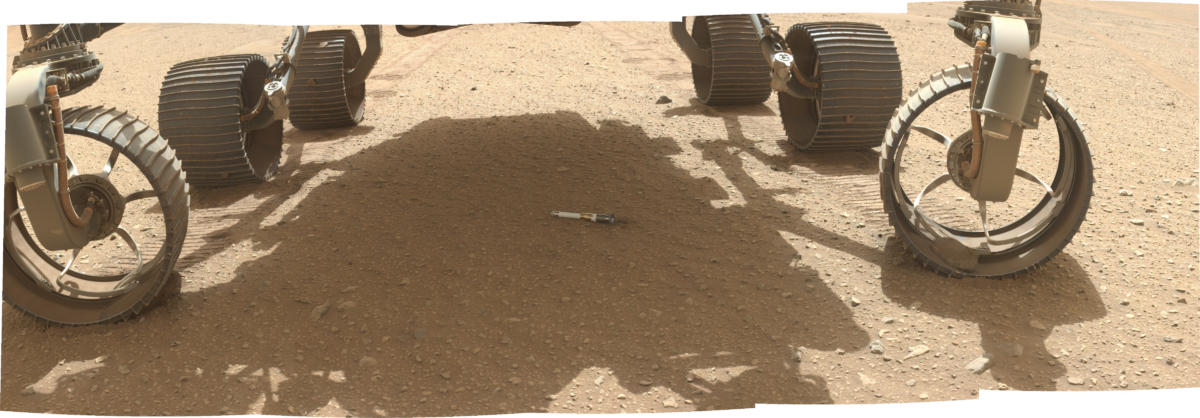
The first sample tube deposited on Mars by Perseverance rover, 21 December 2022. Credit: NASA/JPL-Caltech
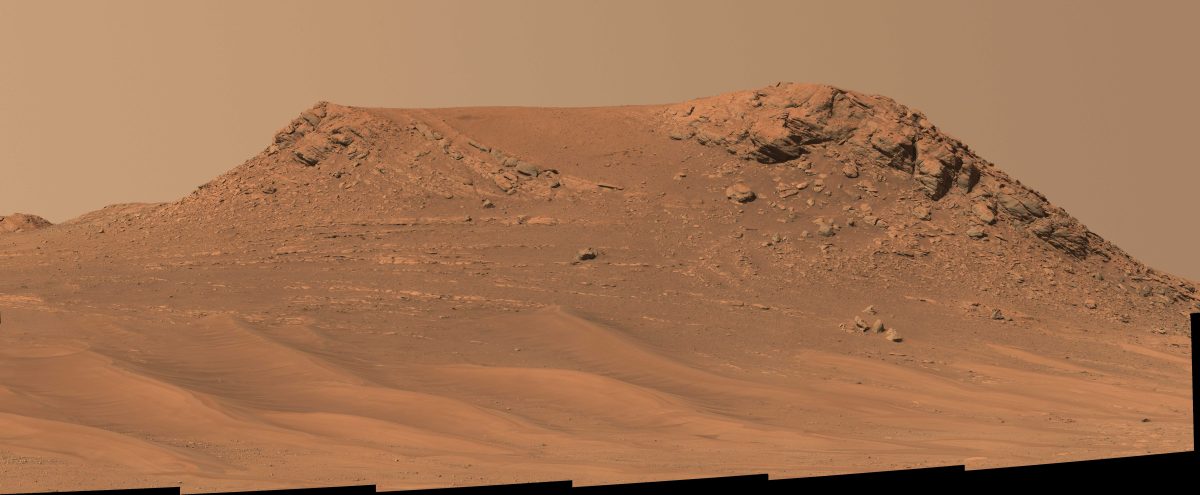
NASA’s Perseverance Mars rover image of a hill named 'Pinestand' showing tall sedimentary layers could have been formed by a deep, powerful river. Credit: NASA/JPL-Caltech/ASU/MSSS
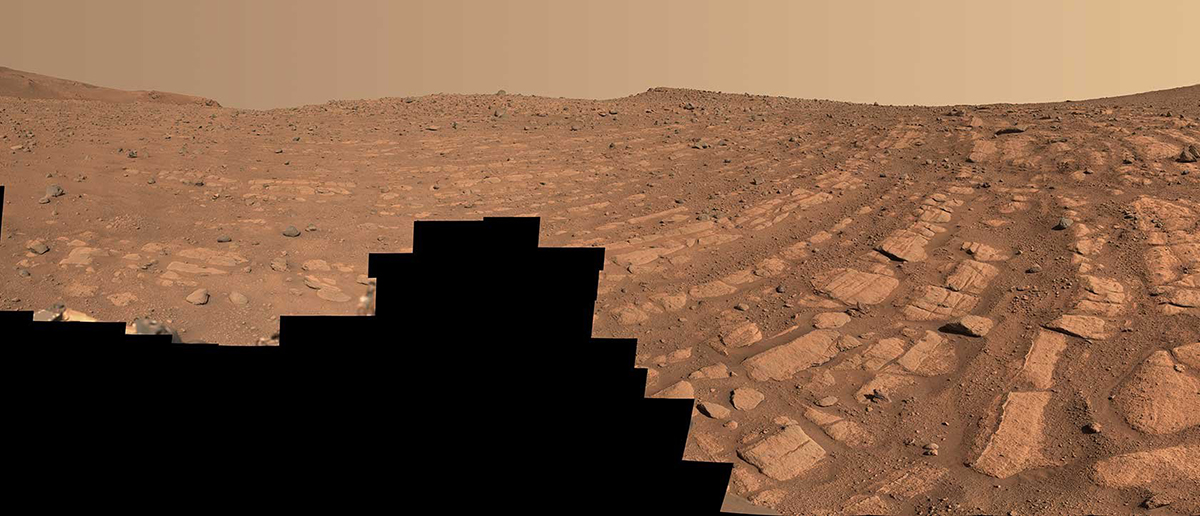
Bands of rocks on Mars in a region called 'Skrinkle Haven' that could have been formed by a fast, deep river. Credit: NASA/JPL-Caltech/ASU/MSSS
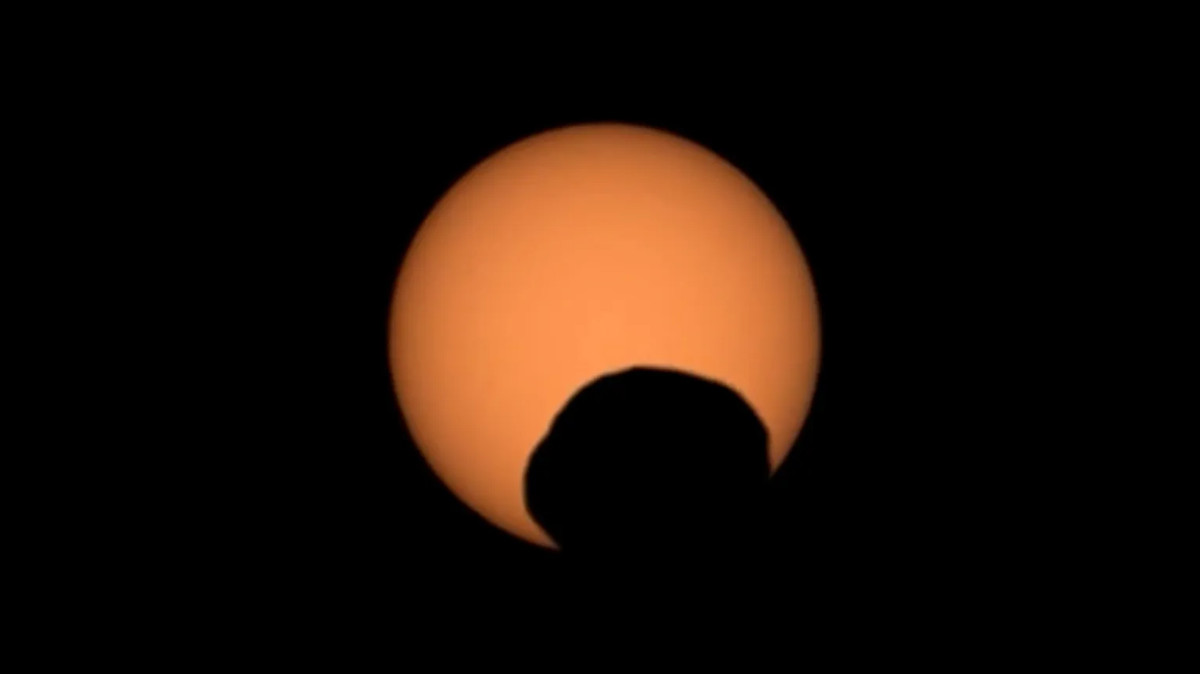
Mars's moon Phobo passing in front of the Sun, 30 September 2024, as seen by NASA's Perseverance rover. Credit: NASA
NASA’s Perseverance rover image showing a sample depot on 31 January 2023, containing 10 samples. Credit: NASA/JPL-Caltech/ASU/MSSS Full Image Details
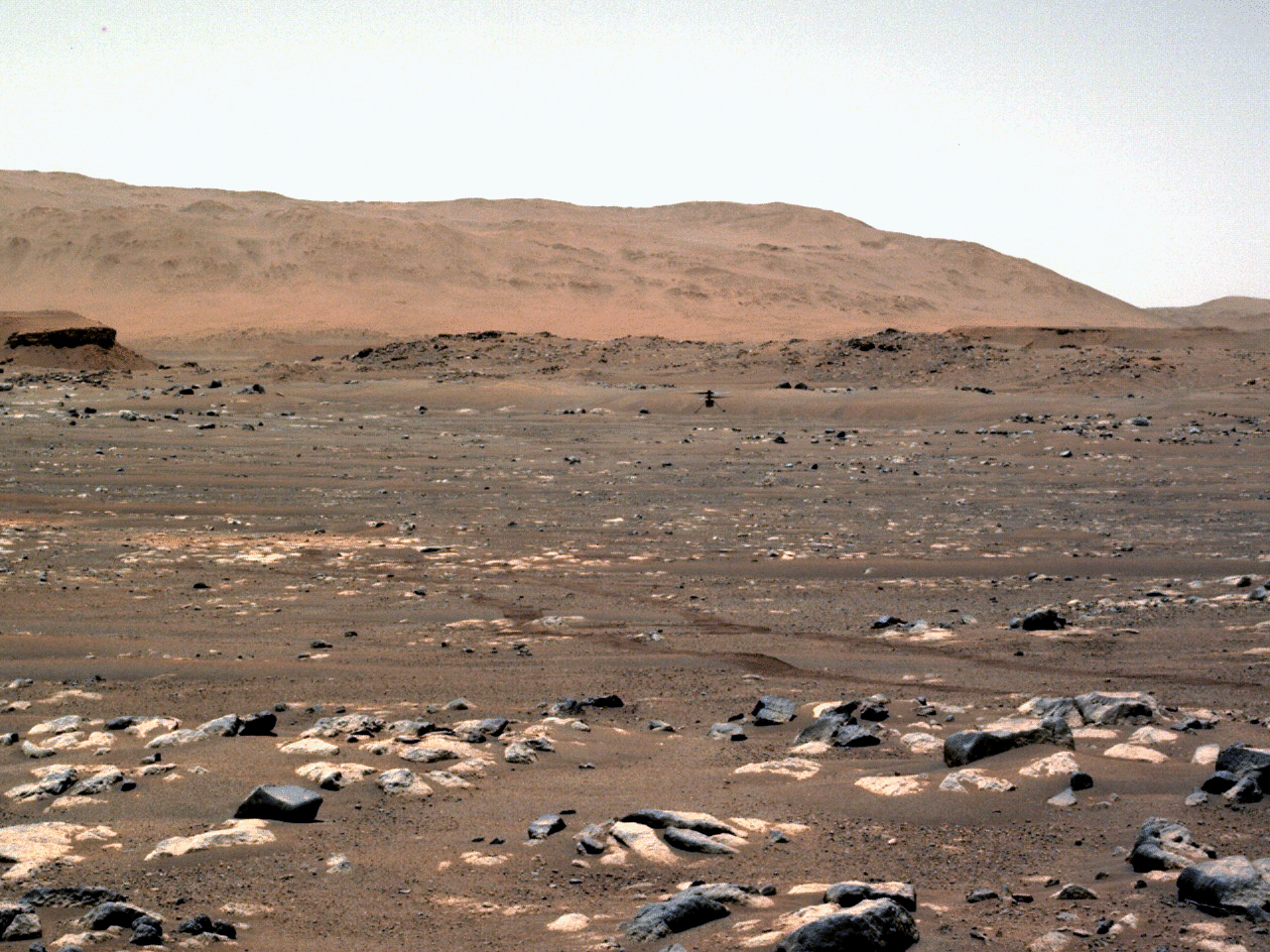
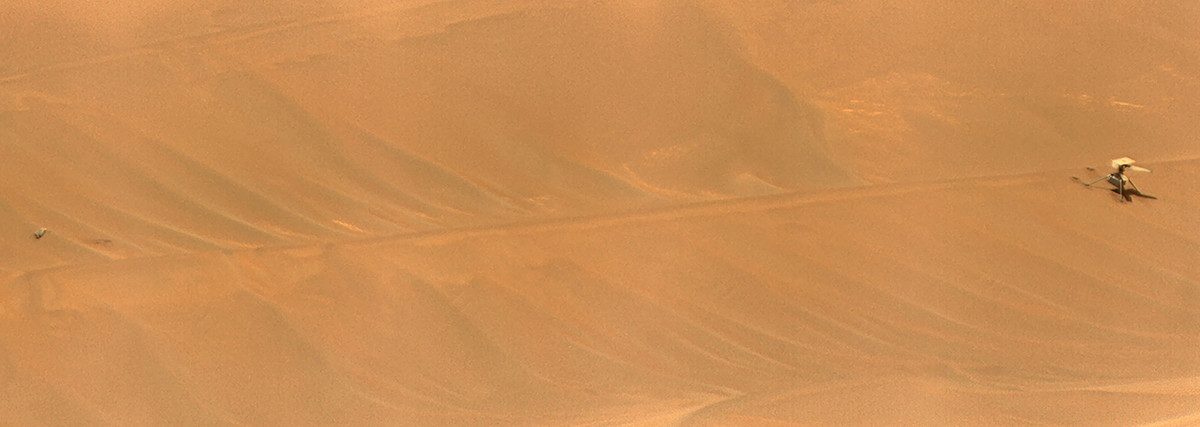
NASA’s Ingenuity Mars Helicopter can be seen on the right of this image. On the left, about 15 metres away, is one of its rotor blades. The image was captured by NASA's Perseverance rover on 24 February 2024. Credit: NASA/JPL-Caltech/LANL/CNES/CNRS
Observation Rock, Mars, Perseverance Mars Rover, 7 November 2024 Credit: NASA/JPL-Caltech/ASU/MSSS
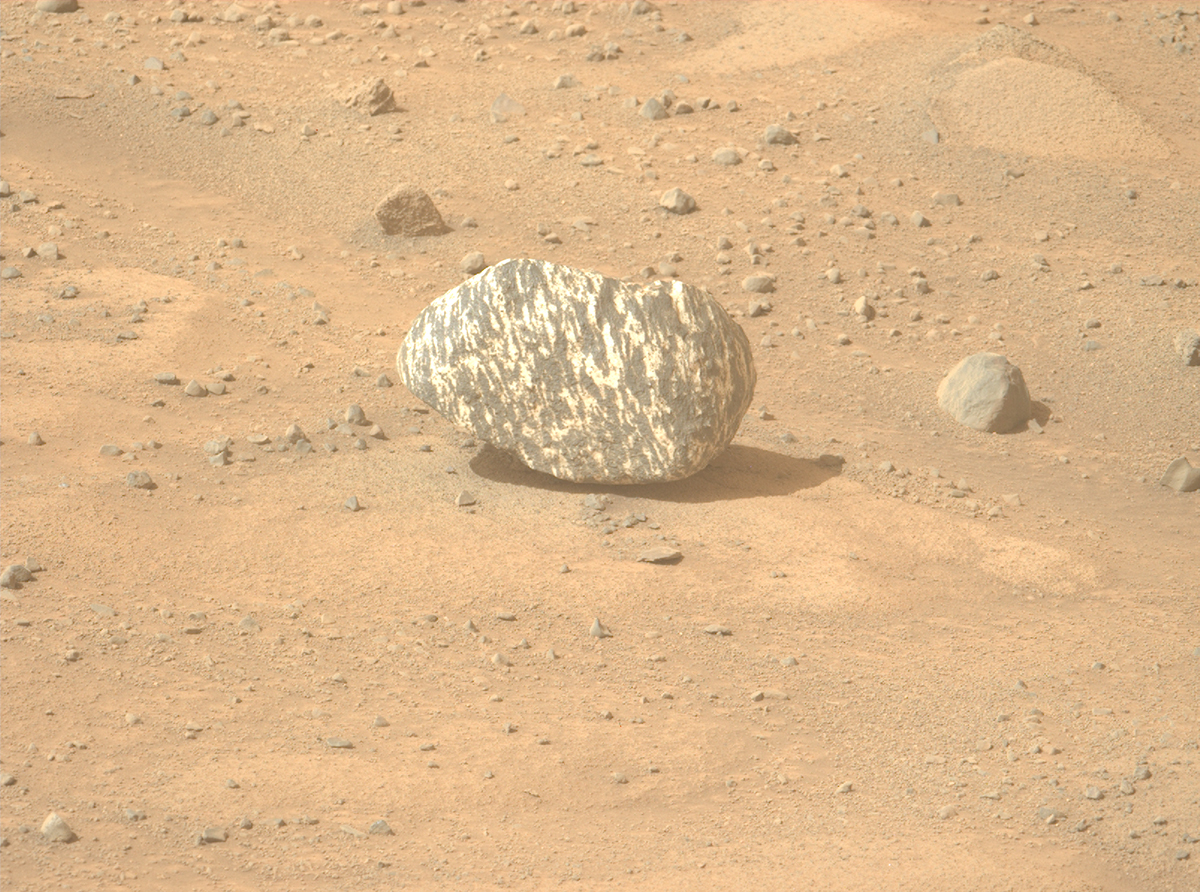
NASA's Mars Perseverance rover captured this image of a black-and-white striped rock, nicknamed Freya Castle, on 13 September 2024. Credit: NASA/JPL-Caltech/ASU
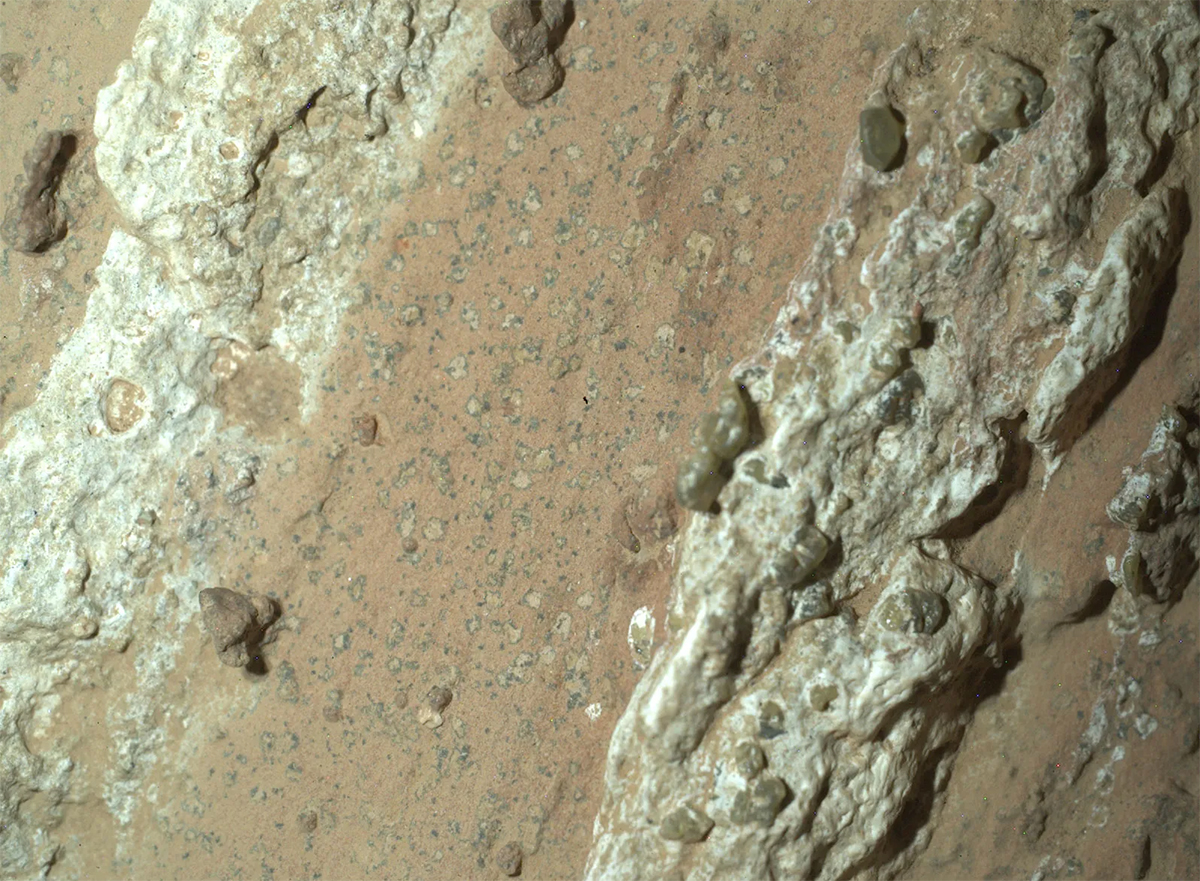
NASA’s Perseverance Mars rover captured this image of a rock with 'leopard spots' nicknamed Cheyava Falls on 18 July 2024. Credit: NASA/JPL-Caltech
NASA's Perseverance Mars rover's first view over the rim of Jezero Crater, looking west from Lookout Hill, 10 December 2024. Credit: NASA/JPL-Caltech
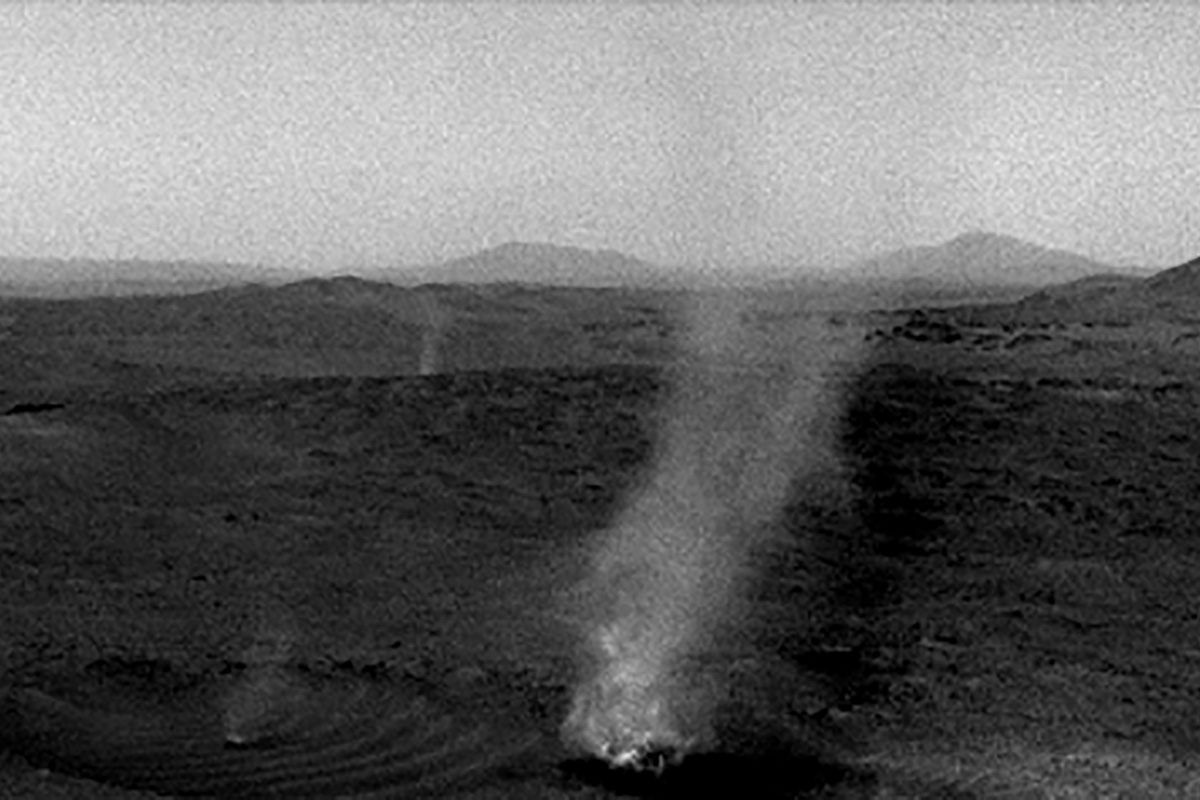
Dust devil on Mars captured by NASA's Perseverance rover. Credit: NASA/JPL-Caltech/SSI
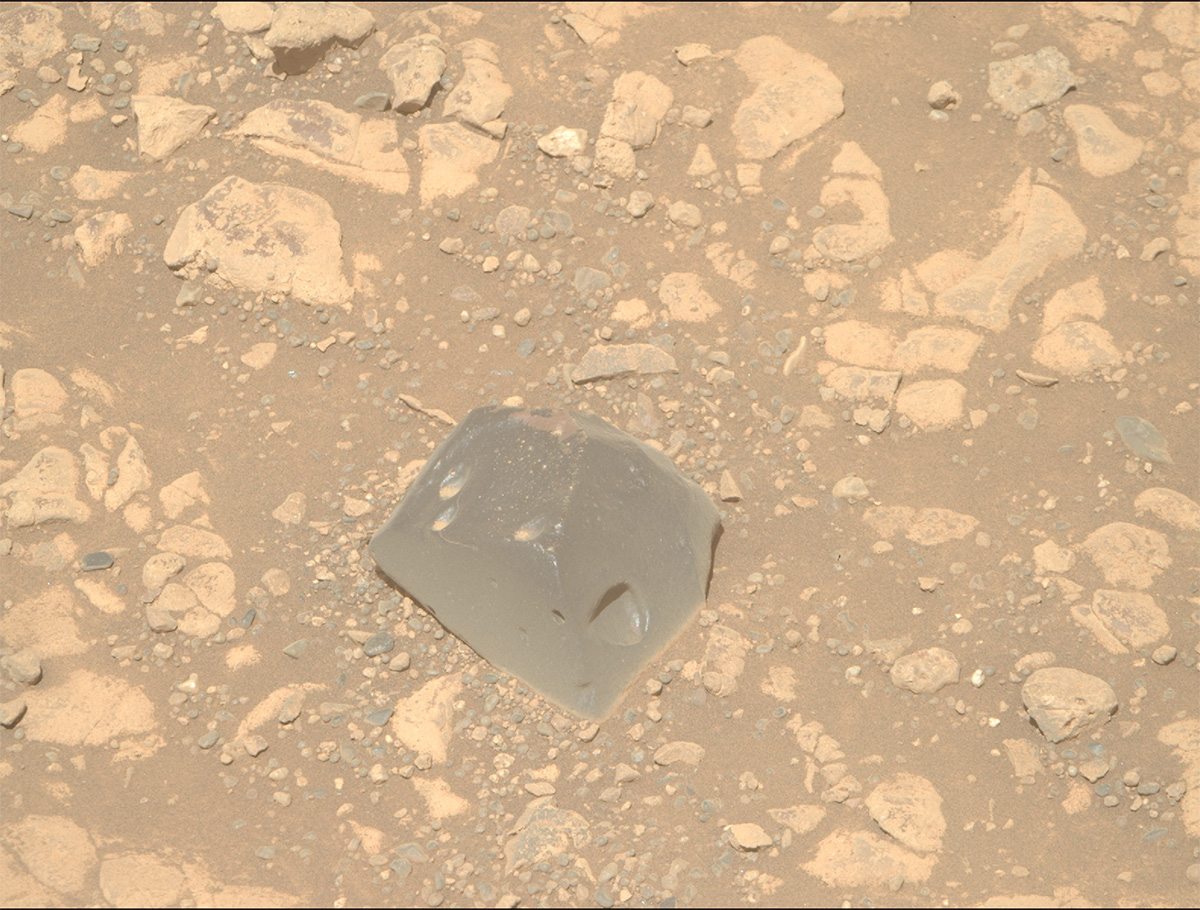
Image from NASA’s Mars Perseverance rover showing the ‘Skull Hill’ dark-toned float rock, 11 April 2025. Credit: NASA/JPL-Caltech/ASU
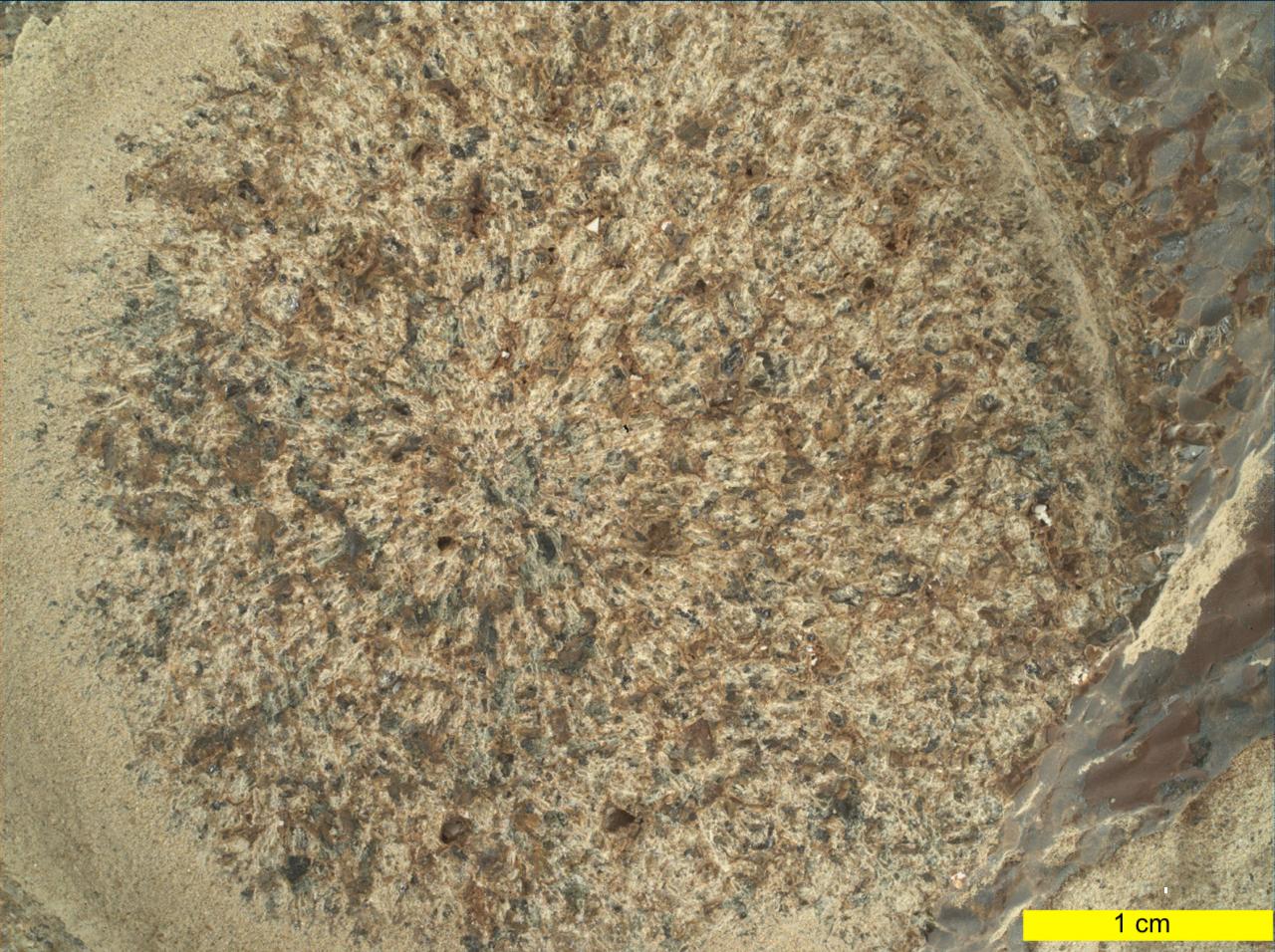
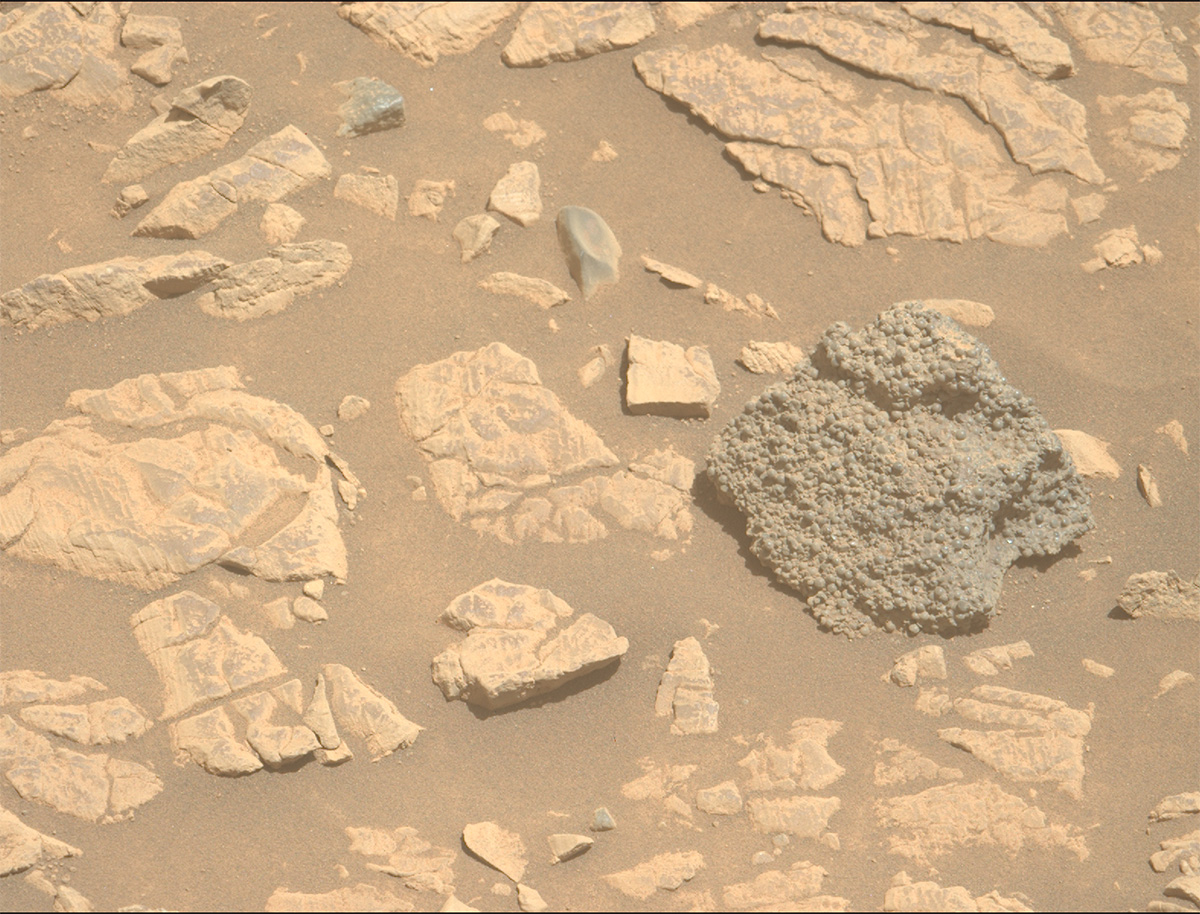
NASA’s Mars Perseverance rover captured this image of a rock named 'St. Pauls Bay', which displays hundreds of small spherical formations known as 'spherules'. Credit: NASA/JPL-Caltech/ASU
Enhanced-colour view of an area on Mars nicknamed 'Flabreen', captured by NASA's Perseverance Mars rover on 26 May 2025. Credit: NASA/JPL-Caltech/ASU/MSSS
Natural-colour view of an area on Mars nicknamed 'Flabreen', captured by NASA's Perseverance Mars rover on 26 May 2025. Credit: NASA/JPL-Caltech/ASU/MSSS
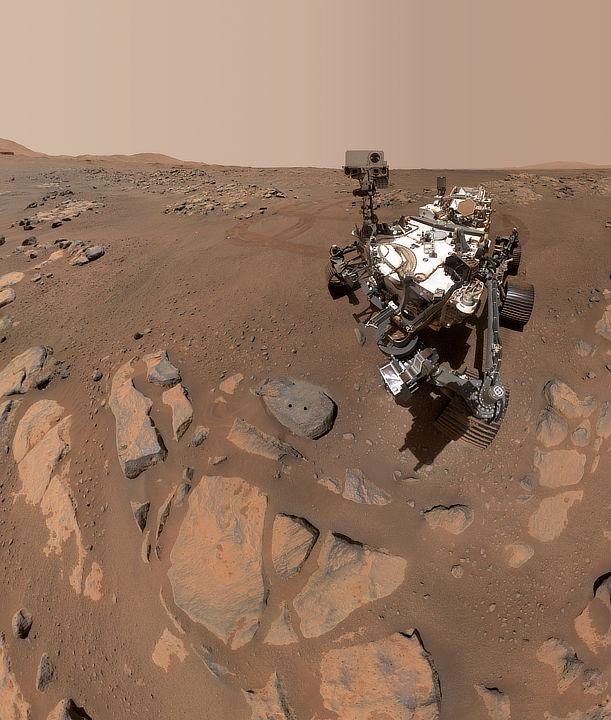
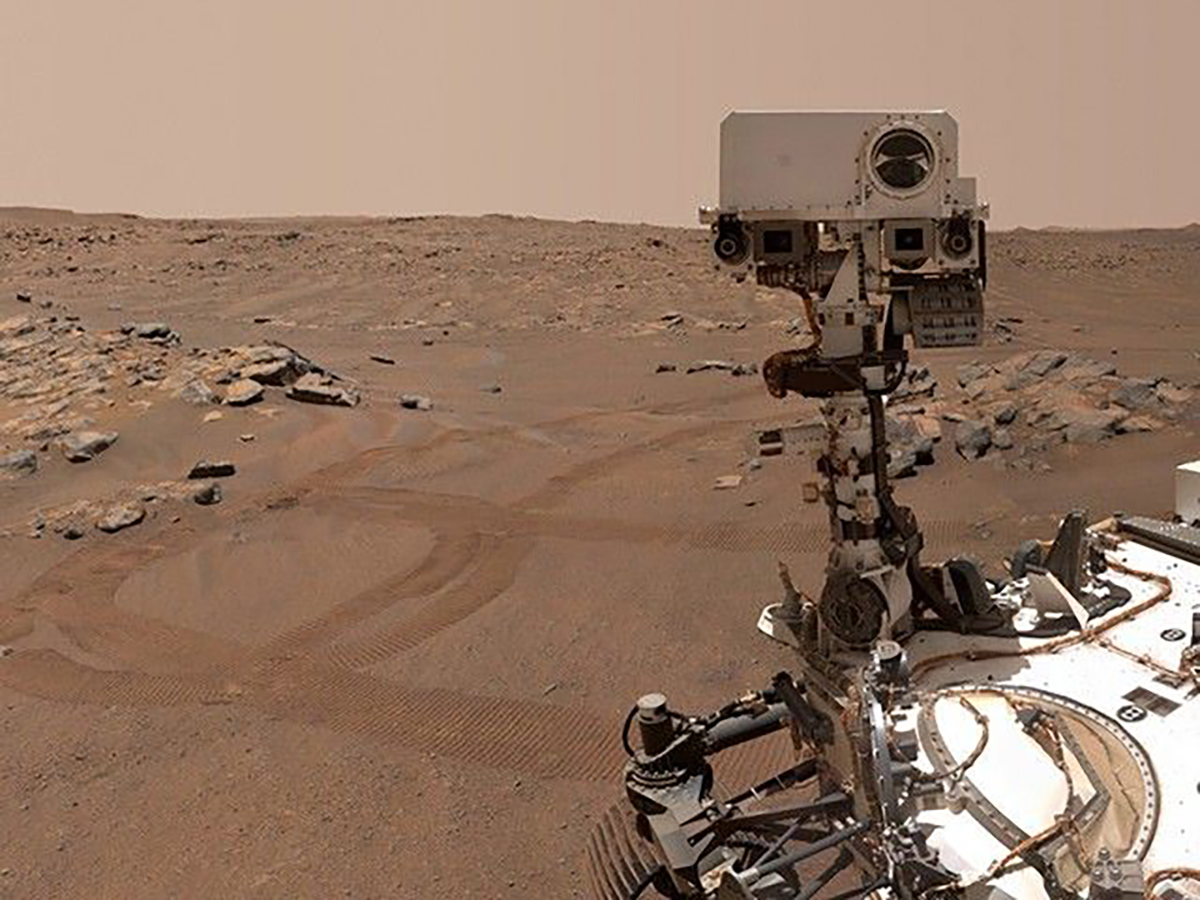
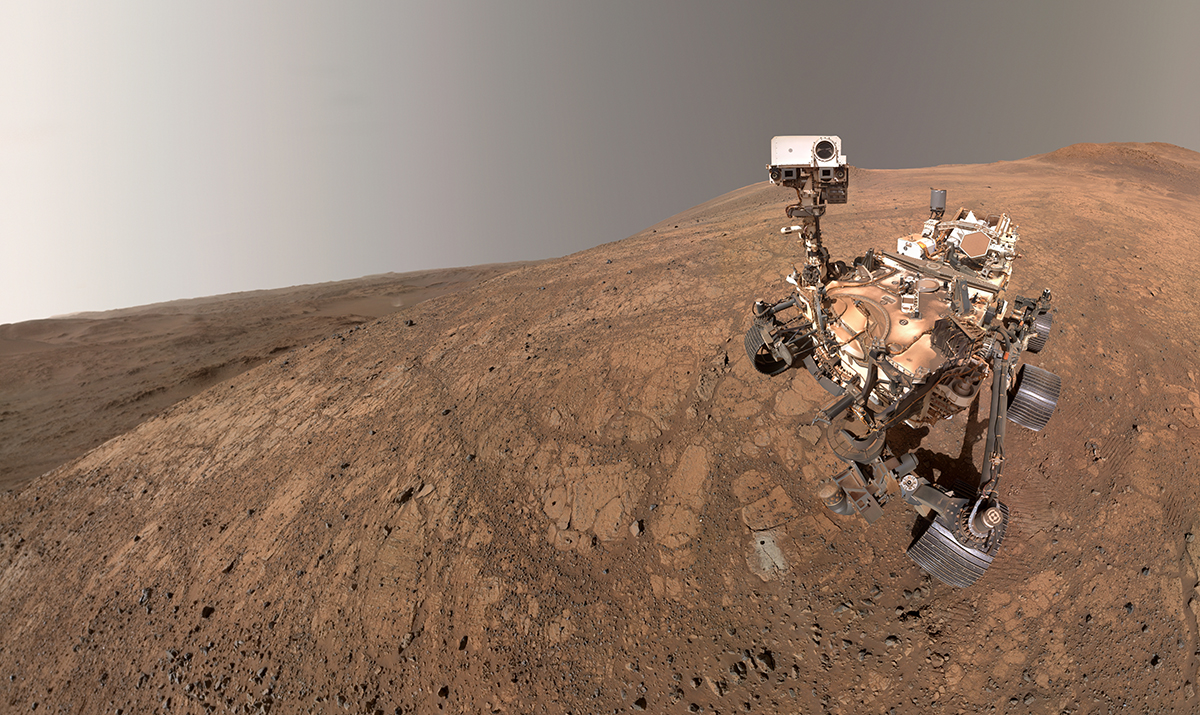
NASA's Perseverance rover captured this selfie on 23 July 2024, near a rock known as Cheyava Falls, which shows evidence that it may have once been home to microbial life. Credit: NASA/JPL-Caltech/MSSS. Credit: NASA/JPL-Caltech/MSSS
NASA Perseverance Mars rover selfie over a rock nicknamed Rochette on 10 September 2021. Credit: NASA/JPL-Caltech/MSSS
Martian meteorite Phippsaksla
Perseverance Mars Rover, 13 November 2025
Credit: NASA/JPL-Caltech/ASU
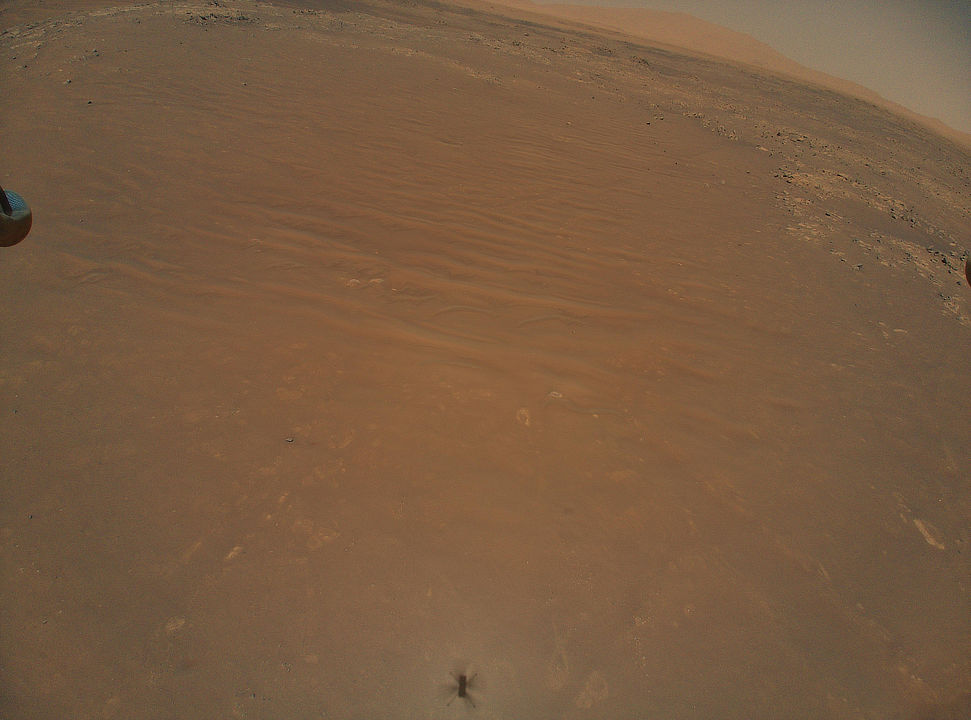
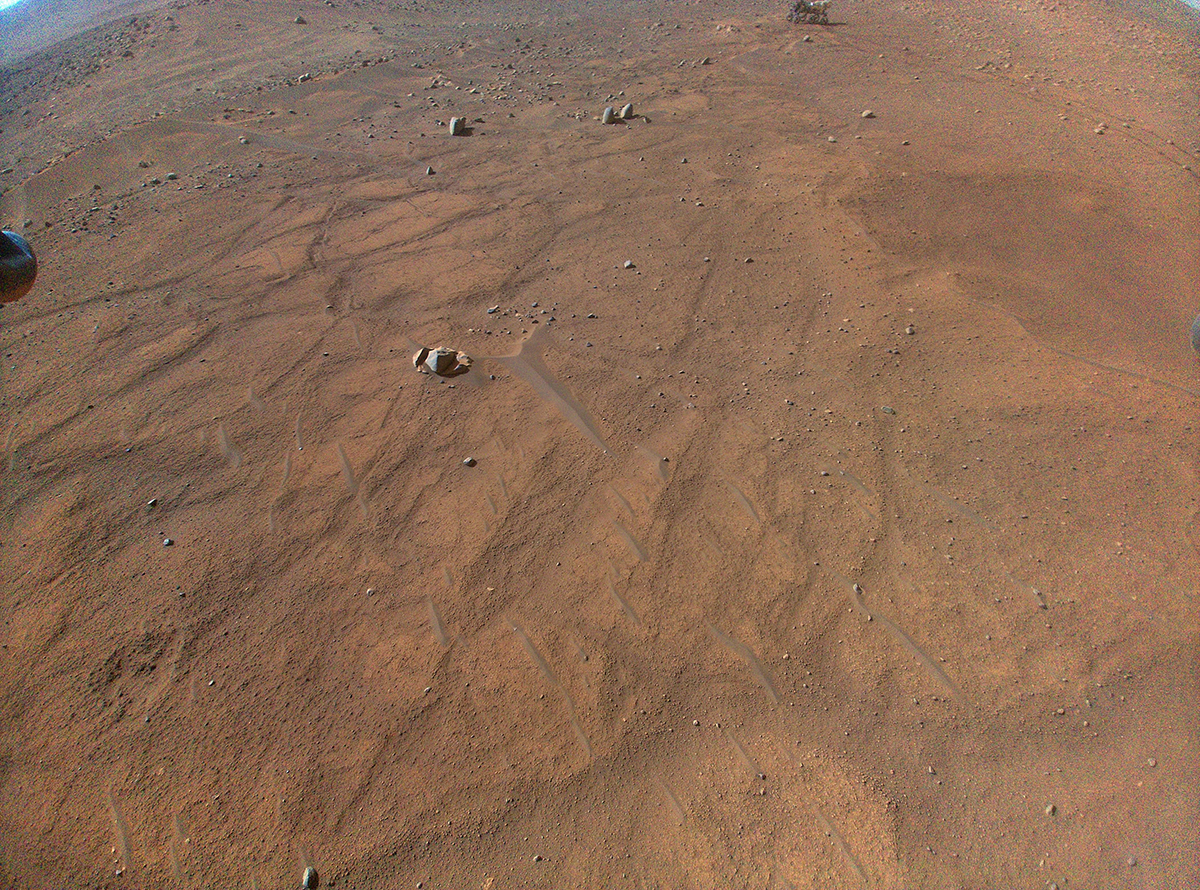
View of NASA's Perseverance rover (very top of the image, right of centre), as seen by the Ingenuity helicopter. Credit: NASA/JPL-Caltech
NASA Perseverance rover selfie at Witch Hazel Hill on Jezero Crater’s rim, 10 May 2025. Visible is a borehole made when Perseverance collected a sample that could one day be returned to Earth. Credit: NASA/JPL-Caltech/MSSS
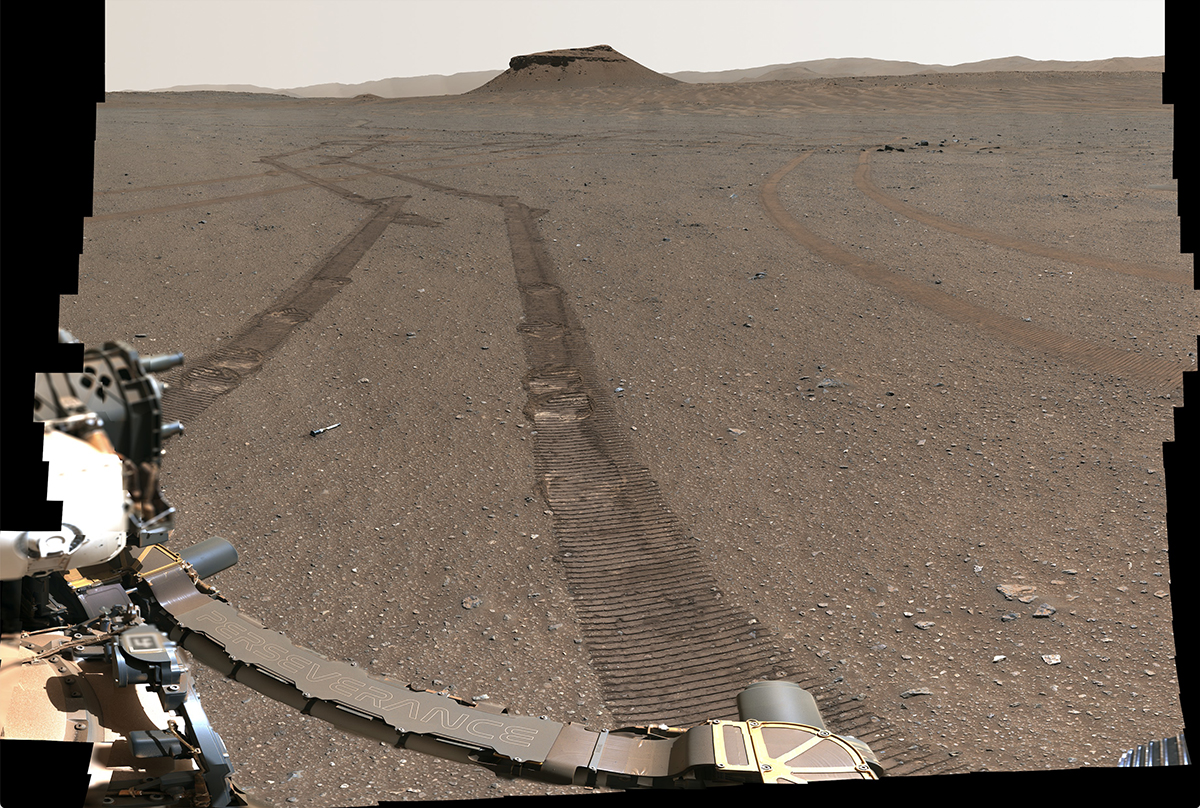
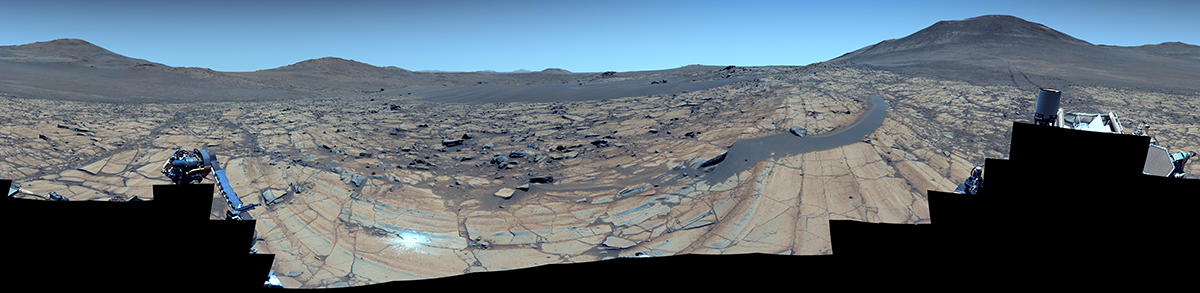
NASA’s Perseverance rover captured this image showing its own tracks descending from the rim of Jezero Crater. Bright rocks running from middle left to middle right are 'Broom Point member' likely more than 3.9 billion years old and among the oldest terrain ever examined by a Mars rover. Credit: NASA/JPL-Caltech/ASU/MSSS
Image of the Margin Unit on Mars, as seen by the Perseverance rover between 8–16 October 2023. Credit: NASA/JPL-Caltech/MSSS
Russell Deeks is a freelance journalist specialising in science and technology. He has been an occasional contributor to BBC Sky at Night Magazine since 2006.
This website is owned and published by Our Media Ltd. www.ourmedia.co.uk