
A NASA rover on Mars has captured an incredible image of many-sided geologic features stretching across the surface of the Red Planet.
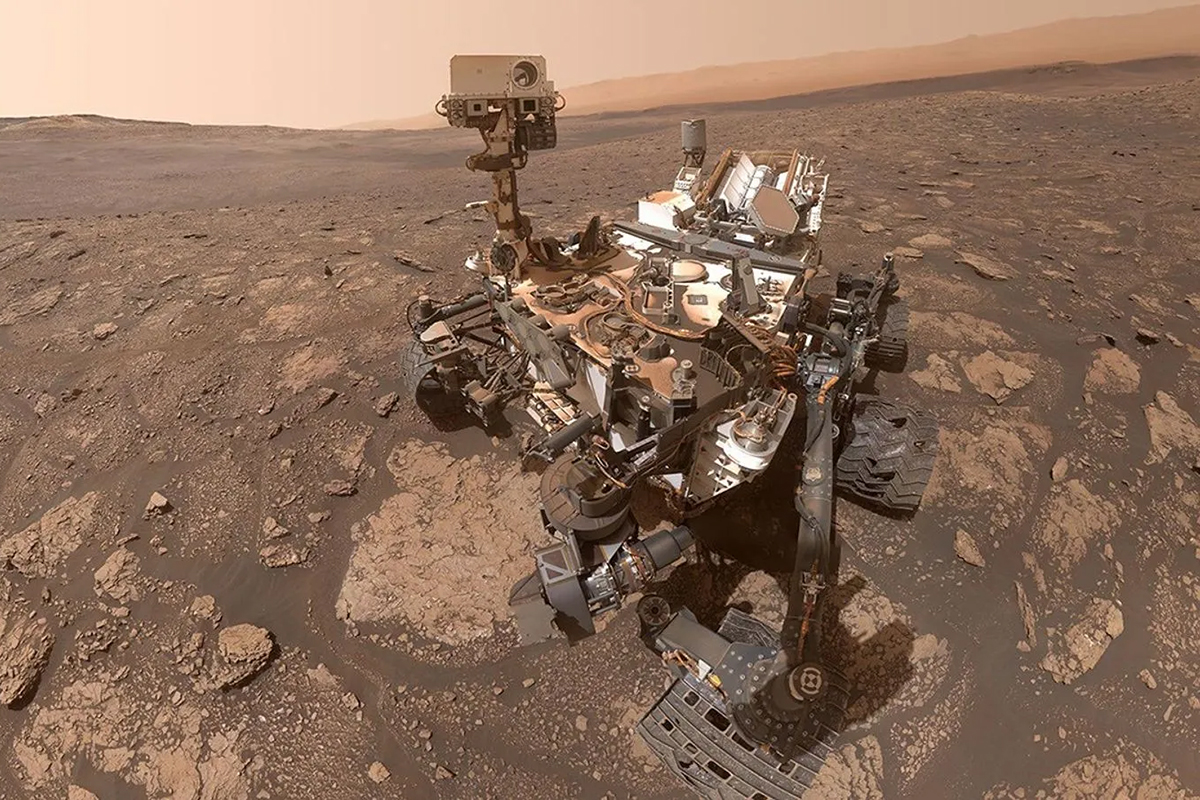
The images were captured by the Curiosity rover as it began climbing up a Martian valley known as Valle Grande.
Curiosity mission scientists say they've never seen so many of the polygon features in one place on Mars.
More on Mars
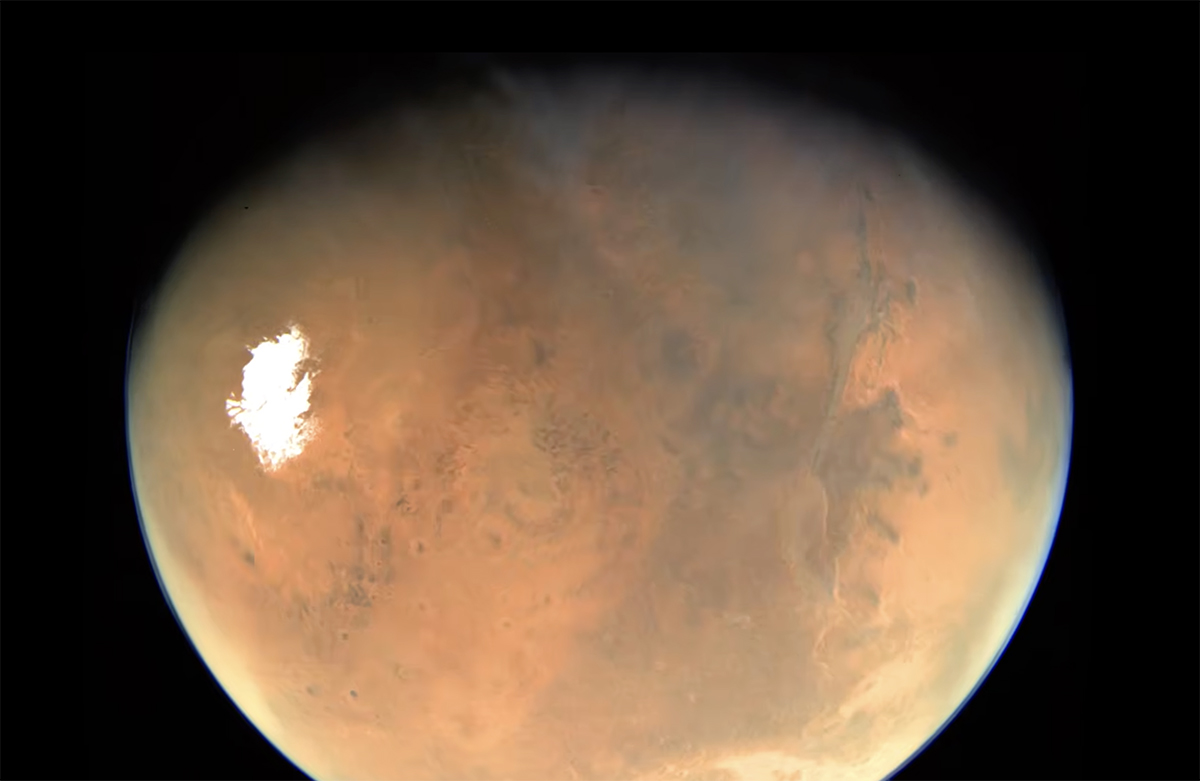
What are these strange features on Mars?
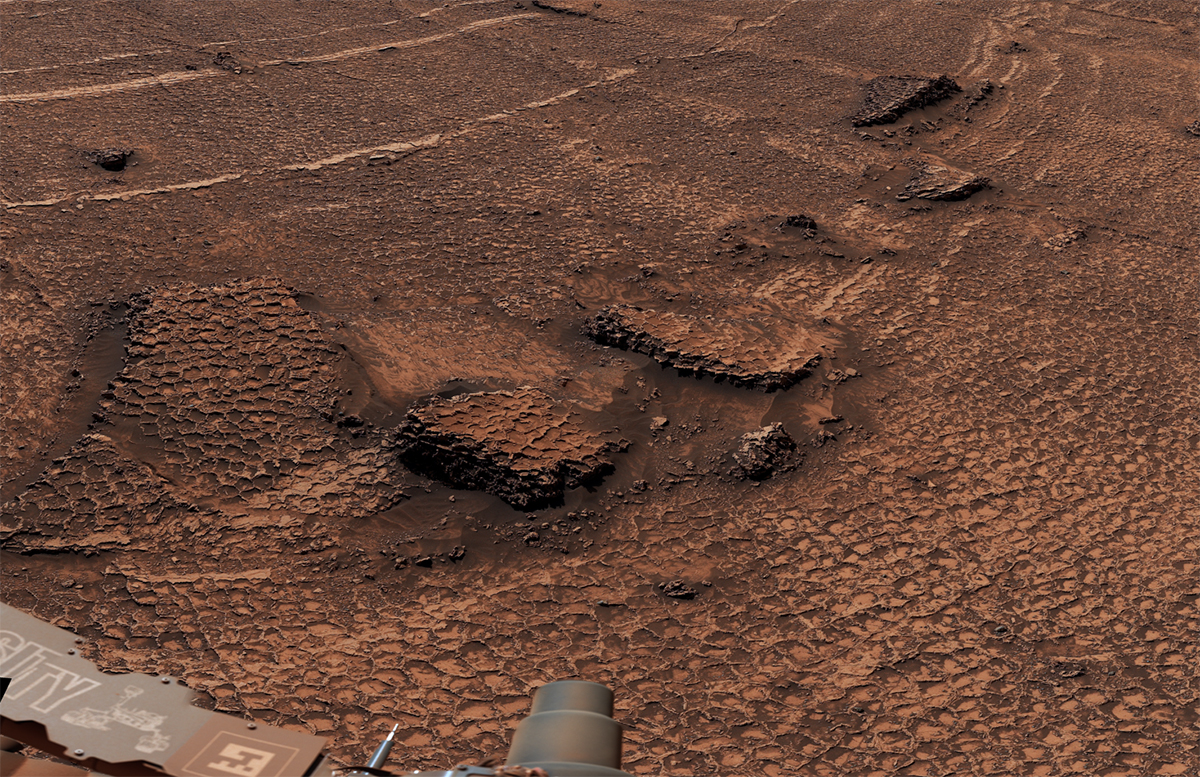
The honeycomb-like features seen by Curiosity on Mars are known as polygonal fractures and each one is about 4–8cm (1.5–3 inches) across.
This is not the first time Curiosity has seen the strange features, but NASA says they've never been seen on Mars before at the scale seen in Valle Grande.
Curiosity captured a 360° panorama on 19 and 20 June 2026 that shows the polygonal fractures in all directions as far as the eye can see.
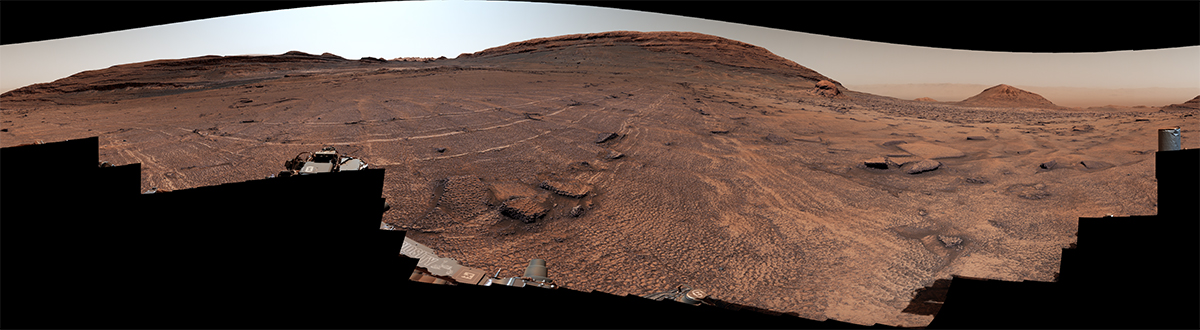
They've also been seen around the sides of a 6m (20 feet) tall geological feature known as a 'butte', that's nicknamed 'Miraflores'.
Planetary scientists say some of the polygons seen by Curiosity in the past formed as mud cracks, but they aren't exactly sure what caused them.
They say a variety of processes could have produced the honeycomb textures.
These include cycles of hot and cold temperatures on the Red Planet or compression squeezing water out of Martian sediment when the surface was buried.
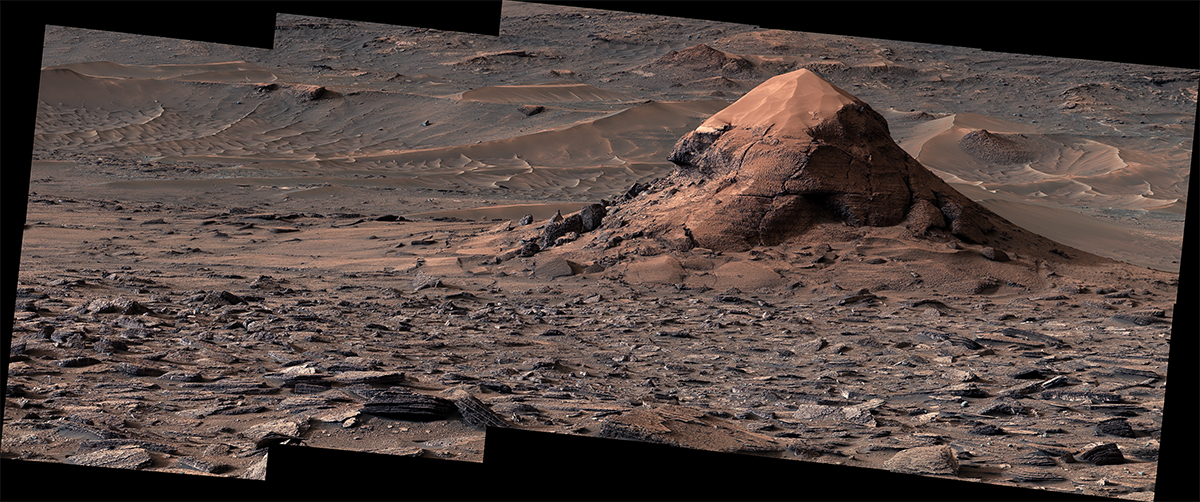
"We’ve seen a lot of fascinating landscapes through Curiosity’s eyes, but this sea of polygons took our breath away," says Curiosity mission project scientist Ashwin Vasavada of NASA’s Jet Propulsion Laboratory.
"We measured their shapes and chemistry carefully and are hopeful there are clues in the data as to how these features formed."
The search for water and signs of life
Throughout its mission on Mars, the Curiosity rover has found sulphur crystals, meteorites and a variety of geological features.
It's also made discoveries about what Mars was like in its ancient history, including that it was much wetter and hosted the chemistry and nutrients to support microbial life.
The rover has found the building blocks of life on Mars, including carbon-based molecules thought to be precursors to RNA and DNA.
These organic molecules may have been created by either biologic or geologic processes, but they nevertheless show that ancient Mars had the right chemical conditions to support life.

