Dr Samantha Lawler researches the orbital dynamics of the Kuiper belt, in the far reaches of the Solar System.
But with her research increasingly intruded on by the ever-growing number of satellites in Earth orbit, she has also become involved in international efforts to protect our dark skies – most recently, raising concerns about a proposed series of satellite launches by a company called Reflect Orbital.

Who are Reflect Orbital and what do they do?
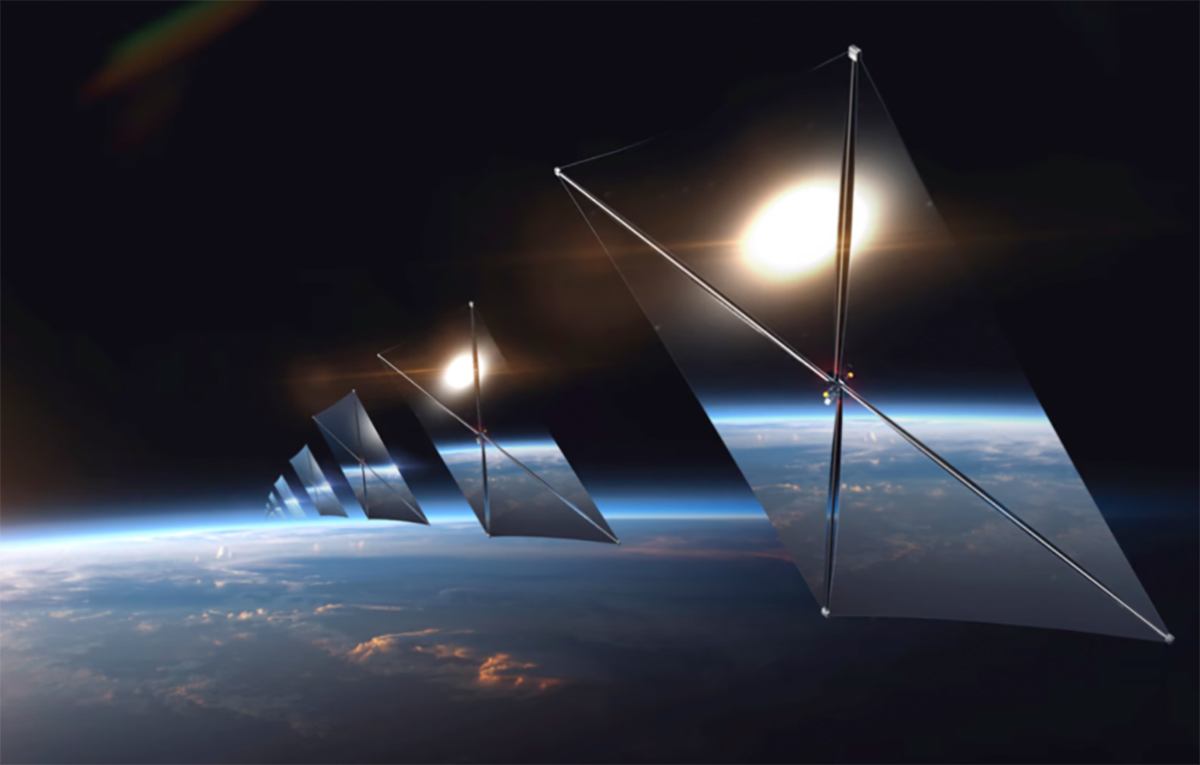
Reflect Orbital is a small company in California that wants to use mirrors in orbit to reflect sunlight down onto solar panels on the ground, to provide solar power at night.
If you do the maths, the reflected light is around four times the brightness of the full Moon, which you can’t use to run a solar panel.
The plan is then to have tens of thousands of these satellites in orbit – 50,000, as quoted – all pointed at a single point on the ground.
Because they are in low-Earth orbit, they can only point to one spot on the ground for around four minutes before they have to point to another location.
This would then require constant repointing. Reflect Orbital has been approved to launch one reflective satellite.
It will follow a polar orbit, meaning it will fly over every country in the world as Earth rotates.
How does this concept work?
It is a mirror with no focus. This means, as the mirror reflects the Sun downwards, the light will diffuse into a wide zone, around 7 kilometres (4.35 miles) across, depending on the angle and the quality of the mirror.
It will also depend on the number of clouds that are in the way.
Read more
What are the potential benefits of this type of technology?
The idea is to utilise solar power at night, when there’s no sunlight.
Typically, we do this using batteries that store solar energy generated during the day.
The Reflect Orbital approach would provide solar power for around an additional hour each side of darkness – which is when most power gets used, right around sunset.
Has Reflect Orbital been given approval to launch its satellites?
In order to get approval to launch a satellite in the US, you have to get permission from the Federal Communications Commission, the FCC.
This is a federal agency set up to regulate radio broadcasts, not orbital safety. They’re not allowed to evaluate optical light, which is what Reflect Orbital operates on.
Reflect Orbital proposed this idea and asked to launch a satellite in the United States.
Around 2,000 individuals wrote letters against the plans, and there were petitions to deny the launch from organisations like DarkSky International.
The mandate from the US government right now is in favour of approvals: they want US industry to launch as many satellites as possible with minimal difficulty. And so the FCC approved the satellite.
What are some of the concerns about this project?
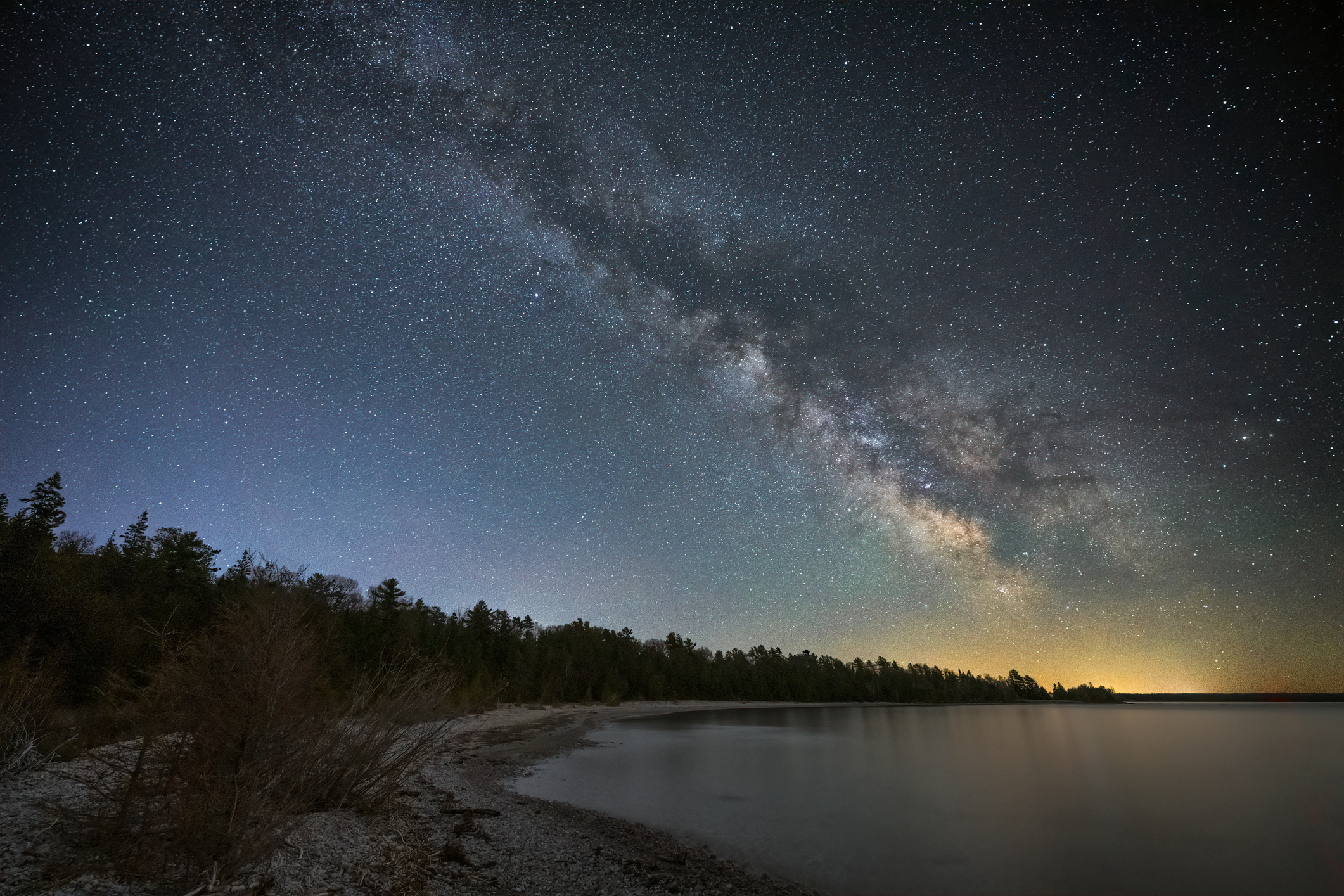
If you’ve ever been to a dark sky site with no moonlight, you’ll know you can see the Milky Way – and more stars than you knew existed. It’s incredible.
If you go to that same site when the Moon is full and bright, the Milky Way is barely visible.
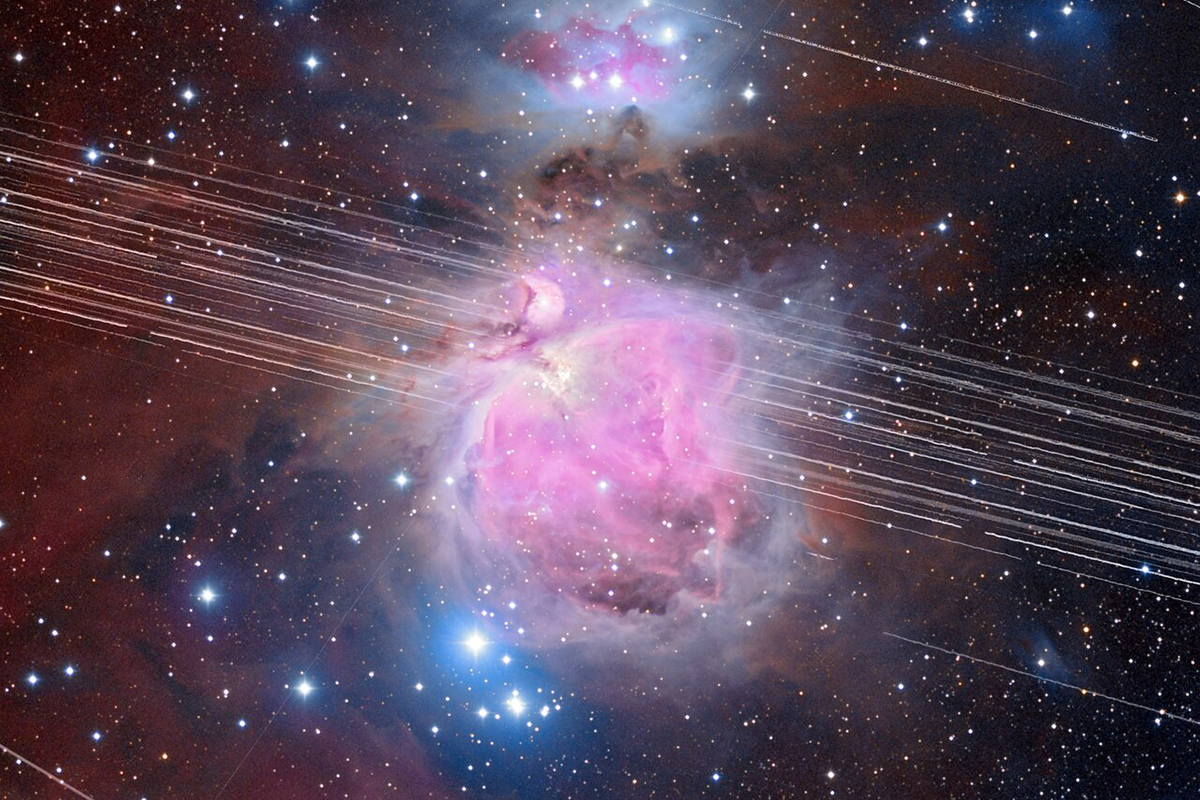
Any time a Reflect Orbital satellite is in the sky, that’s what will happen. For 90 minutes, you will lose the ability to see the stars.
Astronomers will lose the ability to do astronomy. And pilots are concerned for flight safety, because an incredibly bright object will be moving across the sky, distracting them or potentially flash-blinding them.
We’ve also done calculations to suggest that a satellite like this could cause eye damage when looked at through a telescope that’s 12 inches or larger in diameter, something that Reflect Orbital also admitted in their own FCC filing.
It would be like looking directly at a solar eclipse. It could also saturate and damage sensors in scientific cameras set up to observe faint signals in the night sky.
Lots of ecologists are also concerned about what this will do to animals who need darkness.
What will a bright light crossing the night sky do to migratory animals like birds: will it disorientate them or change their behaviour?
And, of course, there are humans too. We need the darkness for sleep – if there’s a big light shining in your window for four minutes, what does that do to your sleep?
How did a launch get approved in the face of so many objections?
Most people have no idea this is happening: there were only 30 days to respond to the filing and opponents simply didn’t have time to write up their concerns. It didn’t give time to do a scientific analysis.
The filing happened in November 2025, and papers about the potential impact of the technology are only now being released.
That’s how science works, on a slow and careful basis. An approach that says 'let’s just send it up and see' is very concerning.
What negative effects could a single reflective satellite cause?
The eye damage, pilots and drivers at night being flash-blinded and the impacts on astronomy are all relevant to one satellite.
They have also not said what’s going to happen between pointings. If they point at one site, and then turn the mirror four minutes later, will the beam continue to sweep across the ground?
One astronomer at a large observatory has said they will have to cancel their public viewing sessions, which attract hundreds of people to observe the night sky through telescopes, any time a single Reflect Orbital satellite is above the horizon, because of the risk of eye damage.
That’s concerning: people should not have to be afraid to look at the stars through a telescope because of the actions of a single private enterprise.
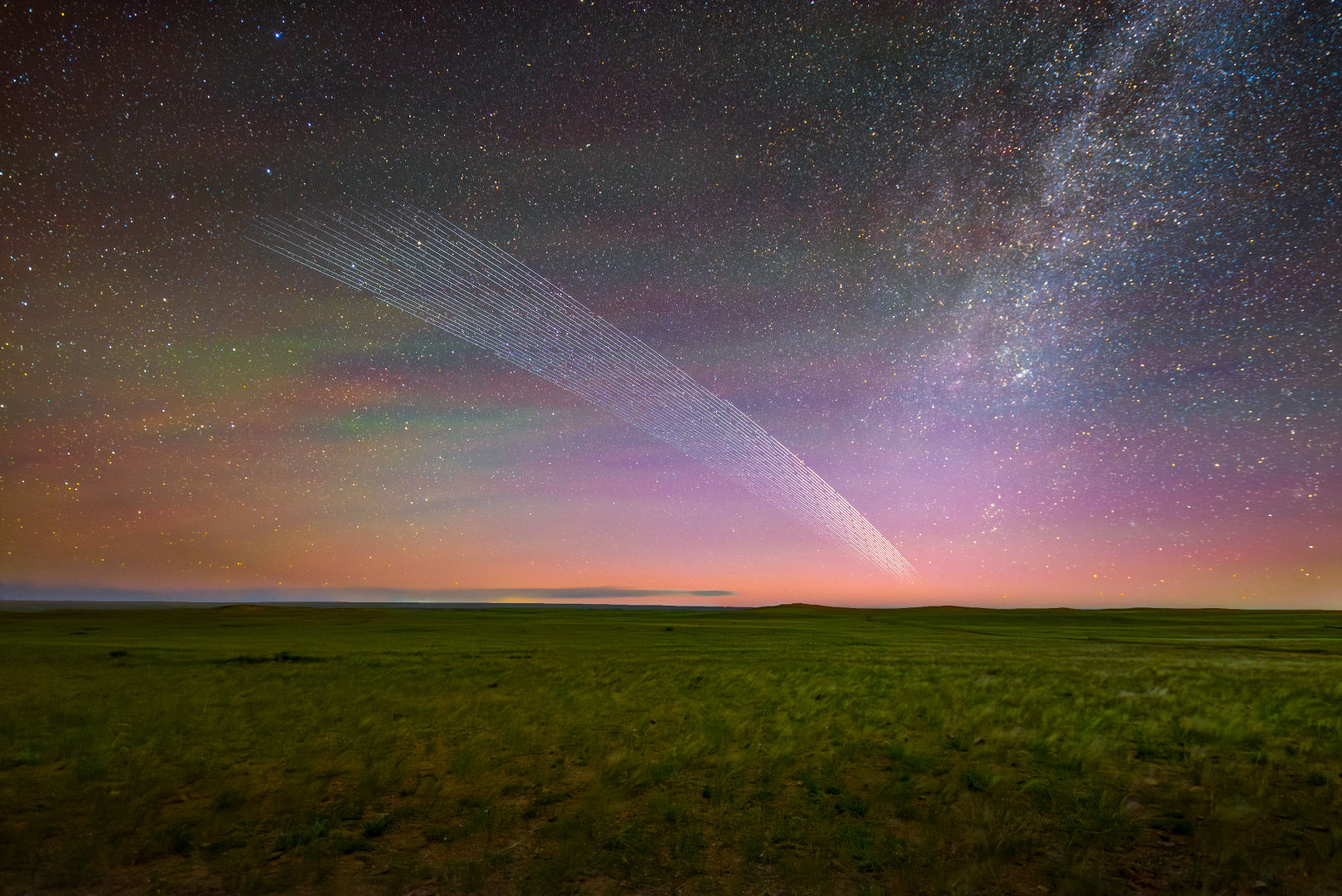
Reflect Orbital says it will maintain exclusion zones to protect astronomical sites. But is that enough?
While they have said they are currently speaking to the US National Science Foundation, astronomers in the community have said they have not yet received answers to this and other issues, and no promises have yet been made.
Especially for astronomers looking through telescopes.
Thousands of people have these telescopes globally. It would not be realistic to maintain exclusion zones around each of these people.
What kind of precedent does all this set for future satellite missions?
It’s a bad precedent because the FCC is the only agency that has any regulatory power for this company.
Right now, any damage caused by Reflect Orbital is ‘no one’s problem’ as there is no international agency that effectively regulates low-Earth orbit.
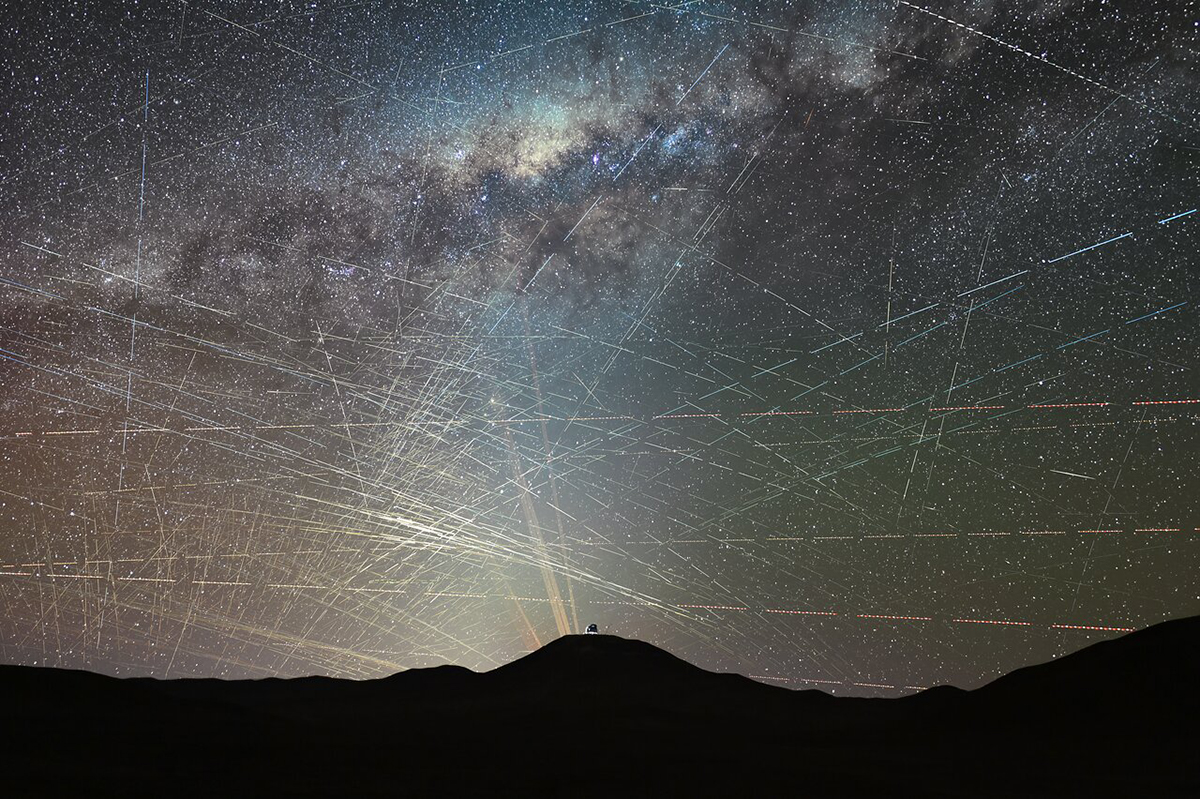
We have seen this also from SpaceX, who are currently asking to launch one million satellites.
If they do this, studies point to the idea that we will be in Kessler syndrome, just from SpaceX’s satellite constellation.
This is a worst-case orbital scenario, where you have so many satellites in orbit that a collision causes a chain reaction so drastic that we can no longer use orbit at all.
Most of humanity wants to be able to continue to use satellites: we get incredibly useful information and vital services from them.
But if we launch them without thinking of the consequences, without governments checking their safety, we will see more harm than benefit.
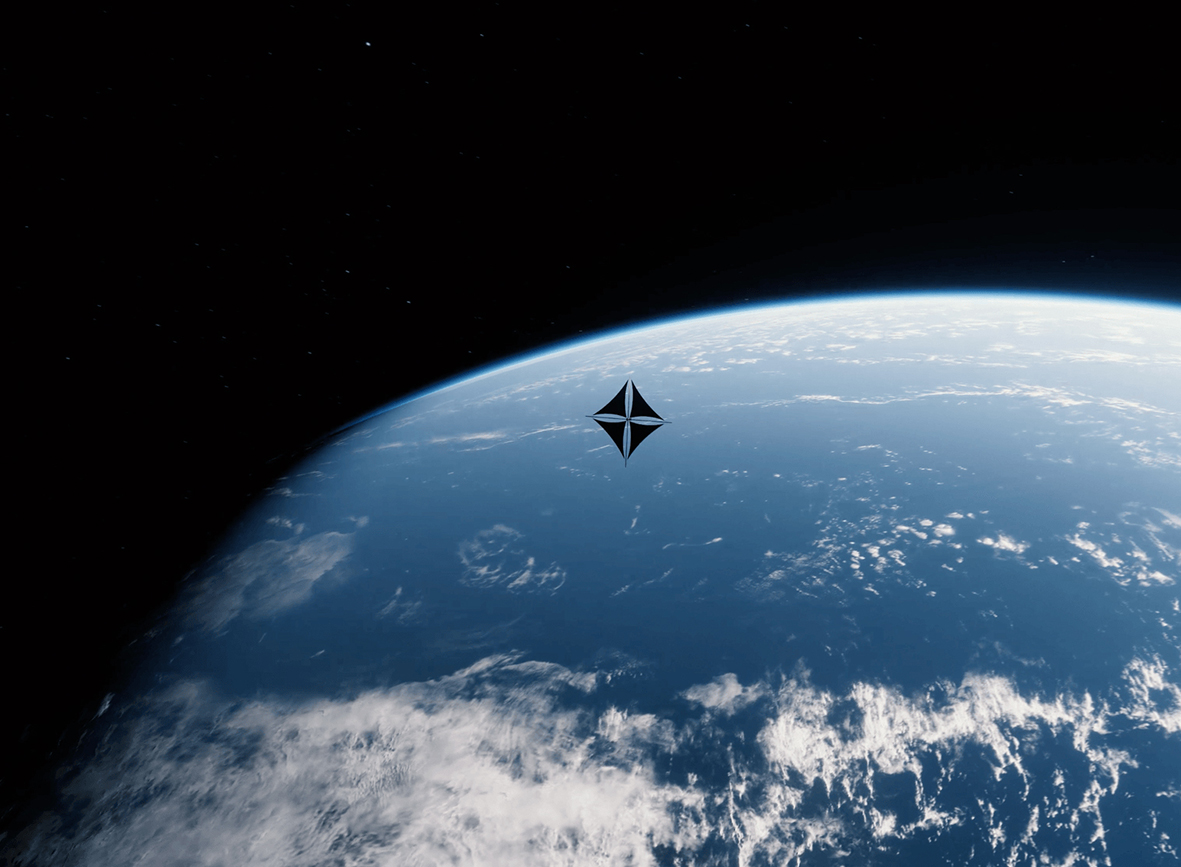
Should we be looking to set up some kind of international regulatory body?
We do already have a regulatory body – the UN Office of Outer Space Affairs – but they don’t have much power to enforce regulation.
Part of the difficulty is that it’s hard to operate on an international level, even though many people, including industry, want intergovernmental regulation.
In a statement on its website, Reflect Orbital said its technology would be limited to defined areas for predetermined times, which would be shared in advance through standard channels.
Outside these times the satellites would minimise visibility by adopting a low cross-section attitude.
"Our 2026 demonstration is an opportunity to learn together. We’re eager to work with scientists to measure precision and visibility and test mitigation strategies," Reflect Orbital said.
Let us know your thoughts on this issue by emailing contactus@skyatnightmagazine.com