If you venture out before dark in the morning from mid-November 2026 onwards and look towards the southeast, you'll be able to see four planets in the sky at once.
Mercury, Venus, Jupiter and Mars are sharing the same patch of sky, offering us the chance to look out across the plane of the Solar System (the ecliptic) and view four distant worlds in the same region of sky.
Many are calling this the November–December 2026 four-planet alignment.
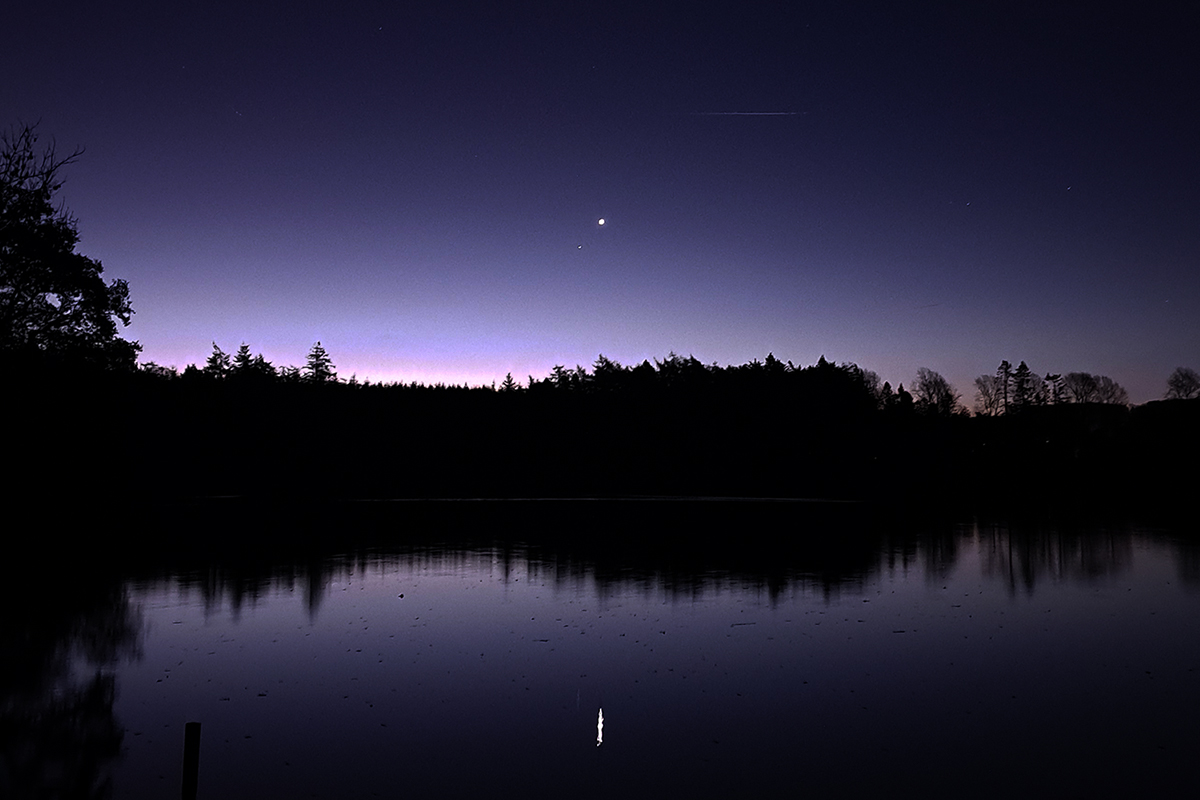
I was out this morning, 12 November 2026, before sunrise and caught a glimpse – and a few humble smartphone snaps – of three of the four planets, plus bright star Spica. It was spectacular.
Luckily, I live close to a park surrounding a lake with a relatively flat view across the southeast, which is key if you want to see Mercury and Venus over the coming mornings.
I didn't catch Mercury – it's a bit soon for that from my location – but will try again this weekend.
Read more

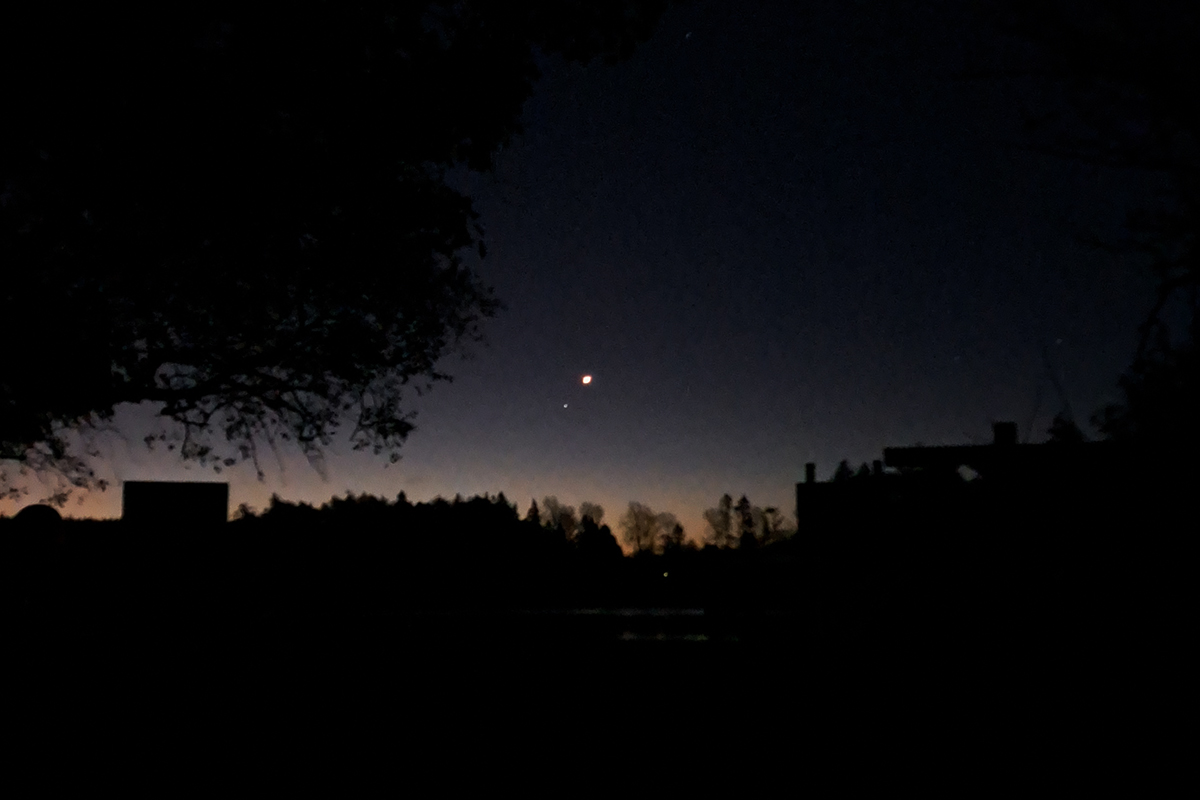
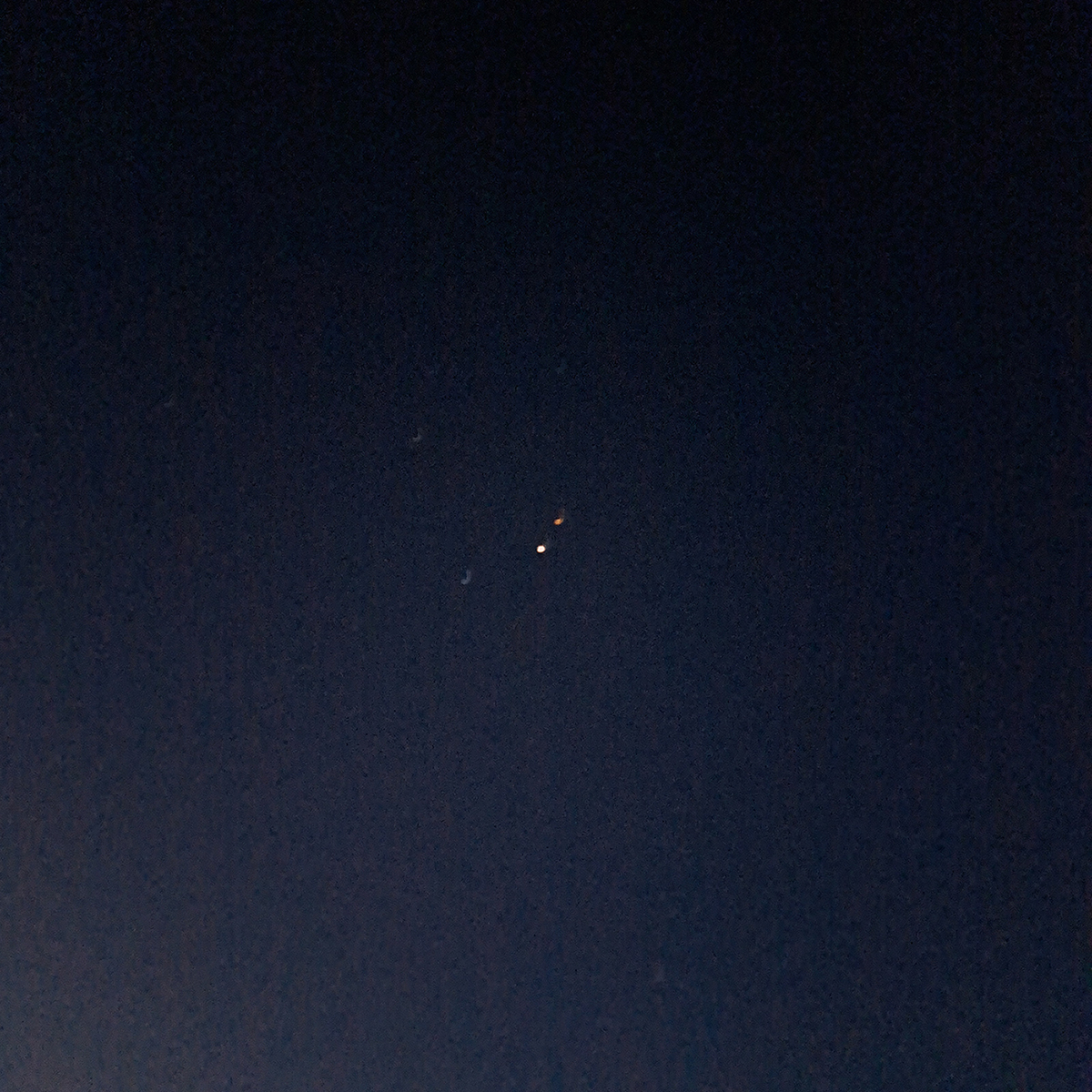
Mars and Jupiter are higher in the sky and were much easier to see.
What's more, over the dates 14–17 November, Mars and Jupiter are going to be so close together in the morning sky, they'll look like a double star.
That makes right now one of the best times to see the four-planet alignment.
If you want to see the planets this weekend – and throughout the rest of November 2026 – below are the timings to show how I did it.
Being based in the UK, my timezone as of November 2026 is UTC, but the planets are visible before sunrise so, as long as you're in the Northern Hemisphere, your local timings shouldn't be too different.
You can use a stargazing app to help you work out where the planets will be visible from your location and plan your observing timings.
Weather permitting, I'll be trying again in a few days' time to see if I can catch Mercury emerging into the morning light, too.
06:00 – alarm goes off
06:24 – arrive at the park
06:24 – look across the lake in a southeasterly direction to see Venus and, just below and to its left, bright star Spica, above the horizon
06:25 – look higher up in the southeast and spot bright Jupiter, with dimmer, redder Mars above it
Share your planet-spotting observations and images with us by emailing contactus@skyatnightmagazine.com