A total solar eclipse that was visible over China in 709 BCE has given scientists valuable data revealing how much Earth's spin has slowed since that time and provided incredible insight into the history of our Sun.
The eclipse is the earliest datable record of a total solar eclipse known and scientists say it's enabled accurate measurements of Earth’s variable rotation speed from the year 709 BCE.
A team of researchers were able to calculate how the Sun would have looked from Qufu, the ancient Chinese capital of the Lu Duchy, during the total solar eclipse.
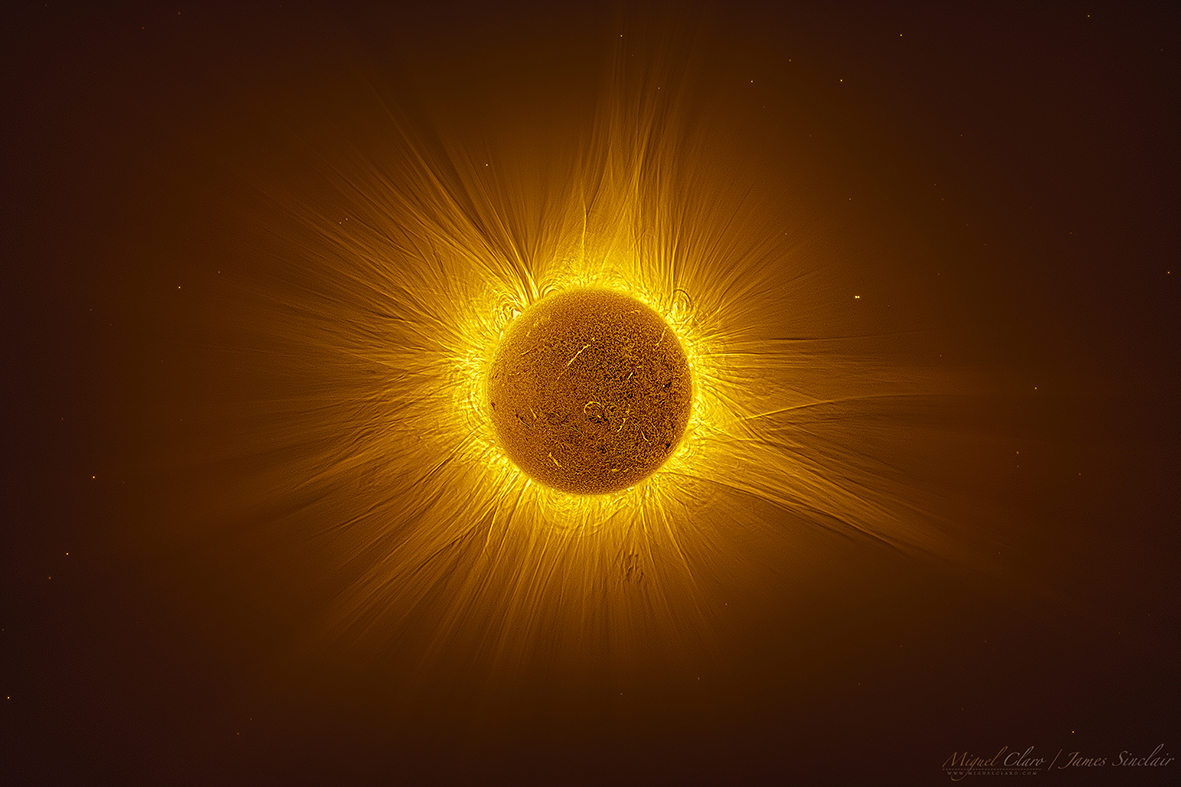
They were able to use a description of the solar eclipse logged by ancient astronomers to gain insight into the solar corona, which is the outer atmosphere of the Sun that's only visible to the human eye during total solar eclipses.
The findings suggest the Sun at that time was becoming more active after a quiet period.
More astronomy history
A time of astrology, foretelling and accurate science
How can scientists today be sure that the ancient records of solar eclipses from nearly 3,000 years ago are accurate?
One reason is because back then, a lot depended on observations of the heavens – or so they thought.
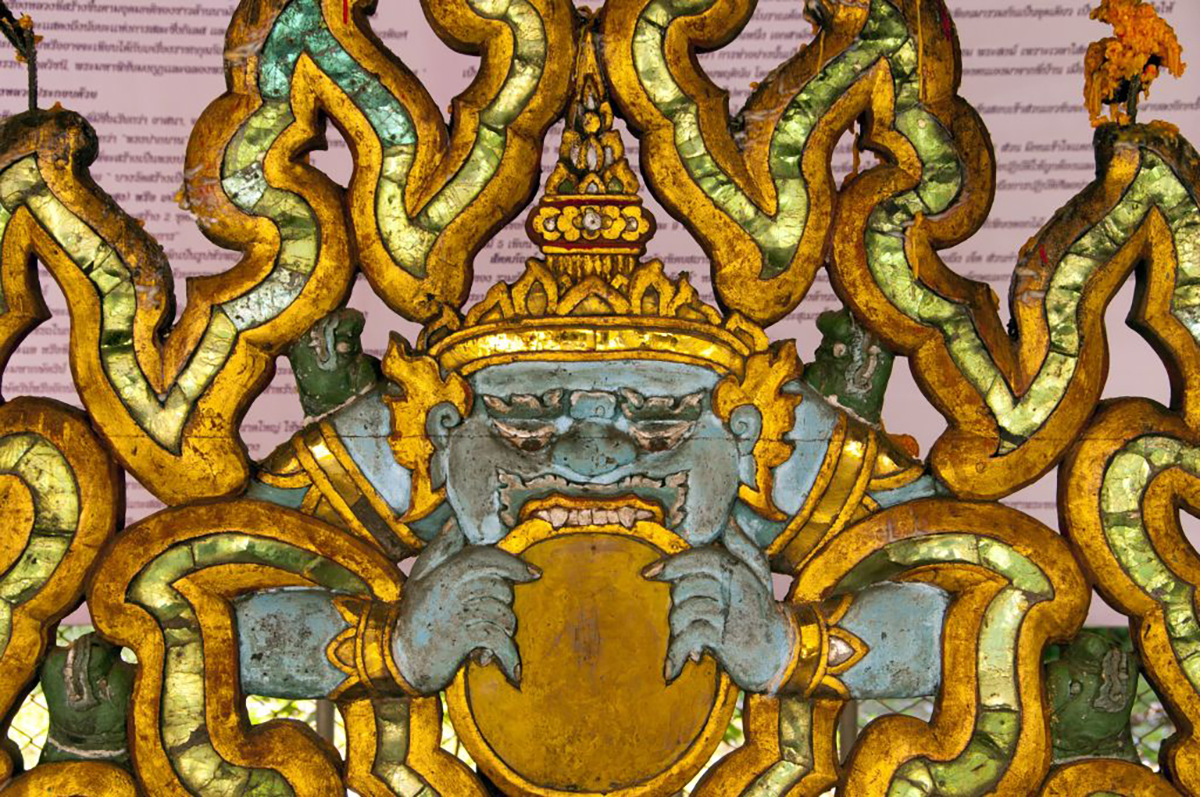
China's ancient dynasties hired night-sky experts to monitor celestial events in an attempt to foretell what the future would hold.
They believed phenomena in the sky indicated political wrongdoing by emperors – and so what was going on in the sky was considered of vital importance.
That meant careful tracking of eclipses, aurorae, comets and other astronomical events.
Scientists say that, as a result of this belief, astronomical record-keeping across Chinese dynasties has given the country some of the world’s best ancient eclipse records.
The ancient eclipse
A total solar eclipse occurred on 17 July 709 BCE and was reported from Lu Duchy Court.
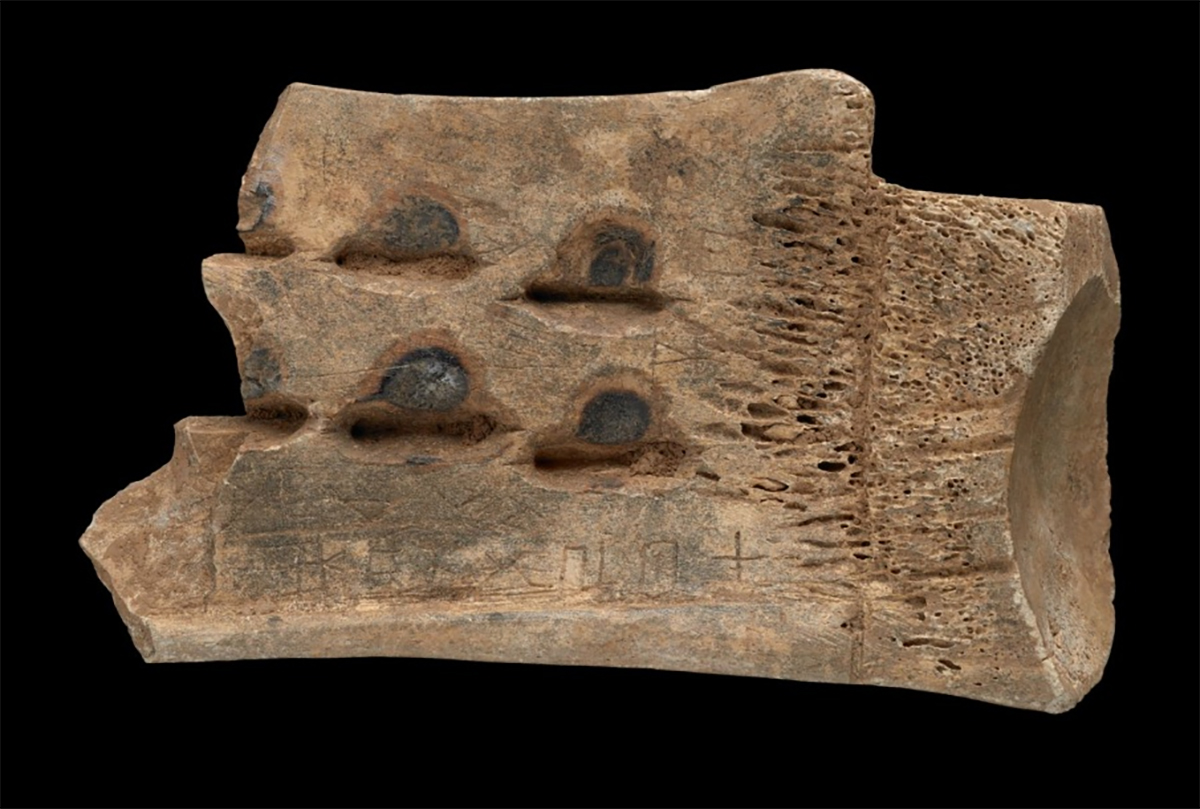
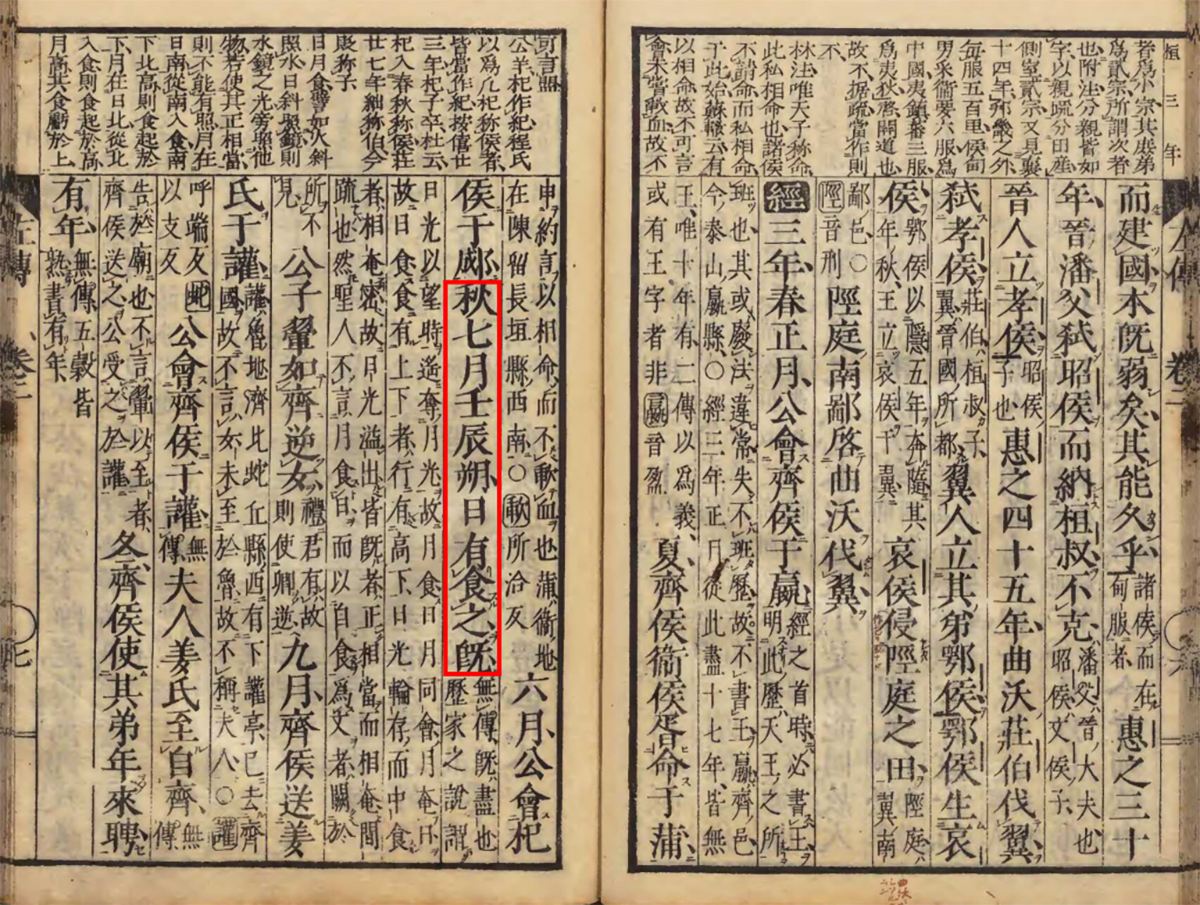
A chronicle titled 'Spring and Autumn Annals' was compiled roughly 2-3 centuries after the eclipse and records the observations that were made at the time.
In the record, it states that "the Sun was totally eclipsed."
"What makes this record special isn’t just its age, but also a later addendum in the ‘Hanshu’ (Book of Han) based on a quote written seven centuries after the eclipse," says Hisashi Hayakawa, Assistant Professor from the Institute for Space-Earth Environmental Research and Institute for Advanced Research at Nagoya University and lead author of the study.
"It describes the eclipsed Sun as ‘completely yellow above and below.’
"This addendum has been traditionally associated with a record of a solar corona. If this is truly the case, it represents one of the earliest surviving written descriptions of the solar corona."
Solar eclipses have historically been vital for scientists wanting to observe the solar corona, which is the outer atmosphere of the Sun.
Because the Moon and the Sun appear the same size from Earth, during a total solar eclipse the whole of the bright solar disc is covered by the Moon, leaving only the solar corona visible.
A correction and a surprising discovery about our planet
When the team attempted to verify the solar eclipse record using calculations and reconstructions of Earth’s rotation speed, they found that a total eclipse wouldn't have been visible from the Lu Court at Qufu.
That told them that earlier studies had missed the exact location of the ancient city.
The team used knowledge of historical geography and consulted archaeological excavation reports of the ancient city to correct for this.
"This correction allowed us to accurately measure the Earth’s rotation during the total eclipse, calculate the orientation of the Sun’s rotation axis and simulate the corona’s appearance," says Hayakawa.
Scientists say the 709 BCE total solar eclipse is the earliest explicit written mention of a total solar eclipse and could be the earliest surviving description mentioning the solar corona.
However, Hayakawa and the team point out that the potential description of the corona only appears as a quote written some seven centuries after the event.
But the eclipse timing itself is based on scientific consensus, the team say, providing reliable new information on Earth’s rotation and the Sun's solar cycle.
Earth spun faster and the Sun was quieter
Scientists say Earth spins slower now than it did 2,700 years ago.
That's due to numerous factors that include friction from ocean tides caused by the Moon’s gravitational pull.
Using corrected coordinates, the team were able to derive new measurements of Earth’s rotation speed in the 8th to 6th centuries BCE.
The calculations reveal Earth’s rotation speed variability during the eclipse was between 20,264 and 21,204 seconds.
"This new dataset fixes coordinate errors in previous Earth rotation studies. Additionally, it improves the accuracy of dating and reconstructing historical astronomical events," says Mitsuru Sôma, coauthor from the National Astronomical Observatory of Japan.
The eclipse records have also revealed insight into the Sun's solar cycle, which is the observed 11-year cycle of peaks and troughs in solar activity.
Throughout the cycle, phenomena like solar flares and coronal mass ejections either become stronger and more frequent or weaker and less frequent.
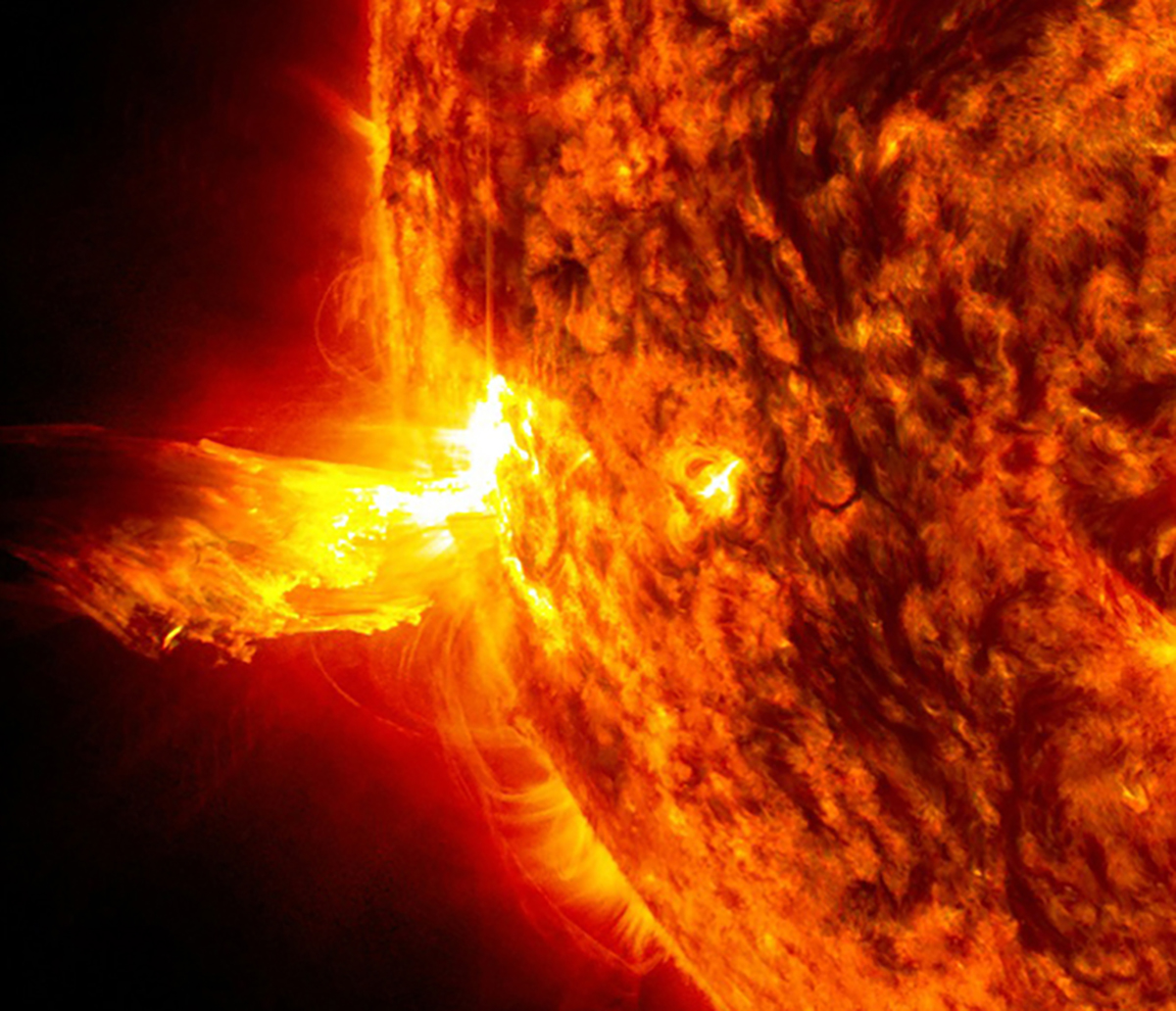
In particular, the team have been able to compare their findings with solar cycle studies based on radiocarbon data from tree rings.
In these studies, scientists can observe tree rings to work out how much carbon, including radiocarbon, trees have absorbed throughout their history and therefore learn about the activity of the Sun at that time.
"This unique historical addendum for the possible solar coronal structure is critical for providing a spot reference on solar activity reconstructions from tree rings and ice cores, as well as providing independent validation of solar activity models,” says Mathew Owens, coauthor and professor of Space Physics at the University of Reading.
The ancient observers’ descriptions of the probable coronal structure suggest the Sun had returned to regular solar cycles by 709 BCE and reached the peak of its 11-year cycle.
The team say their result supports what other scientists have reconstructed using tree ring data.
"Some of our ancestors were very skilled observers," says Dr. Meng Jin, coauthor from the Lockheed Martin Solar and Astrophysics Laboratory.
"When we combine their careful records with modern computational methods and historical evidence, we can potentially find new information about our planet and our star from thousands of years ago."
Read the full paper via The Astrophysical Journal Letters