On 12 August, the UK, Europe, Africa and parts of North America will experience a glorious solar eclipse, as the Moon passes in front of the Sun.
This is a total solar eclipse, but not for everyone. The path of totality – the places where a total solar eclipse will be visible – runs through Greenland, Iceland, Spain and northern Portugal.
But a deep partial eclipse will be seen right across the Continent and in the US and Canada.
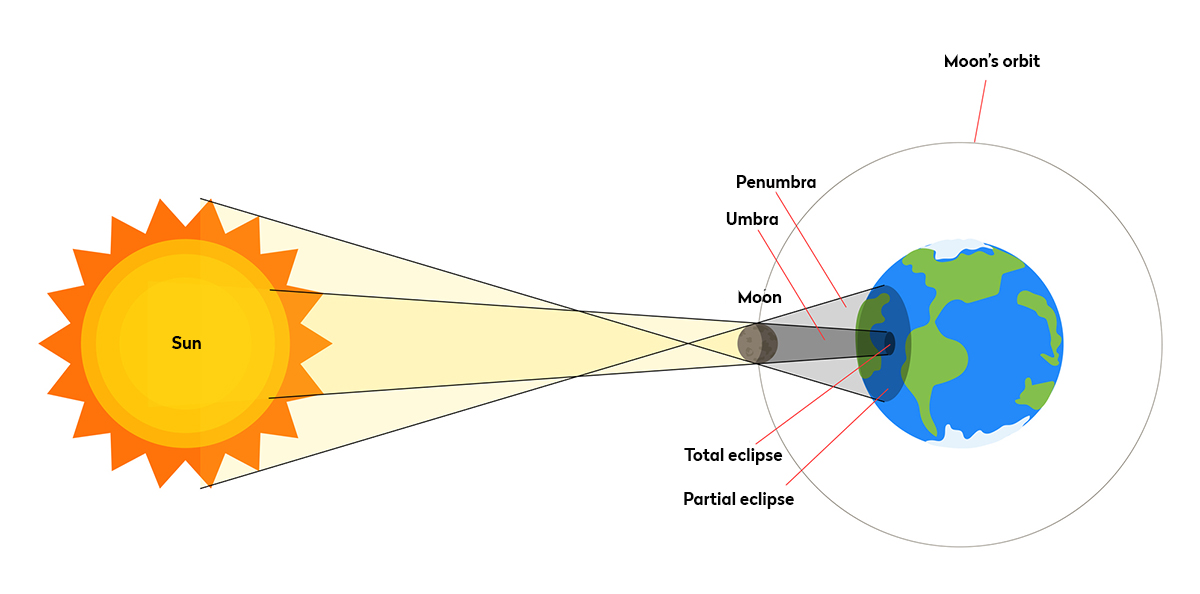
We know exactly why that is, of course. Eclipses occur when the Sun, Moon and Earth ‘line up’ the right way in the sky.
More history of astronomy
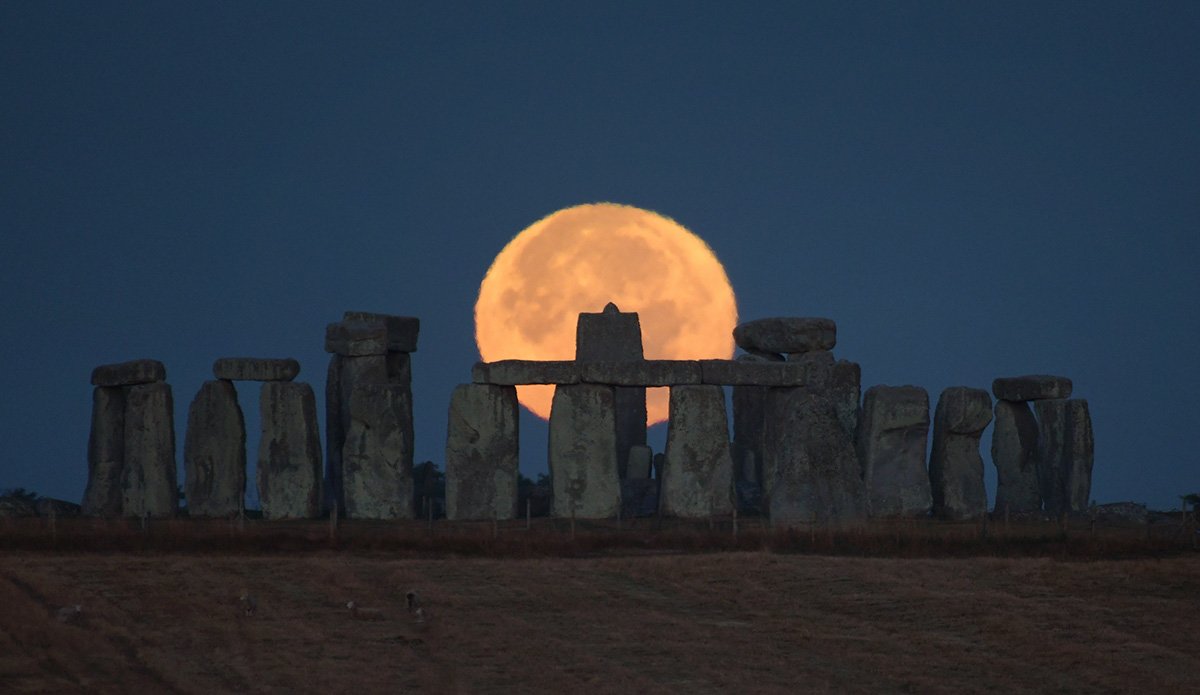
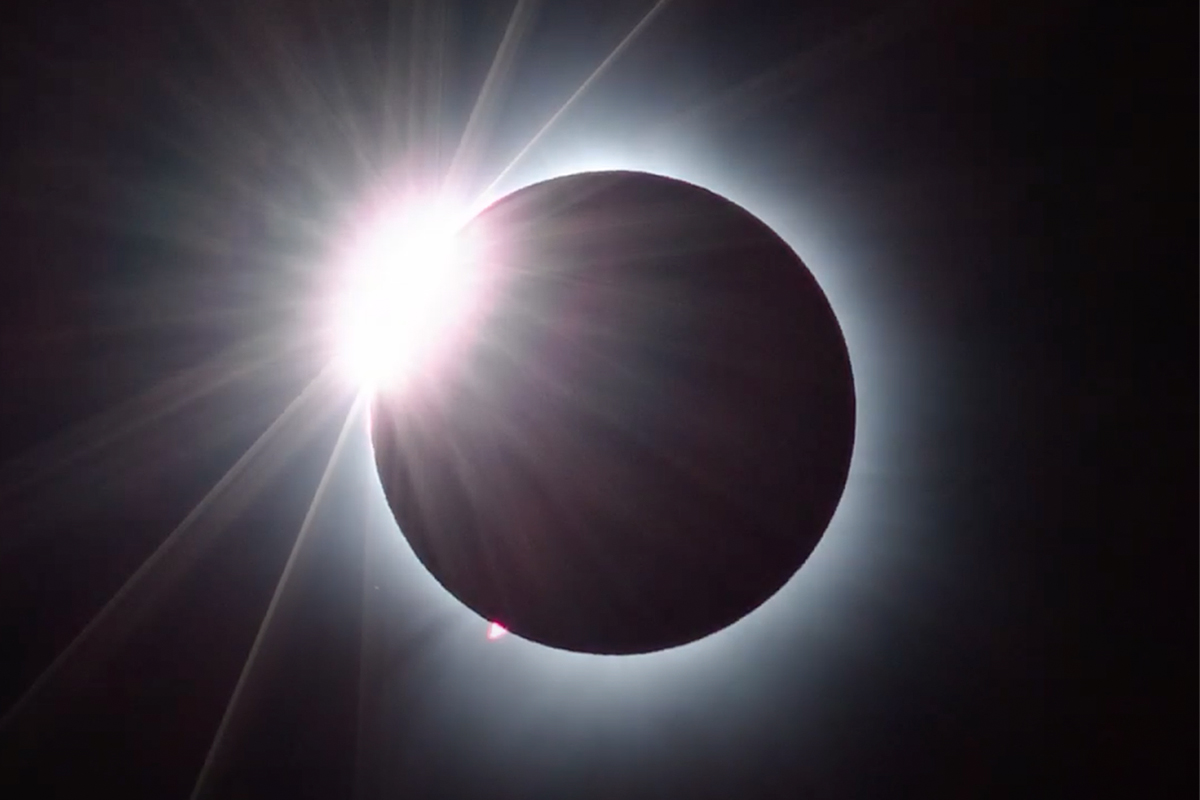
When a full Moon crosses in front of the Sun, we see a solar eclipse from Earth, whereas when Earth passes between the Moon and Sun, we see a lunar eclipse.
Which is fairly simple and straightforward, isn’t it?
But it’s only simple and straightforward if you live a post-Copernican, heliocentric world.
As soon as some very clever people hundreds of years ago figured out that Earth orbits the Sun and the Moon orbits Earth, the mechanics of an eclipse weren't too hard to work out.
But to earlier civilisations who had no such knowledge, solar eclipses were often baffling, inspiring or even terrifying events.
Just imagine: you’re sat outside one day, perched on your favourite log and wondering what to do for this evening’s meal (hunt a wild boar or go foraging for mushrooms and nuts?) when suddenly the sky turns dark in the middle of the day, for no immediately obvious reason.
You can see how to minds without a grasp of the mechanics of the Solar System, that could have been either terrifying or utterly mesmerising.
So it’s no surprise that people in ancient civilisations, seeking to make sense of the situation, came up with a panoply of explanations as to why eclipses might occur or what they might mean.
Here are just some of them…
Ancient China
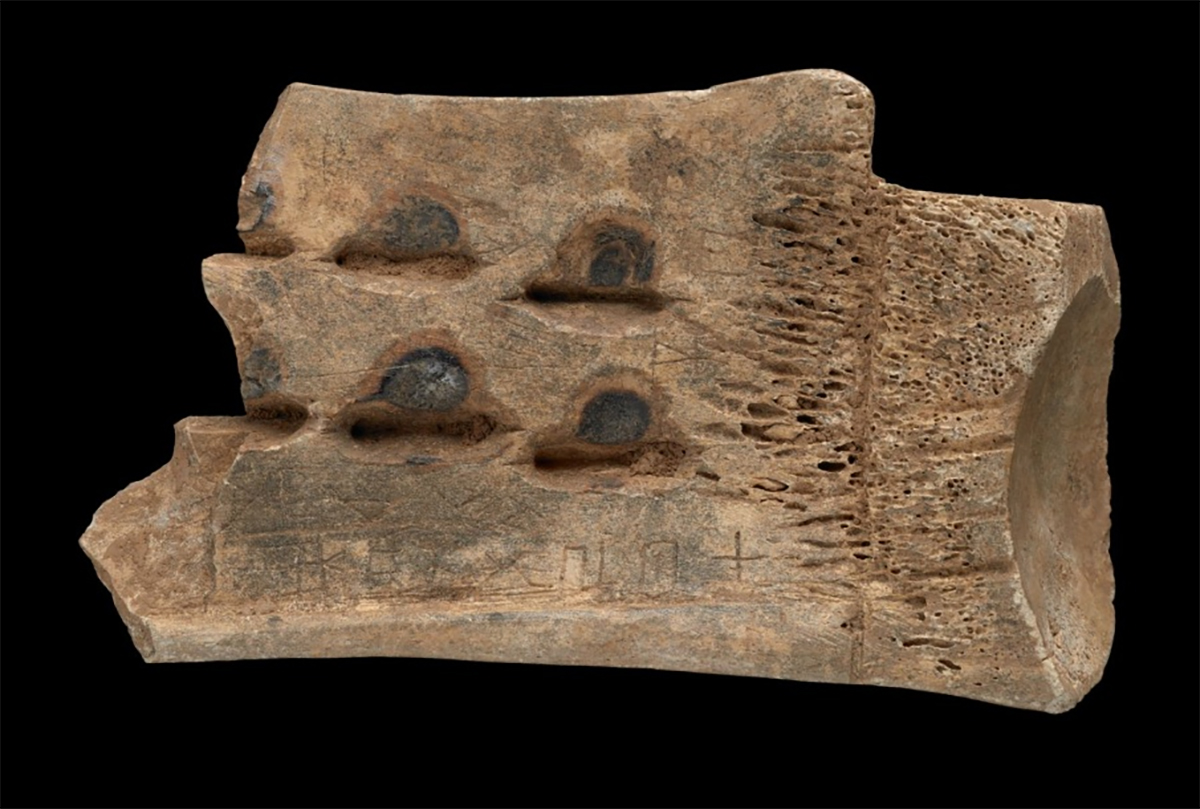
Ancient Chinese astronomers spent a lot of time looking up at the stars and thanks to them, we have records of eclipses dating back over 4,000 years.
Astronomers would record the occurence of solar eclipses – as well as other important events – on 'oracle bones', so-called because they used materials like ox shoulder blades and turtle shells on which to inscribe records of events.
In their eyes, solar eclipses occurred when a dragon attacked and attempted to swallow the Sun.
In a bid to save our precious bringer of light and warmth, they would gather outside during an eclipse, shouting and banging on drums in the hope that this would frighten the dragon away.
And given the totality stage of a solar eclipse lasts just minutes, it must have seemed like it worked!
According to NASA, there's evidence of this from around 1,200 BCE, when astronomers in China produced oracle bones stating: "The Sun has been eaten".
The Inca
The Inca worshipped the Sun, calling their Sun-deity ‘Inti’.
To the Inca people, a solar eclipse was a sign that something they must have done something to anger the god.
So they would attempt to make amends by fasting, praying and offering up sacrifices – including, according to some scholars, the occasional human one.
Ancient Greece
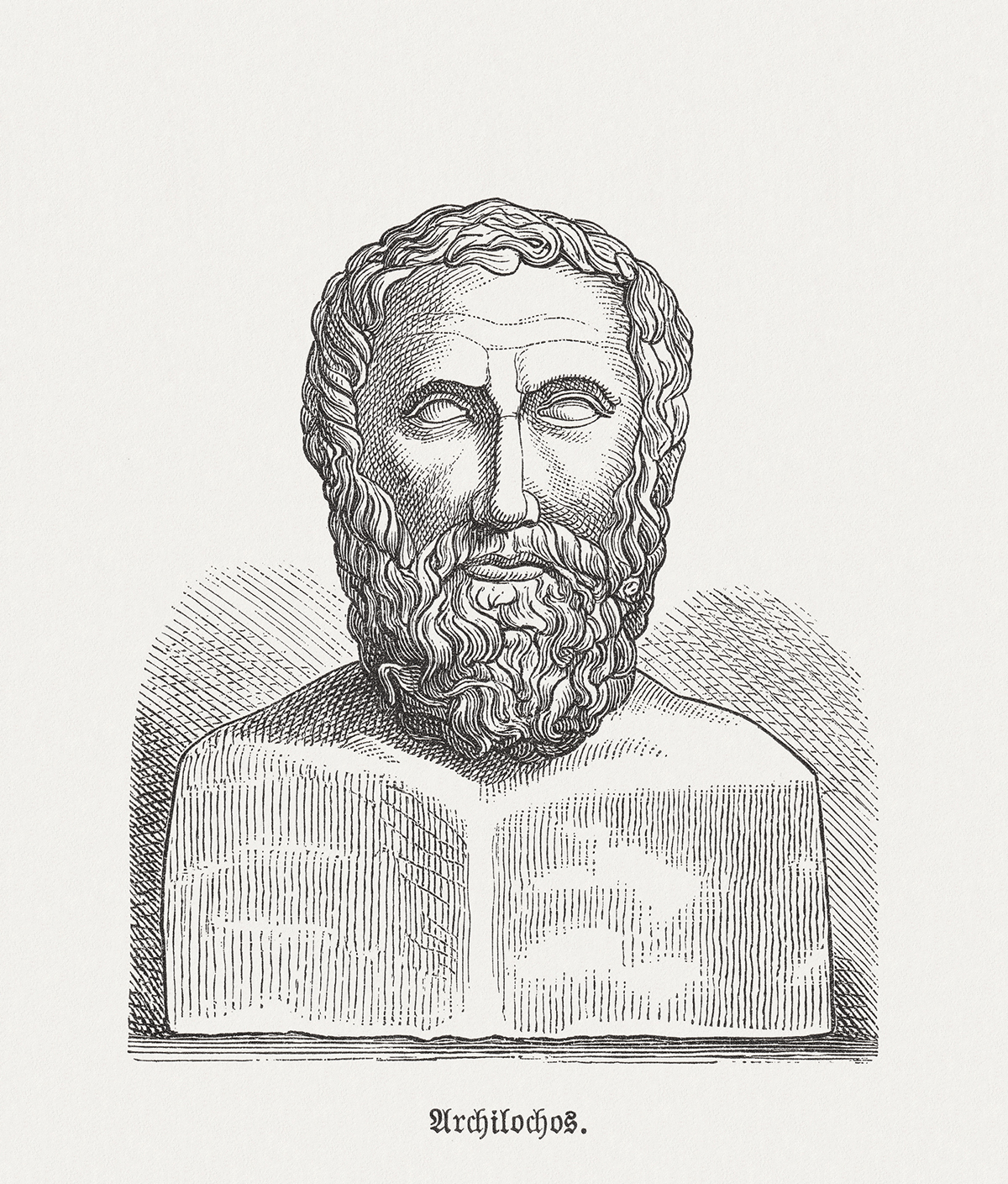
Like the Inca, the Ancient Greeks saw solar eclipses as evidence of the gods’ displeasure.
In fact, the word ‘eclipse’ derives from a Greek word meaning ‘abandonment’, because an eclipse was, to them, a sign that the Sun was abandoning Earth and mankind.
In fact, there's even a reference to a solar eclipse occurring in the year 647 BCE in an account by the Greek poet Archilochus, who wrote:
"Nothing can be swore impossible, nothing wonderful, since Zeus, the father of the Olympians, has concealed the light of the blazing Sun and made night out of noonday, and... fear has come upon mankind."
To test this, we used the free astronomy software Stellarium and wound back the clock – and indeed, yes, a solar eclipse occurred on 6 April 647 BCE.
Koutammakou (Togo and Benin) – West Africa
According to the ancestors of the Batammaliba people of Togo and Benin, a solar eclipse represented a fight between the Sun and the Moon.
They saw it as their duty to pour oil on these troubled waters, so around the time of a solar eclipse, long-standing emnities would be temporarily put aside and there would be a pause in any ongoing hostilities.
Native Americans
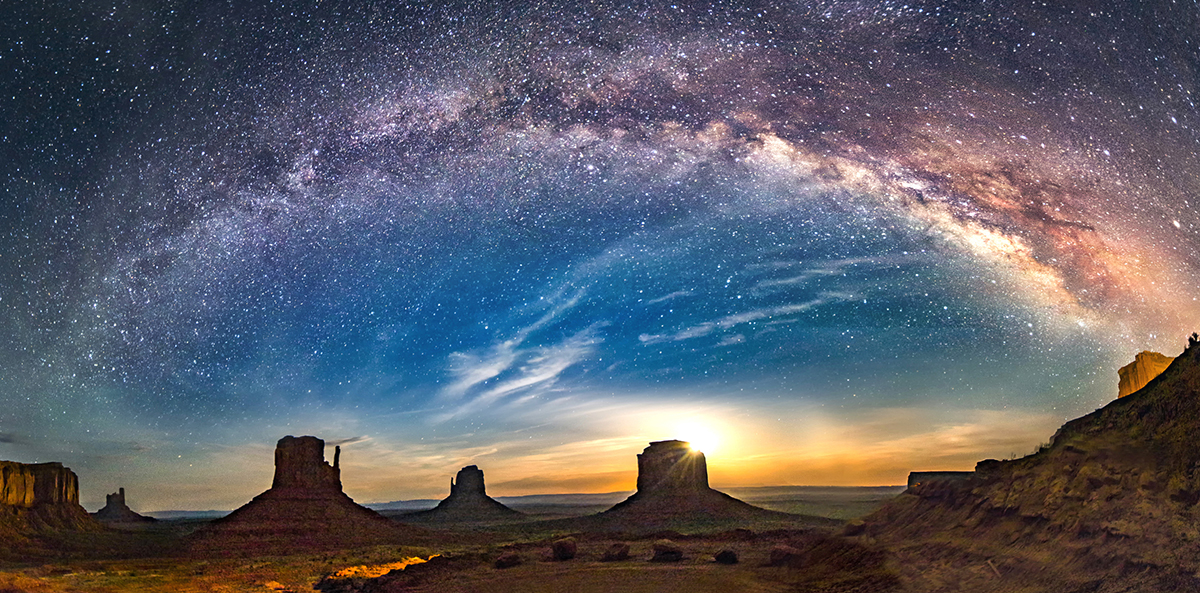
Of course, 'Native American' is a catch-all terms that encompasses many different tribes, cultures and populations, all of whom have their own rich tapestries of culture and beliefs.
Some of those that we know about include the Choctaw people, who saw a solar eclipse as the Sun being eaten by a giant black squirrel (and who, like ancient Chinese observers, would make as much of racket as possible to frighten the squirrel off).
The Ojibwe and Cree people believed that eclipses were an act of revenge enacted upon the Sun by a boy called Tcikabis, in retaliation for the Sun burning him.
In this myth, Tcikabis captures the Sun in a snare, but it is freed when a mouse chews through the ropes.
The Pomo people of northern California, meanwhile, tell a story about the Sun and a bear fighting over who has right of way in the sky.
The Navajo people of the US southwest, on the other hand, don’t associate eclipses with any sky-creatures, but do see them as deeply spiritually significant events and as a time of rebirth.
For this reason, Navajo people traditionally stay indoors when an eclipse is due.
The Ojibwe people of the Great Lakes (also known as the Anishinaabe or Chippawa) were a little more active during an eclipse.
Believing that the Sun had gone out, they would spend the duration of an eclipse firing flaming arrows into the sky, in a bid to reignite it.
The Andes, South America
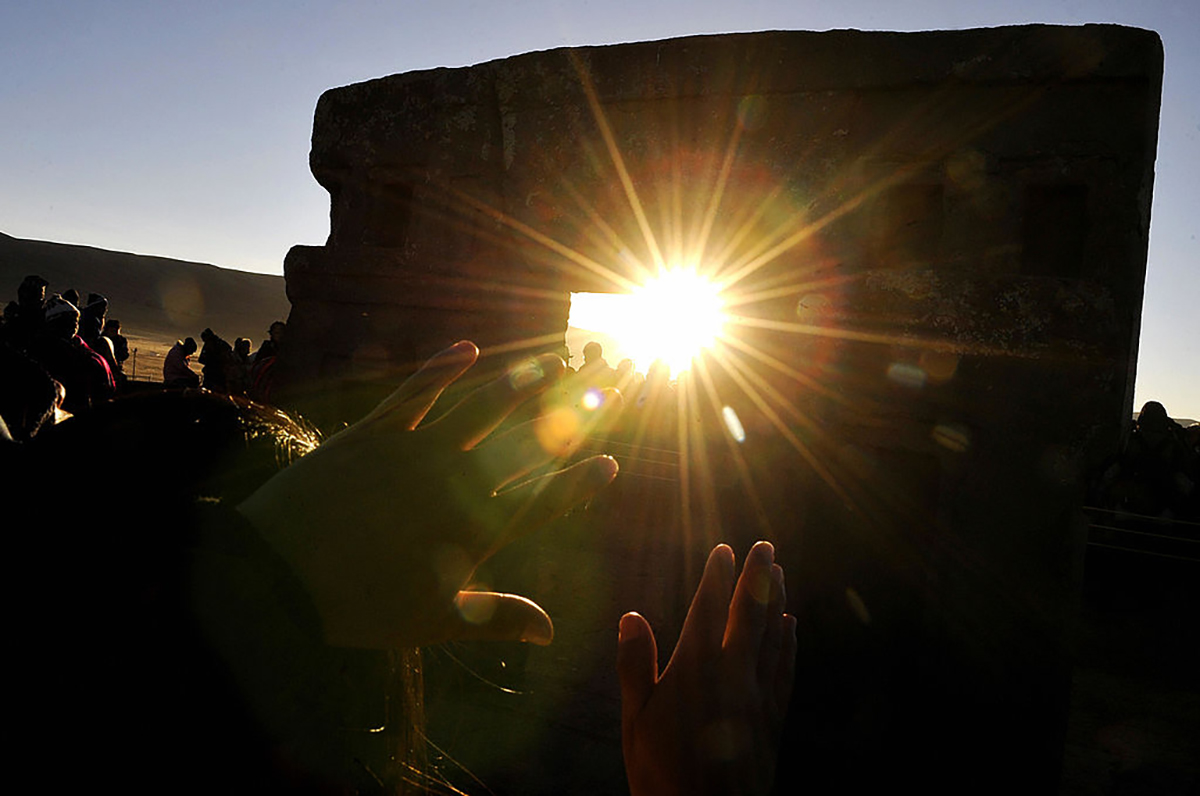
The Aymara people who inhabited the Andes mountains in what are now Bolivia, Chile and Peru believed, like Ojibwe thousands of miles to the north, that the Sun was extinguished during an eclipse, and so would light fires on hillsides to keep Earth warm if the Sun failed to recover.
The Vikings
According to Viking legend, two giant wolves called Skoll and Hati – sons of the wolf Fenrir, who was fathered by Loki, the god of chaos – were eternally chasing the Moon and the Sun (respectively) across the sky.
Eclipses occurred, according to this legend, when they caught their prey. It was then up to the Vikings to scare the wolves away by making as much noise as possible.
Ancient Hindus
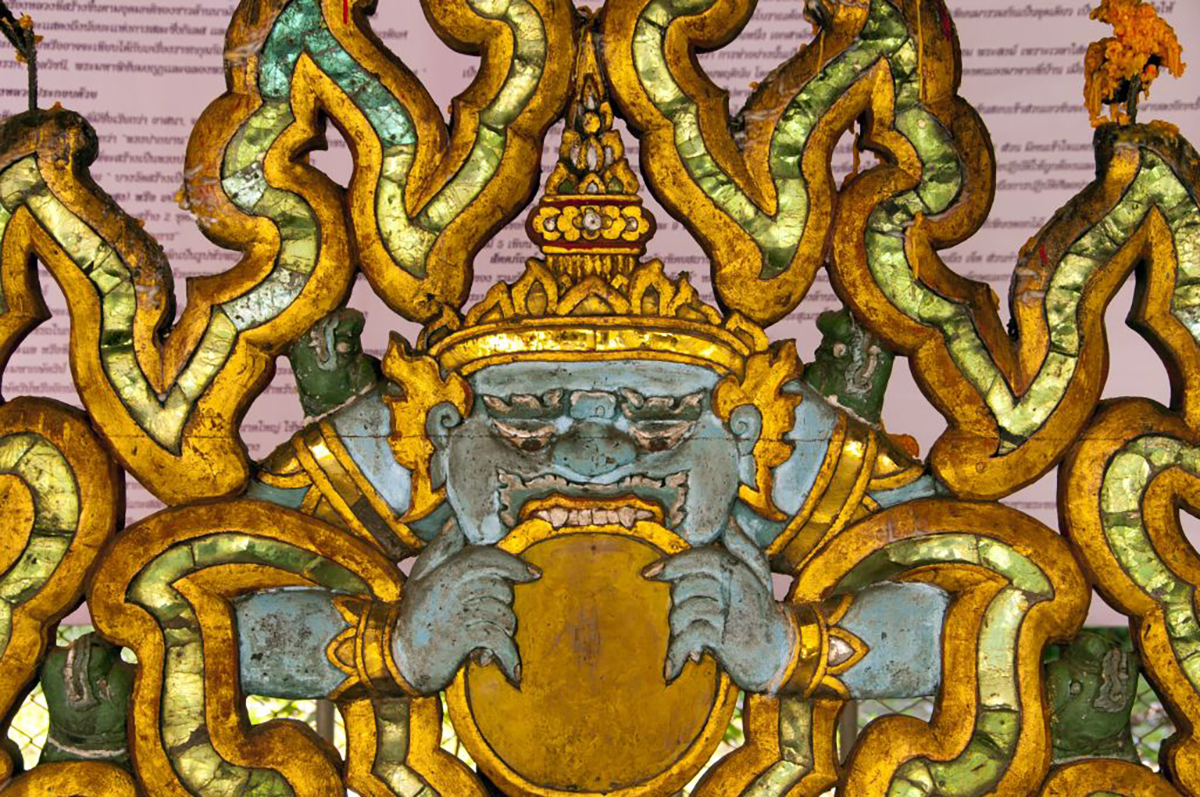
According to Hindu mythology, Rahu was a demon (or in some tellings, a mere mortal) who had managed to get hold of an elixir of life created by the gods.
The powerful god Vishnu had Rahu beheaded for his presumption – but not before Rahu had sipped of the potion and gained eternal life.
Rahu’s head was thus condemned to forever roam the heavens, seeking to eat and destroy the Sun and Moon to revenge himself upon Vishnu – but always failing because although he would periodically catch up with them and swallow them, they would emerge from his now torso-less neck a few minutes later!
The Inuit
The Inuit people believed that the Sun goddess Malina and the Moon god Igaluk were brother and sister – but that Igaluk lusted after his sister, and constantly chased her across the sky.
An eclipse, per Inuit legend, happened on those occasions when he caught up with her, a bit like the mythological equivalent of a semi-steamy novel that "stops at the bedroom door."
Interestingly, the ancient myths of Tahiti tell a similar story: the Sun and Moon are again lovers, except that in this case there’s no incestuous element to the story, and an eclipse represents, again, a veil being drawn over their intimate moments.
Java
According to Javanese folklore, an eclipse occurred when the Sun was swallowed whole by Batara Kala, the god of darkness.
In order to free the Sun, they would offer up sacrifices and, once more, make as much noise as possible by banging drums and shouting.
Ancient Egypt
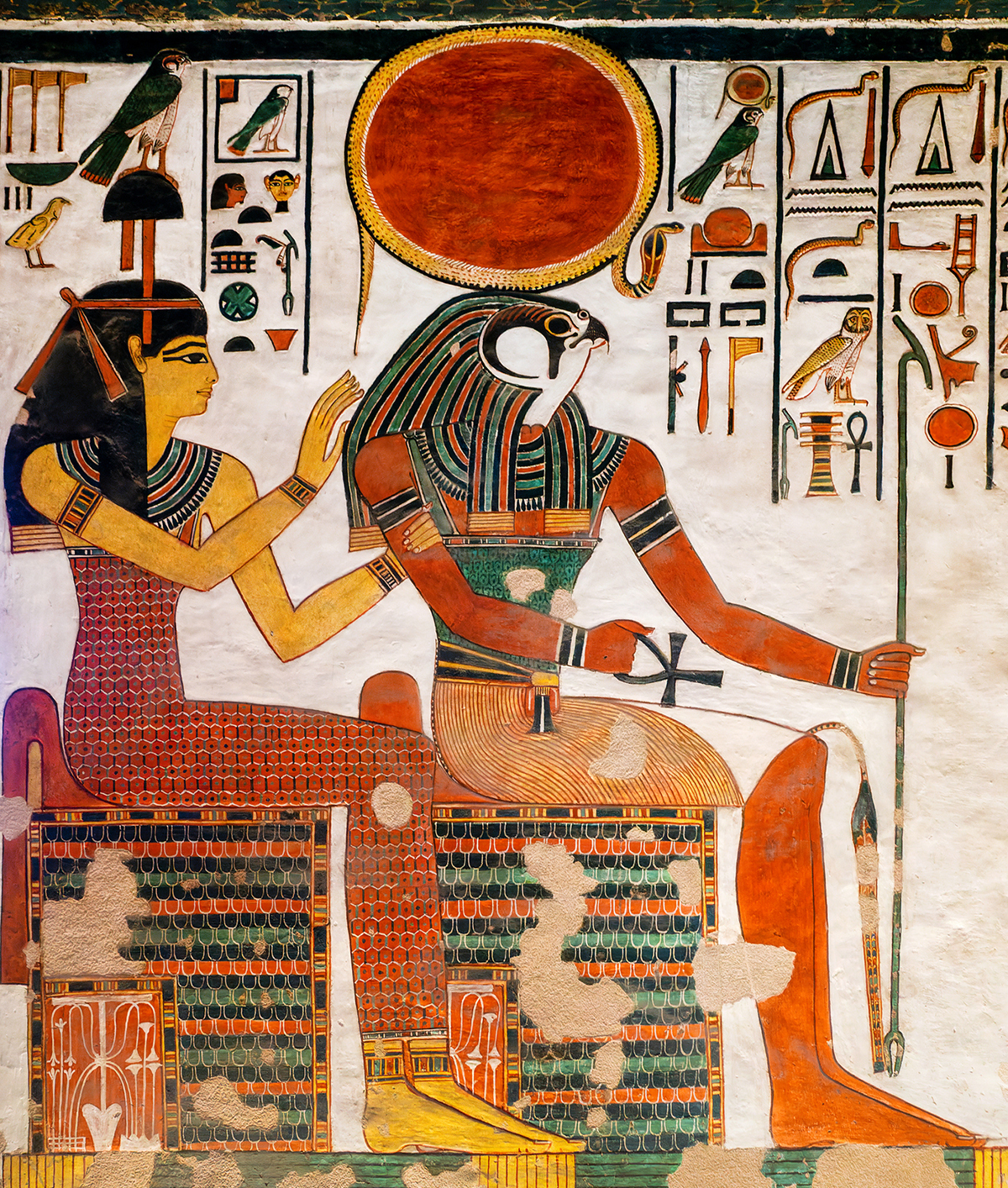
Oddly, we have no idea what the Ancient Egyptians thought about eclipses.
We know they worshipped the Sun, and we know that they studied and recorded its movements – and yet in the surviving astronomical and historical writings from the period, there is no mention of eclipses at all.
Some scholars have argued that perhaps, to an Ancient Egyptian, an eclipse represented something so awful that it couldn’t even be spoken of.
But others have suggested that records have simply been lost or destroyed.
We’ll probably never know.
Solar eclipses as bad omens
But looking at human cultures overall, a number of themes emerge.
Many cultures have imagined giant creatures devouring the Sun during an eclipse – there are the Chinese dragon, Nordic wolves and Choctaw squirrel mentioned above, but also a Vietnamese giant frog, an Andean puma, a Paraguayan bat and doubtless others.
Many other cultures and civilisations have seen eclipses as battles between two deities – and in both cases, many peoples have seen it as their duty to prevent this from happening, making noise to scare the offending beasts or gods away.
Likewise, it wasn’t just the Ancient Greeks who saw eclipses as bad omens, or as a sign that humanity had enraged the gods – similar beliefs crop up in ancient Hebrew and ancient Roman texts, too.
Solar eclipses have clearly been enthralling human minds for thousands and thousands of years.
Today, we can explain an eclipse in far more scientific terms – and yet some of that ancient mystery and fascination lingers on.