
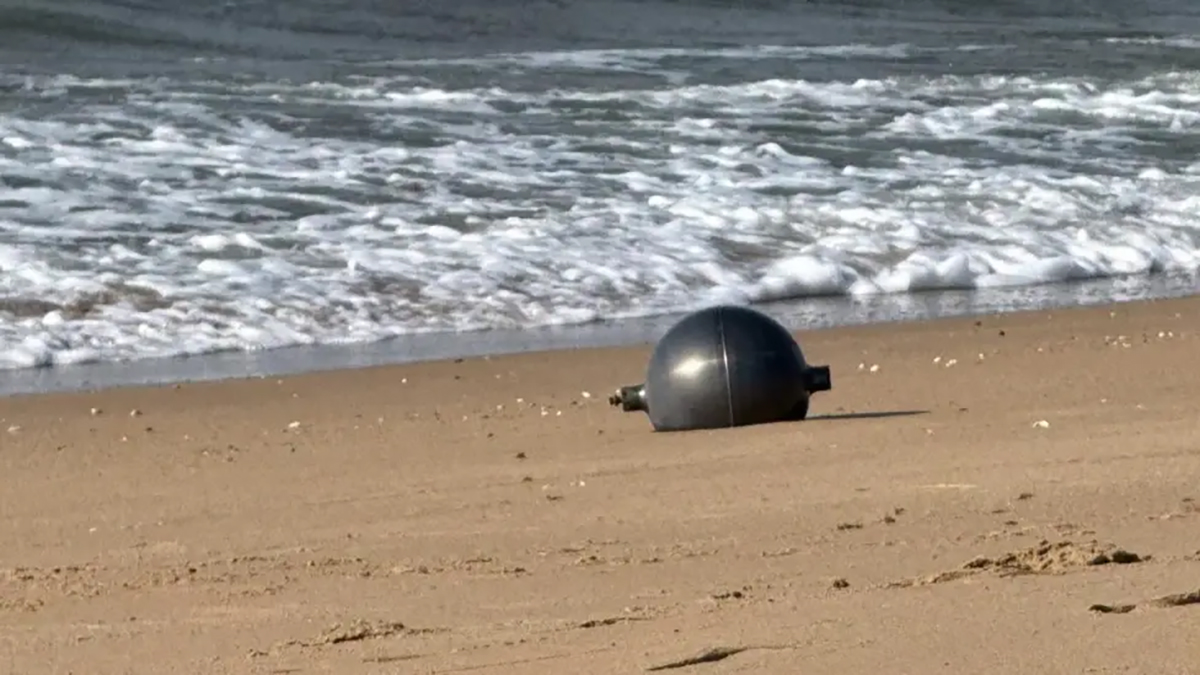
Members of the public have found strange, spherical bits of debris washed up on the beaches of northern Queensland, Australia, which experts say is likely from a rocket body that recently re-entered Earth's atmosphere.
And one astrophysicist has warned that anyone who comes across the strange 'space balls' should not touch them, but should instead contact local authorities.
The Australian Space Agency released a statement saying the six 'space balls' that were discovered in north Queensland are probably from a 'foreign rocket body' that fell to Earth after being in orbit.
The debris was found washed ashore in the Forrest Beach area over the past weekend, and there was initially concern that they could contain hazardous chemicals.
Read more
A statement from the Australian Space Agency says: "The recovered objects appear to be pressure vessels from a space launch vehicle. The Agency has identified the likely source.
"The objects’ location and characteristics are consistent with debris from a foreign rocket body that recently re-entered the atmosphere from orbit.
"The Agency is continuing to engage with international authorities to formally confirm the launch vehicle and launching state.
"Queensland emergency responders have assessed and recovered the objects and determined them to be safe."
Could this be an emerging trend?
Dr Sara Webb is an astrophysicist at the Swinburne University of Technology in Melbourne, Australia, who says reports like this of large, spherical objects washing up on beaches could be a growing trend caused by an increase in rocket launches and artificial satellites.
Many astronomers say the increase in artificial satellites and defunct space debris – known as space junk – orbiting our planet is impeding humanity's view of the night sky.
And it could eventually make future rocket launches challenging as Earth-orbit becomes more crowded.
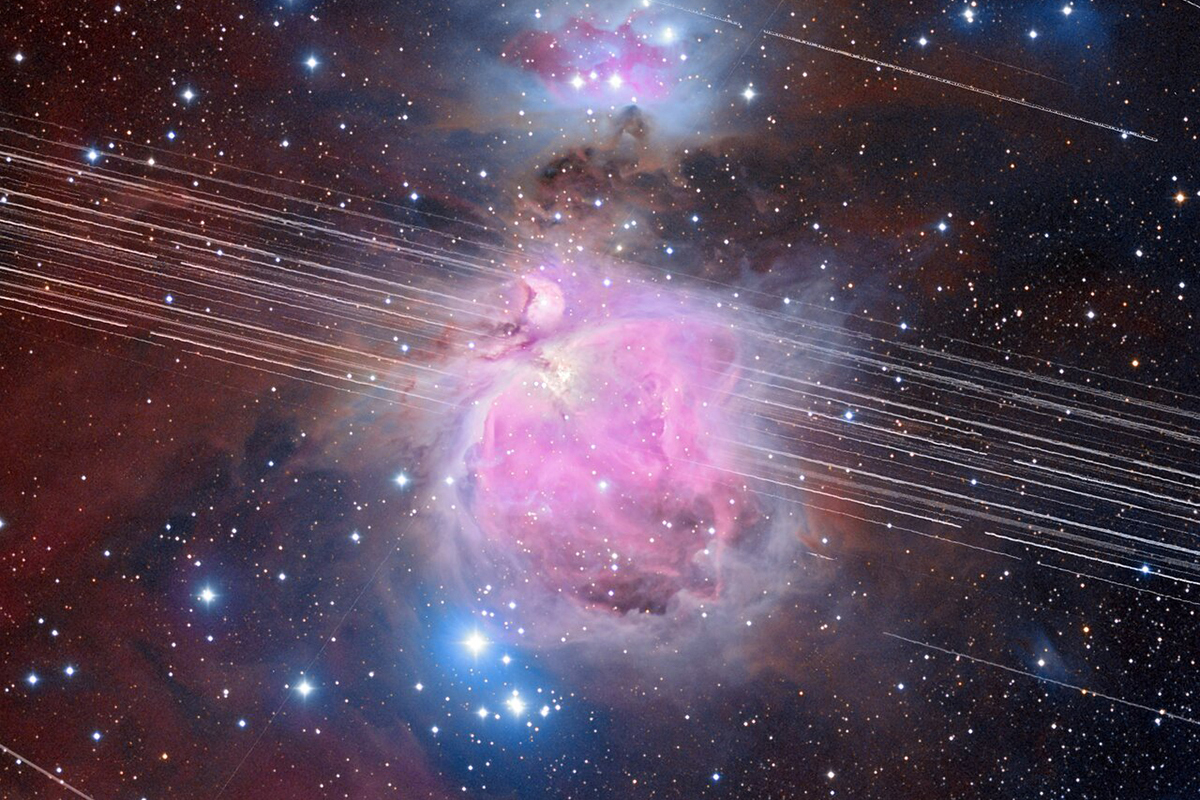
"With 130 million space debris objects orbiting the Earth, it's never a complete surprise when we hear reports of objects burning up in the atmosphere or even strange pieces of debris washing up on our shores," Dr Webb says.
"Certainly, in the last five years we've seen an increase in these events as the increase in launches and objects in space continues to grow.
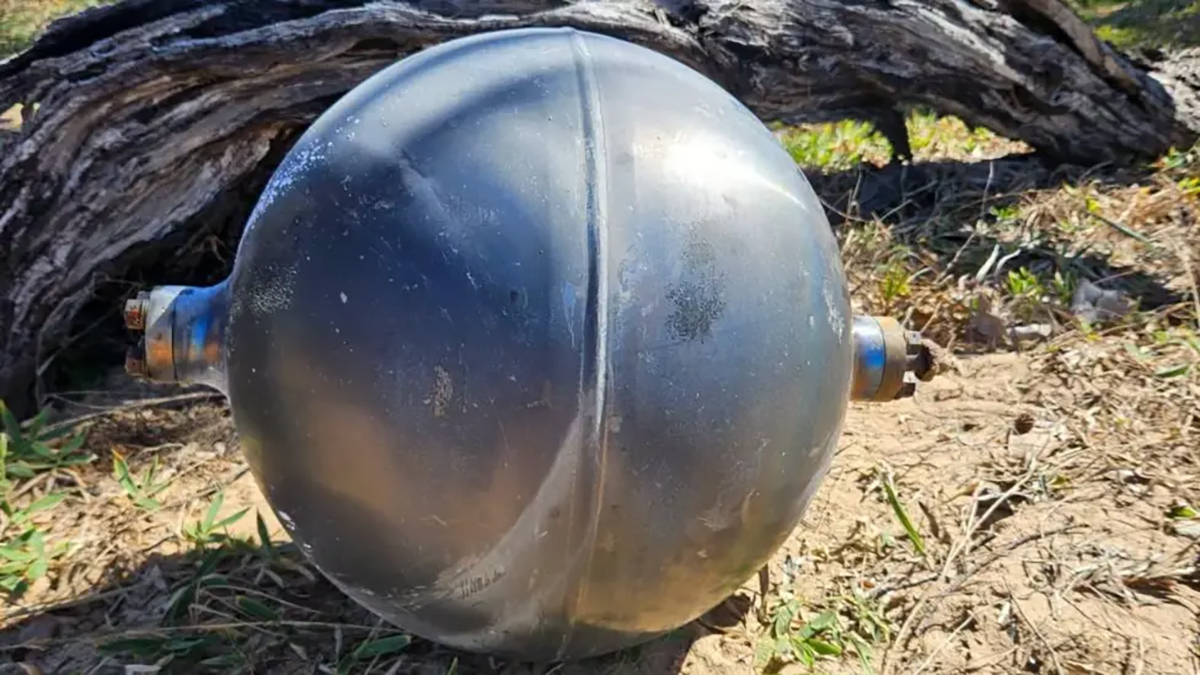
“What is surprising though about these 'space balls', or pressure vessels which appear to have washed up in Queensland, is the lack of the re-entry burning."
Dr Webb says this suggests the objects may have come from the lower stages of a rocket, which are discarded when they empty of fuel before the payload reaches Earth orbit.
"These round objects often contain extremely dangerous and reactive gases and fuels like helium and hydrazine,” she says.
“So, it's crucial that if they are found out in the wild they remain untouched and the local authorities are notified to remove the debris safely."
The Australian Space Agency has released a guide on what to do if you come across space debris, which you can read here.

