We’re not special. If astronomy has taught us anything over the last few centuries, it’s this: rather than being the centre of the Universe, we live on a perfectly everyday planet in orbit around a perfectly normal star, in a Galaxy that’s just one of hundreds of billions in the cosmos.
This ‘Copernican principle’ provides not just a decent dose of perspective, but also the foundation that makes much of our science possible, as it means we can fearlessly draw conclusions from what we see without worrying about local bias.
More from Chris Lintott
But it may not be true.
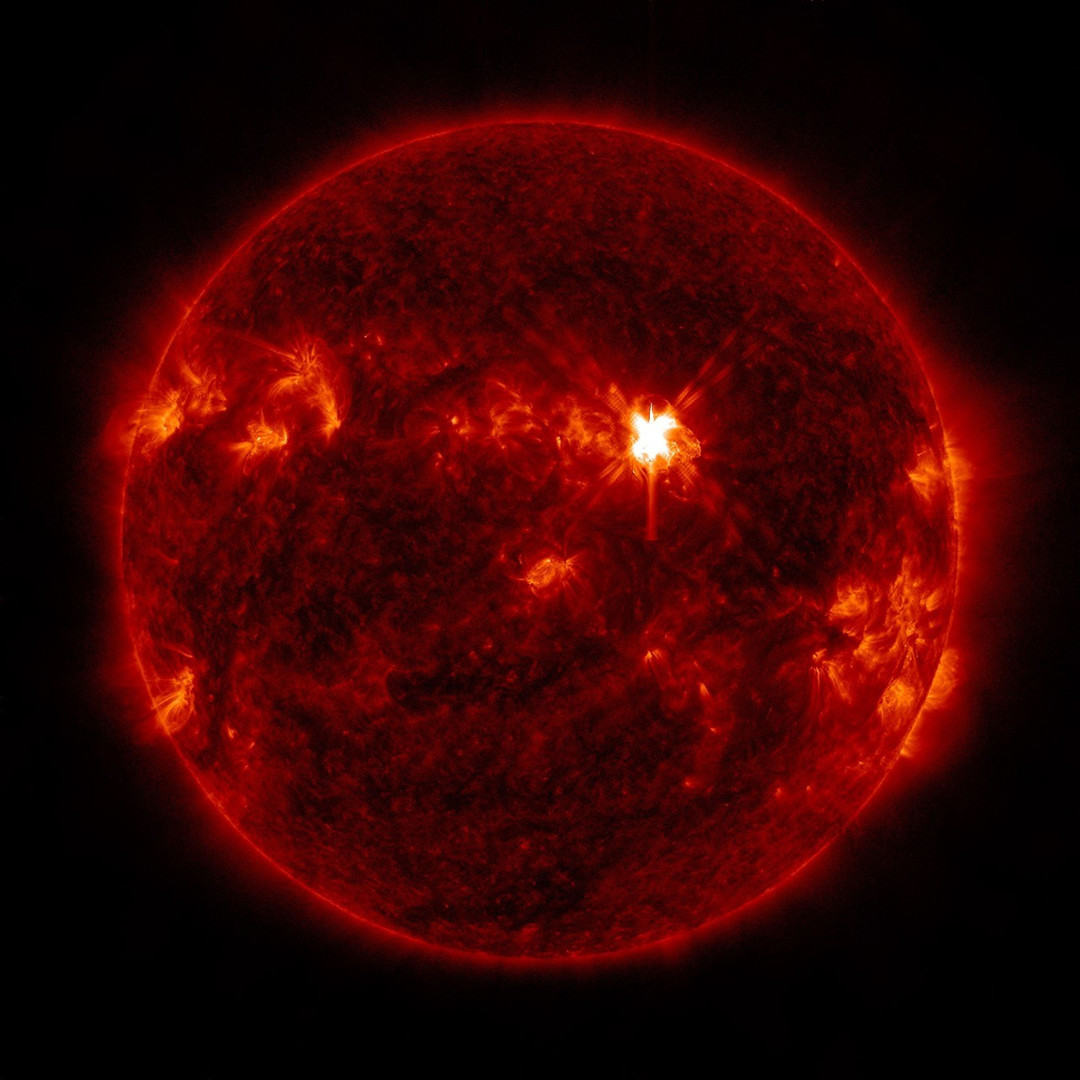
As we’ve studied the Sun in more detail, measurements have convinced many astronomers that it really is odd – and not only because it is orbited by a rock with intelligent monkeys aboard.
Comparing the Sun’s spectrum with similar-sized stars suggests that the Sun is deficient in some elements.
Although, like all stars, it’s mostly made of hydrogen, it seems to have less of things like titanium, chromium and scandium, and relatively more of elements like carbon, oxygen and nitrogen than its twins elsewhere in the Galaxy.
Missing ingredients
The connection between the elements in each bucket is their volatility. Those the Sun is missing are what are known as ‘refractory’ elements, which form dust or solid material even at high temperatures.
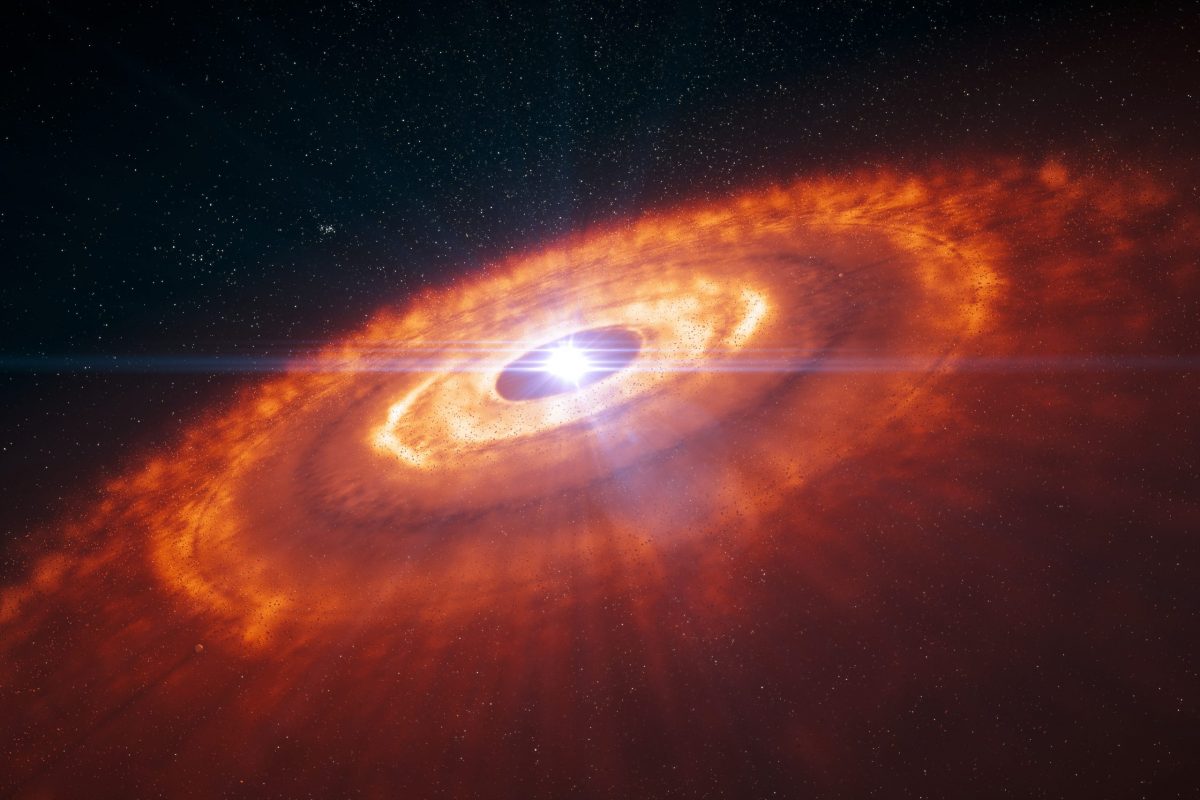
That we’re dealing with solids suggests there’s a link here with planet formation: could it be possible that the Sun’s relative lack of such elements is a clue to how our planetary system formed?
If the Sun lacks the materials that make up the planets, maybe stars richer in those elements shouldn’t necessarily be expected to host planetary systems like our own.
Some researchers even suggested that the Sun’s twins may have eaten their planets, adding to their store of material by consuming their companions.
If so, these results may suggest that solar systems that meet a grizzly end may be more common than our own stable version. That’s worrying for those looking for life.
Is the Sun more special than we thought?
Research from a team based in Australia, China and the US took a careful look at the data from 79 separate solar twins, taking a new approach.
They statistically account for the fact that the raw material for star formation is different at different times and places in the Galaxy.
In a cosmos initially full of not much more than hydrogen and helium after the Big Bang, subsequent generations of stars produced and then, on their deaths, scattered heavier elements which then fuel star and planet formation. But this takes time and doesn’t happen evenly.
Take this ‘chemical evolution’ into account and it seems that about two thirds of the differences between the Sun and its twins go away.
The Sun, like many of us, owes its peculiarities to where and when it was born, not to any physical differences.
The abundance patterns most likely reflect the mix of supernovae that created the material that got incorporated into the forming Solar System, so studying solar abundances tells us about local history and not much more.
Mystery solved! But don’t ignore planet eating yet.
The team do find good evidence for ‘planetary engulfment’ in at least two, and maybe as many as six stars.
Some suns, it seems, do eat their planets, just not most of them.
Chris Lintott was reading The Sun’s Chemical Peculiarity: Disentangling Galactic Chemical Evolution and Planetary Engulfment in Solar Twins by Mia Babatsikos et al. Read it online at: arxiv.org/abs/2607.01699