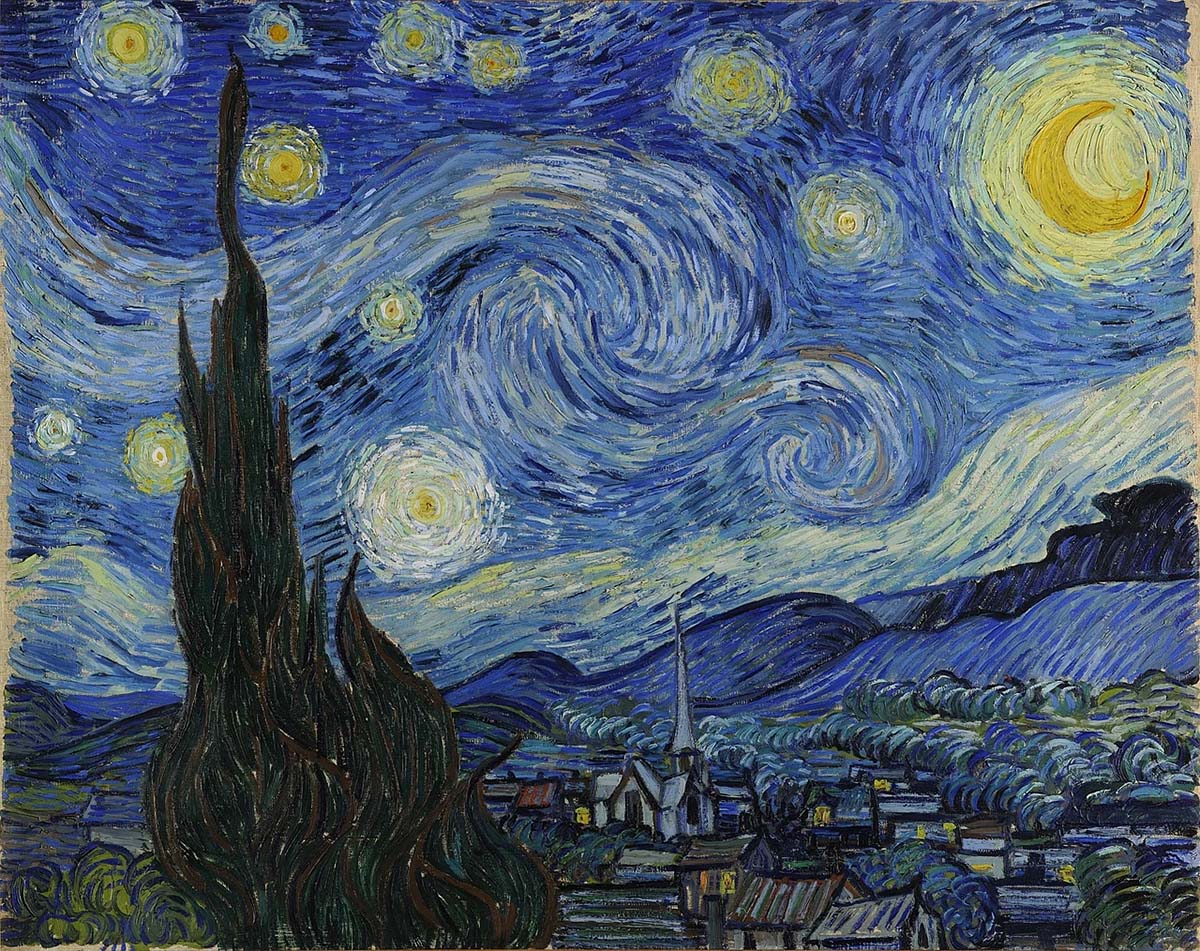
It's one of the most famous paintings in the world, it shows the stars and a crescent Moon in the night sky – and scientists think they now can pinpoint the exact night it depicts.
Vincent van Gogh's The Starry Night was painted in Saint-Rémy-de-Provence in the south of France in the year 1889.
It's long been a mystery as to whether Van Gogh had simply painted an imaginative view of the night sky over the local landscape, as seen from his window, or whether the artist had made an accurate record of what was visible at the time.
Now scientists have published a study that says they're able to state the precise date of The Starry Night.
Working back in time
The clockwork nature of the heavens as seen from Earth means it's possible to wind back the night sky and make accurate depictions of what was visible on a certain date.
A study says the sky in Vincent van Gogh’s The Starry Night matches "in both observation and shape" the pre-dawn sky over Saint-Rémy around 22 July 1889.
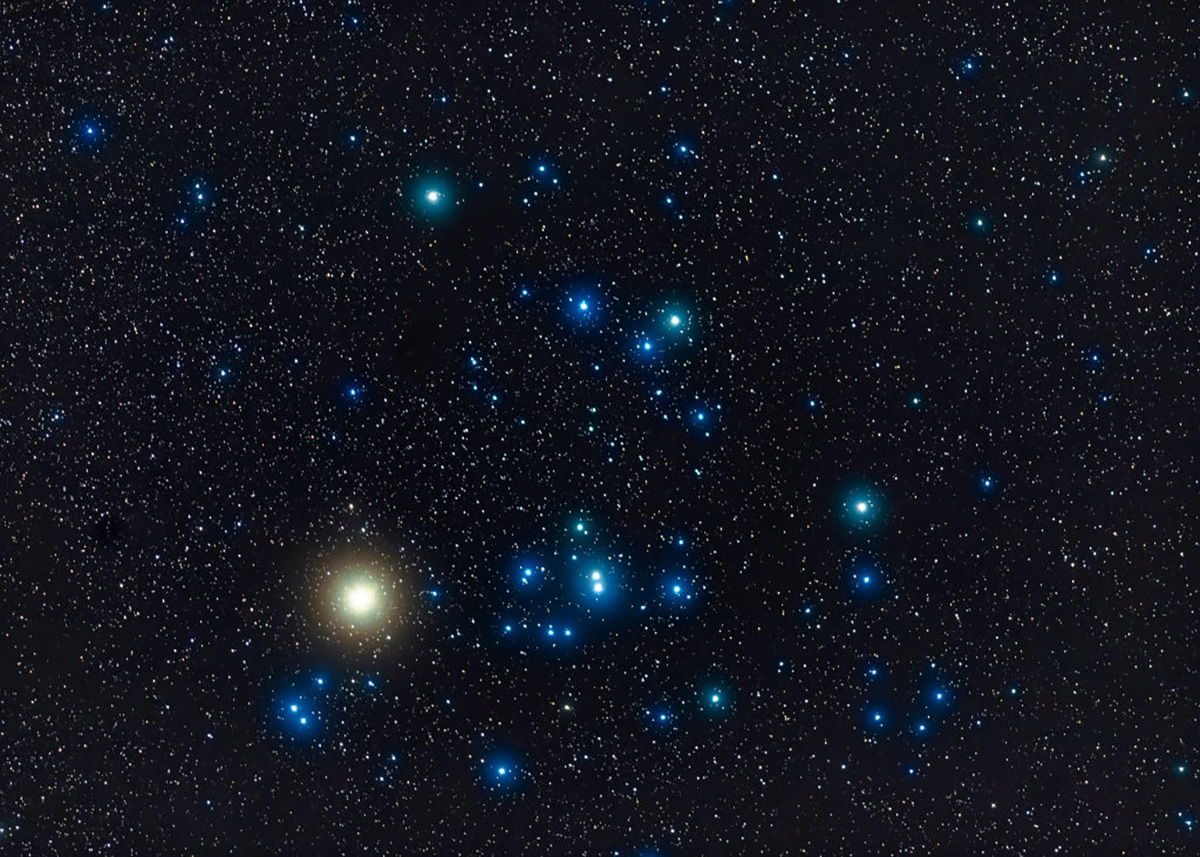
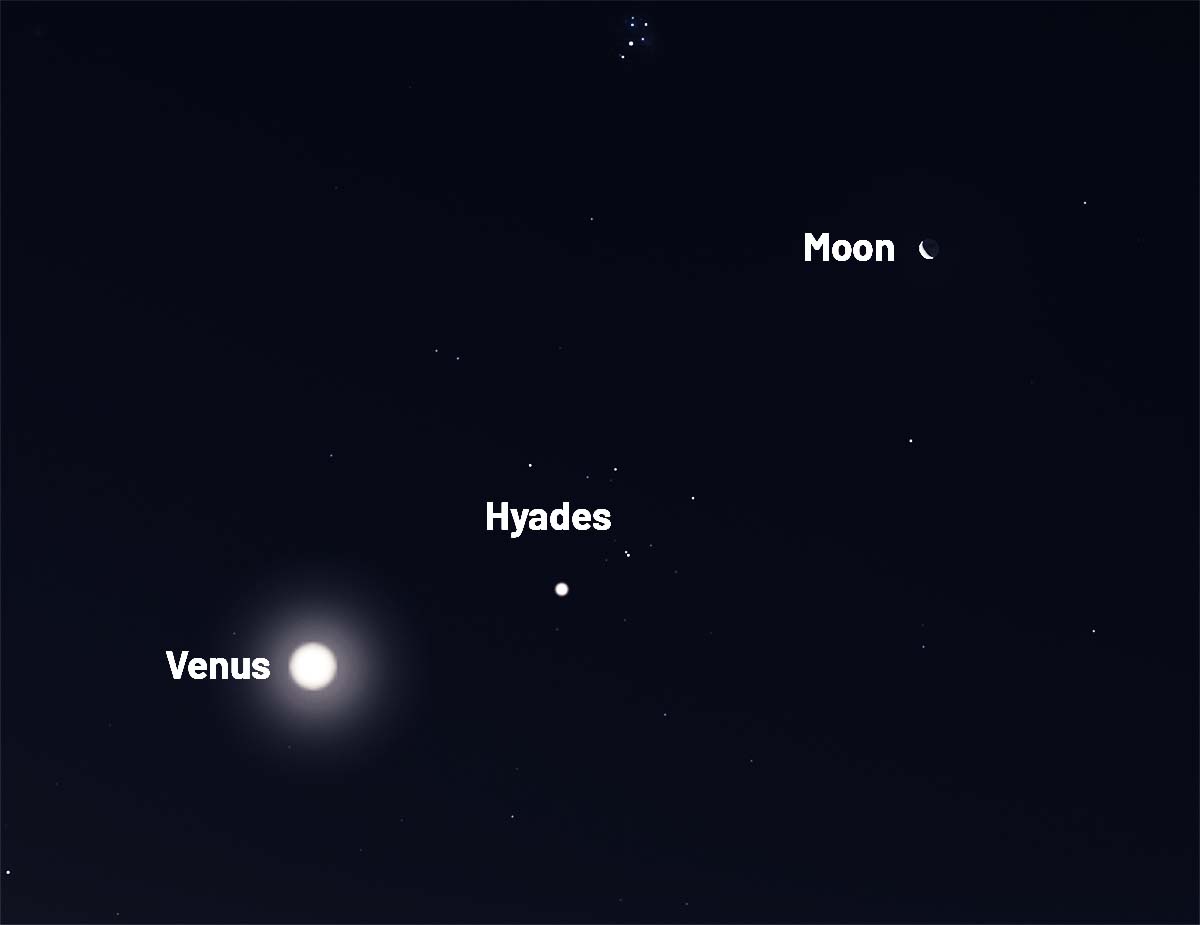
That's because we know that, in the early hours of the morning around that date, a waning crescent Moon, Venus and the Hyades star cluster in Taurus appeared close together from that location.
Under dark skies, all three celestial objects are indeed visible with the naked eye, and when Van Gogh was alive, light pollution would have been much less of an issue for stargazers than it is today.
Venus, when it's at its best, is the brightest thing in a dark sky, other than the Moon.
The Hyades star cluster in Taurus is also visible with the naked eye under good conditions and is well-known for its sideways 'V' shape.
More astronomy history
The study was carried out jointly by SLLAB, a South Korean space-science company, and the School of Space Research at Kyung Hee University.
First author Elijah Jeong-hyun Kim, CEO of SLLAB says: "To an observational astronomer, the cluster of stars in The Starry Night is the Hyades in Taurus.
"But the moment I read the earlier studies explaining it as Aries, I heard the painting calling to me."
The team judged it was unlikely the scene was inspired by Aries and travelled to France to gather evidence.
Dating The Starry Night
The team say the painting has conventionally been dated from a letter Van Gogh wrote to his brother Theo around 18 June 1889.
But a look at the Moon phases for that period shows that the Moon on that date wouldn't have looked like the Moon in the painting.
Around 22 July 1889, however, the team say the Hyades rose in the east alongside Venus and the Moon’s shape was similar to the crescent Moon in the painting.
Yet that very date has long been assumed to be around the time of one of Van Gogh’s seizures.
The team cross-analysed original French and Dutch letters and weather records and say that Van Gogh's seizure likely began in late July, meaning the 22 July date could be the night depicted in The Starry Night.
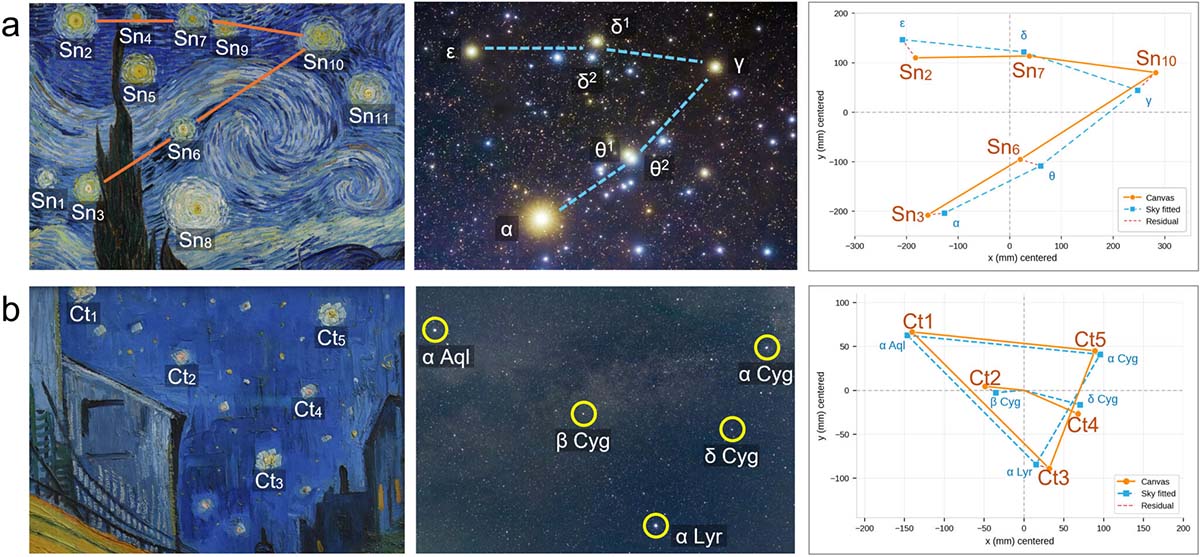
In Saint-Rémy, the team located the spot from which Van Gogh drew the landscape depicted in The Starry Night and reconstructed his view from there.
They say the five central stars in The Starry Night match those of the prominent stars in the Hyades.
And, they say, the stars match up more closely in a pen drawing Van Gogh made after the painting.
Here at BBC Sky at Night Magazine, we checked the view of the morning sky from that location on that date using the free planetarium software Stellarium and found that the view does indeed match The Starry Night, with the Hyades close to a crescent Moon.
Using the same method they used to uncover the date for The Starry Night, the team has also proposed that the stars in Van Gogh's work Café Terrace at Night (1888) may be those of the Summer Triangle, a well-known asterism of stars seen in the summer sky.
"I hope this work prompts a renewed, multidisciplinary look at the sequence and working methods of the Saint-Rémy paintings, and at Van Gogh’s movements that summer," Kim says.
"Our conversation with Van Gogh’s other skies is still ongoing. We plan to tell those stories one by one."
Read the full paper in Nature