
The quick answer to the question ‘who owns the Moon?’ is this: nobody.
But the longer answer is a lot more complicated – and it’s being written right now.
We are in the middle of a new lunar land rush, and the legal rules governing it are contested, ambiguous and, some argue, dangerously out of date.
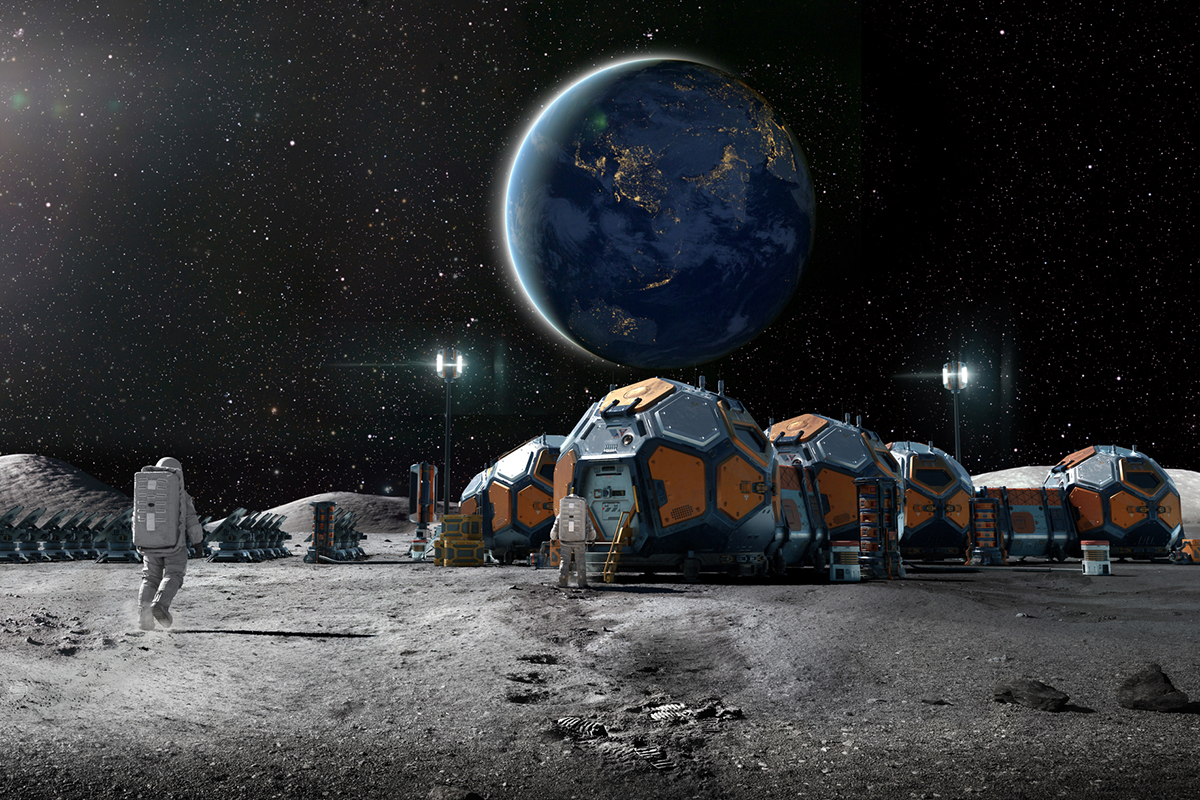
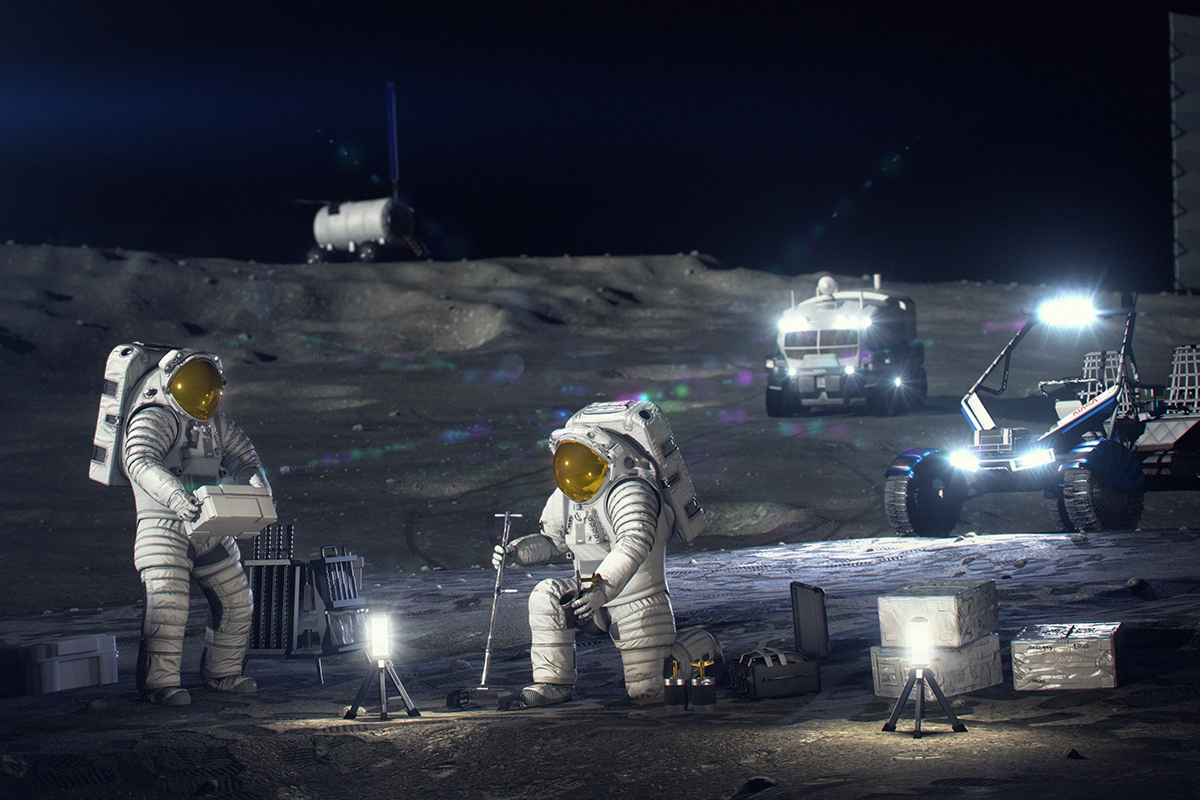
The prospect of permanent lunar bases, commercial mining operations and competition for valuable landing sites on the Moon’s surface is forcing governments, lawyers and space agencies to revisit treaties written more than half a century ago.
As dozens of nations and private companies set their sights on this new frontier, the debate is no longer about whether humans will use the Moon, but how that use will be governed.
Read more
The law as it stands
The foundational document of space law is the 1967 Outer Space Treaty (OST), negotiated at the height of the Cold War between the United States and the Soviet Union, and ratified by 118 state parties.
It was a product of its time: two superpowers racing to the Moon, nuclear anxieties running high and a genuine fear that space might become the location for a military confrontation.
The OST’s response was surprisingly idealistic.
Article II declares that space, including the Moon and other celestial bodies, “is not subject to national appropriation by claim of sovereignty, by means of use or occupation, or by any other means”.
In other words, no country can own the Moon. It belongs, as the treaty states, to “the province of all mankind”.

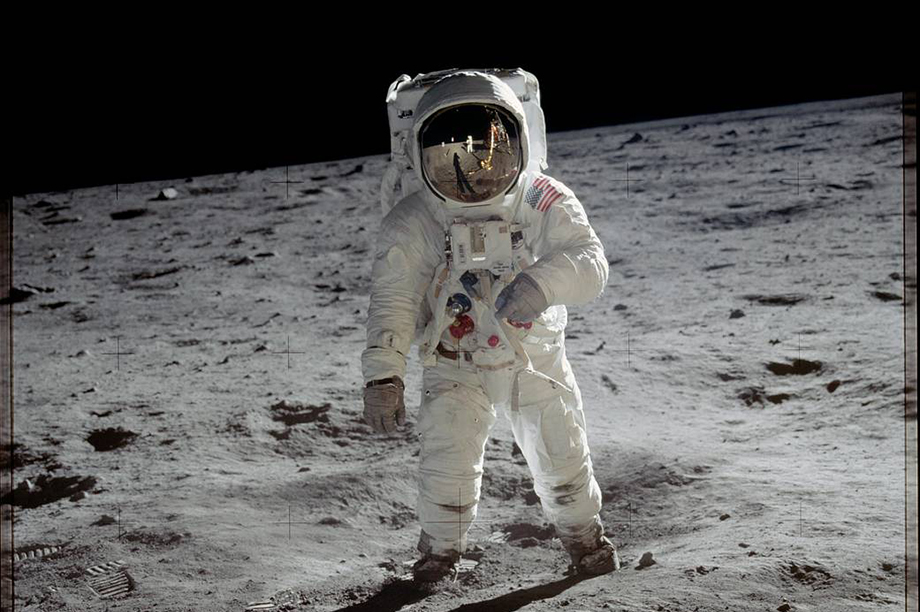
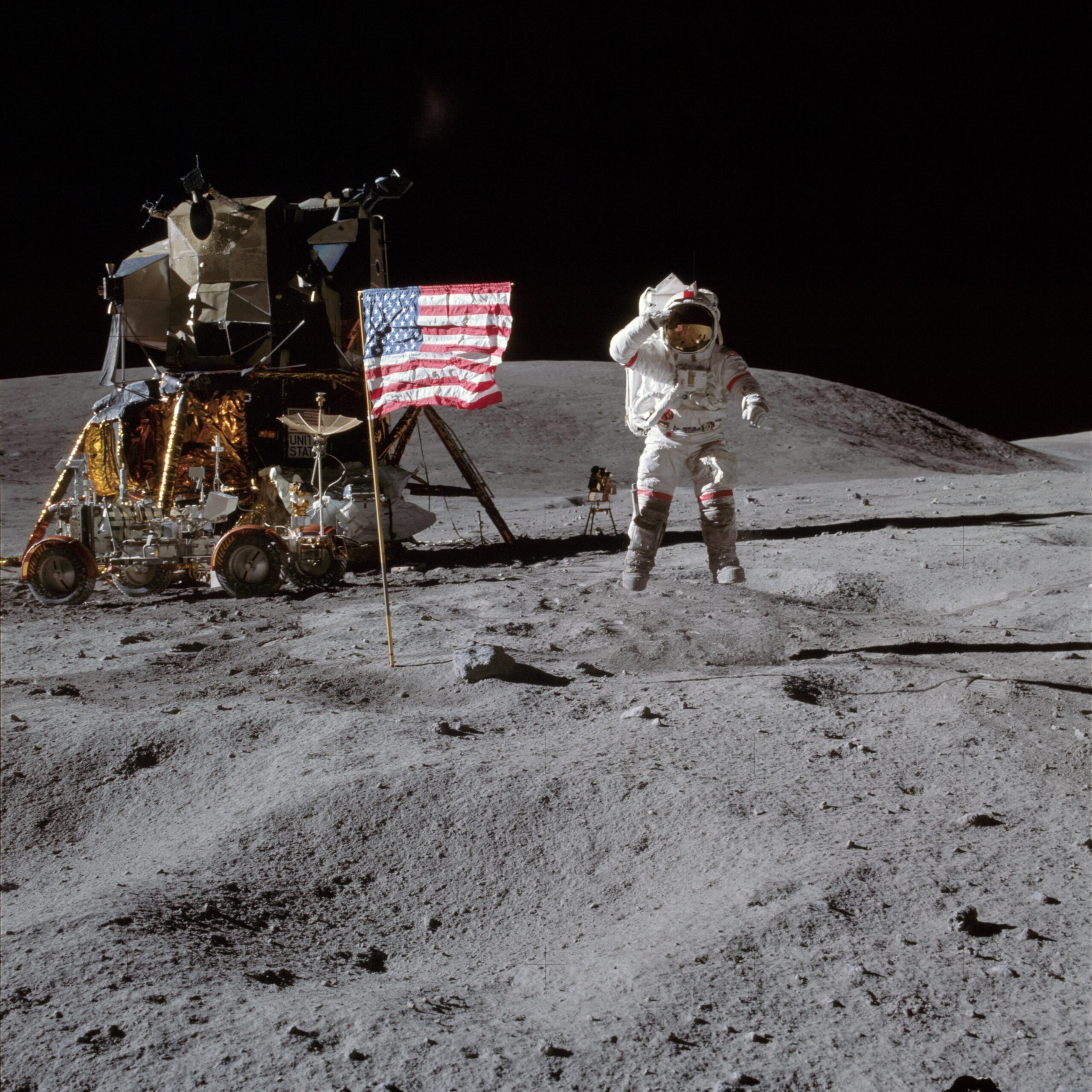
For nearly 60 years this principle has held. No nation has formally claimed the Moon, and the flags planted by Apollo astronauts have always been understood as symbolic rather than territorial.
What the OST does not do is clearly prohibit the extraction and use of natural resources.
This silence was understandable in 1967, when mining the Moon was science fiction. In 2026, it is not.
And while the OST says nations cannot own the Moon, it says nothing explicit about whether they can own resources extracted from it.
Can you mine the Moon even if you can’t claim it? Can you extract water-ice from the south pole, process it into rocket fuel and sell it, as long as you don’t plant a flag and declare sovereignty?
Ignored treaties
In 1979, a follow-up treaty called the Moon Agreement attempted to close this gap.
It declared the Moon and its resources the “common heritage of mankind” – a stronger formulation that implied shared governance and the need for an international regime before any exploitation could begin.
Negotiated over a decade of drawn-out debate, it was a serious attempt to future-proof space law for a commercial age.
Nobody ratified it. Or rather, almost nobody: the agreement has 17 state parties, none of them major space powers.
The United States, UK, Russia and China all declined.
The Moon Agreement is, in practice, a dead letter – an expression of an aspiration that those nations who were capable of reaching the Moon were not prepared to be bound by.
Into this vacuum, the major space powers have inserted their own interpretations.
In 2015, the United States passed the Commercial Space Launch Competitiveness Act, which explicitly grants American citizens the right to own and sell resources they extract in space.
Luxembourg, the UAE and Japan have enacted similar legislation. The argument is a careful legal two-step: the OST prohibits territorial sovereignty, these laws say, but it says nothing about resource ownership. You cannot own the Moon, but you can own the bucket of regolith you scoop out of it.
The Artemis Accords
To address some of these challenges, the United States and its partners introduced the Artemis Accords in 2020.
The accords are not a treaty. Instead, they are a set of principles intended to guide civil exploration and use of the Moon, Mars and other celestial bodies.
They build on existing international law while attempting to provide practical rules for future activities.
Sixty-eight nations have now signed them, from Apollo-era titans like the United States to emerging players like Senegal.
The accords emphasise transparency, interoperability, emergency assistance, scientific data sharing and peaceful exploration.
They also call for notification and coordination to avoid harmful interference around operations on the lunar surface, a concept that’s come to be known as ‘safety zones’.
The idea is straightforward: if a nation or company is conducting activities in a particular area, others should avoid interfering with those operations.
Supporters view this as a sensible way to prevent accidents and misunderstandings.
Critics worry that sufficiently large safety zones could end up as de facto territorial claims, triggering a potential race to grab the best sites first.
The decisions made over the next few decades may establish precedents that shape not only the future of the Moon but also humanity’s expansion throughout the Solar System.
Whether the Moon becomes a model of international cooperation or a new arena for geopolitical competition remains uncertain.
What is clear is that humanity is entering an era in which the question of who owns the Moon is no longer theoretical.
For the first time since the dawn of the Space Age, it’s a practical problem that governments, companies and explorers will soon have to solve together.
What are your thoughts on ownership of the Moon? Let us know by emailing contactus@skyatnightmagazine.com

