
It feels like the question as to whether life exists beyond Earth could be answered in the affirmative any time soon.
That's considering what the James Webb Space Telescope is discovering at exoplanets and the reach of missions like Cassini and JUICE examining habitable conditions within our own Solar System.
But what about intelligent life? Might there be other civilisations beyond our Solar System, able to manufacture technology and send out communication signals?
And what of the UFO phenomena, or UAPs (unidentified anomalous phenomena) as they're now known?
Are reports of UAPs and studies into alleged visits by alien craft another branch of the scientific search for life, or should they be simply discounted?
More on UFOs

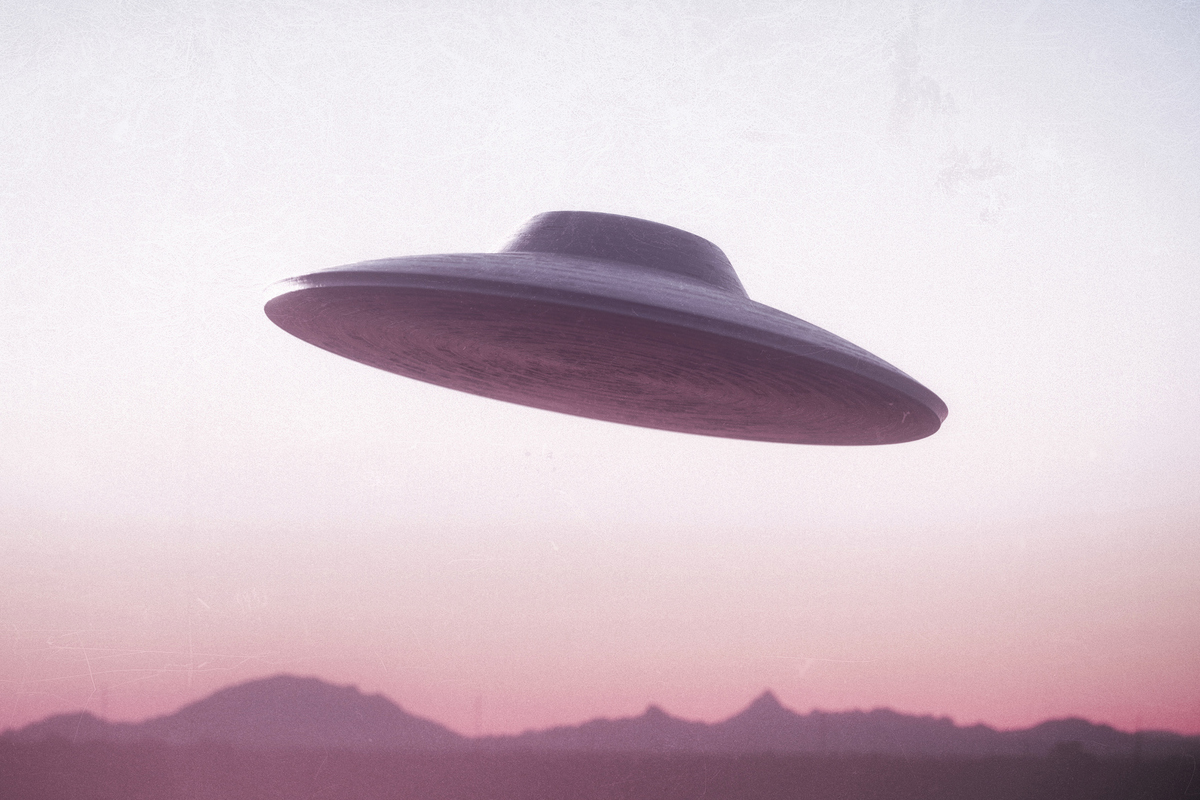
Interest in UAPs has increased in recent years, not least due to recent Congress hearings in the US on that very subject.
Now, US President Donald Trump has appointed Harvard Professor Avi Loeb to a team of outside experts tasked with exploring the UAP phenomenon.
Loeb has made headlines over the past year through his studies of interstellar comet 3I/ATLAS which, he claimed, showed evidence of being an alien craft.

However, the majority of astronomers and scientists refute Loeb's analysis of data on 3I/ATLAS, instead pointing to the observational evidence that strongly supports the idea that it is indeed a comet.
Loeb is reported to have begun researching reports of UAPs and the Associated Press says he has asked the Pentagon for videos, images and documents detailing reported encounters.
The panel will eventually present its findings to the White House.
So who is Avi Loeb and what are his thoughts on the search for alien life?
Back in 2020 – long before the discovery of 3I/ATLAS – we spoke to Loeb to get his thoughts.
This is that interview.

Are we close to finding intelligent life beyond Earth?
The traditional thinking was that microbial life is far more abundant because it emerged soon after Earth cooled, whereas Homo Sapiens emerged merely in the last 0.1% of Earth’s history.
But we now know that most stars formed billions of years before the Sun and their Earth-like planets are well ahead of our history.
Moreover, humanity launched five probes towards interstellar space over the past half a century: Voyager 1 &2, Pioneer 10 & 11 and New Horizons.
This implies that technological space trash from past civilisations may be abundant in interstellar space as much as plastics are in our oceans.
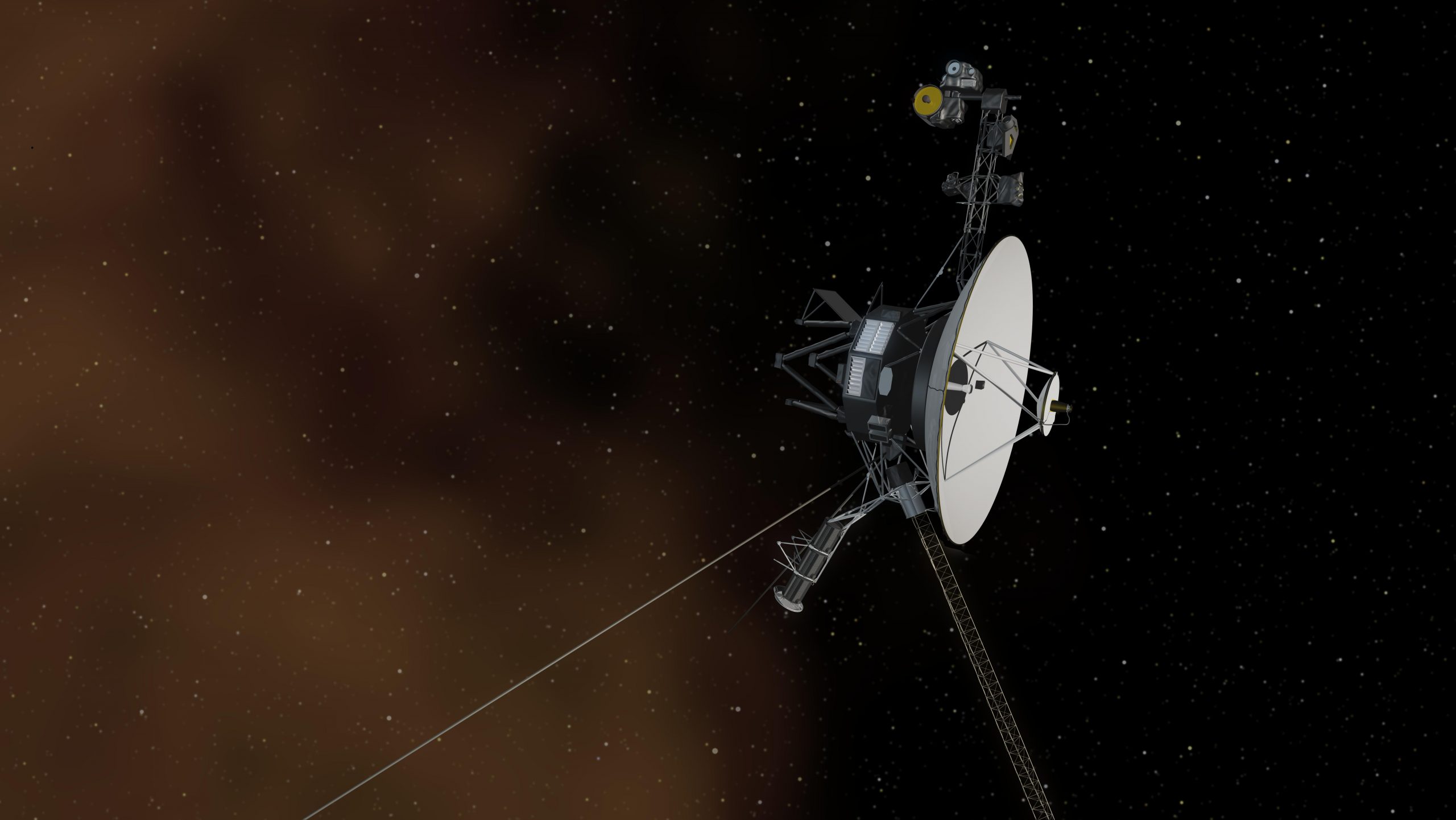
Any debris launched by chemical propulsion was bound by gravity to the Milky Way disk and kept accumulated over the past billions of years.
If we search our cosmic backyard, the Solar System, we might find technologically-manufactured objects from our cosmic neighbourhood, akin to tennis balls thrown by a neighbour.
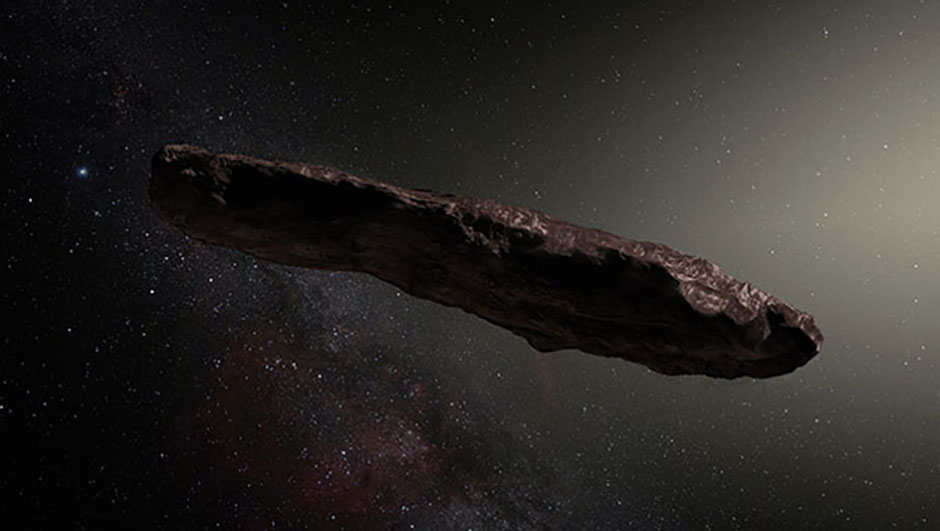
The first three interstellar objects recognized by humans: the interstellar meteors, IM1 and IM2, and `Oumuamua, appeared different in material strength, speed, shape and propulsion from familiar asteroids and comets from the Solar System.
This gives me hope that by seeking more evidence about them, we are likely to discover signs of intelligent life beyond Earth very soon.
We just need to seek that evidence in the true spirit of science.
How would people react if we found evidence of alien life?
It depends what we find.
It is likely that the object will be far more advanced than our technological products, because the senders reached our doorstep before we reached theirs.
In that case, the discovery and decoding of an extraterrestrial device will be accompanied by a sense of awe.
Similar to that of Moses encountering the burning bush in the old testament or Moses reading the ten commandments on a tablet connected to the internet.
As a scientist, I view it as an opportunity to make a giant leap towards our technological future.
It could inspire humanity to explore space and follow John Lennon’s words: “Imagine all the people living in peace.”

I calculated that if we allocated the 2-trillion dollars per year spent on military budgets every year to space exploration, we could send a probe towards every star in the Milky Way galaxy by the end of this century.
With a grander view, we could change our priorities from those of a crow pecking on the neck of eagles to becoming an eagle that rises to heights where no crows survive.
Here’s hoping that we move away from the crow-mentality on social media to the eagle-mentality of intelligent civilisations in interstellar space.
Recently, I led an expedition to the Pacific Ocean with the goals of retrieving materials from the first interstellar meteor, IM1.
During the expedition it occurred to me that all team members are in the same boat.
I enjoyed the company of all crew members because each contributed selflessly to the success of our mission.
The boat is a metaphor for Earth moving through space.
All earthlings share the same boat and we better work together towards acquiring a respectable status in the cosmic class of intelligent civilizations.
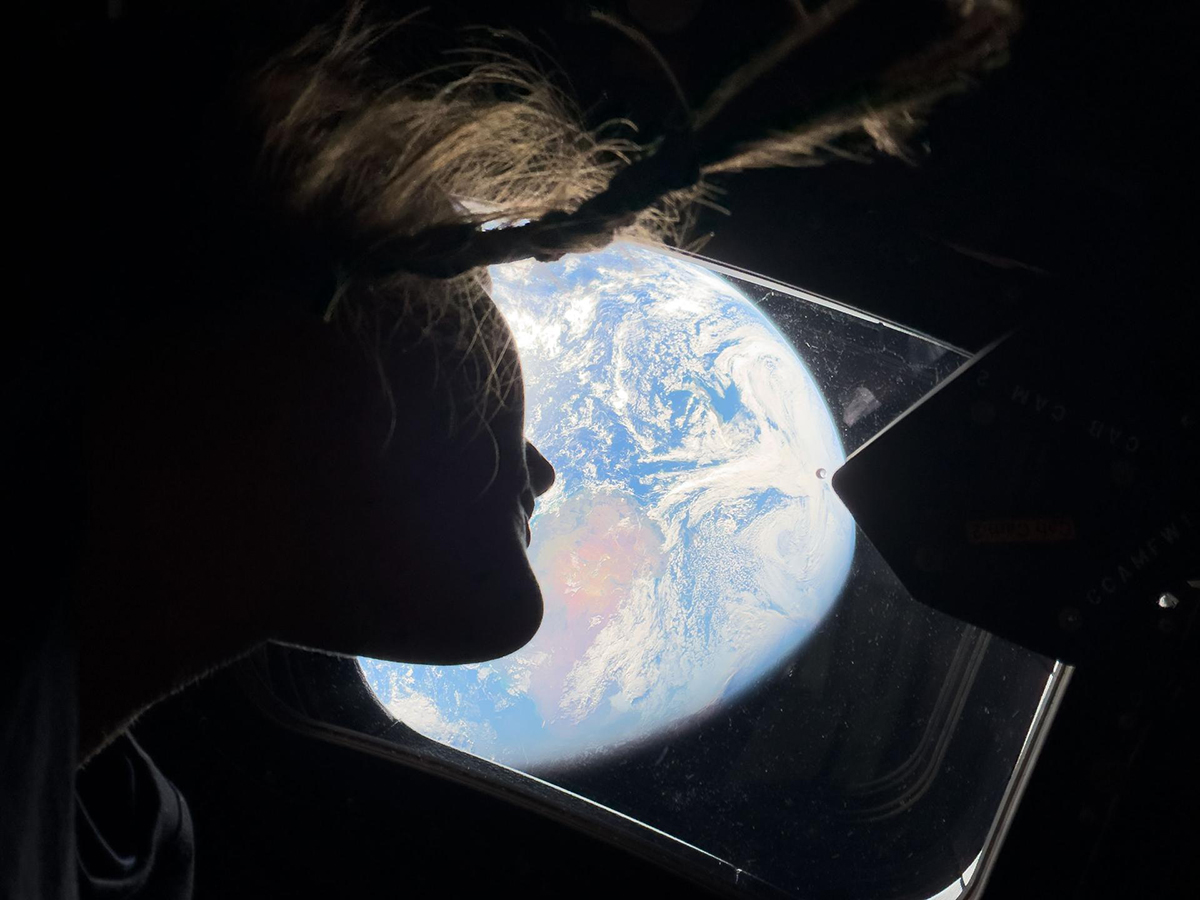
What are our best chances of finding intelligent life beyond Earth?
In the past seventy years we tried to listen to radio signals. This is similar to waiting for a phone call.
You need the counterpart to be active.
The approach I am taking is to check for physical objects that arrived to our doorstep from our cosmic neighbourhood.
Even if their senders are dead, we would still retrieve them.
Moreover, packages would keep accumulating, whereas radio signals are billions of light years away if they were sent billions of years ago.
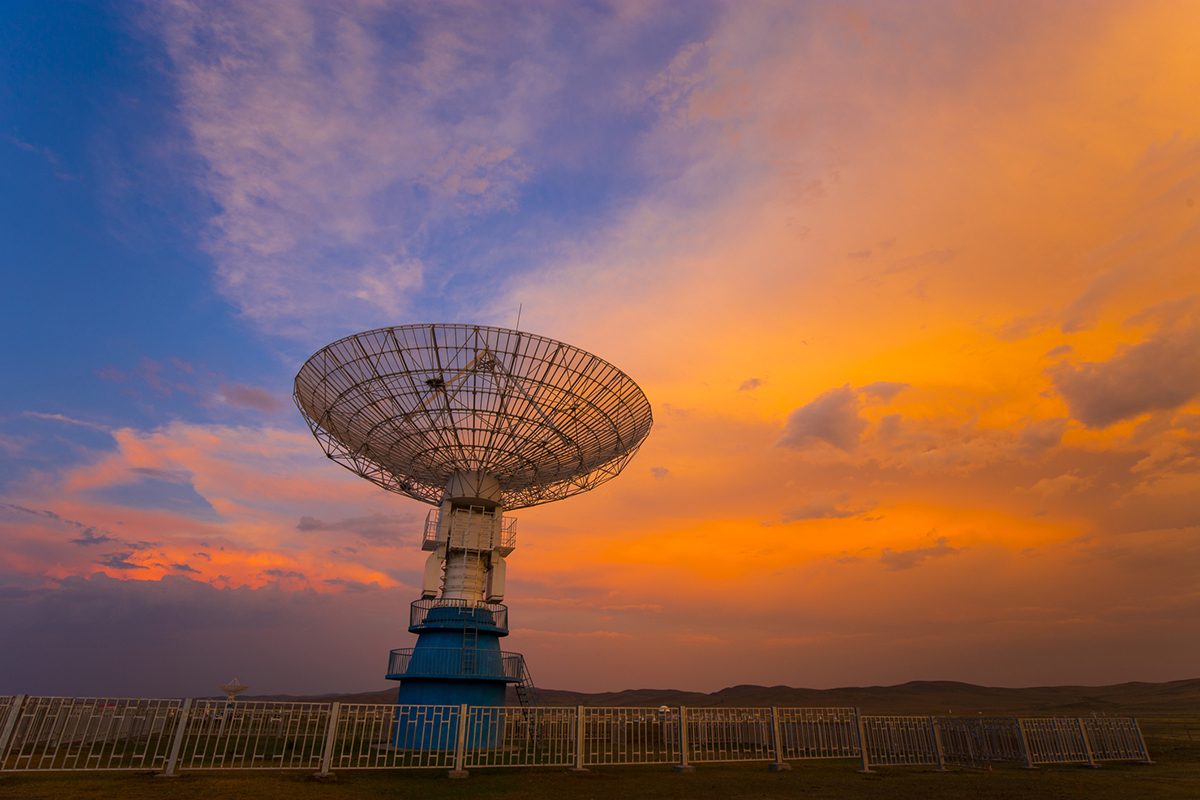
How can we focus our resources better?
We now know that 83% of the matter in the Universe is composed of a substance that we do not find in the Solar System.
As a result, we invest billions of dollars in the search for this mysterious dark matter.
The public cares more about the question 'are we alone?' than about the nature of dark matter.
Therefore, we should invest similar resources, or more, in the search for interstellar objects of technological origin.
Science can be exciting if it resonates with the public’s interests.
This interview was conducted in 2020

