Whenever I tell people I’ve discovered a new exoplanet, invariably the first question is: "Could we live there?"
In some cases, it’s very easy to answer with an outright "No".
Gas giants orbiting very close to their stars – like TOI-3288 Ab, for instance – are never going to stand a chance at habitability, at least not as we know it.
More on alien life

How about a super-Earth in the so-called ‘habitable zone’ of its star? Well… maybe.
But what do we even mean by ‘habitable-zone planet’, if we don’t actually know the planet is habitable?
Welcome to the wonderful world of exoplanet habitability metrics.
Picking planets with possible life
The rationale is that we need a way of choosing the most promising targets to put forward for deeper investigation with instruments like the James Webb Space Telescope (JWST).
Requesting time on these sorts of instruments takes weeks – often months – of work.
Then you wait several more months to hear the outcome – which, in most cases, will be a big fat no.
These telescopes are severely over-subscribed, but one way to convince the friendly TAC (telescope allocation committee) of the value of your target is by demonstrating that it has a strong chance of showing signs of habitability.
The habitable zone (or HZ, to its acquaintances – it has no friends) is the most basic habitability metric.
It simply says whether a planet’s distance from its star puts it in the temperature sweet spot where liquid water could exist on the surface.
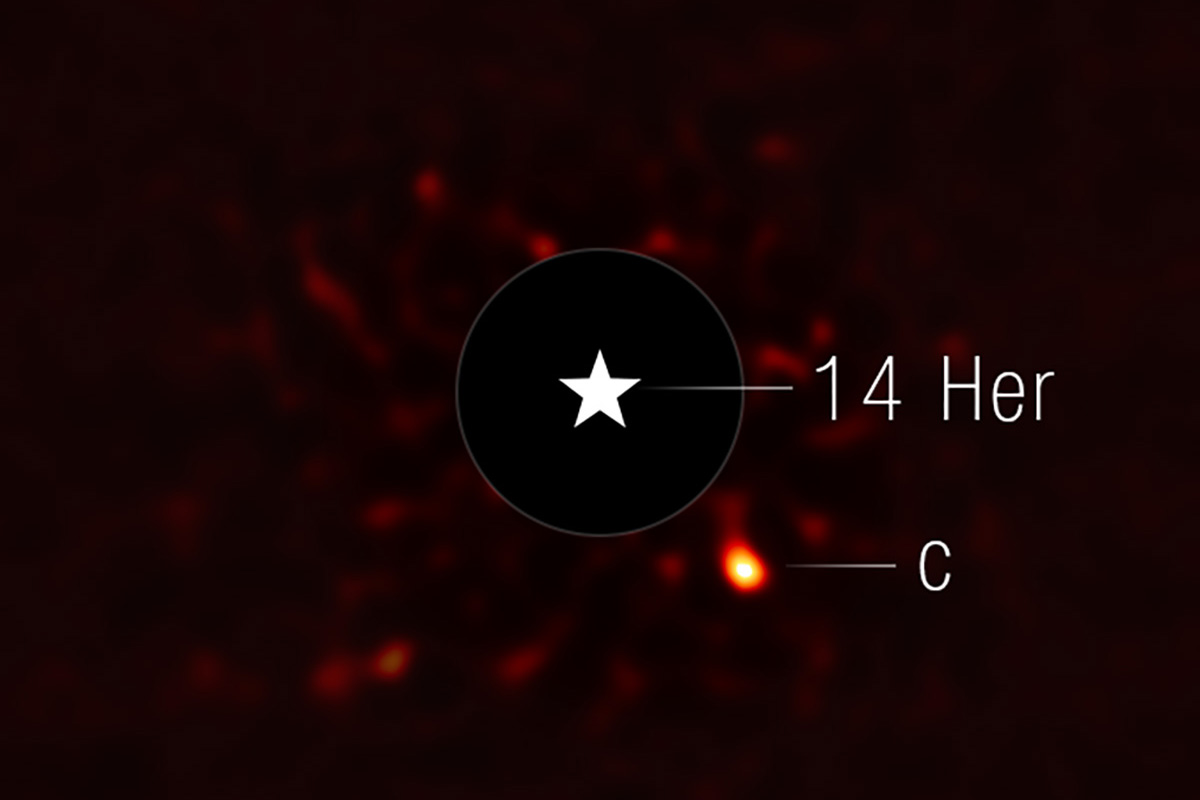
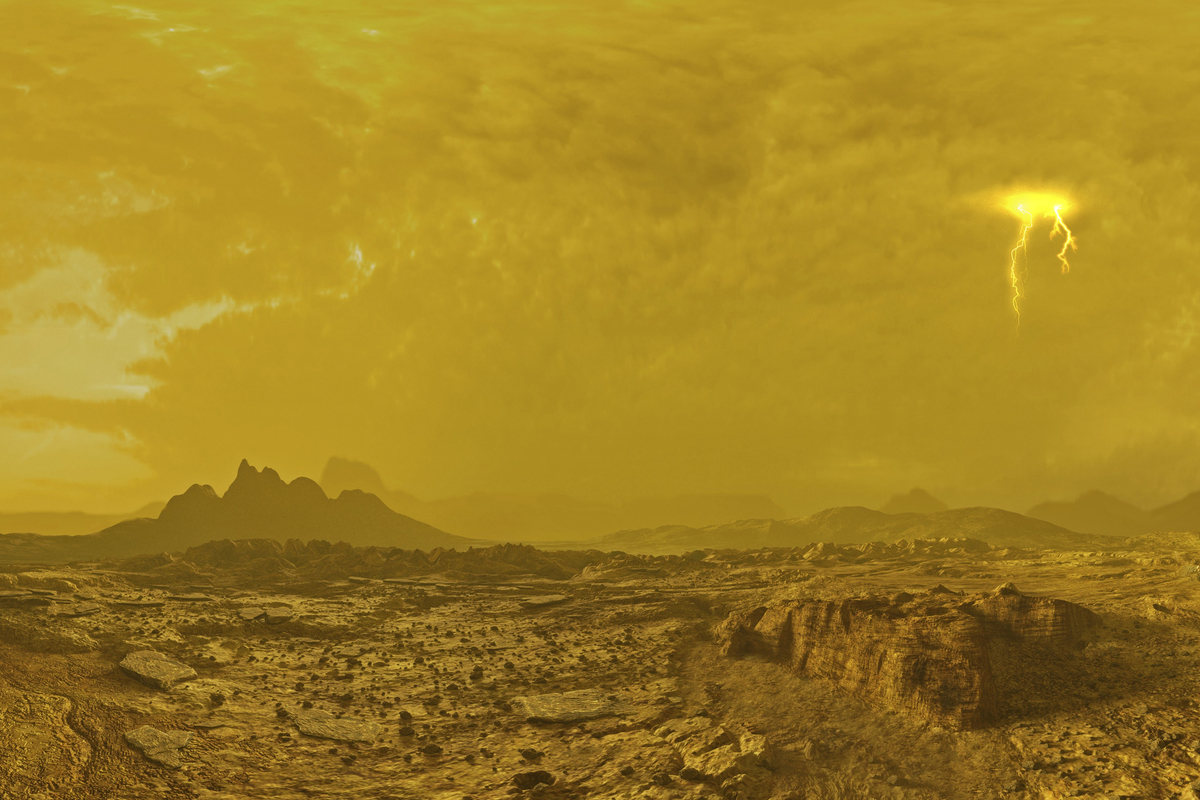
It says nothing about atmospheres, stellar activity or how reflective the planet is. Venus, for example, is just inside the Sun’s HZ (so see how helpful that is).
Another metric is the Earth Similarity Index (or ESI), which does what it says on the tin: it scores planets from 0 to 1 based on how Earth-like they are in terms of bulk density, temperature and size.
Venus has an ESI of 0.78 (so, again, see how helpful that is). There are other more sophisticated ones, but the reality is still that these planets are far away and these metrics can only do so much.
Life, but not as we know it
Wouldn’t it be glorious if the aliens we have so desperately sought elsewhere in the Galaxy are lurking in our own back – and/or front – garden?
In our back garden, the best candidates right now aren’t planets at all, but moons.
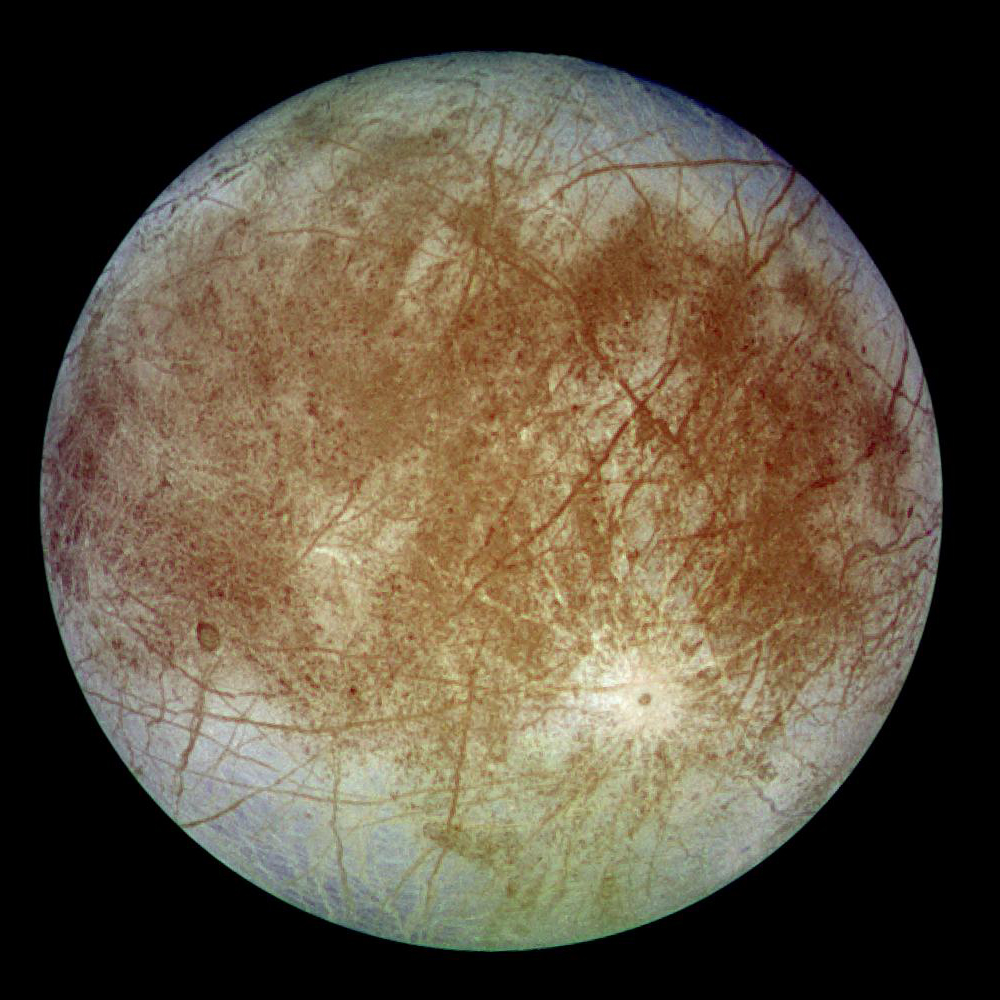
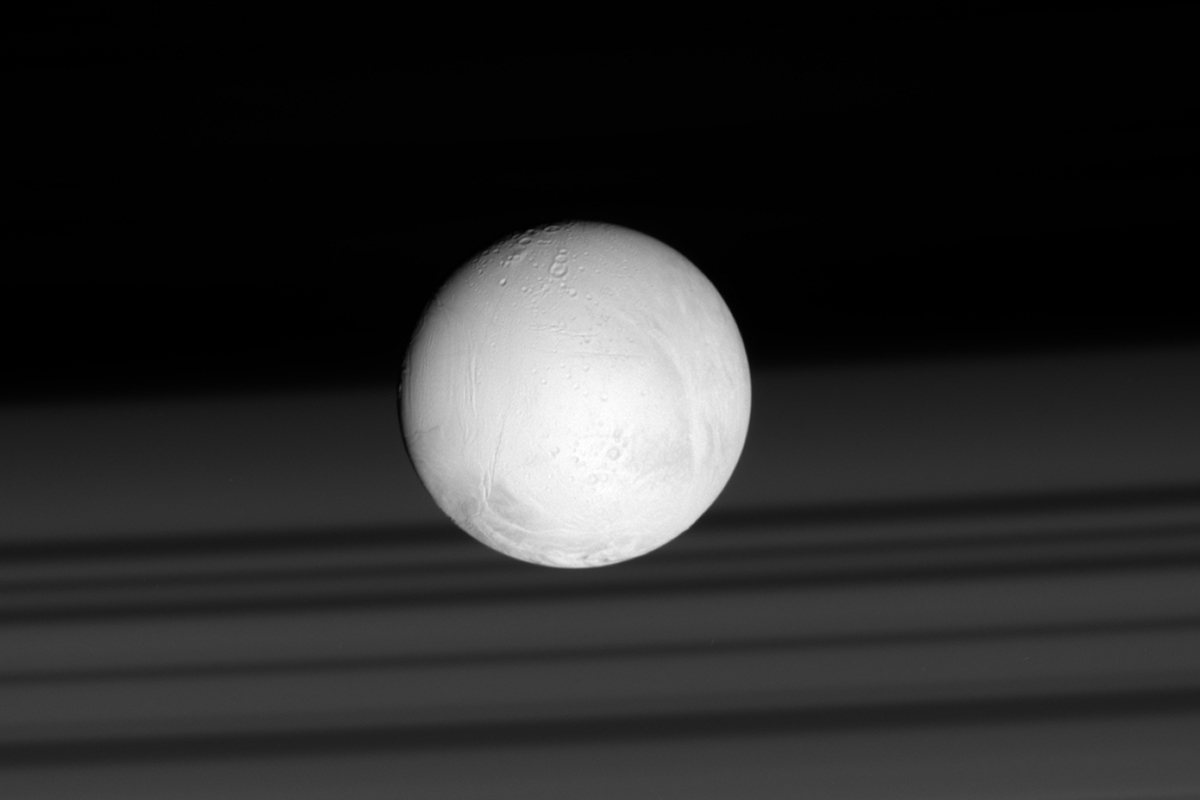
The two moons Europa and Enceladus, which orbit Jupiter and Saturn, respectively, are so far out of the Sun’s habitable zone that the concept is rendered pointless, but their internal heat allows them to maintain global liquid oceans beneath their icy exteriors.
So really, being too far from your star is not always a dealbreaker.
And what of our front garden? Look at the work done by Professor Jane Greaves on phosphine at Venus, our closest planetary neighbour.
Her work renewed interest in a planet that had been all but abandoned in the search for life – a well-documented inferno where probes melt or implode soon after arrival.
But the detection of phosphine, a gas that has no known abiotic sources on rocky planets, made us all rethink our definitions of habitability.
Follow-up lab-based studies have shown that life can happily thrive in acidic conditions similar to those in the Venusian upper atmosphere.
So again, not everything we consider a red line for life actually is.
It feels like a cliché to say that we’ve never been closer to finding life in the Solar System.
A bit like how for about 100 years folks have been saying we are only 30 years away from getting nuclear fusion to power our kettles.
But with two spacecraft currently on their way to Europa, and a mission to Venus in the works for the early 2030s, it really does seem like – finally – we are on the cusp of finding bona fide extraterrestrial life close to home.
Where do you think we should focus in the search for alien life? Let us know by emailing contactus@skyatnightmagazine.com