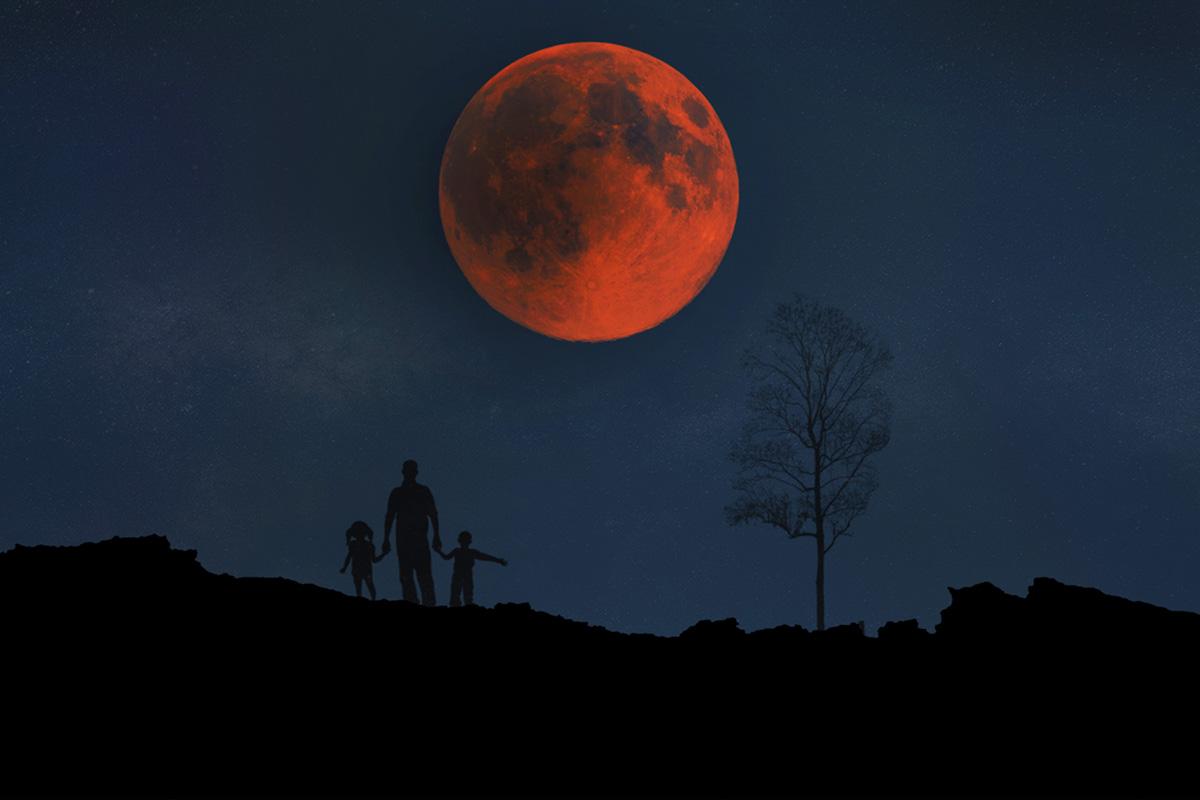
The lunar eclipse on 27/28 August will be a a deep partial eclipse, with up to 96% of the Earth-facing side of the Moon covered by Earth's shadow.
From the UK, the main umbral phase begins when the Moon is around 20° above the southwest horizon, but from North America, the umbral phase begins much earlier, local time.
The weaker penumbral phase starts 70 minutes before the umbral phases, but this can be hard to see.
The penumbral shadow only begins to really make its presence known just prior to the umbral part of the eclipse.
More amazing Chandra observations
Quick tips
No filters will be required as the Moon slowly slips into Earth’s shadow.
The point of maximum eclipse occurs at 05:13 BST (04:13 UT / 00:13 EDT).
Often during a total lunar eclipse, the Moon doesn’t pass centrally through the large umbral shadow, resulting in the limb closer to the edge of the shadow appearing noticeably brighter.
This will also be the case with this partial.
As the maximum part of the eclipse is reached in the UK and Europe, dawn will be starting and the sky brightening.
This will lead to some interesting imaging challenges. Here are a few tips for photographing the August 2026 lunar eclipse.
Equipment
- Camera
- Tripod
- Telephoto lens/telescope
Decide your plan of attack and stick to it
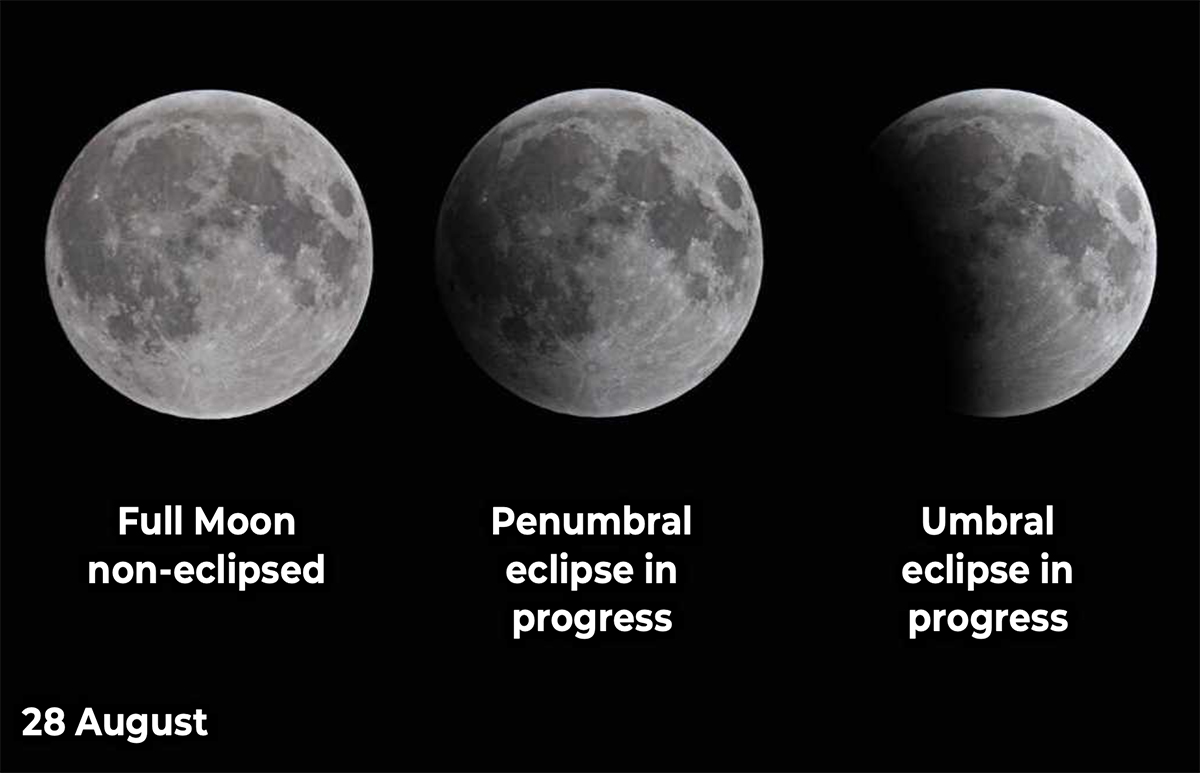
For the lunar eclipse, image the penumbral shadow every 10 minutes from 02:00 BST (01:00 UT). That's 21:00 EDT on August 27.
For the umbral phase, decide what to record: exposed non-eclipse surface plus dark shadow, or overexposed surface and correctly exposed umbral shadow – or both!
Shoot every five minutes until moonset.
Plan ahead to get your camera settings right
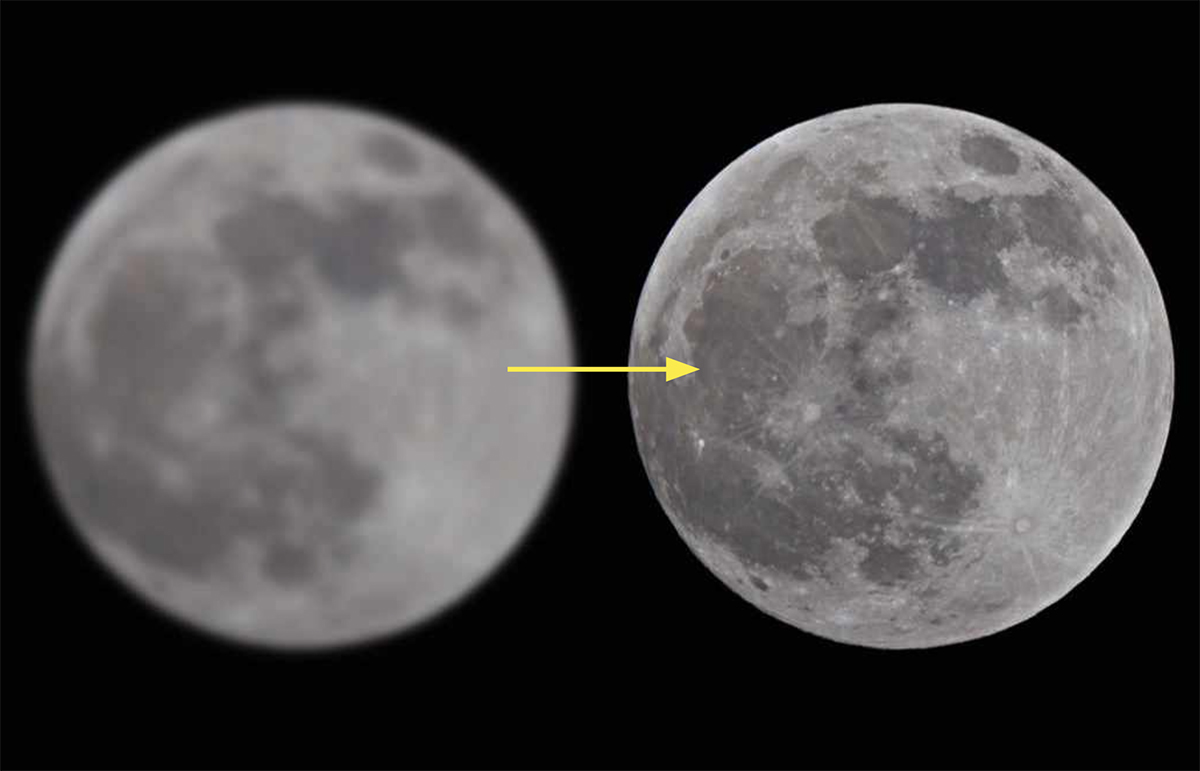
Focus accurately on the bright Moon before the eclipse starts, then regularly recheck throughout.
Start with an ISO around 400, adjusting exposure so the Moon doesn’t overexpose.
Note your settings and resist changing them when the umbral eclipse begins, unless you want umbral shadow detail.
Prepare to adapt as the eclipse progresses
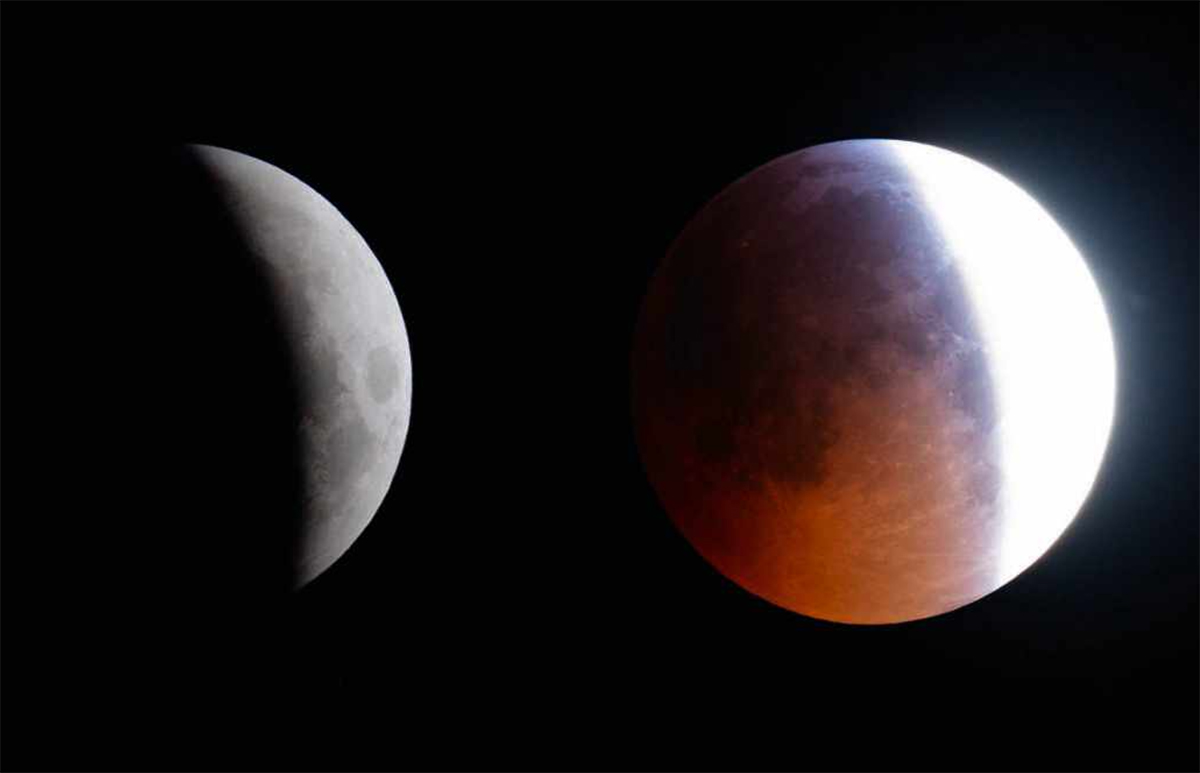
As the umbra deepens, increase exposure to reveal colour and detail, even if the penumbral areas overexpose.
If exposures exceed a few seconds, increase ISO.
Note the settings, so you can flip between these and those noted above.
Brightening twilight will affect your results as moonset approaches.
Share your lunar eclipse images with us by emailing contactus@skyatnightmagazine.com