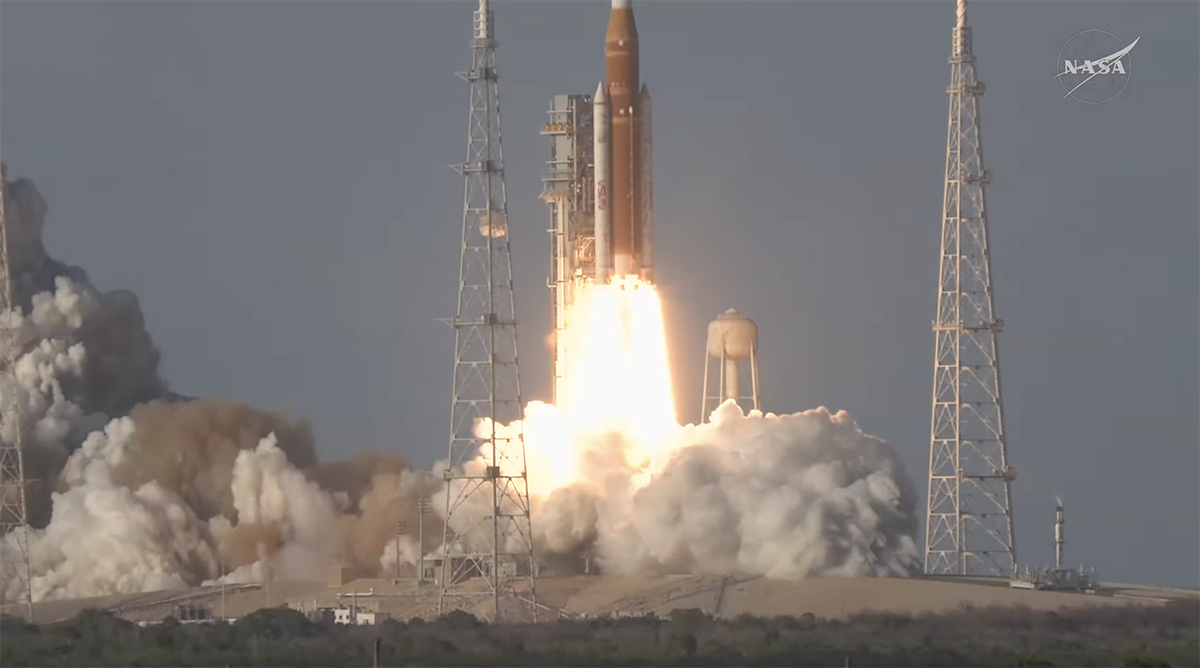
NASA's Artemis II mission caused enormous disturbances in Earth's atmosphere that scientists say could have disrupted GPS and other communications.
The pre-print study by scientists from National Cheng Kung University in Taiwan found that disturbances created by the launch of the Artemis II rocket were stronger than those caused by any other rocket launches to date.
The team say the research could point to future problems caused by increasingly powerful rocket launches becoming more frequent.
Read more
A mission around the Moon
The Artemis II mission was arguably the biggest spaceflight story of 2026.
It launched on April 1, 2026, taking four astronauts on a 9-day journey around the Moon and back.
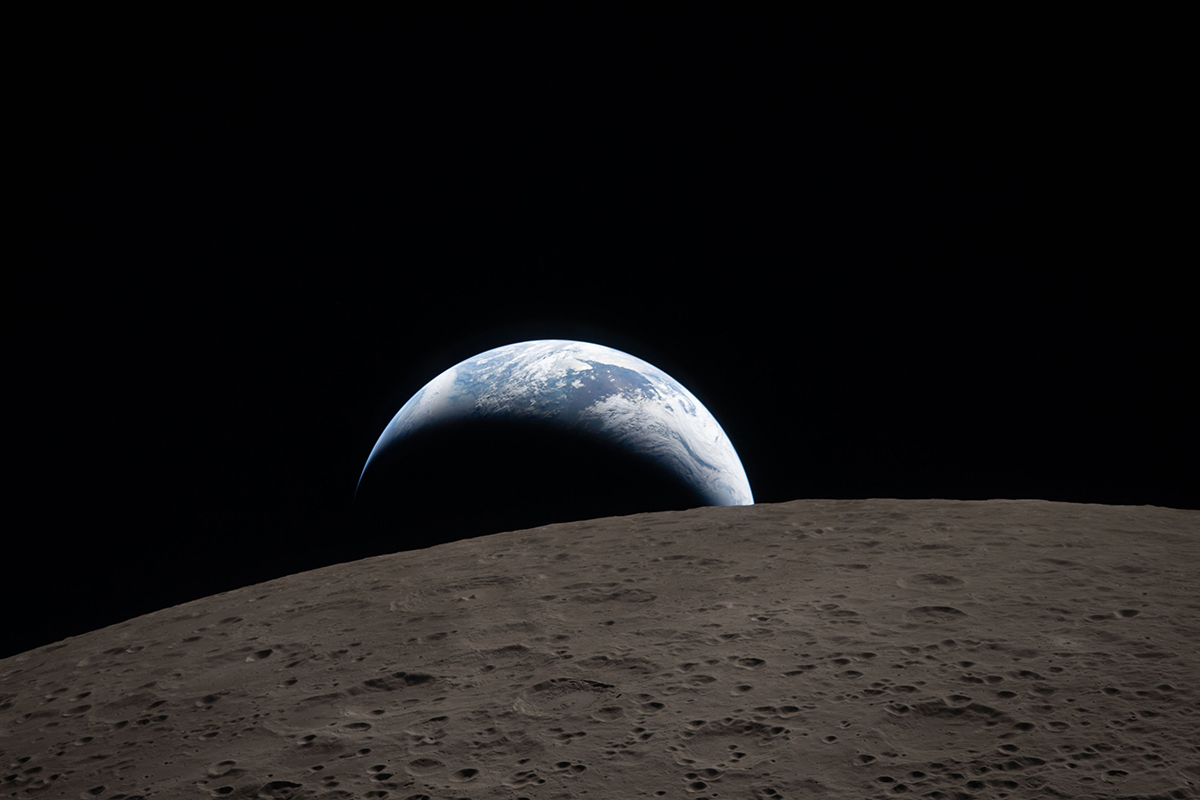
Artemis II travelled further beyond the Moon than any mission before it, using the Moon's gravitational pull to slingshot around it and begin the journey back to Earth.
It was the first crewed mission to the Moon since the Apollo programme and marked a key stepping stone in NASA's plans to establish a permanent human presence on the lunar surface.
A disturbance in Earth's atmosphere
Yet despite the success of the Artemis II mission and its popularity, a pre-print study published in Geophysical Research Letters says that the launch of the Artemis II rocket and subsequent rocket burns caused three distinct disturbances in Earth's ionosphere.
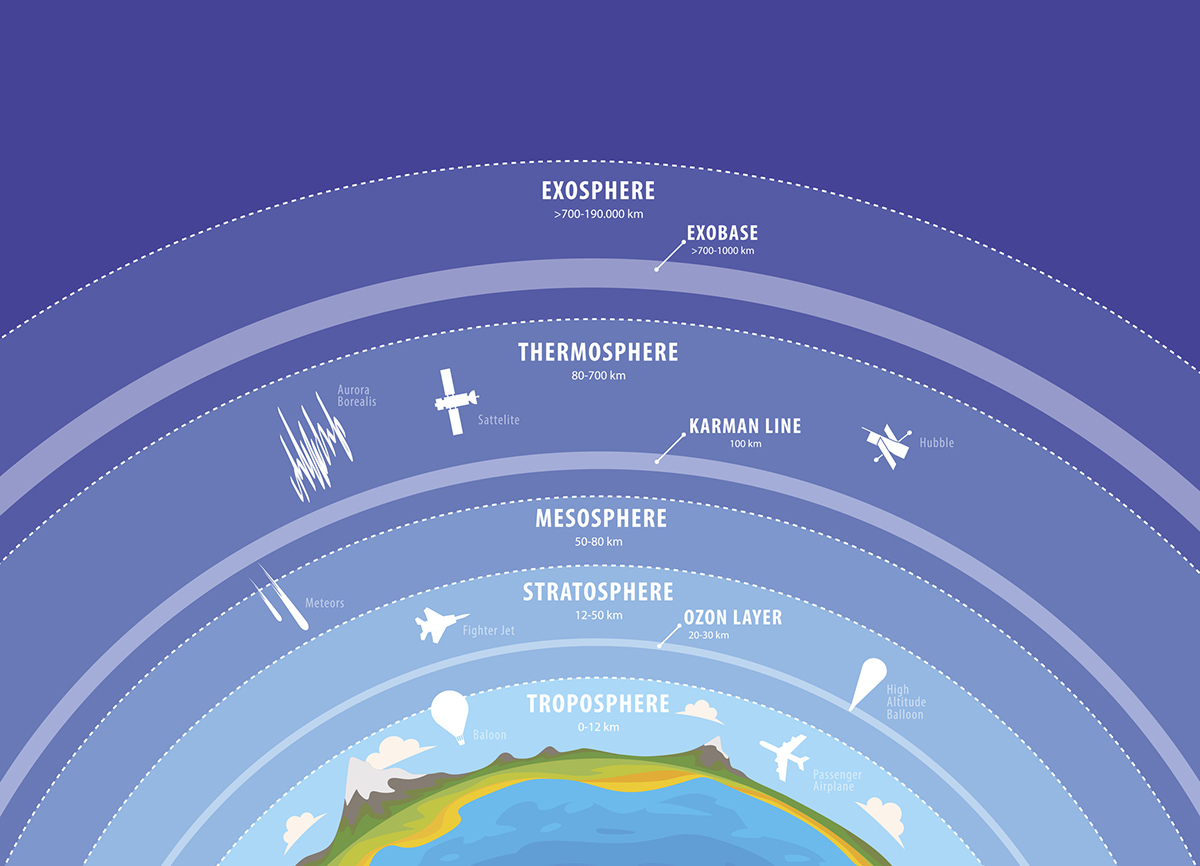
The ionosphere is the region of our atmosphere that reaches about 80–640 km (50–400 miles) above Earth's surface.
It's at the edge of space, marking the boundary between Earth's lower atmosphere and the vacuum of the cosmos.
The first 'disturbance' caused by the Artemis II mission occurred during the rocket's launch from Kennedy Space Center, generating shock-acoustic and gravity wave modulations.
But the next two upper-stage burns were much stronger than the initial liftoff.
An hour after launch, a second disturbance came via the 'apogee raise burn', which is an engine burn used to increase the Artemis II spacecraft's altitude.
About 25 hours after lift-off, a third was caused by the 'trans-lunar injection burn', which is used to put the spacecraft on its journey towards the Moon.
That apogee raise burn "triggered shock waves and unprecedented large-scale disturbances that elongated 50° longitude across North America," the study authors say.
"This is the first time a single space mission produced three instances of ionospheric disturbances over the same region during successive orbit manoeuvres."
Rocket launches, GPS and self-driving cars
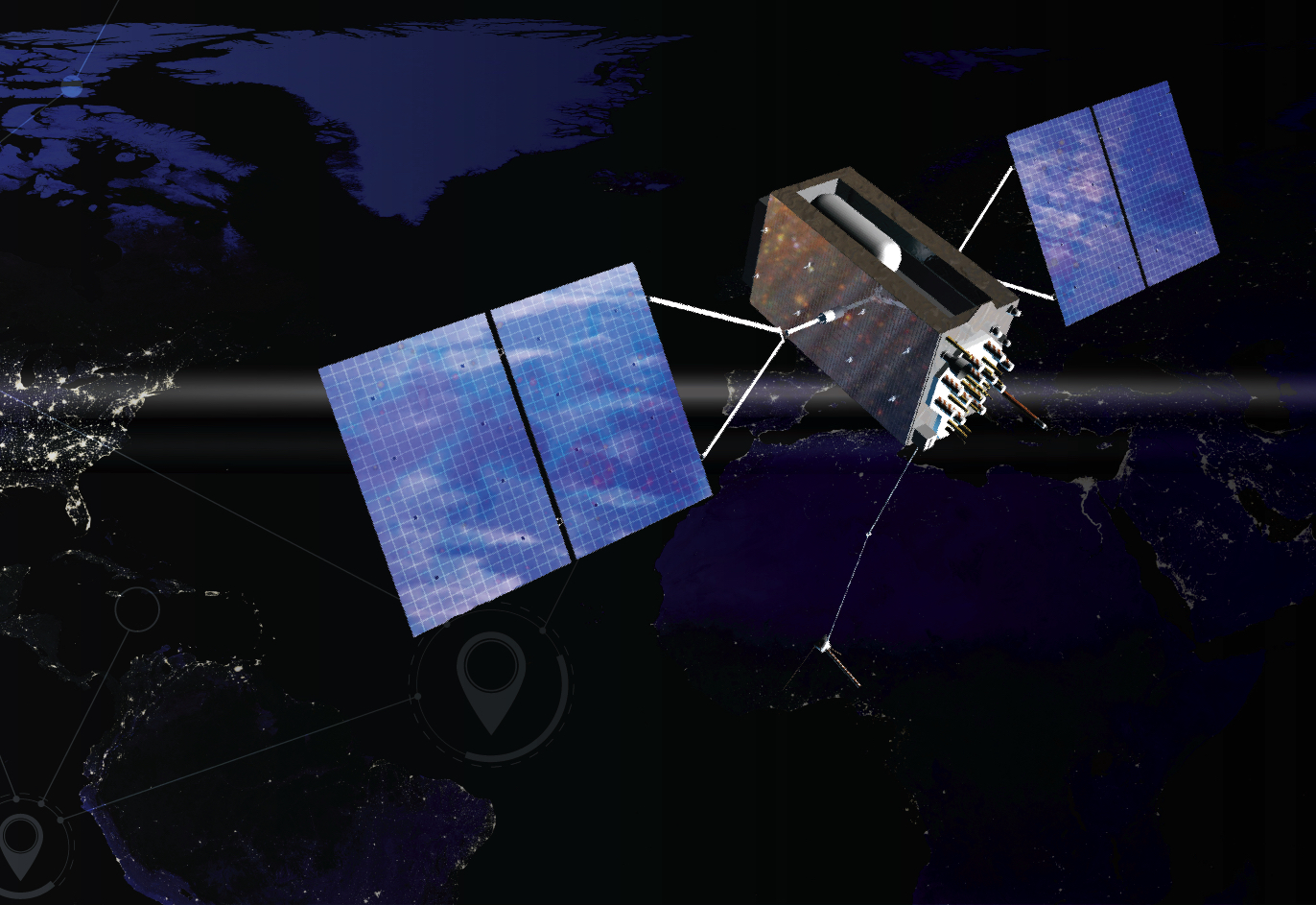
One of the key points made by the authors of this pre-print study is the effect that future rocket launches could have on technologies like GPS systems, drones and self-driving cars.
While they found that there was no widespread GPS disruption caused by the Artemis II lift-off itself, they did record changes in the ionosphere that could potentially cause problems during future rocket launches.
Such disturbances could disrupt communications on Earth by, for example, disturbing radio signals.
And rocket launches could affect other technologies on Earth that rely on GPS for positioning, such as self-driving cars and drones.
Read the full study at essopenarchive.org