
There's a lunar eclipse visible tonight, August 27, 2026 if you're based in North America, or in the very early hours of August 28 if you're based in the UK, Europe or West Africa.
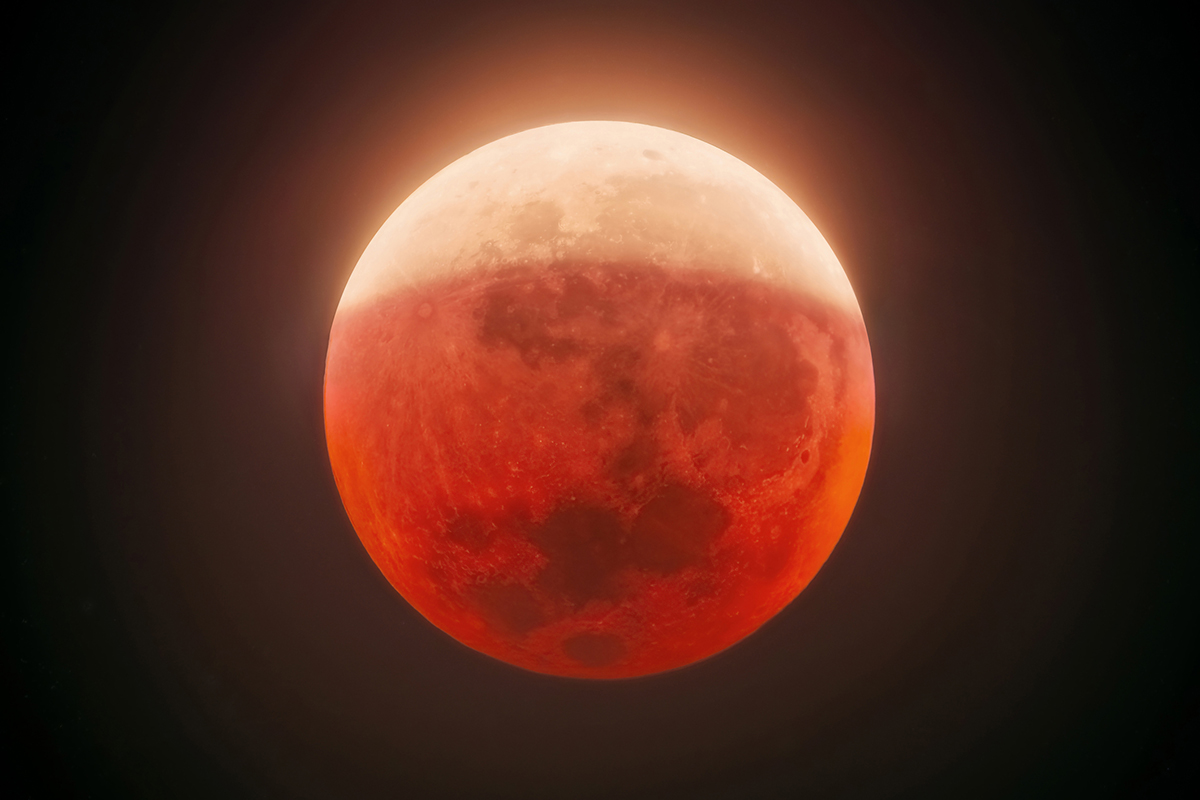
During the lunar eclipse, up to 96% of the full Moon will be covered by Earth's shadow, causing the Moon to turn a deep, rusty red colour.
The timings are such that, if you're based in the eastern parts of North America, you'll need to stay up pretty late to see the best part of the lunar eclipse.
If you're based in the UK, Europe or Africa, you'll need to be awake in the early hours of the morning before sunrise to see it.
But this late-night lunar eclipse shouldn't mean pulling an all-nighter tonight or a sickie the next day!
Here are our tips for maximising sleep while still catching maximum eclipse.
Read more
Scout out your observing location now
At the time of the eclipse, you'll want to get to a good viewing spot quickly and know you'll be able to see the Blood Moon at its best. That means planning ahead of time.
A good stargazing app will enable you to work out where the Moon will be around greatest eclipse, relevant to your local area and time zone.
You can then work out the best place to see the eclipse. As a rule of thumb, the Moon will rise in the eastern sky around sunset, then track low across the southern portion of the sky before setting in the west around sunrise the following morning.
Between sunrise and sunset, the Moon will undergo a lunar eclipse (exactly when will depend on your timezone). That means you'll likely need a clear view of the southern sky, free of trees and tall buildings.
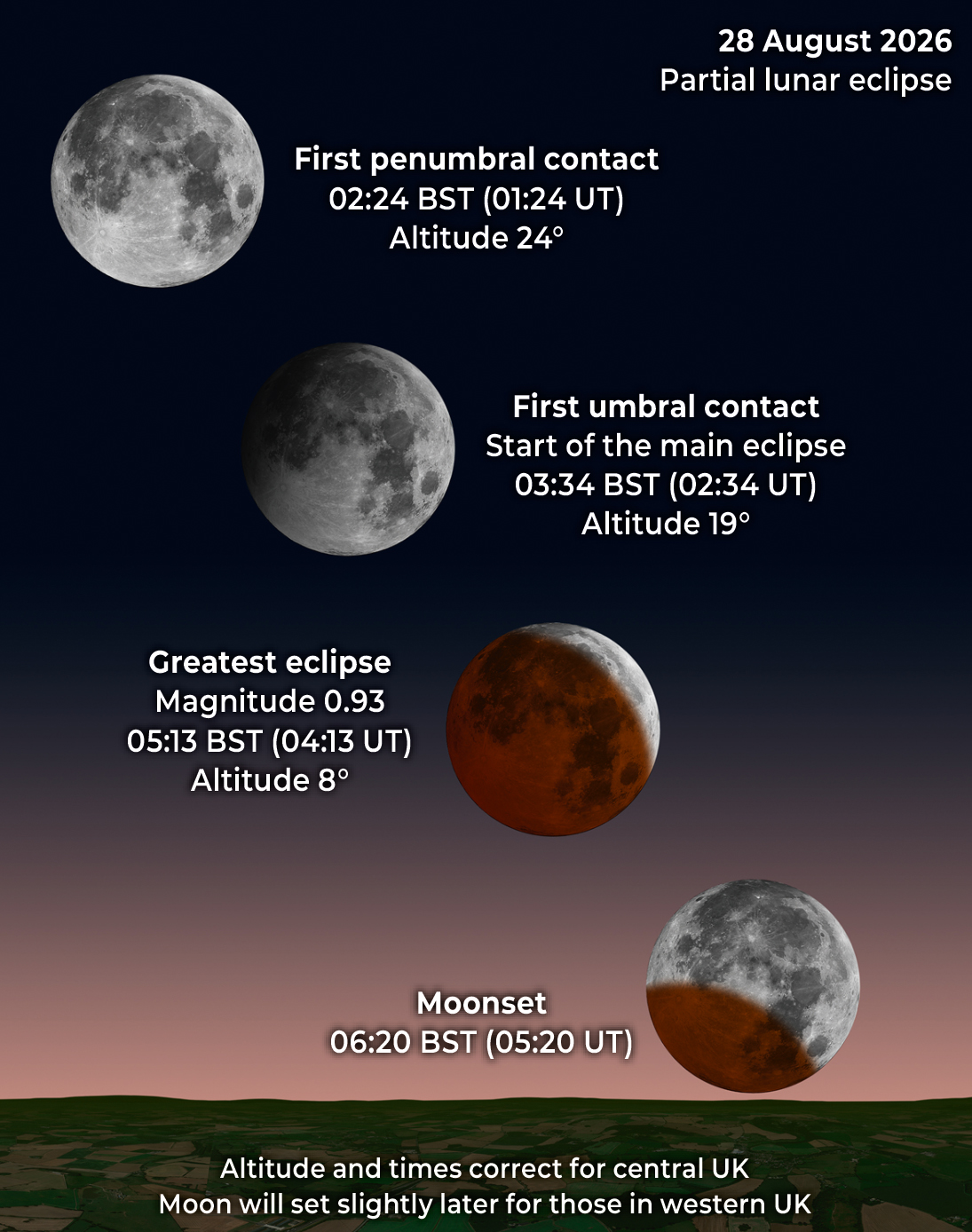
Below are the timings for maximum eclipse for different time zones.
- PDT: 21:13, August 27
- CDT: 23:13, August 27
- EDT: 00:13, August 28
- UTC: 04:13, August 28
- BST: 05:13, August 28
- CEST: 06:13, August 28
You only need to view at most 1h 40 minutes before maximum eclipse to catch the best part of the lunar eclipse, but even 30 minutes prior to maximum eclipse will give you a view of the most dramatic bit.
Know your target window and don't over-commit
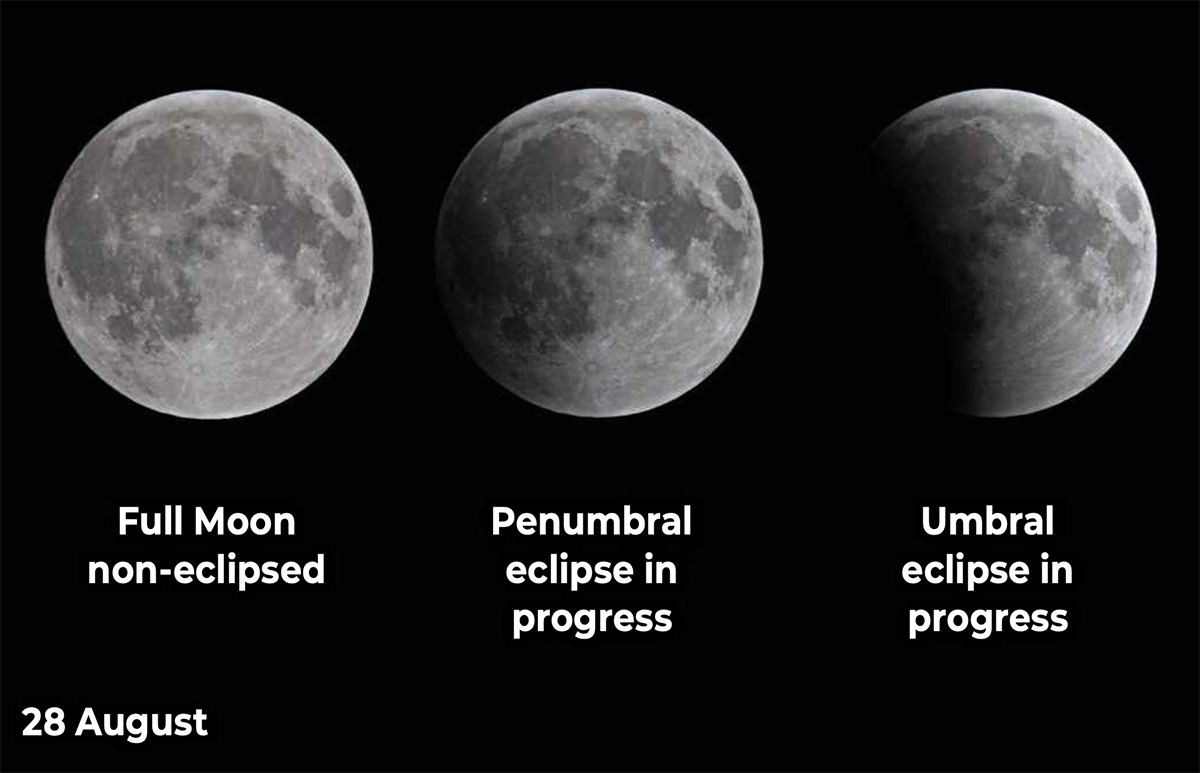
The entire lunar eclipse, from the moment the Moon touches Earth’s faint outer shadow (penumbra) to the moment it leaves, takes over five hours. That's quite a long time to be looking up at the Moon in the middle of the night.
The initial penumbral phase is barely noticeable to the human eye, so unless you're a dedicated lunar eclipse observer, our advice would be not to drag yourself out of bed for this bit.
Instead, focus on maximum eclipse, which is when you'll see most of the Moon covered in Earth's shadow.
The timings of greatest eclipse are above and you could get away with observing, say, 20–30 minutes either side of this time.
That means up to 1 hour of observing could suffice to catch the most dramatic part of the lunar eclipse, as well and the before-and-after.
Don't pull an all-nighter
Pulling an all-nighter might seem like a good idea at the time, but will likely leave you feeling tired the following day.
Instead, get to bed early and set your alarm to give you enough time to get up, get ready and get to your observing spot in time, also allowing yourself time to catch up on more sleep after the eclipse, before the day begins.
That could mean compromising on your observing site and choosing a location closer to home, so you don't have too far to travel.
Ideally you would get up, avoid turning lights on or looking at your phone – provided it's safe to do so – slip out, watch the eclipse under darkness and slip back into bed, before your body even realises it's morning!
Prep the night before
When that alarm goes off, you'll want to be able to get up and get ready as quickly as possible.
Prepare your 'outside' clothing the night before, which may include a warm coat and a wooly hat.
We often feel colder when we're tired and observing the lunar eclipse will involve standing still outdoors in the dead of night. So even though it's late August, we'd recommend warm clothing.
If you have a good flask that can keep a hot drink warm for several hours, you could even make yourself a hot drink the night before. It might be wise to avoid anything too sugary or caffeinated, though, if you plan on catching more sleep once the lunar eclipse is over.
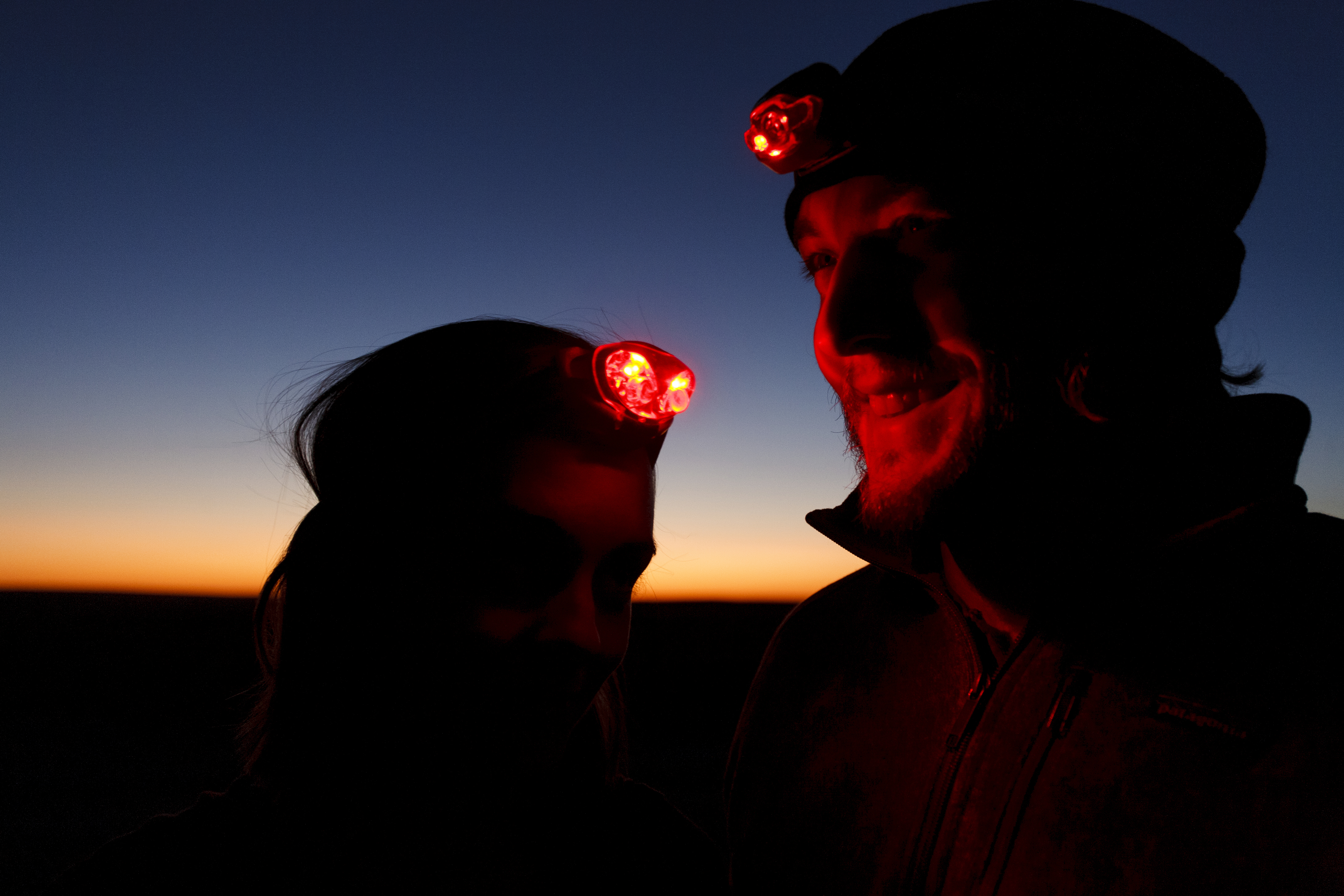
And if you do need light to help you find your way, a red torch is a good option. Red light is much kinder on the eyes, so much more preferable at that time of the morning.
It will also help you retain your dark-adapted vision, meaning you'll be able to see the subtle effects of the lunar eclipse more clearly.
View with the naked eye
Yes, binoculars or a small telescope will allow you to see Earth's shadow passing over the craters of the Moon in greater detail, but it's an extra step that you could probably do without, at that time in morning.
Our advice is to make things a bit easier for yourself and view with the naked eye. This is a lunar eclipse so you don't need eclipse glasses, either.
If you really do want some form of magnification, use a small pair of binoculars – and remember to seek them out the night before!
Watch online
If all this talk of setting the alarm early is making you exhausted just thinking about it, you could always watch the August 2026 Blood Moon online.
Or if you go through all that effort only to find out the clouds have rolled in and the lunar eclipse isn't visible, again watching online is a solid option.
That said, you don't need to watch it live online – you could always hop back into bed and replay the livestreams over breakfast the following morning!
However you observe the August 2026 lunar eclipse, share your stories and images with us by emailing contactus@skyatnightmagazine.com

