
It's August 2026, which means we're just days away from the total solar eclipse that will appear over Spain this month – including from the Balearic Islands of Mallorca, Menorca, Ibiza and Formentera.
The solar eclipse of August 2026 will be visible across Europe, including the UK, and parts of the USA and Canada.
In the vast majority of regions, a deep partial solar eclipse will be seen, where the Moon will at best cover most – but not all – of the Sun.
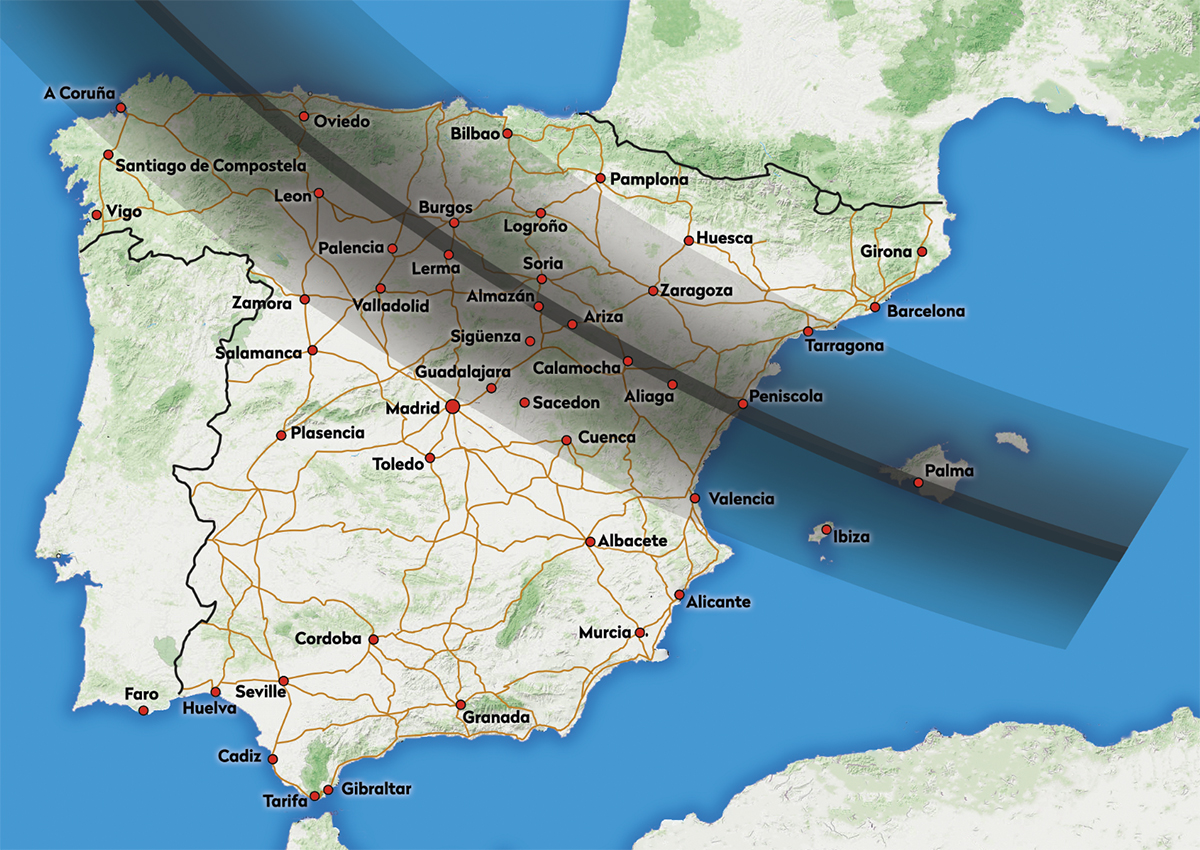
But in Greenland, Iceland, Spain and a very small part of northern Portugal, a total solar eclipse will be visible – when all of the Sun will be covered by the Moon.
More on solar eclipses
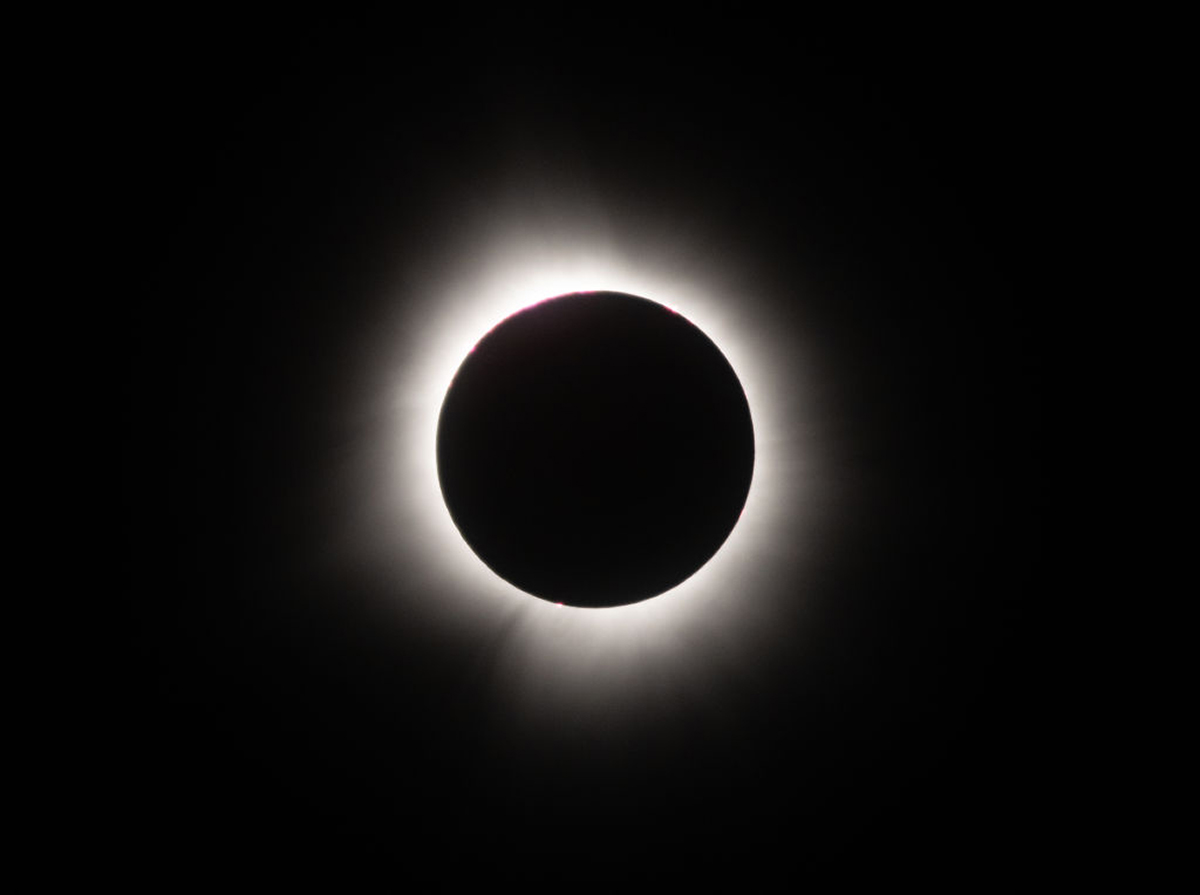
A total solar eclipse is an ethereal event. During totality, daytime is plunged into darkness for a brief moment and the world seems to go silent.
Spain is arguably the best country to see the August 2026 solar eclipse, and that includes its Balearic Islands.
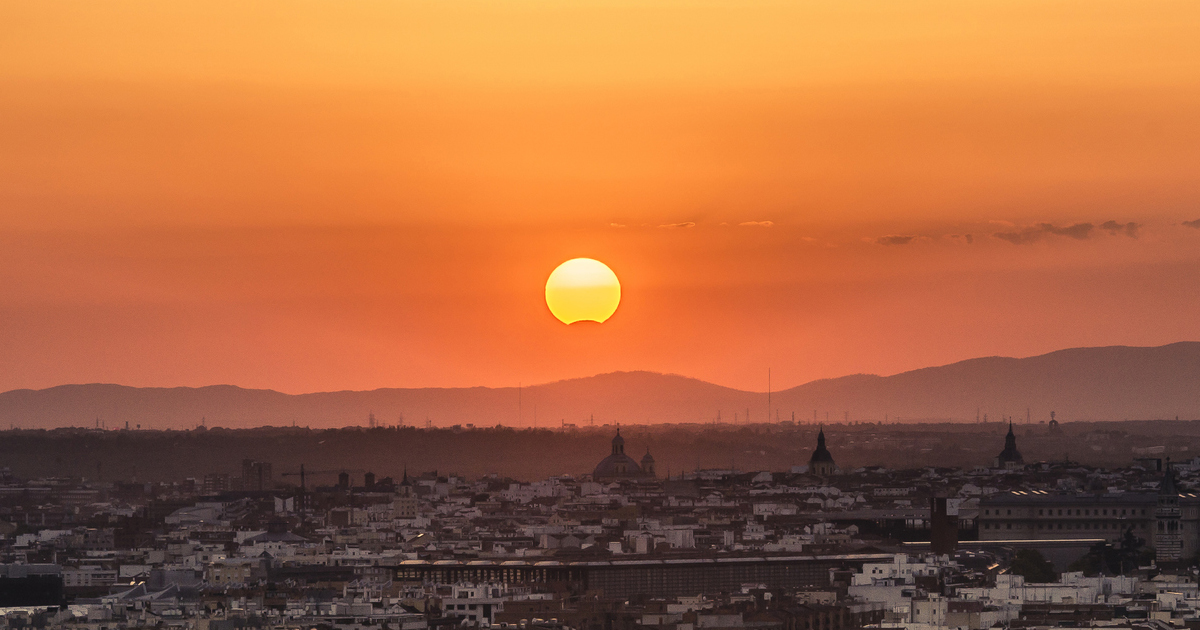
Across Spain, this will be a 'golden hour' sunset eclipse, with totality occurring as the Sun is setting.
That means clear views to the west will be vital – and makes a coastal view an appetising prospect for eclipse chasers and photographers.
That's why many will be choosing Spain's Balearic Islands as the best place to view this summer's solar eclipse.
If you're travelling to the islands to see the total solar eclipse – or if you're a resident there – the Agency for Tourism of the Balearic Islands has worked with Ramon Oliver, a professor of astronomy at the University of the Balearic Islands, to reveal an insider's guide for making the most of the event.
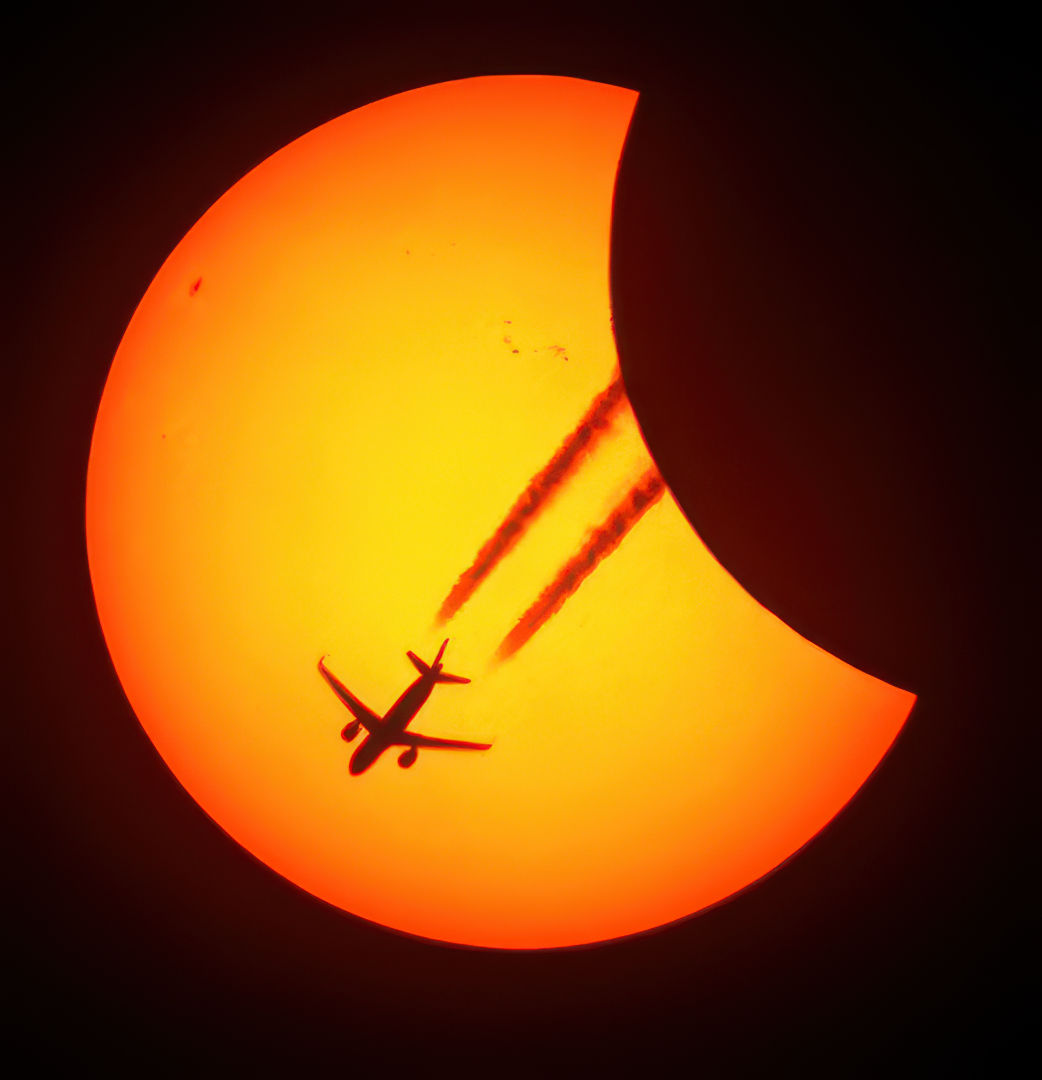
No need to travel
If you're going to be on Mallorca, Menorca, Ibiza or Formentera on 12 August 2026, you've already got a prime spot for seeing the total solar eclipse, according to the tourist board.
They say "the eclipse will be visible from virtually anywhere across Mallorca, Menorca, Ibiza and Formentera, so visitors are encouraged to enjoy the phenomenon from their accommodation or nearby open spaces, helping to reduce unnecessary travel and protect the islands' most environmentally sensitive areas."
"Given that large crowds and heavy traffic are expected on the islands on the day of the eclipse, I recommend booking both accommodation and transport as far in advance as possible," says Professor Oliver.
"Once on the islands, avoid using the car on 12 August to ‘search for the best spot’. It is preferable to plan ahead and choose an observation point as close as possible to your accommodation, then remain there for the afternoon."
Get to your spot early
If you do need to travel on the day of the eclipse, the tourist board says busier traffic than usual is expected.
That means you should plan journeys in advance and allow time for potential delays, but ideally remain at home or at your accomodation to observe the solar eclipse.
If you're staying at a hotel or resort on 12 August, check whether staff have an eclipse event already planned for guests.
Avoid wooded areas
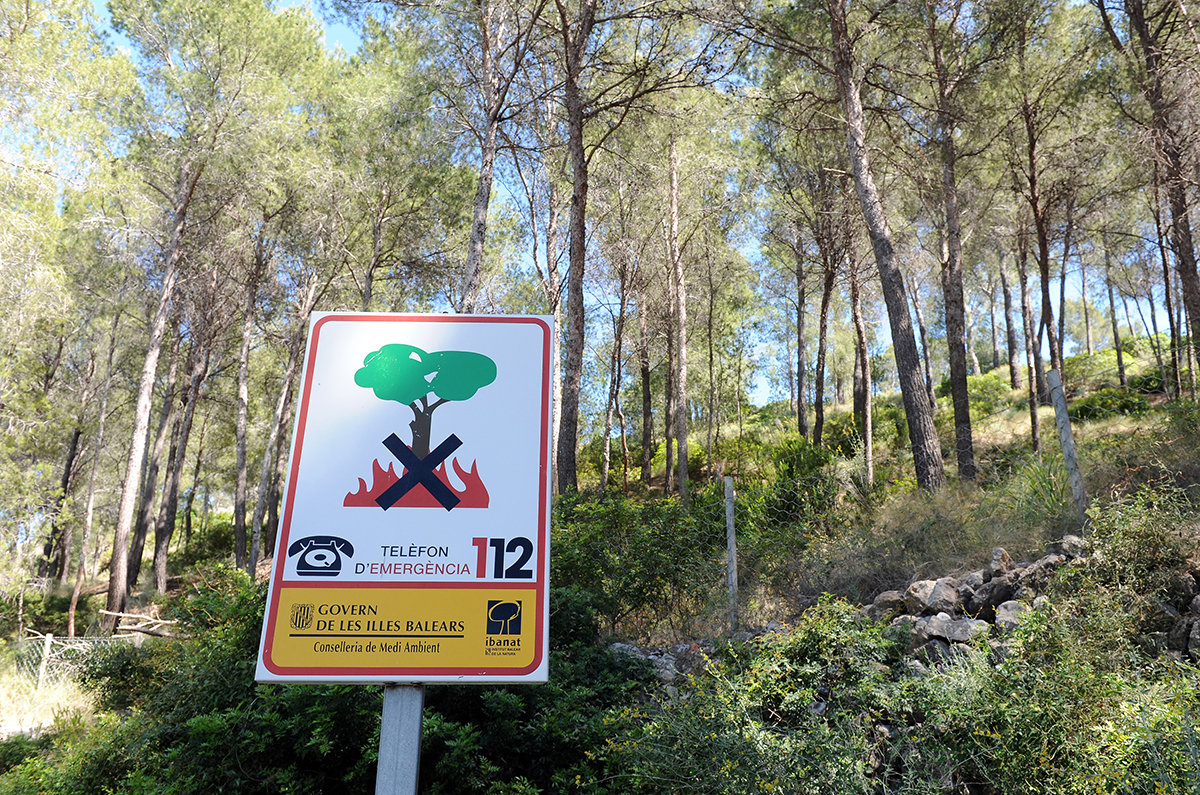
"August is the period of highest forest-fire risk in the Balearic Islands, and many people are expected to seek out the best observation points in natural areas," says Professor Oliver.
"I strongly urge everyone to respect restrictions on access to woodland areas, not to park on roadsides or on dry vegetation, and to avoid any potential source of ignition.
"In fact, the best recommendation is not to travel anywhere at all on the day itself. Totality will be visible from many parts of the archipelago, so in many cases there will be no need to leave the place where you are staying."
Respect local wildlife
The tourism agency says eclipse chasers should remain on designated paths, pay attention to local signage and avoid disturbing wildlife.
And, of course, to dispose of litter and keep off protected areas or private land.
As the Moon blocks the Sun and the sky goes dark, totality can temporarily affect wildlife, which means extra care should be taken to avoid disturbing local fauna.
Key timings
"During the moments when the Moon completely covers the Sun’s disc – for this eclipse, for up to a maximum of 1 minute and 40 seconds from the Balearic Islands – the solar corona, the Sun’s outer atmosphere, becomes visible," says Professor Oliver.
"The last time Mallorca experienced totality was in 1905, so this is a phenomenon that only occurs in the same place once every several generations.
In fact, the next total solar eclipse visible from any part of the Balearic Islands will not take place until 2180 and, as in 2026, it will be visible from all the islands.
"Totality will also occur when the Sun is very low in the sky, practically on the sea horizon. The sky will therefore darken at sunset, with the eclipsed Sun suspended above the sea – a visually spectacular and extremely rare combination."
Observe safely
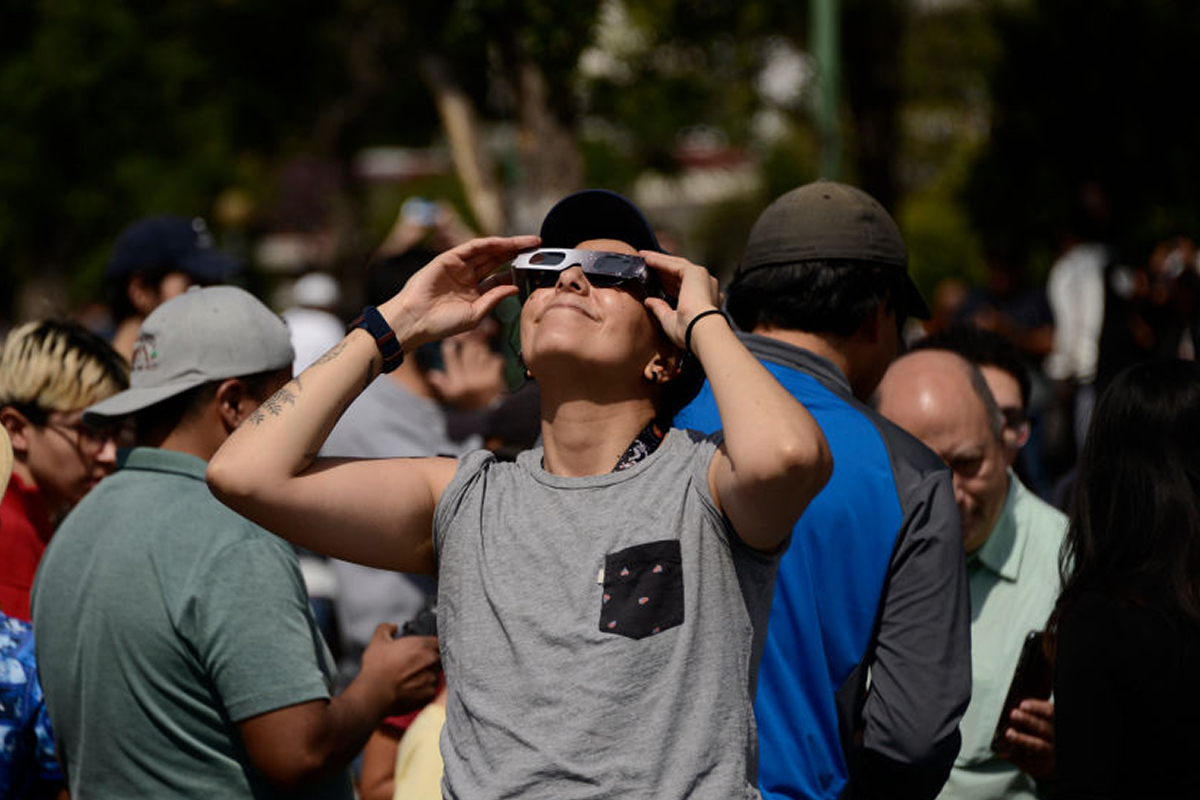
Observing a solar eclipse means looking at the Sun, which you should never do without proper certified solar-observing equipment.
This can be something as simple as a pair of solar eclipse glasses, but you must make sure they're properly-made by a reputable manufacturer and sold by a reputable supplier.
Eclipse glasses work by filtering out the vast majority of the Sun's harmful rays, enabling you to look directly at the Sun without damaging your eyesight.
That's why you must make sure you only use certified eclipse glasses – and check them for scratches, tears or pinholes before use.
For more advice, read our guide on how to make sure your solar eclipse glasses are safe.
If you don't have a pair of solar eclipse glasses, there are ways to indirectly observe a solar eclipse. For advice on this, read our guide on how to observe a solar eclipse without solar eclipse glasses.
Get the full guide to observing the August 2026 solar eclipse from the Balearic Islands by visiting the Agency for Tourism of the Balearic Islands website.
If you observe or photograph the August 2026 solar eclipse, share your experience and images with us by emailing contactus@skyatnightmagazine.com

