The concept of a lunar base seems straight out of science fiction, but after the recent success of Artemis, NASA is planning to send humans back to the Moon to establish a long-term presence there.
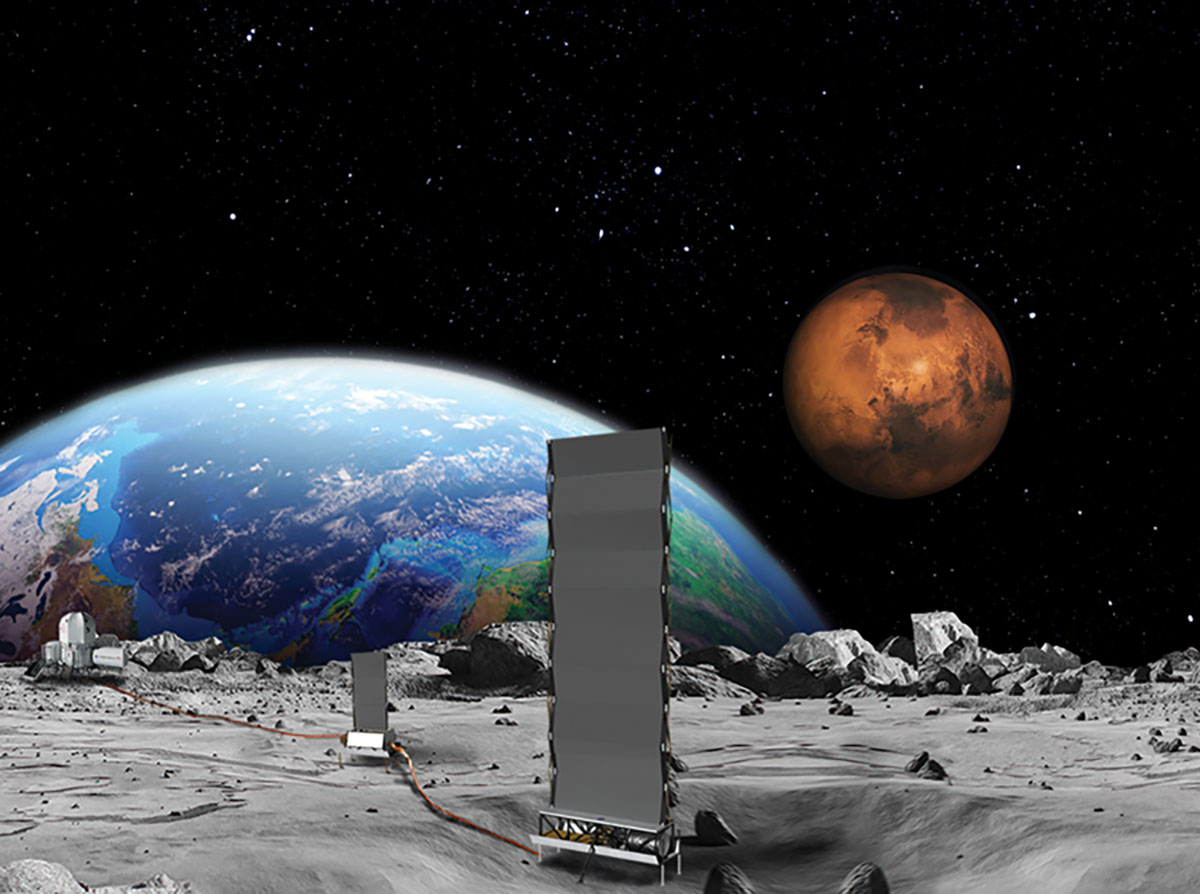
A lunar base would require sustainable power, which is no mean feat in such harsh conditions.
So NASA has proposed building a nuclear reactor on the lunar surface, with the ambitious aim of launching it by 2030.
But the speed of turnaround required and the difficulty of the project have left some scientists wondering about the underlying motivations for the project, as well as questions of feasibility.
We sat down with Dr Ethan R Siegel, astrophysicist and author of the award-winning blog Starts with a Bang, to discuss the practicalities of a nuclear base on the Moon, and why astronomers might be right to remain sceptical.
Read more

Why would we want to put a nuclear reactor on the Moon?
On the Moon, we don’t have things like an atmosphere, and we don’t have things like combustion reactions that can easily occur with readily available resources. You need some way to generate power.
You can do this with solar panels, but the Moon has this unfortunate characteristic of its nights lasting for two weeks at a time because it rotates so slowly.
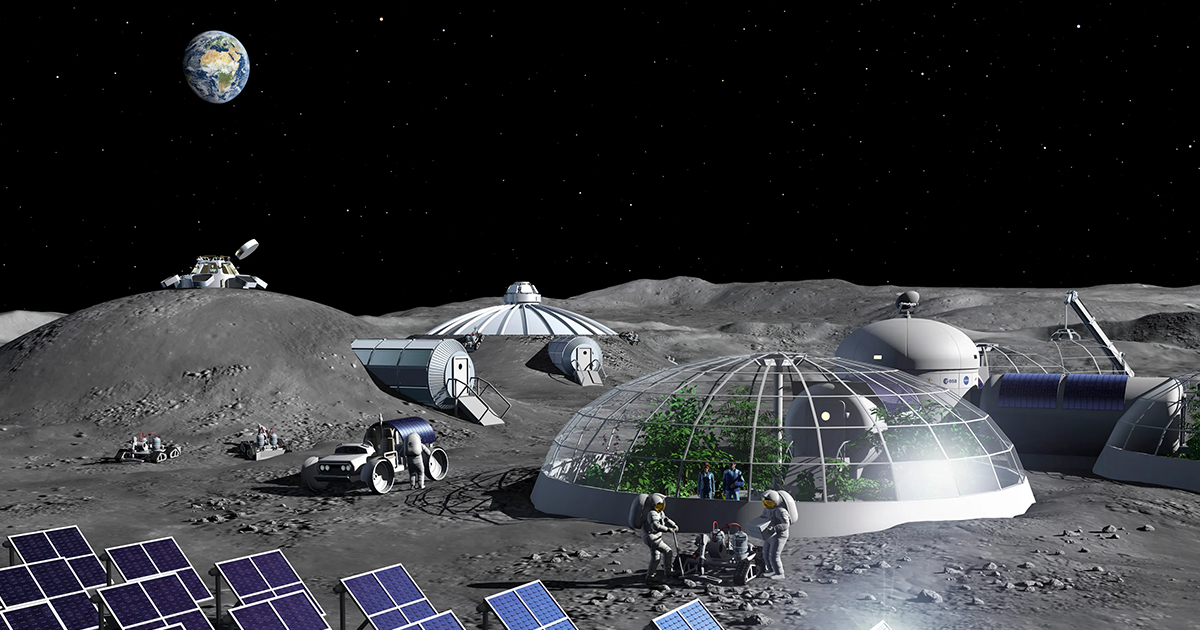
If you want to have a base on the Moon, a colony on the Moon, and infrastructure that is continuously operating, it makes sense to consider nuclear power as an option.
What exactly does NASA want to do with a reactor?
NASA first landed on the Moon during the Apollo era. Now, with Artemis, we’ve gone back to the Moon, orbited it and returned safely to Earth.
The next series of missions is to land people on the Moon and permanently establish a base there. For that, you need infrastructure.
NASA plans to have a reactor complete and operational by 2030. They made this declaration on August 4th, 2025.
They’ve also said they want astronauts walking on the Moon again by 2028. These are ambitious timelines for these endeavours.
What’s the science case for building such a reactor?
In the short term, it is not going to lead to a large benefit for humans on Earth.
But if you look ahead and say that we should strive to have a human presence on worlds beyond Earth, that we should work to explore the Solar System and maybe someday become an interstellar civilisation, then we must take steps to get there.
One of those necessary steps is asking: if you want to explore other worlds, how will you survive when you get there?
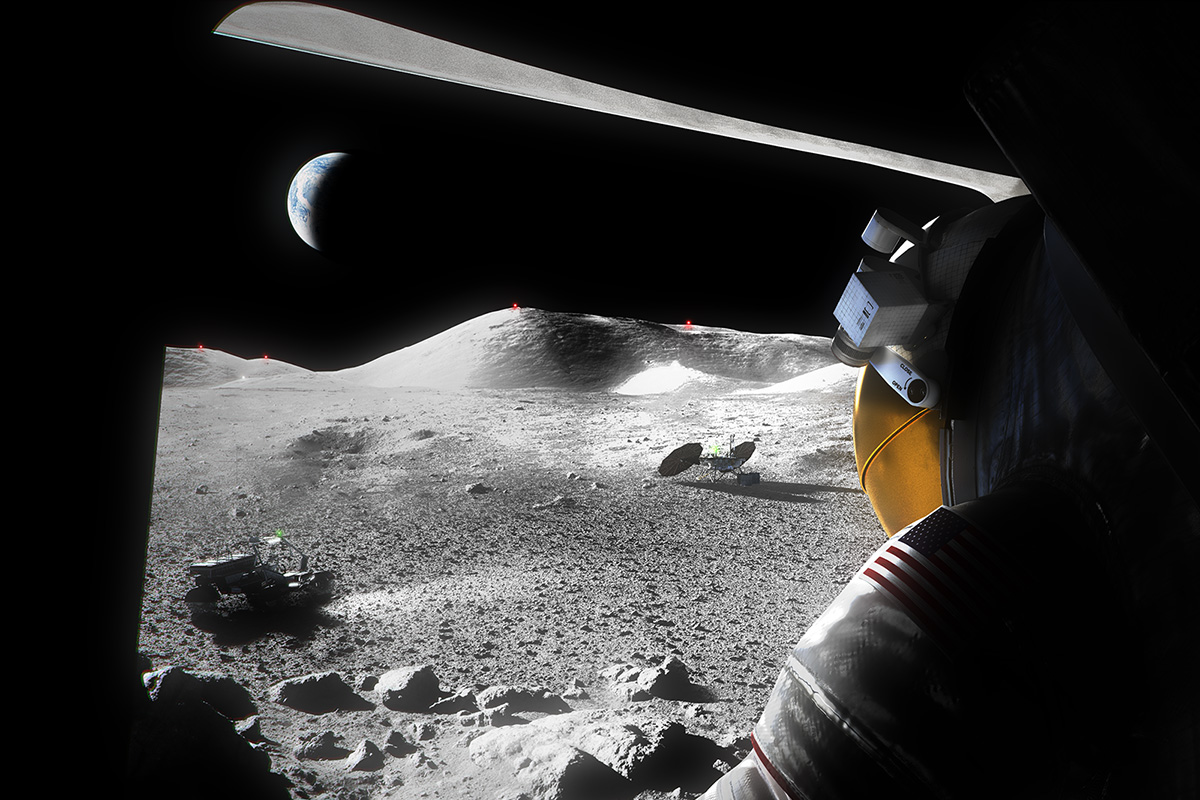
The Moon is so close. It is the first place you go if you want to play in the sandbox of space beyond Earth. It makes sense, from that point of view, that this is our first stepping stone.
What are the practical considerations of such a task?
You only need something like 100 kilowatts of power to sustain Moon bases and instruments.
It’s also possible to run nuclear reactors in low gravity, like on the Moon.
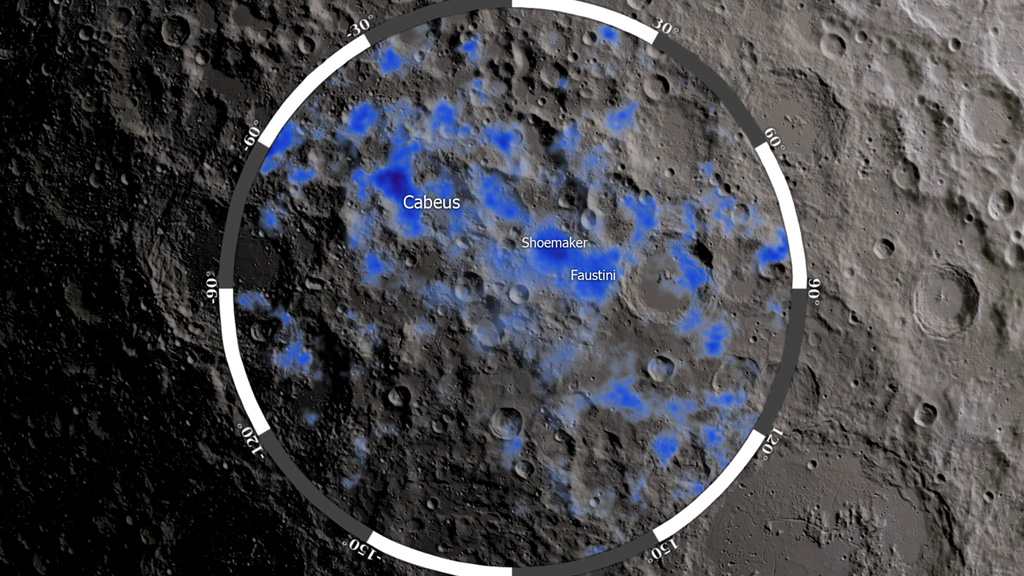
NASA says that if you built a reactor in a permanently shadowed crater, then you would have a source of water and bring savings on payload costs.
There are, however, technical engineering hurdles. For one, there’s a vacuum on the Moon, and you can’t use air cooling when there’s no air.
There’s no liquid water either, so you can’t use water cooling. Instead, you’d have to have huge heat radiators to dissipate the heat.
Then you’ll have radiation from the Sun to protect from, and you’ll also have micrometeoroid impacts.
The Moon has no atmosphere, so any reactor is going to become peppered with holes over time as things hit it.
Some people have suggested that perhaps a lunar reactor wouldn’t be built on the Moon’s surface.
Perhaps they’ll build a subterranean reactor, burying it beneath the lunar regolith so that you have a protective layer.
You also have the issue that the top layer of the Moon’s soil is rocky, harsh, abrasive, and becomes electrically charged easily. You’d need to protect your reactor from that.
What are some of the dangers?
When you’re dealing with nuclear material and launching it into outer space, there’s a risk of a launch failure and polluting Earth’s atmosphere.
Then there’s the question of ownership. One of the provisions of the Outer Space Treaty, an international treaty from the 1960s, is that no nation can lay claim to any astronomical body or any region of any astronomical body.
But because nuclear safety is important, a loophole can be created in the treaty around nuclear zones, which could lead to owning a piece of the Moon.
A nuclear reactor could be built in a high-value zone, say a permanently shadowed crater at one of the Moon’s poles, which might have ancient volatiles or stores of water ice built up over billions of years.
You could then declare a keep-out zone where the nuclear material is stored for safety reasons.
Do you think that a Moon reactor could be considered a new space race?
It’s pretty hard to look at the full picture and not consider that as a possible aspect of it.
If I were to quote the NASA administrator who announced this, back when Sean Duffy was acting NASA administrator, he said, “It is about winning the second space race.”
He also said, “Since March 2024, China and Russia have announced on at least three occasions a joint effort to place a reactor on the Moon by the mid-2030s.
"The first country to do so could potentially declare a keep-out zone, which would significantly inhibit the United States from establishing a planned Artemis presence if not there first.”
Given the timeline, how feasible do you think this is?
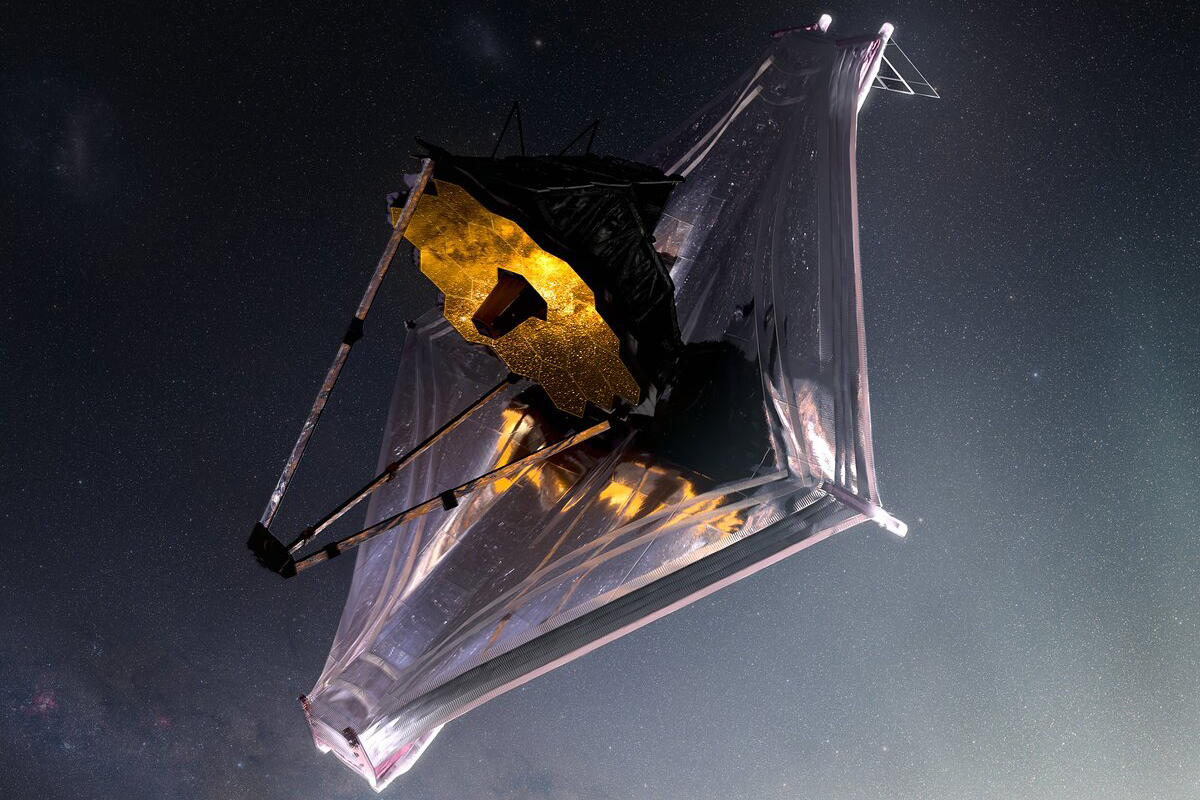
Like anything, if you want to do it right, you have to take care. We saw a great example of this when NASA launched the James Webb Space Telescope (JWST).
NASA was hoping to launch it by 2018, but this slipped to December 2021 because they spent years testing, looking at what could go wrong, identifying all the possible points of failure, and safeguarding against them.
They took extreme care. JWST was planned to be a 5.5- to 10-year mission. Instead, we estimate we’re going to get about 23 years of science out of it.
With this project, by saying the timeline is what matters, they’re saying we are not valuing that level of testing. We are not valuing making certain that this mission will be a success.
There’s a risk of a failure on the Moon and creating a radiation hazard that would be there permanently on the lunar surface.
It’s not that you get to declare a keep-out zone – it’s that nuclear radiation tells everyone to keep out forever.
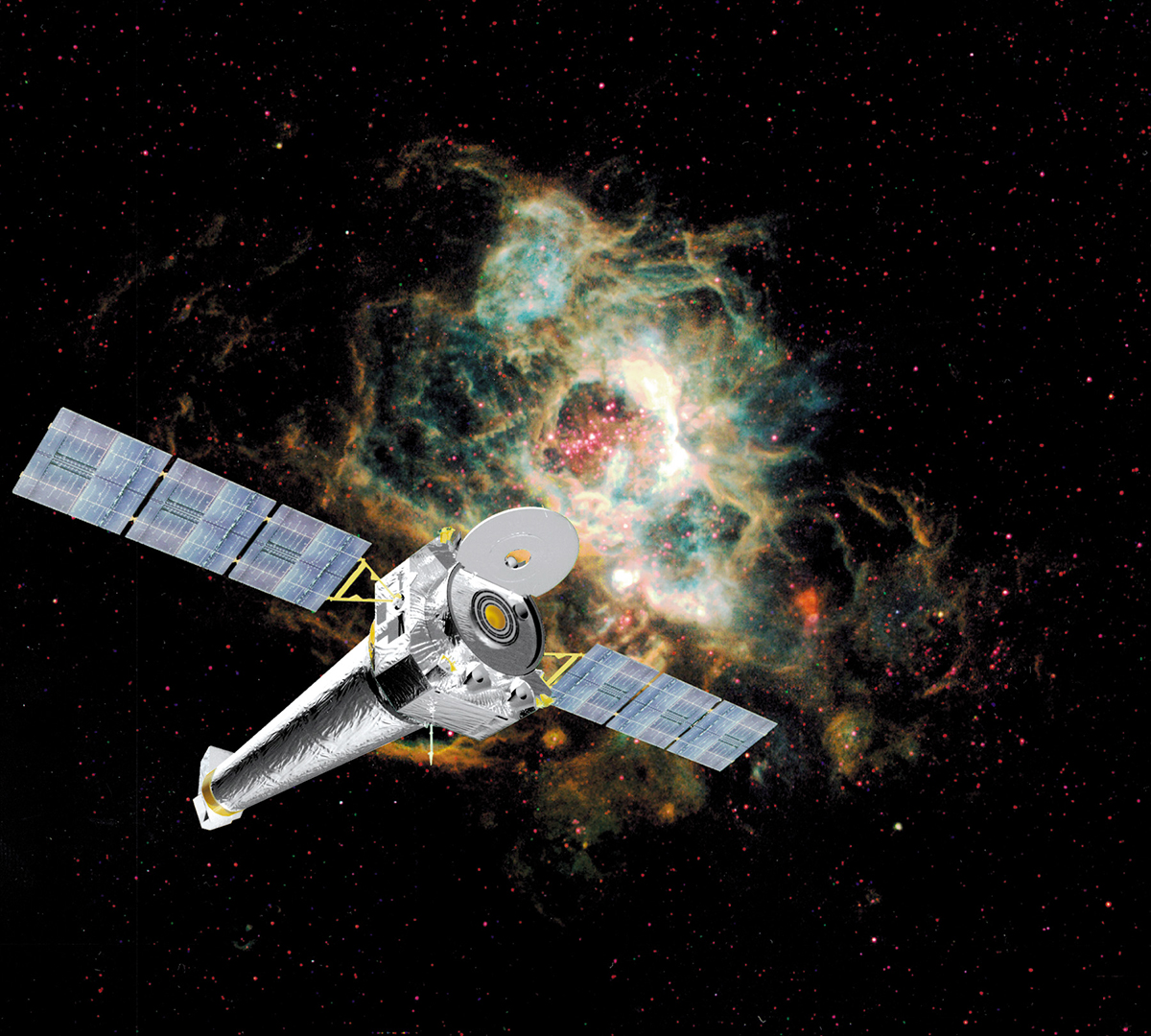
At a time when funding to space telescopes is being cut, do you think we should be diverting focus toward a Moon base?
There’s always a tension when you talk about whether the government should fund a project.
Does this project have merits? Will it benefit the nation? Will it lead to a positive return on investment? Will it further the nation’s and humanity’s interests?
On those metrics alone, you can make an argument that we should do this.
The danger is if this is used as an excuse to eliminate other programmes and put those resources towards this nuclear reactor programme instead.
I think these should be two separate issues. We should be looking at what kind of science NASA should invest in.
Then we should be looking at our ambitions for space exploration and a lunar nuclear reactor separately, on their own merits.
I think there is a danger of saying, “We’re just going to have a big buffet and this one project is going to come along and eat everybody’s lunch, like Pac-Man.”
How does this speak to the broader picture of astronomy research?
We’ve been talking about one specific endeavour proposed by NASA.
If you look at what has happened to NASA over the past year and a half, it has lost more than 4,000 employees, almost all of them on the science side.
The latest presidential budget calls for a 47% cut to NASA science.
If you look at the full picture, you might fear that science will be cut to serve this new, ambitious project. The signs seem to point towards that being the game plan.
There is also a proposal for a new rule in the United States where scientific proposals will not be decided on the basis of peer review and merit.
They will instead be subject to political review. I think there is a very dangerous game being played – not just with NASA, but with the future of American science.
I would very much like the world to be aware of this existential problem.