
Tonight, Sunday 1 February, the full Moon will rise in the eastern sky, kicking off the month with a beautiful lunar spectacle.
This is the Snow Moon, which is the name given to February's full Moon. It rises in the east, tracks across the sky to the south, then will set in the west around sunrise the following morning.
Here we'll look at the best reasons to get out and get observing the full Moon at the close of the weekend.
Get weekly stargazing advice by signing up to our e-newsletter and subscribing to our YouTube channel.
It's a high winter Moon

The February full Moon is the last of the winter full Moons, and the winter full Moons are arguably the best of the year.
That's because winter full Moons are the highest full Moons of the year.
The full Moon is opposite the Sun in the sky, which is, after all why the Moon is 'full'. The Sun is able to shine directly onto the Earth-facing side of the Moon, illuminating it completely.
As a result, the full Moon does the opposite of what the Sun is doing. And because the Sun is low in the winter, the full Moon is high.
That means the February Snow Moon is one of the highest full Moons you'll see this year, and worth observing until midnight if you can, to see it in all its glory.
After this full Moon, we're heading into spring, which means means shorter nights, longer days and lower Moons. Catch this last winter full Moon while you can.
Snow Moon is close to multiple bright stars

The Snow Moon on 1 February will be close to multiple stars in the night sky, and one of those 'stars' is actually a planet.
You'll be able to see Procyon to the Moon's right, and below that, Sirius, the brightest star in the sky.
Above and to the right of the full Moon is a particularly bright star, but that 'star' is actually the planet Jupiter.
Perhaps of most importance is Regulus, however, the brightest star in Leo, which is below and to the left of the full Moon.
On the evening of 2/3 February, the Moon will pass very close to Regulus. If you're based in North America, you'll be able to see the Moon pass in front of Regulus, in an event known as a lunar occultation.
There's a chance to see the Moon illusion

If you have a clear northeastern horizon and are able to see the Moon as it's rising, it will likely look much bigger than usual.
This optical effect is known as the 'Moon illusion', and it occurs whenever a full Moon is low-down and close to the horizon.
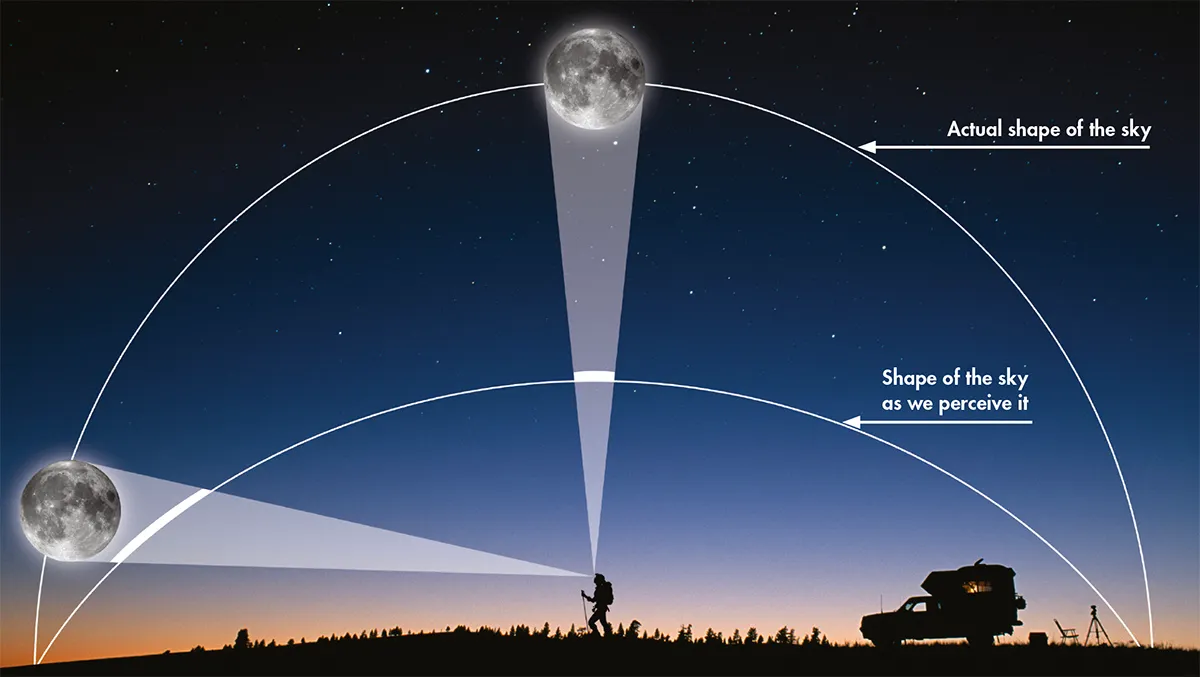
There doesn't seem to be a definitive reason as to why this happens, but it could be because of the way we perceive the dome-like celestial sphere of the night sky.
Or it could be because a low Moon is closer to large foreground objects like buildings and trees, making the Moon seem huge in comparison.
Either way, the effect is real. Get yourself a clear horizon and view the full Moon as it rises, and see whether it does indeed look bigger than usual.
It's perfect for beginners and kids

Winter full Moons are great for families, kids and stargazing beginners, because they climb high quickly and the days are short, so you don't have to wait long after sunset to see them.
You'll see the Snow Moon in the eastern sky as soon as the Sun sets.
It will be easily visible because it will climb high, its bright lunar glare visible even from a light-polluted city.
If you are observing the Snow Moon with family and friends, read our guide on how to make the most of a full Moon.
You can see evidence of the Moon's chaotic past
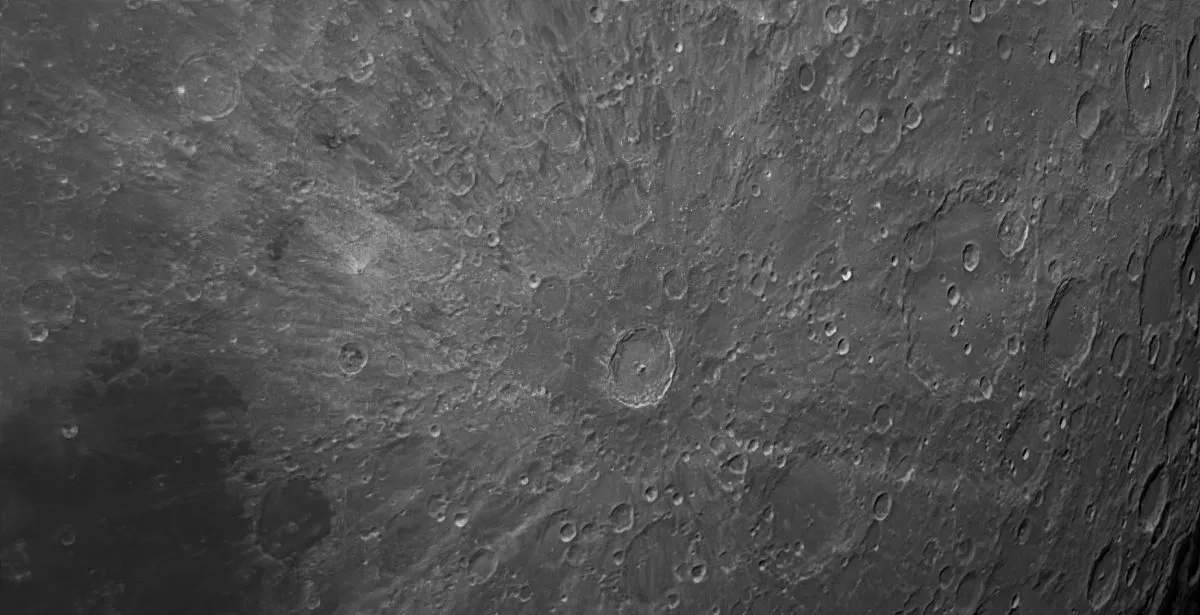
One of the best features to observe during full Moon are lunar lunar rays.
These are the ancient scars of impacts on the Moon, when space rocks smashed into the lunar surface, causing debris to be ejected outwards.
If you're observing the Snow Moon this weekend, see if you can spot the rays emanating from two of the most prominent craters, crater Tycho and crater Copernicus.
If you observe or photograph the Snow Moon, send us your images and they could appear in a future issue of BBC Sky at Night Magazine

