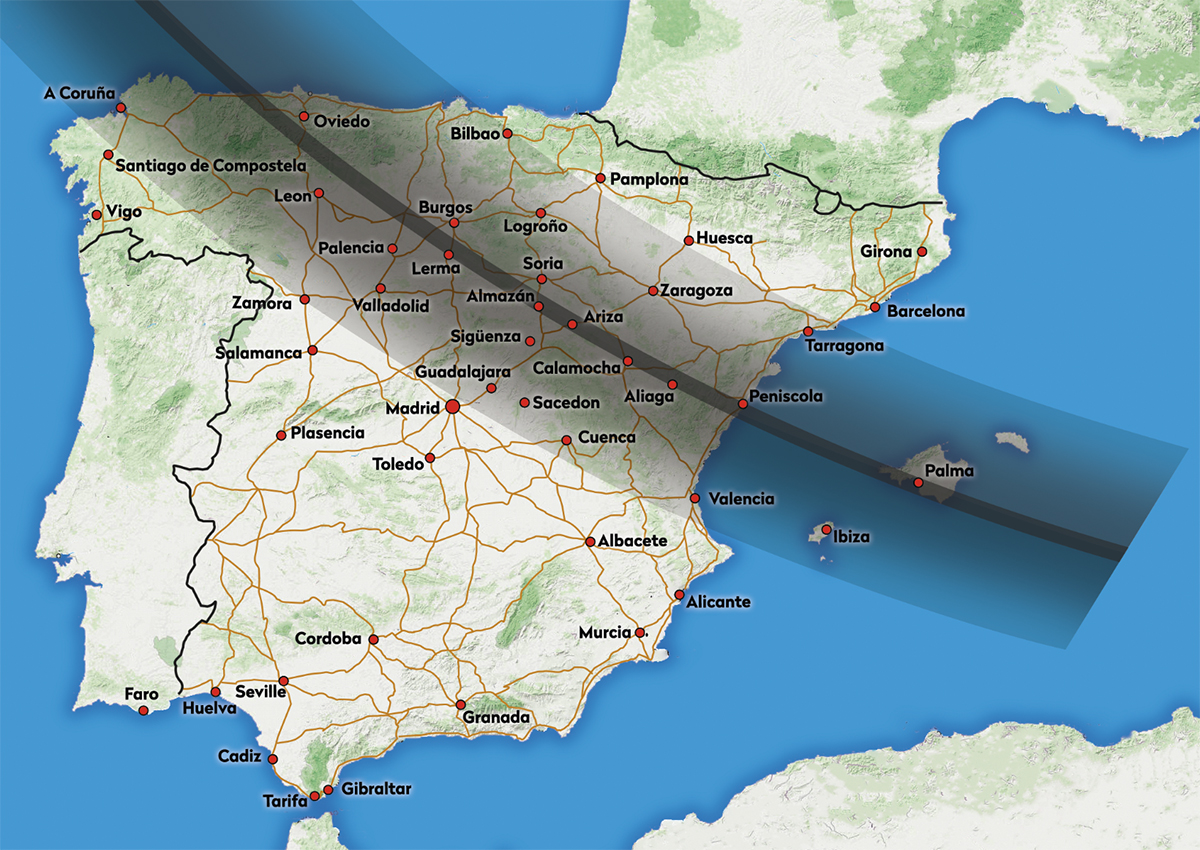
On August 12, 2026, for observers in eastern Spain and the Balearic Islands (Mallorca, Menorca, Ibiza and Formentera), something rare and exciting will be visible — a horizon-proximity totality, better known as a sunset eclipse.
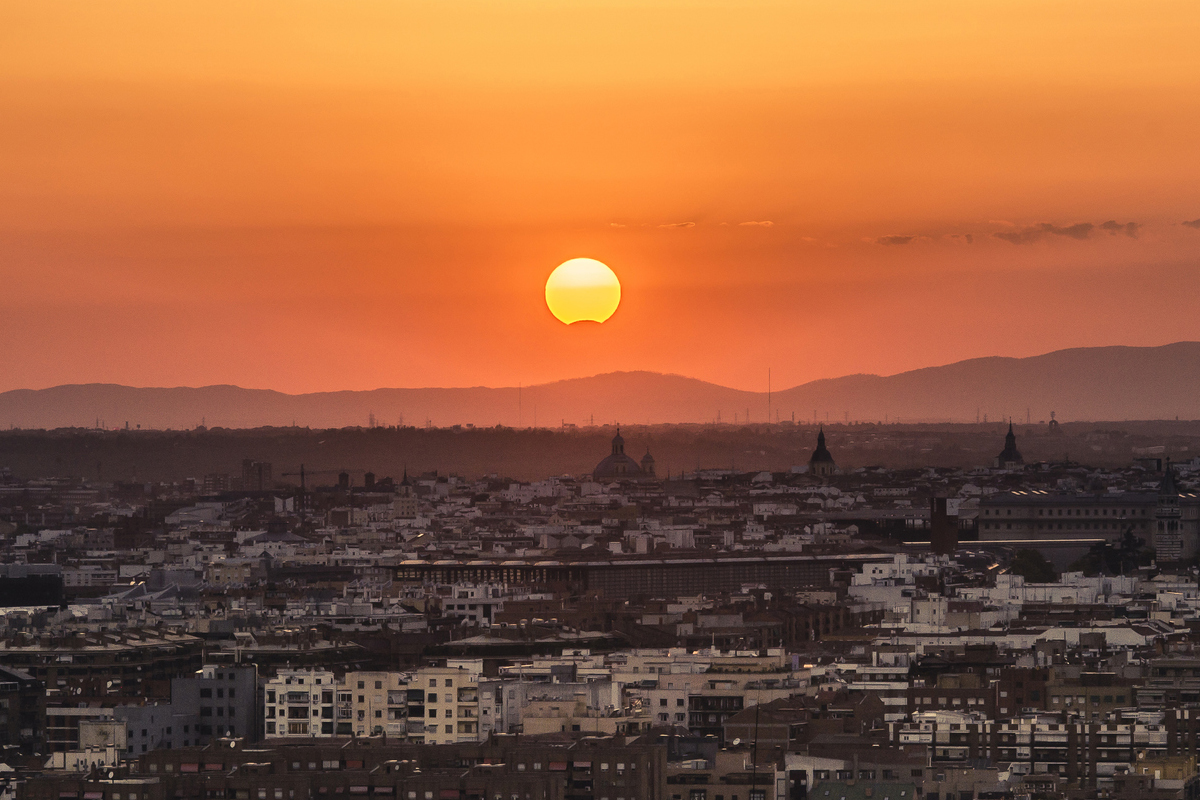
For example, from Mallorca’s northwest coast, at precisely 8:31 p.m. CEST, just 20 minutes before sunset, the Sun will be totally eclipsed by the moon for 1 minute 36 seconds while just 2.7 degrees above the west-northwestern horizon.
In clear skies, the result will be one of the most unusual eclipse experiences many observers will ever witness.
More eclipse tips
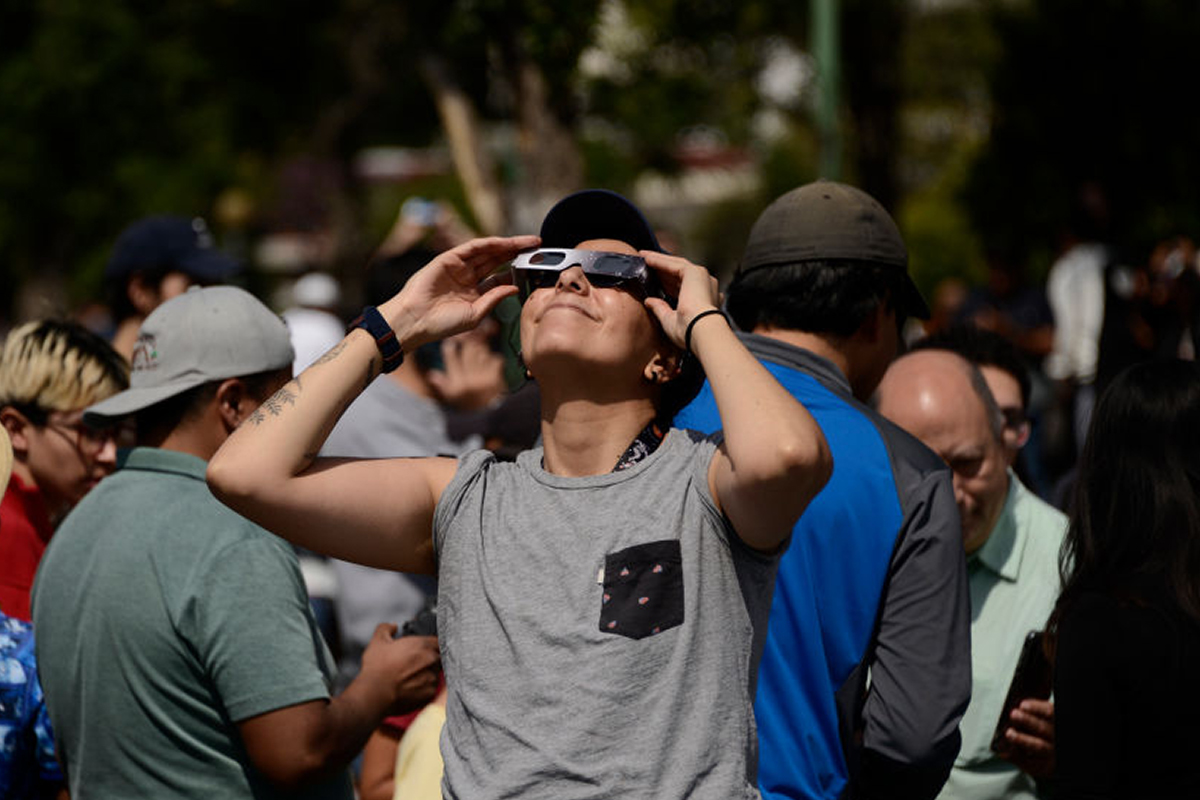
The Moon's shadow will plunge the landscape into a twilight just as the day is already fading naturally into sunset.
The whitish solar corona — visible only during totality — will take on an orangey hue, just as the Sun and moon close to the horizon look orange.
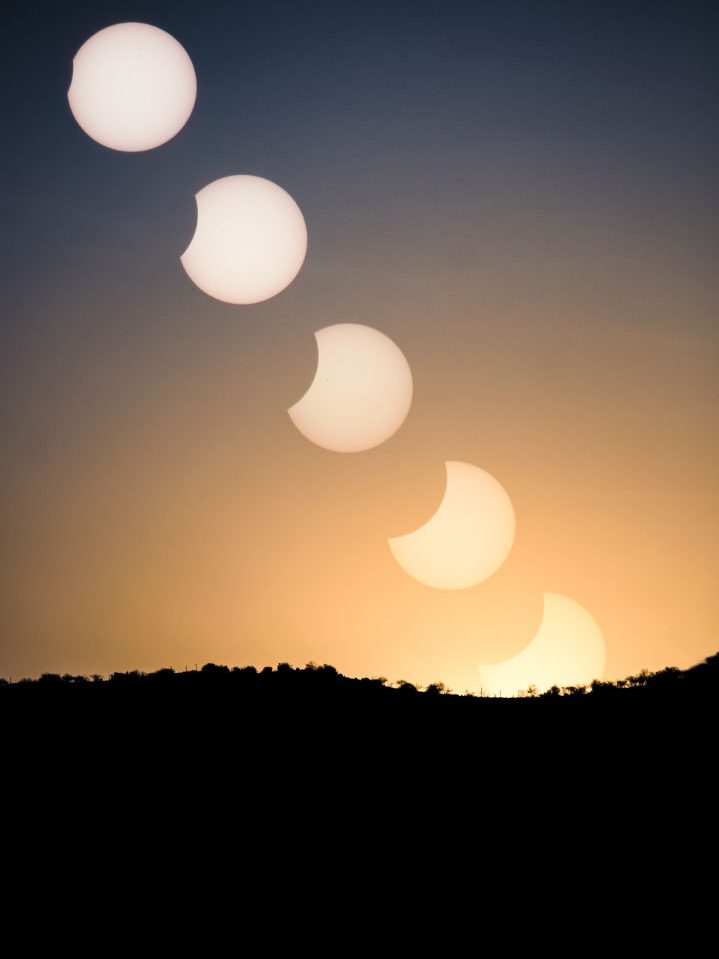
About 18 minutes after totality is over, a heavily eclipsed Sun will sink into the Mediterranean Sea.
- Complete guide to the August 2026 solar eclipse
- Best places to see the 2026 solar eclipse in Spain
- Our North America guide to the August 2026 solar eclipse
- How to see the August 2026 solar eclipse from the UK and Ireland
Watch the Moon’s shadow leave Earth
To see a total solar eclipse so low on the horizon — a cloud-free horizon allowing — from the Balearic Islands will be a collector’s item for any eclipse chaser.
But there’s a compelling reason to turn your back on the eclipse as soon as the second diamond ring appears to end totality.
"The instant totality is done, turn around and look at the sky behind you," says Dr. Tyler Nordgren, author of Sun Moon Earth: The History of Solar Eclipses from Omens of Doom to Einstein and Exoplanets, “and you may see the shadow of the moon lifting off the planet."
In the Balearics, observers are effectively standing at the very end of the eclipse path and are the last people on Earth to experience totality.
As totality ends, the moon's shadow is no longer simply moving across the landscape, but reaching the end of its journey across Earth and beginning to skip off the planet entirely.
Depending on atmospheric conditions, it may be possible to see the departing shadow cast onto distant haze layers or clouds.
A double sunset
Under normal circumstances, sunset is a gradual process. The western horizon remains bright while the eastern sky slowly darkens.
A total solar eclipse creates a completely different kind of twilight. As the Moon's shadow approaches, daylight collapses far more quickly than it does during an ordinary sunset.
The landscape dims, colours lose their normal appearance, and the sky develops a metallic quality that many eclipse observers struggle to describe.
On Aug. 12, 2026, these two forms of twilight will overlap. The natural sunset will darken the sky from below, while the moon's shadow darkens it from above.
The result is likely to feel stranger than either phenomenon would on its own. Many experienced eclipse chasers describe totality as feeling unnatural.
During a sunset eclipse, that sensation may be even stronger.
A darker sunset
During a normal sunset, the Sun sinks beneath the horizon but continues to illuminate the upper atmosphere during civil twilight, defined as when the Sun is between zero and six degrees below the horizon.
In Mallorca on 12 August, that’s between sunset at 8:50 and 9:52 p.m. CEST.
However, the partial solar eclipse will continue until 9:22 p.m. CEST, so for around half of twilight, the Sun’s light will be vastly diminished, particularly just after it disappears beneath the horizon.
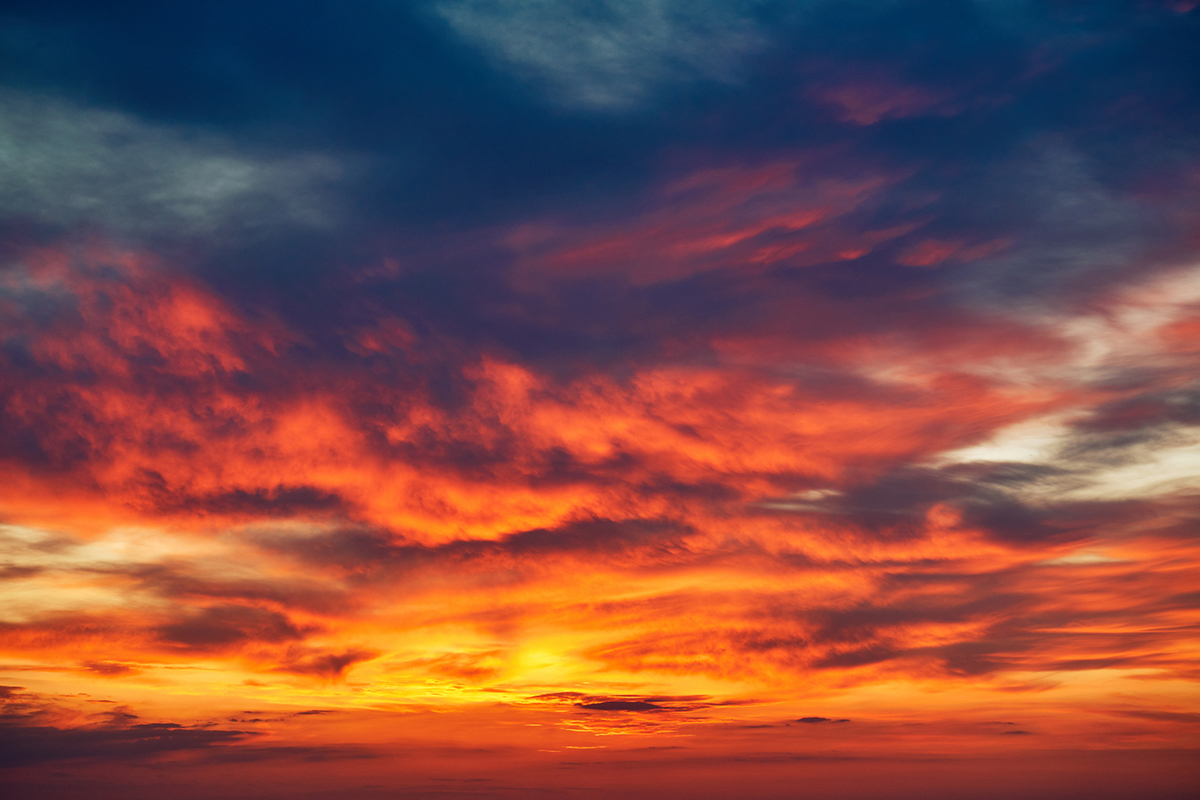
That could mean a rapid and darker twilight, and an interruption to the afterglow – the light and colour that appears just above the horizon where the Sun dipped below.
To see this, eclipse chasers should stay in place for an hour after totality.
Understanding the sunset eclipse
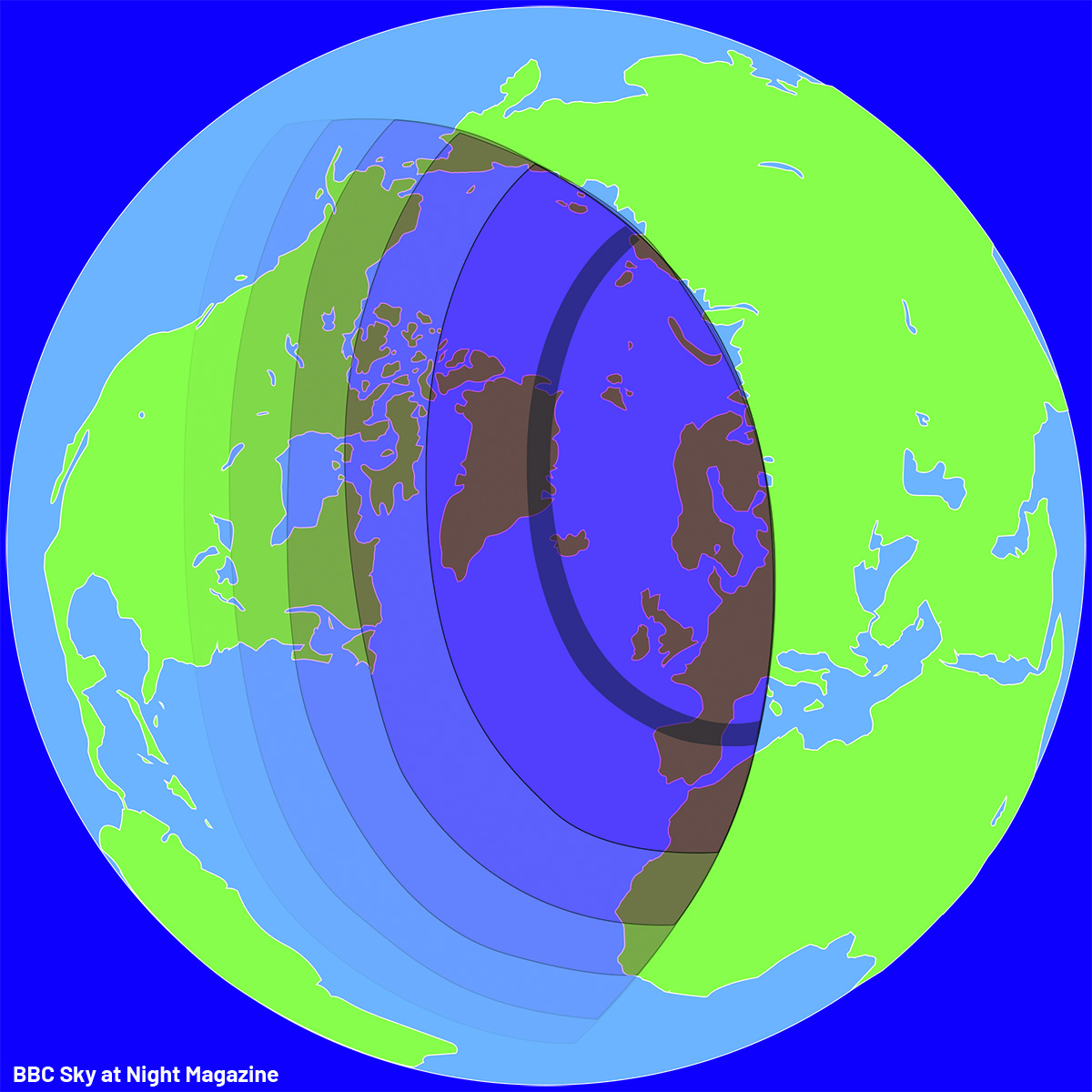
To experience a total solar eclipse, you have to be standing in its path of totality, the dark central (umbral) shadow of the moon.
On 12 August 2026, that path is 183 miles (294 km) wide and 5,200 miles (8,400 km) long, beginning at sunrise in the Russian Arctic, sweeping across Greenland, Iceland and Spain, and ending at sunset in the western Mediterranean.
In terms of its geometry, that path is typical; there’s always a place on Earth to watch an eclipsed sunrise at the beginning of the path and somewhere to see an eclipsed sunset just before the umbra skips off the planet.
The same goes for seeing ‘devil’s horns’ during a partially eclipsed sunrise or sunset.
Why the 2026 total solar eclipse is special
It’s all about accessibility. Given that 71% of Earth is ocean, it’s usual for most of a path of totality to occur at sea, as is the case in 2026.
Technically, a sunrise eclipse is visible from land, too, but that’s in an uninhabited area of the Taymyr Peninsula in northeastern Siberia, Russia.
For these extreme points of a path to occur at sea or in remote areas is standard, but for a sunset eclipse to be visible from a holiday island in the Mediterranean is extremely rare.
It’s not something that has been imaged in the digital age, save for a view from El Calafate, Patagonia, Argentina, during the total eclipse on 11 July, 2010.
That stunning event was captured on video, which you can see below.
If clouds on the horizon interrupt the view on 12 August, there are some more chances for a sunset eclipse coming up.
On Nov. 25, 2030, a path of totality will rise in the Atlantic off the coast of Namibia and set in Surat in Queensland, Australia, with conditions similar to those on 12 August.
The risk factor, of course, is always going to be a cloudy horizon; eclipse chasing is, and always will be, about patience, precision, perseverance — and good luck.
Share your eclipse experiences and images with us by emailing contactus@skyatnightmagazine.com