The British Isles haven’t seen a deep solar eclipse since 2015, but that’s all about to change.
On 12 August 2026, up to 96% of the Sun will be covered by a new Moon. Then a few hours later, the Perseid meteor shower will reach its peak in moonless skies.
It could be one of the decade’s most rewarding observing days – if there’s clear weather.
The event is, of course, actually a total solar eclipse, but only for those who travel.
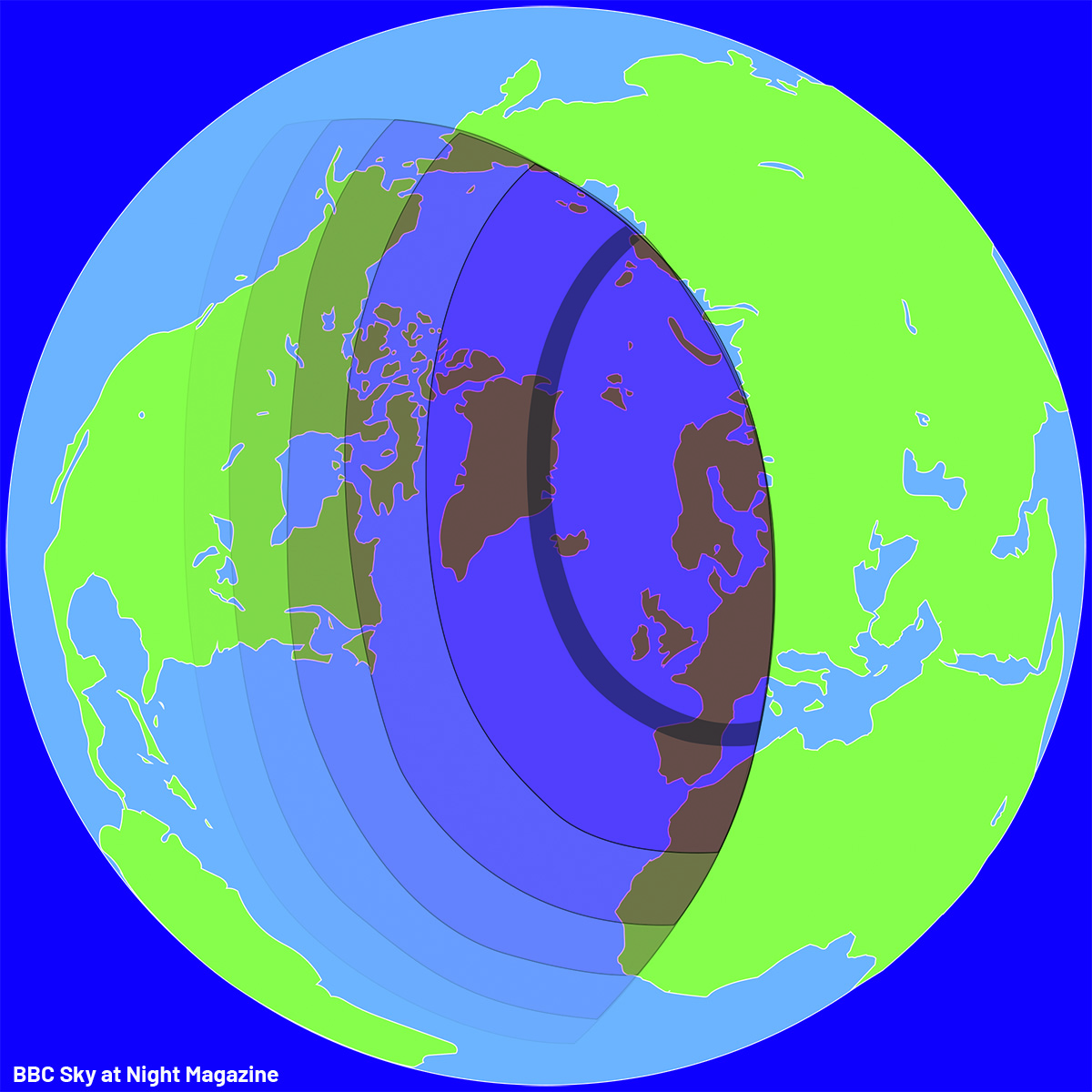
The path of totality crosses eastern Greenland, western Iceland and northern Spain, passing just southwest of the British Isles on its way.
While the UK misses totality by a few hundred miles, viewers get a close view, with the greatest partial eclipse in the southwest, where more of the Sun is covered.
Coverage decreases slightly towards the northeastern UK, but not by much.
- Read our complete guide to the August 2026 solar eclipse
- In the USA or Canada? Read our North America guide to the August 2026 solar eclipse
- Our pick of the best places in Spain to see the August 2026 solar eclipse
August 2026 solar eclipse times for UK cities
| City | Duration | Greatest eclipse | Time of greatest eclipse |
|---|---|---|---|
| Edinburgh | 18:08–20:00 | 90.7% | 19:05pm BST |
| Glasgow | 18:08–20:00 | 91.4% | 19:06pm BST |
| Belfast | 18:10–20:03 | 93.1% | 19:08pm BST |
| Leeds | 18:12–20:03 | 90.8% | 19:09pm BST |
| Manchester | 18:13–20:03 | 91.4% | 19:10pm BST |
| Liverpool | 18:13–20:04 | 91.8% | 19:10pm BST |
| Sheffield | 18:13–20:03 | 91% | 19:10pm BST |
| Birmingham | 18:15–20:05 | 91.8% | 19:11pm BST |
| Cardiff | 18:16–20:07 | 93.2% | 19:13pm BST |
| London | 18:17–20:06 | 91.4% | 19:13pm BST |
Major UK cities will experience a very deep partial eclipse on 12 August 2026, with Cardiff just beating Belfast to witness the deepest partial.
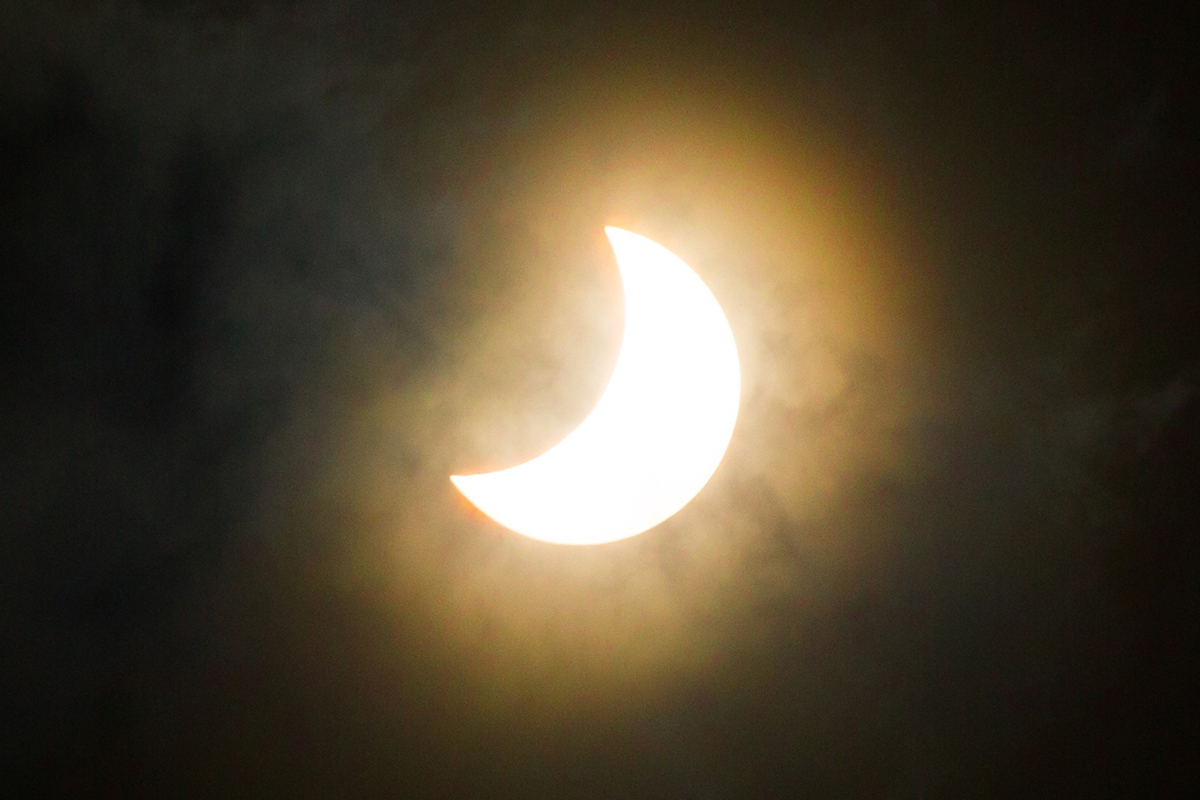
All observers in the UK will see the Moon cross the Sun from right to left. That will create a frown-shaped crescent – with the horns pointing downward – at the moment of maximum eclipse.
The last time the UK experienced a comparably deep partial was on 20 March 2015. Then, parts of Scotland saw a 98% partial solar eclipse, while the path of totality swept across the Faroe Islands and Svalbard.
Events of this magnitude are infrequent and while total eclipses demand travel, this one does not.
Exactly where you are in the UK will determine how large an eclipse you’ll witness. But there’s little reason to travel because everyone across the country will see a very deep eclipse.
How deep is the eclipse?
The closer you are to the path of totality, the greater the eclipse.
From Bishop Rock Lighthouse within the Western Rocks of the Isles of Scilly in southwest England, the Moon covers 96.5% of the Sun’s disc by area.
Land’s End in Cornwall is 95.8% and from Lizard Point – also in Cornwall and the southernmost point of mainland Britain – it’s 95.6 %.
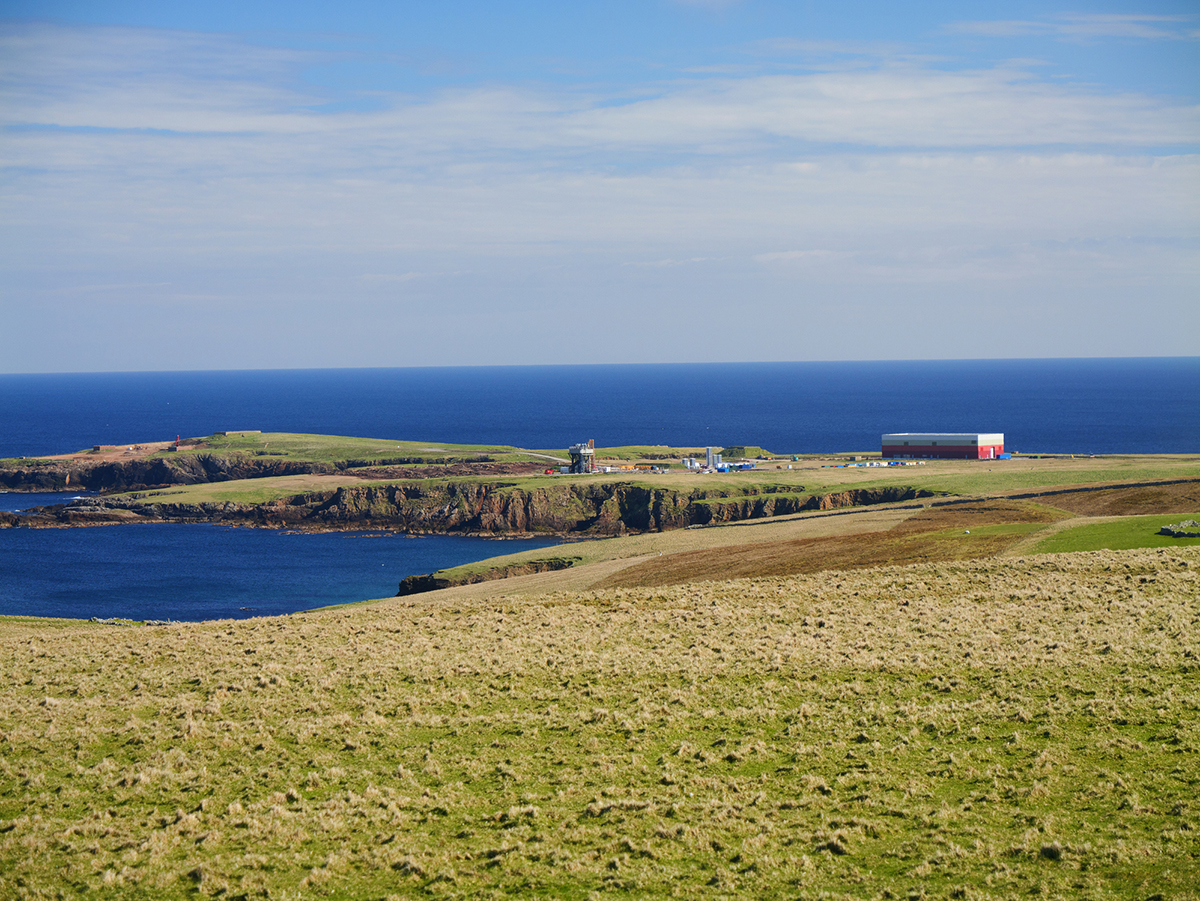
By contrast, in the extreme northeast of the UK, SaxaVord Spaceport on Unst in the Shetland Islands will see the Moon cover 87.9% of the Sun.
That’s still a deep partial by any standard, but with a noticeably thicker crescent remaining.
What you'll see – and how to see it safely
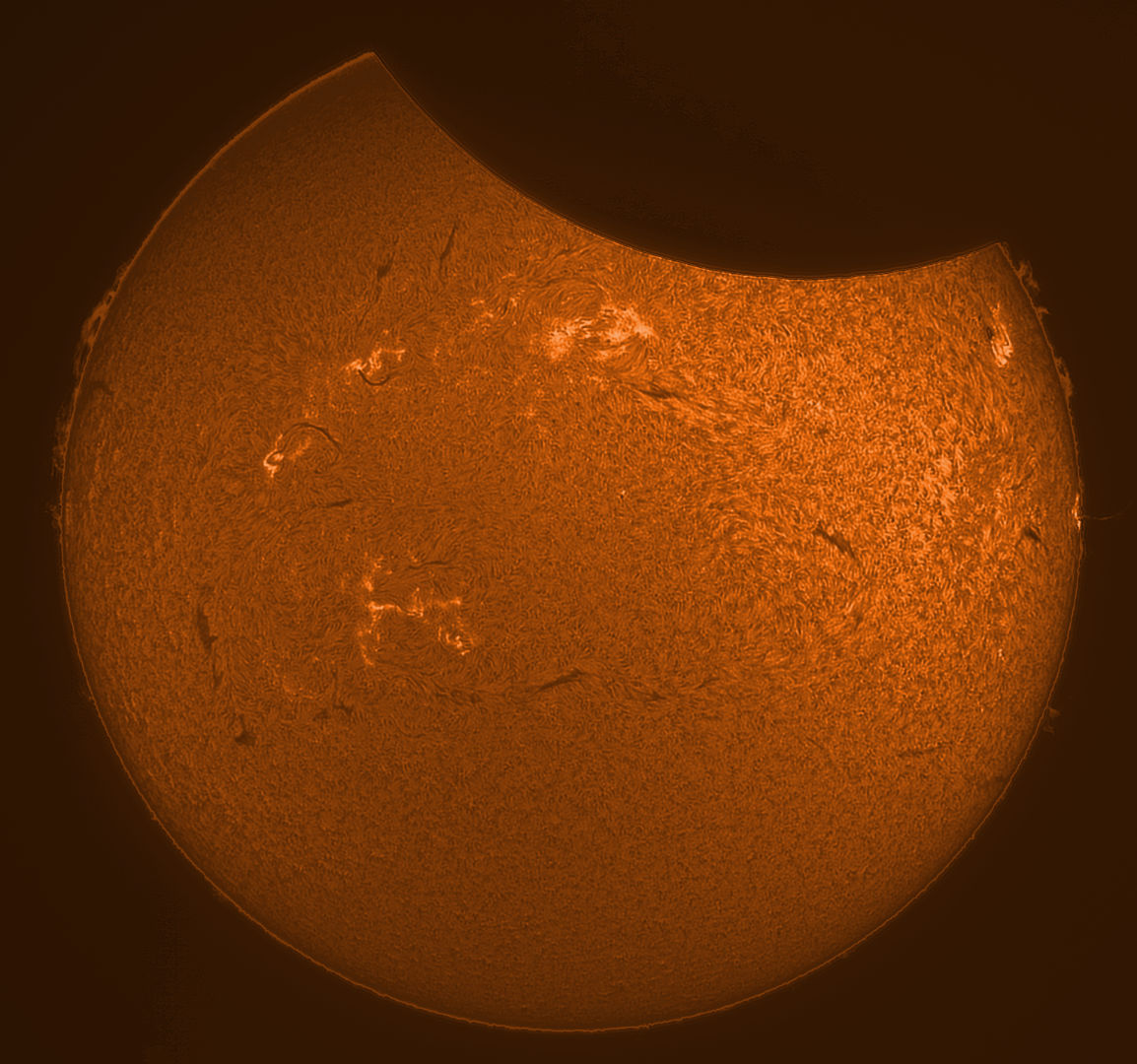
Partial eclipses unfold slowly and the solar eclipse on 12 August 2026 is no exception.
First contact – when the Moon first appears to bite into the Sun – occurs just before 6pm BST.
From there, the Moon tracks steadily across the solar disc from right to left. As the eclipse deepens, the Sun’s familiar circular form becomes increasingly distorted.
By maximum eclipse, an inverted arc will hang above the horizon – the opposite of the ‘smiley face’ crescent many will expect.
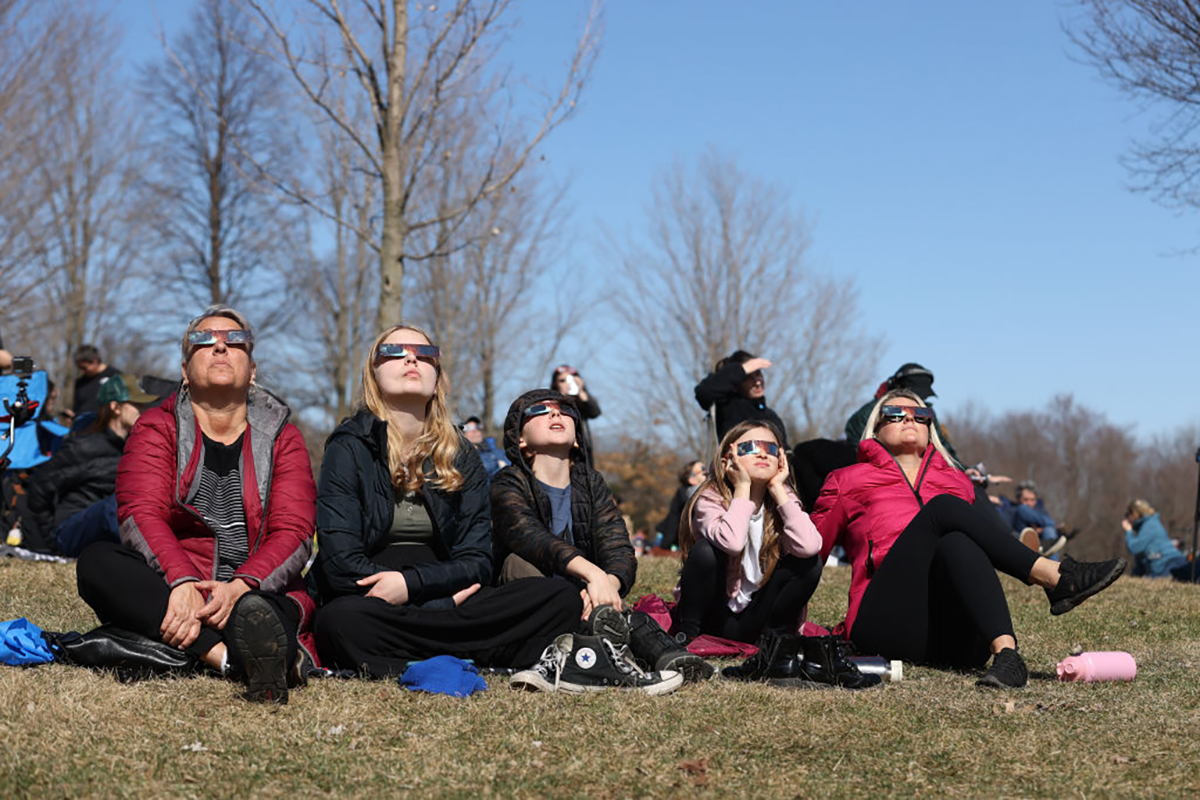
To view the Sun safely, you should use ISO 12312-2 certified eclipse glasses throughout the spectacle.
For information on this, read our guide on how to make sure your eclipse glasses are safe.
Anything else, including sunglasses, is unsafe. If you’re using cameras, telescopes or binoculars, all must have proper solar filters fitted to the front of the optics.
12 August 2026 is a low and late solar eclipse
What makes the August 2026 solar eclipse different is that it occurs relatively close to sunset, which means the Sun will be close to the horizon.
Across the UK, maximum eclipse occurs between about 7:05pm and 7:13pm BST, with the Sun already well into the western sky.
That makes this a low-altitude event, which brings both opportunities and challenges.
From northwestern locations – Cumbria, for example – the Sun will be around 13º above the west-northwest horizon at maximum.
That’s comfortably observable. By the time the eclipse ends, it will still be about 6º above the horizon, with roughly 50 minutes until sunset.
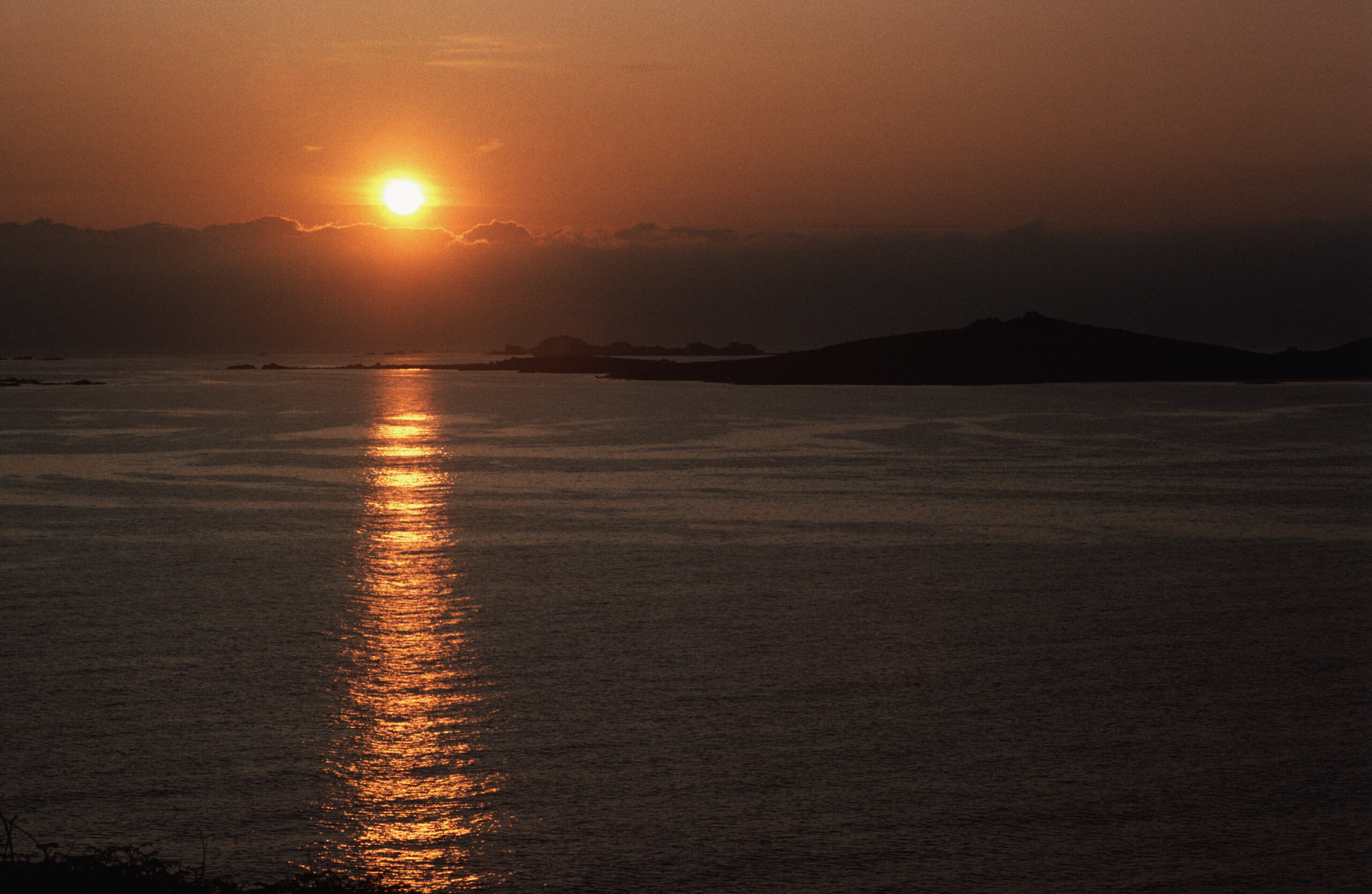
Further southeast, the geometry becomes more dramatic. From Dover in Kent, maximum eclipse occurs with the Sun only about 9º up.
By last contact, it’s just 1–2º above the horizon, barely 15–20 minutes before sunset. That low altitude can produce striking views, but it also introduces risk.
To see the August 2026 eclipse in its entirety, observers will need an unobstructed view to the west-northwest, and not just locally.
Because the Sun is so low, clouds hundreds of miles away can block the view, even if the sky overhead is clear.
The practical takeaway is simple: treat this like a sunset observation. If you have a favourite location for watching sunsets or spotting low-altitude planets, use it.
If not, seek out an elevated or coastal viewpoint with a clean horizon to the west-northwest.
Checking the evening before that you have a clear view of sunset from your intended observing location is always a good idea.
What about the weather?
As with night-time stargazing, observing eclipses in the UK comes with that unavoidable caveat: cloud.
Long-term statistics suggest that no location in the country has much better than a roughly 30% chance of clear skies in mid-August
It matters more for this eclipse because of its low altitude. You’re not just relying on local conditions – you’re relying on a clear line of sight to the horizon.
However, a partial eclipse doesn’t come with the strict timing required to catch the moment of totality during a total eclipse, which lessens the tension.
While seeing the partial eclipse at its peak is preferable, the event lasts about two hours, which makes a view of the eclipsed Sun – however brief – probable.

Eclipse done – now for the meteor shower
If the eclipse is the day’s main event, later the same night there’s a display that would usually be headline-worthy on its own.
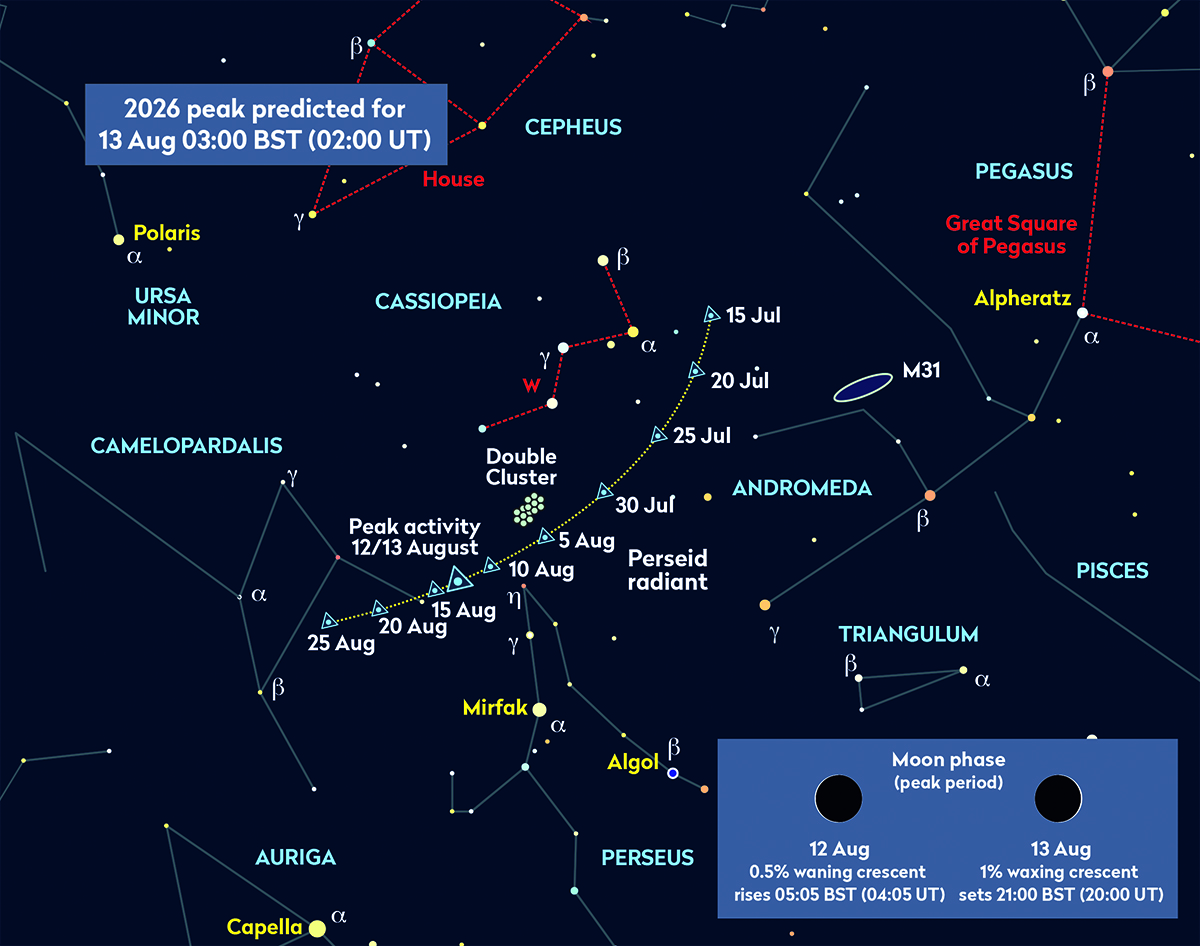
The Perseid meteor shower peaks on the night of 12–13 August, when Earth passes through debris left by comet Swift–Tuttle in its orbit
In 2026, the timing of this shower is unusually favourable, in that the 2026 Perseid meteor shower peaks on the same day as the eclipse.
After the eclipse, the Moon is by definition just a few hours after its new phase. That means there will be dark, moonless skies – ideal conditions for meteor watching.
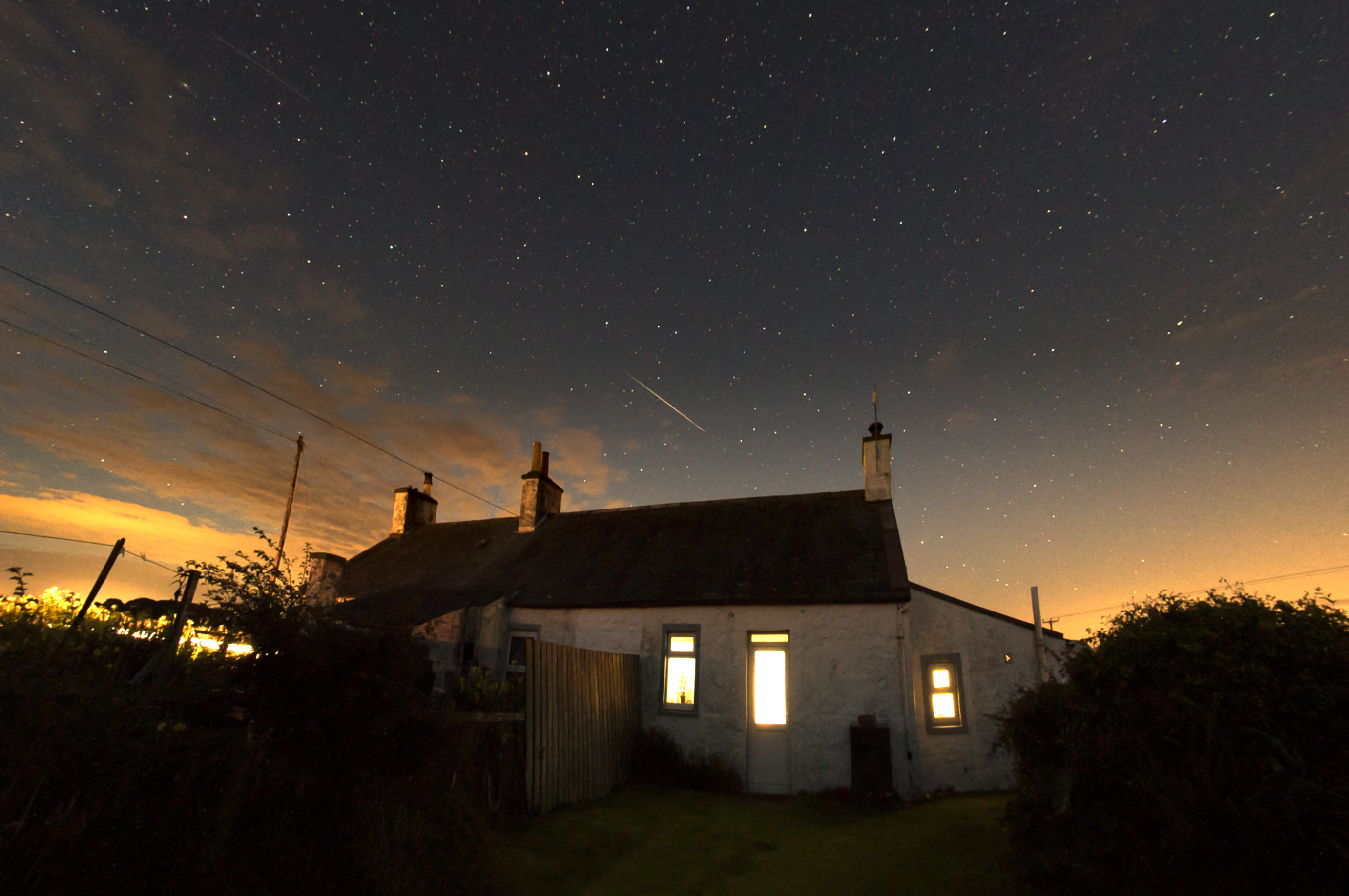
Under perfect conditions, the Perseids produce up to 100 meteors per hour.
In the UK, more typical rates are around 20–40 meteors per hour from a dark site – but that still makes for a lively display.
The best time to watch is after midnight. About then, your part of Earth is rotating into the stream of debris and the shower’s radiant in Perseus is rising higher in the sky.
Meteor rates increase steadily through the early hours.
The key to making the most of 12 August is to treat the eclipse and the shower as one continuous observing session.
Start by identifying a suitable eclipse location – somewhere with a clear view to the west-northwest.
Arrive early, set up safely with solar filters or eclipse glasses, and follow the event from first contact through to maximum.
As the Sun sets and the eclipse ends, there’s a natural pause. Use it to relocate, if necessary – ideally to a darker site away from urban lighting – or to tack on a bonus observation of Venus, which happens to reach its 50%-lit phase on 12 August as it gets closer to Earth.
By late evening, the sky will be fully dark and the Perseids will begin to show. No telescopes are required for the meteor shower.
In fact, the best approach is simply to lie back and watch as much sky as possible. It’s about little more than patience.
How to photograph the eclipse
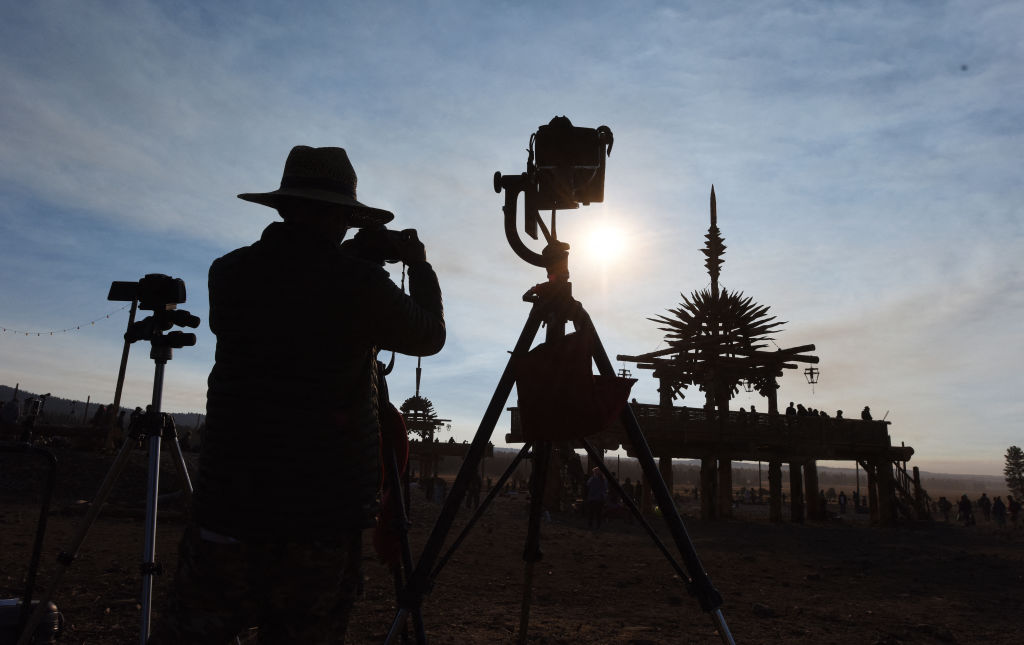
Photographing a deep partial eclipse is easy, but only if you prioritise safety and preparation.
First, use a certified solar filter on the front of your lens or telescope at all times. Unlike a total eclipse, there is never a safe moment to remove it.
For close-ups, a focal length between 500mm and 800mm will give the Sun a decent size in the frame. A sturdy tripod is essential, and a remote shutter release or timer will help eliminate vibration.
Before eclipse day, practise on the uneclipsed Sun. Let your camera’s meter suggest an exposure, then bracket around it.
As the eclipse deepens and the crescent of the Sun becomes thinner, you may need slightly longer exposures to retain detail.
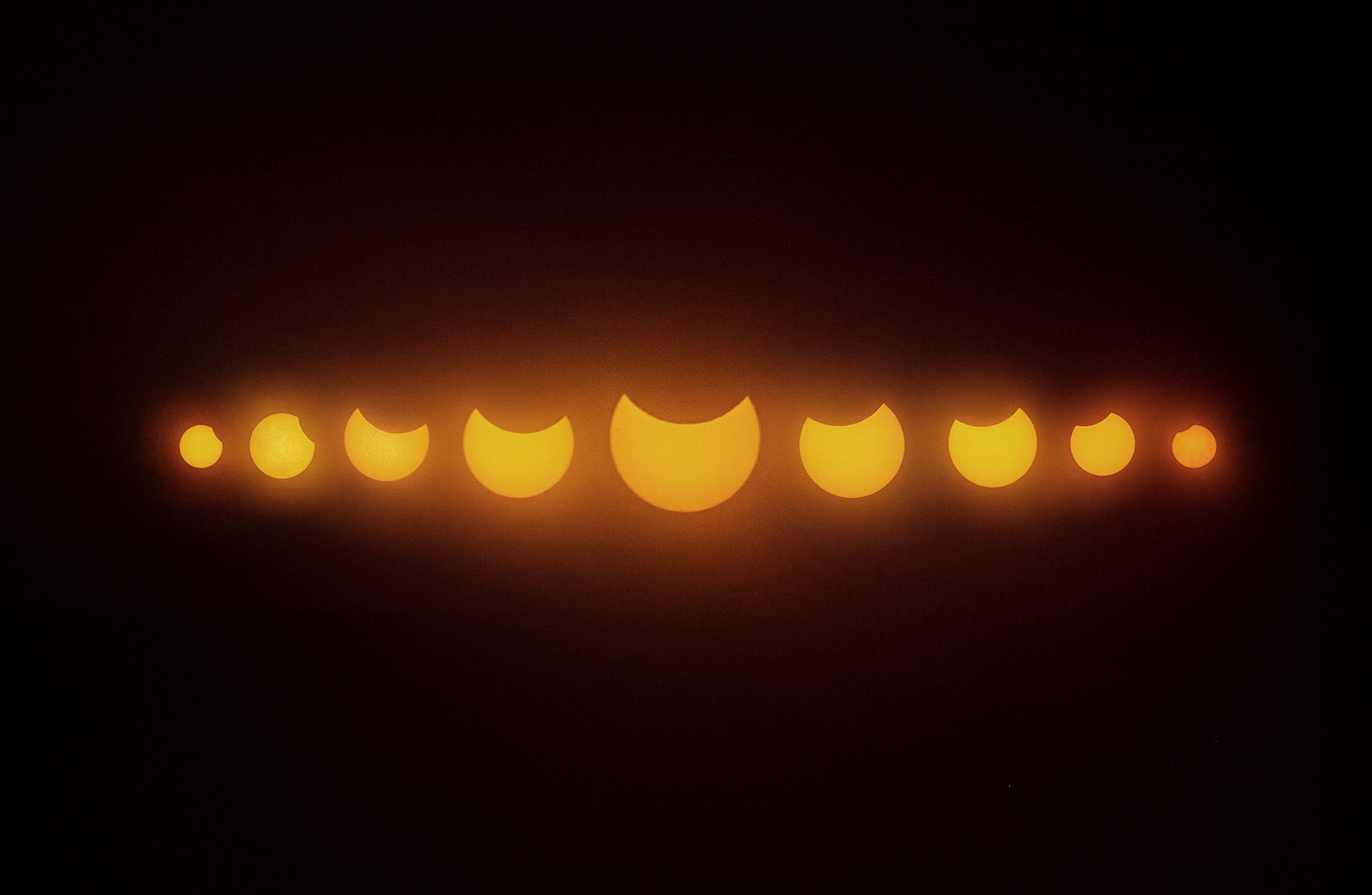
For something more creative, try a wide-angle sequence. Fix your camera on a tripod and take images every 3–5 minutes as the eclipsed Sun drifts across the sky.
Later, you can combine them into a single composite showing the full progression. If you’re including a foreground, expose it separately without a filter and blend carefully.
Total solar eclipses are rare from any given location and from the UK they are exceptionally so.
The next one visible from British soil is not until 23 September 2090. Then, England’s entire south and southwest coast – all locations south of a line drawn from Hastings in the east to Bideford in Devon in the west – see totality for up to two minutes and 37 seconds.
In the meantime, 12 August 2026 could be one of the most rewarding days in years for UK skywatchers. Keep those fingers crossed!