
The next full Moon is the Corn Moon, the tenth full Moon of 2026, which rises on 26 September and is also the Harvest Moon for the year.
The September 2026 full Moon will rise around sunset and is known as the Corn Moon because September is the time of year traditionally when corn is harvested in North America.
It's also the Harvest Moon, which is the name given to the full Moon closest to the September equinox.
As a result, sometimes the Harvest Moon is in October and sometimes it's in September.
The last full Moon was the Sturgeon Moon on 28 August.
After 26 September, the next three upcoming full Moons are:
- Hunter's Moon – 25 October
- Beaver Moon – 24 November (supermoon)
- Cold Moon – 24 December (supermoon)
More Moon advice
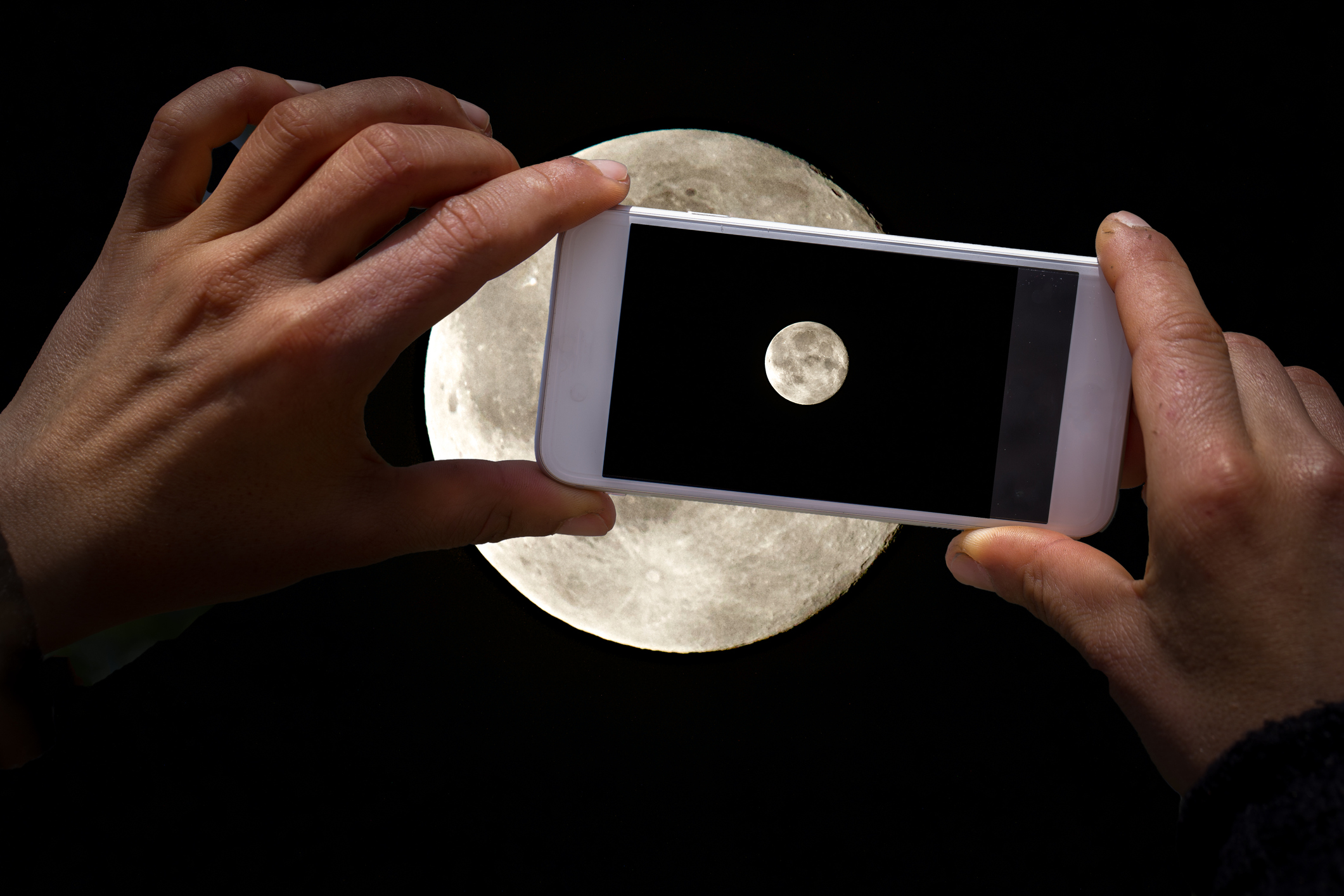
Full Moon 2026 dates, names and times
These are the dates, names and times for every full Moon in 2026. The times reflect when the Moon is at the point of being 'full', not necessarily the time it's visible.
Full Moons, being opposite the Sun in the sky, generally rise around sunset, then set around sunrise.
Points to note around the 2026 full Moons:
- There are three supermoons, one each in January, November and December
- The 2026 Harvest Moon is the September full Moon, as it's the closest to the September equinox
- There will be a second one in May, known as a 'monthly blue Moon', which means there are a total of 13 full Moons in 2026
| Date | Name | Time |
|---|---|---|
| 3rd January | Wolf Moon (supermoon) | 10:03 UTC |
| 1st February | Snow Moon | 22:09 UTC |
| 3rd March | Worm Moon | 11:38 UTC |
| 2nd April | Pink Moon | 02:12 UTC |
| 1st May | Flower Moon | 17:23 UTC |
| 31st May | Blue Moon | 08:45 UTC |
| 30th June | Strawberry Moon | 23:57 UTC |
| 29th July | Buck Moon | 15:36 UTC |
| 28th August | Sturgeon Moon (lunar eclipse) | 04:18 UTC |
| 26th September | Corn Moon / Harvest Moon | 16:49 UTC |
| 25th October | Hunter's Moon | 03:12 UTC |
| 24th November | Beaver Moon (supermoon) | 14:53 UTC |
| 24th December | Cold Moon (supermoon) | 01:28 UTC |
Full Moon 2025 dates, names and times
| Date | Name | Time |
|---|---|---|
| 13th January | Wolf Moon | 22:27 UTC |
| 12th February | Snow Moon | 13:53 UTC |
| 14th March | Worm Moon | 06:55 UTC |
| 13th April | Pink Moon | 02:22 UTC |
| 12th May | Flower Moon | 16:56 BST |
| 11th June | Strawberry Moon | 07:44 BST |
| 10th July | Buck Moon | 21:37 BST |
| 9th August | Sturgeon Moon | 08:55 BST |
| 7th September | Corn Moon | 19:09 BST |
| 7th October | Hunter's Moon / Harvest Moon | 04:48 BST |
| 5th November | Beaver Moon (supermoon) | 13:19 UTC |
| 4th December | Cold Moon (supermoon) | 23:14 UTC |
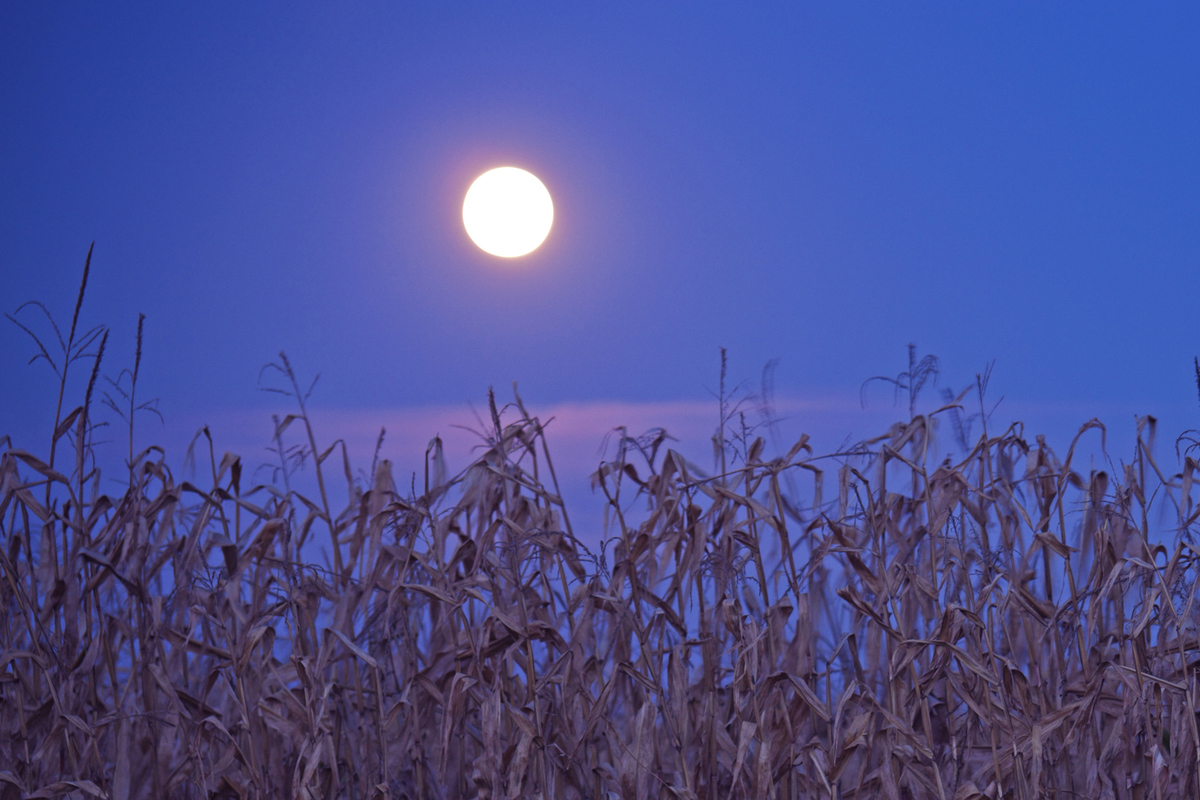
Full Moon names explained
Each of the full Moons has acquired more than a few informal nicknames over the centuries, each reflecting notable changes or events in nature occurring during the month in question.
These informal lunar names help us appreciate the lunar cycle and were used in ancient times to keep track of the calendar throughout the year.
Here are the explanations of the names most often used:
- Wolf Moon – Wolves, not hibernating, are active in January
- Snow Moon – February is the month when it's most likely to snow
- Worm Moon – March sees the appearance of earthworms as spring approaches
- Pink Moon – April is the time when pink flowers begin to blossom
- Flower Moon – May is the peak of spring, when flowers are in bloom
- Strawberry Moon – June is traditionally the month for strawberries
- Buck Moon – In July, male deer – bucks – begin to grow their antlers
- Sturgeon Moon – Sturgeon – a type of fish – was traditionally abundant in August
- Corn Moon – September is the month when corn and other crops are harvested
- Hunter's Moon – In October, hunters were most active, gathering food for winter
- Beaver Moon – Beavers are at their most active in November, preparing for winter
- Cold Moon – December's name reflects the onset of darker, colder months
These Moon names have no bearing on what the Moon will actually look like, and don't mean the Moon on that date will look strange or unusual (you'll never see a green Moon, for example, despite the pervading myth).
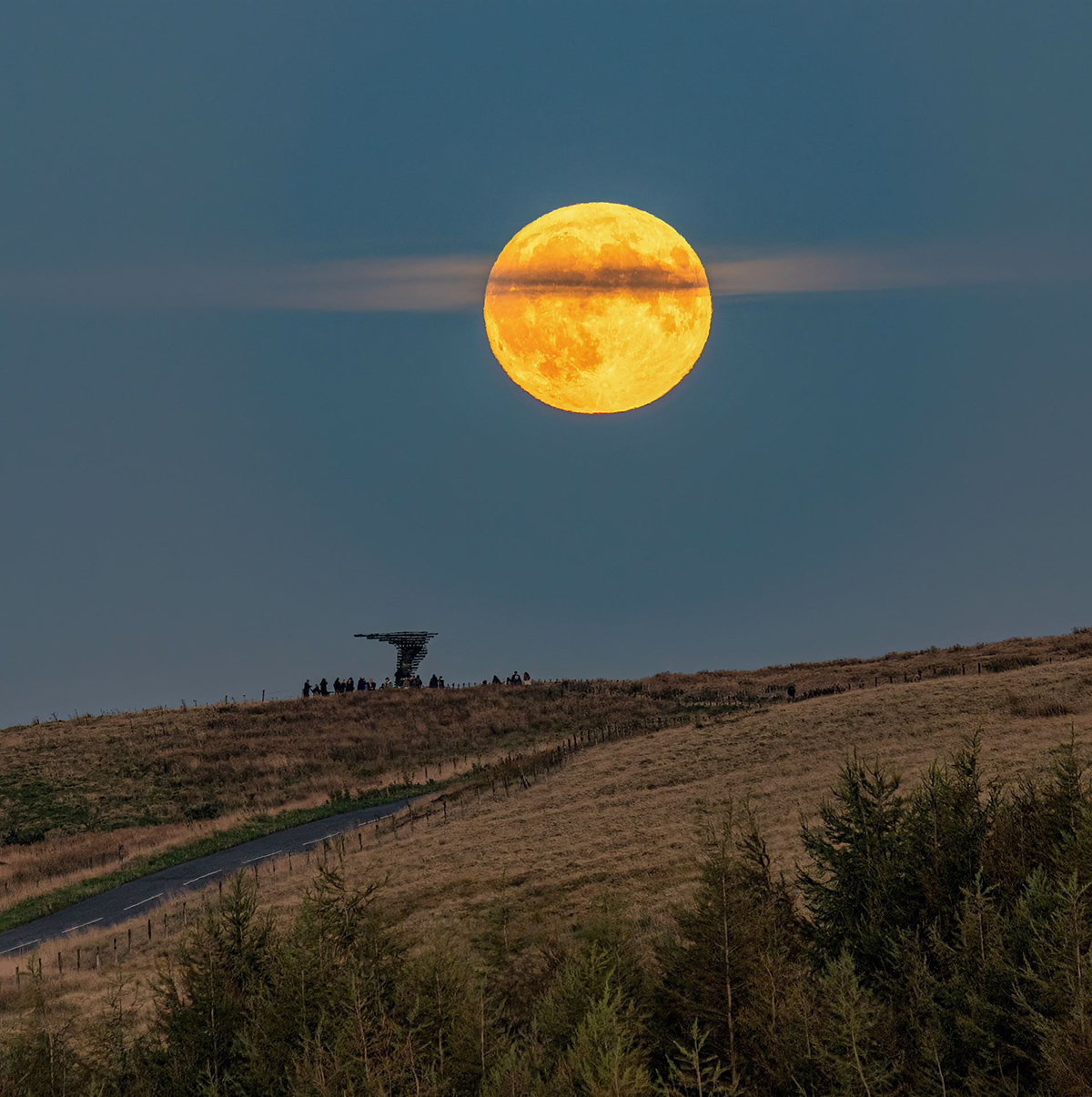
Why full Moons happen
A full Moon is big and bright in the night sky, visible when the whole of the Earth-facing side of the Moon is illuminated by sunlight.
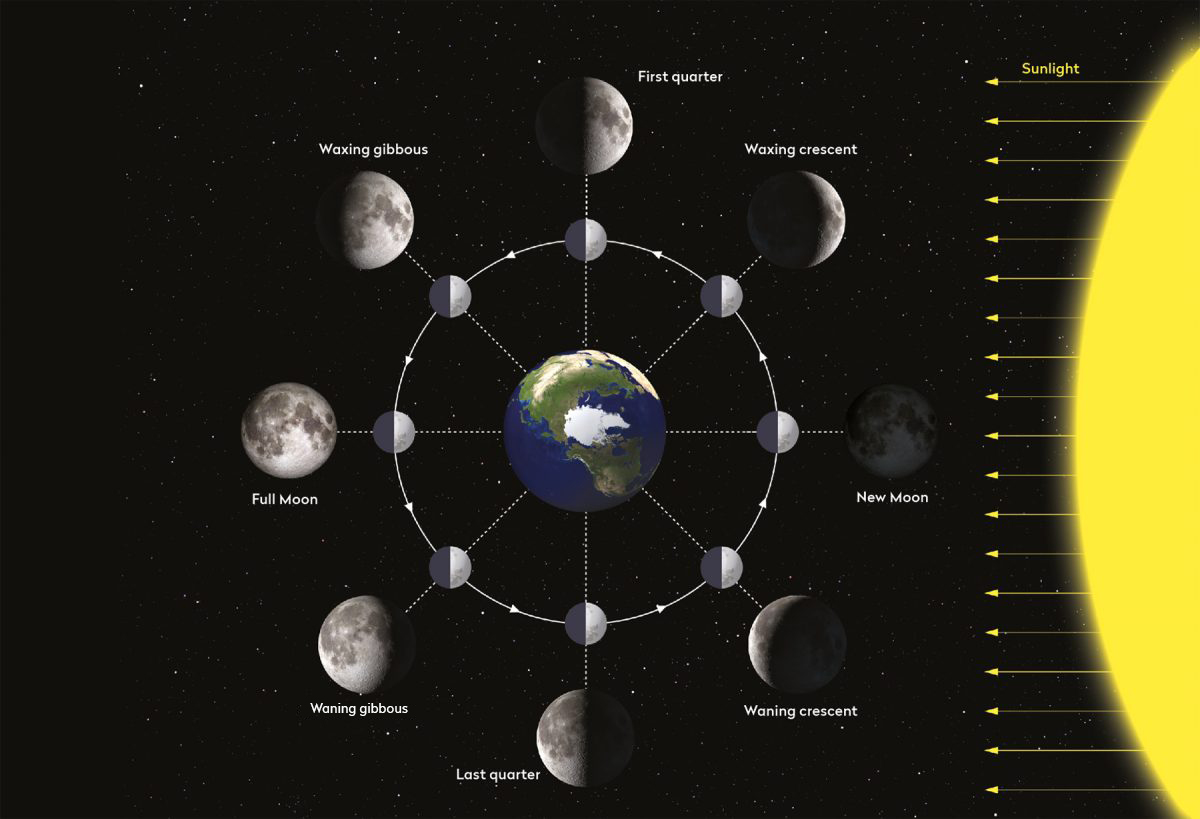
This happens as a result of the mechanics of the Sun-Earth-Moon system, whereby Earth orbits the Sun and the Moon in turn orbits Earth.
When it's 'full', the Moon is on the opposite side of the Earth from the Sun, allowing its whole Earth-facing side to be basked in sunlight.
Read more
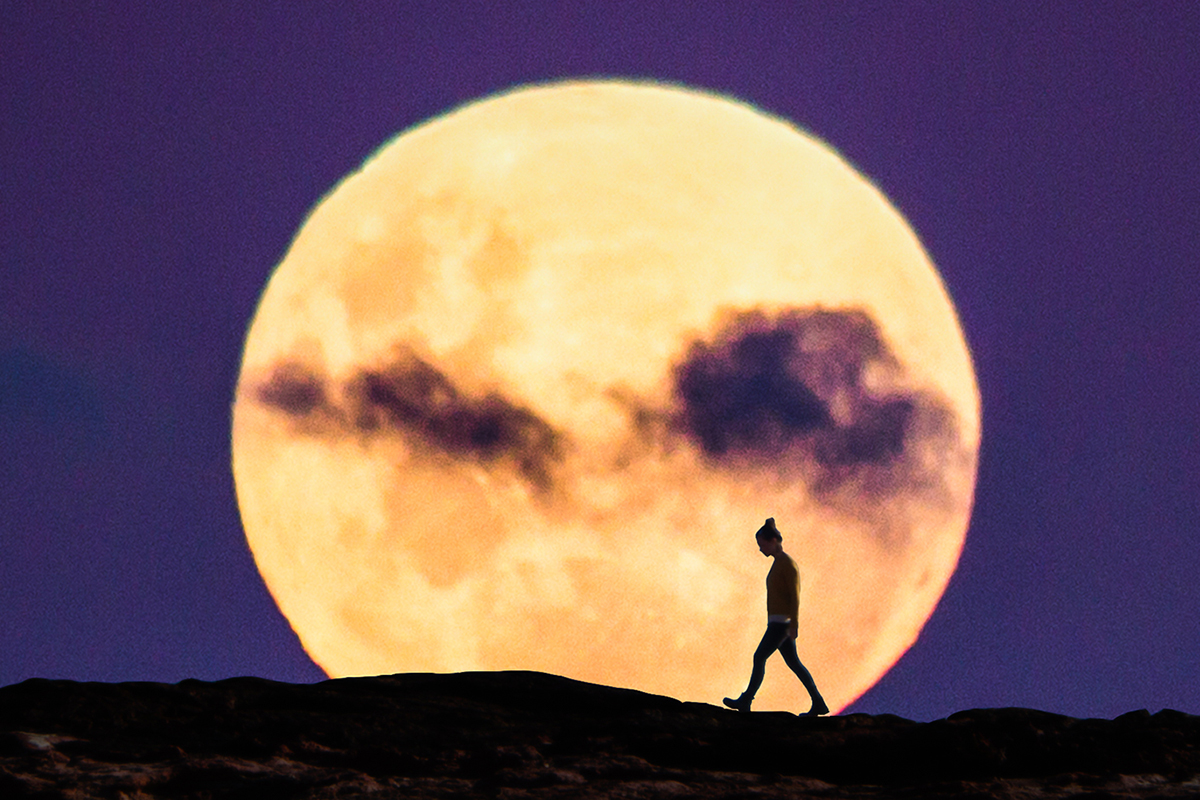
Think of it like this: we're standing on Earth, looking up at the Moon. The Sun is directly behind us, and shining directly on to the Moon, which is in front of us.
That's why a full Moon happens.
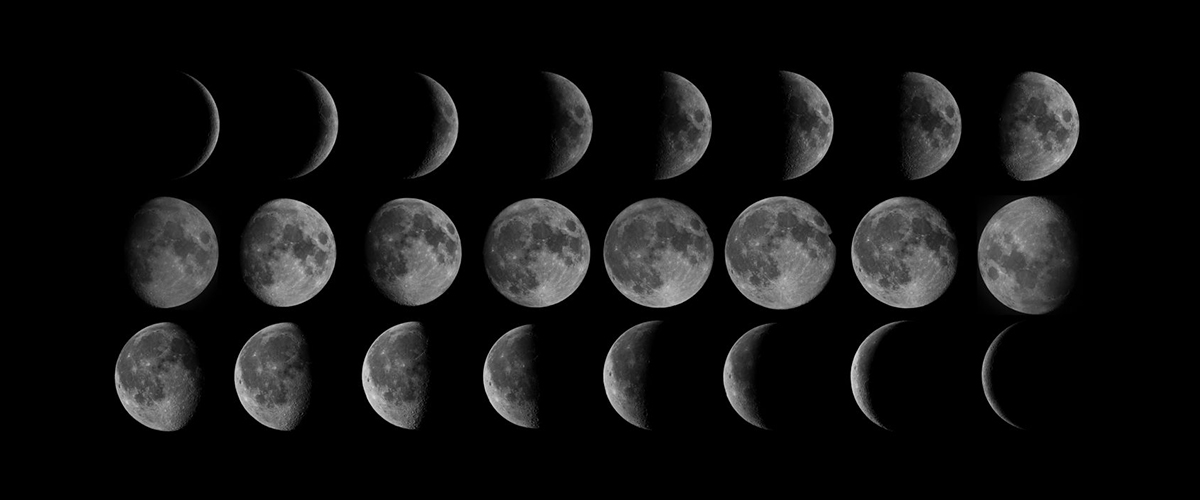
Full Moon is just one of the Moon's phases, which change throughout the cycle that takes about 29.5 days to complete.
Moon’s orbit and phases
The Moon orbits Earth in an elliptical path. As it orbits our planet, different portions of its surface are lit by the Sun, causing the Moon’s appearance to change, as seen from Earth.
These changes are called lunar phases, or the phases of the Moon. The key phases in the cycle are new Moon, first quarter, full Moon and last quarter.
Inbetween these key phases we see the Moon either as a crescent or as a gibbous, the latter being when more than half of the Earth-facing side of the Moon is illuminated.
A full Moon happens when the Sun, Earth and the Moon align in a straight line, with Earth in the middle.
Observing a full Moon
Many astronomers and stargazers find the full Moon a nuisance, as the bright lunar glare drowns out our view of deep-sky objects. Some say full Moon is the worst time to observe the Moon.
And even if the Moon is your chosen observing target, many argue that features on the Moon like craters and lunar maria are better seen at other times.
During a crescent Moon or gibbous Moon, for example, the terminator – the line dividing the lit and unlit portions of the Moon – accentuates certain features, making them much better primed for exploration.
There are even famous clair-obscur effects on the Moon that you can look for at certain times.
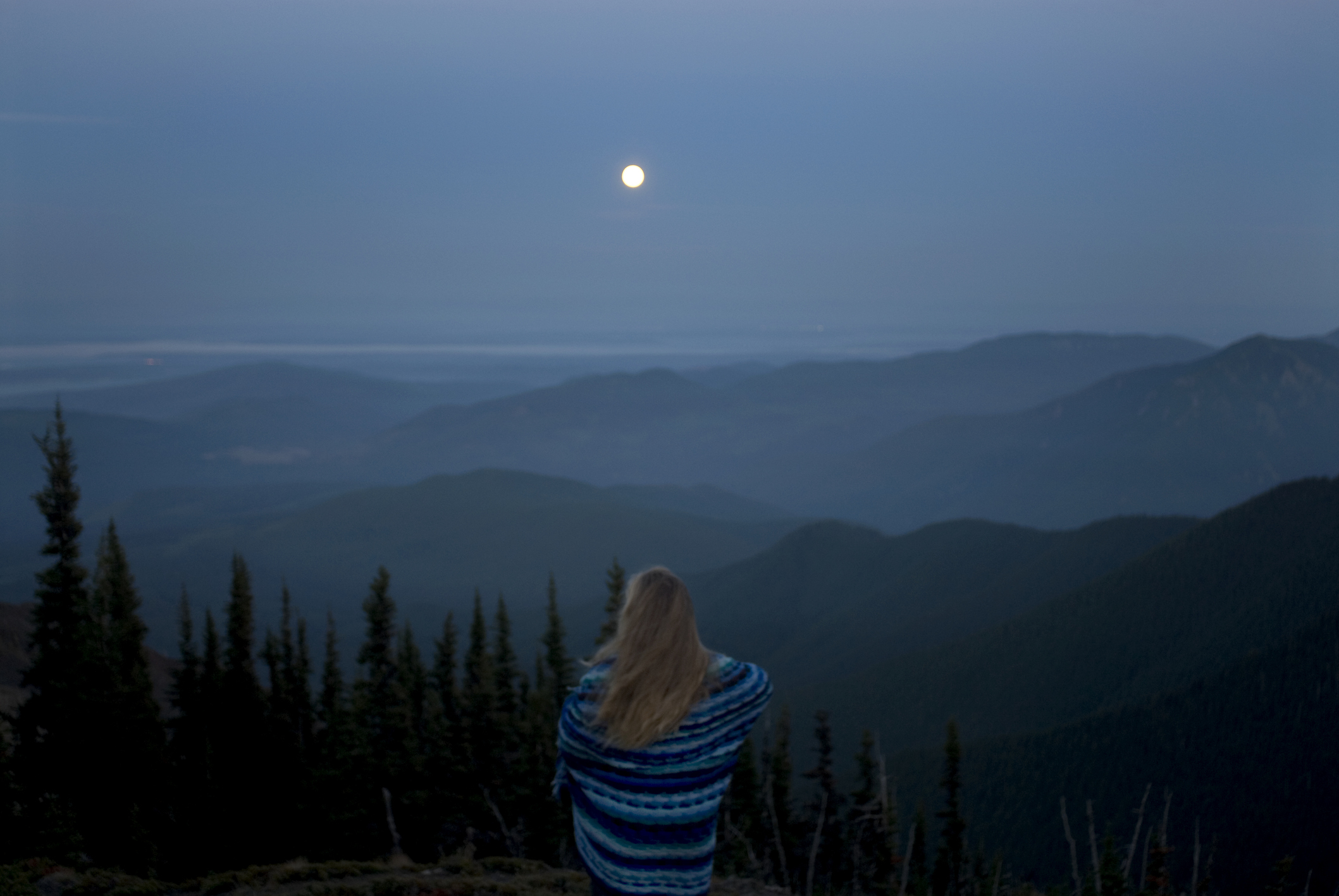
Nevetheless, many naked-eye stargazers are keen to know when the next full Moon will appear, because there's just something awe-inspiring about a bright lunar disc dominating the night sky.
This is especially true during a supermoon, which many observers get excited about.
And there is still a lot you can see on the lunar surface if you step outside to observe a full Moon.
If it's been raining (or you happen to be near a waterfall!) you might be able to spot a moonbow.
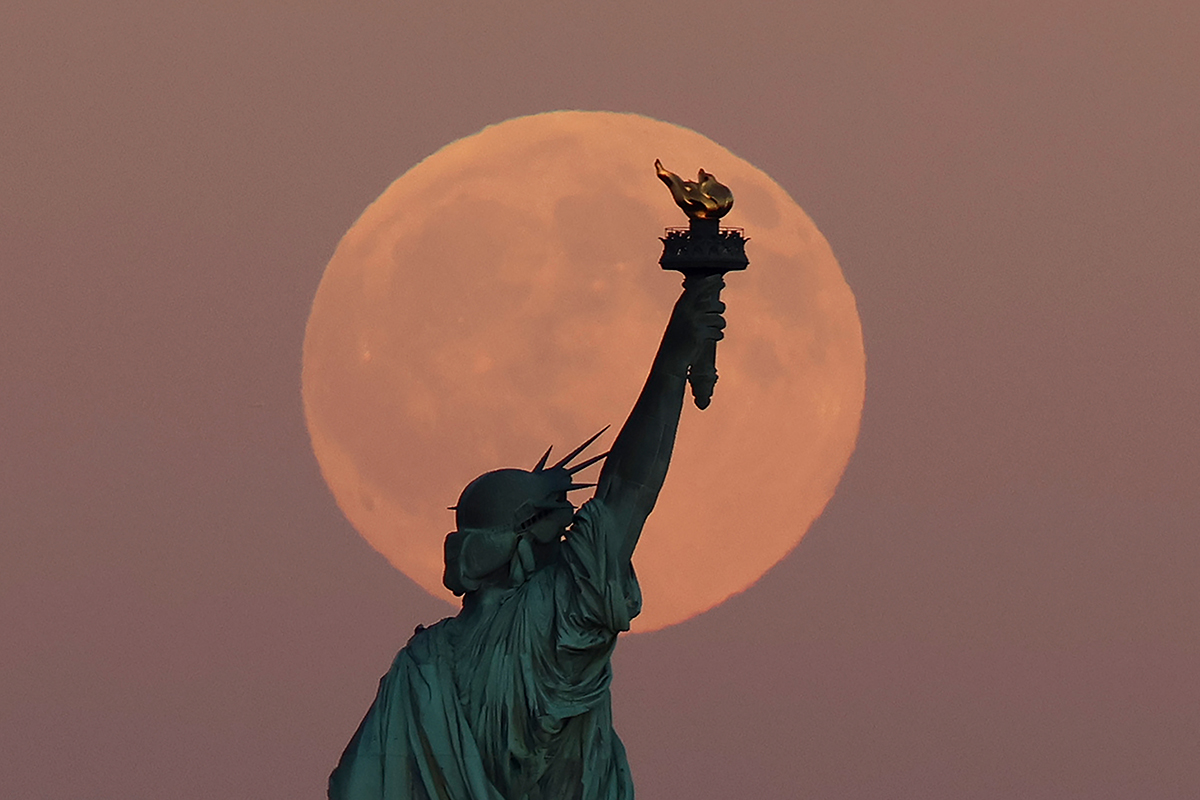
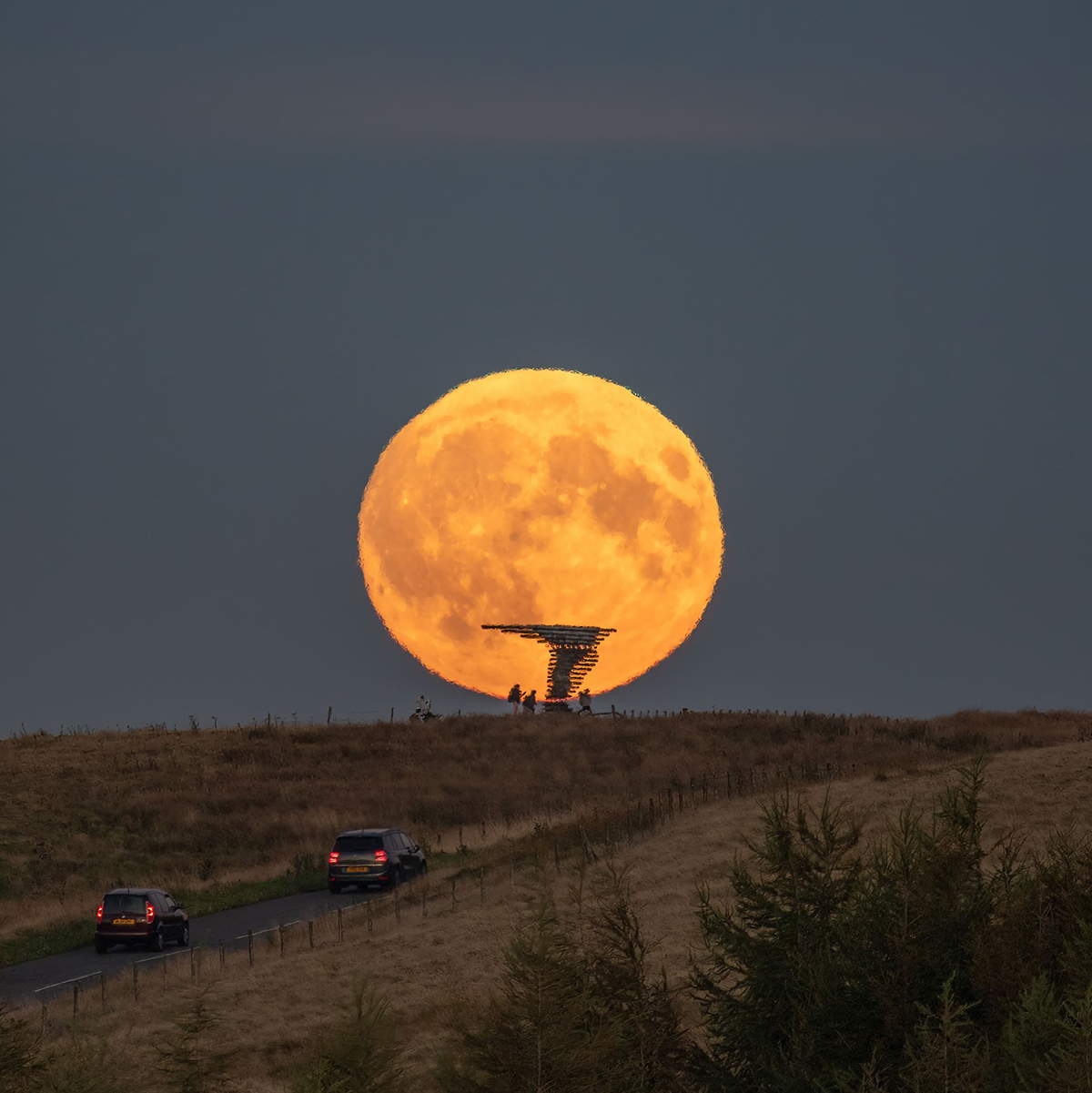
Or if you observe it close to the horizon, it may look enormous – this is known as the Moon illusion.
A full Moon close to the horizon may also look slightly orange, which is to do with how moonlight is diffracted through Earth's thick atmosphere.
And on you can see lunar rays, which are the remnants of ancient impacts on the lunar surface.
For more inspiration, read our guide on how to make the most of a full Moon.
Supermoons explained
The Moon's orbit around Earth isn't a perfect circle; it's elliptical, or egg-shaped.
This means that sometimes the Moon is closest to Earth in its orbit, and sometimes it's furthest from Earth in its orbit.
When it's closest, this is known as perigee. When it's furthest, this is known as apogee.
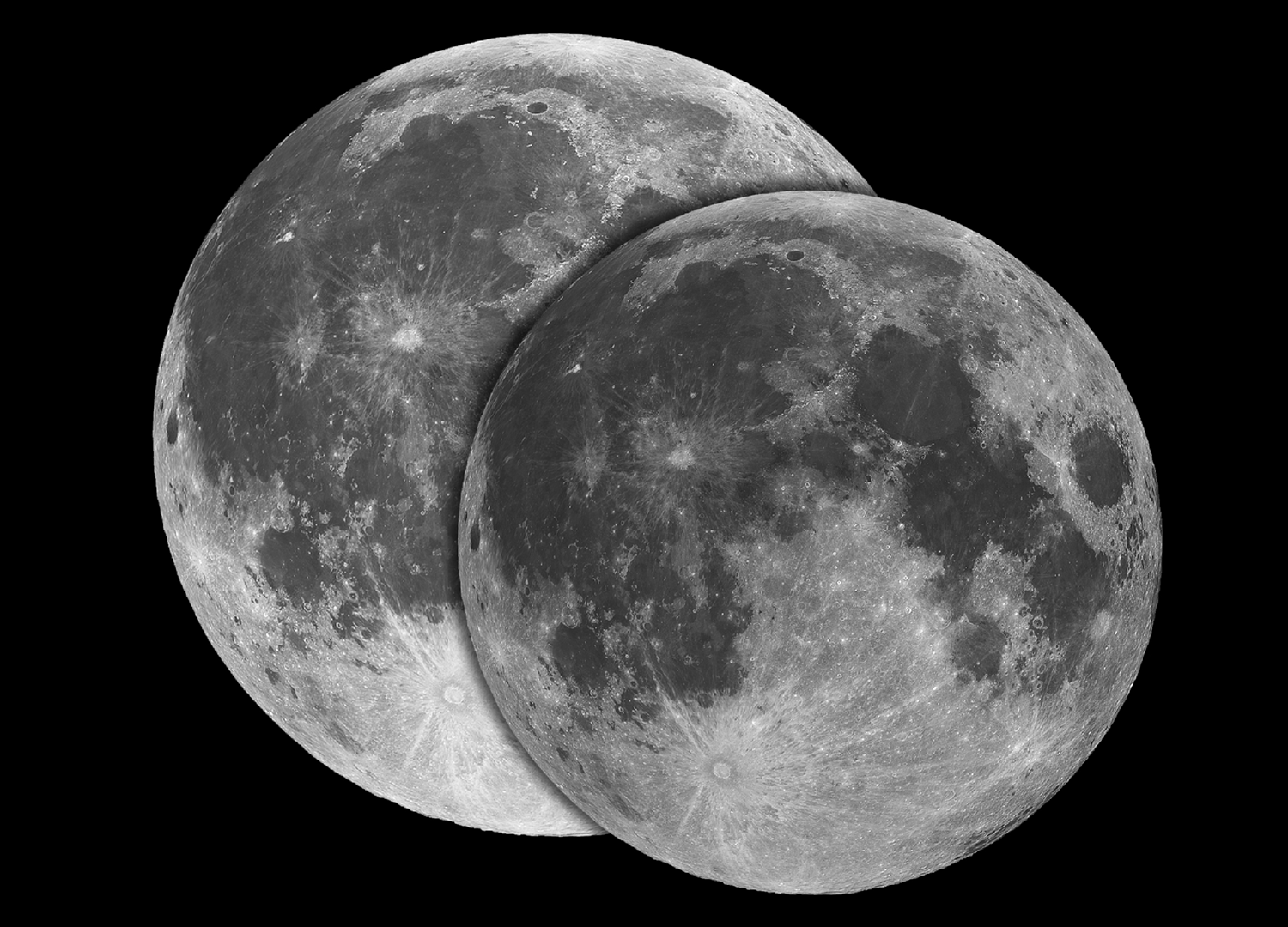
A perigee full Moon technically appears bigger than a 'regular full Moon', and is sometimes known as a 'supermoon'.
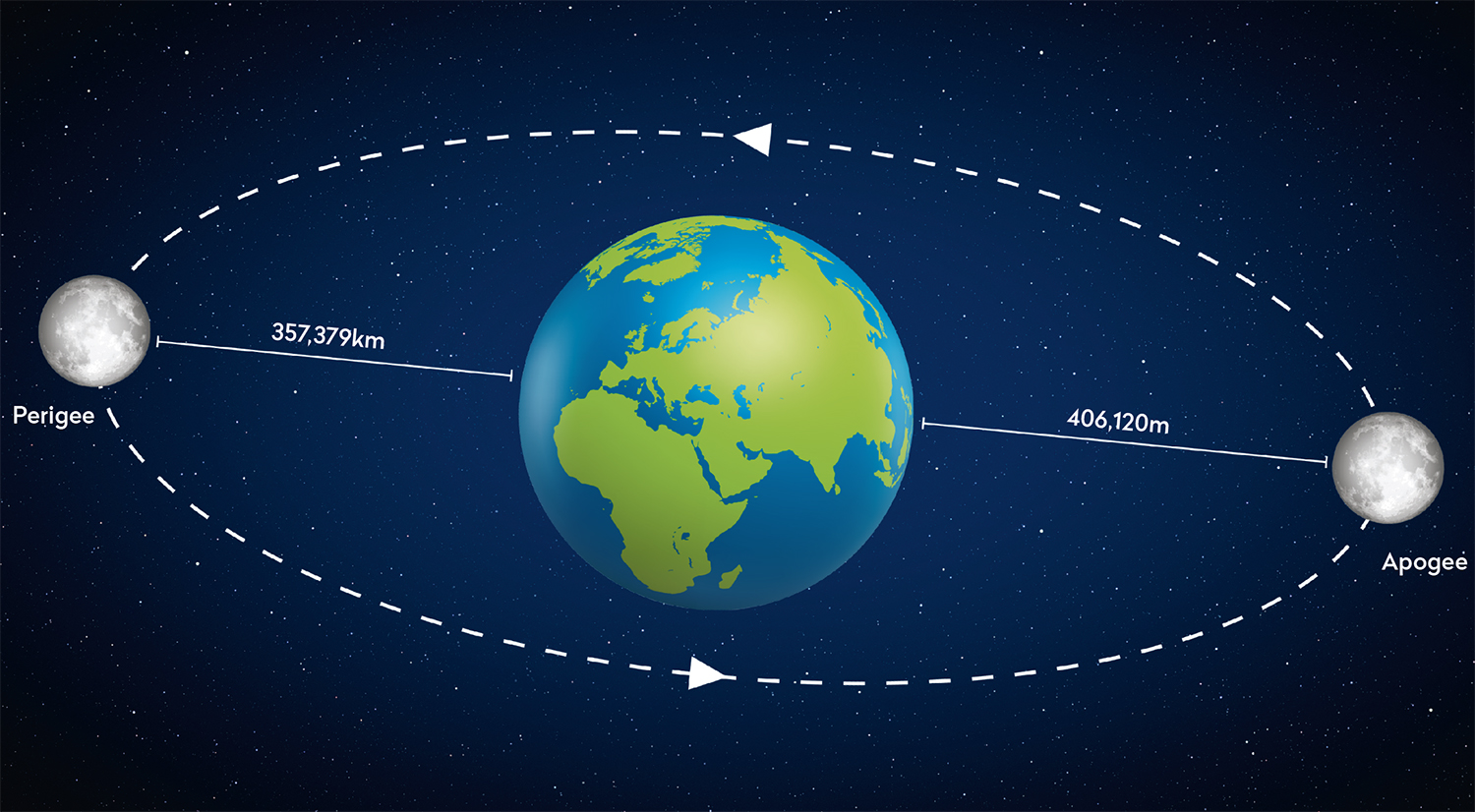
In true astronomical parlance, a 'supermoon' is a 'perigee syzygy Moon', 'syzygy' meaning three or more astronomical bodies in a straight line.
However, in reality the difference between a regular full Moon and a 'supermoon' is imperceptible from one month to the next.
But a good way of recording the difference is to take multiple photos and compare them to keep a record of the Moon's apparent change in size.
You can see the effect of this in the image below.
Click here to find out why February only has 28 days.
Full Moon and lunar eclipses
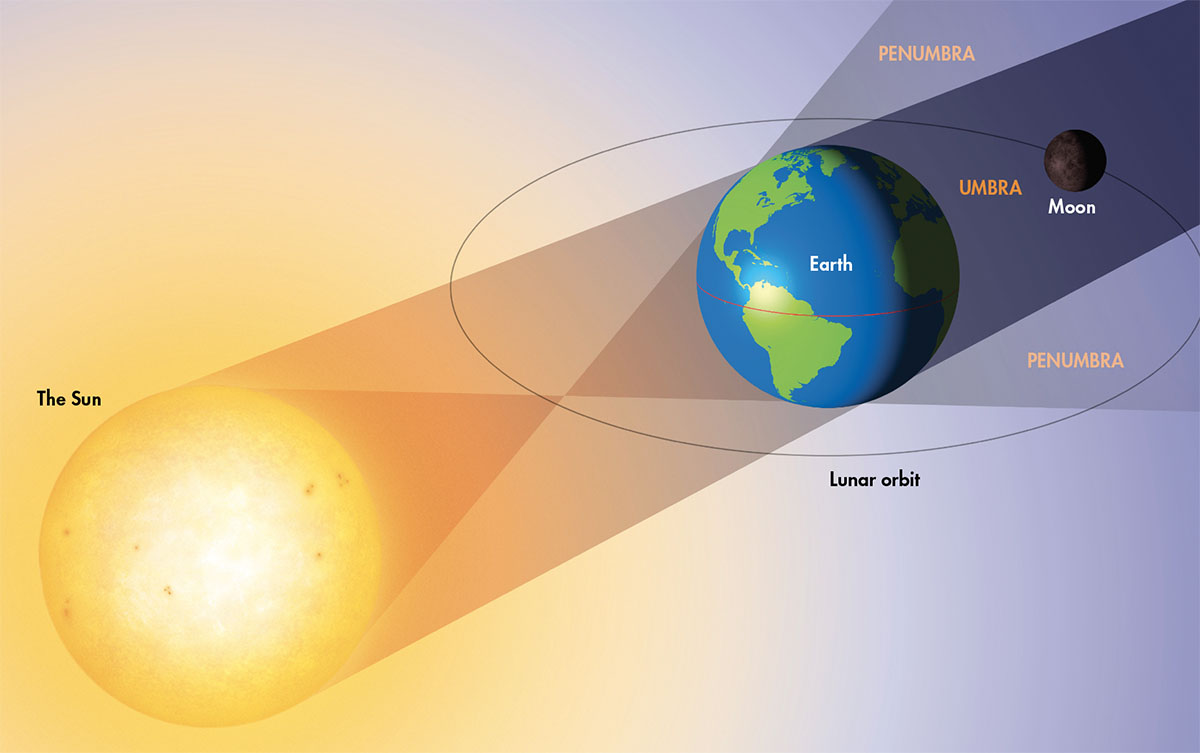
Full Moon occurs when the Moon passes between Earth and the Sun.
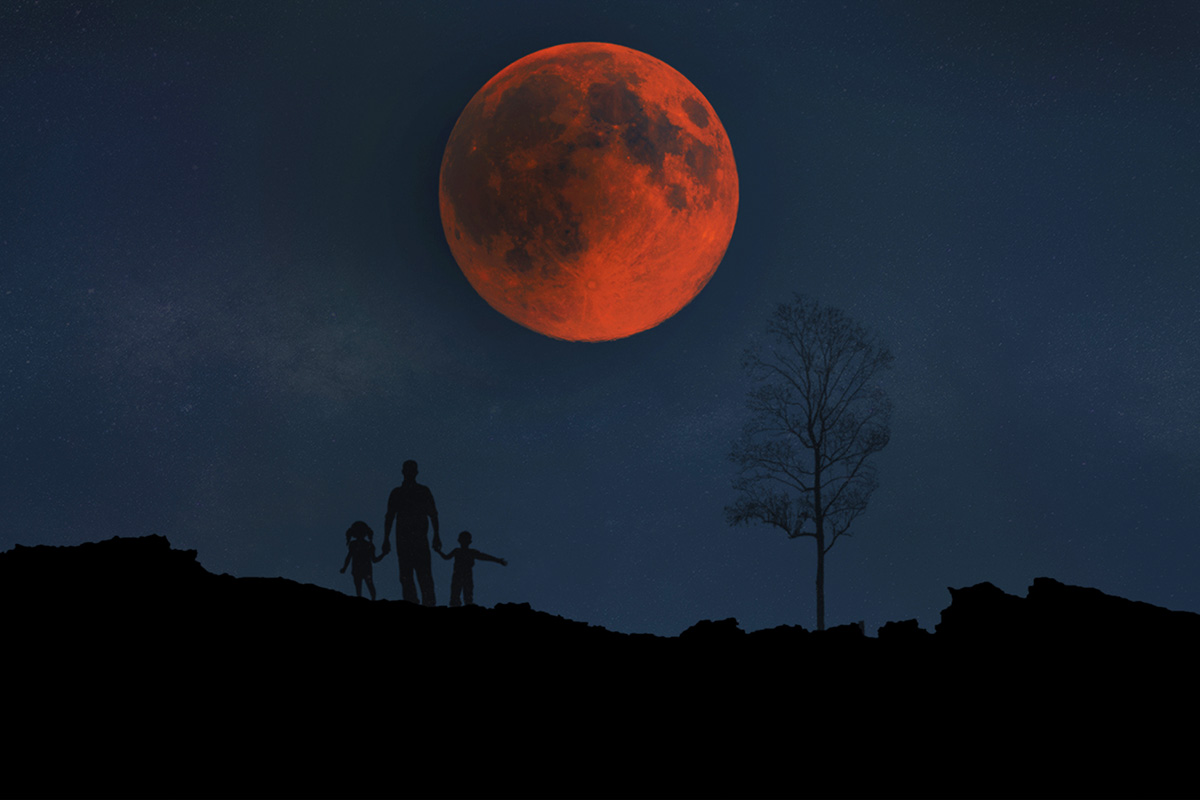
Sometimes the Sun-Earth-Moon configuration is aligned in a straight line, and we get a lunar eclipse.
When this happens, Earth's shadow is cast onto the surface of the Moon, making the Moon turn a deep red colour.
Blue Moons explained
Perhaps the most well-known name is the Blue Moon, considered popularly to be the second full Moon in a month.
This definition is based on a misinterpretation that originated in a 1946 edition of Sky & Telescope Magazine.
It became widespread in the 1980s after it was used in a popular radio show and board game Trivial Pursuit.
The original definition of a Blue Moon is the third full Moon in an astronomical season that contains four full Moons.
Here, the seasons are defined as the time between winter solstice, spring equinox, summer solstice and vernal equinox.
Harvest Moons explained
The Harvest Moon is one of the most popular full Moon names, perhaps in part due to the famous album and song by Canadian folk-rock musician, Neil Young.
'Harvest Moon' is a traditional name for the full Moon that appears closest to the September equinox.
That means some years the Harvest Moon is in September and other years the Harvest Moon is in October.
The reason for this is that, around the September equinox, the Moon rises at roughly the same time every night. In fact, at this time, the Moon-rise times are the closest, night-after-night, for the year.
This, traditionally, meant a bright full Moon rising early at the same time every night, providing a reliable source of illumination for gathering the Harvest. Hence the name Harvest Moon.
- Want to capture it? Read our guide on how to photograph the Harvest Moon
Full Moon vs new Moon
Full Moon and new Moon are two key phases in the monthly lunar cycle.
During full Moon, the whole of the Earth-facing side of the Moon is illuminated.
During new Moon, the Earth-facing side of the Moon is in complete shadow.
New Moon marks the beginning of the lunar cycle. After new Moon, the Earth-facing side becomes more illuminated each day – known as 'waxing' – until it reaches the half-way point: full Moon.
After full Moon, the Earth-facing side becomes less illuminated each day – known as 'waning' – until it is again completely in shadow: new Moon.
Full Moon happens when Earth is between the Sun and the Moon. At this point, when we look at the Moon, the Sun is behind us, shining onto the lunar surface.
New Moon happens when the Moon is positioned between Earth and the Sun, meaning the far side of the Moon is illuminated, but the Earth-facing side of the Moon is in shadow.
Occasionally if the full Moon, Earth and the Sun are positioned directly in a line together, we get a lunar eclipse.
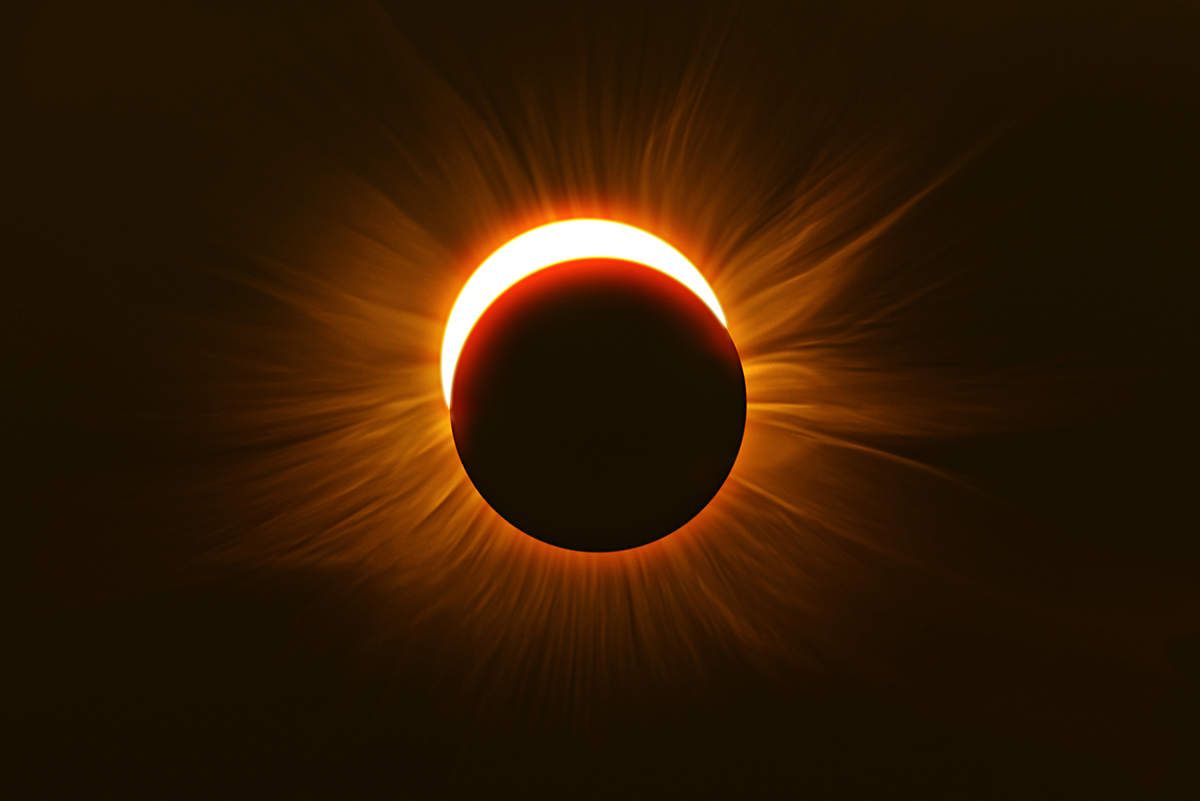
If the Earth, the new Moon and the Sun are positioned directly in a line together, we get a solar eclipse.
If you observe or photograph the next full Moon, share your observations and images with us via contactus@skyatnightmagazine.com


