As the full Moon rises on 23–24 November, it marks the first of four supermoons in a row that will last until February 2027.
That makes this week's full Moon quite a special one, and definitely worth observing.
Here are 6 reasons you should observe the full Moon tonight.
A big, bright supermoon
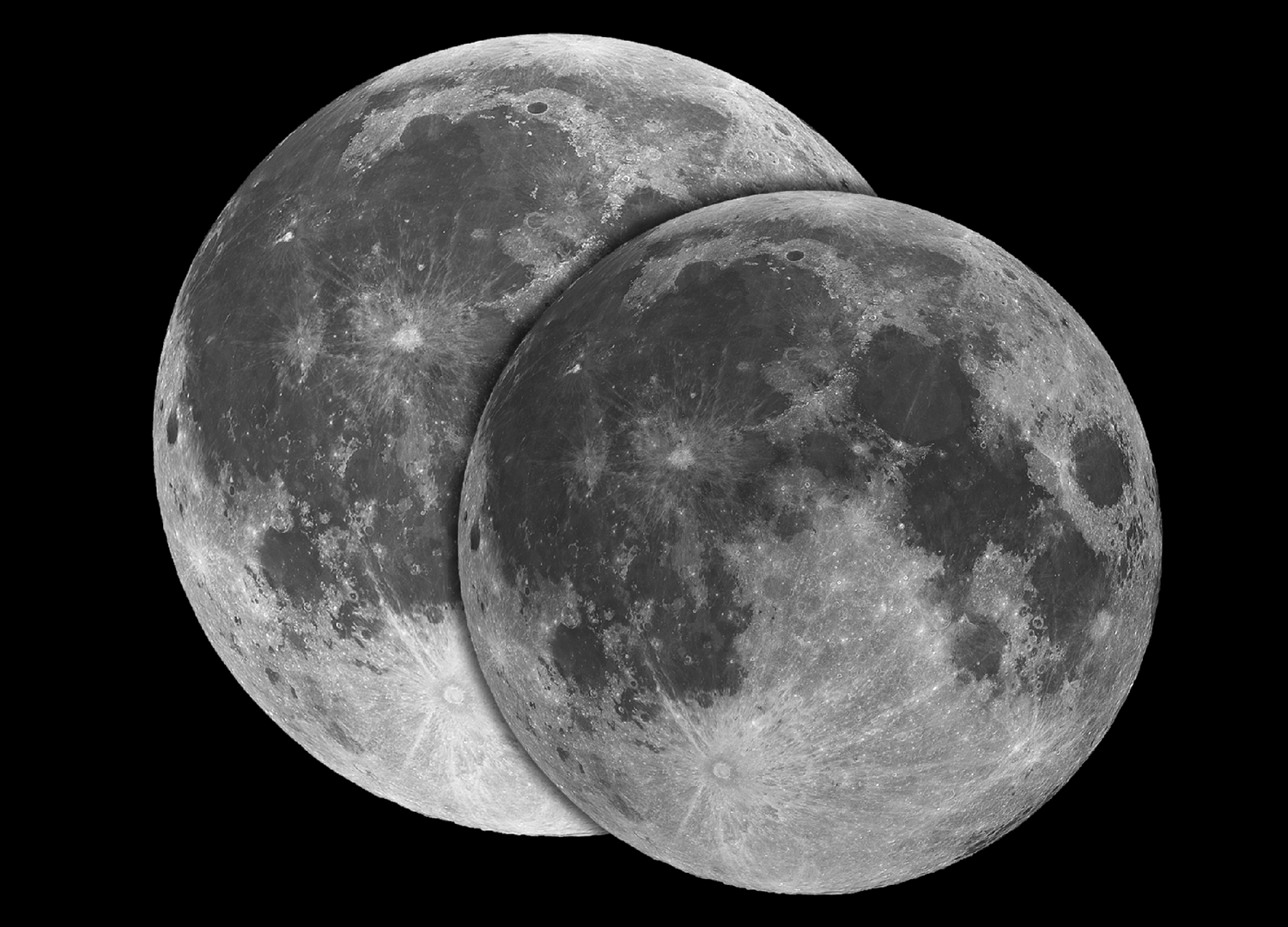
The November 2026 full Moon is a supermoon, which means it's a full Moon at the closest point to Earth in its orbit.
This occurs because the Moon's orbit around Earth isn't a perfect circle. Instead, it's elliptical, or slightly egg-shaped.
That means sometimes the Moon is closer to Earth than at other times.
When the Moon is at its closest point to Earth, it's at perigee. When the Moon is furthest from Earth, it's at apogee.
So the technical name for a supermoon is a perigee full Moon, and when this occurs, the full Moon can appear 14% larger and 30% brighter.
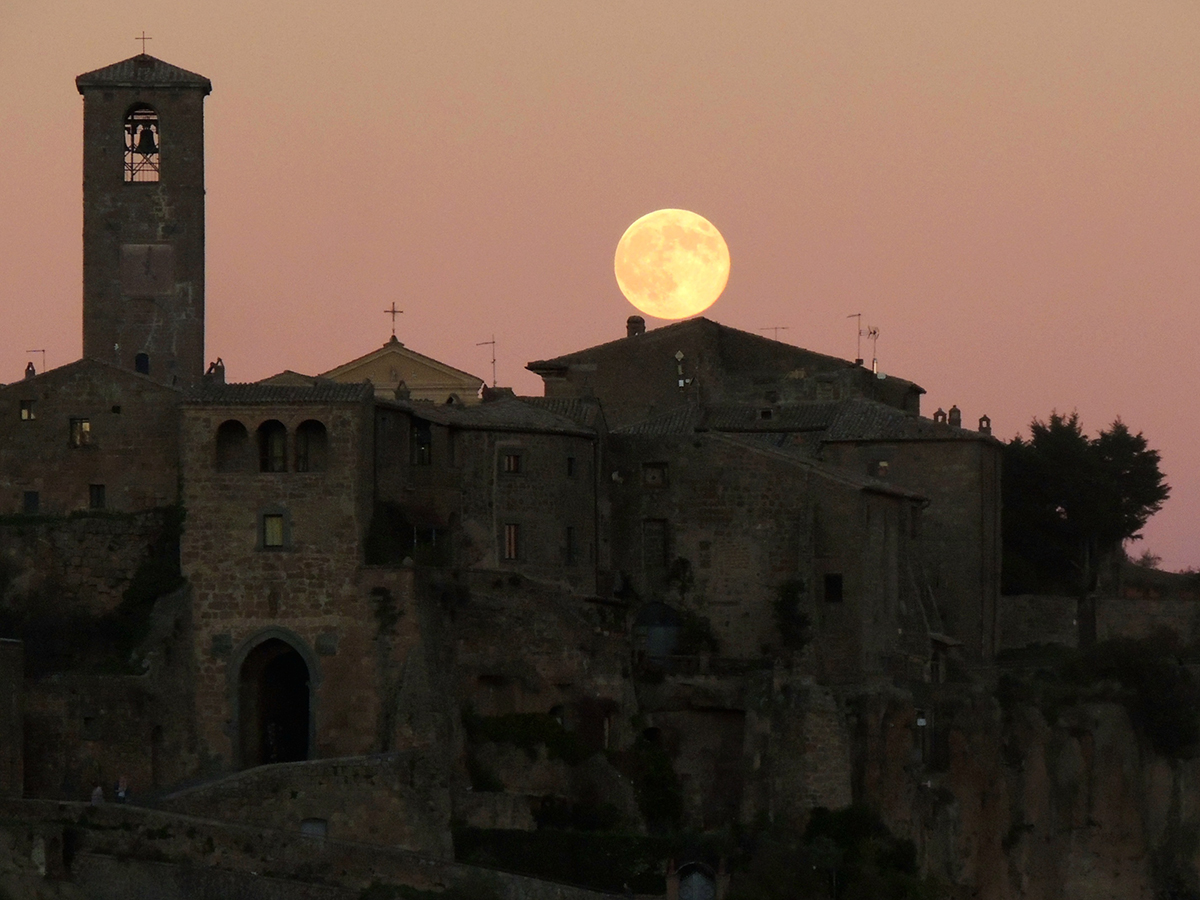
The November 2026 supermoon is one of the biggest, brightest supermoons of the year, occurring just before the Christmas Eve supermoon next month, which will be the biggest.
At its closest point, the Beaver Supermoon will be 360,768 km (224,170 miles) from Earth, according to data listed at AstroPixels.com, hosted by Moon and eclipse expert Fred Espenak.
That makes it one of the closest full Moons to Earth of the year.
However, in reality you're unlikely to notice the difference with the naked eye. You can, however, capture the difference in size by taking photographs of the full Moon at perigee and at apogee, as shown in the image above.
A reminder of the full Moon's cultural importance
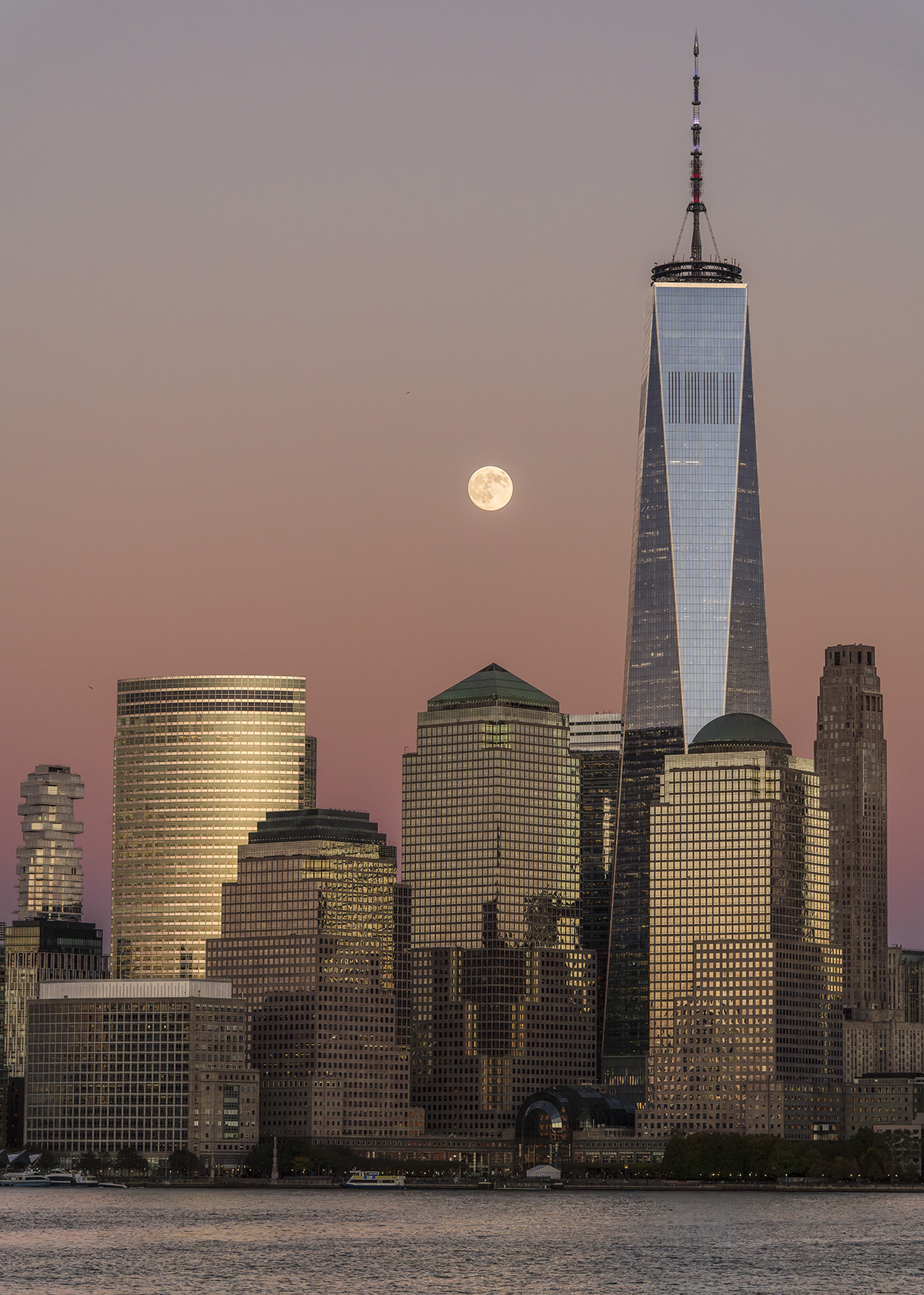
Equipment: Sony A7R3 camera, Sony 70-200 G Master lens at 116mm focal length, Leofoto tripod Exposure: ISO 320, f/9, 1/320
This week's full Moon is a supermoon, but it's also known as the Beaver Moon or, in this case, the Beaver Supermoon.
Each of the monthly full Moons throughout the year has a few informal full Moon nicknames that reflect annual events or changes in nature during the month in question.
The November full Moon is known as the Beaver Moon because that's traditionally the time when beavers are most active in nature, preparing for the harsh winter months ahead.
It is, however, just a nickname, and you shouldn't expect the Beaver Moon to look especially beaverish!
But it is a reminder of the cultural significance and importance of the full Moon, and indeed of the night sky in general, as our ancestors relied on its clockwork regularity to mark important events throughout the year.
You can see the Moon close to two star clusters
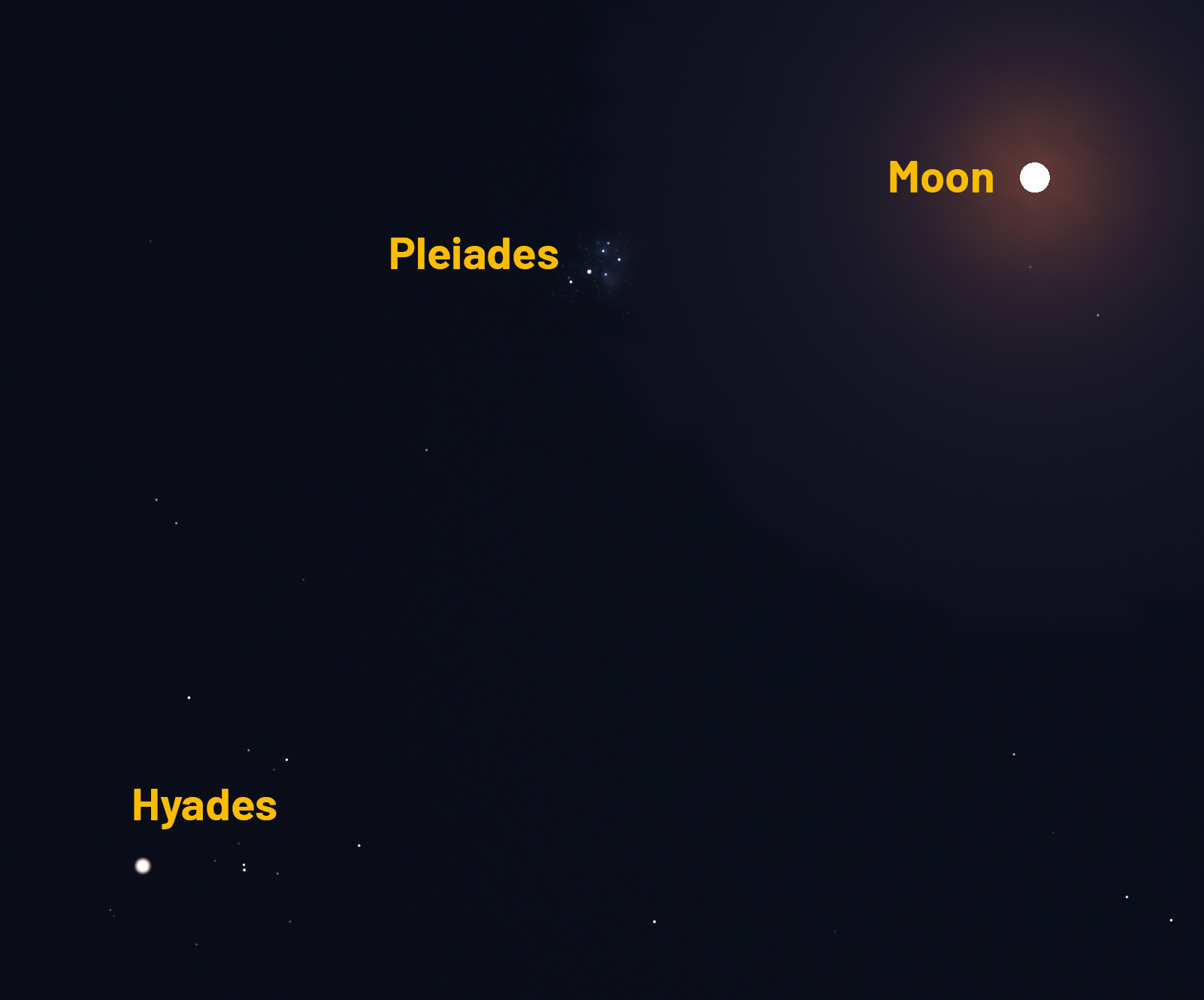
As the full Moon climbs higher in the sky under darkness on 23 November, look to its left and you may be able to spot two star clusters.
The Pleiades and the Hyades are normally visible with the naked eye under dark skies, but the glare of the full Moon could make them a bit trickier to see this week.
Nevertheless, see if you can spot them. A pair of binoculars will help.
The Hyades is easiest to spot if you can locate the bright star Aldebaran first, which appears to sit within the cluster.
Look again on 24 November and you'll see the full Moon is now sitting between the two clusters.
The Moon could look absolutely huge
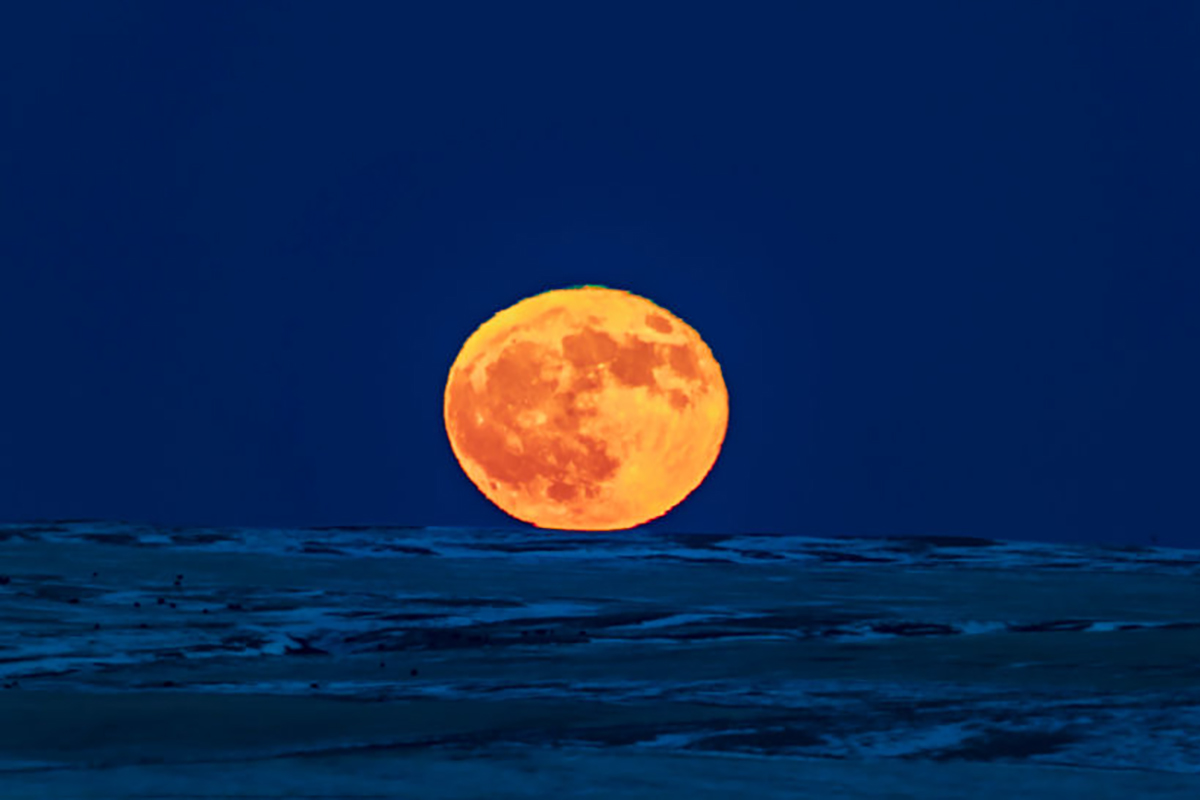
If you're able to find a clear eastern horizon, you'll be able to watch the Moon rise in evening twilight, just as the Sun is setting.
You may notice that the Moon looks enormous when it's close to the horizon. This is nothing to do with it being the one of the biggest supermoons of the year.
You're witnessing an optical effect called the Moon illusion, which describes when a low-down Moon looks huge.
You may have already seen it before, if you've ever observed the Moon close to the horizon. It's an optical illusion visible when any full Moon is close to the horizon, 'super' or otherwise.
The Moon illusion is all a matter of perspective, likely caused by large foreground objects like buildings and trees seeming tiny in comparison to the full Moon, making the Moon itself look bigger than normal.
You can see signs of the Moon's chaotic past
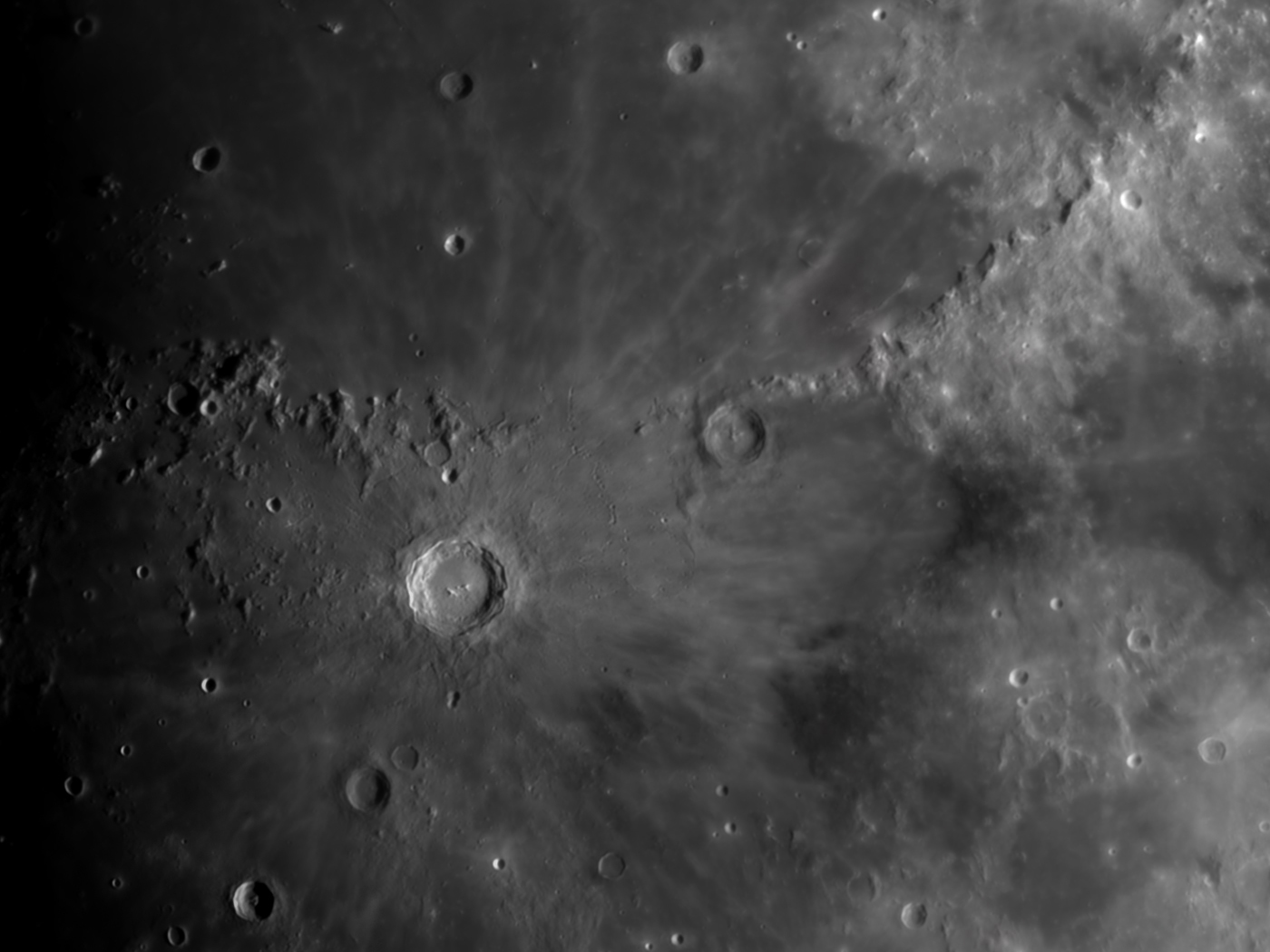
Some will tell you that full Moon is the worst time to observe the Moon.
That's because during full Moon, the whole of the side of the Moon that we can see is illuminated in sunlight.
All its lunar seas, craters, mountains and valleys are washed out by the glare, and therefore tricky to see.
But when the Moon is a crescent or gibbous, the terminator – the line between the lit and unlit portions of the Moon – accentuates these features, making them more visually striking.
There are even beautiful clair-obscur effects that can be seen on the Moon, caused by the play of light and shadow on the lunar surface.
These aren't visible when the Moon is full, but instead you can see lunar rays, which are caused by ejecta from ancient impacts on the Moon, giving us a view of the Moon's early history during a more chaotic period of the Solar System.
Lunar rays are beautiful features to explore, and among the most famous are those of crater Tycho and crater Copernicus.
It's great for kids and families

You'll be able to see the full Moon without the need for binoculars or a telescope. You don't even need to get away to a dark-sky site and avoid light pollution to enjoy it.
The Beaver Supermoon 2026 can be seen easily with the naked eye, but you'll need a clear horizon to watch it rise.
For these reasons, full Moons and supermoons like the Beaver Moon are great for beginners and kids.
If you're observing the Beaver Moon this week, see if you can photograph the Moon with your smartphone.
Or have a drawing competition and see who can produce the best sketch of the Moon.
You can also use the fact that this full Moon is a supermoon as a chance to discuss its orbit around Earth, and how at some points it's closer to our planet than at other times.
Share your Beaver Supermoon observations and images with us by emailing contactus@skyatnightmagazine.com